Sheet 46 · First-Time England Planning Guide · 41 min read
England Travel Guide: First-Time Tips and Planning
Plan a first England trip with practical travel tips on ETA rules, itineraries, trains, costs, where to stay, packing, safety, etiquette, and bookings.
 Sheet 46
Contents 28 sections
If you are planning your first trip to England, the best travel advice I can give you is simple: make the trip smaller before you make it bigger. This England travel guide is written for first-time visitors who want fewer, better decisions rather than a sprawling checklist.
England looks compact on a map, and compared with the United States, Canada, Australia, or even much of mainland Europe, it is. You can cross a surprising amount of country by train in a morning. London to Bath can be under ninety minutes. London to York can be about two hours. Oxford, Cambridge, Windsor, Brighton, Canterbury, and Hampton Court can all work as day trips from London. That is exactly why first-time itineraries get out of hand. The country feels manageable, so people add one more city, one more village, one more castle, one more national park, and suddenly the holiday becomes a logistical exercise with nice views in between.
This England travel guide is written to stop that from happening.
I am not going to pretend you can solve England with a checklist. You do not need every famous place on one trip. You need the right first base, the right number of hotel moves, the right transport plan, the right entry documents, and a realistic sense of what is worth booking before you arrive. Once those pieces are in place, the trip gets much easier. You can choose between London and the countryside, Bath and York, Oxford and Cambridge, the Cotswolds and the Lake District, Cornwall and Devon, trains and car rental, summer and shoulder season, without feeling as if one wrong decision ruins everything.
For route building, keep the England itinerary planner open beside this guide. For destination inspiration, start with the regional roundup of England. This page is the practical layer underneath those decisions: the “what should I know before I book?” guide. For meals, pub etiquette, afternoon tea, markets, tipping, and what to order, use the English food guide alongside it.
Quick Answer: What To Know Before Visiting England
For a first trip to England, plan around a few big truths. London deserves at least three full days. Ten to fourteen days is the best length for a rounded first visit. Trains are excellent between major cities, but rural regions such as the Cotswolds, parts of Cornwall and Devon, Northumberland, and some national parks need more careful planning. Do not rent a car in London. Do not leave entry requirements until the week before travel. Pack for mild, changeable weather rather than for one perfect season. Use contactless payment in London if your card works without painful foreign fees. Book the few things that genuinely sell out, but leave enough space for weather, jet lag, and wandering.
As of May 28, 2026, GOV.UK says most visitors need either an Electronic Travel Authorisation, known as an ETA, or a visa, depending on nationality and travel purpose. The official ETA cost is GBP 20, each traveler needs their own ETA, including children, and an ETA lets eligible visitors travel to the UK for up to six months. Always check GOV.UK before travel because entry rules are current-information content, not evergreen travel trivia.
Here is the short version.
| Planning Question | Best First-Time Answer |
|---|---|
| How long do you need? | 7 days for London plus one region; 10-14 days for a balanced first trip; 3 weeks for a deeper England route. |
| Where should you start? | London for most international visitors, unless flights into Manchester, Birmingham, or Bristol make more sense for your route. |
| Do you need a car? | No for London, Bath, Oxford, Cambridge, York, Manchester, Liverpool, and many city routes. Maybe for the Cotswolds, Cornwall, Devon, national parks, and rural coast. |
| What should you book first? | Entry documents, flights, first/last hotel, peak-season accommodation, major train legs, and must-do paid attractions. |
| What should you not overbook? | Every meal, every local train, every museum hour, and every day trip before you know your pace. |
| Best transport habit? | Use trains between cities, contactless/Oyster in London, and a car only when it solves a rural problem. |
| Biggest mistake? | Trying to combine London, Bath, Cotswolds, Cornwall, York, Lake District, and Scotland in one short trip. |
| Best planning mindset? | Build around bases, not isolated attractions. |
If that table makes you realize you are already planning too much, that is a good sign. Better to trim now than to discover it on a train platform with luggage and two more hotel check-ins ahead of you.
England, Britain, And The UK: Get The Names Straight
This sounds basic, but it matters when you are reading travel advice. England is one country within the United Kingdom. The United Kingdom is made up of England, Scotland, Wales, and Northern Ireland. Great Britain is the island containing England, Scotland, and Wales. Britain is often used informally, and you will see VisitBritain covering England, Scotland, Wales, and sometimes broader UK planning.
Why does this matter for a tourist? Because a “UK itinerary” is not the same as an “England itinerary.” A one-week UK itinerary that includes London, Bath, York, Edinburgh, the Highlands, Belfast, and Cardiff is usually fantasy planning. A one-week England trip can be excellent if you keep it focused. A two-week England trip can be rounded and satisfying. A two-week UK trip is possible, but you will need sharper priorities and more travel time.
It also matters for entry rules. You enter the UK, not “England” as a separate immigration zone. An ETA or visa question is a UK question. Train tickets, local transport, health systems, bank notes, school holidays, and tourism bodies can vary by country, region, and operator. When in doubt, use the official source for the specific thing you are doing.
For this guide, I am focusing on England: London, the great historic cities, countryside, coast, national parks, villages, transport, and first-time trip planning inside England. If you are adding Scotland or Wales, the broad logic still helps, but do not assume every detail carries across neatly.
Start With These Four Decisions
Before you book anything non-refundable, answer four questions.
First, how many nights do you actually have on the ground? Not flight days. Not “we arrive at 8 a.m. after an overnight flight and will power through.” Real nights. Real usable days. Arrival day is often a soft day, especially if you are crossing time zones.
Second, do you want a London-based trip or a moving itinerary? A London-based trip is easier: stay in one hotel, see London well, add day trips from London to Windsor, Oxford, Cambridge, Bath, Brighton, Canterbury, Hampton Court, or Stonehenge. A moving itinerary gives you more of England, but every hotel change costs time and energy.
Third, are you comfortable with trains, or do you want a car for part of the trip? I would not rent a car for a first visit that stays in London and major cities. I would consider a car for a Cotswolds overnight, a Cornwall or Devon coast route, a Northumberland castle-and-coast trip, a Yorkshire Dales loop, or parts of the Lake District if you want flexibility beyond the main bus corridors.
Fourth, what is the emotional center of the trip? It sounds soft, but it is practical. If your dream is theatre, museums, food, and neighborhoods, spend more time in London. If it is villages and country pubs, do not make the Cotswolds a rushed side note. If it is walking and scenery, give the Lake District, Peak District, Yorkshire Dales, or South West Coast Path room to breathe. If it is history, Bath, York, Durham, Oxford, Cambridge, Stonehenge, Salisbury, Canterbury, Windsor, and Hadrian’s Wall may matter more than another market.
The best England trip starts with that kind of honesty. It is much easier to choose places once you know what you are protecting.
How Many Days Do You Need In England?
You can have a good time in England with almost any length of trip. The question is not “is it possible?” The question is “what kind of trip is it?”
With five to seven days, I would keep the trip simple. Spend three to five days in London and add one or two easy day trips, or split the time between London and one second base such as Bath, York, Oxford, Cambridge, or the Cotswolds. Do not try to add Cornwall or the Lake District unless that region is the point of the trip. You will spend too much of a short holiday getting there and back.
With ten days, you can build a proper first England itinerary. A strong route might be London, Bath, the Cotswolds or Oxford, and York. Another could be London, Bath, Salisbury/Stonehenge, and Devon. Another could be London, York, and the Lake District. Ten days still rewards restraint. Choose one countryside or coast region, not three.
With fourteen days, England opens up. You can spend four or five days in London, add Bath and the Cotswolds, continue to York, and finish with the Lake District or another northern region. Or you can build a southern route with London, Oxford, Bath, Dorset, Devon, and Cornwall. Two weeks is enough to feel that you have gone beyond the obvious without making every day a transfer day.
With three weeks, you can travel more deeply. This is where I would consider a road trip segment, a slower Lake District stay, a Cornwall and Devon coast route, Northumberland and Durham, Norfolk, the Peak District, or a more personal theme such as gardens, literature, football, cathedrals, food, or hiking. Three weeks is also long enough to mix trains and car rental in a sensible way.
For day-by-day route options, use the England route planner. The key planning rule is this: do not count a destination only by distance. Count it by check-out time, station time, luggage, transfers, local transport, fatigue, and what you are giving up to include it.
Where To Go On A First England Trip
For most first-time visitors, the classic England mix is London, one historic city, one university city or palace day, and one countryside or coast region. That mix works because it gives you contrast without forcing the whole country into one route.
London is the natural gateway. It is expensive, busy, and occasionally overwhelming, but it is also one of the easiest great cities in the world to enjoy as a visitor. Give it proper time. The full London guide covers where to stay, what to book, how to pace the city, and when a day trip makes sense.
Bath is one of the easiest heritage cities to add. It is beautiful, compact, and rail-friendly. Oxford and Cambridge work well as day trips or short stays, but you usually do not need both on a short first trip. If your history route is circling Bath, Stonehenge, Oxford, and Cambridge, use the Bath, Stonehenge, Oxford and Cambridge guide before you start stacking famous names into one day. York is my favorite answer when someone wants medieval England, rail convenience, and a city that feels different from the south. The Cotswolds are lovely but need logistical realism. The Lake District is magnificent but deserves more than a drive-by. Cornwall and Devon are wonderful if you want coast, beaches, cliffs, seafood, and a slower southwest route.
If history is the emotional center of the trip, use castles in England and historic sites to compare castles, cathedrals, Roman sites, Stonehenge, palaces, and northern routes before you overcommit to famous names. If you are still deciding where your heart is going, use the best-places guide first. If you already know your route will include London and one-day side trips, go straight to trips beyond London.

Here is how I would think about common first-time choices.
| Destination | Best For | Minimum Sensible Time | First-Time Note |
|---|---|---|---|
| London | Landmarks, museums, theatre, food, neighborhoods | 3 full days | Better with 4-5 days if you like museums or shows. |
| Bath | Roman history, Georgian streets, elegant short stay | 1 night | Better overnight than rushed as a late day trip. |
| Oxford | Colleges, libraries, pubs, easy London day trip | 1 day | Choose over Cambridge if you want denser city energy. |
| Cambridge | Colleges, punting, river scenery | 1 day | Choose over Oxford if you want a softer, prettier day. |
| Cotswolds | Villages, walks, country pubs | 2 nights | Car, tour, or careful base planning helps a lot. |
| York | Medieval streets, rail-friendly history | 2 nights | Excellent London-to-north bridge. |
| Lake District | Lakes, mountains, walking, scenery | 3 nights | Worth it if outdoors are a priority. |
| Cornwall/Devon | Coast, beaches, cliffs, seafood, road trips | 4+ nights | Best when you can slow down and use a car for part of it. |
Do not choose destinations only because they are famous. Choose them because they work together.
Entry Requirements: ETA, Passport, And Border Basics
Entry rules are one of the places where old travel articles can become actively unhelpful. Check official UK guidance before travel, even if you visited a few years ago.
As of May 28, 2026, GOV.UK says an Electronic Travel Authorisation, or ETA, lets eligible visitors travel to the UK, Jersey, Guernsey, or the Isle of Man for up to six months for tourism, visiting family, or certain other reasons. GOV.UK lists the ETA cost as GBP 20. Each traveler needs their own ETA, including babies and children. The ETA is linked to the passport used in the application, and GOV.UK says it usually lasts for two years or until that passport expires, whichever is sooner.
The practical advice is straightforward: use GOV.UK, not a lookalike site. Apply with the passport you will travel with. Do not assume one family application covers everyone. Do not wait until airport check-in. Do not rely on a friend’s trip from before the ETA rollout. If you need a visa rather than an ETA, that is a different process and timeline.
An ETA is permission to travel, not a guarantee of entry. You still need to satisfy border requirements when you arrive. That usually means having a valid passport, a genuine tourism purpose, accommodation or travel plans if asked, and enough funds for the trip. Most tourists pass through without drama, but the process is much smoother when your documents match your bookings and your answers are simple.
If your trip includes Ireland, the Channel Islands, Isle of Man, or onward travel in Europe, check requirements separately. The UK is not in the Schengen Area. A Schengen visa or EU entry rule is not the same as permission to enter the UK.
This is the least romantic part of planning and one of the most important. Handle it early, then move on.
Flights And Arrival Airports
Most first-time England travelers fly into London, but “London airport” can mean Heathrow, Gatwick, Stansted, Luton, City, or Southend. They are not interchangeable. Heathrow has the strongest long-haul network and excellent rail connections. Gatwick is also practical. Stansted and Luton can be useful for European low-cost flights, but they may be less convenient depending on where you stay. London City is easy for parts of east and central London but has a smaller flight network.
If you are planning a northern England trip, look seriously at Manchester. It can make more sense for York, the Lake District, Liverpool, Manchester itself, the Peak District, and parts of Yorkshire than landing in London and immediately hauling north. Birmingham can work for the Midlands, Cotswolds, Stratford-upon-Avon, and Oxfordshire. Bristol can be useful for Bath, Somerset, south Wales add-ons, and the southwest.
For Heathrow to central London, you have several rail options. The Heathrow Express is fast to Paddington. The Elizabeth line is slower than the express but very useful because it continues through central London. The Piccadilly line is usually cheaper and slower, but it can be convenient for areas such as South Kensington, Covent Garden, and King’s Cross depending on luggage and timing. For Gatwick, trains to Victoria, London Bridge, Blackfriars, and other stations can work well depending on your hotel.
My rule: choose your first hotel with your arrival airport in mind. A cheaper room on the wrong side of London after an overnight flight can cost you time, money, and patience. If you land late, prioritize a simple transfer over a charming neighborhood you will not appreciate at midnight.
Getting Around England
England is a strong train country for city-to-city travel. London, Bath, Oxford, Cambridge, York, Manchester, Liverpool, Birmingham, Bristol, Durham, Winchester, Canterbury, Brighton, Leeds, Newcastle, and many other cities work well by rail. If your trip is mostly city-based, trains are usually easier than driving.
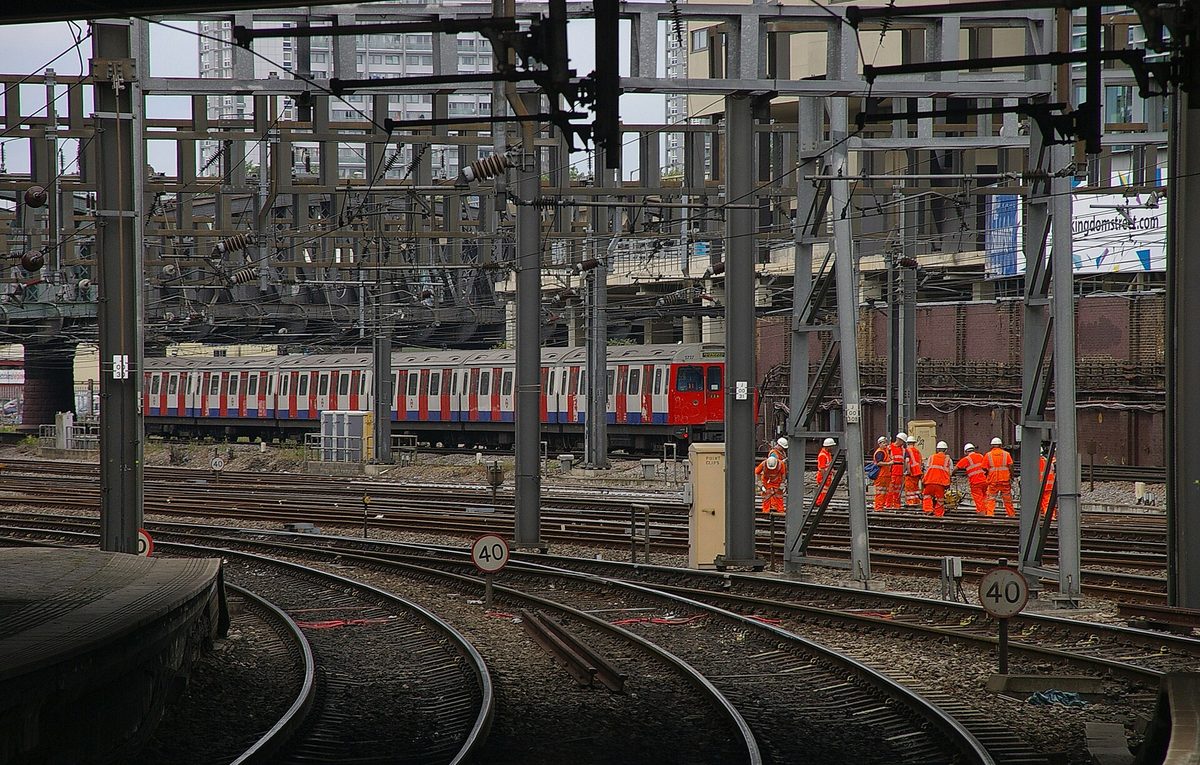
The complication is that English rail pricing can feel strange if you are used to flat fares. National Rail ticket types matter. Advance tickets are usually cheaper when bought ahead, but they tie you to a specific train. Off-Peak and Super Off-Peak tickets are more flexible but restricted by time and route rules. Anytime tickets are flexible but can be expensive. For fixed long-distance legs, Advance fares can save real money. For arrival-day trains after an international flight, flexibility may be worth more than a bargain fare you miss because the plane was late.
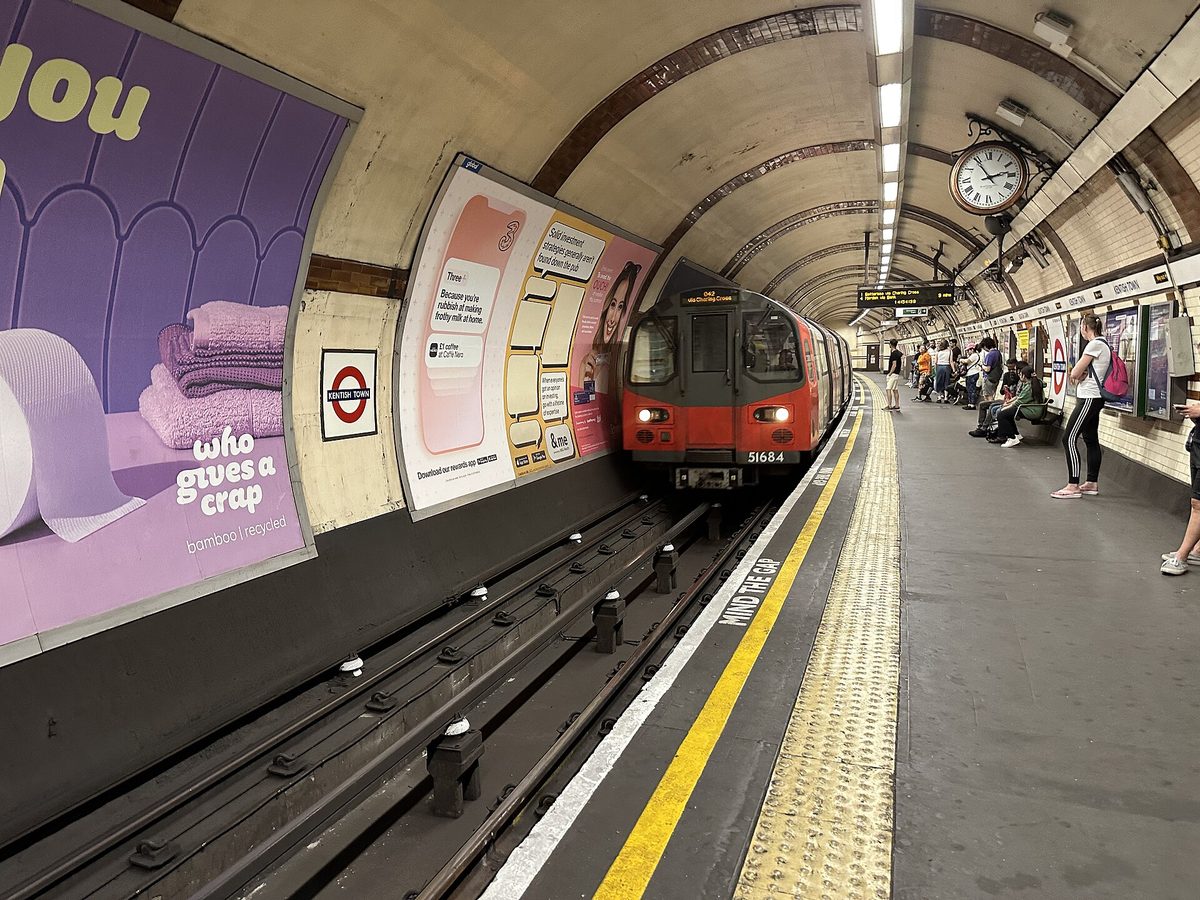
In London, do not buy individual paper tickets for the Tube like it is 1998. Transport for London says pay as you go with contactless, Oyster, or Visitor Oyster is the easiest way for many visitors, with daily and weekly capping. If your foreign card has reasonable fees and works reliably, contactless is often the simplest adult option. Use the same card or device to tap in and out. Do not tap in with a physical card and out with the same card loaded in a phone wallet; the system may treat them as different payment methods.
Coaches can be cheaper than trains, especially between major cities or airports, but they are slower. They can be useful for budget trips, airport connections, or routes where trains are awkward. Local buses matter in rural regions, but schedules can be thin, especially on Sundays, evenings, and holidays. Always check the return journey before committing to a countryside day without a car.
Car rental is useful when it solves a specific problem. It is not useful in London. England drives on the left. Roads can be narrow in villages and rural areas. Parking can be limited or expensive in historic towns. Automatic cars may cost more and should be reserved ahead if you need one. A car is most useful for the Cotswolds, Cornwall, Devon, Dorset, Northumberland, parts of the Lake District, Yorkshire Dales, North York Moors, and flexible road trips. It is often a nuisance in London, Oxford, Cambridge, Bath, and York.
For deeper planning, use the England transport guide. Transport is not a side issue in England; it shapes the entire trip.
Train Or Car: The Honest Choice
The train-or-car question is not a personality test. It is a route question.
Choose trains if your trip is London, Bath, Oxford, Cambridge, York, Manchester, Liverpool, Durham, Newcastle, Brighton, Canterbury, or another city-heavy route. Trains let you avoid parking, city traffic, and left-side driving while tired. They also let you move between central stations instead of airport-style outskirts. For many first trips, a train-first route is the right answer.
Choose a car for a defined rural segment if you want small villages, coastal stops, country-house gardens, trailheads, or scenic loops that public transport reaches poorly. You can take trains between big cities and rent a car only for the middle of the trip. For example, train from London to Bath, rent a car for the Cotswolds, return it before Oxford or London. Or train to Exeter, rent for Devon and Cornwall, return before heading back to London. Or train to York, then rent for the Yorkshire Dales or North York Moors.
Do not rent a car just because England has countryside. Rent one because your specific countryside plan needs it.
Here is my practical split.
| Trip Type | Better Choice | Why |
|---|---|---|
| London only | Public transport | A car is expensive friction. |
| London plus Bath/Oxford/Cambridge/York | Train | Fast, central, simple. |
| London plus day trips | Train or guided tour | Depends on destination; Cotswolds/Stonehenge may be easier by tour. |
| Cotswolds villages | Car, driver, or tour | Public transport is possible but limiting. |
| Cornwall and Devon coast | Car for at least part | Better access to beaches, villages, and cliff walks. |
| Lake District main towns | Train plus bus can work | Windermere, Ambleside, Keswick corridors are possible with planning. |
| Lake District remote valleys | Car | More flexibility, especially in poor weather. |
| Northumberland coast and castles | Car | Stronger for linking castles, beaches, and Hadrian’s Wall. |
The sweet spot for many first-time visitors is hybrid travel: trains for the skeleton, car rental for one scenic segment, trains again when cities return.
Where To Stay In England
Where you stay matters more than many first-timers realize. A good base makes the day feel easy. A bad base turns every morning into a commute.
In London, stay somewhere that fits your transport and interests. Covent Garden, South Bank/Waterloo, Westminster/Victoria, Bloomsbury, South Kensington, Paddington, Marylebone, King’s Cross, and the City can all work depending on budget and plans. Do not stay by Heathrow for a London sightseeing trip unless you have a very specific airport reason. The money you save can vanish into transit time and dull evenings.
Outside London, I prefer fewer bases with better day trips over constant hotel moves. Bath can be a base for Stonehenge, Salisbury, Bristol, and some Cotswolds plans. York can be a base for medieval city time, Castle Howard, Harrogate, Durham, or parts of Yorkshire. Oxford can pair with Blenheim Palace and the eastern Cotswolds. Moreton-in-Marsh is useful for a train-connected Cotswolds stay. Exeter can work for Devon. Windermere, Ambleside, or Keswick can work for the Lake District depending on your plans.
If you are traveling by train, choose accommodation close enough to the station that luggage is not a daily burden. If you are driving, check parking before booking, especially in historic towns. “Parking nearby” can mean a public car park with fees and limited availability, not a private space.
For families, apartments can beat hotel rooms when you need laundry, breakfast, and space. For solo travelers, central location may be worth more than room size. For couples, one charming countryside inn can be the best memory of the trip if you do not bury it between exhausting transfer days.
The where to stay in England guide goes deeper on bases. Remember this: do not choose hotels one night at a time. Choose bases that make the whole route easier.
How Much Does A Trip To England Cost?
England can be expensive, but not evenly. London hotels, paid attractions, last-minute long-distance trains, and peak-season stays are the usual budget breakers. Public transport inside London can be manageable. Many major museums are free. Supermarkets, bakeries, casual chains, pubs, food markets, and picnic meals can soften food costs. Smaller cities and towns often cost less than central London.
I would think in daily ranges, then adjust for your style. A budget traveler staying in hostels or simple rooms, eating casually, using free museums, and booking trains carefully might keep daily costs relatively controlled. A mid-range traveler using decent hotels, intercity trains, paid sights, pubs, and a few restaurant meals should budget much more. A comfort-focused traveler in central London hotels, taxis, private tours, theatre seats, and nicer restaurants can spend quickly.
The biggest mistake is averaging London and the rest of England together. A central London hotel night can distort your entire budget. York, Durham, Chester, Norwich, Lincoln, Liverpool, and smaller towns may feel better value, though prices still jump around weekends, events, and school holidays.
The second mistake is ignoring transport timing. A London to York train can be good value booked ahead on an Advance fare and painful if bought at the last moment at a peak time. But the cheapest fare is not always the best fare on arrival day. If your flight lands at 10 a.m., your bags come late, and immigration is slow, a fixed train at noon may become an expensive mistake.
The third mistake is buying attraction passes without doing the math. A pass can save money if you truly want several included paid attractions in a short window. It can also pressure you into rushing around places you would not otherwise visit.
For a fuller breakdown, use costs and budgeting in England. The short version is: book expensive fixed items early, mix paid and free sights, treat London as its own budget category, and do not let “saving money” create a miserable route.
Money, Cards, Cash, And Tipping
England is highly card-friendly. Contactless cards and mobile wallets are widely used in shops, restaurants, museums, transport, taxis, and markets. Visa and Mastercard are safest. American Express is accepted in some places but not everywhere. You should still carry a small amount of cash, especially for rural parking, small markets, tips, older machines, or the occasional “card machine down” moment.
The currency is pound sterling. Scotland and Northern Ireland issue their own notes, but if your trip is England-focused, you will mostly handle Bank of England notes. ATMs are usually called cashpoints. Use bank ATMs where possible and avoid dynamic currency conversion when a terminal offers to charge you in your home currency. Let your own bank do the conversion unless you know the offered rate is better, which it usually is not.
Tipping in England is calmer than in the United States. In sit-down restaurants, check the bill first. A service charge, often around 10-12.5%, may already be included. If it is included and you are happy, you usually do not need to add more. If no service is included, a modest tip for good table service is appreciated. In pubs where you order at the bar, tipping is not usually expected. For taxis, rounding up is common. For guides, tip if the experience was personal and good.
Do not let tipping anxiety take over the trip. Look at the bill, use common sense, and remember that England is not a place where every interaction requires a tip.
Weather And Best Time To Visit
England’s weather is not as terrible as its reputation, but it is changeable. You can have sunshine in March, rain in August, mild days in November, and wind at almost any time on the coast or in the hills. The practical answer is not to fear the weather. It is to plan around flexibility.
May, June, September, and early October are often the easiest months to recommend for a first trip. You get useful daylight, generally pleasant conditions, gardens or autumn color depending on timing, and fewer peak-summer pressures than July and August. July and August bring long days, school holiday energy, festivals, beach potential, and crowds. Winter can be excellent for London, museums, pubs, theatre, Christmas lights, and lower countryside crowds, but daylight is short and outdoor-heavy routes need more care.
The west and uplands can be wetter than the southeast. The Lake District is green for a reason. Cornwall can be glorious or moody. London can be hot in summer and damp in winter, but it has enough indoor options to work year-round. The Cotswolds are pretty in spring, summer, and autumn, but popular villages can be crowded on warm weekends.
Your route should match the season. Do not plan a trip where every good day requires clear weather. Pair outdoor days with museums, towns, pubs, gardens, markets, and flexible walks. If hiking is central to the trip, pack properly and check forecasts locally, not just a generic England forecast.
For month-by-month planning, use when to visit England. For now, pack layers and build at least one weather-proof option into each region.
What To Pack For England
Packing for England is less about extreme weather and more about versatility. You want clothes that layer, shoes that can handle walking, and luggage you can manage on trains, stairs, cobbles, and narrow hotel corridors.
Bring a waterproof jacket or shell. Bring comfortable walking shoes that are already broken in. Bring layers rather than one bulky coat unless you are visiting in winter. Bring a UK plug adapter. Bring any prescription medication in original packaging, plus enough for delays. Bring a small day bag that zips securely. Bring a portable charger if you use your phone for maps, tickets, photos, and payment. Bring a reusable water bottle if you like having one with you; tap water is generally safe to drink.
Do not overpack formal clothes unless your trip requires them. England is not as dressy as some visitors imagine, but people do tend to dress with a little practicality and restraint. Dark jeans, simple tops, a sweater, a rain layer, and decent shoes will cover many casual restaurants and pubs. For fine dining, theatre, weddings, or business events, check expectations separately.
If you are taking trains, pack lighter than you think. You may need to lift your luggage onto racks, carry it up station stairs, or fit it into small hotel rooms. A huge suitcase is not impossible, but it changes the feel of a moving itinerary. If you are renting a car, remember that luggage visible in the vehicle is a bad idea; choose bags that fit the boot/trunk.
For rural walking, add proper footwear, socks, a warm layer, rain protection, and a way to navigate if signal drops. For London, add patience for stairs and walking. The city will use your feet more than you expect.
What To Book Ahead
Book the things that would damage the trip if you missed them. Do not book every minute.
Book entry documents first. Then flights. Then your first and last hotel nights. Then peak-season accommodation in places with limited supply: Cotswolds villages, Lake District towns, Cornwall beach areas, popular countryside inns, and central London during major events. Then book fixed long-distance trains when your schedule is firm and the savings are meaningful.
For attractions, book ahead for high-demand or timed places: Tower of London in peak periods, Westminster Abbey when it is a priority, Churchill War Rooms, popular West End shows, Warner Bros. Studio Tour London, Stonehenge if your plan depends on a specific slot, Roman Baths in Bath during busy periods, afternoon tea, major exhibitions, special restaurant meals, and anything seasonal or limited.
Do not overbook free museums unless timed entry is required or recommended for your dates. Do not book every meal. Do not book local trains weeks ahead if the fare is the same and flexibility matters. Do not lock rural plans before checking transport days and opening hours. Many country houses, gardens, museums, and smaller attractions have seasonal schedules, closed days, or shorter winter hours.
Here is a sensible booking order.
| When | What To Handle |
|---|---|
| Before flights or soon after | Passport validity, ETA/visa needs, rough route, realistic trip length. |
| 4-8 months out for peak trips | Flights, London hotel, limited-supply countryside/coast stays. |
| 2-4 months out | Major intercity trains, car rental if automatic needed, must-do theatre or tours. |
| 1-2 months out | Popular attractions, special meals, day tours, airport transfer plan. |
| Final week | Weather check, rail disruptions, attraction hours, packing, payment cards, offline documents. |
The goal is to protect the bones of the trip while leaving the days alive.
London Planning For First Timers
London is not a city to “do” in two days because you saw a list of landmarks. It is big, layered, and tiring in ways that do not show up on a map. Give it at least three full days if you can. Four or five is better if you like museums, theatre, food, markets, parks, or neighborhoods.
A classic first London structure might use one day for Westminster, St James’s Park, Buckingham Palace area, Trafalgar Square, and the West End. Another for the Tower of London, Tower Bridge, Borough Market, and the South Bank. Another for museums or neighborhoods: British Museum and Bloomsbury, South Kensington museums, Greenwich, Notting Hill, Hampstead, Shoreditch, Camden, or the V&A and Hyde Park. Add theatre if you enjoy it. Add a Thames walk because the river is still one of the best orientation tools in the city.
Do not plan London by famous names alone. Buckingham Palace, Tower of London, British Museum, Harrods, Camden Market, and Greenwich are not one efficient sightseeing cluster. Group by geography. Use buses when you want to see the city, the Tube when you need speed, and walking when the next place is genuinely close.
If you have only three days in London, think carefully before spending one outside the city. A day trip can be excellent, but London itself may deserve that time. If you have five or more days, Windsor, Oxford, Cambridge, Bath, Hampton Court, Brighton, Canterbury, or Stonehenge start to make more sense. The day trips from London guide ranks those choices by ease and payoff.
London is also where many first-time mistakes happen: staying too far out, underestimating travel time, overloading museums, buying attraction passes too early, and treating the Tube like a sightseeing experience at rush hour. Give the city room.
Day Trips And Side Trips
London day trips are one of England’s great planning advantages, but they can also become a way to avoid making choices. You do not need five day trips from London on a first visit. You need one or two that add contrast.
Windsor is easy, royal, compact, and satisfying for many first-timers. Oxford and Cambridge are the classic university-city choices; pick one unless you have a special reason for both. Bath is beautiful and doable as a day trip, though I prefer it overnight if the wider route allows. Hampton Court is excellent if you like Tudor history, palace rooms, and gardens without leaving the London transport orbit. Brighton gives you seaside energy. Canterbury gives you cathedral history. Stonehenge is famous, but the effort is higher unless you combine it with Salisbury or use a tour. The Cotswolds are better as an overnight or a well-chosen small-group tour than as a public-transport village sprint.
The main thing is to distinguish “possible” from “wise.” York is technically possible as a long day from London by fast train, but it is better as an overnight. The Lake District is not a day trip from London in any sensible first-time planning sense. Cornwall is not a casual London side trip. Paris is not an England day trip; it is an international day with immigration, security, and a lot of train time.
Use day trips to add variety, not to compensate for an over-centralized itinerary.
Food, Pubs, And Daily Etiquette
English food is much better than the old jokes suggest, but you will enjoy it more if you know how the settings work.
In many pubs, you order food and drinks at the bar, give your table number, and pay there. In others, especially gastropubs and restaurants, it may be table service. If nobody brings a bill after you finish, that is not necessarily bad service; you may need to ask for it. Sunday roast is worth planning if you like the idea, but book a good pub ahead. Afternoon tea can be lovely, but it is a meal, not a quick snack. Fish and chips are best near the coast or from a proper chippy, not necessarily beside the most famous landmark.
Queuing matters. Let people off trains and lifts before you board. Stand to the side if you need to check directions. On escalators in London, stand on the right and walk on the left. Keep voices moderate on public transport. Say “please,” “thank you,” and “sorry” more than you think necessary. These are small things, but they make travel smoother.
Do not be afraid of pubs. They are not all late-night drinking dens. Many are casual places for lunch, dinner, a quiet pint, a Sunday roast, or a break from the weather. If you are unsure whether to wait or order at the bar, watch what other people do or ask.
The England food, pubs and afternoon tea guide goes deeper. For a first trip, eat beyond stereotypes: bakeries, Indian food, pub classics, market stalls, seafood, regional cheeses, farm shops, Sunday roast, afternoon tea if it appeals, and simple supermarket picnic supplies when the budget needs a rest.
Safety And Health
England is generally safe for tourists. That does not mean you should ignore normal city awareness. The most realistic issues for visitors are petty theft, phone snatching, pickpocketing, lost belongings, late-night poor judgment, transport disruption, slips on wet paths, and getting stranded somewhere rural after the last bus.
In London and other busy cities, keep your phone secure, especially near roads, station entrances, bridges, nightlife zones, and crowded tourist areas. Do not leave a phone on an outdoor cafe table. Keep bags zipped. Use licensed taxis, black cabs, reputable ride-hailing, or public transport. Avoid unmarked rides offered near airports or stations. If drinking, keep enough awareness for the journey home.
For emergencies, the UK emergency numbers are 999 and 112. For non-emergency medical advice in England, NHS 111 can be useful. Pharmacies are often the easiest first stop for minor ailments. Travel insurance is still sensible, especially for medical care, cancellations, luggage, and disruption. Do not assume your home-country health coverage works the same way abroad.
For countryside and coast, safety is different. Check tide times on beaches and coastal walks. Wear appropriate shoes on muddy paths. Do not underestimate mountain weather in the Lake District, Peak District, Yorkshire Dales, or other upland areas. A short walk can still become unpleasant if you are cold, wet, and unsure of the route.
Solo travelers, including solo women, commonly travel around England without issue, but use the same habits you would use in any unfamiliar place: stay aware, choose accommodation with a good location, avoid isolated late-night walks when tired or drunk, and trust your instincts.
Accessibility And Inclusive Planning
Accessibility in England is improving, but it is not uniform. Historic cities, old buildings, cobbled streets, narrow staircases, small inns, rural paths, and older transport infrastructure can create real barriers. At the same time, many museums, major attractions, theatres, hotels, airports, and transport providers offer useful assistance if you plan ahead.
Do not rely on a generic statement that a place is “accessible.” That word can mean step-free entrance, partial route access, accessible toilets, hearing loops, sensory sessions, wheelchair loan, companion tickets, assistance-dog access, lift access, or something much narrower. Check the official accessibility page for each attraction, station, hotel, and transport operator that matters to your trip.
London buses are generally accessible, but not every Tube station is step-free. TfL has step-free planning tools. National Rail stations vary. Many major museums are strong on access, but historic houses and castles may have partial access because of the buildings themselves. In countryside areas, accessible routes exist, but you need to choose them deliberately.
VisitBritain’s accessible travel resources, AccessAble, Euan’s Guide, attraction access pages, and direct hotel communication are all useful. If accessibility is central to your trip, use the accessible England travel pillar as one of your main planning pages. Build extra time into the itinerary and verify details from official sources.
Good accessible planning helps everyone: fewer rushed transfers, better hotel locations, clearer routes, more rest, and less guesswork.
England With Kids
England can be excellent with kids if you resist the urge to run a museum marathon. London has free museums, parks, playgrounds, river boats, buses, theatre, food markets, and enough variety to reset a difficult day. Outside London, castles, trains, beaches, farms, Harry Potter locations, Roman history, boat trips, easy walks, and seaside towns can all work well.
The challenge is pacing. Children make hotel moves more expensive in energy. They also make late dinners, long train transfers, packed Tube rides, and “just one more cathedral” less charming. Choose fewer bases. Book family rooms or apartments early. Plan laundry. Keep snacks. Know where the toilets are. Mix paid attractions with parks and low-pressure time.
For London, the Natural History Museum and Science Museum are obvious, but they are crowded during school holidays. The Tower of London can be brilliant if you give it time. A front-seat ride upstairs on a bus can be a highlight for younger kids. A river boat to Greenwich can feel like transport and sightseeing at once.
For the wider country, think in age-appropriate anchors: castles for imagination, beaches for movement, short walks for fresh air, trains for novelty, and apartments for recovery. The England family guide covers this properly. The first-time rule is already clear: your children do not need to see more of England. They need a version of England they can actually enjoy.
Common Mistakes To Avoid
The first mistake is treating England as tiny. It is compact, but time still disappears into station transfers, luggage, traffic, queues, weather, and fatigue.
The second mistake is making London too short. If you fly across an ocean and give London one full day before leaving, you may spend the rest of the trip trying to compensate.
The third mistake is renting a car too early. Pick it up after London, not before. Avoid driving into historic city centers unless you know exactly where you are parking.
The fourth mistake is booking the cheapest train on arrival day. Fixed Advance tickets are great when your schedule is firm. International flight days are not always firm.
The fifth mistake is choosing the Cotswolds without solving transport. The villages are not one continuous theme park connected by frequent shuttles. Plan the base, car, tour, or route before you fall in love with photos.

The sixth mistake is staying by an airport for a city trip. Airport hotels are for airport nights, not usually for exploring London.
The seventh mistake is overbooking paid attractions. You do not need every famous interior. England is also streets, parks, pubs, views, markets, churches, gardens, and train rides.
The eighth mistake is ignoring Sundays and holidays. Rural buses, small restaurants, shops, and attractions may run differently. Check hours.
The ninth mistake is assuming “free museum” means no planning. Free permanent collections can still require timed entry or have long queues on busy dates.
The tenth mistake is forgetting that the best travel moments rarely look impressive in a spreadsheet. Leave space for the pub you notice, the street you wander, the river path after dinner, the extra hour in a bookshop, the market lunch, the bench with a view.
A Practical First-Time England Planning Checklist
Use this as the working list before you book the trip fully.
| Task | Why It Matters |
|---|---|
| Check passport and ETA/visa requirements | Entry rules are current and nationality-specific. |
| Decide trip length in real nights | Arrival and departure days are not full sightseeing days. |
| Choose London-only, London-plus, or multi-base route | This determines transport and hotel strategy. |
| Pick no more than one hard-to-reach region on a short trip | Rural England rewards time, not drive-bys. |
| Choose train-first or hybrid transport | Avoid unnecessary car rental. |
| Book first and last nights early | Reduces arrival/departure stress. |
| Book limited-supply accommodation | Peak Cotswolds, Lake District, Cornwall, and London dates can tighten. |
| Compare train fares once dates are firm | Advance fares can save money, but flexibility matters. |
| Reserve must-do attractions | Protect the experiences you would regret missing. |
| Plan weather backups | England is easier when rain does not ruin the day. |
| Pack lighter than instinct says | Trains, stairs, cobbles, and small rooms punish huge luggage. |
| Save offline copies | Keep passport, ETA, insurance, hotels, train tickets, and bookings accessible. |
The best version of planning is not controlling every hour. It is removing the avoidable problems before they happen.
Sample First-Time Planning Paths
If you want the easiest first England trip, choose London plus day trips. Stay in London for the whole trip. Visit Westminster, the Tower, museums, theatre, neighborhoods, and markets. Add Windsor, Oxford, Cambridge, Bath, Brighton, Canterbury, Hampton Court, or a Stonehenge tour depending on your interests. This is the simplest structure and works well for five to nine nights.
If you want the classic first England route, choose London, Bath, one university city or the Cotswolds, and York. This gives you capital, Roman/Georgian history, colleges or countryside, and medieval northern England. It works best with ten to fourteen days and trains, plus maybe a short car or tour segment for the Cotswolds.
If you want countryside and scenery, choose London plus the Lake District, Peak District, Yorkshire Dales, or Cotswolds. Do not try to include all of them. Give your chosen region enough time to be more than a postcard.

If you want coast, choose Brighton and the South Downs for an easy London add-on, Dorset and the Jurassic Coast for cliffs and seaside towns, Cornwall and Devon for a longer southwest route, Norfolk for wide beaches and a quieter feel, Yorkshire for dramatic coast and historic towns, or Northumberland for castles and beaches. The England coast and beaches guide will help compare those options.
If you want a road trip, do not start it in central London. Build a train-to-car plan. Pick up outside the city or after your first major stop. The road trip guide covers route ideas, but the principle is already useful: drive where driving adds value, not where it adds stress.
Best Apps And Websites For England Travel
Use official sources for anything that can change. GOV.UK for ETA and entry. National Rail for rail journey planning and disruption links. Train operator apps for tickets and updates. TfL Go or the TfL website for London transport. Official airport pages for transfers. Official attraction pages for hours, tickets, closures, and accessibility.
For navigation, Google Maps is useful, but Citymapper is often better in London and major cities. For rural walks, use proper walking maps or reliable route apps rather than assuming phone signal and a casual map pin will be enough. For restaurant reservations, OpenTable, Resy, SevenRooms, or direct booking may appear depending on the restaurant. For taxis and ride-hailing, Uber and Bolt operate in many cities, while black cabs and local taxi firms remain useful.
For money, your bank app matters. Check foreign transaction fees, card freeze tools, and contactless limits. For phone service, decide whether your home plan, eSIM, roaming pass, or UK SIM makes sense before you land.
Do not overload your phone with every possible travel app. The useful set is usually: maps, transport, train tickets, airline, banking, bookings, messaging, and maybe one city transit app. Keep PDFs or screenshots of critical bookings in case signal, battery, or login access fails.
Final Thoughts
A good England trip is not built by collecting famous names. It is built by making the right tradeoffs.
Give London enough time. Choose one countryside or coast dream and do it properly. Use trains where they make life easier. Rent a car only when it solves a real route problem. Check ETA and entry rules on GOV.UK. Book the experiences you would be disappointed to miss, then stop filling every gap. Pack for walking, weather, and small practical annoyances. Let some days be lighter than your ambition.
England rewards that kind of travel. It rewards the morning walk along a quiet street before the day visitors arrive. It rewards the second cup of tea because rain changed your plan. It rewards the train ride where you finally stop looking at your phone. It rewards the city wall, the pub corner, the churchyard, the market stall, the cliff path, the old station roof, the museum you did not expect to love.
Use this guide as the practical foundation, then move into the more specific planning pages: England itinerary planner, my London guide, day trips out of London, England by train and transport, visiting the Lake District, picking where to base yourself, what England costs, and best time to visit England.
Plan enough to protect the trip. Leave enough unplanned to enjoy it.
Source And Image Notes
This guide was planned against current SERP patterns and checked against official sources including GOV.UK ETA guidance, National Rail ticket guidance, Transport for London visitor-payment guidance, Heathrow airport transfer guidance, VisitBritain practical travel information, VisitBritain accessible travel information, the Met Office UK climate hub, and GOV.UK emergency-number guidance. Images are sourced from Wikimedia Commons under their respective open licenses, with attribution in the Photo Credits section.
Photo Credits
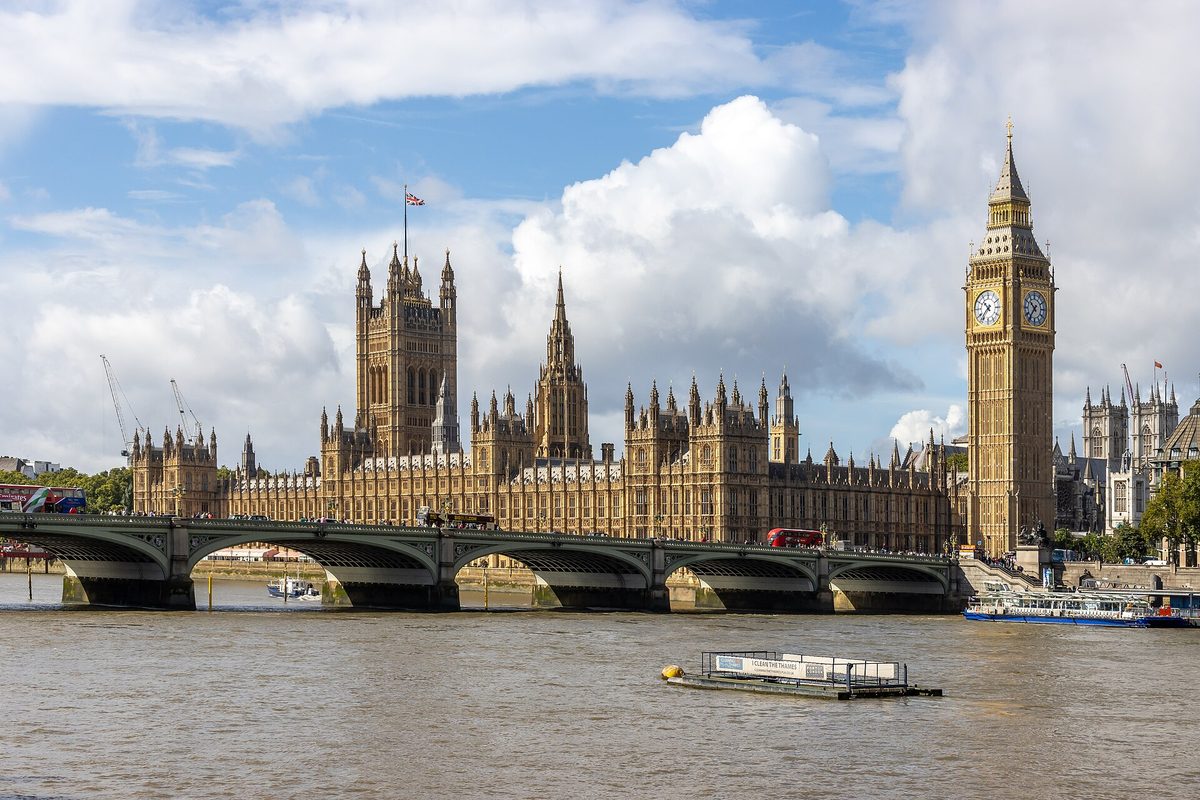
- The Palace of Westminster and Westminster Bridge in London, a classic first stop for many England trips — Photo: Mike Peel / CC BY-SA 4.0 via Wikimedia Commons. Source
- A statue above the Roman Baths in Bath, one of England’s most useful first-trip heritage stops — Photo: Mike Peel / CC BY-SA 4.0 via Wikimedia Commons. Source
- Paddington Station in London, a key rail hub for Bath, west England, Heathrow, and onward travel — Photo: mattbuck (category) / CC BY-SA 3.0 via Wikimedia Commons. Source
- A Cotswolds village scene with stone cottages and a bridge — Photo: Mark / CC BY 2.0 via Wikimedia Commons. Source
- Buttermere in the Lake District, one of England’s strongest outdoor regions — Photo: Lieven Smits / CC BY-SA 4.0 via Wikimedia Commons. Source
Plan Your First Trip to England
If this is your first visit, these first-time planning guides cover the practical details that make the trip run smoothly — from entry rules and budgeting to packing, safety and the apps worth downloading:
- England travel tips for first-timers
- the UK ETA for tourists
- how much an England trip costs
- how many days you need in England
- what to pack for England
- England travel mistakes to avoid
- whether England is safe for tourists
- the best England travel apps and websites
Frequently asked questions
How many days do you need in England?
You need at least seven days for a good first England trip, but ten to fourteen days is better. With one week, focus on London plus one region or several easy day trips. With ten to fourteen days, you can combine London, Bath, Oxford or Cambridge, York, and one countryside or coast region without rushing too badly.
Is 7 days enough for England?
Seven days is enough for a focused England trip, not the whole country. Spend three to five days in London and add Bath, Oxford, Cambridge, Windsor, Brighton, or another easy side trip. If you want the Lake District, Cornwall, or the Cotswolds, make that region a priority rather than an afterthought.
Do tourists need an ETA for England?
Many tourists need an ETA or a visa to travel to the UK, depending on nationality and purpose. As of May 28, 2026, GOV.UK says an ETA costs GBP 20, each traveler needs their own ETA, and eligible visitors can use it to travel for tourism and certain other reasons for up to six months. Always check GOV.UK before travel.
Is England safe for tourists?
England is generally safe for tourists, including solo travelers, but use normal awareness. Watch phones and bags in busy areas, avoid unlicensed rides, keep plans realistic late at night, and take countryside and coastal safety seriously. Petty theft and transport mistakes are more common tourist problems than serious danger.
What is the best way to travel around England?
The best way to travel around England is usually by train between major cities and by public transport within London. A car is useful for rural regions such as the Cotswolds, Cornwall, Devon, Northumberland, and parts of national parks. Many strong first-time routes work best as train-first or train-plus-short-car-rental trips.
Can you travel around England without a car?
Yes, you can travel around much of England without a car, especially if you focus on London, Bath, Oxford, Cambridge, York, Manchester, Liverpool, Brighton, Canterbury, and other rail-connected places. Without a car, choose countryside bases carefully and check local bus or tour options before booking.
Should I rent a car in England?
Rent a car in England only when it improves the route. Do not rent one for London or city-to-city travel between major rail hubs. Consider renting for the Cotswolds, Cornwall, Devon, Dorset, Northumberland, Yorkshire Dales, North York Moors, or remote Lake District plans. Pick up the car after London if possible.
How much does a trip to England cost?
The cost of a trip to England depends heavily on London hotel prices, season, train timing, paid attractions, food style, and number of bases. London is the most expensive part for many visitors. You can reduce costs with free museums, early train booking, casual meals, fewer hotel moves, and careful attraction choices.
What should I pack for England?
Pack layers, a waterproof jacket, comfortable walking shoes, a UK plug adapter, prescription medication, a secure day bag, and luggage you can handle on trains and stairs. England’s weather is changeable, so versatile clothing is better than packing for one perfect forecast.
Is London enough for a first trip to England?
London can be enough for a short first trip, especially if you have five to seven days and add one or two day trips. If you have ten days or more, I would usually add at least one overnight outside London so you see a different side of England.
Where should I stay in England for the first time?
For a first trip, stay in London first, then add one or two practical bases such as Bath, York, Oxford, the Cotswolds, the Lake District, or a southwest coast town depending on your route. Choose bases by transport and day-trip logic, not only by how pretty the place looks online.
What should I book before going to England?
Book entry documents, flights, first and last hotels, peak-season accommodation, fixed long-distance trains, car rental if needed, and must-do attractions or shows. Leave some meals, local exploring, and weather-dependent plans flexible.
Do I need cash in England?
You do not need much cash in England because cards and contactless payments are widely accepted. Carry a small amount for rural parking, markets, tips, small shops, or card-machine problems. Visa and Mastercard are the safest card choices; American Express is less universally accepted.
Should I use Oyster or contactless in London?
For many adult visitors, contactless payment with a card or mobile wallet is the simplest way to use London transport. Oyster or Visitor Oyster can still make sense if your card has high foreign fees, if you want a separate travel card, or if you need certain child discounts. Use the same payment method every time you tap.
What are the biggest tourist mistakes in England?
The biggest tourist mistakes in England are overpacking the itinerary, giving London too little time, renting a car in London, booking fixed arrival-day trains too tightly, underestimating rural transport, staying too far from the places you want to see, and forgetting that rain, queues, and fatigue need room in the plan.

3 notes
Notes are closed on this sheet.