Sheet 30 · England With Kids · 31 min read
England With Kids: Family Travel Guide, Itineraries and Practical Tips
Plan England with kids by age, itinerary, transport, London, castles, beaches, rainy days, hotels, costs, school holidays and realistic family pacing.
 Sheet 30
Contents 21 sections
England can be a brilliant family trip, but it rewards a different kind of planning than an adults-only itinerary.
The mistake is thinking the country is small enough that children can simply come along for the grown-up version. London, Bath, Oxford, York, the Cotswolds, the Lake District, Cornwall, Devon, Windsor, Warwick, Harry Potter, beaches, castles, museums, trains, gardens and national parks can all fit into family travel. They cannot all fit into one sane week with children, luggage, snacks, rain, school-holiday crowds and tired evenings.
That is the real work of planning England with kids. It is not finding more things to do. England has plenty. The work is choosing the right version of the trip for your child’s age, your travel style, your budget, your season and your tolerance for transfers.
I would rather see a family have four genuinely good days in London, two calm nights in Bath, and a simple beach or castle day than drag everyone through a heroic route that looks impressive in a spreadsheet and feels joyless by day five. Children do not need to see more of England. They need a version of England they can actually enjoy.
This guide is the family-planning hub for that version. It covers where to go, how many bases to use, sample family itineraries, London with kids, Harry Potter and LEGOLAND decisions, beaches, castles, museums, transport, hotels, costs, school holidays, rainy days and the boring practical details that quietly decide whether the trip works.
If you are still deciding the overall route, keep the full itinerary planner open beside this. For London-specific planning, use the London guide. For bases and lodging, use where to stay in England. For transport, railcards and car decisions, use how to travel around England. For weather and school-holiday pressure, use England weather and timing. For beaches, use beaches and seaside England.
Quick Answer: How To Plan England With Kids
For a first family trip to England, start with London, then add one or two slower bases rather than trying to cover the whole country. London is best for free museums, parks, theatre, buses, river boats, Harry Potter add-ons, easy food and rainy-day flexibility. Bath, York, Windsor, Oxford, Cambridge, the Cotswolds, the Lake District, Devon, Cornwall, Dorset and the New Forest can all work well depending on age and season.
For most families, the best first England route looks like one of these:
| Trip Length | Best Family Shape | Why It Works |
|---|---|---|
| 5 to 6 days | London only, with one easy day trip | Least luggage friction, best for younger kids or first international trip |
| 7 days | London plus Bath, Windsor or York | A clear second mood without too many transfers |
| 10 days | London, Bath/Cotswolds and York or coast | Enough contrast without moving every night |
| 14 days | London, Bath/Cotswolds, York/Lake District and Devon/Cornwall or Dorset | A richer route if your family handles travel days well |
| Summer beach week | London plus Devon, Cornwall, Dorset, Norfolk or Northumberland | Best when coast, swimming, rock pools and slower days matter |
| Outdoors trip | London plus Lake District, New Forest, Peak District or South Downs | Good for walking, boats, cycling, fresh air and simpler days |
The easiest family destinations are not always the most famous ones. Windsor is often better than Stonehenge for a first castle-style day because it is easier from London and more self-contained. York can be better than trying to squeeze Oxford and Cambridge into the same trip because it gives history, walls, rail access, museums and atmosphere in one compact city. Devon can be better than Cornwall for a shorter family coast trip because travel distances are softer. The New Forest can be better than a dramatic mountain region for younger children because ponies, cycling, woods and short walks are enough.
My default rule is simple: one main anchor per day, one flexible backup and one guaranteed food plan. If you have that, England becomes much easier.
What The SERP Gets Wrong About Family Travel In England
Search results for England with kids tend to split into three kinds of page.
The first kind is the London-heavy family guide. These can be useful, especially when they cover the Natural History Museum, Science Museum, Tower of London, parks, buses and Warner Bros. Studio Tour London. The weakness is that England becomes “London plus a few famous excursions,” and the country outside London is treated like a checklist.
The second kind is the attraction list. These pages are good for ideas, but they often mix theme parks, museums, castles, beaches, zoos and indoor play into a long list without route logic. A family does not need 47 ideas. A family needs to know which ideas sit together, which ones need advance booking, which ones suit toddlers versus teens, and which ones will be miserable after a long transfer.
The third kind is the generic family-holiday page. These can be strong for domestic UK travelers, but they often assume the reader already understands school holidays, rail fares, car-seat rules, county geography, cottage weeks and the difference between Cornwall, Devon, Dorset, Yorkshire and the Lake District.
This guide is built for the missing middle: visitors who need a practical England family vacation plan, not just inspiration.
Best Places In England For Families
The best family destination in England depends on age, weather, trip length and how much you want to move. A toddler trip and a teen trip are not the same country, even if the map is identical.
| Place | Best For | Family Planning Note |
|---|---|---|
| London | First trip, museums, parks, theatre, transport, Harry Potter add-ons | Stay central enough to retreat easily |
| Windsor | Castle, royal history, LEGOLAND nearby, easy London day trip | Strong first day trip for families |
| Bath | Roman Baths, Georgian streets, easy city break, relaxed second base | Better overnight than rushed if kids tire easily |
| York | Compact history, city walls, rail access, museums, Viking/Roman/medieval layers | One of England’s best family city bases |
| Cotswolds | Villages, farm parks, gardens, short walks, cottages | Needs car, tour or very careful transport planning |
| Lake District | Boats, easy walks, scenery, outdoor families | Choose a base before choosing activities |
| Devon | Family beaches, moors, rail-friendly coast, easier southwest pacing | Often more forgiving than Cornwall for shorter trips |
| Cornwall | Surf, beaches, harbors, gardens, dramatic coast | Beautiful but slow to cross, book early in summer |
| Dorset | Jurassic Coast, fossils, beaches, castles, family resorts | Good southern coast choice without going as far west as Cornwall |
| New Forest | Ponies, cycling, woods, villages, gentle outdoors | Excellent for younger children and low-stress nature |
| Warwick and Stratford-upon-Avon | Castle, Shakespeare, Midlands route | Works well with Oxford, Cotswolds or Birmingham airport routes |
| Brighton and Sussex | Seaside day, pier, South Downs, Seven Sisters | Easy from London, but plan cliffs carefully with children |
| Northumberland | Castles, beaches, Hadrian’s Wall, space | Great for adventurous families already heading north |
For broad destination comparison, start with best places to visit in England. For family travel, filter that list harder. Ask, “What will my child enjoy after a rainy morning and a train ride?” not just “What is famous?”
England With Kids By Age
Age matters more than many itineraries admit.
England With Babies And Toddlers
With babies and toddlers, the best destinations are the ones that make ordinary care easy. London can be surprisingly good if you stay in the right area because you have parks, lifts in larger hotels, supermarkets, pharmacies, buses, cafes and indoor options. South Bank, South Kensington, Bloomsbury, Paddington, Westminster/Victoria and parts of King’s Cross can all work depending on budget and plans.
Do not build toddler days around long queues, hushed interiors and late dinners. Build them around one attraction, a park, food, nap flexibility and an easy route back to the hotel. The Natural History Museum can be exciting, but it is also crowded and stimulating. A short visit plus Kensington Gardens may be better than a museum marathon.
Outside London, consider Bath, York, the New Forest, Devon, Dorset, the Lake District around Windermere/Bowness, and family-friendly cottage regions where you can unpack. Avoid over-romantic remote stays unless you have solved food, laundry, car seats, stairs and weather.
England With Primary-School Kids
This is the sweet spot for castles, trains, boats, dinosaurs, Romans, Vikings, beaches, Harry Potter, farm parks and short walks. Children in this age range often like a clear story: crown jewels, knights, fossils, steam trains, wizards, ships, caves, ponies, cliff paths, Roman baths.
London, Windsor, York, Bath, Warwick, Dorset, Devon, Cornwall, the Lake District and the New Forest all work well. The main risk is overconfidence. A seven-year-old may love one castle. That does not mean they want three historic interiors in two days.
England With Tweens
Tweens are often ready for a richer trip if you give them some ownership. Let them choose between Harry Potter, LEGOLAND, a West End show, a football stadium tour, a beach day, a castle, a food market, a boat trip, a short hike or a museum. This is a good age for York, London theatre, Bath, Oxford, Cambridge, the Tower of London, the Jurassic Coast, Lake District boats and easier hikes.
They may also care more about Wi-Fi, downtime and hotel room layout than the itinerary admits. Do not underestimate that.
England With Teens
Teens can handle more, but they are not luggage with opinions. Give them days with character: London neighborhoods, theatre, music, football, street food, markets, Harry Potter, Bath, York, coastal walks, surfing in Cornwall or Devon, Lake District hikes, Oxford or Cambridge colleges, Liverpool, Manchester, Brighton, castles and photography stops.
Teen trips can support more ambitious routes, but only if you leave space for sleep and independent interests. A teen who loves history may enjoy Westminster Abbey, the Tower of London and York Minster. A teen who does not may remember the same day as an expensive lecture series.
Family Itineraries For England
The England itinerary planner gives the full country-wide route logic. For families, the rule is stricter: fewer bases, fewer late arrivals and fewer one-night stays.
5 To 6 Days: London Family Trip
Stay in London and make it good.
Use one day for Westminster, St James’s Park, Buckingham Palace views and the South Bank. Use one day for the Tower of London, Tower Bridge and a Thames walk or river boat. Use one day for South Kensington museums and Kensington Gardens. Use one day for a flexible theme: theatre, Greenwich, Camden, Hampton Court, Harry Potter, a football stadium tour, or a slower neighborhood day. If you have a fifth full day, add Windsor, Brighton, Oxford or Cambridge depending on age and interests.
This is not “wasting” the rest of England. It is giving a family trip enough oxygen.
7 Days: London Plus One Second Base
For a first week, choose one second base.
London plus Bath works well if you want Roman history, pretty streets, an easier train, and a gateway to Stonehenge, Wells, Bristol or the Cotswolds. London plus York works well if you want a stronger northern contrast with compact city walls, rail access and history. London plus Windsor is usually better as a day trip than a second base unless LEGOLAND or a slower Thames Valley stay matters. London plus Devon or Dorset can work in summer if beach time is the main goal, but be honest about transfer time.
I would not do London, Bath, Cotswolds, York and Lake District in seven days with children unless the whole family genuinely likes moving.
10 Days: London, One Heritage Base And One Nature Or Coast Base
A strong 10-day family route might be:
| Day | Plan |
|---|---|
| 1 | Arrive London, short walk, early night |
| 2 | Westminster, St James’s Park, South Bank |
| 3 | Tower of London and Thames day |
| 4 | South Kensington museums or Harry Potter |
| 5 | Train to Bath, Roman Baths and relaxed evening |
| 6 | Bath plus Stonehenge tour, Cotswolds day, or slower city day |
| 7 | Move to York, Devon, Dorset or Lake District depending on interests |
| 8 | Family anchor day: walls and museums, beach, boats or easy walk |
| 9 | Flexible second day in that region |
| 10 | Return toward London or airport positioning |
This route has enough contrast but does not change beds every night.
14 Days: A Full Family England Vacation
With two weeks, you can build a richer route:
London for four nights, Bath or Cotswolds for three nights, York for two or three nights, then Lake District, Devon, Cornwall, Dorset, New Forest or Northumberland for the final stretch. The exact choice depends on whether your family wants outdoors, coast, castles, villages or cities.
The temptation is to add everything. I would still choose one major scenic region. Do not do Lake District, Cornwall, Cotswolds and York unless your family enjoys travel days and you are comfortable with a lot of logistics.
If you want a car, pick it up after London. Use trains for London to Bath, London to York, London to Oxford, London to Cambridge, London to Brighton and many city-to-city moves. Use a car for Cotswolds villages, rural Devon/Cornwall, deeper Lake District valleys, Northumberland castles and some family cottage stays. The England road trips guide can help when the car becomes part of the trip rather than a burden.
London With Kids
London is the best family starting point because it gives you options when the day goes sideways.

The Natural History Museum and Science Museum are the obvious family museums. They are close together in South Kensington, and both can be excellent. They can also be packed during school holidays, wet weekends and peak visitor periods. Check official visitor pages before you go, book free timed entry if required or recommended, and pick a realistic goal. One good museum visit is better than three exhausted lobbies.
The Tower of London is one of the best paid attractions for families who like history, spectacle and stories. Give it enough time. The Crown Jewels, walls, ravens, Beefeater tours and fortress setting make it more vivid than many historic sites. It is not a quick photo stop if you go inside.
Parks matter. St James’s Park, Hyde Park, Kensington Gardens, Regent’s Park, Greenwich Park and playgrounds can save a London family day. Do not treat them as filler. They are part of the plan.
Buses matter too. For younger kids, sitting upstairs at the front of a double-decker bus can feel like an attraction. River boats can turn transport into sightseeing, especially between Westminster, Tower, Greenwich and other Thames stops. TfL has official guidance for travelling with children, and it is worth checking before travel because child fares, Oyster rules and Young Visitor discounts are more specific than many blog posts make them sound.
For accommodation, South Kensington is strong for museum families. South Bank/Waterloo is excellent for river walks and easy central sightseeing. Bloomsbury is good for calmer streets, parks and the British Museum. Paddington can work for Heathrow and rail links. King’s Cross works well for trains and Harry Potter photo moments. The London travel guide has broader area advice, and the future London with kids guide should become the detailed family version.
Harry Potter, LEGOLAND And Big Ticket Decisions
Some family trips to England are quietly built around one or two big tickets. Admit that early.
Warner Bros. Studio Tour London is the major Harry Potter experience. It is not in central London, and it is not a casual drop-in attraction. Book ahead from the official Warner Bros. Studio Tour London site, check transfer options, and give it enough of the day. If Harry Potter matters to your family, it can be the highlight of the trip. If only one child cares and everyone else is lukewarm, do not let it silently consume a day without discussion.
LEGOLAND Windsor is a different decision. It is best for families with children in the right age range for rides, LEGO builds and theme-park energy. It pairs geographically with Windsor, but that does not mean you should cram Windsor Castle and LEGOLAND into one day. The official LEGOLAND Windsor site is the place to check opening dates, ride availability, height rules, accessibility details and ticket options.
Windsor itself is one of the best family day trips from London. Windsor Castle, the town, the river and nearby LEGOLAND give families several ways to shape the day. For a wider day-trip comparison, use day trips from London.
The important point is not whether these attractions are “worth it” in the abstract. It is whether they fit your family’s trip. A paid attraction that becomes a child’s anchor memory can be worth the money. A paid attraction wedged into the wrong day can feel like an obligation.
Castles, History And Museums With Kids
England is full of historic sites, but children usually need story, space or interaction.
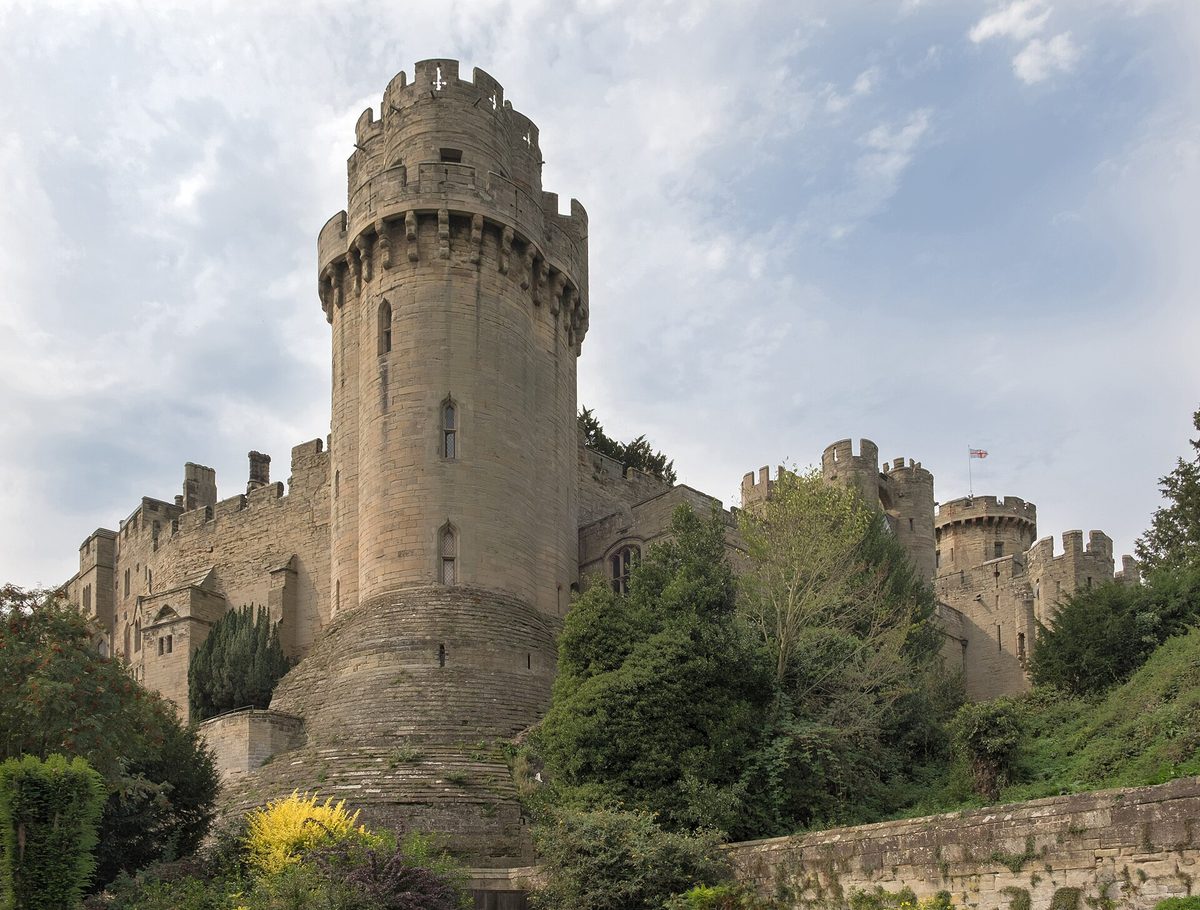
Windsor Castle is strong because it has scale, royal context and an easy London connection. The Tower of London is strong because it feels like a fortress with vivid stories. Warwick Castle is commercial, but that can be a strength for families because it makes the castle experience legible. Hampton Court Palace works well for Tudor history, gardens and the maze. Dover Castle, Bodiam Castle, Leeds Castle in Kent, Bamburgh Castle, Alnwick Castle, Kenilworth Castle and many English Heritage or National Trust properties can work depending on route.
The trick is variety. Do not stack castle after castle unless your children are genuinely into it. Mix one castle with a garden, beach, market town, train ride, picnic or easier afternoon.
Museums are similar. London has the big free national museums. York has the National Railway Museum and strong historic layers. Bath has the Roman Baths. Portsmouth has naval history. Bristol has family-friendly science and harborside energy. The Lake District has Beatrix Potter connections. Cornwall and Devon have maritime, mining, garden and aquarium options. Local museums can be better than famous ones if they fit the day.
The England castles and historic sites pillar is the deeper heritage companion. For families, use it with restraint. History works best when children get enough movement around it.
Beaches And Coast With Kids
England’s beaches are not all the same. Some are surf beaches, some are bucket-and-spade beaches, some are fossil beaches, some are dramatic walking beaches, some are old resorts, some are tidal and some are better to look at than swim from.
For families, the practical questions come first:
| Question | Why It Matters |
|---|---|
| Is the beach lifeguarded in season? | Safer swimming and clearer beach zones |
| What happens at high tide? | Some beaches shrink or disappear |
| Is there parking, rail access or an easy walk? | Gear changes the day |
| Are there toilets and food nearby? | This matters more than scenery with children |
| Is it sandy, pebbly, rocky or muddy? | Different beaches suit different ages |
| Are dogs restricted in summer? | Important if you are traveling with a pet or nervous child |
| Is there a rainy-day backup nearby? | Coastal weather changes fast |
The RNLI’s beach safety advice is worth reading before a UK beach trip, especially if you are not used to tides, flags, cold water or surf conditions.
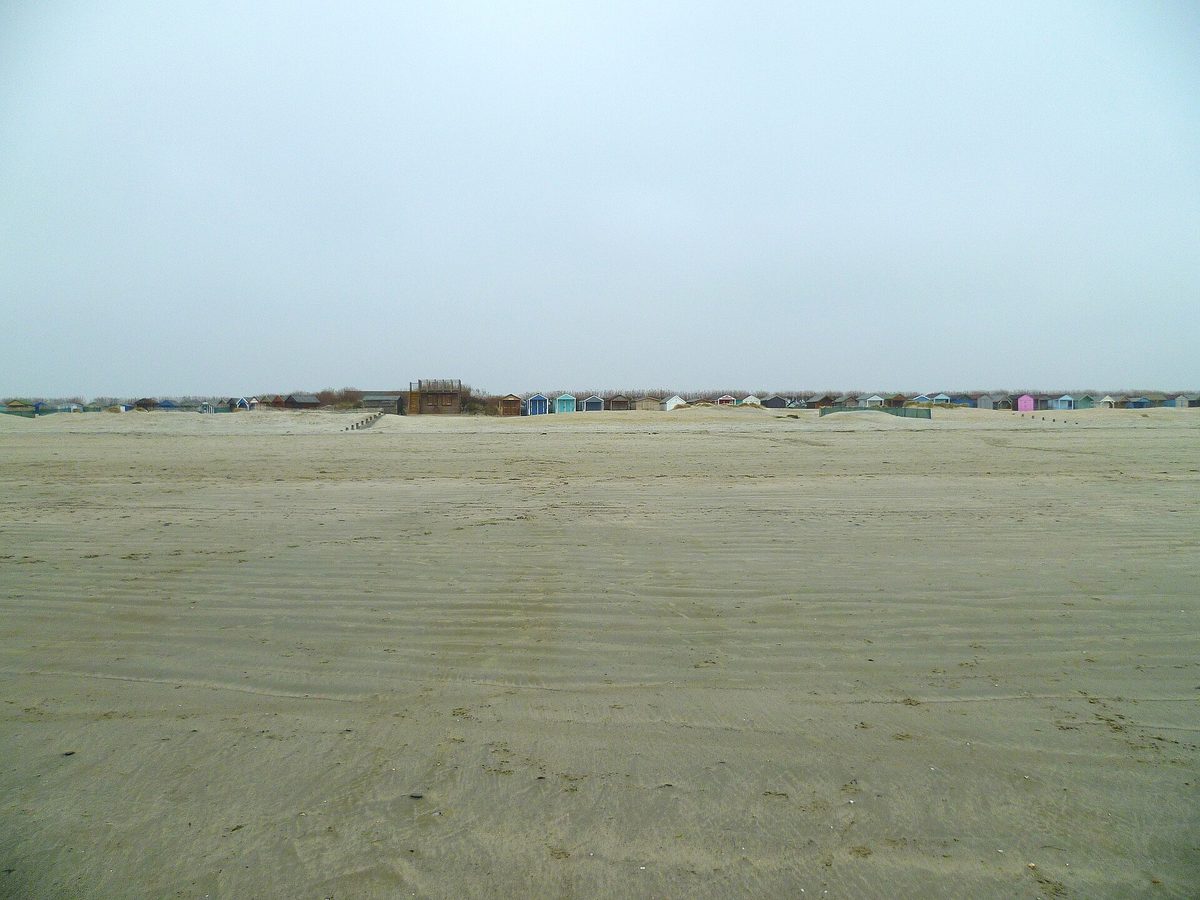
Devon, Dorset, Cornwall, Norfolk, Sussex, Yorkshire and Northumberland can all make excellent family coast trips. Cornwall is famous for a reason, but it is not always the easiest first choice. Devon offers two coastlines and often easier routing. Dorset gives the Jurassic Coast, fossils, Weymouth, Lyme Regis, Swanage and family resorts without going as far west. Norfolk and Suffolk suit slower, gentler seaside trips. Northumberland is spectacular for castles and empty-feeling beaches, but the water is colder and the trip belongs better in a northern route.
For a full comparison, use England coast and beaches and visiting Cornwall and Devon.
National Parks, Walks And Outdoor Days
England’s outdoors can be wonderful with kids if you match the ambition to the group.
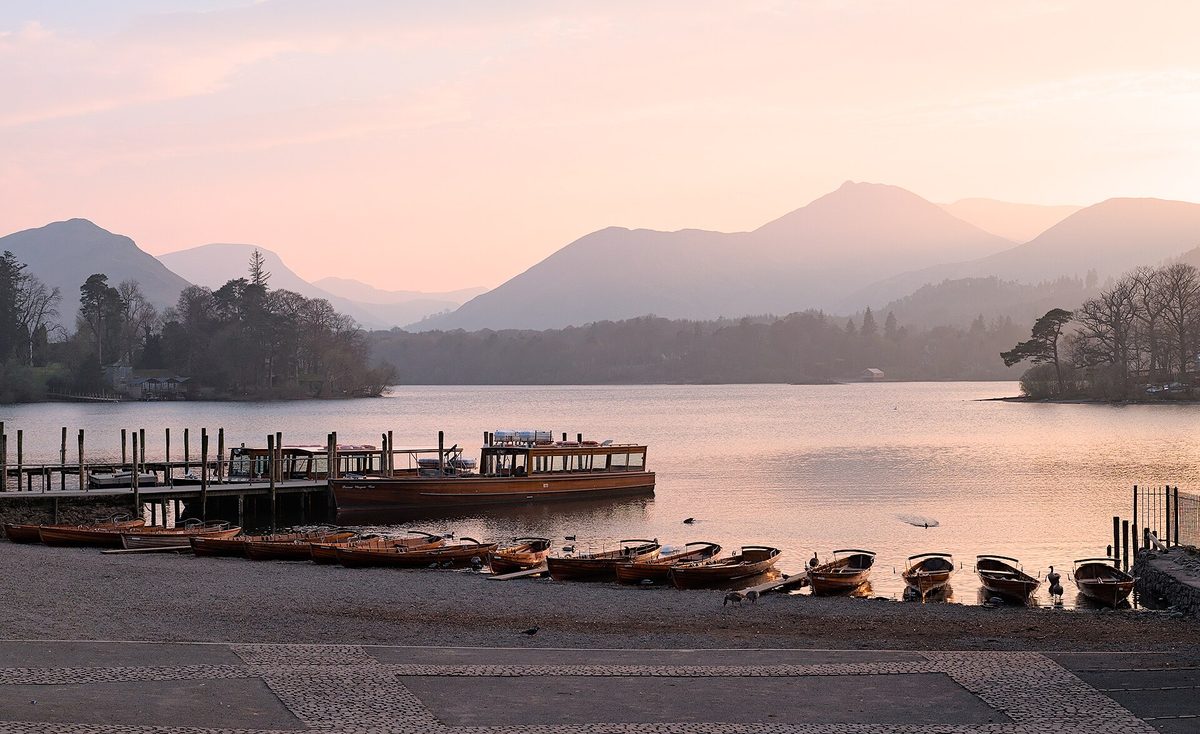
The Lake District is the famous mountain-and-lake region. It works best with a clear base, flexible weather plans and easy walks mixed with boats or attractions. Windermere/Bowness is practical for families because of rail access, lake cruises and services. Keswick is excellent for outdoor families who want Derwentwater, Catbells, parks and walking-town energy. Ambleside and Grasmere are strong central options. The Lake District travel guide goes much deeper.
The New Forest is one of my favorite family nature choices because it does not require children to appreciate a summit view. Ponies, cycling, woods, heath, villages, short walks and pub lunches are enough. It is gentler than the Lake District and easier for families who want fresh air without mountain logistics.
The Peak District can be good with older children and teens, especially around Mam Tor, Castleton, Dovedale, Bakewell and the Monsal Trail. The South Downs are useful from London, particularly for older children who can handle chalk paths, views and a proper walk. The Yorkshire Dales and Northumberland are excellent for adventurous families but need more route planning.
The broader hiking guide explains how English national parks work, including the fact that they are living landscapes with villages, roads, farms, private land and public rights of way rather than gated wilderness parks.
With children, the outdoor rule is this: choose the walk that still leaves the day successful if it rains halfway through.
Transport In England With Kids
Transport is where family travel in England either gets easier than expected or quietly exhausting.

London is best without a car. Use the Tube, buses, Elizabeth line, DLR, London Overground, walking, river boats, black cabs and licensed private hire when needed. Do not rent a car for London sightseeing. Strollers can be awkward on some Tube routes because not every station is step-free, but buses can be excellent and many central walks are manageable if you plan around rest.
TfL child fares are specific, so check the official visitor guidance before travel. In broad terms, younger children can often travel free with a paying adult on parts of the network, and older children may need Oyster, contactless or Young Visitor discount arrangements depending on age and transport type. The exact details matter enough that I would not rely on a random old forum answer.
For trains outside London, National Rail says children aged 5 to 15 usually get a 50 percent discount on most tickets, and children under 5 can travel free with a fare-paying passenger if they do not need their own seat. The official train travel with children page is the best starting point. If you will take several trains, check the Family & Friends Railcard because it can reduce adult and child fares when the rules fit your group.
Trains are especially useful for London to Bath, York, Oxford, Cambridge, Brighton, Manchester, Liverpool, Bristol, Durham, Newcastle and many city routes. They are less complete for Cotswolds villages, remote beaches, rural cottages, national park valleys and multi-stop family coast trips.
Cars are useful after London if you are going rural. They also create new problems: left-side driving, narrow lanes, parking, car-seat rules, luggage size, child boredom and the fact that a big rental vehicle can be annoying in small villages. Check GOV.UK’s child car seat rules before driving with children, and ask rental companies directly about seat availability and standards. I would not leave car seats to a vague assumption at the rental desk.
For more detail, use England by train and transport and England by car.
Where To Stay In England With Kids
Family accommodation is not just about being “family friendly.” It is about room layout, sleep, food, laundry, stairs, luggage, transport and how easy it is to recover from a hard day.
Hotels work well for short city stays, late arrivals, luggage storage, lifts, breakfast and station access. Family rooms can be efficient, but check bed sizes, maximum occupancy, air conditioning, lift access, breakfast cost and whether the room will feel cramped for more than two nights.
Apartments and vacation rentals work well for longer stays, younger children, laundry, kitchens and slower regions. They can also create problems if check-in is awkward, the location is remote, stairs are steep, parking is unclear or every outing requires a drive. A cottage is calming only when it supports the route.
Pubs with rooms can be charming, but check noise, stairs, dinner service, child policies, breakfast timing, parking and whether the pub actually serves food on the night you arrive.
For London, stay central enough that you can retreat. For Bath and York, being walkable is worth money. For the Cotswolds, decide whether you want a village, market town, farm stay or edge-of-region base. For the Lake District, choose the base around activities and transport. For Cornwall and Devon, a weekly cottage or apartment can be better than hotel-hopping. For Dorset, seaside towns such as Lyme Regis, Weymouth, Swanage and Bournemouth/Poole suit different family styles.
The England accommodation guide covers the broader base logic, and the future family-friendly hotels in England guide should go deeper on lodging types and room checks.
Food, Snacks And Eating Out
Family food planning in England is easier when you lower the drama.
Pubs can be family-friendly, especially for lunch, early dinner, Sunday roasts and casual meals, but not every pub is the same. Some have children’s menus and gardens. Some are more adult, crowded or food-led. Check service times, especially in villages and on Sundays.
Supermarkets and small convenience shops are useful. Meal deals, bakery items, fruit, yogurt, sandwiches, snacks and picnic supplies can save money and moods. Food markets work well in London, York, Bristol, Manchester, Bath and some coastal towns because everyone can choose something different.
Afternoon tea can be lovely with older children who enjoy the ceremony, but it is not a quick snack and it can be expensive. Fish and chips are often best as a coastal or casual meal rather than a forced London landmark moment. Sunday roast is worth planning if your family likes a proper meal, but book a good pub and do not leave it to chance in a rural area.
The pub and afternoon tea guide covers the cultural side in more detail. For family travel, the rule is practical: know where the next acceptable food is before everyone is hungry.
Costs And Family Budgeting
England can be expensive with kids because families often need larger rooms, timed attractions, rail seats together, taxis at tired moments and travel during school holidays. It can also be manageable because London has free museums, parks, buses, supermarkets, picnic options and plenty of low-cost sightseeing.
The biggest family cost levers are:
| Cost Area | How To Control It |
|---|---|
| Accommodation | Book early, reduce bases, compare family rooms with apartments |
| Trains | Check child discounts, Family & Friends Railcard and Advance fares |
| London transport | Use correct TfL child fare setup and daily caps |
| Attractions | Choose the paid tickets that matter, not every paid interior |
| Food | Mix pubs, markets, supermarkets, bakeries and simple breakfasts |
| Car rental | Rent only when useful, avoid London, check seat and luggage needs |
| Season | Avoid peak school holidays if your dates are flexible |
Do not buy every pass before you have a real route. Attraction passes can work for intense sightseeing, but they can also push families into rushing. The same applies to heritage memberships and multi-attraction tickets. Do the math against the attractions you actually plan to visit.
The England budget and costs pillar gives a broader trip-cost framework.
Best Time To Visit England With Kids
The best time for England with kids depends on whether your dates are flexible.
If you can travel outside school holidays, May, early June, September and early October are excellent. The days are long enough, weather is often workable, attractions are open, and crowds are usually lower than peak summer. London, Bath, York, the Cotswolds, the Lake District, Dorset, Devon and national parks can all work well in these windows.
If you must travel during school holidays, plan around it rather than resenting it. Easter, late May half-term, late July through August, October half-term and Christmas/New Year all affect prices, attractions, trains, cottages, beaches and family hotels. GOV.UK’s school term and holiday date checker is useful because school dates vary by local council rather than one single national calendar.
Summer is best for classic beach energy, long daylight, outdoor attractions and family resort atmosphere. It is also when Cornwall, Devon, Dorset, Lake District, Cotswolds, theme parks and holiday cottages feel most pressured. Book lodging early and plan fewer moves.
Winter can be good for London, theatre, museums, Christmas lights, indoor attractions and lower accommodation costs outside holiday peaks. It is less good for long countryside days, beaches and outdoor-heavy routes with small children.
Use best time to visit England for the full month-by-month decision.
Rainy Day Planning With Kids
Rain is not a failure in England. It is part of the planning environment.
The problem is not rain itself. The problem is having no second option when rain arrives. Every family route should have weather-proof alternatives by region.
| Region | Rainy-Day Family Anchors |
|---|---|
| London | Science Museum, Natural History Museum, theatre, transport rides, indoor markets, galleries |
| Bath | Roman Baths, cafes, bookshops, indoor museum stops, short city walks between showers |
| York | National Railway Museum, Jorvik-style history, city museums, cafes, covered shops |
| Cotswolds | Farm park if light rain, wildlife park, model village, market-town lunch, Bath/Oxford fallback |
| Lake District | Boats if conditions allow, Brockhole, Beatrix Potter, aquarium, short low-level walks, Keswick shops |
| Devon/Cornwall | Aquariums, gardens in light rain, Eden Project, maritime museums, steam railways, harborside cafes |
| Dorset | Fossil museums, aquariums, castles, indoor cafes, short beach gaps when weather clears |
| New Forest | Short woodland walks, cycling breaks, village lunches, indoor family attractions nearby |
I would pack waterproof layers, comfortable shoes, a small day bag, snacks and enough flexibility to move one outdoor plan by a day. Do not build a family trip where the only good days require sun.
Entry, Safety And Practical Checks
International families should check entry requirements before booking non-refundable plans. GOV.UK’s ETA guidance says each traveler needs their own ETA if required, including babies and children. Do not assume one family application covers everyone, and do not rely on advice from before the ETA rollout.
For health and emergencies, the UK emergency number is 999 or 112. Travel insurance is sensible for medical care, cancellations, luggage, rental-car issues and disruption. Pharmacies are useful for minor issues, and NHS 111 can help with non-emergency medical advice in England.
For beaches, check lifeguards, tides and flags. For countryside, follow local signs, respect livestock, close gates as instructed and choose walks that match weather and daylight. For cities, use normal awareness around phones, bags, roads and busy stations.
For accessibility, sensory needs or mobility needs, do not rely on generic “family friendly” language. Check official attraction access pages. Some museums offer quiet sessions, visual stories or sensory resources. Some historic sites have partial access because old buildings are old buildings. The accessible and inclusive England guide is the natural companion to this page.
What To Book Ahead
Book the things where capacity, timing or disappointment risk is high.
I would book accommodation first, especially for summer, school holidays, family rooms, cottages, Lake District, Cornwall, Devon, Cotswolds, London and York. I would book Warner Bros. Studio Tour London, LEGOLAND Windsor, popular theatre, special exhibitions, Tower of London in peak periods, Windsor Castle if it matters, some Harry Potter or football-related tours, and long-distance Advance trains when your schedule is fixed.
I would not overbook every day. Families need room for weather, illness, jet lag, moods and discoveries. A flexible afternoon can be the difference between a trip that bends and a trip that breaks.
Common Mistakes When Visiting England With Kids
The first mistake is moving too often. Every hotel change costs family energy.
The second mistake is treating London as only a gateway. London has enough family variety for several days, and it is the best place to absorb jet lag.
The third mistake is overloading museums. Free entry does not mean unlimited attention.
The fourth mistake is choosing rural accommodation without solving food, laundry, stairs, parking and transport.
The fifth mistake is booking a famous attraction because adults recognize the name, not because children will enjoy the day.
The sixth mistake is underestimating school holidays. A date that looks shoulder season internationally may be a busy domestic family week in England.
The seventh mistake is renting a car too early. Pick it up after London if you need one.
The eighth mistake is ignoring tides at the coast and weather in the hills.
The ninth mistake is assuming “family friendly” means the same thing everywhere. Ask what the room, route, attraction or restaurant actually provides.
The tenth mistake is trying to create a perfect childhood memory every day. Some days just need to be easy.
Deeper Family Guides
This pillar is the family planning hub; these guides go deeper on the pieces that need their own page:
| Supporting Guide | URL | Purpose |
|---|---|---|
| England With Kids Itinerary | /england-with-kids-itinerary/ |
Build 7, 10 and 14 day family routes |
| Best Things To Do In England With Kids | /things-to-do-in-england-with-kids/ |
Compare attractions by age, region and weather |
| London With Kids | /london-with-kids/ |
Handle London museums, parks, theatre, transport and hotels |
| Harry Potter England Travel Guide | /harry-potter-england-travel/ |
Plan Studio Tour, filming locations and realistic route choices |
| LEGOLAND Windsor Guide | /legoland-windsor-guide/ |
Explain age fit, day planning and Windsor pairings |
| Family-Friendly Museums In England | /family-friendly-museums-england/ |
Sort museums by region, age and rainy-day value |
| England Beaches With Kids | /england-beaches-with-kids/ |
Compare beach regions, safety, tides and summer logistics |
| Rainy Day Activities With Kids In England | /rainy-day-activities-kids-england/ |
Build backup plans for every major route |
The support articles should link back here and to the relevant destination pillar. For example, London with kids should link to the full London guide, Harry Potter should link to trips beyond London, beach content should link to England’s seaside, and outdoor content should link to England national parks and hiking.
Final Advice: Make The Trip Smaller And Better
The best England family trip is usually smaller than the one you first imagined.
That is not a compromise. It is the thing that makes the memories better. A child who has time to feed ducks in a park, ride upstairs on a bus, spend an hour on a beach, choose a snack in a market, walk castle walls without being hurried, and return to a familiar hotel room is much more likely to enjoy England than a child marched through another famous interior because the route said so.
Use London well. Choose one or two other bases with intention. Treat school holidays as real. Check transport before falling in love with a village. Book the high-demand tickets early, then leave space. Build rainy-day options into every region. If the day is already a transfer day, do not make it a major sightseeing day too.
England with kids is not about doing less because children hold you back. It is about choosing the version of England where everyone has enough energy to notice the good parts.
Research note: This guide was planned against current SERP patterns and checked against official and reputable sources including Visit London family activity pages, Transport for London child-fare guidance, National Rail child travel and Family & Friends Railcard information, GOV.UK ETA guidance, GOV.UK child car-seat rules, GOV.UK school holiday date guidance, Warner Bros. Studio Tour London, LEGOLAND Windsor, the Natural History Museum, the Science Museum, National Trust family guidance, Lake District National Park family visitor information, RNLI beach safety, current competitor travel pages, forum planning pain points, and image licensing for openly licensed photography. Images are sourced from Wikimedia Commons under their respective open licenses, with attribution in the Photo Credits section.
Photo Credits
- A family looking across the River Thames toward Big Ben in London — Photo: Zxb / CC BY-SA 2.0 at via Wikimedia Commons. Source
- Children playing on the beach at West Wittering in England — Photo: Shazz / CC BY-SA 2.0 via Wikimedia Commons. Source
- The London Eye above the South Bank, an easy win with kids in London — Photo: Bryn Holmes / CC BY-SA 2.0 via Wikimedia Commons. Source
- Warwick Castle towers seen from the grounds, one of England’s best family castle days out — Photo: DeFacto / CC BY-SA 4.0 via Wikimedia Commons. Source
- Derwentwater near Keswick, an easy Lake District base for families with kids — Photo: Trougnouf (Benoit Brummer) / CC BY-SA 4.0 via Wikimedia Commons. Source
- A steam train on the North Yorkshire Moors Railway, a favourite day out for kids in England — Photo: Russel Wills / CC BY-SA 2.0 via Wikimedia Commons. Source
Frequently asked questions
Is England good to visit with kids?
Yes. England is good with kids because it has London museums, parks, castles, trains, beaches, Harry Potter experiences, Roman and Viking history, theatre, easy walks, gardens, family-friendly cities and strong transport between major destinations. The key is to plan fewer bases and avoid adult-style sightseeing marathons.
How many days do you need in England with kids?
For a first family trip, 7 to 10 days is a good starting point. With 5 to 6 days, stay in London and add one easy day trip. With 10 days, combine London with one heritage base and one coast, countryside or city base. With 14 days, you can add a richer region such as the Lake District, Devon, Cornwall, Dorset or York.
What is the best England itinerary with kids?
A strong first England with kids itinerary is London for four nights, Bath or Windsor for two nights, then York, Dorset, Devon or the Lake District for three or four nights depending on interests. For younger children, London plus one second base is often better than a multi-region route.
Is London good with kids?
London is excellent with kids if you pace it well. Free museums, parks, playgrounds, buses, river boats, theatre, the Tower of London, markets, South Kensington museums and Harry Potter add-ons make it the easiest family base in England. Stay central enough to take breaks.
What are the best things to do in England with kids?
The best things to do in England with kids include London museums, Tower of London, Windsor Castle, Warner Bros. Studio Tour London, LEGOLAND Windsor, York, Bath, Warwick Castle, beaches in Devon/Dorset/Cornwall, Lake District boats and walks, New Forest cycling, fossil hunting on the Jurassic Coast and family-friendly theatre.
Should we rent a car in England with kids?
Do not rent a car for London. Rent a car only when it helps the route, such as the Cotswolds, rural Lake District, Devon, Cornwall, Dorset, Northumberland or cottage stays. Check child car-seat rules, luggage space, parking and whether the driving days are worth the flexibility.
Can you travel around England by train with kids?
Yes. England works well by train for London, Bath, York, Oxford, Cambridge, Brighton, Manchester, Liverpool, Bristol and many city routes. Children aged 5 to 15 usually receive discounted National Rail fares, and a Family & Friends Railcard may save money on multi-train trips. Rural areas still need careful planning.
What is the best time to visit England with kids?
May, early June, September and early October are often best if your dates are flexible. Summer is best for beaches and school-holiday family energy, but it is busier and more expensive. Easter, late May half-term, late July/August, October half-term and Christmas holidays all increase demand.
What are the best places in England for toddlers?
Good England choices with toddlers include London with a central base, Bath, York, the New Forest, Devon, Dorset, Windermere/Bowness in the Lake District and relaxed cottage regions. Prioritize parks, short transfers, food access, laundry, naps and easy returns to accommodation.
What are the best places in England for teens?
Good England choices with teens include London, York, Bath, Oxford, Cambridge, Brighton, Manchester, Liverpool, Cornwall, Devon, Lake District, Northumberland, football stadium tours, theatre, Harry Potter, markets, coast walks, surfing and historic cities with enough independence and atmosphere.
Is Stonehenge worth it with kids?
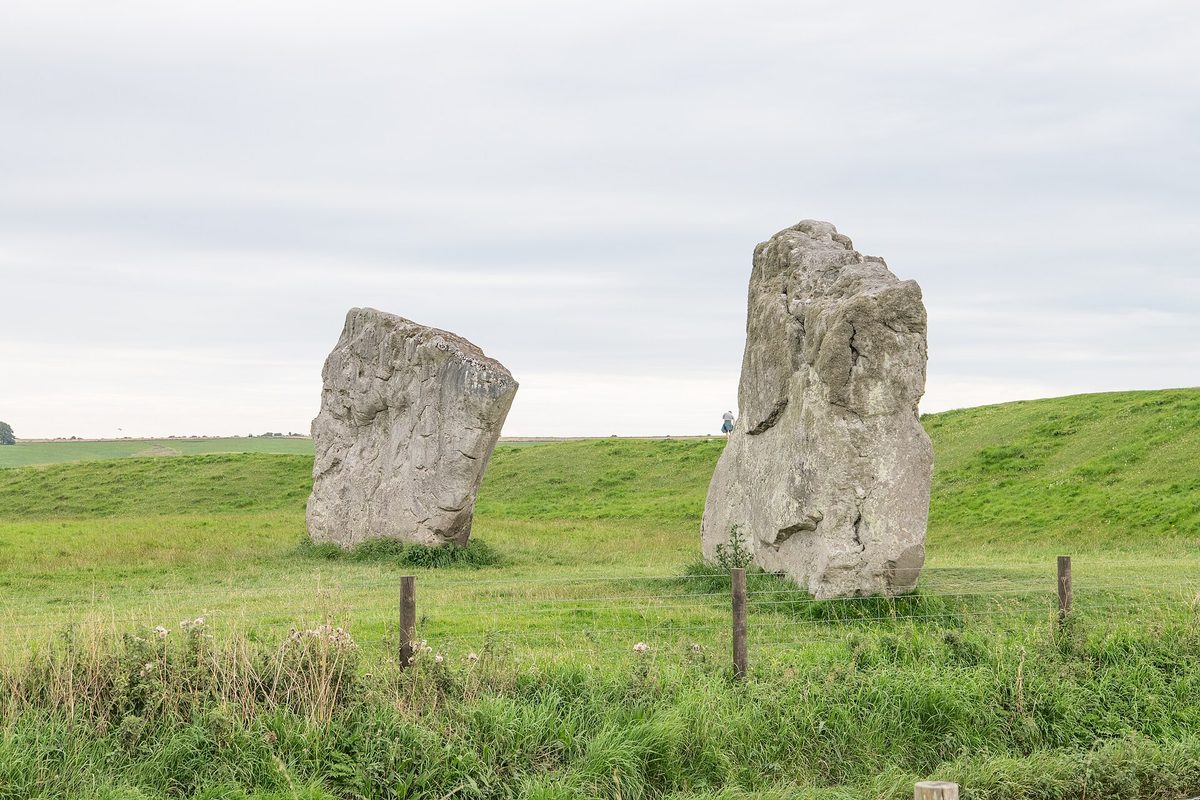
Stonehenge can be worth it with kids who are interested in ancient history, but it is not always the easiest family day. Windsor, Hampton Court, Warwick Castle, Bath or York may give a more active and varied day for many families. If Stonehenge matters, pair it with Salisbury, Bath or a well-paced tour.
Are museums in England free for kids?
Many major national museums have free permanent collections, especially in London, including the Natural History Museum, Science Museum, British Museum, National Gallery, V&A and Tate galleries. Special exhibitions may cost extra, and timed entry may be recommended or required, so check official museum pages.
What should families book ahead in England?
Book family accommodation, cottages, Warner Bros. Studio Tour London, LEGOLAND Windsor, popular theatre, special exhibitions, some major castles, school-holiday attractions and longer fixed train journeys. Leave enough unbooked time for rain, rest and mood changes.


1 note
Notes are closed on this sheet.