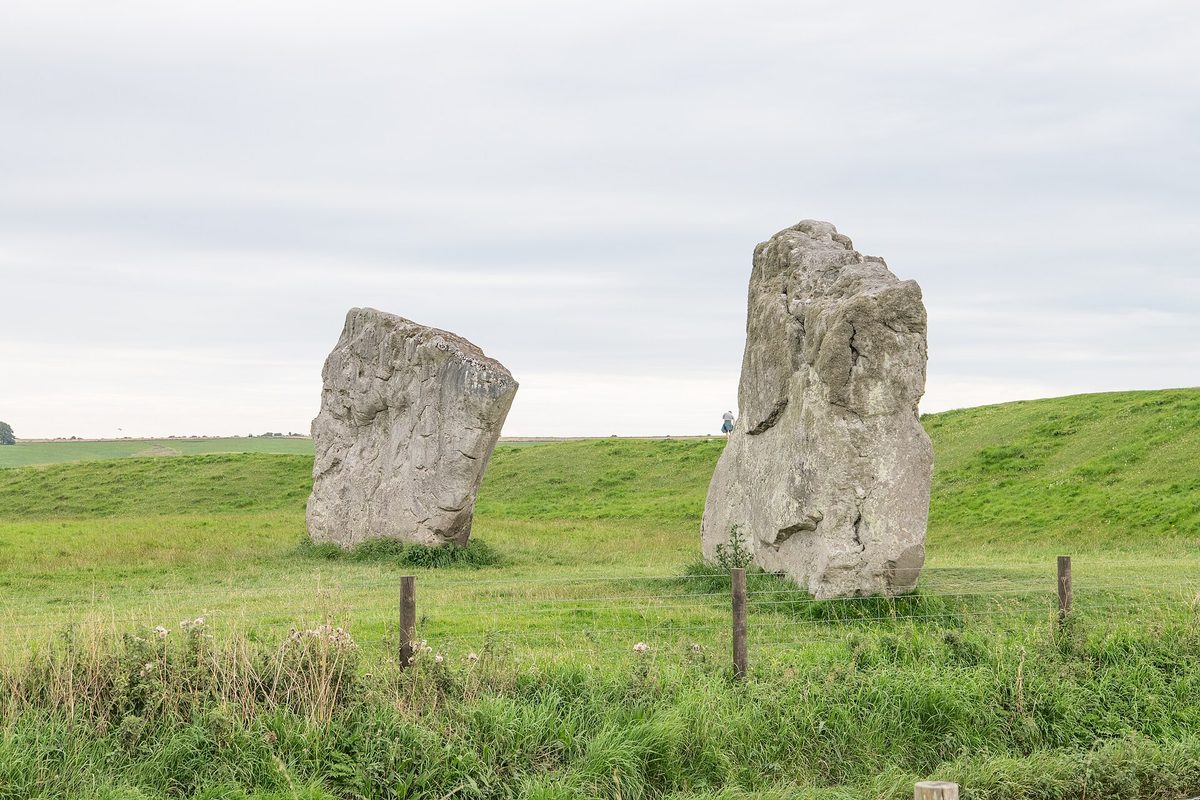
Sheet 16 · Best Time to Visit England · 36 min read
Best Time to Visit England: Weather, Crowds and Month-by-Month Guide
Choose the best time to visit England with month-by-month weather, crowds, costs, daylight, gardens, beaches, hiking, Christmas, and booking tips.
 Sheet 16
Contents 21 sections
The best time to visit England is usually May, early June, September, or early October.
That is the clean answer. It is also the answer most travel guides give, and they are not wrong. Those months usually give you the best balance of usable daylight, green landscapes, open attractions, milder weather, fewer school-holiday crowds, and less brutal accommodation pressure than peak summer.
But England is not a destination where one month solves every trip.
If you want beaches in Cornwall, you will think about weather and sea air differently from someone building a museum-heavy London trip. If you want gardens, late spring matters. If you want the Lake District, daylight and rain backup matter. If you want Christmas markets, short days are part of the bargain. If you are traveling with children, English school holidays matter more than the average temperature. If you are trying to control costs, a beautiful June weekend in the Cotswolds may be less useful than a quieter weekday in September.
So this guide is not just a month-by-month weather chart. Those are helpful, but they can also be misleading. England’s weather is famously changeable, and averages do not tell you whether your one walking day in the Lake District will be clear, wet, misty, windy, or all four by lunch.
This is a practical decision guide. It is written to help you choose dates that fit the trip you actually want.
Use it with the England route planner before you lock in the route, the first-time England travel guide if you are still learning the basics, where to stay in England before you book accommodation, and budgeting for England before you assume summer is worth the premium. If London is the anchor, keep the full London guide and day trips from London nearby. For seasonal food choices such as pub gardens, Sunday roasts, Christmas meals, coastal fish and chips, and afternoon tea, use the English food guide.
Quick Answer: When Is The Best Time To Visit England?
For most first-time visitors, the best time to visit England is May, early June, September, or early October. These months usually give the best mix of mild weather, useful daylight, open attractions, countryside color, and manageable crowds. If you want the warmest beach weather and festival energy, choose July or August, but book early and expect higher prices. If you want lower costs and quieter cities, choose January, February, March, November, or early December, but build the trip around shorter days and indoor options.
My own default recommendation is simple:
| Trip Goal | Best Months | Why These Work | Watch Out For |
|---|---|---|---|
| First-time England trip | May, early June, September, early October | Balanced weather, daylight, crowds, and route flexibility | Easter, May bank holidays, and late May half-term can be busy |
| London city trip | April-June, September-December | London works year-round, but spring, autumn, and Christmas are especially strong | July-August crowds and December weekends around lights and shopping |
| England by train | April-June, September-October | Good daylight and less peak family-holiday pressure | Book longer intercity trains when plans are fixed |
| Cotswolds villages | May, June, September, early October | Gardens, green lanes, pub lunches, village walks | Famous villages are busy on sunny weekends and holidays |
| Lake District | May, June, September | Long enough days, better walking conditions, less peak pressure than August | Weather changes quickly; always build a wet-weather plan |
| Cornwall and Devon | June, July, August, September | Best coast weather, longer days, beach energy | Late July-August is expensive and crowded |
| Gardens and stately homes | Late April, May, June, September | Flowers, roses, kitchen gardens, parkland, and open seasons | Some gardens peak at different times |
| Hiking and national parks | May-October | Longer daylight and better walking logistics | Rain, wind, mist, and boggy ground are possible any month |
| Families | Easter, May half-term, summer holidays, October half-term, Christmas | Dates may be dictated by school calendars | Prices and crowds rise during English school holidays |
| Budget travel | January-March, November, early December weekdays | Lower accommodation demand and fewer crowds | Short daylight, reduced hours, colder weather |
| Christmas in England | Late November-December | Lights, markets, carols, ice rinks, pubs, theatre | Christmas Day, Boxing Day, and transport changes need planning |
| Quiet countryside | March, early April, October, November weekdays | More atmosphere, fewer visitors, lower prices | Mud, reduced opening hours, and shorter days |
If you only remember one thing, remember this: choose May or September if you want the safest all-round month. Choose June if you want long days and do not mind more people. Choose July or August if beaches, school holidays, festivals, and peak summer energy are worth the cost. Choose December if you want the festive version of England, not the easiest outdoor version.
The Best Month To Visit England
If I had to choose one month for a first England trip, I would choose May.
May is not perfect. No month is. You can still get rain, cool evenings, crowded bank-holiday weekends, and expensive stays in popular places. But May gives England a kind of travel generosity that is hard to beat. The days are long enough to make full itineraries feel natural. The countryside is green. Gardens are waking up properly. Bluebells, blossom, wisteria, lambs, hedgerows, and pub gardens all start to make the country feel open again. Cities are lively without the heaviest summer pressure.
September is the other best all-round month. The weather can still be mild, the school-holiday crowd has eased, the coast can be lovely, gardens still have color, and accommodation pressure often softens outside weekends and major events. September is especially good if you want London plus another region, because it gives you enough daylight for travel days without the feeling that everyone else has chosen the same week.
June is often the best month if you value daylight. Around the summer solstice, England gives you very long evenings. That matters more than people expect. You can finish a museum day in London and still walk the river. You can arrive in York or Bath and still have a proper evening. You can build a Lake District or Cornwall day with more flexibility. The tradeoff is that June begins to feel like high season, especially by weekends and event periods.
October is underrated. Early October can be excellent for city breaks, historic towns, lower-level walks, pubs, autumn color, and lower crowds. Late October becomes more complicated because daylight drops, weather can turn, and school half-term can make popular family destinations busier.
The months I would be most cautious about are late July, August, and January, but for opposite reasons. Late July and August are not bad months. They are warm, lively, coastal, festive, and good for families. They are also busy and expensive in the places many visitors dream about: Cornwall, Devon, the Lake District, the Cotswolds, Dorset, York, Bath, and London attractions. January is quiet and often good value, but it is not ideal if your fantasy is long golden evenings, gardens, coast walks, and casual countryside exploring.
England Seasons: What Actually Changes
England has four seasons, but the practical travel difference is not only temperature. It is the mix of daylight, school holidays, opening hours, crowd pressure, accommodation demand, train prices, event calendars, garden seasons, and how forgiving the weather feels when plans shift.
The official weather advice is boring because it is true: pack for change. VisitBritain notes that Britain can see all four seasons and that rain can be a regular feature no matter when you visit. The Met Office describes UK summer as the hottest and sunniest season, but not automatically the driest; spring often brings longer, warmer days but can still have big day-night temperature differences; autumn cools and becomes stormier; winter is coldest, shortest, and often wet or windy.
That means you should not plan England like a guaranteed-sun destination. Plan it like a place where the best days can be glorious and the backup plan matters.
The biggest seasonal shift is daylight.
In June, the day feels long. London can have more than sixteen hours of daylight near the solstice, with evenings that stretch toward 9pm or later. Go north to the Lake District, Northumberland, or Yorkshire and the summer evenings feel even more generous.
In December, the day is short. London has roughly eight hours of daylight around the darkest part of the year, and the sun sets in the afternoon. That does not make winter a bad time to visit. It makes it a different kind of trip. You plan one major outdoor block, then use museums, cathedrals, afternoon tea, theatre, markets, pubs, restaurants, and lights to make the rest of the day work.
The second big shift is school holidays.
School dates vary by local council, so do not rely on one national calendar for exact dates. But the pattern is predictable enough for planning: Easter holidays, a late May half-term week, the long summer holiday from roughly late July through August, an October half-term week, and Christmas holidays all increase demand. Popular family destinations feel it first: Cornwall, Devon, Dorset, the Lake District, theme parks, seaside towns, holiday cottages, family hotels, and major London attractions.
The third shift is not the weather itself. It is the cost of being wrong.
A rainy day in London can still be excellent. You go to the British Museum, National Gallery, V&A, Science Museum, Natural History Museum, Westminster Abbey, theatre, a market, or a long lunch. A rainy day in a remote cottage without a car, a Lake District walking plan with no indoor backup, or a Cornwall beach week with small children can feel very different.
That is why the best time to visit England depends on your route, not only the calendar.
England By Month At A Glance
Use this table as a planning filter, not a weather promise.
| Month | Best For | Crowd Level | Cost Pattern | Main Tradeoff |
|---|---|---|---|---|
| January | Quiet cities, museums, pubs, winter deals | Low except New Year sales/events | Often lower | Short days, cold damp weather, reduced hours |
| February | Snowdrops, city breaks, half-term family trips | Low to medium | Often lower outside half-term | Still wintry, but days improve |
| March | Early spring, lower crowds, flexible London trips | Low to medium | Better value than peak | Changeable weather and muddy countryside |
| April | Blossoms, Easter breaks, gardens beginning | Medium to high around Easter | Higher during Easter | Showers, holiday crowds, mixed temperatures |
| May | Gardens, countryside, first-time trips | Medium, higher on bank holidays | Moderate to high on holidays | Bank holidays and half-term need planning |
| June | Long daylight, gardens, walking, festivals | Medium to high | Rising | Events and weekends get busy |
| July | Warmest feel, coast, festivals, school holidays | High | High | Crowds, prices, and heat in non-air-conditioned rooms |
| August | Beaches, family holidays, carnival, summer energy | Very high in resort areas | High | Peak domestic holiday pressure |
| September | Shoulder season, coast, cities, walking | Medium | Often better than August | Weather starts to turn later in month |
| October | Autumn color, pubs, city breaks, lower crowds | Medium, higher at half-term | Moderate | Shorter days and late-month weather |
| November | Quiet cities, Bonfire Night, early Christmas | Low to medium | Often lower | Dark, damp, limited countryside appeal |
| December | Christmas lights, markets, theatre, festive pubs | Medium to high on weekends | High around Christmas weekends | Very short days, closures, transport changes |
Spring In England: March, April And May
Spring is the season I recommend most often because it makes England feel awake without putting you fully into peak summer.
March is early spring, and you should treat it that way. It can be cold, bright, wet, windy, soft, or surprisingly pleasant. It is good for London, Bath, Oxford, Cambridge, York, museums, cathedrals, early gardens, and flexible city-led itineraries. It is less reliable for a trip built mainly around beaches, long hikes, or remote countryside stays. March is useful if you want lower crowds and can tolerate weather variability.
April is green, showery, and better for gardens and countryside than March, but it is complicated by Easter. When Easter falls in April, family travel, attraction bookings, hotel rates, trains, and popular historic sites all feel busier. If your dates are flexible, a midweek April trip outside Easter can be lovely. If your dates fall in school holidays, plan as though you are traveling in a mini high season.
May is the spring prize. It gives you enough daylight for proper travel days and enough warmth to make outdoor time easier, while still keeping you outside the deepest summer crowds if you avoid bank-holiday weekends and late May half-term. This is the month I would choose for gardens, Cotswolds lanes, Bath, York, Oxford, Cambridge, London parks, countryside inns, and a first England itinerary with two or three bases.
Spring is especially good for:
- A first-time England itinerary with London plus Bath, York, the Cotswolds, Oxford, Cambridge, or the Lake District.
- Gardens, bluebells, wisteria, blossom, lambs, and green countryside.
- City breaks where you want long enough days without summer heat or school-holiday density.
- Road trips that combine historic towns and countryside, as long as you accept showers and muddy paths.
- Lower-pressure visits to famous villages before July and August.
Spring is weaker for:
- Guaranteed beach weather.
- Mountain walking without flexibility.
- Visitors who hate packing layers.
- Anyone assuming “spring” means warm every day.

My spring advice is to book the hard pieces early, then leave daily plans flexible. If you are going to the Cotswolds, do not assume every village will be quiet on a sunny bank-holiday weekend. If you are going to the Lake District, do not make every day dependent on a high-level walk. If you are doing London, use the season well: parks, markets, riverside walks, museums, theatre, and one or two day trips rather than a frantic checklist.
Summer In England: June, July And August
Summer is when England gives you its longest days and most obvious holiday energy.
It is also when planning mistakes become more expensive.
June is the best summer month for many visitors. You get long daylight, gardens still look strong, pub gardens feel alive, coastal walks become more appealing, and school-holiday pressure has not fully arrived in England. Early June is especially good. Late June can become busier around major events, London tourism, festivals, and the build-up to the school-holiday period.
July is warm, busy, bright, and event-heavy. It is a good month if you want Wimbledon, festivals, open-air theatre, long evenings, beaches, boats, and classic summer travel. It is not the easiest month if you dislike crowds or want the cheapest version of the trip. Some hotels, smaller inns, old buildings, and vacation rentals may not have air conditioning, so check before booking if you are sensitive to heat.
August is peak domestic holiday season. It can be wonderful on the coast, especially in Cornwall, Devon, Dorset, Sussex, Norfolk, Yorkshire, and Northumberland. It can also be expensive, crowded, and parking-stressed. August is not the month I would choose for a quiet first visit to famous Cotswolds villages or a last-minute Lake District weekend. But if you are traveling with children, want beach days, or want Notting Hill Carnival energy in London, August may be exactly right.
Summer is especially good for:
- Coast and beach trips, especially Cornwall, Devon, Dorset, Sussex, Norfolk, Yorkshire, and Northumberland.
- Longer national park days in the Lake District, Peak District, Yorkshire Dales, North York Moors, Dartmoor, Exmoor, and South Downs.
- Festivals, outdoor theatre, cricket, tennis, music, Pride events, food events, and pub gardens.
- Families who must travel during school holidays.
- Road trips where late sunsets make arrival days more forgiving.
Summer is weaker for:
- Budget accommodation in high-demand places.
- Last-minute cottages, seaside hotels, and Lake District weekends.
- Visitors who want solitude in famous villages.
- Heavy museum days in crowded central London during school holidays.
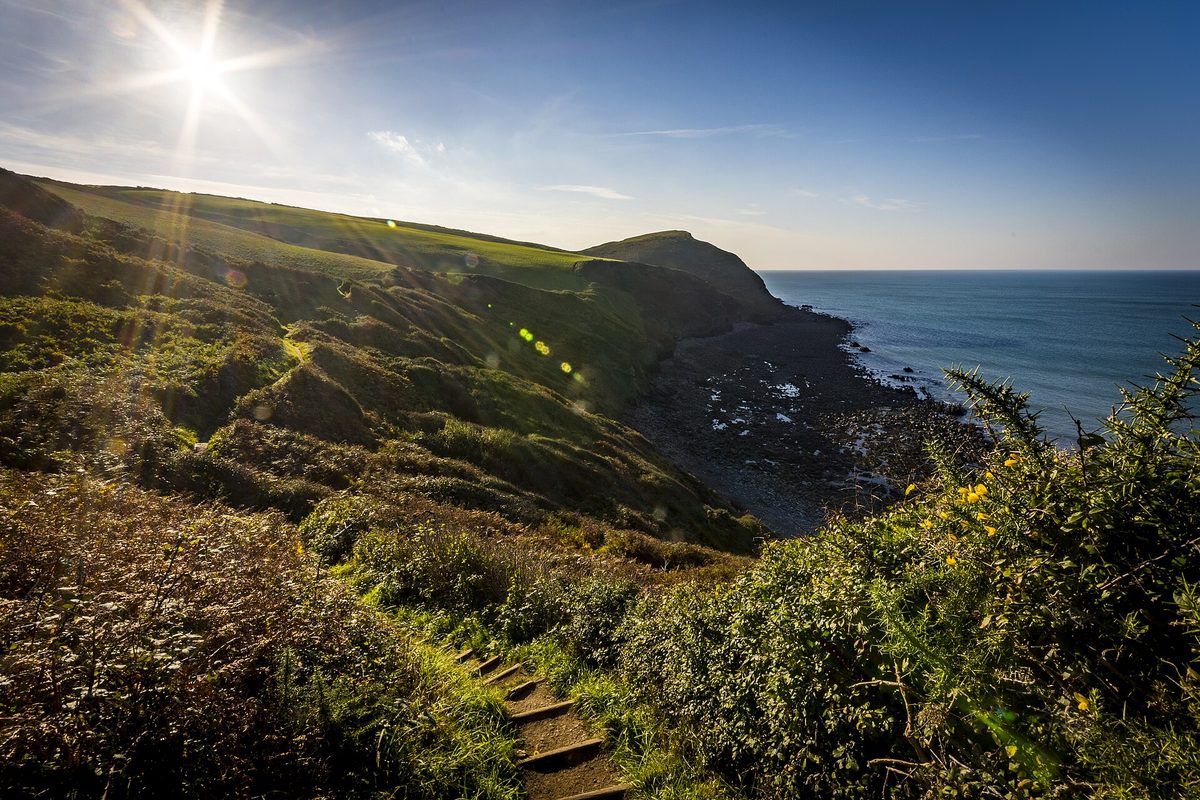
The practical summer rule is this: book the immovable things first.
If you want Cornwall or Devon in late July or August, accommodation is the anchor. If you want Wimbledon, major theatre, popular exhibitions, or a famous restaurant, book early. If you want the Cotswolds, choose a base before falling in love with an isolated inn. If you want the Lake District, choose a base that works in wet weather and has transport or parking logic. If you want to keep costs sane, use the England budget and costs guide before assuming the sunny month is automatically the best value.
Autumn In England: September, October And November
Autumn is the season I wish more visitors took seriously.
September can be excellent. The long school-holiday rush has eased, the weather can still be mild, the coast can still work, cities feel livelier than winter but less pressured than August, and countryside routes often become more pleasant. If May is my favorite first-trip month, September is a very close second.
October is more mixed but still valuable. Early October can be beautiful for York, Bath, Oxford, Cambridge, London, the Cotswolds, the Lake District at lower levels, and road trips with pub evenings. Autumn color varies by region and year, but woodlands, parks, gardens, and valley routes can be lovely. Late October brings shorter days, half-term crowds, and more weather risk.
November is not the obvious choice, but it has its uses. Bonfire Night around November 5 brings fireworks and seasonal events. London, Manchester, Liverpool, York, Bath, Oxford, and other cities can work well if you lean into museums, theatre, pubs, restaurants, cathedrals, galleries, markets, and shorter walks. Some Christmas lights and markets begin in November. The countryside can be atmospheric, but it is not the month I would choose for a trip that depends on scenery, long walks, or open-air wandering every day.
Autumn is especially good for:
- Shoulder-season value after the summer rush.
- London plus Bath, York, Oxford, Cambridge, or a second base.
- Cotswolds and countryside inns without peak summer pressure.
- Food, pubs, harvest menus, Sunday roasts, markets, and lower-light photography.
- Lowland walking when the weather cooperates.
Autumn is weaker for:
- Beach holidays after September.
- First-time visitors who want maximum daylight.
- Remote countryside trips without a car or indoor backup.
- Late October plans that ignore school half-term.
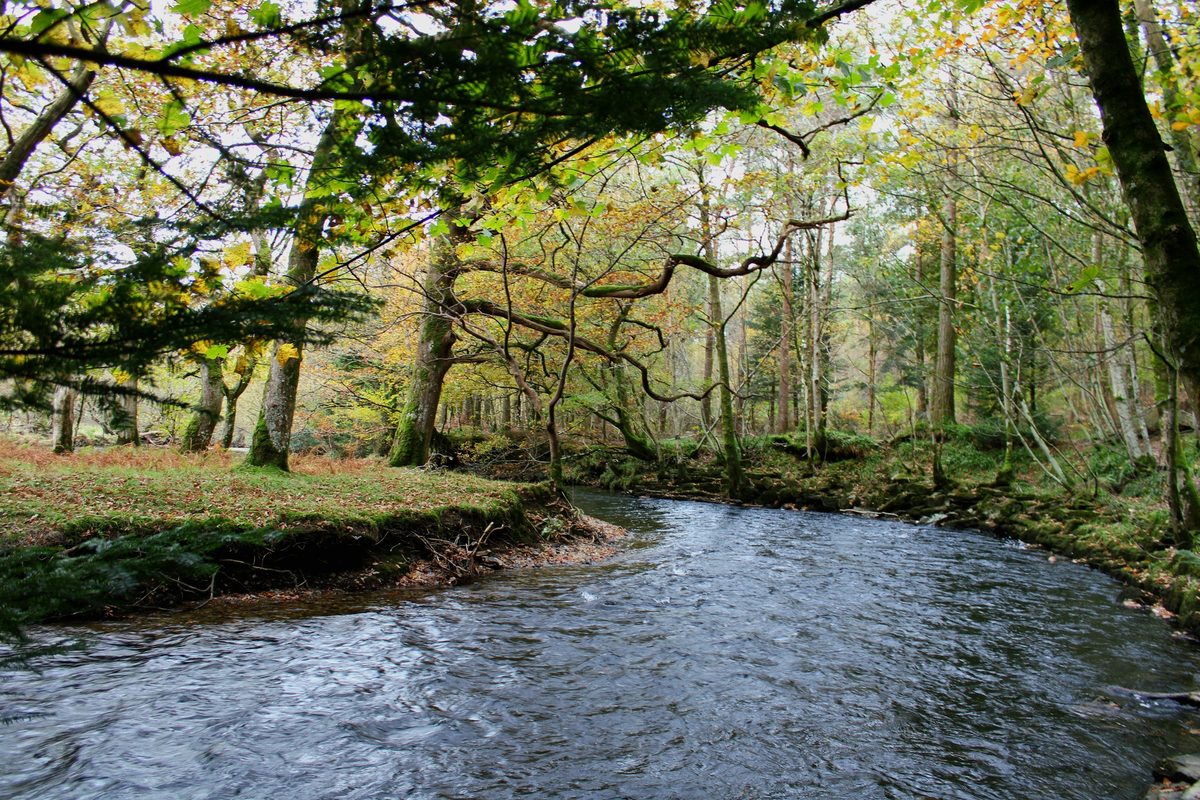
My autumn advice is to separate September from November. They are not the same travel season. September is still a broad outdoor month. October is a bridge month. November is a city, pub, history, theatre, market, and lower-cost month with pockets of atmosphere.
Winter In England: December, January And February
Winter is not the wrong time to visit England. It is the wrong time to pretend you are taking a summer trip.
December has a strong identity. London lights, Christmas markets, carol services, ice rinks, theatre, decorated shops, pub fires, hotel lobbies, cathedral cities, and festive day trips can make the short days feel intentional rather than limiting. Bath, York, Winchester, Chester, London, Oxford, Cambridge, and many smaller towns can be beautiful in the run-up to Christmas. But weekends get busy, hotel prices can rise in festive destinations, and Christmas Day and Boxing Day require care because transport, restaurant hours, attractions, and shops change.
January is the quietest month for many tourist routes. That can be useful if you want museums, low crowds, winter sales, cheaper accommodation, and simple city travel. It can feel bleak if your heart is set on villages, gardens, beaches, and long daylight. If you travel in January, choose bases with strong indoor options.
February is still winter, but the light begins to improve. Snowdrops, early gardens, half-term family travel, museums, theatre, and city breaks can work. It is not the month for guaranteed countryside charm, but it can be better than January for travelers who want quiet without the deepest post-holiday feeling.
Winter is especially good for:
- London, York, Bath, Oxford, Cambridge, Manchester, Liverpool, and other city breaks.
- Christmas lights, markets, theatre, music, pubs, afternoon tea, museums, cathedrals, and galleries.
- Lower accommodation prices outside festive weekends and school holidays.
- Travelers who prefer atmosphere to long outdoor days.
Winter is weaker for:
- Beaches, gardens, and long scenic road trips.
- High-level hiking unless you are experienced and equipped.
- Remote stays with limited food and transport.
- Visitors who struggle with short daylight.

The winter rule is to plan around daylight rather than complain about it. Put your main outdoor sight in the middle of the day. Keep early mornings gentle. Use late afternoons and evenings for indoor things that actually benefit from darkness: Christmas lights, theatre, pubs, restaurants, concerts, markets, and city walks with lit streets.
Best Time To Visit London
London works in every season because it has the best rainy-day infrastructure in England.
That sounds unromantic, but it is one of the city’s great travel strengths. If the weather turns, London does not collapse as a trip. You have museums, galleries, markets, theatre, historic interiors, churches, shops, restaurants, buses, pubs, and neighborhoods that still work in imperfect weather.
The best months for London are April, May, June, September, October, and December.
May and June are strong for parks, walking, river routes, day trips, and long evenings. September and October are good for museums, theatre, neighborhoods, and lower heat. December is excellent if you want lights, shopping, theatre, Christmas windows, markets, and festive atmosphere, but it is not a low-crowd secret.
July and August are perfectly usable, especially for families and first-time visitors who need school-holiday dates. Just expect major sights to be busier. Book the Tower of London, Westminster Abbey, Churchill War Rooms, special exhibitions, popular theatre, afternoon tea, and the Warner Bros. Studio Tour well ahead when they matter to you.
January and February are good for lower crowds and indoor culture. They are not ideal for long scenic days, but they can be excellent for a cheaper London-focused trip.
For the city itself, use the London travel guide. For seasonal day-trip choices from the capital, use trips beyond London and check whether your dates make Bath, Oxford, Cambridge, Windsor, Brighton, Canterbury, Stonehenge, or the Cotswolds more sensible.
Best Time For The Cotswolds
The best time to visit the Cotswolds is May, June, September, or early October.
The Cotswolds are at their easiest when you have enough daylight to enjoy village walks, gardens, pub lunches, countryside lanes, and market towns without the heaviest school-holiday crush. May gives spring green and flowers. June gives long evenings. September gives softer crowds and often pleasant weather. Early October gives autumn edges and pub atmosphere.
July and August can still be beautiful, but famous places such as Bourton-on-the-Water, Bibury, Broadway, Stow-on-the-Wold, and Castle Combe can feel crowded, especially on weekends and sunny days. If you visit in peak summer, start early, stay overnight, pick less famous villages, and accept that parking is part of the plan.
Winter can be atmospheric if you want pubs, frosty lanes, quiet villages, and lower rates. It is weaker if you want gardens, long walks, or easy public transport. Some smaller attractions, shops, and dining options may have reduced hours, so check before building a whole day around one village.
The Cotswolds reward base planning more than month-chasing. Use the full Cotswolds guide and bases and accommodation in England before you book a romantic-looking inn that sits awkwardly for the route.
Best Time For The Lake District
The best time to visit the Lake District is May, June, or September for most travelers.
The Lake District is beautiful year-round, but it is not equally easy year-round. May and June give longer days, spring and early summer landscapes, and better odds for walking. September gives shoulder-season value and often good conditions with fewer summer families. July and August give peak summer access but also crowds, parking pressure, booked-up accommodation, and busy paths around the famous lakes.
October can be wonderful for autumn color and lower-level walks, but weather and daylight become more important. Winter is beautiful in the right mood, but it is not beginner-friendly for high fell walking unless you have proper experience, gear, and weather judgment.
For first-time visitors, I would choose a practical base before choosing a month. Windermere/Bowness, Ambleside, Keswick, Grasmere, Ullswater, and Kendal all behave differently. A good base gives you boat options, bus options, low-level walks, food, parking, and rainy-day alternatives. That matters more than an average forecast.
Use the complete Lake District guide if the region is central to your trip. If you are still deciding whether the Lake District fits your dates, compare it with the England itinerary planner and how to travel around England.
Best Time For Cornwall, Devon And The Coast
The best time for Cornwall, Devon, and many English coast trips is June, July, August, or September.
June and September are the smart choices if you want coast without maximum crowds. July and August are the classic beach-holiday months, especially for families, but they are also when accommodation, restaurants, parking, and popular beaches feel the most pressure.
For a beach-first trip, August can make sense because the sea has had more time to warm and the holiday atmosphere is in full swing. For coastal walking, food, harbor towns, photography, and a more relaxed trip, I prefer June or September. May can also be excellent for cliffs, gardens, and seafood towns, but it is less reliable for swimming or beach days.
Winter coast is a different product. It can be moody, beautiful, quiet, and good for storm-watching, pubs, and walking between showers. It is not the best choice if you expect full resort energy, long daylight, easy swimming, and every seasonal business open.
For the southwest, use the complete Cornwall and Devon guide. Use the England coast guide for choosing between Cornwall, Devon, Dorset, Sussex, Kent, Norfolk, Yorkshire, and Northumberland.
Best Time For Historic Cities, Castles And Gardens
Historic cities are the most forgiving part of England’s seasonal calendar.
Bath, York, Oxford, Cambridge, Canterbury, Durham, Winchester, Salisbury, Chester, Lincoln, and Norwich can all work in spring, summer, autumn, or winter because they have compact centers, indoor sights, cathedrals, museums, pubs, cafes, bookshops, and rail access. The difference is the mood.
Spring and early autumn are the easiest. Summer gives longer days but more visitors. Winter can be lovely for Christmas markets, quiet streets, and warm interiors, but some attractions reduce hours.
Castles, gardens, ruins, stately homes, and heritage sites need more checking. Many major sites open year-round or have winter weekends, but some houses, gardens, ferries, rural buses, cafes, and special areas are seasonal. Do not assume a country house behaves like a London museum. Check the official site before making a long detour.
For heritage-led planning, use England castles and historic sites and the Bath, Stonehenge, Oxford and Cambridge itinerary. For garden-heavy travel, late April through June is usually the strongest broad window, with September still useful for late color and kitchen gardens.
Cheapest Time To Visit England
The cheapest time to visit England is usually January, February, March, November, and some early December weekdays, excluding major events, school holidays, and Christmas-market weekends.
But “cheap” is not the same as “best value.”
January can have lower hotel prices, but if the trip you want is Cotswolds gardens, Lake District hikes, Cornwall beaches, and pub gardens, a cheap January rate is not really solving your travel goal. November can be good value in London, York, Bath, Manchester, Liverpool, and other cities, but it is less useful for a route that depends on daylight.
The best value months are often May, early June, September, and early October if you compare the whole trip rather than only the room price. You get better conditions than winter, less pressure than peak summer, and enough daylight to avoid wasting paid travel days. Midweek stays in popular regions can also make a big difference.
Peak costs usually appear around:
- Easter holidays.
- Early May and late May bank holidays.
- Late July and August school holidays.
- August bank holiday.
- Major event periods such as Wimbledon, Chelsea Flower Show, concerts, festivals, and race meetings.
- Christmas-market weekends and the days around Christmas and New Year.
- Sunny weekends in famous countryside and coastal regions.
Use costs and budgeting in England before choosing a month purely on weather. In England, season affects accommodation, trains, rental cars, attractions, taxis, restaurants, and how much you pay to fix a poor base choice.
Crowds, School Holidays And Bank Holidays
England has international tourism, domestic tourism, local day trips, school holidays, bank holidays, university events, festivals, sports fixtures, concerts, and weather-driven weekend surges. Crowds are not only a “summer” issue.
The periods to check carefully are:
- Easter holidays, usually around late March or April depending on the year.
- The early May bank holiday weekend.
- The spring bank holiday and late May half-term.
- Late June and early July around major London events and Wimbledon.
- Late July through August, when English school summer holidays push families to coast, countryside, attractions, and holiday parks.
- The August bank holiday weekend, which is one of the most pressured long weekends of the year.
- Late October half-term.
- Christmas-market weekends from late November through December.
- Christmas Day, Boxing Day, and New Year transport and closure periods.
GOV.UK publishes bank holidays for England and Wales, and school holiday dates are handled by local councils rather than one single national calendar. If you are planning a family trip, a seaside stay, or a popular rural base, check school holidays before assuming your dates are shoulder season.
The trick is not necessarily to avoid every busy date. Sometimes busy dates are the reason to travel. Notting Hill Carnival, Wimbledon, Christmas in Bath, summer festivals, and major garden shows are all popular because they are worth wanting. Just do not book them as if they are ordinary weekdays.
What To Book Early By Season
England rewards early booking in high-demand places and flexible booking in uncertain weather.
In spring, book special gardens, popular country-house hotels, Cotswolds weekends, Easter trips, and late May half-term stays early. If a specific event matters, check tickets as soon as dates are released. RHS Chelsea Flower Show, for example, is a May event with a short run and high demand.
In summer, book Cornwall, Devon, Dorset, Lake District, Cotswolds, family hotels, cottages, campsites, car rental, major trains, theatre, popular London attractions, and famous restaurants early. If your trip includes late July or August, accommodation is the first decision, not the last.
In autumn, book September weekends in countryside and coast, October half-term family stays, and any event-based trip. You can often be more flexible than summer, but do not assume famous places are empty just because the calendar says “autumn.”
In winter, book December weekends, Christmas markets, theatre, Christmas meals, festive afternoon teas, ice rinks, and hotel stays in Bath, York, London, Winchester, Oxford, and other festive cities early. Also check Christmas Day and Boxing Day food plans before arrival; many places close or require reservations.
For transport decisions, use England by train and transport. The short version is that fixed Advance train tickets can be good value when your schedule is settled, but you should not buy transport before the route itself makes sense.
Month-By-Month Guide To England
January
January is quiet, cold, dark, and often cheaper. It is best for London museums, theatre, galleries, pubs, winter sales, city breaks, and travelers who prefer low crowds over long days. I would choose London, York, Bath, Oxford, Cambridge, Manchester, Liverpool, or another city with strong indoor options.
I would not choose January for a first-time countryside-heavy trip unless you actively want winter atmosphere. Gardens are limited, coast days are short, and rural transport or dining can be more awkward. If you travel in January, keep the itinerary simple and do not change bases too often.
February
February is still winter, but the month starts to loosen. Days are longer than January, snowdrops appear in some gardens and estates, and city trips still benefit from lower crowds. February half-term can make family attractions busier, so check dates if you are traveling with children or visiting theme parks, museums, or popular indoor sights.
February can be good for a low-cost London trip, a Bath or York weekend, or a gentle city-and-pub route. It is not ideal for a dream beach or hiking trip.
March
March is the first useful shoulder month. It can feel like winter one day and spring the next. That unpredictability is the point: March is good if you want lower crowds and can adapt. London, Bath, York, Oxford, Cambridge, and Canterbury all work well. Countryside is greener, but paths can be muddy and evenings can still be cold.
If Easter falls in March, the month changes. Accommodation and attractions become busier around school holidays. If Easter is later, March can be one of the better value months for flexible travelers.
April
April is spring with caveats. The country is greener, blossoms arrive, gardens improve, and daylight becomes properly useful. It is also the month most associated with showers, and Easter can make travel much busier.
April is good for London parks, gardens, historic cities, the Cotswolds, and early countryside trips. It is less reliable for beaches and mountain walking. Pack a waterproof layer, shoes that can handle wet pavements or muddy paths, and enough flexibility to swap an outdoor day with an indoor one.
May
May is the best month to visit England for many first-time visitors. The countryside looks alive, gardens are strong, daylight is generous, and most attractions are operating without full summer pressure. London, Bath, York, the Cotswolds, Oxford, Cambridge, the Lake District, and many road-trip routes all make sense.
The main cautions are bank holidays and late May half-term. A famous Cotswolds village on a sunny holiday weekend will not feel secret. A Lake District stay during half-term may need earlier booking. Still, if someone asks me for one month that balances everything, I usually say May.
June
June is England at its most spacious in daylight. Long evenings make trips feel easier. You can walk after dinner, arrive in a new city and still see it, or build more forgiving travel days. Gardens are still excellent, festivals begin to stack up, and the coast becomes more tempting.
June is one of the best months for London plus countryside or coast. Early June is especially attractive because it often sits before the full school-holiday rush. Late June is busier and more event-heavy. If you want long days and can book key pieces ahead, June is hard to beat.
July
July is high summer. It is warm by English standards, busy, event-rich, and good for beaches, festivals, outdoor theatre, cricket, tennis, pub gardens, and national parks. It is also expensive in many high-demand regions.
July works best when you accept it as peak season and plan accordingly. Start sightseeing early. Book major sights. Choose bases carefully. Do not assume a last-minute Cornwall cottage, Lake District hotel, or Cotswolds inn will be available at a sensible price.
August
August is the fullest holiday month. English families travel, seaside towns are busy, attractions are in full summer mode, and London has its own late-summer events. Notting Hill Carnival usually takes place over the August bank holiday weekend, bringing huge crowds and a very different energy to west London.
August is best for families, beaches, festivals, and visitors who want summer atmosphere more than value. It is weaker for quiet villages, last-minute budgets, and anyone who finds crowds stressful. If you travel in August, choose fewer bases and book accommodation early.
September
September is one of the best months to visit England. The weather can still be mild, the sea can be more appealing than in spring, the school-holiday rush eases, and the light softens. London, Bath, York, the Cotswolds, Cornwall, Devon, the Lake District, and road trips can all work well.
Early September is especially useful for coast and countryside. Late September starts to feel more autumnal, which can be lovely for pubs, food, walks, and historic towns. If May is too early for your plans, choose September with confidence.
October
October is a split month. Early October can be excellent for city breaks, autumn color, Cotswolds inns, York, Bath, Oxford, Cambridge, London, and lower-level countryside walking. Late October is darker and often more weather-sensitive, with school half-term adding crowd pressure in family destinations.
October is good if you like autumn atmosphere and do not need beach weather. It is not the best month if you are trying to maximize outdoor hours every day. After the clocks change in late October, evenings feel much shorter.
November
November is quiet, dark, and underrated for the right trip. It can be damp and grey, but it can also be good for London, museums, theatre, pubs, galleries, restaurants, Bonfire Night events, early Christmas lights, and lower hotel rates.
I would not build a November trip around long countryside drives or remote scenic stays unless the atmosphere is the point. I would build it around cities, history, food, and short outdoor walks between warm interiors.
December
December is festive, short-day England. It is not a weather month. It is a mood month.
London lights, Bath Christmas Market, York’s festive streets, Winchester, Oxford, Cambridge, theatre, carols, decorated shops, pubs, ice rinks, and winter menus can make December memorable. The tradeoff is that weekends are busy, days are short, and Christmas itself requires planning. Transport and opening hours change around Christmas Day, Boxing Day, and New Year, and restaurants may need reservations.
December is best if you want Christmas in England. If you want gardens, beaches, long hikes, and maximum daylight, choose another month.
Best Time By Trip Length
If you have five to seven days in England, I would choose May, June, September, or early October and keep the route simple: London plus one second base, or London with carefully chosen day trips. Winter can work for a London-heavy trip, but it is less forgiving if you try to add too much countryside.
If you have ten days, May, June, and September are ideal. You can build London plus Bath/Cotswolds plus York, or London plus the southwest, or London plus Lake District and a rail-friendly city. With ten days, season matters because each hotel move costs daylight and energy.
If you have two weeks, you have more seasonal flexibility. Summer lets you add coast and national parks more easily. Spring and September give the best all-round experience. Winter can work if the trip is city, history, theatre, food, and Christmas focused rather than scenic.
If you have three weeks, you can use the edges of seasons better. For example, late May into June gives gardens and long days. Late September into early October gives shoulder-season travel and autumn texture. Late November into early December gives pre-Christmas atmosphere without the very busiest holiday dates.
For route design, go to the full itinerary planner before committing to dates. The best month for a London-and-York train trip may not be the best month for a Cornwall cottage week or a Lake District walking trip.
What To Pack By Season
England packing is not about bringing everything. It is about bringing layers that can handle change.
For spring, pack a waterproof jacket, light sweater or fleece, comfortable walking shoes, and clothes that can handle cool mornings and milder afternoons. If you are visiting gardens or countryside, assume paths can be wet.
For summer, pack lighter clothes, sunglasses, sunscreen, a rain layer, and a sweater for evenings. Do not assume every hotel room, apartment, train, pub, or B&B will be air conditioned. If heat matters to you, check before booking.
For autumn, pack layers, a waterproof jacket, shoes with grip, and something warm enough for evenings. October and November can feel much colder after dark than the daytime forecast suggests.
For winter, pack a warm coat, waterproof shoes, gloves or hat if you feel cold easily, and clothes that suit indoor/outdoor transitions. England’s winter cold is often damp and windy rather than dramatically snowy, which can feel colder than the temperature number suggests.
For every season, bring comfortable shoes. England trips involve more walking than people expect: station platforms, stairs, cobbles, museum floors, riverside paths, village lanes, castle grounds, parks, and long days that look short on a map.
Common Timing Mistakes
The first mistake is assuming summer is always best. Summer is best for some trips, not all trips. If you hate crowds and high prices, late July and August may be the wrong answer even if the weather is warmer.
The second mistake is ignoring school holidays. A date that looks like shoulder season to an international visitor may be half-term or a bank-holiday weekend in England.
The third mistake is treating London and the countryside the same. London can absorb bad weather. A remote countryside stay cannot always do that.
The fourth mistake is choosing a month before choosing a route. May is a great month, but if your dream is Christmas markets, May is irrelevant. August is crowded, but if your children can only travel then and you want beach time, it may be the right month.
The fifth mistake is underestimating daylight. Winter is not just colder. It changes how many things you can comfortably do before dark.
The sixth mistake is booking pretty accommodation without checking seasonal logistics. A village inn, cottage, or farmhouse can be perfect in June and awkward in January if food, transport, taxis, paths, or heating do not match your needs.
The seventh mistake is building every day around outdoor perfection. England is better when you plan one weather-proof option per region.
Final Advice: Choose The Season That Fits The Trip
The best time to visit England is not the warmest month on paper. It is the month that gives your version of the trip the least friction.
If this is your first visit and you want the broadest answer, choose May, early June, September, or early October. If you want coast and beach energy, choose June to September and book early. If you want London, museums, theatre, and food, you have much more flexibility. If you want gardens, go in late spring or early summer. If you want Christmas, accept the short days and make the evenings part of the trip. If you want lower costs, look at winter and shoulder seasons, but do not pretend a cheap month automatically gives you the trip you pictured.
Put the calendar beside the route. Then decide.
For the next step, use the England trip planner to shape the route, where to stay in England to choose bases, getting around England to check movement, and England budget and costs to compare seasonal price pressure. If you are still choosing destinations, start with what is actually worth visiting. If walking, coast, and outdoor scenery shape your dates, use walking and national parks in England and England coast and beaches. If London anchors the trip, use the complete London guide before adding too many day trips.
Good timing does not guarantee perfect weather in England. It gives you enough room for the weather not to ruin the trip.
Research note: This guide was planned against current SERP patterns and checked against official and reputable sources including the Met Office climate and season explainers, VisitBritain practical travel information, GOV.UK bank holiday and school-holiday guidance, RHS Chelsea Flower Show information, Visit London Notting Hill Carnival information, Bath & North East Somerset Council Christmas market dates, Wimbledon event-date information, current competitor pages, traveler forum pain points, and image licensing for openly licensed photography. Event dates, opening hours, school holidays, and transport schedules change, so check official pages before booking.
Photo Credits
- Rolling English countryside in spring with yellow fields and bright sky — Photo: Susanne Nilsson / CC BY-SA 2.0 via Wikimedia Commons. Source
- Bluebells in an English woodland in spring — Photo: Christine Johnstone / CC BY-SA 2.0 via Wikimedia Commons. Source
- Sunny Cornwall beach and rugged coast in summer — Photo: splodge360 / CC BY 2.0 via Wikimedia Commons. Source
- Autumn road in the Lake District with trees and hills — Photo: Pebblewhale / CC BY-SA 4.0 via Wikimedia Commons. Source
- Regent Street Christmas lights in London at night — Photo: The wub / CC BY-SA 4.0 via Wikimedia Commons. Source
Frequently asked questions
What is the best month to visit England?
May is the best month to visit England for many first-time visitors because it balances spring countryside, gardens, longer daylight, open attractions, and fewer peak-summer crowds. September is the next best all-round month, especially for coast, cities, and shoulder-season value.
Is June a good time to visit England?
Yes. June is one of the best months to visit England because daylight is at its longest, gardens are strong, and summer energy begins before the full late July and August school-holiday peak. Early June is especially useful for first-time trips.
Is July or August better for England?
July is often slightly better if you want warm weather and events before the deepest family-holiday pressure. August is better for peak seaside atmosphere and school-holiday travel. Both are busy and expensive in popular coastal, countryside, and family destinations.
What is the cheapest month to visit England?
January and February are often among the cheapest months for accommodation, with November also good value outside event and Christmas-market periods. The best value months overall are often May, early June, September, and early October because the trip works better while still avoiding some peak-summer costs.
What is the rainiest month in England?
Rain varies by region and year, and England can have rain in any month. The west and upland regions are generally wetter than the east and southeast. Instead of chasing a rain-free month, choose a route with rainy-day options and pack a waterproof layer.
Does it snow in England?
Snow is possible in England, especially in northern areas, higher ground, and national parks, but heavy snow is not something most visitors should rely on. Winter trips are more often cold, damp, windy, frosty, or grey than postcard-snowy.
When is the best time to visit London?
The best time to visit London is April, May, June, September, October, or December. London works year-round because it has excellent museums, theatre, restaurants, shops, and transport. July and August are busy but still practical. January and February can be good for lower crowds and indoor culture.
When is the best time to visit the Cotswolds?
The best time to visit the Cotswolds is May, June, September, or early October. These months give the best mix of countryside color, gardens, village walks, daylight, and manageable crowds. July and August are pretty but busy, especially in the most famous villages.
When is the best time to visit the Lake District?
The best time to visit the Lake District is May, June, or September for most visitors. These months usually balance daylight, walking conditions, scenery, and crowd levels better than peak August. Weather can change quickly at any time, so plan flexible walks and rainy-day options.
When is the best time to visit Cornwall and Devon?
The best time to visit Cornwall and Devon is June to September. July and August are best for classic beach holidays and families, but they are also the busiest and most expensive. June and September are often better for coastal walks, food, harbor towns, and lower crowd pressure.
Is December a good time to visit England?
December is a good time to visit England if you want Christmas lights, markets, theatre, pubs, carols, shopping, and city atmosphere. It is not ideal for long daylight, gardens, beaches, or countryside-heavy trips. Plan carefully around Christmas Day, Boxing Day, and New Year.
What time of year should I avoid in England?
There is no single month to avoid for every visitor. Avoid late July and August if you dislike crowds and high prices. Avoid January if you need long daylight and outdoor scenery. Avoid Easter, bank-holiday weekends, and school holidays if your dates are flexible and you want lower demand.
Should I plan England around weather or crowds?
Plan around the trip type first, then weather and crowds. For London, crowds may matter more than weather because indoor options are strong. For Cornwall, the Lake District, or the Cotswolds, weather, accommodation, daylight, parking, and school holidays all matter together.