Sheet 61 · Lake District Travel Guide · 43 min read
Lake District Travel Guide: Best Places, Itinerary, Walks and Where to Stay
Plan a Lake District trip with the best places, 2-4 day itineraries, where to stay, car-free transport, easy walks, rainy days, boats, costs, and safety tips.
 Sheet 61
Contents 22 sections
The Lake District is where England stops being polite about scenery. This Lake District travel guide helps you choose a base, match walks to your ability, and plan around the weather rather than against it.
That is the simplest way I can put it. London impresses with scale. Bath and York impress with history. The Cotswolds charms you into slowing down. But the Lake District does something different. It throws mountains, lakes, stone villages, wet paths, sheep fields, boats, waterfalls, pubs, poets, mist, and sudden shafts of light into a small corner of north west England and asks you to plan honestly.
That last word matters. Honestly.
A Lake District trip can be one of the best parts of an England itinerary. It can also become a frustrating blur of full car parks, overambitious hikes, slow valley roads, wrong bases, damp socks, and hotel moves that looked harmless on a map. The region is compact compared with many national parks around the world, but it is not simple. The roads bend. Weather changes quickly. Public transport is useful in some corridors and thin in others. A lake that looks close may sit over a pass, around a valley, or on the wrong side of the fells for the day you planned.
So this Lake District travel guide is built around the decisions that actually shape the trip: how many days to spend, where to stay, which lakes and towns to prioritize, whether you need a car, how to visit without one, which walks are realistic for first-timers, what to do when it rains, and how to fit the Lakes into a wider England route without turning it into a token stop.
Use it with the England route planner if you are deciding whether the Lake District belongs in a 7, 10, or 14 day trip. Keep the England by train and transport guide open if you are arriving by rail or mixing train and car. If you are still choosing between regions, start with where to go in England and the national parks in England guide. The Lake District is wonderful, but it deserves enough space to be more than a long detour.
Quick Answer: How To Use This Lake District Travel Guide
For a first Lake District trip, spend at least two or three nights, choose one good base, and plan around a small number of areas rather than trying to see every famous lake. Windermere, Bowness, Ambleside, Grasmere, and Keswick are the easiest first-time bases. Windermere and Bowness are best for lake cruises, attractions, rail access, and first-timer convenience. Ambleside is better for central walks and a slightly more outdoorsy feel. Keswick is best for Derwentwater, Catbells, Borrowdale, northern fells, and a stronger hiking base. A car helps if you want remote valleys, quieter lakes, or flexible photography stops, but you can absolutely visit without a car if you stay on the Windermere-Ambleside-Grasmere-Keswick corridor or base around Keswick and use buses, boats, and walks from town.
My default advice is this:
| Trip Style | Best Lake District Plan | Best Base |
|---|---|---|
| One day | Windermere and Bowness, or a guided tour from Manchester/York/Liverpool | Windermere/Bowness for independent rail access |
| Two nights | One lake area plus one walking or boat day | Ambleside, Windermere, Bowness, or Keswick |
| Three nights | Classic first visit with Windermere/Ambleside/Grasmere or Keswick/Derwentwater | Ambleside or Keswick |
| Four to five nights | Add Ullswater, Coniston, Buttermere, Langdale, or Wasdale | Split bases only if it saves real travel time |
| No car | Use train to Windermere or Penrith, then bus, boat, and walks from town | Keswick, Ambleside, Windermere, or Bowness |
| First-time hiker | Easy fell views, lakeshore walks, and weather-safe options | Keswick, Ambleside, or Grasmere |
| Family trip | Boats, Beatrix Potter, Brockhole, easy walks, rainy-day museums | Bowness, Windermere, or Keswick |
| Quiet romantic stay | Grasmere, Coniston, Ullswater, Hawkshead, Cartmel, or a country inn | Depends on transport and food expectations |
| England road trip | Lake District after York, Manchester, Northumberland, or Yorkshire | Car useful, but do not overpack valleys |
If you remember only one thing, make it this: the Lake District is not one lake and one viewpoint. Choose the version of the Lakes you want. Windermere and Bowness give easy lake travel and visitor infrastructure. Ambleside and Grasmere give central walking, Wordsworth country, and good public transport. Keswick gives the cleanest first taste of mountain drama without needing to sleep somewhere remote. Ullswater, Coniston, Buttermere, Langdale, and Wasdale are magnificent, but they ask for a more deliberate plan.
Is The Lake District Worth Visiting?
Yes, the Lake District is worth visiting if you like scenery, walking, lakes, mountain views, literary history, boat trips, small towns, old pubs, and weather that can make a place feel alive rather than polished. It is one of the strongest countryside destinations in England and one of the most natural additions to a longer northern route with York, Manchester, Liverpool, Durham, Northumberland, or Scotland.
It is not worth forcing into every England trip.
That is the part many guides avoid saying clearly. If you have five or seven days in England and this is your first visit, the Lake District may be too far unless mountain scenery is your main reason for coming. You can make a short trip work from Manchester, Liverpool, York, or Edinburgh. From London, it is better as a multi-night extension, not a quick afterthought. A day trip from London to the Lake District is technically possible by tour or very long transport, but I would not build a first England holiday around that idea.
The Lake District is best when you can wake up there. Morning light on the fells, evening by the water, dinner after a walk, and the ability to move a plan around rain are all part of why the place works. If you only arrive at midday, rush to a viewpoint, get back in the car, and leave before dinner, you have visited the label more than the landscape.
For most first-time international visitors, I would include the Lake District in one of three situations:
| Your England Trip | Should You Add The Lake District? | Why |
|---|---|---|
| 7 days, first visit | Usually no | London plus Bath/Oxford/Cambridge/Cotswolds is easier and better paced. |
| 10 days | Maybe | Add it only if scenery beats southern countryside or Cornwall for you. |
| 14 days | Yes, if you want landscapes | London, Bath/Cotswolds, York, and Lake District is a strong route. |
| 3 weeks | Yes | You can include the Lakes and still avoid rushing. |
| Northern England route | Definitely consider it | It pairs naturally with York, Manchester, Liverpool, Durham, Yorkshire, and Scotland. |
| Hiking-focused trip | Yes | The Lake District can be the main event. |
If you are comparing it with the Cotswolds, the difference is simple. The Cotswolds travel guide is about villages, honey-stone streets, country inns, gentle walking, and rural charm. The Lake District is about lakes, fells, boats, wet-weather resilience, bigger views, and walking that can become serious quickly. Both are beautiful. They are not substitutes.
If you are comparing it with Cornwall or Devon, use the full South West guide as the coastal counterpoint. Cornwall is cliffs, beaches, coves, fishing villages, gardens, and seafood. The Lake District is water and stone, but with mountains instead of sea.
Where Is The Lake District?
The Lake District sits in Cumbria in north west England, south of Carlisle, north of Lancaster, west of the M6 motorway, and roughly between Manchester/Liverpool and the Scottish border. It is a national park, a UNESCO World Heritage Site, and England’s classic mountain-and-lake region.
The Lake District National Park Authority describes the area as both a protected National Park and a UNESCO World Heritage Site. It lists 16 large lakes, more than 2,000 km of public footpaths, and famous landscape facts that matter for visitors: Windermere is England’s longest lake at about 10.5 miles, Wastwater is England’s deepest lake, Scafell Pike is England’s highest mountain, and Bassenthwaite Lake is the only body of water in the district officially called a “lake” rather than a mere or water. That last fact will appear in pub quizzes forever, whether you want it to or not.
For planning, do not think of the Lake District as one dot on the map. Think in zones:
| Area | Main Places | Best For |
|---|---|---|
| Windermere and Bowness | Windermere town, Bowness, Brockhole, Lakeside | First visits, lake cruises, family attractions, rail access |
| Ambleside and central Lakes | Ambleside, Waterhead, Rydal, Grasmere | Walks, buses, food, literary history, central positioning |
| Keswick and Derwentwater | Keswick, Derwentwater, Catbells, Borrowdale | Hiking, scenery, boat trips, northern Lakes base |
| Ullswater | Glenridding, Pooley Bridge, Aira Force, Howtown | Steamers, waterfalls, quieter dramatic scenery |
| Coniston and Hawkshead | Coniston Water, Hawkshead, Tarn Hows, Grizedale | Slower stays, literary links, less obvious bases |
| Langdale | Great Langdale, Little Langdale, Elterwater | Walkers, high drama, valley scenery |
| Buttermere and Borrowdale | Buttermere, Seatoller, Honister, Borrowdale | Mountain scenery, lake walks, photography |
| Wasdale and Wastwater | Wastwater, Wasdale Head, Scafell Pike | Remote drama, serious walking, big mountain plans |
| Kendal and Cartmel edges | Kendal, Cartmel, Grange-over-Sands | Food, rail access, quieter gateway stays |
The main mistake is trying to treat these zones as one easy sightseeing loop. They connect, but not like London neighborhoods on the Tube. Roads are slow. Parking can be limited. Buses are useful but route-specific. Weather can make a high-level plan foolish by lunchtime. Build your trip around one or two zones unless you have enough days to travel slowly.
How Many Days Do You Need In The Lake District?
You can see a piece of the Lake District in one day. You need two or three nights to feel like you actually visited. Four or five nights is better if walking, photography, food, or quiet time matters. A week is not too much if the Lakes are the main trip.
One Day In The Lake District
One day is a taste, not a full visit. It works best if you are already in northern England or if you arrive by train to Windermere and keep the day simple: Windermere town, Bowness, a lake cruise, maybe Orrest Head or Brockhole, then back. From Manchester, Liverpool, York, or Edinburgh, a guided day tour can make sense if you accept the pace. From London, I would be much more cautious.
The best one-day independent plan is the least heroic one:
| Arrival | Best One-Day Plan |
|---|---|
| Train to Windermere | Walk or bus to Bowness, take a Windermere cruise, add Orrest Head if time and weather allow |
| Train to Penrith | Bus to Keswick, Derwentwater shore, launch, town, maybe Latrigg or Walla Crag if time allows |
| Car from nearby | Choose one lake area, not a grand loop |
| Guided tour | Let the guide handle roads and parking, and accept that you are sampling |
I would not spend a one-day visit chasing Scafell Pike, Wasdale, Buttermere, Ullswater, Windermere, Grasmere, and Keswick. That is not a Lake District day. That is a slideshow with seatbelts.
Two Nights In The Lake District
Two nights is the minimum I like for a first proper visit. You arrive, settle, have one full day, and leave with at least a morning or late afternoon that is not just transport. With two nights, base choice matters more than ambition.
A good two-night plan might be:
| Base | Day One | Day Two |
|---|---|---|
| Windermere/Bowness | Arrive, lakefront, short cruise or Bowness | Full Windermere/Ambleside/Orrest Head/Brockhole day |
| Ambleside | Arrive, Waterhead, town dinner | Rydal/Grasmere walk, cruise, or central fell walk |
| Keswick | Arrive, Derwentwater shore, town | Catbells, launch, Borrowdale, Walla Crag, or rainy-day Keswick |
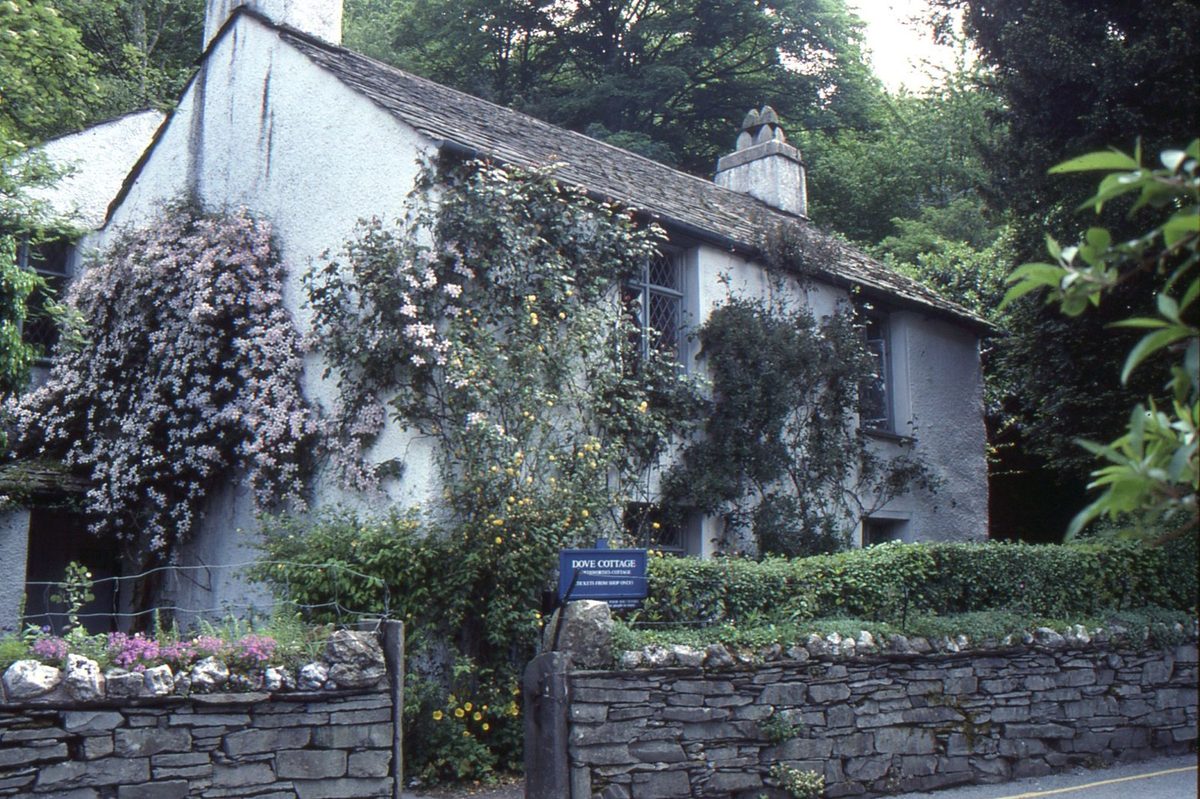
| Grasmere | Arrive, village, Dove Cottage area | Rydal Water, Helm Crag, Easedale Tarn, or bus to Ambleside |
If I were sending a first-time visitor for two nights without a car, I would choose Ambleside or Keswick. If they wanted lake cruises, attractions, and the easiest train arrival, I would choose Windermere or Bowness. If they wanted romance and quiet but still decent bus access, I would look hard at Grasmere.
Three Nights In The Lake District
Three nights is the sweet spot for many first-timers. It gives you two full days and a bit of flexibility. One day can be lake and town based. One day can be walking or a more scenic side trip. If the weather turns, you do not lose the entire trip.
A simple three-night shape:
| Day | No-Car Plan | Car Plan |
|---|---|---|
| Arrival | Train to Windermere or Penrith, settle in Ambleside/Keswick | Drive in, park once, short lake walk |
| Full day 1 | Windermere cruise plus Ambleside/Grasmere, or Derwentwater launch plus Keswick | Windermere/Ambleside/Grasmere or Keswick/Derwentwater |
| Full day 2 | Easy walk from base, bus to Grasmere/Keswick, or boat-and-walk route | Ullswater, Coniston, Buttermere, Langdale, or Tarn Hows |
| Departure | Short morning walk, cafe, train/drive out | Do not squeeze a remote pass before a long drive |
This is where the future 3 day Lake District itinerary should go deep. For this pillar, the main point is restraint. Three nights is not enough for every lake. It is enough for one area to settle in and one contrasting day.
Four Or Five Nights In The Lake District
With four or five nights, the Lake District opens up. You can choose a main base, add a quieter lake, and build around weather. You can include Windermere, Ambleside/Grasmere, Keswick/Derwentwater, and either Ullswater, Coniston, Buttermere, Langdale, or Wasdale without everything feeling squeezed.
This is also the first trip length where a split base can make sense. For example:
| Nights | Suggested Split |
|---|---|
| 2 + 2 | Ambleside or Windermere, then Keswick |
| 3 + 2 | Keswick, then Coniston/Ullswater/Grasmere |
| 2 + 3 | Windermere/Bowness for easy arrival, then Keswick for walking |
I still would not split for the sake of novelty. Moving hotels costs time. Split only when it improves the route.
A Week In The Lake District
A week is excellent if you want walking, slower villages, pub evenings, boat days, and a few rainy-day backups. At that point, the Lake District can be the main holiday rather than one stop in an England route. You can stay in one strong base and use buses/cars/boats, or split between south-central Lakes and northern/western Lakes.
For a week, I would build the trip around themes rather than daily sightseeing:
| Theme | Good Areas |
|---|---|
| First Lake District week | Ambleside/Grasmere plus Keswick |
| Hiking week | Keswick, Ambleside, Langdale, Grasmere |
| Family week | Bowness/Windermere plus Keswick or Coniston |
| Quiet week | Coniston, Ullswater, Hawkshead, Cartmel, Grasmere |
| Car-free week | Ambleside, Keswick, Windermere/Bowness, Grasmere |
| Road trip week | Windermere, Coniston, Ullswater, Keswick, Buttermere, Wasdale with caution |
If you are building a longer trip across England, the England bases guide helps with base logic across regions. The Lake District rule is simple: sleep where your first morning begins well.
Where To Stay In The Lake District
Where you stay changes the whole trip. It matters more in the Lake District than in many city destinations because transport, dinner, weather backups, and walking routes all depend on the base.
There is no single best place to stay. There are good bases for different travelers.
| Base | Best For | Watch Out For |
|---|---|---|
| Windermere town | Train arrival, shops, practical first base | The town is not on the lake shore; Bowness is downhill |
| Bowness-on-Windermere | Lake cruises, families, attractions, restaurants | Busy and visitor-heavy, especially in peak season |
| Ambleside | Walkers, bus access, food, central position | Popular and not directly on the main rail line |
| Grasmere | Romance, Wordsworth, village atmosphere, gentle walks | Smaller and quieter after dark |
| Keswick | Hiking, Derwentwater, outdoor shops, northern Lakes | Farther from Windermere rail; still busy in season |
| Coniston | Slower stays, Coniston Water, Tarn Hows, less obvious base | Less convenient without a car than the main corridor |
| Ullswater/Glenridding | Steamers, Aira Force, Helvellyn area, beautiful scenery | Fewer evening choices than bigger towns |
| Hawkshead | Pretty village, Beatrix Potter/Wordsworth links, quiet charm | Transport needs planning |
| Langdale | Walking, valley scenery, mountain feel | Better for walkers than casual first-timers |
| Cartmel | Food, village stay, southern edge | Not central for classic first-time lake hopping |
| Kendal | Rail access, lower prices, gateway practicality | Outside the national park feel for many visitors |
Windermere And Bowness
Windermere and Bowness are often treated as one base, but they are not the same. Windermere is the rail town, just over a mile from the lake. Bowness-on-Windermere is the busy lakeside visitor town with cruise piers, restaurants, shops, ice cream, families, and a holiday feel. The walk between them is manageable for many people, but it is not nothing with luggage or tired legs.
Stay here if you want the easiest first visit, lake cruises, family attractions, practical transport, and plenty of places to eat. It is also the best answer for some car-free visitors arriving by train. The official Lake District National Park page notes that Windermere is England’s largest lake, that Windermere town is separate from Bowness, and that Bowness is one of the busiest shoreline places with main cruise jetties. That matches the lived planning reality perfectly: convenient, beautiful, busy.
I like Windermere/Bowness for a first Lake District sample. I would not choose it if the whole point of the trip is quiet fell walking from the door.
Ambleside
Ambleside is one of the best all-around bases. It sits near the north end of Windermere, with Waterhead by the lake about a mile away, and has a strong mix of walking access, food, outdoor shops, buses, cinema, pubs, and practical services. It feels more outdoorsy than Bowness without being remote.
Stay in Ambleside if you want central positioning and a trip that can flex between walks, boats, buses, Grasmere, Rydal, Langdale, and Windermere. Without a car, Ambleside is one of the best choices because the bus corridor is strong and you have walks from town.
The tradeoff is popularity. Ambleside is not a secret. Book lodging early in summer and weekends, and do not expect empty streets just because you are in the mountains.
Grasmere
Grasmere is the village I would choose when someone wants the Lake District to feel gentle, literary, and romantic rather than activity-packed. It has Wordsworth connections, easy access to Rydal Water, Easedale Tarn, Helm Crag, and some lovely lower-level walking. It is small enough to feel like a village, but not so small that you are stranded.
Stay here if you want quiet evenings, walks, tea rooms, poetry history, and a softer Lake District mood. Avoid it if you want lots of nightlife or maximum bus frequency.
Keswick
Keswick is my default recommendation for visitors who want the Lake District to feel like mountains. It sits by Derwentwater, with Catbells, Walla Crag, Latrigg, Borrowdale, Skiddaw country, Whinlatter, and Buttermere access nearby. It has outdoor shops, a market-town center, pubs, restaurants, theatre, boat launches, and plenty of walks without needing to drive every morning.
If you do not have a car and want hiking, Keswick is one of the strongest bases. You can arrive via Penrith plus bus, use the Derwentwater launch, take buses toward Borrowdale or Buttermere when timetables fit, and walk from town. It is not as rail-simple as Windermere, but it is often more satisfying once you are there.
Stay here if the words Derwentwater, Catbells, Borrowdale, and “walk from the door” sound more exciting than “easy train arrival.”
Ullswater
Ullswater is one of the best answers for visitors who want big scenery with a slightly less obvious base than Windermere or Keswick. Glenridding and Pooley Bridge are the main names to know. Aira Force, the Ullswater Way, lake steamers, and access toward Helvellyn all make this area special.
Stay around Ullswater if you have a car, want steamers and walking, or are building a quieter trip. Without a car, it can work, but you need to check buses and boat times carefully rather than assuming everything connects.
Coniston, Hawkshead, Langdale, Buttermere And Wasdale
These are wonderful, but they are not all equal as first-time bases.
Coniston is good for a slower Lake District stay with Coniston Water, the Old Man of Coniston, Tarn Hows, and a less commercial feel than Bowness. Hawkshead is pretty, historic, and useful for Beatrix Potter and Wordsworth links, but transport needs more attention. Langdale is glorious if walking is the point. Buttermere is beautiful enough to rearrange a trip for, but it is not a casual public transport base for everyone. Wasdale and Wastwater are dramatic, remote, and best for serious landscape time or Scafell Pike plans, not for a gentle first sample.
The where to stay in the Lake District guide goes deeper into lodging and neighborhoods. For this pillar, use the base to simplify your days. Do not choose a pretty remote inn and then plan every day around driving to the opposite side of the national park.
Best Places To Visit In The Lake District
The best Lake District places depend on whether you want lakes, walks, villages, views, literary history, family attractions, or proper fell days. Here is the first-time shortlist.
| Place | Best For | How To Use It |
|---|---|---|
| Windermere | Lake cruises, first-timer access, family attractions | Use Bowness/Waterhead/Lakeside piers and do not confuse lake with town |
| Bowness-on-Windermere | Boats, restaurants, easy visitor day | Good first day, busy in season |
| Ambleside | Central base, walks, food, buses | Stay or visit; strong no-car choice |
| Grasmere | Wordsworth, village charm, Rydal walks | Slow village day or quiet base |
| Rydal Water | Gentle scenic walking, caves, literary route | Pair with Grasmere or Ambleside |
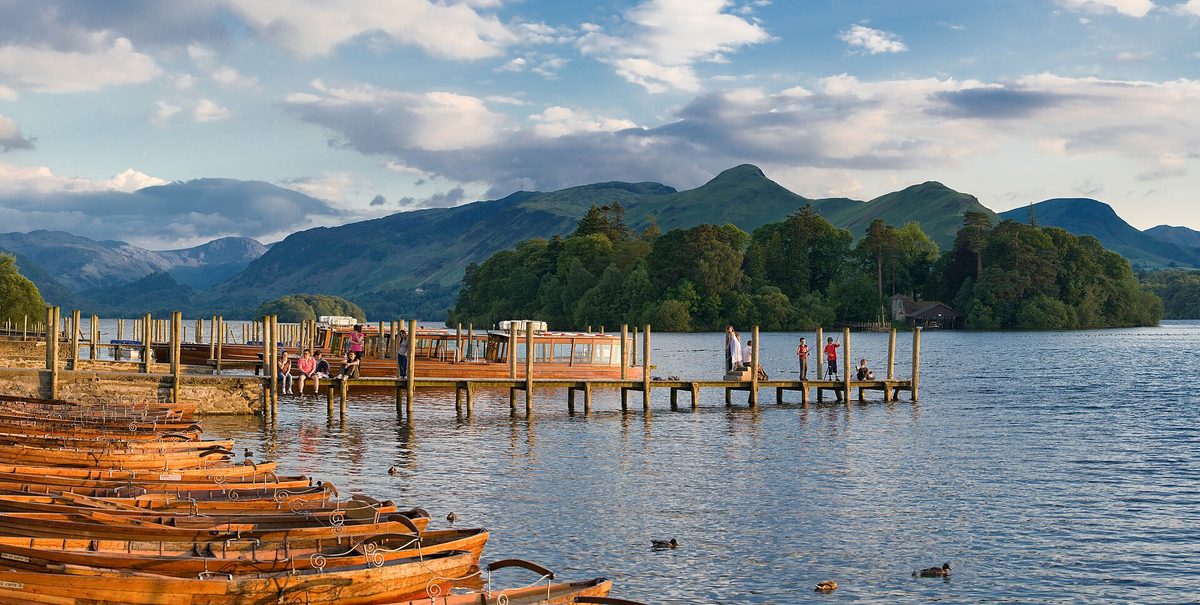
| Derwentwater | Keswick lake views, launches, Catbells access | Best northern Lakes first-timer area |
| Keswick | Hiking base, market town, outdoor shops | Stay if walking matters |
| Catbells | Beginner-friendly fell feel with real views | Choose good weather and know it still has steep parts |
| Buttermere | One of the most beautiful lake walks | Better with car, bus plan, or enough time from Keswick |
| Ullswater | Steamers, Aira Force, big water views | Good second-area choice |
| Aira Force | Waterfall walk near Ullswater | Excellent in damp weather, but paths can be slippery |
| Tarn Hows | Easy scenic loop, families, low-level walking | Good car day or planned bus/walk route |
| Coniston | Quieter lake, boats, walking, village | Good slower base or car day |
| Hawkshead | Village, Beatrix Potter, Wordsworth school links | Pair with Tarn Hows/Coniston/Wray area |
| Langdale | Valley drama, proper walking | For walkers, not just a quick drive-through |
| Wastwater | Remote drama, England’s deepest lake | Best with car and realistic timing |
Windermere
Windermere is England’s longest lake and the easiest Lake District name for many visitors to recognize. The lake itself is beautiful, but the practical visitor experience depends on where you are: Windermere town for rail and shops, Bowness for boats and lakefront, Waterhead/Ambleside for the north end, Brockhole for family activities, Lakeside for the southern pier and rail/attraction connections.
Windermere Lake Cruises connect major points around the lake, including Bowness, Ambleside/Waterhead, Brockhole, Lakeside, and Windermere Jetty Museum on seasonal schedules. That matters because a cruise is not just sightseeing. It can also be transport. A good Windermere day might combine Bowness, a cruise to Ambleside or Lakeside, a short walk, and dinner without needing a car.
The future Windermere travel guide should cover the lake in detail. For a first visit, Windermere is the easiest place to begin, not necessarily the place to spend the whole trip.
Ambleside, Rydal And Grasmere
This central corridor is one of the best pieces of the Lake District for first-time travelers. Ambleside gives you food, shops, buses, and walks. Rydal gives you lake paths, Rydal Mount, Rydal Cave, and a link toward Grasmere. Grasmere gives you Wordsworth, village charm, gingerbread, and a softer walking day.
If you do not have a car, this is one of the best areas to plan around. You can move by bus, walk sections, and still have options if rain changes the day.
My favorite way to think about this area is as a weather-flexible base. In good weather, walk higher or farther. In mixed weather, stay lower around Rydal Water, Grasmere, and town paths. In heavy rain, use cafes, Wordsworth sites, Ambleside, buses, and shorter lake-level walks.
Keswick And Derwentwater
Keswick and Derwentwater are the northern Lakes at their most useful. Derwentwater is close to town. The launch lets you turn a walk into a boat-and-walk day. Catbells gives one of the classic first fell views. Borrowdale pulls you deeper into the valleys. Walla Crag and Latrigg give satisfying views without committing to the biggest mountains.
If someone asked me for the most balanced first Lake District base for walking, I would probably say Keswick. It has enough town life to keep evenings easy and enough scenery to make a short trip feel properly Lakeland.

Ullswater And Aira Force
Ullswater is a little more awkward for some itineraries, but it is worth considering if you want the Lakes to feel dramatic without only following the Windermere crowd. Ullswater Steamers connect Glenridding, Pooley Bridge, Howtown, and Aira Force on varying schedules, and the lake pairs beautifully with waterfall walks, lakeshore paths, and valley views.
Aira Force is especially useful because waterfalls can be better after rain, when higher fell plans may be less appealing. That does not mean careless. Wet stone paths are slippery. Wear proper shoes and slow down.
Ullswater works as a full day from a car base, a planned boat-and-walk day, or a quieter overnight choice. It is not the place I would choose for a first no-car visit without checking current transport carefully.
Coniston, Hawkshead And Tarn Hows
Coniston and Hawkshead suit visitors who want a slightly quieter Lake District. Coniston Water has boat options, village life, and access to the Old Man of Coniston for experienced walkers. Hawkshead is compact, pretty, and tied to Beatrix Potter and Wordsworth stories. Tarn Hows is one of the most popular easy scenic loops, and for good reason: it gives big Lake District feeling without a mountain day.
This area is excellent with a car. Without one, it can still be done, but you need to plan routes rather than improvise.
Buttermere
Buttermere is one of the Lake District’s best lake walks. The loop around the lake is the kind of walk that explains why people return to the Lakes year after year. It is not huge, but it feels complete: water, fells, reflections, trees, stone, and enough drama to make lunch taste better afterward.
The catch is access. Buttermere is not where I would send a rushed first-timer from Windermere with a half-day spare. It works better from Keswick, by car, or with a bus plan when services are running in a way that suits your day.
Wasdale And Wastwater
Wastwater is England’s deepest lake and one of the most dramatic places in the national park. Wasdale is also a gateway for Scafell Pike, England’s highest mountain. That makes it magnetic, but not casual.
If you are not hiking Scafell Pike or deliberately visiting the western Lakes, do not underestimate the travel time. The roads are slow and the valley can be busy when weather is good. Wasdale is magnificent, but it is not a quick checkbox on a Windermere holiday.

Best Things To Do In The Lake District
The Lakeland highlights are not just “see lakes” and “go hiking.” Those are the headline activities, but the trip gets better when you mix water, walking, villages, food, weather backups, and enough slow time to notice the place.
Here is the useful first-time list:
| Thing To Do | Best Places | Good For |
|---|---|---|
| Take a lake cruise | Windermere, Derwentwater, Ullswater, Coniston | First-timers, families, no-car visitors |
| Do an easy fell walk | Orrest Head, Latrigg, Walla Crag, Catbells, Loughrigg | Big views without a huge mountain day |
| Walk a lakeshore loop | Buttermere, Tarn Hows, Derwentwater sections, Rydal/Grasmere | Scenic lower-level days |
| Visit Wordsworth country | Grasmere, Dove Cottage, Rydal Mount | Literature, rainy days, slower travel |
| Use a boat as transport | Windermere, Derwentwater, Ullswater | Car-free day planning |
| Eat in a proper pub after a walk | Ambleside, Keswick, Grasmere, Coniston, Cartmel, Hawkshead | The best kind of recovery |
| Visit Beatrix Potter places | Bowness, Hill Top, Hawkshead area | Families, literary interest |
| Try a waterfall walk | Aira Force, Stock Ghyll Force, Rydal area | Rainy or mixed-weather days |
| Explore a quieter valley | Langdale, Borrowdale, Duddon, Eskdale | Repeat visitors, drivers, walkers |
| Plan a rainy-day circuit | Keswick, Ambleside, Bowness, museums, cafes, cinemas | Weather-proofing |
My things to do in the Lakes guide ranks and groups these in more detail. The important SEO and planning point for this pillar is that “things to do” should not become a random list. The best activities depend on your base and weather.
A Practical 3 Day Lake District Itinerary
A three-day Lake District itinerary should not try to cover the whole national park. It should give you a coherent first experience: one main base, one lake-and-town day, one walking or scenic day, and one flexible block for weather.
Here are three ways I would build it.
3 Days Without A Car: Windermere, Ambleside And Grasmere
This is the easiest car-free first visit.
| Day | Plan |
|---|---|
| Day 1 | Train to Windermere, settle in Windermere/Bowness or Ambleside, Bowness lakefront, short Windermere cruise |
| Day 2 | Ambleside, Waterhead, Rydal Water, Grasmere, bus or walk sections depending on weather |
| Day 3 | Orrest Head, Brockhole, longer Windermere cruise, or a bus north toward Keswick if you have energy |
This plan is not the most dramatic version of the Lake District, but it is practical. You get the lake, a boat, a real village, a manageable walk, and enough food/transport options that rain does not destroy the trip.
If staying in Ambleside, I would make Day 2 the heart of the trip: walk toward Rydal and Grasmere, eat well, then return by bus if tired. If staying in Bowness, I would lean harder into the cruise network and easy attractions.
3 Days With A Car: Central Lakes And One Quieter Day
This is the classic flexible plan.
| Day | Plan |
|---|---|
| Day 1 | Arrive, Windermere/Bowness or Ambleside, short cruise or Orrest Head |
| Day 2 | Grasmere, Rydal, Ambleside, and a lower-level walk or Loughrigg viewpoint |
| Day 3 | Choose one: Ullswater/Aira Force, Coniston/Tarn Hows/Hawkshead, Buttermere, or Keswick/Derwentwater |
The third day is where people overdo it. Choose one direction. Do not try to turn Ullswater, Coniston, Buttermere, and Keswick into one “efficient” driving loop. The Lake District punishes efficiency when everyone else has the same idea, sheep are crossing, rain arrives sideways, and the car park you wanted is full.
3 Days Based In Keswick
This is my favorite version for walkers.
| Day | Plan |
|---|---|
| Day 1 | Arrive via Penrith plus bus or by car, Derwentwater shore, Keswick dinner |
| Day 2 | Catbells, Derwentwater launch, Walla Crag, or Borrowdale depending on weather and ability |
| Day 3 | Buttermere, Latrigg, Whinlatter, Castlerigg Stone Circle, or a rainy-day Keswick plan |
Keswick makes a short trip feel more mountainous without requiring you to stay in a remote valley. It also gives good fallback options: theatre, cafes, shops, lake launches, lower walks, and bus possibilities.
Can You Visit The Lake District Without A Car?
Yes, you can visit the Lake District without a car, and for some trips it is more relaxing. The key is not pretending the whole region is equally easy. You need to choose the right base and stay near transport that supports the things you actually want to do.
The best no-car bases are:
| Base | Why It Works Without A Car |
|---|---|
| Windermere | Rail station, buses, walk to Bowness, Windermere cruises |
| Bowness | Lake cruises, visitor services, buses, attractions |
| Ambleside | Strong bus position, walks from town, access to Waterhead cruises |
| Grasmere | Bus corridor, walks, village life, Rydal/Ambleside links |
| Keswick | Bus from Penrith, Derwentwater launch, walks from town, northern Lakes access |
The main train gateways are Oxenholme Lake District for the Windermere branch line, Windermere station itself, Penrith for Keswick and northern Lakes, Carlisle for some northern and western routes, and Lancaster/Kendal depending on your route. VisitBritain notes that the West Coast Main Line connects London and Glasgow with Oxenholme, Penrith, and Carlisle, with local services to Kendal, Staveley, and Windermere. That is the backbone of most car-free planning.
Once inside the national park, Stagecoach buses are important. The 555 route is one of the key scenic corridors, linking places such as Kendal, Windermere, Ambleside, Grasmere, and Keswick. The 599 is useful around Bowness, Windermere, Ambleside, and Grasmere when operating. Other routes open up Coniston, Langdale, Borrowdale, Buttermere, Ullswater, and more, but details vary by season and day. Always check current timetables rather than trusting an old blog post or a half-remembered map.
Boats also matter. Windermere Lake Cruises, Keswick Launch on Derwentwater, Ullswater Steamers, and Coniston boat services can turn transport into part of the day. A boat will not solve every route, but it can make a car-free trip feel less like compromise and more like the right way to travel.
The future Lake District without a car guide should be one of the most important child articles in this cluster. The short version is:
| No-Car Goal | Best Approach |
|---|---|
| Easy first visit | Train to Windermere, stay Windermere/Bowness/Ambleside |
| Hiking without car | Stay Keswick, Ambleside, or Grasmere |
| Boats and towns | Windermere/Bowness plus cruise network |
| Northern scenery | Train to Penrith, bus to Keswick |
| Less stress | Choose one corridor and repeat it well |
| Biggest mistake | Booking a remote cottage because it looked peaceful, then discovering taxis/buses are awkward |
Do not fear buses, but do not romanticize them either. A bus in the Lake District can be brilliant: high views from the top deck, no parking stress, and the ability to do linear walks. It can also mean waiting in rain, missing a connection, or discovering that your chosen route is seasonal. Build backup time into the day.
Do You Need A Car In The Lake District?
You do not need a car for every Lake District trip. You do need a car, tour, taxi, or very careful transport plan if you want to reach remote valleys, quieter lakes, sunrise viewpoints, multiple areas in one day, or lodging away from main towns.
A car helps for:
| A Car Helps If You Want | Why |
|---|---|
| Buttermere and Honister flexibility | Buses can work, but not for every schedule |
| Wasdale and Wastwater | Remote, slow, and awkward from many bases |
| Coniston/Hawkshead/Tarn Hows combinations | Easier to combine by car |
| Family travel with gear | Less waiting, more flexibility |
| Rainy-day changes | Easier to pivot across areas |
| Photography starts/finishes | Early and late light may not match bus times |
| Remote inns/cottages | Public transport may not suit evenings |
A car is less helpful for:
| A Car Is Less Helpful For | Why |
|---|---|
| Bowness lakefront days | Parking and traffic can be annoying |
| Ambleside town days | Walk/bus often easier once based there |
| Keswick and Derwentwater | Walks and launch options are close |
| Pub-centered evenings | Driving narrows your choices |
| Peak holiday weekends | Roads and parking can become the problem |
The best plan is often hybrid. Arrive by train, stay in a strong base, and rent a car for a shorter rural segment only if needed. Or use trains between London, York, Manchester, and the Lakes, then rent a car outside London. That logic is covered in more detail in transport in England and connects naturally to the England road trip guide.
If you drive, use a small or manageable car, arrive at popular car parks early, avoid blocking lanes, understand that mountain passes can be narrow and exposed, and do not plan as if average speeds on map apps are the same as relaxed holiday speeds. Parking is managed by different bodies, with different charges and payment systems. The National Park Authority’s car park guidance notes that payment systems vary by operator and signage. That is a practical warning: have more than one way to pay, read local signs, and do not assume one app covers everything.
Best Easy Lake District Walks For First-Timers
The Lake District is a walking destination, but “easy” needs respect here. Easy does not always mean flat. Beginner-friendly does not mean safe in every weather. A short fell can still have steep paths, exposure, mud, loose stone, and fast-changing conditions.
That said, you do not need to climb Scafell Pike to enjoy walking in the Lake District. Some of the best first walks are modest.
| Walk | Best Base | Why It Works | Watch Out For |
|---|---|---|---|
| Orrest Head | Windermere | Short walk with famous views over Windermere | Can be busy; still uphill |
| Tarn Hows loop | Coniston/Hawkshead/Ambleside by car or planned route | Scenic, gentle, family-friendly feel | Parking and weather |
| Rydal Water and Grasmere | Ambleside/Grasmere | Lovely lower-level lake walking | Mud, road crossings, route choices |
| Stock Ghyll Force | Ambleside | Short waterfall walk from town | Slippery after rain |
| Latrigg | Keswick | Big view for modest effort | Weather exposure near top |
| Walla Crag | Keswick | Excellent Derwentwater view | More effort than a flat stroll |
| Derwentwater shoreline | Keswick | Flexible lakeside sections with launch options | Check boat times |
| Catbells | Keswick/Derwentwater | Classic first fell with huge reward | Steep sections; avoid poor weather if unsure |
| Buttermere loop | Buttermere/Keswick by car or bus | One of the best lake loops | Access, parking, wet paths |
| Aira Force | Ullswater | Waterfall and woodland | Slippery steps and crowds |
| Grasmere to Rydal Coffin Route | Grasmere/Ambleside | Historic low-level route | Uneven paths, weather |
| Brockhole to Ambleside/Waterhead sections | Windermere/Ambleside | Good lake-and-woodland feel | Route finding and timing |
My gentle Lakeland walks guide handles route details, maps, difficulty, and alternatives. In this pillar, the most important advice is to match the walk to the day’s conditions, not to a list you saved six months earlier.
About Catbells
Catbells deserves its own warning because it appears in so many beginner lists. It is a brilliant first fell for many people: iconic, compact, rewarding, and close to Keswick. But it is still a fell. There are steep and hands-on sections depending on route. In good weather, with decent shoes and realistic fitness, many first-timers love it. In poor visibility, high wind, ice, or with nervous walkers, it can feel very different.
If you are unsure, use the Derwentwater launch and lower paths, choose Latrigg, or build up with Walla Crag. There is no prize for turning a holiday walk into a rescue scenario.
About Scafell Pike
Scafell Pike is England’s highest mountain. It is a serious mountain day, not a casual sightseeing stop. If you want to climb it, plan properly: route, weather, daylight, navigation, equipment, fitness, food, water, and transport. Do not add it to a first Lake District itinerary just because it is famous.
I would rather see a first-time visitor have a beautiful low-level day at Buttermere, Derwentwater, Ullswater, or Rydal than drag themselves up Scafell Pike in the wrong conditions and remember only cloud, stress, and sore knees.
Lake District Weather And What To Pack
The Lake District is wet, changeable, and often more dramatic because of it. That is not a flaw. It is part of the place. But it should shape your packing and your schedule.
The National Park Authority’s weather information points visitors to its Weatherline service and mountain conditions, while the Met Office provides a Lake District mountain forecast. Use those before walking high, not only a generic town forecast. Weather in Bowness is not the same thing as weather on a ridge. Wind, visibility, rain, and temperature can change fast with elevation.
Pack for the Lake District as if plans may change:
| Item | Why It Matters |
|---|---|
| Waterproof jacket | Rain can arrive quickly, even in better months |
| Layers | Valley and fell temperatures differ |
| Proper walking shoes or boots | Paths can be muddy, rocky, and slippery |
| Dry socks | Small thing, large morale value |
| Offline map or paper map | Phone signal and batteries are not a plan |
| Portable charger | Useful for navigation, tickets, buses, and photos |
| Water and snacks | Even short walks can take longer than expected |
| Hat/sun protection | Bright days on open fells still happen |
| Small daypack | Better than carrying loose bottles and coats |
| Backup indoor plan | Rain is easier when you expected it |
Avoid scheduling your only big walk for the only day it can happen. If walking matters, give the trip enough days to move things around.
Best Time To Visit The Lake District
The best time to visit the Lake District for most first-time travelers is May, June, September, or early October. Those months often balance daylight, scenery, walking conditions, and crowds better than peak summer. July and August can be beautiful, but they are busier and more expensive. Winter can be atmospheric and quiet, but daylight is short, some routes are harder, and mountain conditions require more experience.
| Season | What It Is Like | Best For |
|---|---|---|
| March-April | Spring begins, mixed weather, improving daylight | Lower walks, quieter breaks |
| May-June | Long days, fresh greens, good walking potential | First visits, hiking, photography |
| July-August | Warmest, busiest, school holidays | Families, long days, lake activities |
| September-early October | Often excellent balance of light, color, and fewer crowds | Couples, walkers, first-timers |
| Late October-November | Wetter, shorter days, quieter | Slow stays, pubs, moody landscapes |
| December-February | Short days, possible winter conditions, festive feel in towns | Experienced walkers, cozy breaks |
Do not choose a month only by average weather. Choose it by your tolerance for crowds, daylight, prices, and flexibility. A wet day in June with a good plan is fine. A sunny Saturday in August with no dinner booking and a full car park can be more annoying than a misty shoulder-season day with room to breathe.
For national England season planning, use England weather and timing. The Lake District has its own weather personality, but your wider route matters too.
Lake District With Kids
The Lake District can be excellent with kids if you choose the right base and avoid turning the trip into adult fell ambitions with small passengers attached.
Good family choices include:
| Family Activity | Area |
|---|---|
| Windermere lake cruise | Bowness, Ambleside/Waterhead, Lakeside |
| Brockhole on Windermere | Windermere/Ambleside |
| World of Beatrix Potter | Bowness |
| Easy boat-and-walk days | Windermere, Derwentwater, Ullswater |
| Tarn Hows | Coniston/Hawkshead area |
| Aira Force | Ullswater |
| Derwentwater launch and shoreline | Keswick |
| Castlerigg Stone Circle | Keswick area |
| Ravenglass and Eskdale Railway | Western Lakes, if route fits |
| Rainy-day cinemas, museums, cafes | Keswick, Ambleside, Bowness |
Families often do best with Windermere/Bowness or Keswick. Windermere/Bowness has easier attractions and boat options. Keswick has more outdoor space, Derwentwater, and a strong base feel. Ambleside is a good middle ground for older kids who like walking.
The England with kids pillar and future Lake District rainy-day guide support this more deeply. For now, the main family rule is: keep walks short enough that the day still has a win if rain arrives.
Rainy Day Activities In The Lake District
Rain in the Lake District is not an emergency. It is a design constraint.
Some rainy days are perfect for lower walks, waterfalls, lake cruises, pubs, museums, bookshops, and slow villages. Other days are genuinely unpleasant or unsafe for higher walking. The trick is knowing which kind of rainy day you have.
Good rainy-day options:
| Activity | Best Area |
|---|---|
| Windermere cruise | Bowness, Ambleside, Lakeside |
| World of Beatrix Potter | Bowness |
| Dove Cottage/Wordsworth sites | Grasmere |
| Keswick town, theatre, cafes, shops | Keswick |
| Ambleside cinema/cafes/outdoor shops | Ambleside |
| Aira Force waterfall | Ullswater |
| Stock Ghyll Force | Ambleside |
| Low-level Rydal/Grasmere walk | Ambleside/Grasmere |
| Lakes Aquarium and Lakeside area | South Windermere |
| Windermere Jetty Museum | Windermere/Bowness |
| Pub lunch and route reset | Everywhere, if you booked or arrive early |
The future Lake District rainy day activities guide should become a strong support article because this is a real search intent. Many competitors treat rain as an inconvenience. A better Lake District plan treats it as expected and gives readers options by base.

Lake District Costs And Budget Planning
The Lake District can be expensive, especially in summer, weekends, school holidays, and popular bases. Accommodation is the biggest variable. Food, parking, boats, attractions, tours, and car rental can add up quickly if every day becomes a paid activity.
Ways to control costs:
| Cost Area | Practical Move |
|---|---|
| Accommodation | Book early, consider Windermere town/Kendal/hostels/self-catering, avoid peak weekends |
| Transport | Compare train Advance fares, Railcards, buses, and car rental by actual route |
| Parking | Check car park charges and payment methods before arrival |
| Food | Mix pub meals with supermarket/picnic lunches |
| Activities | Use free walks and viewpoints between paid boat or attraction days |
| Boats | Choose cruises that also solve transport, not just sightseeing |
| Season | May/June and September can be better value than peak summer |
| Base | Pay more for a base that saves taxis, parking, or wasted travel time |
For a wider budget framework, use England budget and costs. In the Lake District specifically, “cheap lodging far away” is not always cheap if it forces daily driving, parking, taxis, or awkward meals. Sometimes the better value is a central base where you can walk to dinner and start a route from the door.
Accessibility And Easier Travel
The Lake District is not naturally easy for every traveler. Historic towns, old buildings, slopes, uneven paths, narrow pavements, wet stone, limited rural transport, and older accommodation can all create barriers. But there are thoughtful options if you plan from reliable sources.
The Lake District National Park promotes Miles Without Stiles routes, designed for people with limited mobility, wheelchair users, families with pushchairs, and anyone wanting easier gradients and better surfaces. That is a much better starting point than assuming “easy walk” means accessible. Easy for a fit walker and accessible for a wheelchair user are not the same promise.
If accessibility matters, plan from official route, attraction, hotel, transport, and parking pages. Ask accommodation direct questions about steps, bathrooms, lifts, parking, room access, and distance to restaurants. Check station accessibility and Passenger Assist for rail journeys. For buses and boats, confirm current access details with operators before relying on a route.
The accessible travel England pillar covers the national planning side. For this Lake District guide, the key advice is to be specific. “Is it accessible?” is too broad. Ask exactly what you need the day to do.
Responsible Lake District Travel
The Lake District is a living landscape, not an outdoor theme park. People farm here, work here, raise families here, protect habitats here, rescue unprepared walkers here, and deal with the pressure of millions of visitors.
A responsible visitor plan is not complicated:
| Do This | Why |
|---|---|
| Follow the Countryside Code | Gates, livestock, dogs, paths, litter, and respect matter |
| Park only in legal places | Blocked lanes can stop residents and emergency access |
| Use buses/boats where practical | Reduces parking stress and makes linear walks possible |
| Stay on durable paths in fragile areas | Erosion is a real problem on popular routes |
| Take litter out | Even “biodegradable” waste is still waste in the wrong place |
| Keep dogs under control | Sheep, nesting birds, other walkers, and traffic matter |
| Do not underestimate weather | Mountain rescue is not a backup plan for poor planning |
| Spend locally | Food, shops, guides, and accommodation support the communities you came to enjoy |
The National Park Authority uses the phrase Lake District Kind for visitor behavior. I like that because it is simple enough to remember without sounding like a lecture. Be kind to the place, to residents, to other visitors, and to whoever might have to help if your plan goes wrong.
Common Lake District Planning Mistakes
The first mistake is staying too far from the day you actually want. A remote cottage is not peaceful if every morning begins with a long drive and parking stress.
The second mistake is treating Windermere as the whole Lake District. Windermere is useful and beautiful, but the national park is much broader.
The third mistake is trying to see every famous lake in two days. You will spend more time in transit than in the place.
The fourth mistake is assuming public transport is either impossible or effortless. It is neither. It is good in the right corridors and awkward if your plans ignore timetables.
The fifth mistake is putting Scafell Pike on a casual first itinerary. It is not a sightseeing viewpoint. It is a mountain day.
The sixth mistake is forgetting rain plans. The Lake District without a rain plan is wishful thinking.
The seventh mistake is booking restaurants too late in popular bases during peak periods. A long walk is less charming when the only dinner left is whatever you can find at closing time.
The eighth mistake is trusting car park availability in peak season. Start early, have alternatives, and do not build the day around one tiny parking area.
The ninth mistake is packing for town weather rather than fell weather. A blue sky over Bowness can become wind and cloud higher up.
The tenth mistake is trying to make the Lake District a London day trip. If you care about it, give it nights.
How To Fit The Lake District Into An England Itinerary
The Lake District fits best into northern or two-week England routes. It is less natural as a short London add-on.
Good route shapes:
| Route | Why It Works |
|---|---|
| London – York – Lake District – Manchester | Strong train logic, northern scenery, easy flight options |
| London – Bath/Cotswolds – York – Lake District – London/Manchester | Classic two-week first trip |
| London – Manchester – Lake District – Liverpool | Good for north west culture and landscape |
| York – Lake District – Edinburgh | Works for travelers continuing to Scotland |
| Northumberland/Yorkshire – Lake District | Excellent longer northern England trip |
| Cotswolds – Lake District road trip | Pretty, but long; only do it with enough days |
I would not combine the Lake District and Cornwall in a short trip unless you have at least three weeks or you are comfortable with a lot of travel. They sit in opposite corners of England for practical tourist purposes. If you only have two weeks, choose one major landscape region: Lake District for mountains and lakes, Cornwall/Devon for coast, Cotswolds for villages, or Northumberland/Yorkshire for castles, coast, moors, and history.
For a first two-week route, the Lake District is often the final scenic chapter:
| Nights | Route |
|---|---|
| 4 | London |
| 2 | Bath |
| 2 | Cotswolds or Bath with Cotswolds day trip |
| 2 | York |
| 3 | Lake District |
| 1 | Manchester or London before flight |
That route has shape. It does not make the Lakes fight for attention. It lets the trip move from city to history to countryside to northern landscape.
Lake District FAQ
How many days do you need in the Lake District?
You need at least two or three nights for a satisfying first Lake District trip. One day gives you a taste, usually around Windermere or a guided tour. Three nights is much better because you get two full days and some weather flexibility. Four or five nights is ideal if walking, boats, quieter valleys, or multiple lake areas matter.
Where should I stay in the Lake District for the first time?
For a first visit, stay in Windermere/Bowness if you want easy rail access, lake cruises, family attractions, and lots of services. Stay in Ambleside if you want central walking, good buses, and a strong all-around base. Stay in Keswick if hiking, Derwentwater, Catbells, and northern scenery matter most. Grasmere is best for a quieter village stay with literary history and gentle walks.
Can you visit the Lake District without a car?
Yes, you can visit the Lake District without a car if you choose a practical base. Windermere, Bowness, Ambleside, Grasmere, and Keswick are the strongest no-car choices. Use trains to Windermere or Penrith, then buses, boats, and walks from town. Do not book remote lodging unless you have checked transport carefully.
Do you need a car in the Lake District?
You do not need a car for Windermere, Ambleside, Grasmere, Keswick, lake cruises, and many walks from town. A car helps for remote valleys, flexible photography, family gear, Coniston/Tarn Hows combinations, Buttermere, Wasdale, Wastwater, and lodging away from main transport corridors.
Is Windermere or Keswick better?
Windermere is better for easy train arrival, lake cruises, Bowness attractions, first-timer convenience, and family travel. Keswick is better for hiking, Derwentwater, Catbells, Borrowdale, northern Lakes scenery, and a more outdoors-focused base. Ambleside sits between them as a strong central compromise.
What is the prettiest part of the Lake District?
There is no single prettiest part, but Derwentwater, Buttermere, Ullswater, Langdale, Wastwater, Grasmere/Rydal, and parts of Coniston are among the most beautiful areas for first-time visitors. Windermere is beautiful and convenient, but not the only face of the Lakes.
What is the best month to visit the Lake District?
May, June, September, and early October are the best months for many visitors because they balance daylight, walking, scenery, and crowd levels. July and August are lively but busy. Winter is atmospheric but needs more caution because days are short and fell conditions can be serious.
Is the Lake District good for families?
Yes, the Lake District is good for families if you choose a convenient base and keep plans flexible. Bowness/Windermere works well for boat trips, Beatrix Potter, Brockhole, and easy services. Keswick works well for Derwentwater, launches, short walks, outdoor shops, and rainy-day options.
What are the best easy walks in the Lake District?
Good easy or beginner-friendly walks include Orrest Head, Tarn Hows, Rydal Water and Grasmere, Stock Ghyll Force, Latrigg, Derwentwater shoreline, Aira Force, Buttermere loop, and some Walla Crag or Catbells routes depending on ability and weather. Always check route conditions and do not assume short means risk-free.
Can you do Scafell Pike as a beginner?
Some fit beginners climb Scafell Pike with proper preparation, good weather, navigation, equipment, and realistic expectations. But it is not the best default first Lake District walk. Many visitors will have a better trip choosing Catbells, Latrigg, Walla Crag, Buttermere, or a lower-level route before attempting England’s highest mountain.
Is the Lake District expensive?
The Lake District can be expensive in peak season, especially for accommodation, parking, restaurants, activities, and car rental. You can reduce costs by booking early, traveling outside school holidays, using buses and walks, choosing self-catering or hostels, and picking a base that reduces daily transport costs.
Is the Lake District a day trip from London?
The Lake District is not a good day trip from London for most visitors. It is far enough that a day trip becomes long and shallow. If you care about the Lakes, spend at least two or three nights. For easier London countryside day trips, use the day-trip guide instead.
Final Advice
Plan the Lake District around mornings, not checklists.
Where do you want to wake up? What walk or lake do you want close enough that bad weather does not ruin everything? Where will you eat if the rain comes in sideways? Can you move the big walk by a day? Are you staying somewhere that makes the trip easier, or somewhere that only looked pretty in a booking photo?
The Lake District rewards that kind of thinking. It does not need a frantic route. It needs a good base, a few strong days, waterproof layers, realistic walking choices, and enough empty space for the weather to do what weather does.
For most first-time visitors, I would choose Ambleside, Keswick, Windermere/Bowness, or Grasmere, stay three nights if possible, take at least one boat, do one lower-level walk and one viewpoint walk, keep a rainy-day plan ready, and avoid crossing the whole national park just to collect famous names. If you have more time, add Ullswater, Coniston, Buttermere, Langdale, or Wasdale deliberately.
Next, use the England itinerary planner to decide whether the Lake District belongs in this trip, England by train and transport to solve rail, bus, car, and airport logistics, the best of England region by region to compare it with other regions, and the supporting Lake District guides for best things to do, 3 day itineraries, where to stay, easy walks, visiting without a car, Windermere, Keswick, and rainy day activities.
Research note: This guide was planned against current SERP patterns and checked against official and reputable sources including Lake District National Park Authority, Visit Lake District, VisitBritain, Stagecoach Lakes by Bus, Windermere Lake Cruises, Keswick Launch, Ullswater Steamers, the Met Office mountain forecast, National Rail planning context, competitor travel guides, Reddit/forum planning pain points, and Wikimedia Commons licensing. Images are sourced from Wikimedia Commons under their respective open licenses, with attribution in the Photo Credits section.
Photo Credits
- Wide mountain and valley view in the Lake District, England — Photo: Hansheap / CC BY-SA 4.0 via Wikimedia Commons. Source
- Derwentwater near Keswick with blue sky reflected in the lake — Photo: Unknown (CC0) via Wikimedia Commons. Source
- Wastwater and surrounding mountains in the western Lake District — Photo: James Johnstone from Ecclefechan, Scotland / CC BY 2.0 via Wikimedia Commons. Source
- Moody clouds over Lake Windermere in the Lake District — Photo: The Library of Congress (CC0) via Wikimedia Commons. Source
4 notes
Notes are closed on this sheet.