Sheet 92 · Lake District Travel Guide · 16 min read
Lake District Rainy Day Activities
The best Lake District rainy day activities, from cosy museums and indoor family fun to spas, long pub lunches and waterfalls that look better wet.
 Sheet 92
Contents 6 sections
It rains here. A lot — somewhere near 200 days a year in the wettest valleys, which is precisely why everything is so green. I’ve watched a slate-grey sky swallow Helvellyn while I was halfway up it, turned tail, and still had one of my favourite days in the Lakes. The trick is having a Plan B you actually want to do.
This is that Plan B. The best Lake District rainy day activities fall into four honest buckets: museums and culture, indoor fun for families, cosy food-and-fire days, and walks that genuinely work — or even improve — in the wet. Below I’ll tell you which are worth the admission, which are tourist traps, and which waterfall to run towards when it pours.
Quick Answer: the best Lake District rainy day activities
If you want the short version, here are the Lake District rainy day activities I send people to first. For culture, visit Wordsworth Grasmere (Dove Cottage) or the lovely Windermere Jetty Museum. With kids, the World of Beatrix Potter in Bowness or Wray Castle rarely fail, and the Honister Slate Mine tour takes you underground where rain can’t reach you. For a cosy day, book afternoon tea or a spa and settle in for a long pub lunch. And don’t write off the outdoors — Aira Force waterfall is at its thundering best in rain.
I’ve grouped everything below by type, so you can match the day to your mood and your group. For the sunny-day greats I’m deliberately not repeating here, see the best things to do in the Lake District; for the bigger picture — bases, transport, timing — start with my Lake District travel guide.
At a glance: rainy-day picks
| Place | Area | Indoor / outdoor | Rough cost (adult, 2026) | Best for |
|---|---|---|---|---|
| Wordsworth Grasmere (Dove Cottage) | Grasmere | Indoor | Around £16 | Literary types, quiet afternoons |
| Windermere Jetty Museum | Bowness/Windermere | Indoor (some covered jetties) | Around £9 | Boat lovers, all ages |
| World of Beatrix Potter | Bowness | Indoor | Around £9–13 | Young children, Potter fans |
| Wray Castle | Near Ambleside | Indoor | NT; around £12 non-members | Families, free-range play |
| Honister Slate Mine (mine tour) | Honister Pass | Underground | Around £20 | Adventurous families, teens |
| Keswick Museum | Keswick | Indoor | Around £7.50 | Curious all-rounders, rainy Keswick |
| Derwent Pencil Museum | Keswick | Indoor | Around £6.60 | Quirky-museum lovers, an hour to fill |
| Rheged | Near Penrith | Indoor | Free entry (pay per activity) | Families, a wet arrival day |
| Lakeland Motor Museum | Backbarrow | Indoor | Around £12 | Car buffs, mixed-age groups |
| A spa or hotel pool | Windermere & around | Indoor | Day passes vary widely | Adults, recovery days |
| Aira Force waterfall | Ullswater | Outdoor (better wet!) | NT parking around £9 | Anyone who’ll put a coat on |
Prices move and some attractions tweak what’s included, so treat these as a planning guide and check the official site before you go — I’ve named my sources at the very bottom.
Museums & culture: the rainy-day backbone
This is where I start on a genuinely filthy day. The Lakes punch well above their weight for small, characterful museums, and most are an easy hop from Windermere, Bowness or Keswick.
Wordsworth Grasmere & Dove Cottage — the one I’d do first
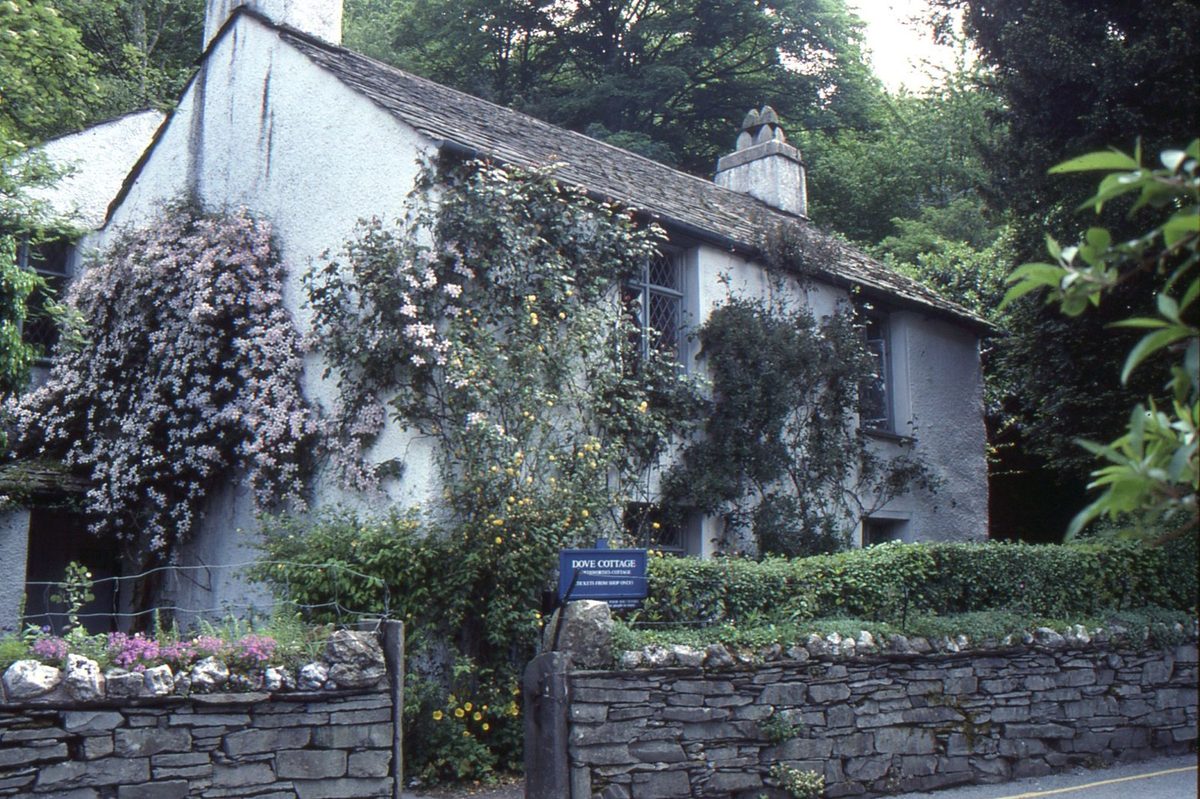
Dove Cottage is the tiny, dim, whitewashed house in Grasmere where William Wordsworth wrote much of his best work, lived with his sister Dorothy, and entertained Coleridge by the fire. It’s been kept much as it was, and walking through those low rooms on a rainy afternoon — exactly the weather they’d have known — is genuinely atmospheric rather than worthy. The modern museum next door, reopened after a big restoration as Wordsworth Grasmere, holds manuscripts, paintings and Dorothy’s astonishing journals.
Admission is around £16 for an adult as of 2026 (Wordsworth Grasmere), and your ticket works as an annual pass, so you can come back free within the year. Honestly, even if poetry isn’t your thing, the house itself is worth an hour. Pair it with gingerbread two minutes away (more on that below), and you’ve got a perfect drizzly morning. For the wider literary trail, the 3-day Lake District itinerary slots Grasmere in neatly.
Windermere Jetty Museum — quietly brilliant
This is my sleeper pick. The Windermere Jetty Museum, run by Lakeland Arts on the lakeshore near Bowness, tells the story of the boats and steam launches that shaped life on the water, in a smart modern building with big windows over the lake. Adult admission is around £9 as of 2026 (Lakeland Arts), there are working boats and a conservation workshop you can watch, and kids tend to be more gripped than you’d expect. Some of the jetties are covered, so you get a little lake-air without the soaking. It’s never crowded, which on a wet day is part of the appeal.
Keswick Museum and the Derwent Pencil Museum
Up in Keswick you get two very different small museums within a stroll of each other. Keswick Museum (around £7.50 adult, 2026) is the proper local one — geology, fell-walking history, a famous musical-stone instrument, and the kind of eccentric Victorian collection that’s far more fun than it sounds. Your ticket usually doubles as an annual pass too.
The Derwent Pencil Museum (around £6.60 adult, 2026) is the one everyone smirks at and then rather enjoys. Yes, it’s a museum about pencils — graphite was discovered just up Borrowdale, which is why Keswick made them — and it includes the world’s longest pencil and a wartime story about pencils with hidden maps for escaping prisoners. It’s an hour, not a half-day, but it’s a cheap, dry, genuinely odd hour, and there’s a café. With both museums plus shops and cafés, Keswick is one of the best rainy-day towns in the park; my Keswick travel guide has where to eat and stay.

A quick, honest verdict on the bigger “centres”
You’ll see Rheged, near Penrith, on every rainy-day list. It’s a grass-roofed events-and-shopping centre with a big-screen cinema, exhibitions, cafés and indoor activities; entry to the building is free and you pay per thing. As a place to escape a downpour on an arrival or departure day — it’s right by the M6 and the A66 — it’s genuinely useful, especially with kids and a coffee habit. Just go in knowing it’s part gallery, part food hall, part gift shop, not a single ticketed attraction. The Lakeland Motor Museum at Backbarrow (around £12 adult, 2026) is a proper treat if anyone in your group likes cars and bikes, with a Campbell Bluebird exhibition that lifts it above the average. If nobody does, skip it without guilt.
Indoor fun for families: keeping kids happy in the wet
A washout with children is the day everyone dreads. The good news is the Lakes are well set up for exactly this. My rule: pick one big indoor “anchor,” then keep a café or soft option in reserve for when energy crashes.
The World of Beatrix Potter — Bowness
This is the obvious one with little ones, and for once the obvious one delivers. The World of Beatrix Potter in Bowness recreates the tales in 3D — Peter Rabbit’s garden, Mr McGregor’s greenhouse, the lot — with a small indoor garden, a tearoom and a gift shop you will not escape cheaply. Admission is around £9–13 for an adult as of 2026 (the World of Beatrix Potter), with family tickets available. Be straight with yourself about ages: it’s aimed squarely at the under-eights, who adore it; bored teenagers, less so. For Potter superfans, combine it with Hill Top farmhouse on a drier day — I cover that in the best things to do in the Lake District.
Wray Castle — the best free-range rainy day for kids
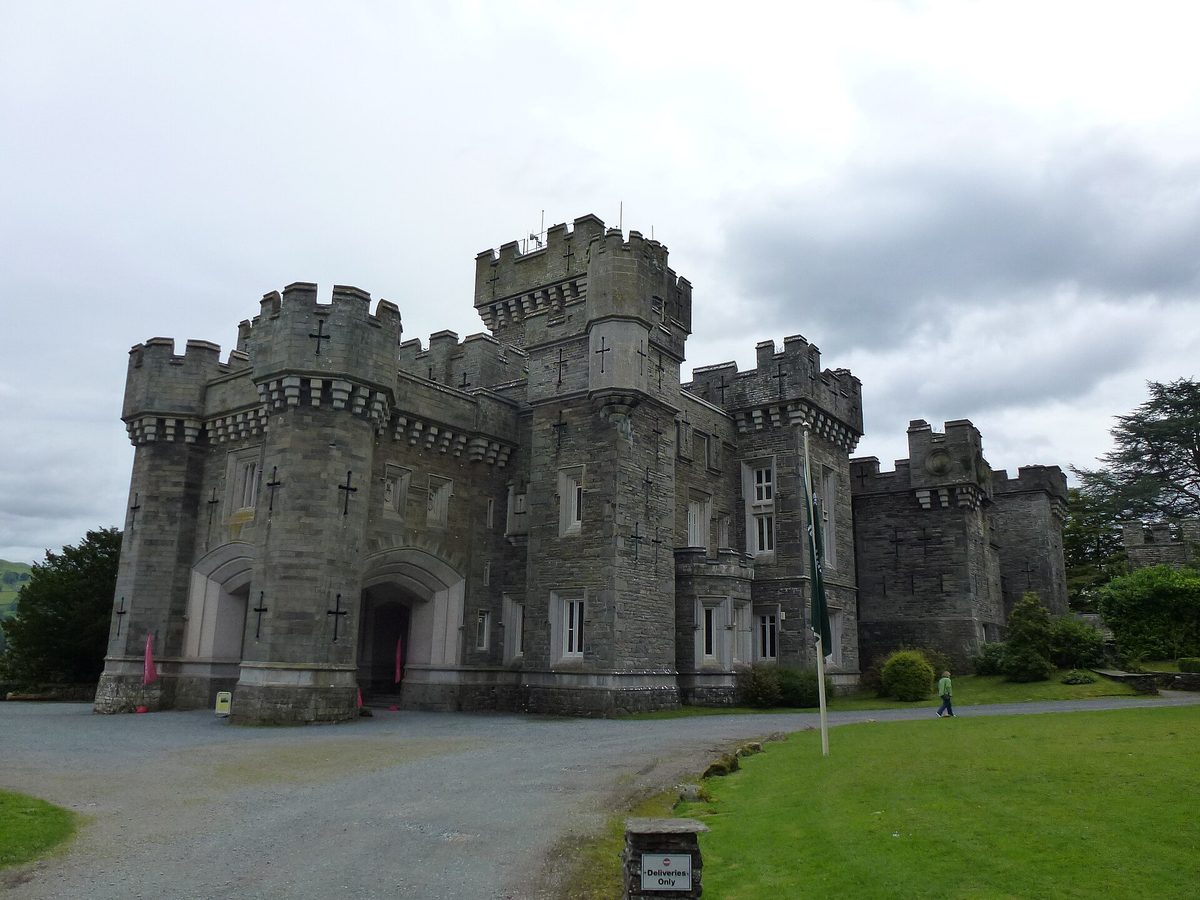
If I had one wet day with energetic children, I’d point the car at Wray Castle on Windermere’s quieter western shore. It’s a mock-Gothic Victorian pile run by the National Trust, and — crucially — it’s deliberately unstuffy: kids are allowed to roam, dress up, build, and play in themed rooms rather than being shushed past the antiques. Entry is by National Trust admission (around £12 for non-member adults as of 2026; free for members), and there’s a café. It’s the rare castle that’s more fun in the rain. On a fair day you can reach it by lake launch, which is half the adventure; more on car-free options in the Lake District without a car.
Honister Slate Mine — go underground, stay dry
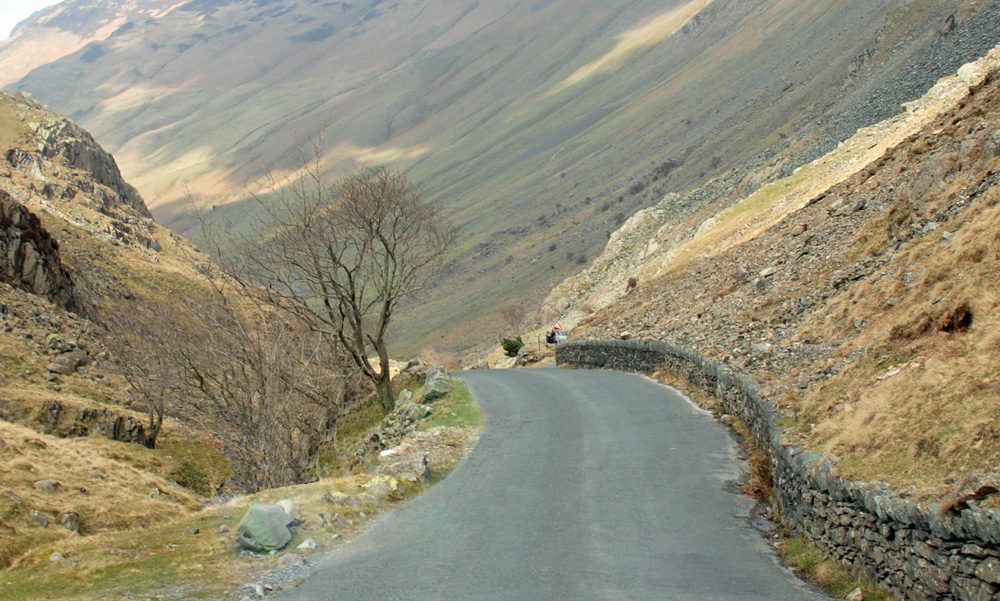
Here’s the counter-intuitive one I love: when it’s pouring, go into a mountain. The Honister Slate Mine, high on the dramatic Honister Pass, runs guided tours deep into England’s last working slate mine — hard hats, headlamps, dripping tunnels and a genuinely gripping story of how men worked this rock. The standard mine tour is around £20 for an adult as of 2026 (Honister Slate Mine), and the great thing is the weather outside becomes irrelevant the moment you step in. Older, braver kids and adults can tackle the Via Ferrata cable climb on the crag (weather permitting, and pricier), but the underground tour is the rain-proof banker. It’s a drive to get there, so I’d make it the centrepiece of the day rather than a casual drop-in.
Indoor climbing, pools and the honest “rainy-day” extras
A few more that earn their place:
- Indoor climbing and bouldering. The climbing wall just outside Keswick is a brilliant burn-off-the-energy option for active families and groups of friends, with routes for total beginners through to the smug. It’s the kind of place a wet afternoon flies by.
- The Lakes Aquarium at Lakeside, on the southern tip of Windermere, is a solid all-weather hour or two with otters, divers and freshwater tanks. Not enormous, but reliably dry and reliably popular with small children.
- The Puzzling Place in Keswick is a tiny, cheap optical-illusion attraction that punches above its size for half an hour of bafflement.
I’ll add my one tourist-trap warning here: a couple of the smaller “attractions” dotted around the honeypot towns are little more than a shop with a turnstile. If a place can’t tell you roughly how long you’ll spend there, be suspicious. For a broader sweep of kid-friendly ideas across the country, the England with kids guide is a good companion to this.
Cosy & food: when the plan is simply to stay warm
Some of my happiest Lakeland days have had no “activity” at all. When the rain sets in for good, leaning into it — a fire, a long lunch, a steamed-up window — is a perfectly valid itinerary.
The long pub lunch
This is the national art form and the Lakes do it beautifully. A proper Lakeland pub with a wood fire, a slow Cumberland-sausage-and-mash kind of lunch, and a window onto the weather is, to me, a destination in its own right. The villages around Borrowdale, Langdale and Buttermere have wonderfully snug old inns; in the towns, look for the ones the walkers actually drink in rather than the polished tourist barns. Order something braised, let the afternoon go long. For my wider take on pub culture and where it shines, see England’s food, pubs and afternoon tea.
Afternoon tea with a view of the rain
There’s something deeply satisfying about a tiered stand of scones, sandwiches and cake while the lake disappears behind a curtain of drizzle. Several of the grand lakeshore hotels around Windermere do a properly good afternoon tea, and you don’t need to be staying to book one. It turns a dead, wet afternoon into the thing people photograph from the trip. Book ahead at the smarter places, especially at weekends.
Grasmere Gingerbread — worth the small queue
If you’re anywhere near Grasmere, the tiny shop in the old village schoolroom selling Sarah Nelson’s Grasmere Gingerbread is a five-minute ritual I never skip. It’s not a cake and not quite a biscuit — chewy, spicy, buttery — made to a secret recipe since 1854, and it’s the ideal thing to eat dashing between car and café in the rain. There’s often a short queue out the door; it moves fast and it’s worth it. Pair it with Dove Cottage next door for a near-perfect drizzly Grasmere morning.
Spas and hotel pools — the grown-ups’ rainy day
Adults, this one’s for you. Several Windermere-area resort hotels have spas with indoor pools, thermal rooms and treatments, and many sell day or twilight passes to non-residents. After a couple of soggy days on the fells, a few hours of heat, steam and a swim with the rain hammering the glass roof is bordering on perfect. Prices vary a lot by venue and time of day, so call ahead — and book treatments well in advance in peak season. Where you’re based makes the spa choice easy or fiddly; where to stay in the Lake District breaks down the main bases, and the Windermere travel guide covers that end of the lake in detail.
Walks that still work in the rain (some are better for it)
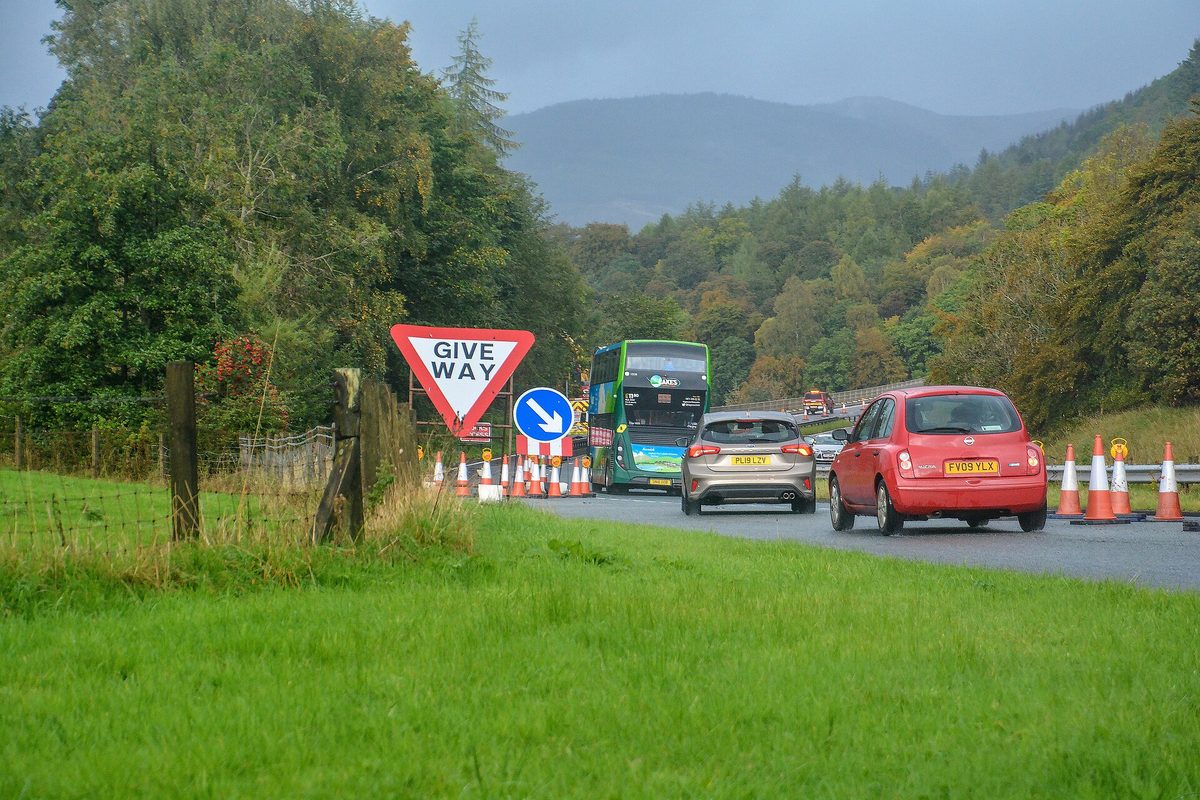
Here’s the thing seasoned Lakers know: not all rain is a reason to hide indoors. Waterfalls roar, becks fill, and the fells take on a brooding drama you never get in flat sunshine. With the right kit, a wet low-level walk can be the highlight of the trip. The golden rule is simple — stay low. Save the exposed tops for clear days; you don’t want to be navigating a cloud-bound summit in poor visibility.
Aira Force — the waterfall that wants it to rain
Aira Force, on the western shore of Ullswater, is my number-one wet-weather walk and I mean that without caveat. A short, waymarked stroll through a wooded gorge brings you to a 65-foot waterfall plunging under an old stone bridge — and after rain, it’s transformed from pretty to genuinely thunderous, throwing spray up through the trees. The paths are well-made (some steps), there’s a café and toilets at the bottom, and National Trust parking is around £9 for the day as of 2026. Put on a waterproof and go because it’s raining, not despite it. For the route detail and gentler alternatives, see my easy Lake District walks.
Low lakeshore strolls
When the fells are socked in, follow the water instead. The flat, surfaced path to Friar’s Crag on Derwentwater is a ten-minute classic that’s quietly beautiful with mist on the lake; the Buttermere circuit stays low the whole way; and stretches of the Windermere and Ullswater shores give you that big-water feeling without any climbing. Wet rock and roots get slippery, so grippier shoes beat trainers once the rain’s been falling a while. These are the days lake launches earn their keep, too — many have covered seating, so you can drift across the water watching the rain rather than walking in it.
A quick word on kit
Honestly, half the battle with Lakeland rain is gear. A real waterproof jacket (not a fashion one), waterproof trousers you can sit down in, and shoes with proper grip turn a “ruined” day into a good one — especially with children, who stop caring about rain the moment they’re dry and warm underneath. The Lakes are one of England’s wettest corners by a distance; if you’d rather load the dice towards drier weather, my guide to the best time to visit England makes the case for late spring up here, when May tends to be the driest month.
Final Thoughts
The single most useful thing I can tell a first-timer is this: don’t let the forecast decide whether you’ve had a good trip. Some of my fondest Lakeland memories are wet ones — gingerbread in a Grasmere downpour, the roar of Aira Force in full spate, a fire-lit pub afternoon while the rain ran down the windows. The weather here isn’t a flaw to be endured; it’s half the reason the place looks the way it does.
So pack for rain, pick one good indoor anchor for the worst of it, and keep a waterproof and a sense of humour handy for the rest. Then build out the dry days from there. For everything around these wet-weather plans — what to see when the sun’s out, where to base yourself, how to get around — start with my Lake District travel guide, browse the best things to do in the Lake District, and if the Lakes are one stop on a bigger journey, the England travel guide and the England national parks and hiking guide will help you join the dots.
Research and Source Notes
- The World of Beatrix Potter, Lakeland Arts (Windermere Jetty Museum), Wordsworth Grasmere, Honister Slate Mine and Rheged official websites — used for current attraction status, what’s included, and admission prices, all hedged as “around … as of 2026” because tariffs change seasonally.
- Keswick Museum and Derwent Pencil Museum listings (via the venues and Visit Lake District) — used for adult admission guidance (around £7.50 and £6.60 respectively, 2026) and the annual-pass note.
- National Trust place pages for Wray Castle, Hill Top and Aira Force — used for the membership-free angle, non-member admission guidance, and Aira Force parking (around £9, 2026).
- Lake District National Park and Cumbria weather resources (lakedistrict.gov.uk, Visit Cumbria) — used for the “around 200 rain days a year,” wettest-months (October–Ja
Photo Credits
- Dove Cottage in Grasmere with its whitewashed walls and small garden under a grey, drizzly Lake District sky, a classic rainy day visit — Photo: Christopher Hilton / CC BY-SA 2.0 via Wikimedia Commons. Source
- Castlerigg Stone Circle near Keswick under brooding clouds and low mist, the ancient stones dark against the fells — Photo: Mike Peel / CC BY-SA 4.0 via Wikimedia Commons. Source
- Wray Castle, a Victorian mock-Gothic castle on the wooded western shore of Windermere, framed by dripping trees on a grey day — Photo: John H Darch / CC BY-SA 2.0 via Wikimedia Commons. Source
- The town of Keswick on a wet day, with umbrellas on the market square and Skiddaw shrouded in cloud behind the slate buildings — Photo: Lewis Clarke / CC BY-SA 2.0 via Wikimedia Commons. Source
- Rain and low cloud sweeping over the dramatic Honister Pass, one of the most atmospheric Lake District rainy day activities is simply driving its high road — Photo: Brian Clift / CC BY-SA 2.0 via Wikimedia Commons. Source
Frequently asked questions
What is there to do in the Lake District when it rains?
Plenty. Visit literary houses like Dove Cottage, small museums in Keswick (the local museum and the quirky Pencil Museum), and the Windermere Jetty Museum. With kids, try the World of Beatrix Potter, Wray Castle or the underground Honister Slate Mine tour. Adults can hit a spa; everyone can do a long pub lunch — or brave a waterfall walk to Aira Force, which is better in the rain.
Does it always rain in the Lake District?
Not always, but it is genuinely one of the wettest parts of England, with rain on roughly 200 days a year in the higher valleys. The wettest stretch runs from about October to January, while spring — especially May — gives you the best odds of dry days. Whenever you visit, pack proper waterproofs and have an indoor plan in your back pocket. You'll likely get some sun too.
What are the best indoor activities in the Lake District for families?
The World of Beatrix Potter in Bowness is ideal for younger children, while Wray Castle lets kids roam and play freely rather than being shushed past antiques. The Honister Slate Mine tour goes underground (rain-proof and exciting), the Lakes Aquarium is a reliable all-weather hour, and indoor climbing near Keswick burns off serious energy. Rheged near Penrith bundles a cinema, exhibitions and food under one roof.
What can you do in the Lake District for free on a rainy day?
Free indoor options are limited, but entry to Rheged near Penrith is free (you only pay for activities), and browsing the bookshops, galleries and gift shops in Keswick, Bowness and Grasmere costs nothing. National Trust members get into Wray Castle and Hill Top free, and a low lakeshore walk — Friar's Crag, for instance — costs only the parking. Otherwise, a window seat in a warm café is the cheapest comfort going.
Is the Lake District worth visiting if it rains?
Absolutely. The scenery is dramatic in any weather, the waterfalls and becks are at their best when it's wet, and there are enough cosy pubs, museums and indoor attractions to fill several soggy days happily. The Lakes are arguably defined by their rain — it's why they're so lush and green. With waterproofs and a flexible plan, a wet trip can be every bit as memorable as a sunny one.
Can you do lake cruises in the rain?
Yes, and they're a great rainy-day choice. The launches and steamers on Windermere and Ullswater run year-round in most weathers, and many have covered, heated seating, so you can take in the lakes and fells from behind glass without getting soaked. It turns "we can't walk today" into a proper outing. Check the operator's timetable, as services thin out in winter and very rough conditions can cancel sailings.