Sheet 50 · Lake District Travel Guide · 14 min read
Best Things to Do in the Lake District
The best things to do in Lake District, sorted by type: lake cruises, easy fells, literary houses and family days out, with hedged 2026 prices and honest
 Sheet 50
Contents 9 sections
I’ve lost count of how many times I’ve driven over Kirkstone Pass with the windows down, watching the fells fold open below me. The Lake District does that to you — it rewires what you think a long weekend can hold. Here’s the catch, though: there’s so much packed into one national park that first-timers freeze up trying to do everything.
So let me make this simple. The best things to do in Lake District trips, in my experience, fall into five buckets: get out on the water, climb one easy fell for the view, walk through a writer’s front door, find one big family day out, and slot in a couple of classic half-days between. Pick from each and you’ve got a proper trip — no spreadsheet required.
Quick Answer: The Best Things to Do in Lake District for First-Timers
If you only have a few days, do these five and you’ll have seen the soul of the place: take a lake cruise on Windermere or Ullswater; climb Catbells or ride up to a viewpoint for the big landscape; visit one literary house (Dove Cottage or Beatrix Potter’s Hill Top); see Castlerigg Stone Circle at golden hour; and walk to Aira Force waterfall. Everything else is a bonus.
For the full overview of the region — getting there, when to go, how it all fits together — start with my Lake District travel guide. This article is the catalogue of what to do; that one is the map of the whole park.
At a Glance: Top Lake District Experiences by Type
Here’s the shortlist I’d hand a friend, with rough times, hedged prices and who each one suits. Treat the costs as ballpark and check the official sites before you go — Lake District prices nudge up most spring.
| Experience | Type | Time needed | Rough cost (as of 2026) | Best for |
|---|---|---|---|---|
| Windermere Lake Cruises | On the water | 45 min–half day | Around £25.50 off-peak to £43 peak (adult) | First-timers, families |
| Ullswater Steamers | On the water | 1–3 hrs | Around £27 round-the-lake (adult) | Walkers, photographers |
| Coniston Steam Yacht Gondola | On the water | 45 min–1¾ hrs | Around £13–24 (adult, by route) | History lovers, couples |
| Catbells | Fell & viewpoint | 2–3 hrs | Free | Confident first hikers |
| Castlerigg Stone Circle | Viewpoint & history | 30–45 min | Free | Everyone, sunset chasers |
| Aira Force | Waterfall walk | 1–1.5 hrs | Free entry; parking around £8–10 | Families, easy strolls |
| Dove Cottage, Grasmere | Literary & cultural | 1.5–2 hrs | Around £16 (adult) | Wordsworth fans, rainy days |
| Hill Top (Beatrix Potter) | Literary & cultural | 1–1.5 hrs | Around £15 (adult), pre-book | Families, Potter fans |
| Honister Slate Mine | Family & adventure | 1.5–3 hrs | Mine tour around £20; Via Ferrata around £40–45 | Adventurous teens, thrill-seekers |
A quick note on the “free” entries: free to enter doesn’t mean free to park. National park car parks and National Trust sites charge, and that adds up fast — budget for it the way you’d budget for the experiences themselves.
On the Water: Lake Cruises Are the One Thing I’d Never Skip
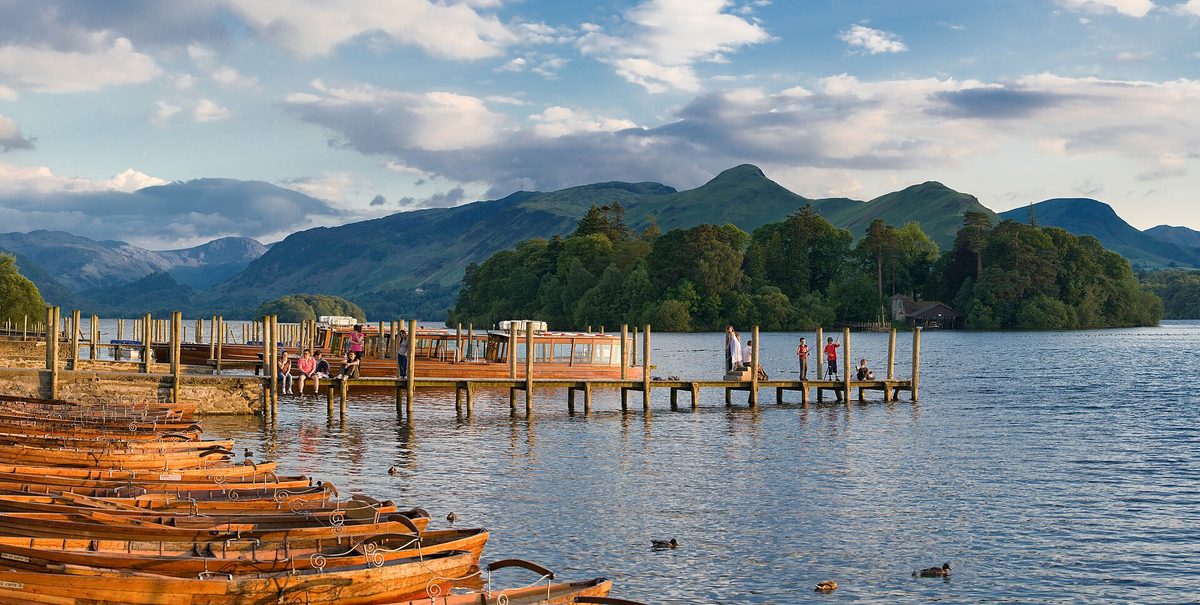
If you do nothing else, get on a boat. The Lake District looks completely different from the middle of a lake — the fells stack up around you, the light moves on the water, and you finally understand why people have been coming here for two centuries. Three operators run the headline cruises, and they’re genuinely distinct.
Windermere Lake Cruises
This is the busy, brilliant, easy option. Windermere is England’s largest lake and the boats run all day between Bowness, Ambleside and Lakeside at the southern tip. The smart buy is the Freedom of the Lake day pass — around £25.50 off-peak (up to £43 in peak summer) for an adult as of 2026, per Windermere Lake Cruises — which lets you hop on and off all day rather than paying per leg. With kids, that flexibility is gold: ride up to Ambleside, get an ice cream, ride back.
It can feel like a theme park at Bowness in August, I’ll be honest. Go early, or take the quieter Lakeside leg. For the town itself and where to catch the boats, see my Windermere travel guide — I won’t repeat the parking saga here.
Ullswater Steamers
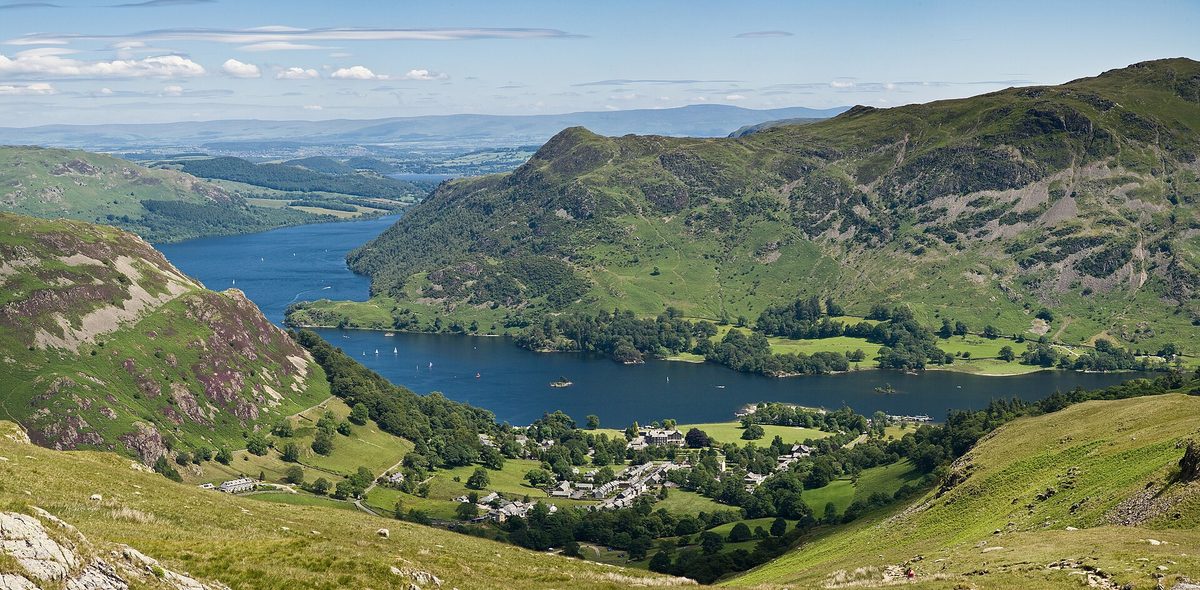
This is my personal favourite, and it’s the one I send people to when they want the cruise and a walk in one go. The historic “Steamers” run the length of Ullswater between Glenridding, Howtown and Pooley Bridge. A full round-the-lake ticket runs around £27 for an adult as of 2026 (Ullswater Steamers), and the classic move is to sail to Howtown and walk the lakeshore path back to Glenridding — about seven miles, gentle, and one of the loveliest afternoons in the whole park.
If seven miles sounds like a lot, you don’t have to commit. Sail to Howtown, have your lunch, and simply sail straight back — the boat is the point. But if you’ve any appetite for walking at all, do the return on foot: the path hugs the shore through Sandwick, never climbs much, and the lake keeps reappearing through the trees in a way that makes you stop every five minutes. Allow three hours and don’t rush it.
Ullswater is also where Wordsworth saw his famous daffodils, which is a nice thing to mutter to yourself as the fells slide past. The lake is quieter and less developed than Windermere — no Bowness-style bustle — which is exactly why I keep coming back to it.
Coniston’s Steam Yacht Gondola
The Gondola is the connoisseur’s choice — a restored Victorian steam yacht, all polished wood and hiss of steam, run by the National Trust. There are a few routes from Coniston Pier ranging from a short Mountain Cruise (around £13 adult) up to the full lake cruise (around £24 adult) as of 2026, per the National Trust. It’s slower and more atmospheric than the Windermere boats, and it drops you near Brantwood, John Ruskin’s old home, if you want to stack two cultural stops together.
Beyond these three, plenty of smaller boat trips run on Derwentwater out of Keswick and on Coniston Water. If you’re travelling without a car, the lake launches double as proper public transport — a detail I come back to later.
On the Fells and Viewpoints: One Climb, Big Payoff
You do not need to bag a mountain to get the view. The trick first-timers miss is that a handful of “easy” fells deliver eighty per cent of the panorama for twenty per cent of the effort.
Catbells
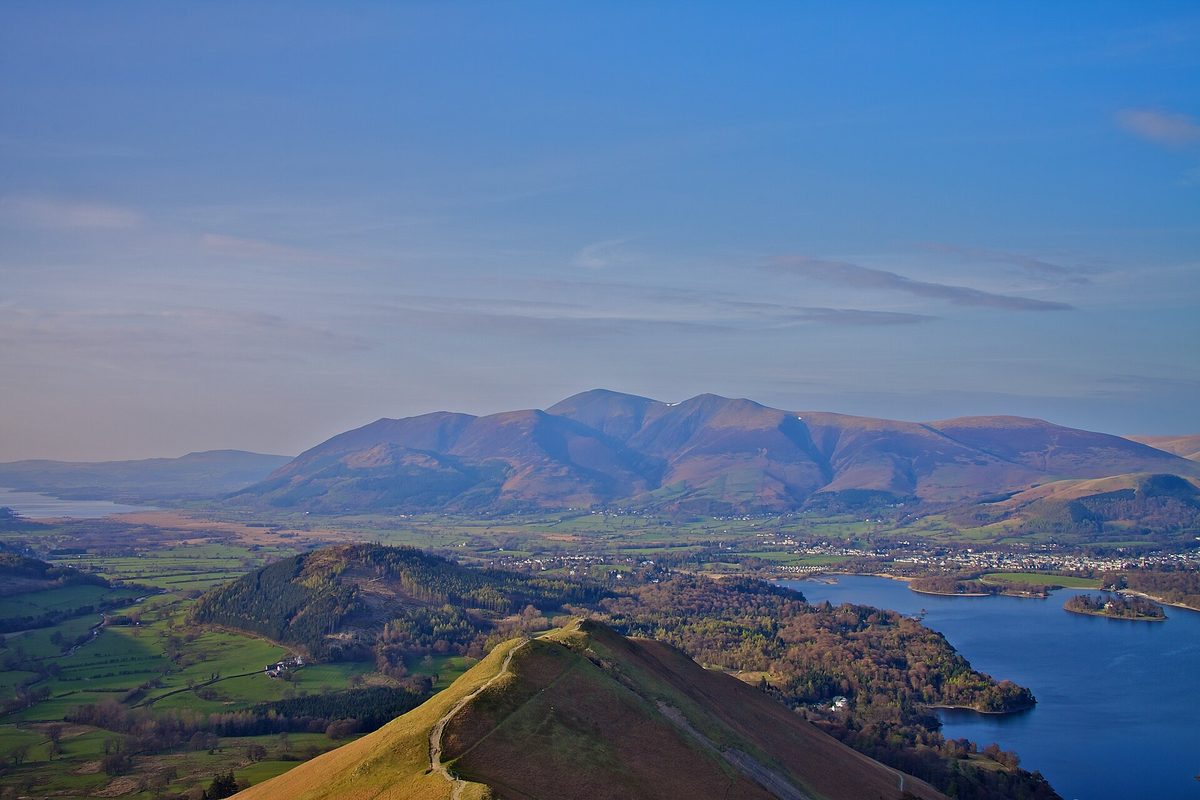
If I could pick one short climb for a first Lake District trip, it’s Catbells, the little ridge above Derwentwater near Keswick. It’s a steady scramble of maybe an hour and a half to the top, and from the summit you get Derwentwater glittering on one side, Newlands Valley on the other, and Skiddaw looming behind. It’s popular for a reason — expect company on a sunny Saturday — but it earns its crowds.
Wear proper shoes. People do it in trainers and regret it on the rocky bits. For the full route detail, plus gentler alternatives if Catbells feels too much, I’ve broken it all down in my easy Lakeland walks guide — no point duplicating the step-by-step here.
Orrest Head and Loughrigg Fell
Two more I rate for the “maximum view, minimum sweat” crowd. Orrest Head, just above Windermere town, is barely twenty minutes up through woodland and opens onto the view that famously launched Alfred Wainwright’s love affair with the fells. Loughrigg Fell near Ambleside and Grasmere is a gentle wander with a summit view over three lakes at once. Both are doable in walking shoes with a toddler in a carrier.
If you want to go bigger — Helvellyn, Scafell Pike, the proper mountain days — that’s a different kind of trip, and I’d point you to England’s national park hiking for the serious routes and safety basics.
Honister Pass and the road views
Sometimes the best viewpoint is the one you drive to. The road over Honister Pass, or the white-knuckle Hardknott Pass further south, hands you Alps-in-miniature drama without leaving the car. Pull into a layby, not the road itself. These passes are single-track and steep, and a calm, low-gear approach beats heroics every time.
One honest word of advice: if you’re nervous behind the wheel, Hardknott in particular — gradients of one-in-three and hairpins with sheer drops — is not the place to find that out. Plenty of perfectly good drivers turn around at the bottom, and there’s no shame in it. Honister is far more manageable and the slate mine at the top makes a natural reward. The Newlands Pass gives you similar grandeur with fewer heart-in-mouth moments, as does the Kirkstone Pass road into Ullswater — though check the latter has reopened, as the A592 over Kirkstone was closed by a landslip and under repair into 2026.
Literary and Cultural: Walk Through a Writer’s Front Door
The Lakes shaped English literature, and two houses let you stand inside that story. Even if you’ve never read a line of Wordsworth, there’s something quietly moving about the rooms these people actually lived and wrote in.
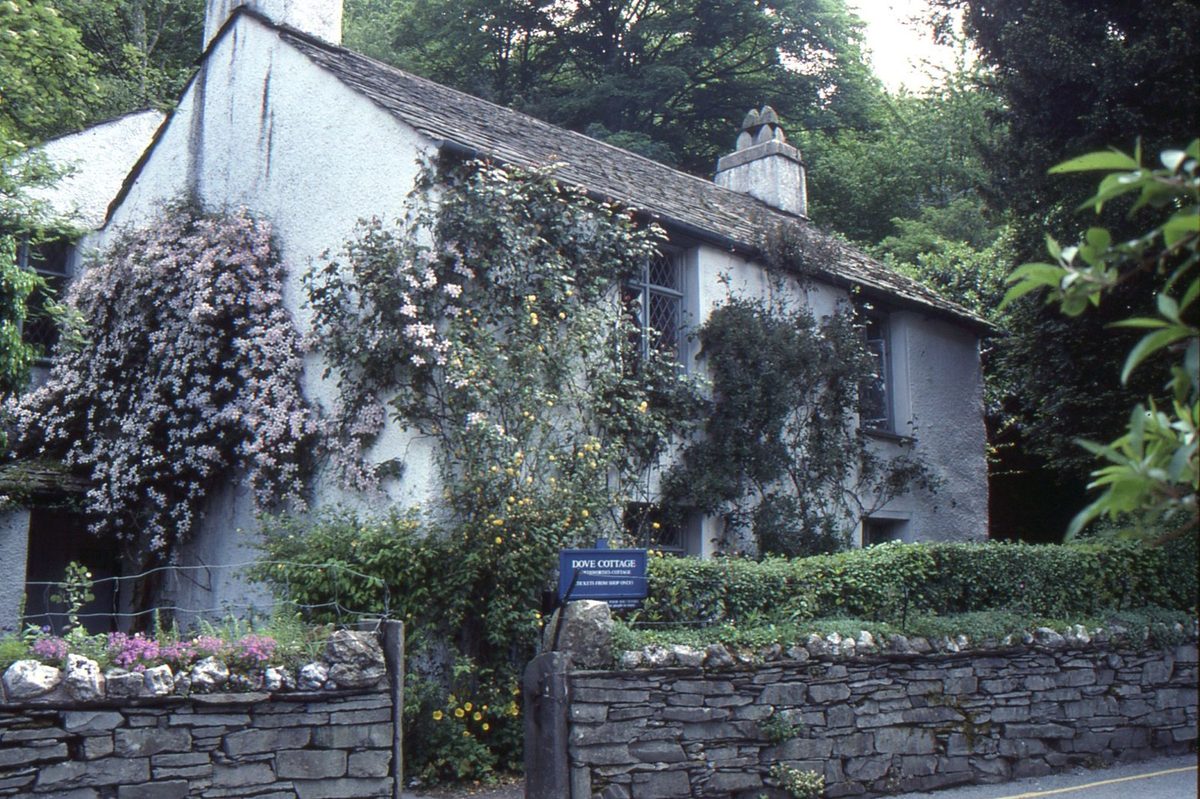
Dove Cottage, Grasmere
This is where William Wordsworth wrote much of his best poetry, a tiny lime-washed cottage in Grasmere that he shared with his sister Dorothy. The adjoining Wordsworth Grasmere museum had a big refurbishment a few years back and it’s genuinely well done — around £16 for an adult as of 2026, per Wordsworth Grasmere. Pair it with a Grasmere gingerbread from the famous little shop by the church and you’ve got a perfect cultural morning.
Hill Top, Beatrix Potter’s farmhouse
Beatrix Potter bought Hill Top, in Near Sawrey, with the royalties from Peter Rabbit, and the National Trust keeps it exactly as she left it. Walking in feels like stepping into the illustrations — because you literally are; she drew these rooms. It’s small and hugely popular, so pre-booking a timed ticket is essential, even for National Trust members; entry is around £15 for an adult as of 2026 (the National Trust). With little ones who grew up on the tales, it’s magic.
A fair warning: the lanes around Near Sawrey are narrow and the car park is tiny. Arrive early or come by ferry-and-bus from Bowness.
For more cultural and indoor options — galleries, the Beatrix Potter attraction in Bowness, museums — and for what to do when the weather turns, see my Lake District rainy day activities round-up.

For Families: Day Out Anchors That Actually Work
Travelling with kids changes the maths — you want one solid anchor per day that holds everyone’s attention. These are the Lake District attractions I’ve seen genuinely deliver.
Honister Slate Mine is the surprise hit. It’s a working mine high on Honister Pass, and the underground tour (around £20 for an adult as of 2026, per Honister Slate Mine) is a brilliant, slightly spooky hour of tunnels and headlamps. Older kids and brave adults can do the Via Ferrata — a fixed-cable climbing route up the crag, around £40–45 per person depending on which version (Honister Slate Mine). It’s not cheap, but the photos are extraordinary.
Aira Force is the easy win: a National Trust waterfall on Ullswater reached by a short, well-made woodland path with little bridges that kids love. Entry is free; you pay to park (around £8–10, free for National Trust members). It had some path works recently, so glance at the National Trust site before you set off in case anything’s still cordoned off.
Lake cruises count double as family activities — see the Windermere day pass above. The Windermere boats in particular are a parent’s best friend: kids get the novelty of a boat, you get to sit down, and the hop-on-hop-off pass means you can bail at the next pier if a toddler melts down. And there’s a string of all-weather standbys: the Lakes Aquarium at Lakeside (otters and a tunnel through the fish tank), the Lakeland Motor Museum, Grizedale Forest’s Go Ape and sculpture trails, and the World of Beatrix Potter attraction in Bowness for the under-sevens.
My one piece of family strategy: don’t over-programme. One anchor a day, plus a playground or a lakeshore where they can throw stones, beats three attractions and three meltdowns. For a fuller kid-focused breakdown across England, my England with kids guide has more.
Classic Half-Days: Castlerigg, Market Towns and the Bits Between
Not everything needs to be an expedition. Some of my favourite Lake District memories are half-days that cost almost nothing.
Castlerigg Stone Circle
Go at sunrise or sunset if you possibly can. Castlerigg is a roughly 5,000-year-old stone circle sitting in a natural amphitheatre of fells just outside Keswick — and unlike a lot of ancient sites, it’s free and open all hours (English Heritage). There’s no visitor centre, no queue, just stones and mountains and sky. Twenty minutes here at golden hour beats a lot of paid attractions. Parking is limited roadside, so don’t come at midday in August expecting a space.
The market towns at a glance
Each base town has its own flavour, and wandering one is a half-day in itself.
- Keswick — the northern hub, walkable, with Derwentwater on its doorstep and the best outdoor-shop browsing. My pick for first-timers who want lake-and-fell access. Full rundown in the Keswick travel guide.
- Bowness and Windermere — the busy southern gateway, all boat trips and waterside cafés. Great for cruises, hectic in peak season.
- Ambleside — compact and handsome at the head of Windermere, a launchpad for classic walks.
- Grasmere — tiny, pretty, gingerbread, Wordsworth. A lovely lunch stop.
- Hawkshead and Coniston — quieter, out of the southern crush, close to Hill Top and good hiking.
Where you sleep shapes your whole trip, so it’s worth getting right — I’ve laid out the trade-offs north versus south in choosing a Lake District base.
Smart Tips to Save Money and Skip the Queues
A few habits make a real difference to the bill and the day. Several of the paid highlights — Hill Top, Wray Castle, plus parking at Aira Force and Tarn Hows — are National Trust sites, so if you’ll hit three or more, a Trust membership often pays for itself on a single trip and wipes out the car-park charges too. Pre-book anything with a timed entry (Hill Top especially) the night before; walk-up slots vanish by mid-morning in summer. For lake cruises, the hop-on-hop-off day pass beats single tickets the moment you make a second stop. And download a parking app before you arrive — village car parks are card-or-app only and notoriously short of change, and the honesty-box days are mostly gone. None of this is essential, but it’s the difference between a smooth day and a frustrating one.
How to Fit It All Together
Here’s how I’d think about sequencing without turning your holiday into a route march. Anchor each day with one “big” thing — a cruise, a fell, a house — and let the half-days (Castlerigg, a town wander, Aira Force) fill the gaps around it. Don’t try to circle the whole park; the roads are slower than the map suggests and you’ll spend your trip in the car.
For an actual day-by-day plan that does this sequencing for you, follow my 3-day Lakes route — it threads these experiences into a route that doesn’t double back on itself.
And if the Lakes are one stop on a bigger England trip, they slot neatly alongside the country’s other showstoppers; see the most beautiful places in England for ideas on what to pair them with.

Photo Credits
- Derwentwater at dawn near Keswick, one of the best things to do in Lake District scenery for first-time visitors — Photo: Diliff / CC BY-SA 3.0 via Wikimedia Commons. Source
- An Ullswater Steamer crossing the lake below the fells near Glenridding in the Lake District — Photo: Diliff / CC BY-SA 3.0 via Wikimedia Commons. Source
- The Catbells ridge rising above Derwentwater, a top thing to do in the Lake District for first-time walkers — Photo: Mike Harris / CC BY-SA 2.0 via Wikimedia Commons. Source
- Aira Force waterfall tumbling through the wooded gorge above Ullswater in the Lake District — Photo: Michael Graham / CC BY-SA 2.0 via Wikimedia Commons. Source
- Castlerigg Stone Circle ringed by fells near Keswick, one of the best free things to do in the Lake District — Photo: HeritageDaily / CC BY-SA 4.0 via Wikimedia Commons. Source
Frequently asked questions
What is the number one thing to do in the Lake District?
A lake cruise. If you do one thing, get out on Windermere or Ullswater — it’s the single experience that captures what the place is, it suits all ages and fitness levels, and a day pass on Windermere runs around £25.50 off-peak, up to £43 in peak summer, for an adult as of 2026 (Windermere Lake Cruises). Pair it with a short fell walk and you’ve nailed the highlights.
How many days do you need in the Lake District?
Three to four days is the sweet spot for a first visit. That’s enough to fit a cruise, an easy fell, a literary house and a couple of half-days without rushing. A weekend works if you stay focused on one area; a week lets you slow right down. The roads are slow, so build in more time than the distances suggest.
What are the best free things to do in the Lake District?
Plenty. Castlerigg Stone Circle is free and open 24/7 (English Heritage); climbing Catbells, Orrest Head or Loughrigg Fell costs nothing; lakeshore walks along Derwentwater or Ullswater are free; and the market-town wanders cost only what you spend on coffee. Budget mainly for parking, cruises and the paid attractions.
Is the Lake District good for families with young children?
Very. Aira Force is an easy buggy-friendly-ish waterfall walk, lake cruises double as activities, and Hill Top brings the Beatrix Potter tales to life (pre-book). Add the Lakes Aquarium, Grizedale Forest and Honister’s mine tour for variety. The mix of outdoor and indoor options means a rainy day rarely sinks the trip.