Sheet 47 · Best Time to Visit England · 17 min read
England in Spring
Planning England in spring? My month-by-month guide to gardens, bluebells, blossom, Easter timing, fewer crowds and shoulder-season value across March to
 Sheet 47
Contents 8 sections
The first time I really understood English spring, I was standing in a Cotswolds churchyard in late April, ankle-deep in cow parsley, watching a hedgerow that had been bare twigs three weeks earlier explode into green. A blackbird was going for it overhead. Lambs were shouting in the next field. And I thought: this is the version of England everyone pictures and almost nobody books for.
That’s the quiet secret I want to let you in on. England in spring — roughly March through May — is when the gardens wake up, the countryside turns that ridiculous storybook green, and you get all of it with thinner crowds and gentler prices than the summer rush. The weather is mild and changeable rather than reliably warm, so you pack layers and keep an umbrella handy. But for blossom, bluebells, lambing and elbow room, this is my favourite window of the whole year.
This is your spring trip-planning guide: what’s blooming and when, where to go region by region, how Easter and the May bank holidays shape your dates, and how to squeeze real shoulder-season value out of the calendar. For the hard temperature numbers I’ll point you to the England weather by month breakdown, and if you’re still weighing seasons against each other, the parent best time to visit England guide lays out the whole year. Let’s get into spring.
Quick Answer: Is Spring a Good Time to Visit England?
Yes — for many travellers, England in spring is the sweet spot. From March to May you get reawakening gardens, daffodils then bluebells then blossom, lambs in the fields, longer daylight, and meaningfully smaller crowds and lower prices than peak summer. The trade-off is mild, changeable weather: think layers, not swimsuits.
That’s the headline. Now the nuance, because “spring” covers a lot of ground. Early March can still feel like winter’s tail with bare trees and a bite in the wind. Late May, by contrast, is practically summer-adjacent — warm afternoons, gardens at full tilt, the famous flower-show season in full swing. The experience shifts week by week, which is exactly why I love planning around it.
Here’s how the three months stack up at a glance.
| Month | Weather feel | What’s blooming / happening | Crowds | Good for |
|---|---|---|---|---|
| March | Cool, often crisp; winter’s last gasp early, real spring by month’s end | Daffodils everywhere, early magnolia, snowdrops fading; attractions reopening for the season | Lowest of the three; very quiet | Bargain hunters, city breaks, gardens reopening, beating the rush |
| April | Mild but “April showers”; fresher, shorter rain than winter | Cherry blossom and magnolia peak, bluebells starting late in the month, orchards in flower | Building, with a spike around Easter | Blossom, gardens, Easter family trips, the countryside greening up |
| May | Warmest spring month; long evenings, genuinely pleasant afternoons | Bluebell woods at their best early on, wisteria, Chelsea Flower Show late May, gardens in full swing | Busiest spring month, especially the two bank-holiday weekends | Garden lovers, countryside walks, the full spring spectacle |
Temperatures across all three sit roughly in the 9–17°C band depending on month and where you are, generally drier than winter but never bone-dry — I’ll keep the climate detail brief here and let the England weather by month page carry the full numbers. If you’re trying to pick a single best week, the best month to visit England comparison goes head-to-head; my short version is below in the regional sections.
Spring Weather and What to Pack (the Short Version)
I’ll keep this tight because there’s a whole England packing list for the deep dive, and the month-by-month temperatures live on the weather by month page. But spring packing has a logic worth understanding.
The defining feature of English spring weather isn’t cold or rain — it’s change. You can leave your hotel in bright sun, get rained on by eleven, and be back in sun by lunch. April is the showery one (“April showers bring May flowers” is a real pattern, not just a rhyme), though those showers tend to be brisk and fresh rather than the grey all-day drizzle of January. Temperatures run roughly 9–17°C across the season as of typical years, climbing as you move from March toward May.
So you dress in layers you can shed and re-add:
- A light waterproof jacket — non-negotiable, every single day, even when the forecast looks kind.
- Layers underneath — a sweater or fleece over a t-shirt covers most situations. Mornings and evenings bite; midday can surprise you.
- Comfortable, water-resistant walking shoes — gardens and bluebell woods get muddy, and you’ll walk more than you expect.
- A compact umbrella for cities, where ducking under awnings between showers is the local sport.
- Sunglasses and a thin layer of sunscreen for May especially — that low spring sun is brighter than people anticipate.
One honest note: early March can still need a proper winter coat and gloves on a raw day, while a warm afternoon in late May might have you in shirtsleeves. Pack for the span, not the average. For the full breakdown, the packing list has you covered, and the England travel tips page covers practical odds and ends like adapters and contactless payment.
Gardens and Blossom: The Main Event
If there’s one reason to time a trip for spring, it’s the gardens. England does gardens the way some countries do beaches — obsessively, gloriously, on a national scale — and spring is when they put on their best show. The bloom unfolds in a fairly predictable relay, which makes it plannable.
The bloom calendar, roughly
Daffodils lead off. They start appearing in February in mild years and hit full, hedgerow-painting force through March and into early April. Wordsworth’s “host of golden daffodils” was a Lake District scene, and the Lake District still does them beautifully, but you’ll find them carpeting churchyards, verges and parks nationwide.
Magnolia and cherry blossom follow, peaking roughly mid-April into early May depending on the spring. This is the pink-and-white moment everyone photographs. Kew’s Cherry Walk and the blossom-heavy gardens of Kent are postcard-perfect for a couple of fleeting weeks.
Bluebells are the one I’d cross the country for. England holds something like half the world’s bluebells, and an ancient woodland floor turned solid violet-blue is a genuinely moving sight. The Woodland Trust pegs the average peak flowering date at around the 9th of April, but in practice the best displays usually run late April into early May, and a mild winter can pull them earlier. Always check current bloom reports before you commit a date — they’re weather-dependent and the window is short.
Wisteria and late-spring colour arrive through May, with the great herbaceous borders building toward their early-summer peak.
Gardens worth building a day around
A few I’d send anyone to:
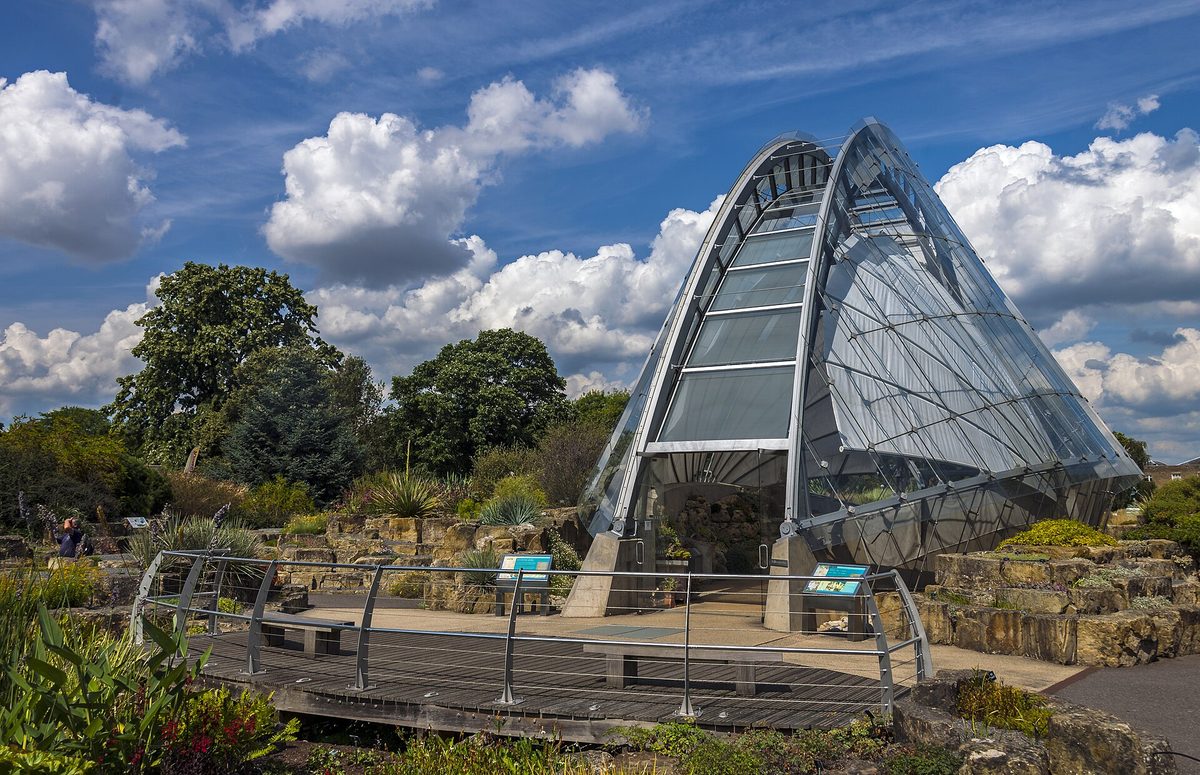
- Kew Gardens, London — the obvious one, and rightly so. Spring brings the magnolias, the Cherry Walk behind the Palm House, and one of the capital’s best bluebell displays mid-April to May. Entry runs around £22–25 for an adult as of 2026 if you book online; allow most of a day. It’s an easy half-day from the centre and pairs well with a London travel guide itinerary.
- RHS Wisley, Surrey — the Royal Horticultural Society’s flagship, a short hop from London and rammed with spring planting and a glasshouse worth the trip alone.
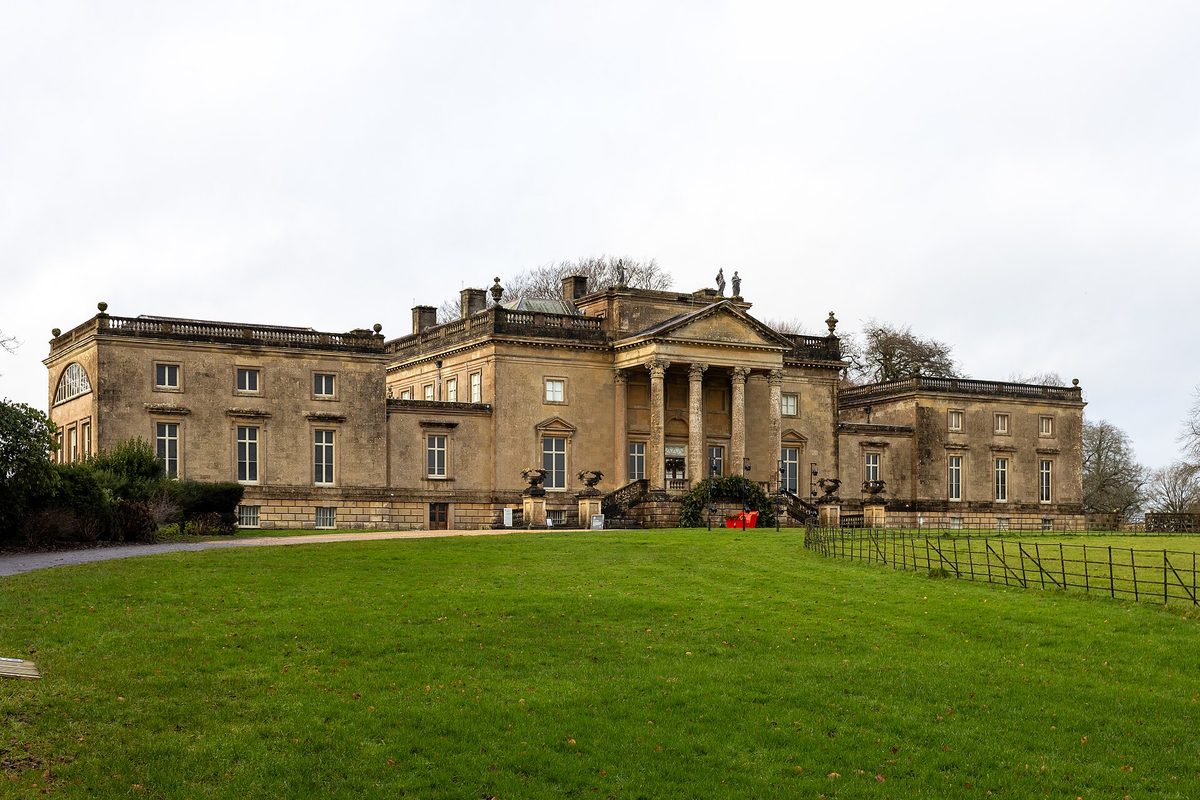
- Stourhead, Wiltshire — a landscape garden of lakes, temples and bridges (National Trust). Less about flowerbeds, more about painterly views, with rhododendrons and azaleas lighting up in late spring.
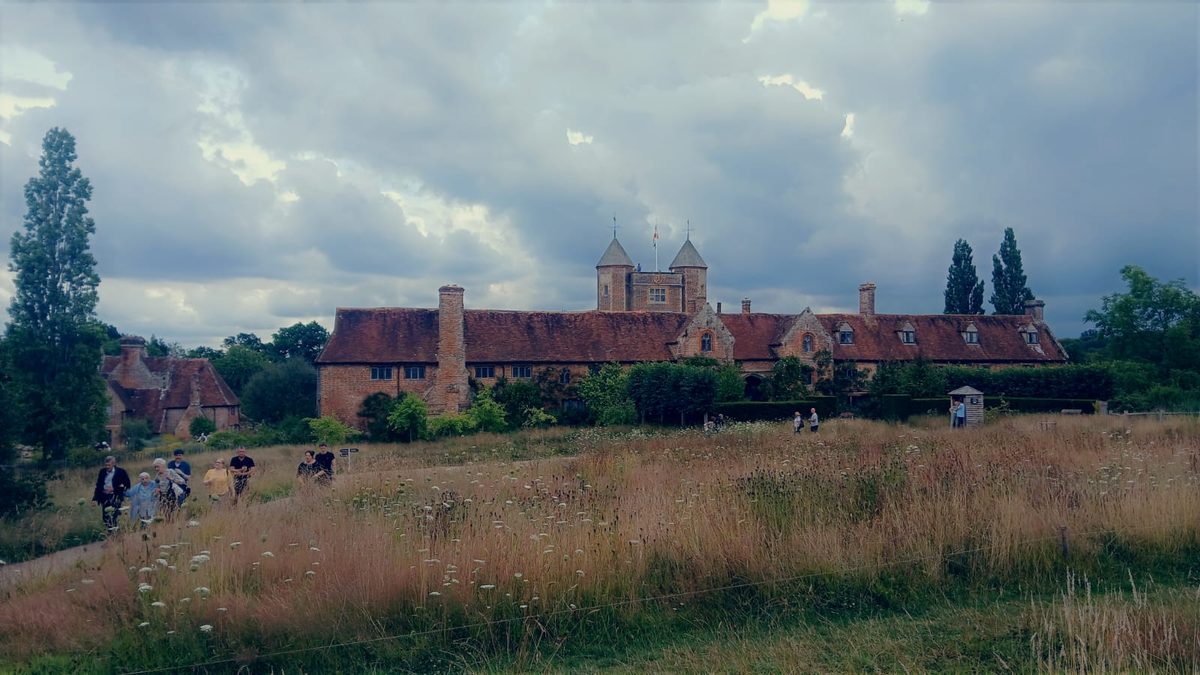
- Sissinghurst Castle Garden, Kent — Vita Sackville-West’s masterpiece, all garden “rooms,” with blossom in the orchard and the famous planting waking up. Properly busy in May, so go early.
- Stately-home gardens in general — many of England’s grand houses open their grounds for the season, and the stately homes in England guide is a good companion if you want to combine architecture with horticulture.
A practical tip: National Trust and RHS properties are where a lot of the best gardens live. If you’ll visit several, a short-term membership or the Trust’s touring pass can pay for itself quickly — worth doing the maths if gardens are central to your trip.
Chelsea Flower Show and the show season
The crown jewel is the RHS Chelsea Flower Show in London, traditionally held in late May. In 2026 it runs the 19th to the 23rd of May, with the first couple of days reserved for RHS members and the public days at the back end of the week. Tickets sell out and aren’t cheap (often £40+ depending on day and membership, as of 2026), so book well ahead if it’s on your list. The streets of Chelsea also bloom with shopfront floral displays (“Chelsea in Bloom”) that you can enjoy for free if you can’t get a show ticket.
Where to Go in Spring, by Region
Spring rewards getting out of the cities into countryside that’s at its absolute greenest. Here’s how I’d think about regions, and where each one shines this time of year. For broader inspiration beyond the season, the best places to visit in England guide casts a wider net.
The Cotswolds
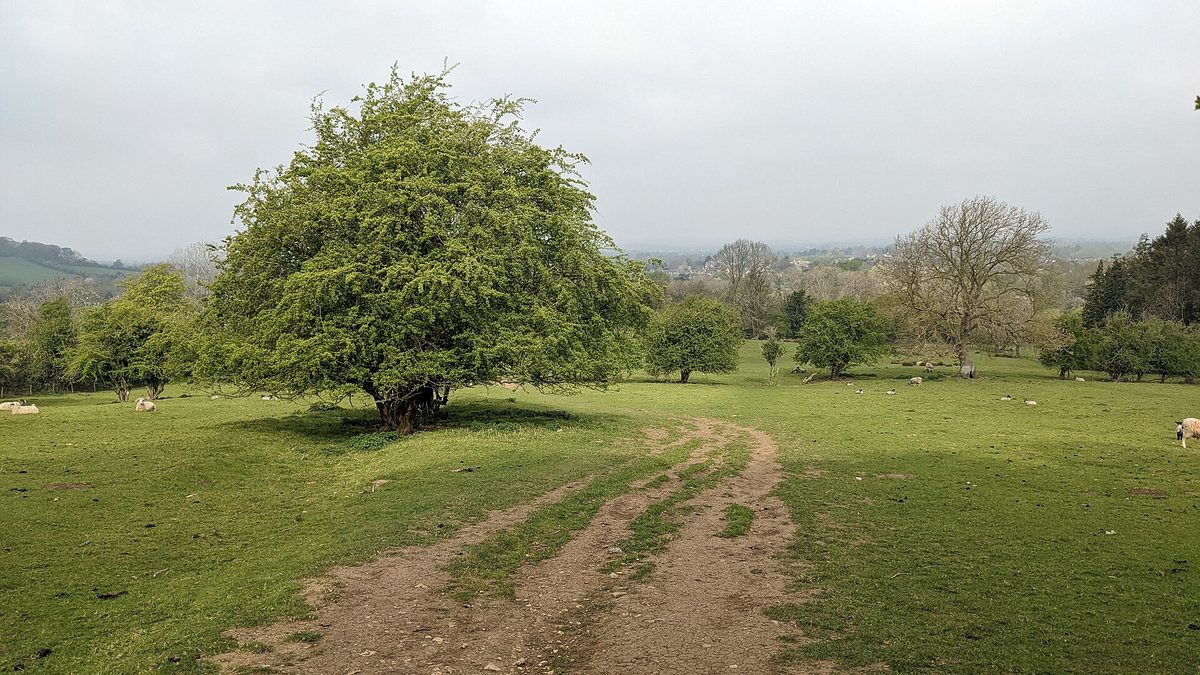
My first pick for spring, and not a controversial one. The honey-stone villages — Bibury, Castle Combe, the Slaughters — look their best with daffodils against the limestone and lambs in the surrounding fields. Footpaths are dry-ish and the Cotswolds walks are a joy before summer coach tours arrive. Tearooms and pubs are open but uncrowded. If you do one rural base in spring, the Cotswolds travel guide will set you up.
Kent — “The Garden of England”
Kent earns the nickname every spring. Orchards burst into blossom, the bluebell woods of the Weald are some of the country’s finest, and Sissinghurst anchors a serious garden-hopping itinerary. It’s also easy from London, which makes it a strong day trips from London candidate if you’re short on time.
The Lake District
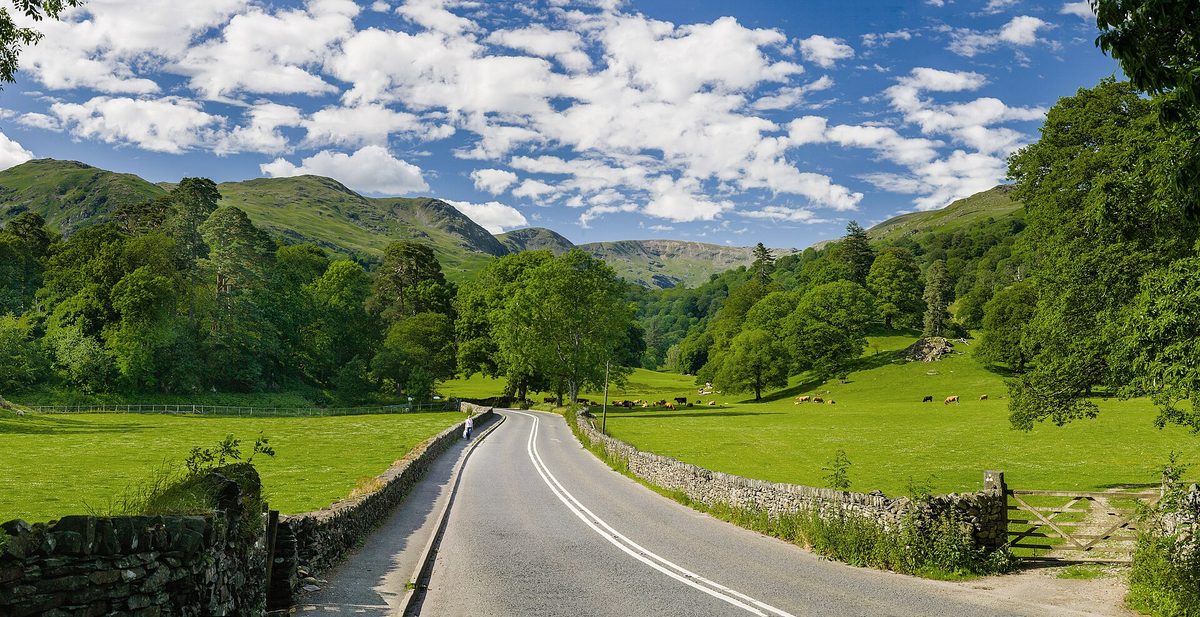
Spring in the Lakes is special: waterfalls running full from snowmelt and rain, daffodils along the shores (yes, Wordsworth’s), fells greening up, and far fewer walkers than the summer peak. Mornings are crisp; pack properly. Lower-level walks are ideal before the high fells fully dry out — the Lake District travel guide and the broader national parks hiking page cover routes and timing.
Bath and the West Country
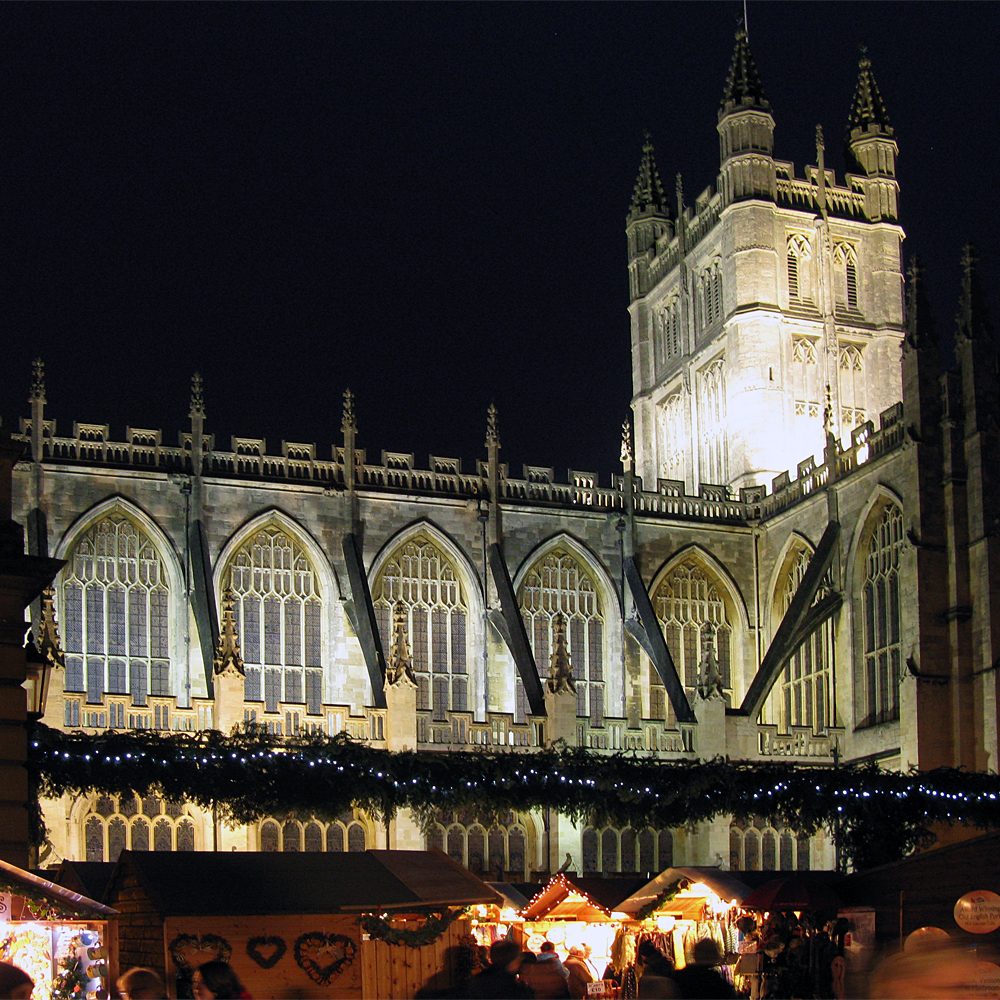
Bath is a lovely spring city break — Georgian crescents framed by blossom, the Roman Baths and Thermae spa especially appealing on a cool-but-bright day, and the green hills around it perfect for a gentle wander. It also slots neatly into a wider West Country loop.
London and the cities
Don’t sleep on urban spring. London’s royal parks — St James’s, Hyde Park, the Isabella Plantation in Richmond Park — are glorious, the squares fill with blossom, and the shoulder-season crowds are noticeably thinner than July. Canterbury, Cambridge, Oxford, York and Brighton all “come back to life” after winter, with riverside flowers and outdoor café tables reappearing. Any of these works as a base for a spring England itinerary.
Beautiful villages and slow countryside
If your idea of a good trip is hedgerows, footpaths and a village pub at the end, spring is prime time. The most beautiful villages in England round-up is worth a browse — almost all of them photograph best when the countryside is this green.
Spring Events and Easter Timing
Spring’s calendar is shaped by a few movable and fixed dates that genuinely affect your planning.
Easter is the big one, and it moves. In 2026 the long weekend falls early: Good Friday on the 3rd of April and Easter Monday on the 6th, both bank holidays in England. The school Easter holidays bracket this period (roughly late March into mid-April, varying by region), which means family attractions, the coast and honeypot villages get busier and accommodation tightens. It’s a wonderful time — egg hunts at National Trust houses, attractions reopening, a festive feel — but book ahead and expect company.
The two May bank holidays are the other thing to know. England has bank-holiday Mondays at the start of May (the early May holiday) and the end (the spring bank holiday, late May). Both create three-day weekends when domestic travellers hit the road, so popular spots fill and prices nudge up. Mid-week in May is calmer than those weekends.
Spring also reopens England. Lots of seasonal attractions — some stately-home interiors, smaller museums, gardens, coastal and rural sites — run reduced winter hours or close entirely off-season and come back to full swing in spring, often around Easter. The flip side: a handful of places still aren’t quite at summer operating hours in March, so check opening times for anything specific you’re set on. The England travel guide has more on planning around seasonal openings.
Beyond those anchors, spring brings a steady drumbeat of flower shows, garden festivals, county events and the start of the outdoor-festival season as May warms up. Chelsea (above) is the headline, but most regions have their own spring garden openings worth a local search once you’ve fixed your dates.
Shoulder-Season Value and Crowds
Here’s the practical case for spring, and it’s a strong one.
Spring is a shoulder season — the gap between winter’s quiet and summer’s peak — and that’s where the value lives. Compared with July and August, you’ll generally find:
- Smaller crowds at major sights, gardens and villages (Easter and bank-holiday weekends excepted).
- Better accommodation availability and lower rates — spring midweek can be markedly cheaper than the same room in high summer.
- The full range of attractions open, especially from Easter onward, unlike the patchy winter season.
England isn’t a destination where prices triple in peak season the way some European spots do, but the summer premium is real, and dodging it without sacrificing much is the whole appeal of spring. If you’re watching the budget, time your trip for the non-holiday weeks of late April or May and you’ll likely get spring at its best for less. The England on a budget guide goes deep on stretching your money, and where to stay in England helps you pick bases that won’t blow the budget.
One realistic caveat: spring’s value is concentrated in the gaps between the busy dates. The Easter long weekend and the two May bank-holiday weekends behave more like mini peaks — accommodation tightens, roads to honeypots clog, popular gardens get genuinely busy. If saving money and dodging crowds is the priority, aim for ordinary midweek days. If you’re tied to the holidays, just book early and lean into the festive energy.
For how the seasons stack up on cost and crowds overall, the best time to visit England pillar puts spring in context against summer, autumn and winter.
Spring with Kids or Walkers
A quick word on two common trip types, because spring suits both unusually well.
Travelling with children? Spring — and Easter in particular — is brilliant for families. Lambing season means many farms run lambing days and open weekends where kids can meet newborn animals; it’s an only-in-spring thing and worth seeking out. National Trust and English Heritage sites lay on Easter egg trails. Gardens give children space to run, and the longer, milder days make outdoor plans actually viable without the summer crowds at every entrance. The England with kids guide has age-appropriate ideas and family-friendly bases.
A walker or hiker? This is arguably the best walking season of the year. The countryside is electric green, paths are drier than winter, wildflowers line the routes, birdsong is at its peak, and you’ll share the trails with far fewer people than in summer. Lower-level and valley walks are ideal in March and April while the high ground dries out; by May the fells are properly walkable. Just keep the layers and waterproofs on hand — spring weather turns fast on exposed ground. The Cotswolds walks and national parks hiking pages are your starting points.
A rainy-day plan is wise either way. This is England in spring, not Provence — you will likely meet a wet afternoon. Have a museum, a cathedral, a tearoom or a spa earmarked so a shower doesn’t derail the day. The rainy day activities in England guide is full of indoor backups, many of them excellent in their own right.
Final Thoughts
I keep coming back to England in spring because it feels like being let in on something. While most visitors are still planning their July trip, you can be standing in a bluebell wood in late April with the place nearly to yourself, or watching blossom drift across a Cotswolds lane, or meeting day-old lambs on a farm with your kids — all of it for less money and less jostling than high summer asks.
Is it a gamble on the weather? A little. You’ll meet showers, and an early-March cold snap can still feel like winter. But the changeability is part of the character, and the payoff — that explosive, only-in-spring green, the relay of daffodils and blossom and bluebells, the sense of a whole country shaking off winter — is worth a damp afternoon or two.
My advice: pick your week with a little care. Target the non-holiday stretches of late April or May for the best mix of blooms, weather and value; build a couple of garden days into the plan; keep your layers and a rainy-day option handy; and book ahead if your trip lands on Easter or a bank-holiday weekend. Do that, and spring will give you the England of the postcards — only quieter, greener and kinder to your wallet. When you’re ready to map it all out, the England itinerary and best time to visit England guides will help you turn these notes into actual dates.
Research and Source Notes
This guide draws on a mix of current travel-planning sources, official garden and heritage organisations, and seasonal reporting, cross-checked for spring 2026 timing:
- Bloom timing (daffodils, cherry blossom, bluebells): the Woodland Trust and National Trust bluebell guidance, plus Royal Botanic Gardens Kew’s spring-flower notes, informed the relay calendar; the average bluebell peak (~9 April) and the late-April-to-early-May best-display window come from Woodland Trust data, hedged because flowering shifts with the weather each year.
- Chelsea Flower Show 2026: dates (19–23 May, members’ days first, public days at the end of the week) per RHS and Visit London listings; ticket prices described as “around” 2026 levels and subject to change.
- Easter and bank holidays 2026: Good Friday 3 April and Easter Monday 6 April, plus the early-May and late-May (spring) bank holidays, per UK public-holiday calendars.
- Weather ranges: the ~9–17°C spring span and “drier than winter / changeable” characterisation reflect typical-year averages from UK travel-weather sources; for precise month-by-month figures I defer to the dedicated England weather by month guide.
- Crowds, prices and shoulder-season value: synthesised from multiple UK travel-planning guides describing spring as a shoulder season with smaller crowds and lower rates than peak summer, with Easter and the May bank holidays noted as exceptions.
- Entry prices (e.g. Kew around £22–25; Chelsea often £40+): cited as approximate, “as of 2026,” and worth confirming on official sites before booking.
All prices, dates and bloom windows are best-estimates at the time of writing (last updated 2 June 2026) and should be verified against official sources close to your travel dates.
Photo Credits
- Spring blossom and the Palm House at Kew Gardens, a highlight of visiting England in spring — Photo: Daniel Case / CC BY-SA 3.0 via Wikimedia Commons. Source
- The lake and temples at Stourhead, a National Trust garden glorious in spring — Photo: Mike Peel / CC BY-SA 4.0 via Wikimedia Commons. Source
- A honey-stone Cotswolds village in spring, with green fields and blossom — Photo: Fabian Musto / CC BY-SA 2.0 via Wikimedia Commons. Source
- Spring in the Lake District, with green fells and full waterfalls — Photo: Diliff / CC BY-SA 3.0 via Wikimedia Commons. Source
- The tower and garden rooms at Sissinghurst Castle in spring — Photo: Digihum / CC BY 4.0 via Wikimedia Commons. Source
Frequently asked questions
Is spring a good time to visit England?
For most travellers, yes — I'd argue it's one of the best. Spring delivers reawakening gardens, daffodils, blossom and bluebells, lambs in the fields, longer daylight and noticeably fewer crowds and lower prices than summer. The catch is mild, changeable weather, so you trade guaranteed warmth for elbow room, value and the prettiest countryside of the year.
What is the weather like in England in spring?
Mild and changeable, and generally drier than winter — roughly 9–17°C across the season as of typical years, warming from March to May. April is the showery month; May is the warmest with long evenings. Expect sun and rain in the same day, and pack layers plus a waterproof. For the full month-by-month numbers, see the England weather by month guide.
What should I pack for England in spring?
Layers and a light waterproof jacket, every day. Bring a sweater or fleece, comfortable water-resistant walking shoes (gardens get muddy), a compact umbrella for cities, and sunglasses for bright May days. Early March can still want a proper coat; late May can be shirtsleeve weather. Pack for the span. The packing list has the complete rundown.
When do the bluebells bloom in England?
Roughly late April into early May, though it's weather-dependent — the Woodland Trust puts the average peak flowering date around the 9th of April, and a mild winter can pull the display earlier. The window is short, so check current bloom reports before locking in a date. Ancient woodlands in Kent, Sussex and the South generally put on the best shows.
Is England crowded in spring?
Far less than summer, with two big exceptions: the Easter long weekend and the two May bank-holiday weekends, which behave like mini peaks at popular spots. Ordinary midweek days in spring are wonderfully quiet at gardens, villages and major sights. Aim for the gaps between holidays and you'll get the season at its calmest and cheapest.
Is spring better than summer for visiting England?
It depends on what you want. Spring wins on gardens, blossom, green countryside, crowds and price; summer wins on warmth, the longest days, beach weather and the fullest events calendar. If you're a garden lover or value-seeker, spring is hard to beat. If you want reliable warmth, see the England in summer guide, and let the best month to visit England page settle the tie.