Sheet 58 · England Castles and Historic Sites · 15 min read
Best Stately Homes in England
My guide to the best stately homes in England — Chatsworth, Blenheim, Castle Howard and more, with rough 2026 prices, gardens, films and family days out.
 Sheet 58
Contents 9 sections
I have a soft spot for a long gravel drive that bends through old parkland before a great house finally swings into view. That moment — deer scattering, a lake catching the light, a roofline bristling with chimneys — is the whole point. The grandest stately homes in England are not fortresses or ruins; they are lived-in palaces built for show, comfort and dynastic swagger, mostly from the 1500s onward. Think gilded staterooms, Old Master paintings, Capability Brown landscapes, and gardens you could lose a whole afternoon in.
I have wandered a lot of them, in drizzle and in glorious June light. Some left me speechless. A few left me checking my watch.
This guide is my honest shortlist — what each house is actually best for, roughly what it costs in 2026, and how to pick a couple without driving the length of the country.
Quick Answer: The Best Stately Homes in England
The best stately homes in England for first-time visitors are Chatsworth (Derbyshire), Blenheim Palace (Oxfordshire) and Castle Howard (Yorkshire) for sheer grandeur; Longleat (Wiltshire) for a safari-and-house family day; Highclere Castle (Hampshire) for Downton Abbey fans; and Holkham, Burghley, Waddesdon, Petworth, Wilton and Hatfield for art, gardens and a quieter visit.
These are grand country houses — the aristocratic-house experience. If you want walls and battlements instead, that is a different list: see my guide to England’s finest castles. And if you are mapping a wider trip, the England castles and historic sites guide ties all of this together.
At a Glance: England’s Grand Country Houses
Prices below are full-price adult, peak-season tickets, hedged as “around” and accurate as of 2026. Almost every house is cheaper off-peak, cheaper if you book online, and far cheaper for children. Always check the official site before you travel.
| House | Region | Known for | Rough adult ticket (2026) | Good for |
|---|---|---|---|---|
| Chatsworth | Derbyshire (Peak District) | Art, sculpture, 105-acre garden | Around £35 (house & garden) | The all-rounder |
| Blenheim Palace | Oxfordshire | Baroque palace, Churchill, UNESCO site | Around £36–40 day ticket | Day trip from Oxford |
| Castle Howard | North Yorkshire | Baroque drama, Bridgerton, dome | Around £25 (check filming closures) | Film fans, big skies |
| Longleat | Wiltshire | Safari park + Elizabethan house | Around £40+ (safari included) | Families with kids |
| Highclere Castle | Hampshire | The real Downton Abbey | Around £28–30, limited dates | TV pilgrims |
| Holkham Hall | Norfolk | Palladian halls, walled garden, beach | Around £24 (hall & garden) | Coast-and-culture |
| Waddesdon Manor | Buckinghamshire | Rothschild French-château style | Around £27 (house & gardens) | Art and opulence |
| Burghley House | Lincolnshire | Elizabethan “prodigy house”, Brown park | Around £20–25 | Grand interiors, deer park |
| Petworth | West Sussex | Turner, Van Dyck, vast art collection | National Trust entry | Painting lovers |
| Wilton House | Wiltshire | Double Cube Room, film locations | Around £18–22, limited days | Architecture buffs |
| Hatfield House | Hertfordshire | Elizabeth I, Jacobean grandeur | Around £20+ | Easy from London |
The Big Three: Where I Send First-Timers
If you only have time for one or two grand stately homes in England, start here. These are the houses that make people go quiet.
Chatsworth — my desert-island stately home
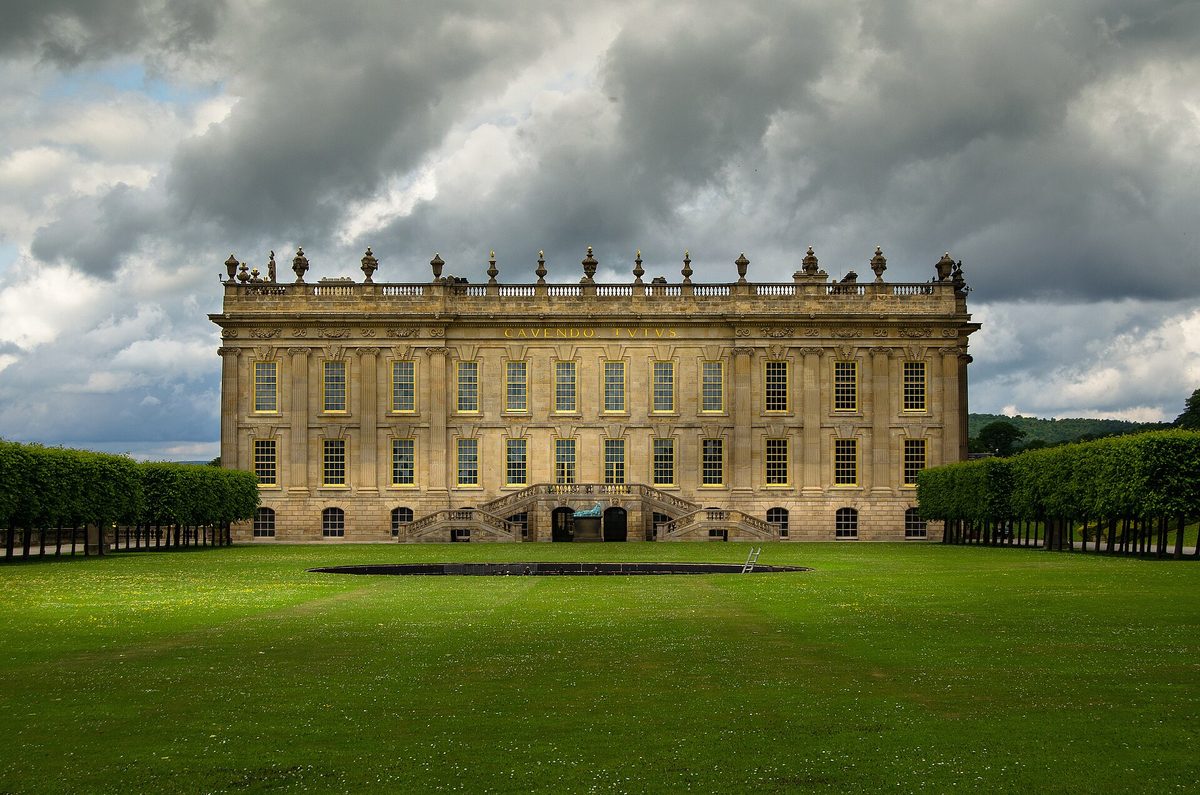
If I could keep only one, it would be Chatsworth. It sits in the Peak District like it owns the place, which the Devonshires more or less have for 16 generations. The house is stuffed with art — Old Masters, contemporary sculpture, a sketch by Rembrandt next to something defiantly modern — and the family clearly still loves it, which you feel in every room.
But honestly, I go for the garden. It runs to around 105 acres and it is a museum of garden history in itself: the Cascade from 1696, where children peel off their shoes and run up the wet steps; the Canal Pond; the maze; the Emperor Fountain, which can fire water around 90 metres into the air when the lakes above are full. The water features are gravity-fed, so on a dry summer they can be temperamental.
As of 2026, a peak house-and-garden ticket is around £35 for an adult and £12 for a child, dropping to roughly £28 off-peak in late autumn. Garden-only is cheaper, around £20. Booking online gets you free parking. Give it most of a day, and bring better shoes than you think you need.
Blenheim Palace — Baroque on a heroic scale
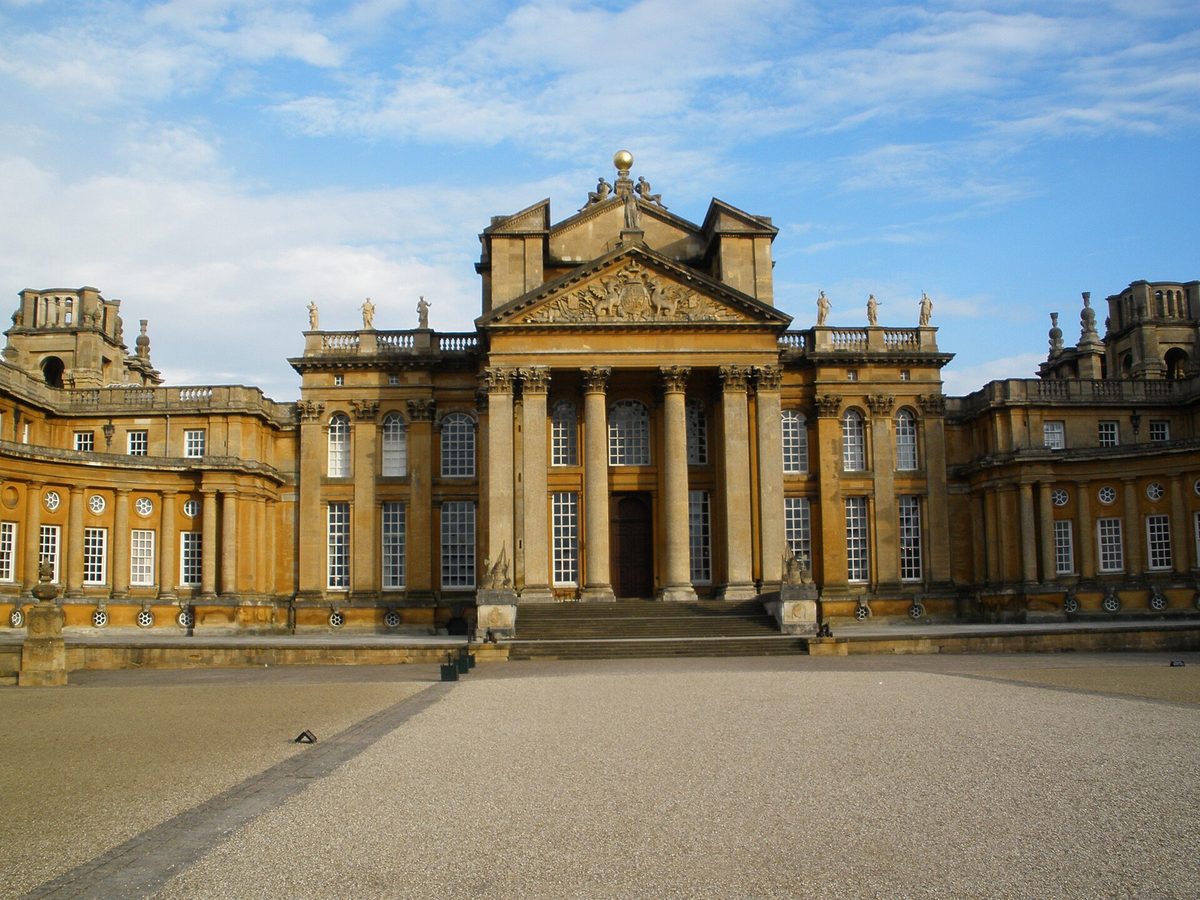
Blenheim is the only non-royal, non-episcopal house in England allowed to call itself a palace, and it does not undersell the fact. It was built as a thank-you to the first Duke of Marlborough for thrashing the French at Blenheim in 1704, it is a UNESCO World Heritage Site, and it was Winston Churchill’s birthplace. The scale is genuinely operatic — the Great Hall, the Long Library, the painted ceilings.
The grounds are pure Capability Brown: a lake he conjured by damming a stream, sweeping parkland, formal water terraces. There is a maze, a butterfly house and adventure play for kids, so it works as a family day too.
A day ticket in 2026 runs around £36–40 for an adult. The clever bit: Blenheim treats your ticket as a donation and usually converts it into a free annual pass, so you can return all year. If you are based in Oxford, it is an easy half-day — I cover the logistics in my day trips from London guide and the wider best places to visit in England roundup.
Castle Howard — the most cinematic of them all
Despite the name, Castle Howard is no castle — it is a Baroque masterpiece crowned with a great painted dome, set in Yorkshire parkland dotted with temples, a mausoleum and an Atlas fountain. It has been the Howard family’s home for more than 300 years, and the moment you crest the approach it is obvious why location scouts adore it.
You will know it from screen even if you think you do not: it was Brideshead in both screen versions of Brideshead Revisited, and Clyvedon in the first season of Bridgerton, which sent visitor numbers soaring.
One important 2026 caveat: Castle Howard has been heavily affected by Bridgerton filming, with public access disrupted and some periods closed entirely while the crews are in. Tickets start lower than you might expect — I have seen advance prices from under £10 in quieter spells — but check the official site before you set out, and have a plan B in case the house is shut for filming.
Best for Gardens and Parkland
Some of the finest stately homes and gardens in the country are worth visiting for the landscape alone. If you are the sort who photographs herbaceous borders, these are your people.
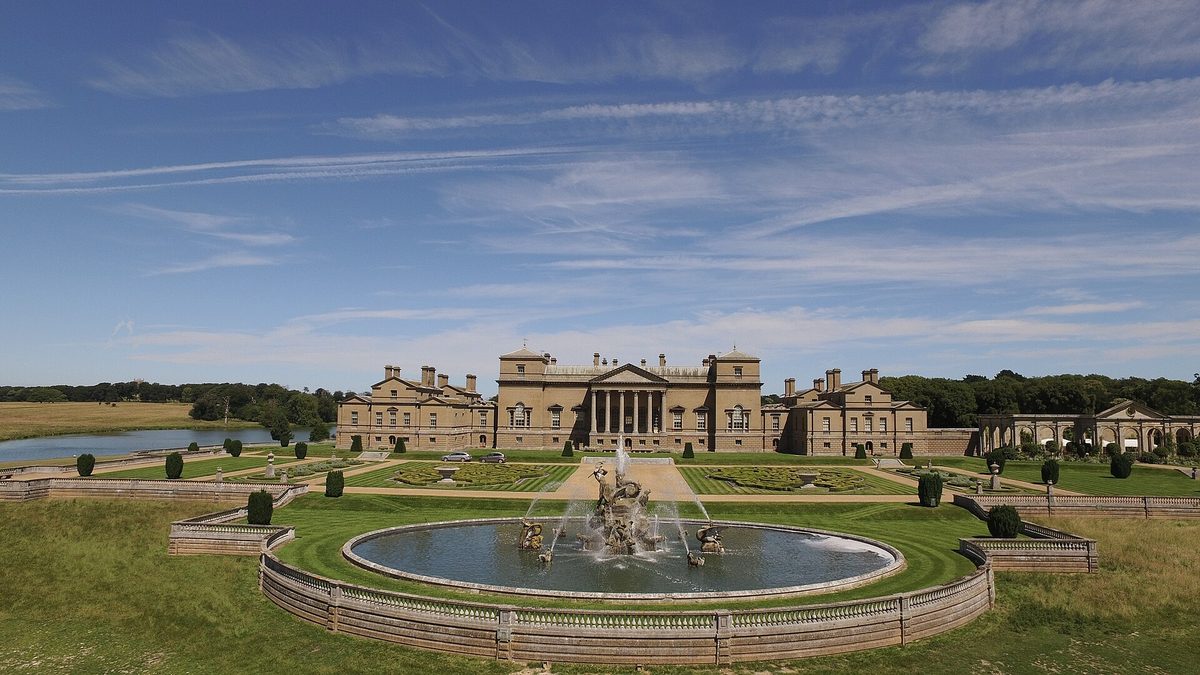
Holkham Hall in north Norfolk is my quiet favourite. It is a cool, pale Palladian house facing a deer park and a long lake, with a superb six-acre Walled Garden — Georgian and Victorian glasshouses, a vineyard, an exotic garden — that reopens for the season around late March. Hall-and-garden entry is around £24 in 2026, with the house open only certain days, so check before you go. And here is the kicker: Holkham beach, all big skies and golden sand, is a ten-minute walk away. Culture and coast in one outing.
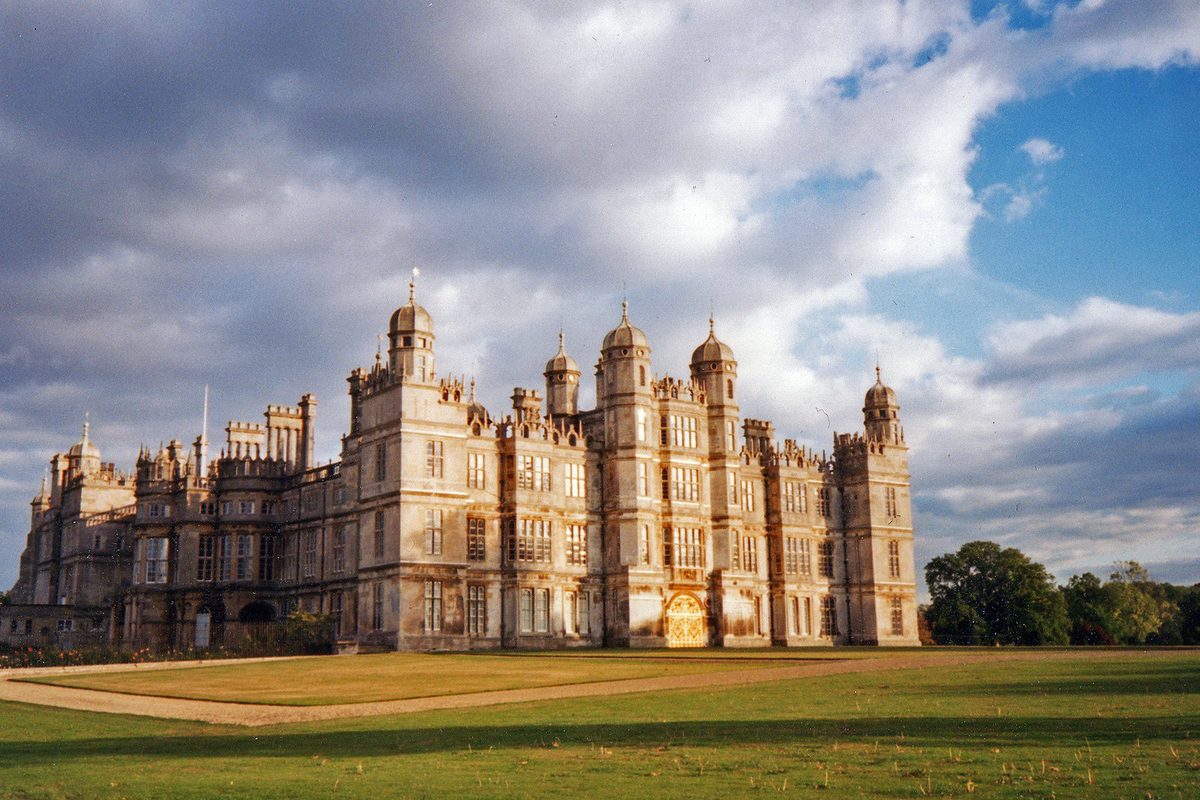
Burghley House near Stamford is an Elizabethan “prodigy house” built by Lord Burghley, Elizabeth I’s great statesman, between roughly 1555 and 1587. The interiors are riotous — the painted Heaven Room is something else — and the parkland was landscaped by Capability Brown, with a Sculpture Garden and the family-friendly Garden of Surprises. Stamford itself is one of the loveliest stone towns in England; I fold it into my historic towns in England wanderings.
For something completely different, Waddesdon Manor in Buckinghamshire looks like a French Renaissance château that wandered into the Chilterns. Baron Ferdinand de Rothschild built it in the 1870s to show off an extraordinary collection — Gainsborough and Reynolds portraits, Sèvres porcelain, the kind of furniture Versailles would envy. It is cared for by the Rothschild Foundation with the National Trust. House-and-gardens entry is around £27 in 2026 (grounds-only around £14), and National Trust members get in free, which feeds neatly into the English Heritage vs National Trust question if you are weighing membership.
Best for Art and Interiors
If you care more about what is on the walls than what is in the flowerbeds, two houses stand above the rest.
Petworth in West Sussex is, to my mind, the finest private picture collection you can walk into on a normal day out. The National Trust looks after it now, and the state rooms are hung with Turner, Van Dyck, Titian, Reynolds and Blake. Turner more or less lived here on and off under the 3rd Earl of Egremont, painting the deer park out of the windows — and Capability Brown laid out that park, so the views are half the collection. Go on a bright day and watch the light do exactly what Turner saw.
Wilton House near Salisbury, seat of the Earls of Pembroke, is smaller but architecturally thrilling. The Double Cube Room — a perfect 60-foot golden chamber lined with Van Dyck family portraits — is one of the most famous rooms in England, which is why it keeps turning up in films from The Crown to Bridgerton to period dramas you have half-forgotten. It opens on limited days, often spring and summer only, with adult entry around £18–22 in 2026, so plan around its calendar.
Hatfield House in Hertfordshire deserves a place here too. It is a vast Jacobean pile built by Robert Cecil in the early 1600s, but in its grounds stands the surviving wing of the old royal palace where the young Elizabeth I spent much of her childhood — she reputedly learned she was queen while sitting under an oak in the park. For the deeper Tudor story, I send people to my Tudor England travel guide, since Hatfield straddles both worlds. Being 25 minutes by train from London Kings Cross makes it one of the easiest grand houses to reach without a car.
Best for Films and TV
Half the fun of these houses is the jolt of recognition. So many British costume dramas are filmed in real English country houses to visit that you can plan a whole trip around the screen.
Highclere Castle in Hampshire is the obvious pilgrimage: it is Downton Abbey, inside and out, and the Earl and Countess of Carnarvon still live there. The catch is access. Highclere opens to the public on limited dates — typically some weeks in spring and a summer run from around mid-July into early September — and tickets must be pre-booked and sell out fast. Expect to pay around £28–30 for an adult in 2026, more for the special tour-and-supper events. Treat it as a hot-ticket day, not a casual drop-in. There is also a genuinely good Egyptian exhibition downstairs, a nod to the 5th Earl who funded the discovery of Tutankhamun’s tomb.
Beyond Highclere, Castle Howard (Brideshead, Bridgerton), Wilton House (The Crown, Bridgerton) and Chatsworth (the 2005 Pride & Prejudice, where it played Pemberley) form a loose itinerary for anyone who watches with the subtitles on just to read the location credits. Petworth and Blenheim turn up constantly too. If costume drama is your thing, you are spoiled.
Best for a Family Day Out
Not everyone in the car wants to admire plasterwork. The trick is choosing a house that bolts a serious adventure onto the history.
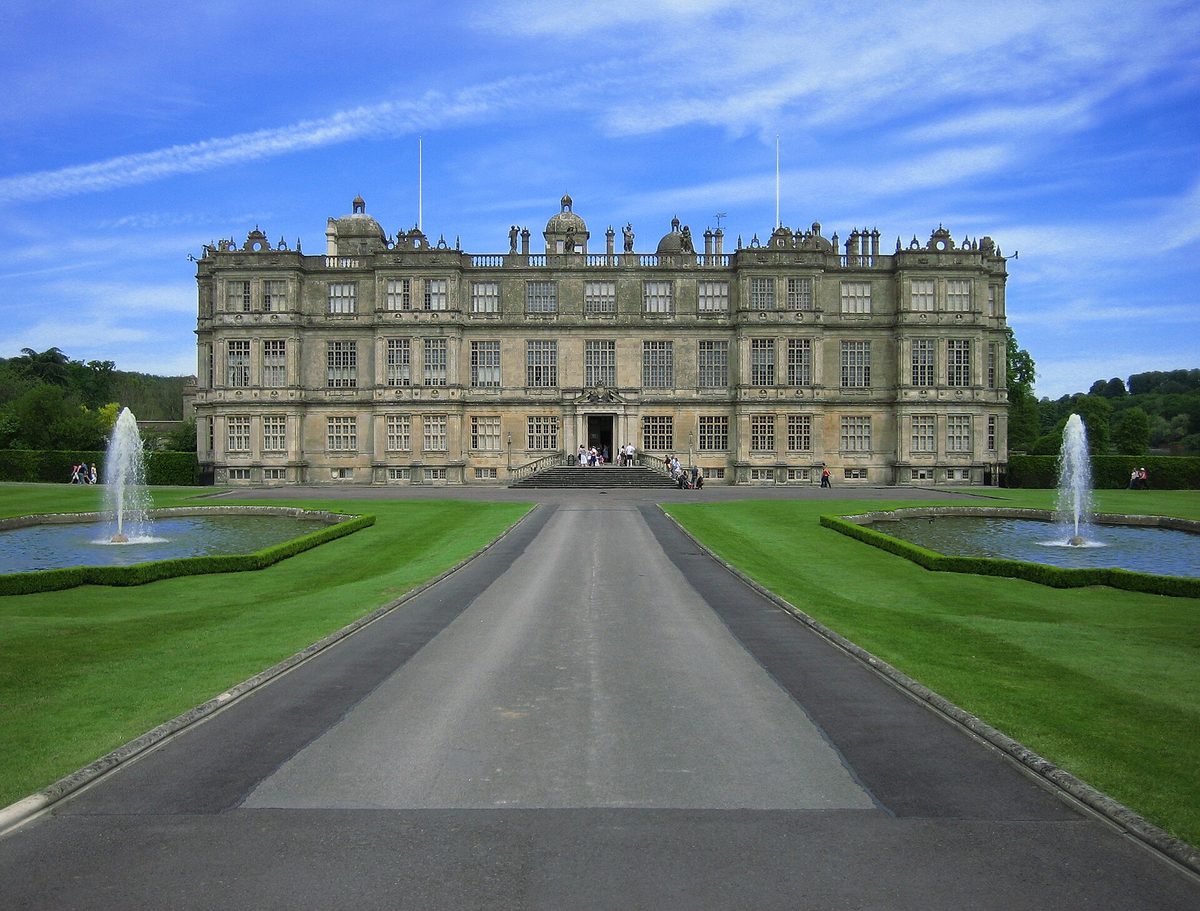
Longleat in Wiltshire is the champion here, and it is a properly weird, wonderful place. The Elizabethan house — a glorious 1570s pile and one of the first to open to paying visitors back in 1949 — comes with Britain’s original safari park wrapped around it. You drive through lions, giraffes, rhinos and the famous (very confident) monkeys, then there is a hedge maze, boat safari, animal encounters and the house itself. A day ticket including the safari runs around £40-plus for an adult in 2026, cheaper booked online in advance, and you can usually pay a small top-up for a second consecutive day.
It is brilliant with children, and I treat it as a full day, not a half. For more in this vein, my England with kids guide leans on Longleat heavily, and it slots into a wider England travel guide for a family trip.
Chatsworth and Blenheim also work well for families — both have proper farmyards or adventure playgrounds and enough open parkland to let everyone off the leash between the grand rooms. Burghley’s Garden of Surprises and adventure play are a hit with younger kids too. The grand houses are not all hushed and stuffy; the good ones know exactly who is coming through the door.
How to Choose a Few by Region
You cannot do all of these in one trip without living in the car, so here is how I group them.
If you are in the north, base yourself around Yorkshire and the Peak District: Castle Howard near York and Chatsworth in Derbyshire are the headline pair, with Burghley a stretch south near Stamford. That is a serious weekend of grandeur.
If you are near London or Oxford, you are spoiled for an easy day out. Blenheim sits just beyond Oxford; Waddesdon and Hatfield are short hops; Highclere is doable from London with a booked ticket. None demands an overnight stay.
If you are in the south or southwest, build around Wiltshire and Sussex: Longleat and Wilton in Wiltshire, Petworth in Sussex, with Hampshire’s Highclere bridging the two. Pair a house with a market town or a stretch of coast and you have the perfect English day.
And if your budget is tight, remember many estates let you walk the parkland and grounds far more cheaply than the house — and some open days cost nothing at all. My free historic sites in England guide and the most beautiful places in England roundup both lean into that.
A practical note on staying over: several of these estates have hotels, holiday cottages or grand pubs on the doorstep, and the surrounding towns are full of character. I gather the better options in my where to stay in England guide, and a few of these houses earn a spot among my hidden gems in England for the quieter corners of their estates.
Final Thoughts
The thing I love about the grand stately homes in England is that they are not frozen. The families still farm the estates, hang new art, plant new borders and argue about the roof. You are not walking through a tomb; you are walking through a living, slightly ramshackle, endlessly ambitious idea of how to live well.
If you take nothing else from this, take two: pair a famous house with a quieter one, and always leave time for the garden. Chatsworth without its Cascade, Holkham without its walled garden, Blenheim without the lake — you would only be seeing half the story.
Pick a region, book ahead for the popular houses, wear proper shoes, and let one of those long drives do its work on you. For the bigger picture, the England castles and historic sites guide links every grand house, castle and cathedral worth your time — including my best cathedrals in England and Roman sites in England guides, and a ready-made castles-and-cathedrals route if you want it all stitched together.
Research and Source Notes
I researched this article in June 2026, reading the leading published guides to England’s stately homes and country houses (Rest Less, Day Out in England, Country & Town House, Finding the Universe) and the questions travellers most often ask about the stately-home-versus-castle distinction, biggest houses, costs and Downton Abbey access, then aimed to give more specific, hedged pricing and clearer regional planning than the typical listicle.
Prices, opening dates and access details were verified where possible against official house websites and are hedged as “around” and “as of 2026,” since they change yearly:
- Chatsworth House (chatsworth.org) — verified directly: peak house & garden around £35 adult / £12 child, off-peak around £28; garden-only around £20; 105-acre garden, Cascade (1696), Emperor Fountain (~90m jet); Friends membership from around £140.
- Blenheim Palace (blenheimpalace.com) — day ticket pricing in the ~£36–40 range; tickets converted to annual passes; UNESCO World Heritage Site; Churchill’s birthplace; Capability Brown landscape.
- Castle Howard (castlehoward.co.uk) and Yorkshire press (YorkMix, JustYorkshire) — Baroque house, Brideshead and Bridgerton (Clyvedon) filming; 2026 public access disrupted by Bridgerton Season 5 filming; advance tickets historically from under £10 in quieter periods.
- Longleat (longleat.co.uk) — day ticket including safari around £40-plus adult, cheaper online; consecutive second-day add-on; Elizabethan house opened to visitors 1949.
- Highclere Castle (highclerecastle.co.uk / highclerecastleshop.co.uk) — limited spring dates plus summer run roughly mid-July to early September; closed some weekdays; pre-booked tickets around £28–30 adult; Egyptian exhibition.
- Holkham Hall (holkham.co.uk) — hall, walled garden & Holkham Stories around £24 adult, open select days; six-acre Walled Garden reopening late March; parking around £6; Holkham beach adjacent.
- Waddesdon Manor (waddesdon.org.uk; National Trust) — house & gardens around £27 adult, grounds around £14; National Trust members free; Rothschild Foundation with National Trust; house reopening late March 2026.
- Burghley House (burghley.co.uk), Petworth, Wilton House and Hatfield House (nationaltrust.org.uk and respective official sites) — for build dates, collections (Turner, Van Dyck at Petworth; Double Cube Room at Wilton), Capability Brown parkland and Elizabeth I associations at Hatfield.
Where official prices were not fully published for the 2026 season at the time of writing, I have given conservative ranges and urged readers to confirm on the official site before travelling. Filming closures (notably Castle Howard) and limited opening calendars (Highclere, Wilton) are the most volatile details and should always be checked first.
Photo Credits
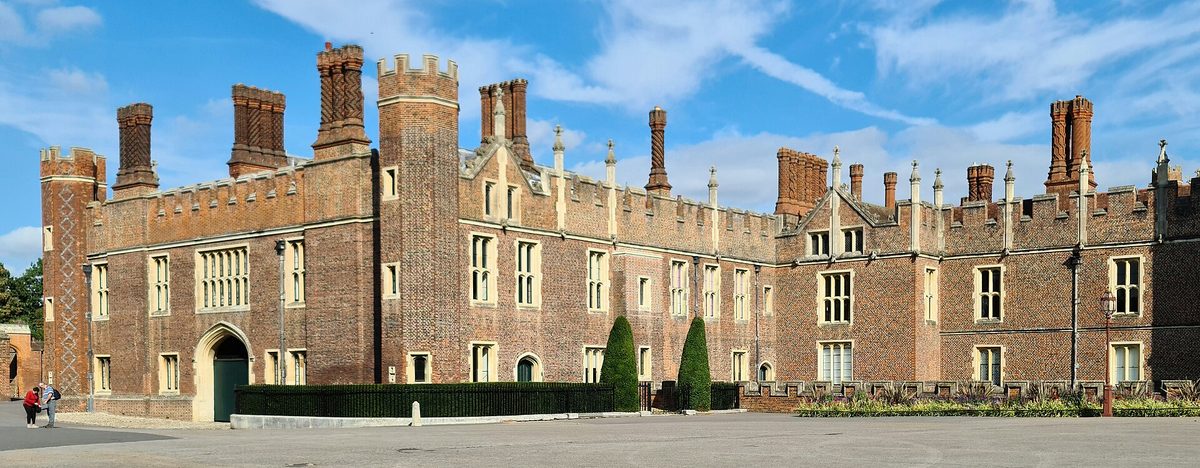
- Chatsworth House and its formal gardens, one of the finest stately homes in England — Photo: Rprof / CC BY-SA 3.0 via Wikimedia Commons. Source
- The Baroque facade of Blenheim Palace, a UNESCO World Heritage stately home in Oxfordshire — Photo: Jvhertum (CC0) via Wikimedia Commons. Source
- Holkham Hall’s Palladian frontage above its deer park and lake in Norfolk — Photo: Holkham.j.lewis / CC BY-SA 4.0 via Wikimedia Commons. Source
- Longleat House in Wiltshire, an Elizabethan stately home ringed by its famous safari park — Photo: Peekaboopink (CC0) via Wikimedia Commons. Source
- The Elizabethan skyline of Burghley House near Stamford, Lincolnshire — Photo: John Sutton / CC BY-SA 2.0 via Wikimedia Commons. Source
Frequently asked questions
What is the difference between a stately home and a castle?
A castle was built to defend — thick walls, battlements, arrow slits, usually medieval. A stately home was built to impress and to live in comfortably, mostly from the 1500s onward, with grand staterooms and gardens rather than ramparts. Confusingly, some stately homes are called castles (Highclere, Howard) but have no real defences. For the fortified kind, see my castles guide.
Which is the biggest stately home in England?
Blenheim Palace is generally cited as the largest stately home in England, sprawling across roughly seven acres of footprint in its Oxfordshire parkland, plus around 2,000 acres of grounds. Knole in Kent is often called the largest National Trust house by sheer room count. For sheer wow-on-arrival, though, Castle Howard and Chatsworth give Blenheim a real run for its money.
How much does it cost to visit a stately home in England?
As of 2026, expect roughly £20–40 for a full adult ticket to the big houses — around £35 at Chatsworth, near £40 at Blenheim, £40-plus at Longleat with the safari. Children are much cheaper, garden-only tickets cut the price, and booking online in advance usually saves money. National Trust or annual passes can quickly pay off if you visit several.
Can you visit Highclere Castle, the real Downton Abbey?
Yes, but only on limited dates. Highclere opens for selected spring days and a summer season running roughly mid-July to early September, and it is closed some weekdays even then. Tickets are around £28–30 for an adult in 2026, must be pre-booked, and sell out fast because of the Downton crowd. Check the official site and book the moment dates are released.
Do you need a car to visit stately homes in England?
A car helps enormously, since many sit deep in the countryside. But several are reachable by train: Hatfield is 25 minutes from London Kings Cross, Blenheim is an easy bus or taxi from Oxford, and Burghley is walkable from Stamford station. For houses like Holkham or Castle Howard, a car or an organised tour is realistically the way in.
When is the best time to visit English country houses?
Late spring to early autumn is ideal — gardens are at their peak, fountains run, and houses keep their fullest opening hours. Many close their interiors over winter, though several put on superb Christmas displays (Chatsworth's is spectacular). I aim for May, June or September: long light, full gardens, and fewer school-holiday crowds than high summer.