Sheet 52 · England Castles and Historic Sites · 15 min read
English Heritage vs National Trust
English Heritage vs National Trust: I weigh up both memberships, the Overseas Visitor Pass and rough 2026 prices so you pick the right card.
 Sheet 52
Contents 9 sections
The first time I tried to “do” England’s historic sites on a budget, I stood at the ticket desk of a castle, did the mental maths on a single entry fee, and realised I’d been thinking about the whole thing wrong. The question was never which castle. It was which card to carry.
So here’s the short version. English Heritage vs National Trust comes down to what you love and how long you’re staying: English Heritage looks after castles, abbeys, Stonehenge and Roman ruins, while the National Trust holds stately homes, gardens and great swathes of coast and countryside. Castle-and-ruins person on a short trip? English Heritage, probably via the Overseas Visitor Pass. House-and-garden person settling in for weeks? The National Trust.
That’s the headline. The interesting part is the money, the overlap, and the handful of situations where the obvious answer is the wrong one. I’ve bought into both at different times, for different trips, and I’ve talked myself out of each at least once. Let me walk you through how I’d decide now.
Quick Answer: English Heritage vs National Trust in One Minute
If you’re chasing castles, abbeys, prehistoric stones and Roman forts, English Heritage is your card. If you’re after grand houses, designed gardens, and coastline you can walk for hours, it’s the National Trust. Both are charities, both give members free entry and mostly free parking, and both will pay for themselves faster than you’d think.
For a short visit (a week or two) from abroad, the standout is the English Heritage Overseas Visitor Pass — a time-limited ticket made for tourists that, as of 2026, starts paying off after roughly two or three sites. The National Trust has no overseas-only equivalent, though it does sell a short touring ticket called the Explorer Pass.
If you genuinely love both kinds of place and you’re here a while, plenty of people just buy both and stop agonising. I’ve done that too. No regrets.
At a Glance: English Heritage vs National Trust
Rough prices below are what I found on the official sites in 2026. Treat them as “around” figures — both organisations nudge prices up most years (usually in spring), so always confirm the live number before you pay.
| English Heritage | National Trust | |
|---|---|---|
| What they own | Castles, abbeys, Stonehenge, Roman sites, some historic houses — over 400 places | Stately homes, gardens, coast & countryside — over 500 places |
| Rough individual membership (2026) | Around £84/year (about £7/month) | Around £100/year (about £8.40/month) |
| Overseas / tourist pass | Yes — Overseas Visitor Pass, 9 or 16 consecutive days, around £58–£127 depending on group and length | No overseas-only pass; Explorer Pass is a short touring ticket (not tourist-restricted) |
| Best for | Castle-lovers, ruins, ancient history, short trips, families with kids | House-and-garden lovers, gardeners, walkers, longer stays |
What English Heritage Actually Owns
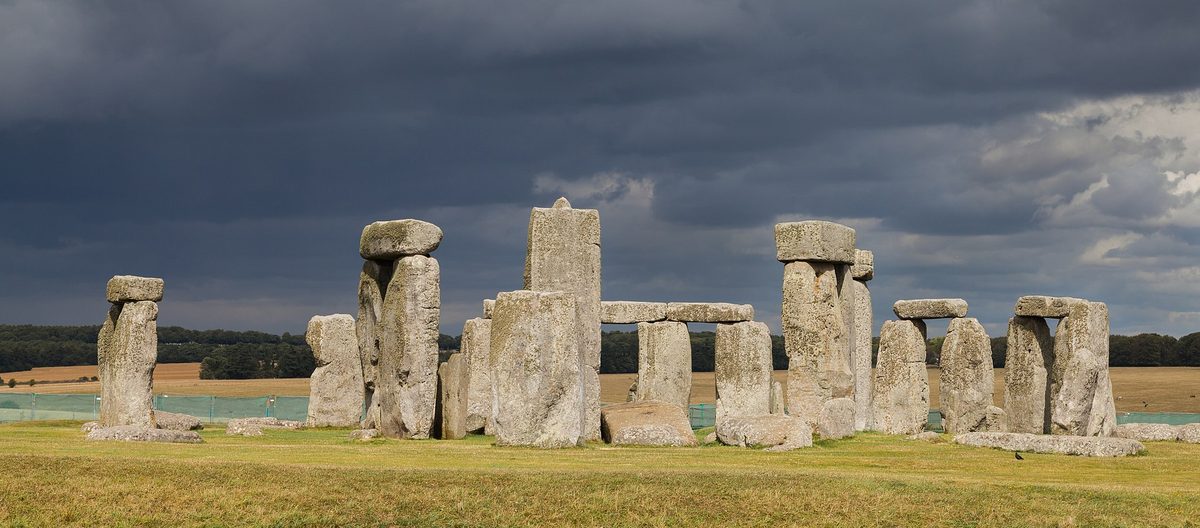
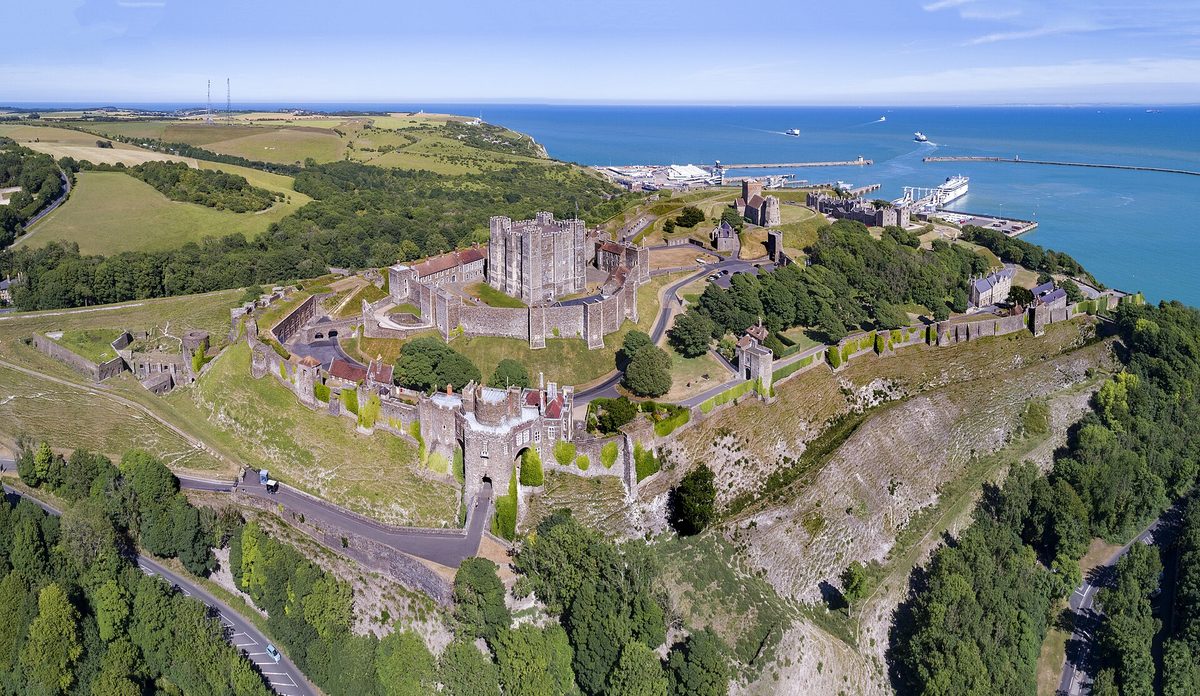
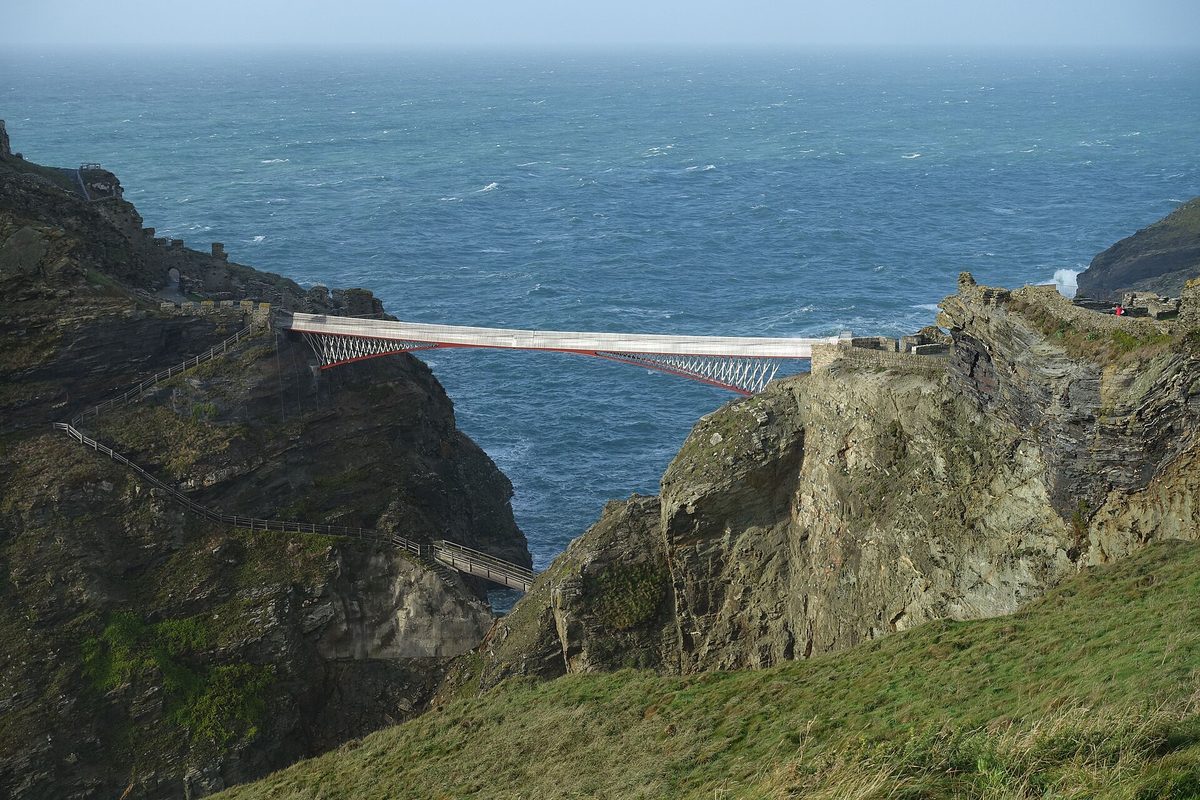
English Heritage is the one for the big, dramatic, old stuff. We’re talking the ruined and the fortified: Dover Castle with its secret wartime tunnels, Tintagel clinging to the Cornish cliffs with its Arthurian legend, Kenilworth where Elizabeth I was courted, Whitby Abbey looming over the harbour, and — the crown jewel — Stonehenge itself. There are Roman forts strung along Hadrian’s Wall and prehistoric sites that predate everything else by thousands of years.
It cares for over 400 historic places in all. The flavour skews ancient and martial: stone, ramparts, arrow-slits, atmospheric ruins you can clamber around. If your idea of a great day out is standing on a battlement imagining a siege, this is your organisation.
A few of these places charge a hefty single admission — Stonehenge in particular is not cheap on the door — which is exactly why membership or the pass makes sense if you’re visiting more than a couple. For my money, English Heritage is also the more family-friendly of the two on price: membership lets each adult bring up to six children under 18 free, every visit. With kids in tow, that changes the maths completely.
For where to actually point yourself, I’d send you to my guide to the best castles in England and, if Roman Britain is your thing, the rundown of Roman sites in England. Both lean heavily on English Heritage properties.
What the National Trust Actually Owns
The National Trust is a different mood entirely. Where English Heritage gives you ruins, the Trust gives you houses with the roof still on and the furniture still inside — grand country piles, often with the family silver, the libraries, the portrait-lined staircases, and acres of designed gardens around them. Chatsworth is privately run, but think of that kind of property and you’re in the right area: places like Petworth, Hardwick Hall, Cliveden’s gardens, Stourhead’s lake.
But the Trust is much more than houses. It’s the largest private landowner of its kind in the country, and a huge amount of what it protects is open coast and countryside — beaches, headlands, woodland, lakes. Membership over 500 places, and many of them are landscapes you’d never pay an entry fee for individually; the value there is the parking. Trust car parks at popular beaches and beauty spots can sting, and membership covers most of them.
The properties tend to be more recent than English Heritage’s — Georgian, Victorian, Edwardian rather than medieval. The collections, the tea rooms, the second-hand bookshops, the gardens at their seasonal peak: this is a gentler, greener, more domestic kind of history. If you’d rather wander a walled garden than scale a keep, you’re a Trust person.
For the houses specifically, see my guide to stately homes in England. And if your trip is partly about long walks and big views rather than buildings, the Trust’s coast and countryside holdings are doing a lot of quiet work in the background of any England travel guide.
English Heritage vs National Trust: The Break-Even Maths
This is the bit that actually decides it, and it’s simpler than people make it. Both memberships are, in effect, a bet: you pay a flat annual fee and gamble that you’ll visit enough paid sites to come out ahead.
Here’s how I run the numbers. Take the rough membership price — call it around £84 for English Heritage or around £100 for the National Trust as an individual in 2026 — and divide by a typical single adult admission. Big-ticket sites often run somewhere in the mid-teens to low twenties of pounds on the door, with the truly famous ones higher. So as a rough rule, an individual membership pays for itself somewhere around four to six paid visits in a year. A joint or family membership costs more upfront but the per-person break-even usually arrives even sooner, because you’re getting two adults (and, with English Heritage, all those free children) through the gate each time.
Three things that tilt the maths and that people forget:
Parking. With the National Trust especially, free parking at coast and countryside sites is a real, recurring saving that never shows up on an admission ticket. If you’re road-tripping the coast, factor it in.
Free landscapes. A chunk of what each organisation protects is free to enter anyway. Don’t count those toward your break-even — you’d have seen them without paying. The membership only “earns” against the sites that genuinely charge.
Time. A membership is an annual product. If you’re here for ten days, you’re paying a year’s price for a week and a half of use. That’s the whole reason the Overseas Visitor Pass exists, and it’s why a short-trip visitor should think twice before buying full annual membership.
If you want to sanity-check the rest of your budget while you’re at it, I keep a running breakdown in England budget and costs and a more detailed England trip cost planner.
The Overseas Visitor Pass (and Whether the National Trust Has One)
This is the single most useful thing I can tell a visiting tourist, so I’ll be specific.
English Heritage sells an Overseas Visitor Pass designed precisely for people who don’t live in the UK. You pick either a 9-day or a 16-day version, the days run consecutively from first use, and it gets you into over 100 staffed English Heritage sites — Stonehenge, Dover Castle, Tintagel and the rest. As of 2026, on the official site, it’s priced roughly like this: for the 25 March 2026 to mid-March 2027 period, around £58 (9-day) or £69 (16-day) for one adult, around £102 / £113 for two adults, and around £116 / £127 for a family of two adults and up to four under-18s. (For visits before late March 2026 the figures were a touch lower — around £56 / £66 for one adult.) English Heritage itself says you start saving after just two or three sites, and from my own sums that’s about right once Stonehenge is in the mix.
You buy it online, then collect it in person at any staffed site with your booking confirmation, your payment card, and proof you live overseas (a passport does the job). One catch worth knowing: it covers normal admission, but a few special evening or blockbuster events sit outside it or charge a member’s rate.
Now, the question everyone asks: does the National Trust have an equivalent for tourists? Short answer — not in the same overseas-only, made-for-visitors form. The Trust does sell a Touring Pass / Explorer Pass, a short-duration ticket (typically a few days up to a couple of weeks) that gets you into most Trust places with parking, and it’s available to anyone, not just overseas residents. It’s the closest thing they offer to a holiday pass. Separately, if you live in the US and want to support the Trust, there’s an affiliate called the Royal Oak Foundation that effectively gives you Trust access — worth a look if you’re American and Trust-leaning.
So for a one-or-two-week trip the practical picture is: English Heritage has a purpose-built tourist pass that’s genuinely good value; the National Trust has a more general short touring ticket. If your shortlist of must-sees is castle-heavy, the English Heritage pass is usually the easier win. Always price the current pass on english-heritage.org.uk and the Explorer Pass on nationaltrust.org.uk before committing, because both move with inflation.
For how these stack up against rail and transport savings, I’ve got a companion piece on England travel passes and railcards.
Who Should Buy Which
Let me sort the typical travellers I meet into camps, because the right choice really is that personal.

The castle-and-ruins lover. You want keeps, battlements, abbeys, Stonehenge, Hadrian’s Wall. Buy English Heritage. If you’re here short-term and from overseas, the Overseas Visitor Pass; if you live in the UK or you’re staying months, full membership. This is the clearest call there is.
The house-and-garden lover. You want grand interiors, collections, walled gardens at their seasonal best, a tea room and a bookshop. National Trust, no contest. The annual membership earns out quickly if you’re a homes-and-gardens completist, and the parking alone justifies it if you’re also walking the coast.
The short-trip visitor (one to two weeks). Lead with passes, not annual memberships. The English Heritage Overseas Visitor Pass is the obvious value if castles are your thing. If you’re more Trust-minded, look at the Explorer Pass. Either way, you almost never want to pay a full year’s membership for a fortnight’s use.
The family with kids. English Heritage’s free-child policy (up to six under-18s per adult, every visit) is hard to beat, and the sites — tunnels, battlements, dressing-up, open space to run — suit children well. If you’re a family who also loves gardens and big outdoor estates, the Trust’s family membership is strong too. Run both family prices against your actual itinerary.
The “I love all of it” traveller. If you’re spending real time here and you light up at both a ruined abbey and a Capability Brown landscape, buy both and be done. Together they unlock most of the historic-site map of England. I’ve justified the double spend on a long summer more than once and never felt short-changed.
If your trip is themed, that narrows it further. A Tudor England itinerary leans toward a mix, but a medieval England itinerary tilts hard toward English Heritage’s castles and abbeys. Match the card to the century you’re chasing.
Money-Saving Tips I’d Actually Use
A few habits that have saved me real money on both:
Don’t overlook the free sites. A surprising amount of England’s heritage costs nothing to begin with — unstaffed English Heritage ruins, free-to-roam Trust landscapes, town churches. Before you buy anything, check how much of your wish list is already free. I keep a whole guide to England’s free heritage sites for exactly this reason, and it can shrink the case for membership.
Cathedrals are a separate thing. This trips people up constantly: most of England’s great cathedrals are run by the Church of England, not by English Heritage or the National Trust. Your membership or pass won’t get you in, and many ask for a donation or admission of their own. Plan and budget for those separately — my guide to the best cathedrals in England has the detail.
Time your purchase. Both organisations run membership offers at points through the year, and prices typically rise in spring. If you’re joining as a UK resident, it can pay to buy just before you know you’ll use it heavily, or to catch a promotion.
Pay attention to what’s genuinely included. Free parking is the quiet hero — especially Trust car parks at honeypot beaches. Members’ events, guidebooks and reduced event entry add up too. Read the benefits list, not just the headline price.
Be honest about your itinerary. The single biggest money mistake is buying the membership that matches your aspirations rather than your actual plan. Write down the paid sites you’ll really visit, run the break-even, and let the number decide.
For somewhere to base yourself between all these days out, I’ve rounded up options in where to stay in England, and there’s more general planning help in my England travel tips.
All of this sits under the bigger picture of England’s castles and historic sites, which is where I’d start if you’re still mapping out the whole trip rather than just choosing a card.
Final Thoughts
After all the sums, the honest truth about English Heritage vs National Trust is that there’s no universal winner — there’s only the right fit for your trip. English Heritage is castles, ruins and ancient stone, with a tourist pass that’s a genuine bargain on a short visit. The National Trust is houses, gardens and coastline, quietly brilliant value if you’re here a while and driving between beauty spots.
Decide what makes you happiest to walk into — a battlement or a walled garden — then run the break-even against the sites you’ll actually visit. Lean on passes for short trips, full membership for long ones, and don’t be shy about buying both if you love it all. Whatever you choose, check the live prices on the official sites first. They’re the only numbers that are ever truly current.
Research and Source Notes
- English Heritage membership prices (2026): Taken from the official English Heritage “Join” page (english-heritage.org.uk/join), which at the time of writing listed individual adult membership at £84/year (£7/month), young adult/student at £44/year, joint adult at £149/year, senior at £72/year, joint senior at £116/year, and family options at £84 (one adult) and £149 (two adults), plus lifetime tiers. Figures hedged as “around” because English Heritage typically revises prices annually.
- English Heritage Overseas Visitor Pass: Verified directly against the official Overseas Visitor Pass page (english-heritage.org.uk/visit/overseas-visitors). Prices for 25 March 2026–16 March 2027: 1 adult £58 (9-day) / £69 (16-day), 2 adults £102 / £113, family £116 / £127; the prior 1 April 2025–24 March 2026 period was 1 adult £56 / £66, 2 adults £99 / £109, family £112 / £122. The page states the pass covers over 100 staffed sites, runs for consecutive days, requires proof of overseas residency to collect, and that savings begin after roughly two to three sites.
- National Trust membership prices (2026): Taken from the official National Trust membership page (nationaltrust.org.uk/membership), which listed individual adult at £100.80/year (£8.40/month), young person (18–25) at £50.40/year, junior at £12/year, joint at £168/year (£14/month), family at £176.40 (two adults) and £109.20 (one adult), plus lifetime tiers. The page notes free entry to over 500 places and free parking at most National Trust car parks. Hedged as “around” for the same annual-increase reason.
- National Trust tourist options: The Explorer Pass / Touring Pass and the Royal Oak Foundation (US affiliate) are referenced on nationaltrust.org.uk; the key point verified is that the Trust offers no overseas-only equivalent to English Heritage’s Overseas Visitor Pass.
- Comparative context: Background on the relative focus of each organisation (English Heritage = castles, abbeys, prehistoric and Roman sites, 400-plus places; National Trust = houses, gardens, coast and countryside, 500-plus places) cross-checked against general comparison coverage and both organisations’ own descriptions.
- A note on figures: All prices in this article are deliberately hedged as approximate “as of 2026” values. Both English Heritage and the National Trust adjust their pricing periodically (usually in spring), and special offers come and go. Always confirm the current price on english-heritage.org.uk and nationaltrust.org.uk before purchasing. Cathedral admissions are set separately by the Church of England and are not covered by either membership.
Photo Credits
- Stonehenge at dawn, the headline English Heritage site in any English Heritage vs National Trust comparison — Photo: Diego Delso / CC BY-SA 4.0 via Wikimedia Commons. Source
- Dover Castle, an English Heritage stronghold above the white cliffs of Kent — Photo: Chensiyuan / CC BY-SA 4.0 via Wikimedia Commons. Source
- Tintagel Castle in Cornwall, an English Heritage site covered by the Overseas Visitor Pass — Photo: Kmtextor / CC BY-SA 4.0 via Wikimedia Commons. Source
- Kenilworth Castle, an English Heritage ruin where Elizabeth I was once courted — Photo: DeFacto / CC BY-SA 4.0 via Wikimedia Commons. Source
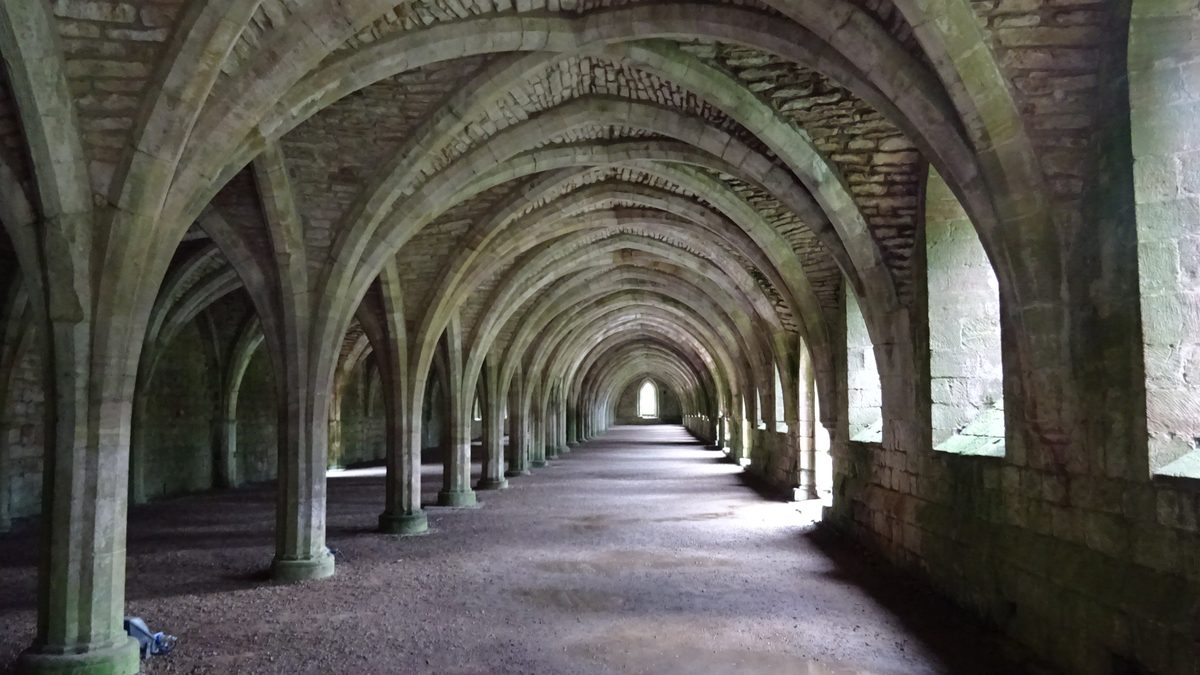
- Fountains Abbey in Yorkshire, a vast ruined monastery in National Trust care — Photo: Rosser1954 / CC BY-SA 4.0 via Wikimedia Commons. Source
Frequently asked questions
Is English Heritage or National Trust better value for tourists?
For a short visit, English Heritage usually wins on value because of its purpose-built Overseas Visitor Pass, which covers castles and Stonehenge for 9 or 16 days from around £58 in 2026. The National Trust shines for longer stays and anyone road-tripping the coast, where its free parking and 500-plus places add up. Match it to your itinerary.
Does the National Trust have an Overseas Visitor Pass like English Heritage?
Not an identical, overseas-only one. The National Trust sells a short Touring or Explorer Pass that gives a few days' to a couple of weeks' access to most of its places, but it isn't restricted to tourists. US residents can also support the Trust via the Royal Oak Foundation. English Heritage's tourist pass remains the more travel-specific option.
How much is English Heritage membership in 2026?
As of 2026, individual adult membership is around £84 a year (about £7 a month), with a joint adult membership around £149 and discounted senior and young-adult rates. Up to six children per adult go free. Always confirm the current figure on english-heritage.org.uk, as prices are usually adjusted each spring.
How much does National Trust membership cost?
In 2026, individual adult membership runs around £100 a year (roughly £8.40 a month), with joint membership around £168 and family options above that. Junior and young-person rates are cheaper. Members get free entry to over 500 places plus parking. Check nationaltrust.org.uk for the live price before joining, as rates change annually.
Can I use one membership at both English Heritage and National Trust sites?
No. They are two separate charities with separate memberships and passes, and one will not get you into the other's sites. If you want full access to both castles and stately homes, you'll need to join both or buy both passes. Many keen visitors on longer trips do exactly that.
How many visits do I need to make membership worth it?
As a rough rule, an individual membership with either organisation pays for itself somewhere around four to six paid adult visits a year, and often sooner for couples and families. Don't count free-to-enter sites toward that total. For a one-or-two-week trip, a short-term pass almost always beats full annual membership.