Sheet 80 · England by Train and Transport · 17 min read
England Travel Passes and Railcards
England travel passes decoded: which UK railcard saves most, Oyster vs contactless in London, PLUSBUS, rovers and the bus fare cap, with a table.
 Sheet 80
Contents 8 sections
The phrase “England travel passes” gets used for two completely different things, and confusing them costs people money. There are railcards — small annual cards that knock a third off train fares — and there are city transport cards like London’s Oyster. Both are worth understanding before you go. Neither is the same as a sightseeing pass, and that distinction matters more than you’d think.
I’ve bought most of these over the years, watched friends overpay for the wrong one, and worked out which actually earn their keep. This is the plain-English version: what each pass does, who it suits, roughly what it costs, and the catches nobody mentions until you’re standing at a barrier. Where prices appear, treat them as approximate and current “as of 2026” — fares move, so confirm the live number before you buy.
Quick Answer: Which England Travel Passes Actually Matter?
For most trips, you need at most two things. First, a National Railcard (around £30–35 a year) if you’ll take more than a couple of intercity trains — it gives 1/3 off and pays for itself fast. Second, in London, just tap a contactless card or phone; it caps automatically and beats buying an Oyster. Add PLUSBUS or a regional rover only if your trip calls for it. That’s genuinely it.
If you remember only one thing, make it this: railcards are for the national rail network and save you a third on fares; Oyster and contactless are only for London (and a slice of the South East); and a “London Pass”-style sightseeing card is not a transport pass at all. Keep those three buckets separate and you’ll never buy the wrong thing.
This guide sits inside our broader getting around England hub. If you want the mechanics of buying ordinary train tickets — Advance vs Off-Peak vs Anytime — that lives in the England train travel guide, not here. And if you’re weighing a whole-country rail pass against point-to-point tickets, go straight to BritRail Pass vs individual train tickets; I won’t redo that math below. This article is railcards plus city cards, and nothing else.
UK Railcards: The One-Third-Off Cards Worth Owning
A railcard is the single best-value piece of plastic (well, usually a digital card now) in British travel. You pay roughly £30 for the year — most are around £35 as of 2026, with a three-year version at about £80 — and in return you get 1/3 off most Off-Peak fares across Great Britain. There are several flavours, each aimed at a different traveller, but the core deal is identical: a third off, with a few time and minimum-fare rules.
Here’s the run-through.
16-25 Railcard (the Student card)
Despite the “student” nickname, you don’t have to be a student — you just have to be 16 to 25, or a mature student aged 26+ in full-time education. Around £35 a year (or about £80 for three years, which is the obvious play if you’re 22 and staying young for a while). The catch: before 10:00 on weekdays there’s a minimum fare of around £12, so it won’t discount cheap peak commuter hops. Outside that, a third off everything. For anyone in this age band it’s close to a no-brainer.
26-30 Railcard
The “millennial railcard.” Same deal as the 16-25 — about £35, 1/3 off, the same roughly-£12 weekday-morning minimum fare. It’s digital only and lives in the official Railcard app on your phone. If you’ve just aged out of the 16-25 card, this is the seamless continuation.
Two Together Railcard
My favourite bit of value on the list. Two named adults — any two, partners, friends, a parent and adult child — get 1/3 off when travelling together. Around £35 for the pair for the year. The only rule worth noting is that you must be travelling together to use it, and there’s generally no peak restriction outside the London commuter belt. Two adults travelling together? The Two Together Railcard pays for itself in about two intercity journeys. It’s the one I most often nudge couples toward.
Family & Friends Railcard
Built for groups with kids. Up to four adults get 1/3 off and up to four children (aged 5–15) get 60% off on the same journey. Around £35 a year. You don’t all have to be related, and the adults and children just need to travel together. If you’re doing even one family day out by train — say a day trip from London to the coast — the child discount alone usually clears the cost. Essential reading if you’re travelling England with kids.
Senior Railcard
If you’re 60 or over, this is the easy win. About £35 a year, 1/3 off Off-Peak fares, three-year option around £80. The Rail Delivery Group reckons typical holders save well over £100 a year, and it pays for itself in roughly three journeys. There’s no minimum-fare faff on most routes. For older travellers it’s arguably the best-value pass in the country.
Network Railcard
The regional outlier. The Network Railcard covers the South East of England — London and 16-odd surrounding counties — rather than the whole of Britain. Around £35 a year, 1/3 off for you plus up to three other adults and up to four children (60% off for kids). The catches are stricter here: it’s not valid before 10:00 on weekdays, and a minimum fare of around £13 applies to weekday journeys. If your trip is built around London-area days out, it can be excellent value; for long intercity hops it’s the wrong card.
Disabled Persons Railcard
For travellers meeting the eligibility criteria, this gives 1/3 off for you and a companion travelling with you — genuinely useful, because it discounts two fares at once. It’s also the cheapest card on the list, typically around £20 a year (or roughly £54 for three years). There’s no time restriction on most journeys. If it might apply to you, start with our accessible England travel guide, then apply via the official Railcard site.
The railcard comparison table
| Railcard | Who it’s for | Rough cost (2026) | What you save | The catch |
|---|---|---|---|---|
| 16-25 (Student) | Anyone 16–25, or mature students 26+ | ~£35/yr (~£80/3yr) | 1/3 off Off-Peak | ~£12 min fare before 10:00 on weekdays |
| 26-30 | Anyone 26–30 | ~£35/yr | 1/3 off Off-Peak | ~£12 weekday-morning min fare; app only |
| Two Together | Two named adults travelling together | ~£35/yr (the pair) | 1/3 off for both | Must travel together |
| Family & Friends | Up to 4 adults + 4 children together | ~£35/yr | Adults 1/3 off, kids (5–15) 60% off | Must travel together |
| Senior | Anyone 60+ | ~£35/yr (~£80/3yr) | 1/3 off Off-Peak | Few; great all-rounder |
| Network | South East England day-trippers | ~£35/yr | 1/3 off (you + up to 3 adults, 4 kids) | South East only; ~£13 min fare, no use before 10:00 weekdays |
| Disabled Persons | Eligible disabled travellers | ~£20/yr (~£54/3yr) | 1/3 off for you + a companion | Eligibility criteria apply |
Prices are approximate and “as of 2026.” Always confirm the current figure on the official Railcard site before buying.
There are a couple of others in the family — a 16-17 Saver (50% off for that age band) and a Veterans Railcard — but the seven above are the ones most travellers will reach for.
How to buy and use a railcard
It’s painless. Buy online at the official Railcard site or through the Railcard app, and you’ll usually get a digital railcard that lives on your phone — no waiting for post. You can still get a plastic version if you prefer. To use it: when you book train tickets, select your railcard so the 1/3 discount is applied to the fare, then carry the card (digital or physical) to show on board if asked. A quick steer worth knowing: with a Tesco Clubcard you can often convert points into a railcard at double value, effectively halving the price — easily the cheapest route if you shop there.
Is a Railcard Worth It? A Worked Break-Even
This is the question I get most, so let’s do the maths properly rather than hand-wave.
A railcard costs about £35 and gives 1/3 off. The break-even point is simply: how much do you need to save to recover £35? Since you save a third of each fare, you need to spend roughly £106 on discounted fares to claw back the £35 — but it’s much easier to think in journeys.
Worked example. Say a typical intercity return — London to York, or Manchester to London — costs around £60 Off-Peak. A third off saves you £20 on that trip. So:
- After 1 trip: saved ~£20 (card has cost you £35 — not yet ahead)
- After 2 trips: saved ~£40 (now £5 ahead — break-even hit somewhere in trip 2)
- After 3 trips: saved ~£60 (comfortably £25 ahead)
So on intercity fares, a railcard typically pays for itself within two to three return journeys. On shorter, cheaper hops it takes longer — if your usual fare is only £12, a third off saves £4, and you’d need around nine trips. That’s the honest nuance: the card shines on longer, pricier routes and on Off-Peak travel, and matters less if you only ever take short cheap journeys.
My rule of thumb: if you’ll take even two proper intercity trips in a year — or any combination that totals around £105+ in fares — buy the card. For most visitors building an England itinerary with a few city-to-city legs, the answer is an easy yes. If you’re trying to keep a tight budget, the railcard is one of the first levers I’d pull; see our England budget costs breakdown for where the rest of the money goes.
One thing a railcard does not do: it doesn’t decide the Britain-wide-pass question for you. Whether a flat-rate BritRail Pass beats buying discounted point-to-point tickets depends on your route and pace — that’s a different calculation entirely, and it’s all laid out in BritRail Pass vs individual train tickets.
London: Oyster vs Contactless vs Travelcard
Now to the city cards — and London is the one that confuses people most. There are three ways to pay for London transport, and the good news is the cheapest one is also the simplest.
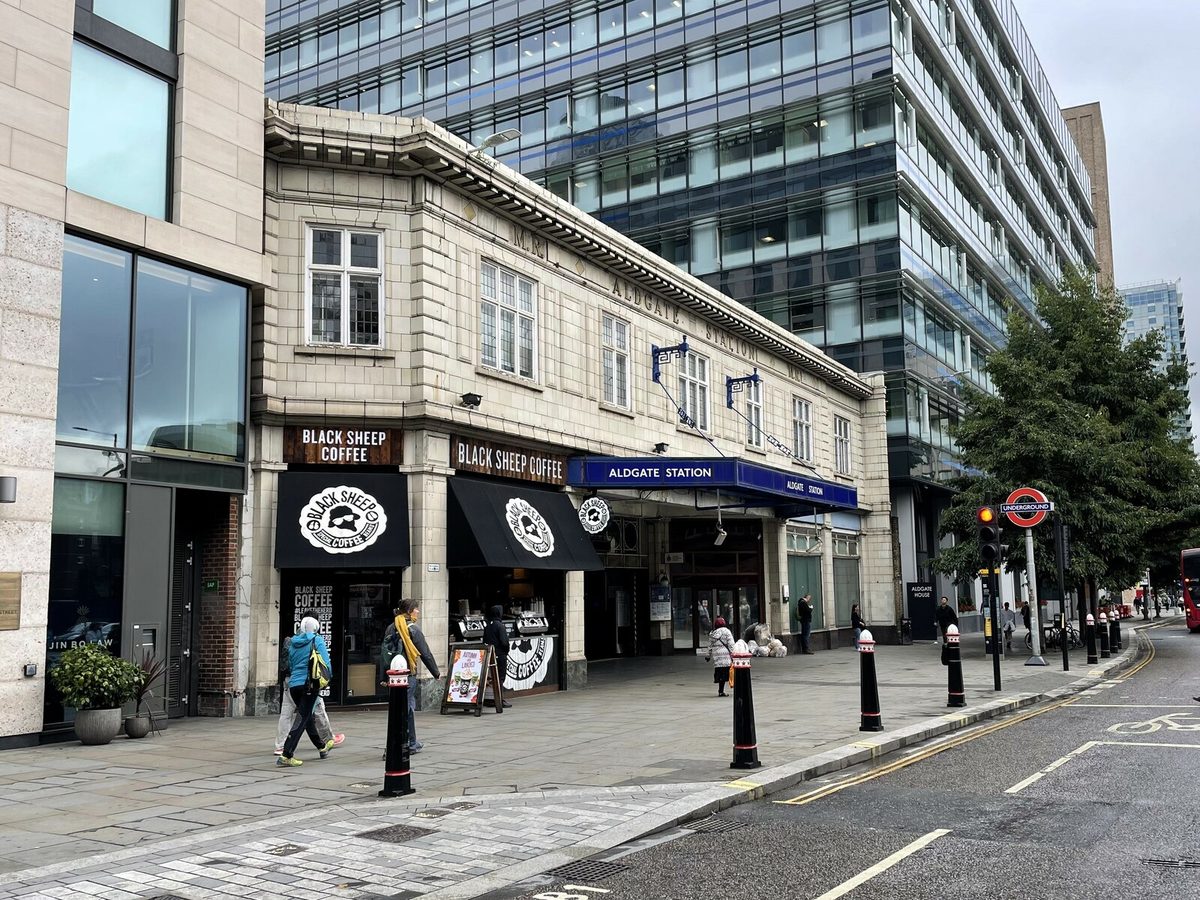
Just tap contactless — usually the simplest answer
For the overwhelming majority of visitors, the best way to pay in London is to tap a contactless debit/credit card, or your phone or watch, at the yellow reader. You don’t buy anything, you don’t top anything up, and you pay exactly the same fares as Oyster — including the all-important caps.
Here’s why it wins: an Oyster card now costs around £7 just to obtain (a non-refundable fee on top of your fares), whereas contactless costs you nothing extra. Same fares, no card fee, no top-up dance. For most people, the right answer to “Oyster vs contactless London” is: don’t overthink it — tap contactless.
The one caveat: if your bank charges foreign-transaction fees on overseas card use, a string of small London taps could rack up charges. If that’s you, a pre-loaded Visitor Oyster (below) can be the cheaper route despite the card fee. Use a fee-free travel card and contactless wins outright.
The caps that make it effortless
The reason you don’t need a Travelcard anymore is fare capping. Whether you use Oyster or contactless, the system totals your taps and stops charging once you hit a daily or weekly ceiling. As of 2026, rough figures:
- Daily cap, Zones 1–2: around £8.90
- Daily cap, Zones 1–6: around £16.30
- Bus & tram daily cap: around £5.25 (buses don’t use zones)
- Weekly cap, Zones 1–2: around £44.70 (reported frozen until 2027)
The weekly cap runs Monday to Sunday, which matters: contactless gives you the weekly cap automatically across that window, so a busy week of sightseeing self-limits. There’s also a Hopper fare — tap a bus, and any further bus/tram journeys within about an hour are free. All of this happens with no thought from you. For the full city picture, see London public transport for tourists.
Paper Travelcard — mostly obsolete
A paper Travelcard (a fixed-period pass for unlimited travel in chosen zones) still exists, but for most visitors it’s now the worst-value option, because contactless caps already deliver the “travel as much as you like” benefit without an upfront purchase. The narrow case where a 7-Day Travelcard loaded on an Oyster still helps: a mid-week trip where you’d otherwise pay for several days but not hit the Monday–Sunday weekly cap. Otherwise, skip it.
Visitor Oyster — pros and cons
The Visitor Oyster card is a pre-loaded Oyster you can buy before you arrive (often posted to you), bundled with some attraction discounts. Honest take:
Pros: lets you set a fixed travel budget (handy for kids or for controlling spend); dodges foreign-transaction fees if your bank charges them; comes with a small booklet of offers; and crucially, it supports child discounts that contactless can’t. You can keep it for future visits.
Cons: there’s a non-refundable card fee; you have to top it up; leftover credit can be a faff to reclaim; and for most adults it’s simply more steps than tapping a card you already own. I’d only choose it over contactless if foreign fees are a real concern, or you specifically want the child discount below.
Children travelling free in London
A genuinely lovely quirk: children under 11 travel free on the Tube, buses, trams, DLR, Overground and most National Rail in London when accompanied by a fare-paying adult — no ticket needed. For ages 11–15, contactless offers no discount, but a Visitor Oyster with a “Young Visitor Discount” set on it gives roughly 50% off — which is exactly the scenario where a Visitor Oyster earns its place. Families, take note: this can save a meaningful chunk over a week. More on the wider planning in our London travel guide.
Regional Passes, PLUSBUS and the Bus Fare Cap
Outside London, the kit changes. Here’s what’s worth knowing.
PLUSBUS: add bus travel to your train ticket
PLUSBUS is a neat add-on that bolts unlimited local bus (and sometimes tram) travel onto your train ticket for the town or city you’re visiting. Buy it alongside your rail ticket — online, at a station ticket office, or increasingly as an eTicket now that it’s gone digital across most of England. Day tickets start from around £2.50, kids under 16 get 50% off, and railcard holders get 1/3 off the PLUSBUS price too. There are no time restrictions, so you hop on and off all day.
It’s available in 280-plus towns and cities across Britain. Where it shines: arriving in a city like York, Bath or Cambridge and wanting to reach an out-of-centre sight without working out individual bus fares. The one rule — you can’t use PLUSBUS as the whole journey between two stations inside the same PLUSBUS zone. For wider context on coaches and buses between towns, see England coach travel and travelling around England without a car.
Rover and Ranger day tickets
Rover and Ranger tickets give unlimited Off-Peak rail travel within a defined region — a Ranger usually for a single day, a Rover often across several days (sometimes “3 days in 7”). They’re brilliant for hub-and-spoke exploring: base yourself somewhere and bounce between towns on one ticket. Many regional versions bundle local bus and tram travel too — Nottingham’s Robin Hood ticket is a classic, covering rail, bus and tram in the area. Buy them on the day or in advance at a station ticket office. If your day involves three or more train hops in one region, a Ranger frequently beats separate tickets.
National-park bus day tickets
In England’s national parks — think the Lake District, Peak District, the Dales or Exmoor — local operators often sell all-day “explorer” bus tickets that let you ride scenic routes between villages and trailheads as much as you like for a flat day rate. These aren’t sold by National Rail; you buy them from the bus operator (on board or via their app). For car-free walkers they’re invaluable, and they pair naturally with arriving by train and tapping into the network.
The England £3 bus fare cap
One of the simplest money-savers going: across most of England outside London, there’s a government £3 cap on single adult bus fares — no single journey on participating services costs more than around £3. As of 2026 this scheme has been extended through to March 2027 (confirm it’s still running when you travel, as these schemes get reviewed). It makes spontaneous bus travel cheap and predictable, and it’s separate from London, which runs its own flat bus fare and the bus daily cap noted above.
A Quick Decision Framework
Don’t overthink it. Run down this list:
- Taking two or more intercity trains this year? → Buy a National Railcard that fits you (Senior, 16-25, Two Together, Family & Friends…). It’ll pay for itself.
- Spending time in London? → Just tap contactless. Don’t buy anything. (Exception: foreign-fee bank, or kids aged 11–15 → consider a Visitor Oyster.)
- Kids under 11 in London? → They travel free. No ticket.
- Visiting a city and need local buses from the station? → Add PLUSBUS to your train ticket.
- Exploring one region by train for a day or more? → Look at a Rover/Ranger ticket.
- Riding buses outside London? → Relax — the £3 single-fare cap has you covered.
- Want a sightseeing/attractions pass? → That’s a different product (see below), not a transport pass.
That’s the whole decision tree. Most visitors end up with a railcard plus “tap contactless in London,” and they’re done.
Attraction Passes Are NOT Transport Passes
This trips people up constantly, so let me be blunt: a “London Pass”-style sightseeing card — the kind bundling entry to the Tower of London, a river cruise, a viewing platform and so on — is an attractions pass, not a transport pass. Some versions toss in a travel add-on, but their core purpose is discounted sightseeing entry, not getting you around.
So if your goal is cheap, simple transport, the answer is a railcard and/or contactless in London — not a sightseeing pass. If your goal is to cram lots of paid attractions into a few days, an attractions pass might pay off, but evaluate it purely on the entry fees you’d otherwise pay, entirely separately from how you’ll travel. Mixing the two is how people end up double-paying. For planning what’s actually worth visiting, start with best places to visit in England.
Final Thoughts
Strip away the jargon and England travel passes come down to a short, friendly list. Get a railcard if you’ll take more than a couple of trains — it’s the easiest third you’ll ever save. In London, tap contactless and let the caps do the work, reaching for a Visitor Oyster only for foreign fees or kids’ fares. Bolt on PLUSBUS or a Rover where your route asks for it, lean on the £3 bus cap outside the capital, and never mistake a sightseeing pass for a transport one.
Do that and you’ll travel England cheaply and smoothly without overthinking a single barrier. For the bigger picture, our England transport hub ties the trains, coaches, airport transfers and city options together — and if you’re still shaping the trip itself, the England travel guide, England travel tips and best time to visit England are the natural next reads. One more for the wallet: how much an England trip costs.
Research and Source Notes
This guide was researched against official and primary UK sources, current as of June 2026. Prices are deliberately hedged as “around” or “as of 2026” because rail fares, caps and the bus-fare-cap scheme are periodically reviewed — always confirm the live figure before buying.
- National Railcards (types, ~£35 annual / ~£80 three-year pricing, 1/3-off benefit, minimum fares, eligibility): Railcard.co.uk and National Rail (nationalrail.co.uk/railcards). Minimum-fare and time-restriction details (e.g. ~£12 for 16-25/26-30 before 10:00; ~£13 and 10:00 rule for Network) cross-checked against the individual railcard sites.
- Oyster vs contactless, caps and Visitor Oyster (daily/weekly caps ~£8.90 Z1–2 and ~£44.70 weekly, card fees, child travel under 11 free, 11–15 Young Visitor Discount, Hopper fare): Transport for London (tfl.gov.uk) and Visit London / TfL Visitor Shop.
- PLUSBUS (how it works, ~£2.50+ day tickets, railcard and child discounts, eTicket rollout, 280+ areas): National Rail and PlusBus.info.
- Rover and Ranger tickets (unlimited regional Off-Peak travel, bus/tram bundling): National Rail (Ranger and Rover ticket pages).
- England £3 bus fare cap (single-fare cap, extension to March 2027): GOV.UK and confirming operator/industry announcements.
Figures are approximate and for orientation only; check the official sites linked above for exact, up-to-date prices before you travel.
Photo Credits
- England travel passes: a blue London Oyster card held in front of an Underground roundel — Photo: Tomhannen (CC0) via Wikimedia Commons. Source
- A National Rail intercity train at the platform, the kind of journey where a UK railcard pays off — Photo: Jar.ciurus / CC BY-SA 3.0 pl via Wikimedia Commons. Source
- London Underground ticket barriers, where you tap a contactless card or Oyster to travel — Photo: Nigel Thompson / CC BY-SA 2.0 via Wikimedia Commons. Source
- Tapping a contactless card to pay on an England bus, where a £3 single-fare cap applies — Photo: Jeffrey Hayes (CC0) via Wikimedia Commons. Source
- A London Underground roundel — the symbol of the network where contactless and Oyster reign — Photo: Julian Osley / CC BY-SA 2.0 via Wikimedia Commons. Source
Frequently asked questions
Is a UK railcard worth it for tourists?
Usually yes. A National Railcard costs around £35 and gives 1/3 off most Off-Peak fares, so it pays for itself in about two to three intercity return journeys. If your trip includes a few city-to-city train legs, buy one. It's only marginal if you'll take just one short, cheap hop the whole visit.
Should I use Oyster or contactless in London?
For most visitors, contactless wins. Tap a contactless card, phone or watch and you pay identical fares to Oyster — including the same daily and weekly caps — with no card fee and no topping up. Only choose a (Visitor) Oyster if your bank charges foreign-transaction fees, or you need the child discount for ages 11–15.
Do children travel free on London transport?
Children under 11 travel free on the Tube, buses, DLR, trams, Overground and most National Rail in London when with a fare-paying adult — no ticket needed. Ages 11–15 get roughly 50% off, but only via a Visitor Oyster set with a Young Visitor Discount, since contactless doesn't support child fares.
What is PLUSBUS and how does it work?
PLUSBUS adds unlimited local bus and tram travel for your destination town onto your train ticket. Buy it with your rail ticket online or at a station, often as an eTicket. Day tickets start around £2.50, with 50% off for under-16s and 1/3 off for railcard holders. It's sold in 280-plus places across Britain.
How much is the bus fare cap in England?
As of 2026, most single adult bus fares in England outside London are capped at around £3 on participating services, under a government scheme reported to run until March 2027. It makes bus travel cheap and predictable. London is separate, with its own flat bus fare and a bus daily cap of roughly £5.25.
Is a London Pass a transport pass?
No. A London Pass-style card is a sightseeing/attractions pass — it covers entry to museums, towers and tours, not your everyday transport. Some bundle a travel extra, but judge them on attraction entry fees alone. For getting around, use a railcard and/or contactless; don't rely on a sightseeing pass for transport.