Sheet 91 · First-Time England Planning Guide · 13 min read
England Trip Cost Planner
A real England trip cost planner with itemised £ prices, sample daily budgets, and worked 7/10/14-day totals for solo, couple & family travellers (2026).
 Sheet 91
Contents 11 sections
I have planned and paid for this trip more than once, and made most of the money mistakes so you don’t have to. England is wildly flexible: instant noodles and free museums, or boutique hotels and afternoon tea — both make lovely trips. You just need the real numbers first.
A typical England trip cost for a mid-range traveller lands around £150–£230 per person, per day (roughly $190–$290), or about £1,050–£1,600 for a week before international flights. Shoestring travellers can do it near £70–£90 a day; luxury easily passes £450. Below I break down every line item, then build full worked totals for 7, 10 and 14 days.
Every figure here is a real 2026 price range, hedged where it should be, with rough dollar conversions at about £1 = $1.27. Currency moves, so treat dollars as a ballpark.
Quick Answer: England Trip Cost at a Glance
If you want one sentence: budget about £70–£90 a day to scrape by, £150–£230 a day to travel comfortably, and £450+ a day to do it in style — and then add international flights and the £20 ETA on top. The single biggest swing factors are your accommodation and how often you eat in sit-down restaurants. Sort those two out and the rest is noise.
Here is how the daily numbers break down by travel style. These are per person (couples share rooms, so their accommodation cost roughly halves per head — I account for that in the totals later).
| Daily budget (per person) | Shoestring | Mid-range | Luxury |
|---|---|---|---|
| Accommodation | £25–£45 (hostel/dorm) | £70–£120 (3-star, shared) | £200–£400+ (boutique/4–5-star) |
| Food & drink | £15–£25 | £40–£70 | £90–£180+ |
| Local transport | £6–£10 | £10–£18 | £25–£60 (taxis) |
| Attractions & activities | £0–£15 | £20–£40 | £60–£120 |
| Daily total | £46–£95 | £140–£248 | £375–£760+ |
| In USD (≈£1=$1.27) | $58–$121 | $178–$315 | $476–$965+ |
A couple of honest notes. The shoestring column assumes you lean hard on England’s free museums (the British Museum, National Gallery, Tate Modern and many more are free) and supermarket “meal deals.” The luxury column has no real ceiling — a single tasting-menu dinner in London can eat a whole shoestring day in one sitting.
For the wider context — average spend, how England compares to other European destinations, and the philosophy of budgeting here — see the parent overview, the England trip cost breakdown. This page is the hands-on planner with the worked sample totals.
International Flights: Your Biggest Single Cost
For most overseas visitors, the flight is the largest single line in the whole budget, and it’s the one with the widest range. As of 2026, here’s what I’m seeing:
- US East Coast to London (e.g. New York–Heathrow), economy round-trip: around £395–£550 ($500–$700) if booked a few months ahead in shoulder season. Peak summer (June–August) is brutal right now — fares have been running £1,340–£1,650 ($1,700–$2,100) round-trip, partly on higher fuel costs.
- US West Coast: add roughly £160–£320 ($200–$400) over East Coast fares.
- Canada (Toronto/Montreal): broadly similar to the US East Coast.
- Within Europe: budget carriers can be absurdly cheap — sometimes £30–£80 round-trip — if you travel light and avoid school holidays.
My blunt advice: be flexible on dates and you can halve this number. Shifting from mid-July to late August or September is often 30–40% cheaper. Booking three to four months ahead for peak season matters; last-minute peak fares can run 50% higher. I always price the flight first, because it sets the tone for everything else.
The UK ETA: A Fixed £20 Entry Cost
Don’t forget this one, because it’s new and easy to miss. As of April 8, 2026, the UK Electronic Travel Authorisation (ETA) costs £20 per person (about $25), up from £16. It applies to most visa-exempt visitors — Americans, Canadians, Australians, EU citizens and dozens more — and everyone needs their own, including babies. A family of four therefore pays £80. One ETA covers multiple trips for two years (or until your passport expires), so amortise it if you’re a repeat visitor. I cover the application process in detail in my guide to the UK ETA for tourists — budget it as a fixed, non-negotiable entry cost.
Accommodation: Where Your Money Really Goes
After flights, this is the line that defines your trip. Prices vary enormously by city (London is the outlier) and season. Per-night ranges for 2026:
| Accommodation type | London | Rest of England |
|---|---|---|
| Hostel dorm bed | £25–£45 | £16–£30 |
| Budget hotel / Premier Inn-style | £80–£130 | £55–£95 |
| Mid-range 3-star double | £120–£200 | £75–£130 |
| Boutique / 4-star double | £200–£350 | £130–£220 |
| Luxury / 5-star | £350–£800+ | £200–£400+ |
A few things I’ve learned the hard way. London hotel prices have crept up — averaging around £210 ($267) a night across the board in 2026, up about 4% on last year. The single best money lever for a couple or family is a self-catering flat or Airbnb outside the dead-centre, especially for stays of three nights or more. And reliable budget chains (Premier Inn, Travelodge, ibis) are genuinely fine — clean, central-ish, and predictable, which is worth a lot.
For a proper breakdown of neighbourhoods, chains and trade-offs, see bases and accommodation in England and, for the capital specifically, where to stay in London for tourists.
Food & Drink: From £15 to £180 a Day
This is the most controllable cost in the whole trip, which is why it swings so hard between budget styles. Here’s roughly what each meal costs, and the daily totals that fall out of it.
Self-catering / supermarket route (~£15–£25/day):
– Supermarket “meal deal” (sandwich, snack, drink): £3.60–£5
– Bakery pastry or coffee: £2–£4
– Cooking dinner from a Tesco/Sainsbury’s shop: £4–£7 a head
Pub and casual route (~£30–£55/day):
– Pub main course: £12–£18
– Pint of beer: £5–£7 (more in central London)
– Fish and chips: £9–£15
– Café breakfast: £8–£14
Restaurant route (~£60–£180+/day):
– Mid-range restaurant main: £18–£30
– Three-course dinner with wine: £45–£80 a head
– Afternoon tea at a smart hotel: £45–£90 a head
– Tasting menu in London: £100–£250+
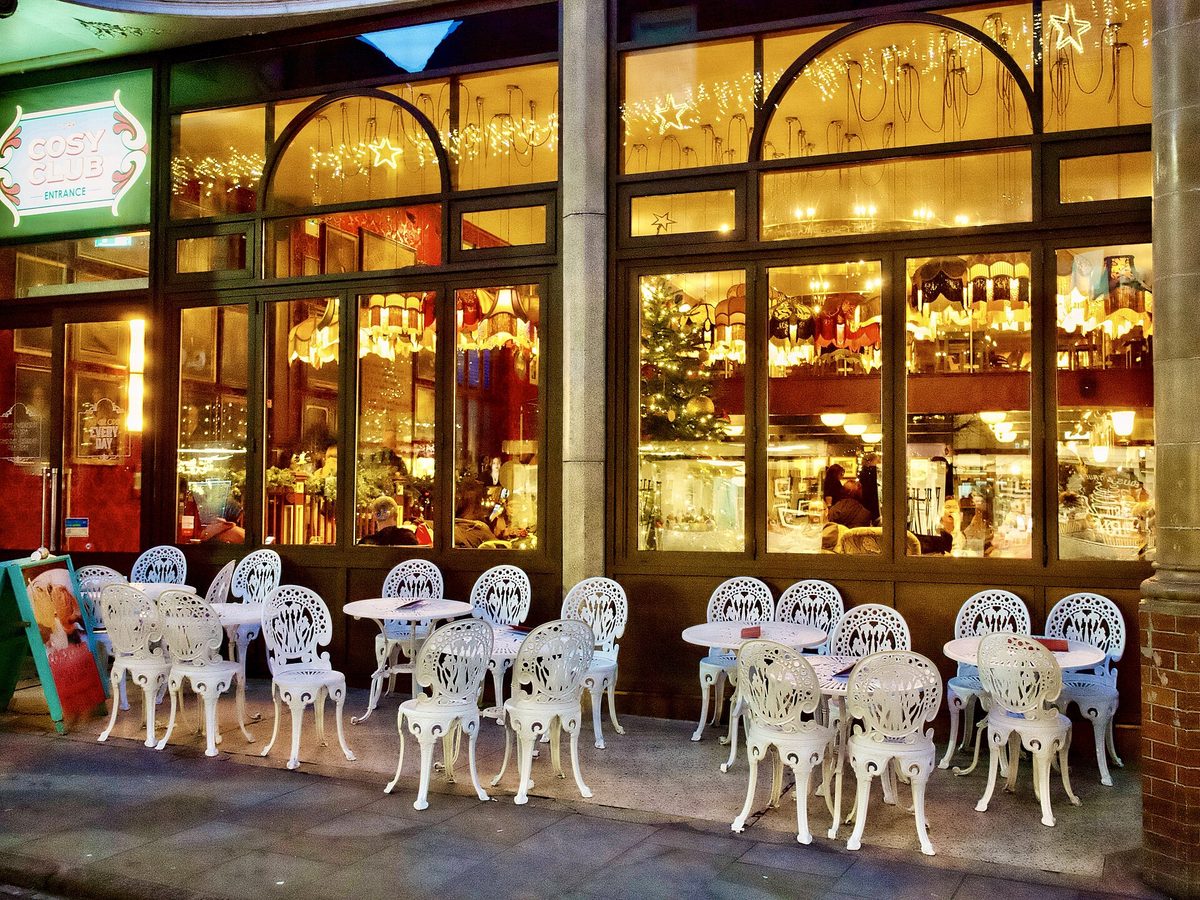
My honest play: I eat a big pub lunch (better value than dinner — many pubs do cheaper lunch menus), graze on a meal deal or market food for one meal, and save the proper restaurant splurge for every second or third night. A market lunch at somewhere like Borough Market runs £5–£12 and is half the fun. If food and pubs are a priority, my food and pubs guide goes deep.
A quick word on tipping so you can budget correctly: it’s lighter than in the US, and many restaurants add a 12.5% service charge automatically — check before you double-tip. I keep the full etiquette to my travel tips page rather than re-explaining it here.
Getting Around: Trains, Tubes and Buses
England’s transport is excellent but priced like a stock exchange — book early and it’s cheap, walk up on the day and it stings.
Intercity Trains
Fares are demand-priced. The golden rule: advance tickets, booked up to 12 weeks ahead, are dramatically cheaper than walk-up “Anytime” fares. Some real 2026 examples (one-way, standard class):
- London → Edinburgh: advance from £19.90 on Lumo or £34.40 on LNER; walk-up Anytime fares can hit ~£205. Yes, really — that’s a 10x spread.
- London → Bath: around £35 off-peak, up to £85 at peak times.
- London → York: advance fares often £25–£50; walk-up far higher.
Good news for 2026: regulated rail fares have been frozen until March 2027, so at least prices aren’t climbing mid-year. Book on the official, fee-free National Rail site or a train operator directly. If you’re hopping between several cities, a BritRail pass can pay off — I weigh passes vs point-to-point tickets in my England transport guide, and there’s a whole train itinerary if rail is your backbone.
London Daily Transport
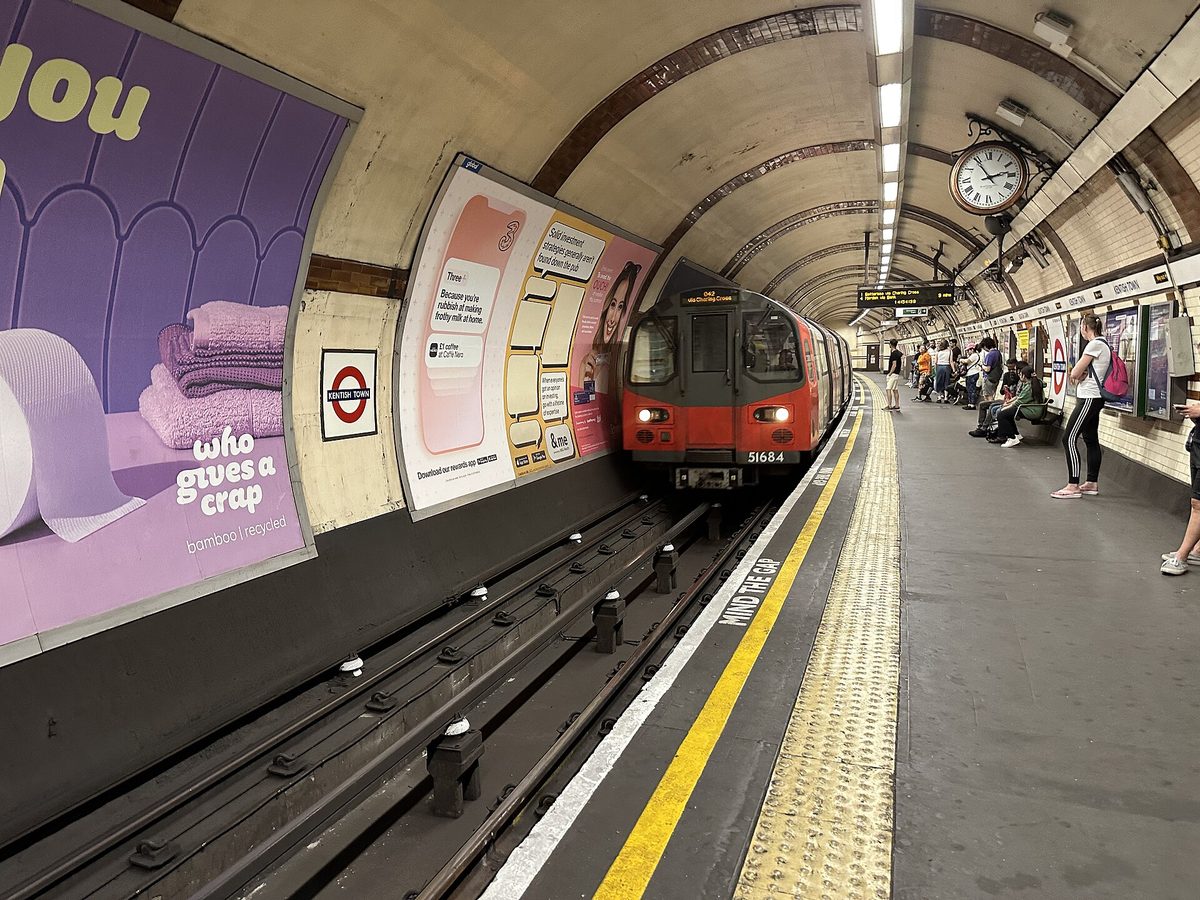
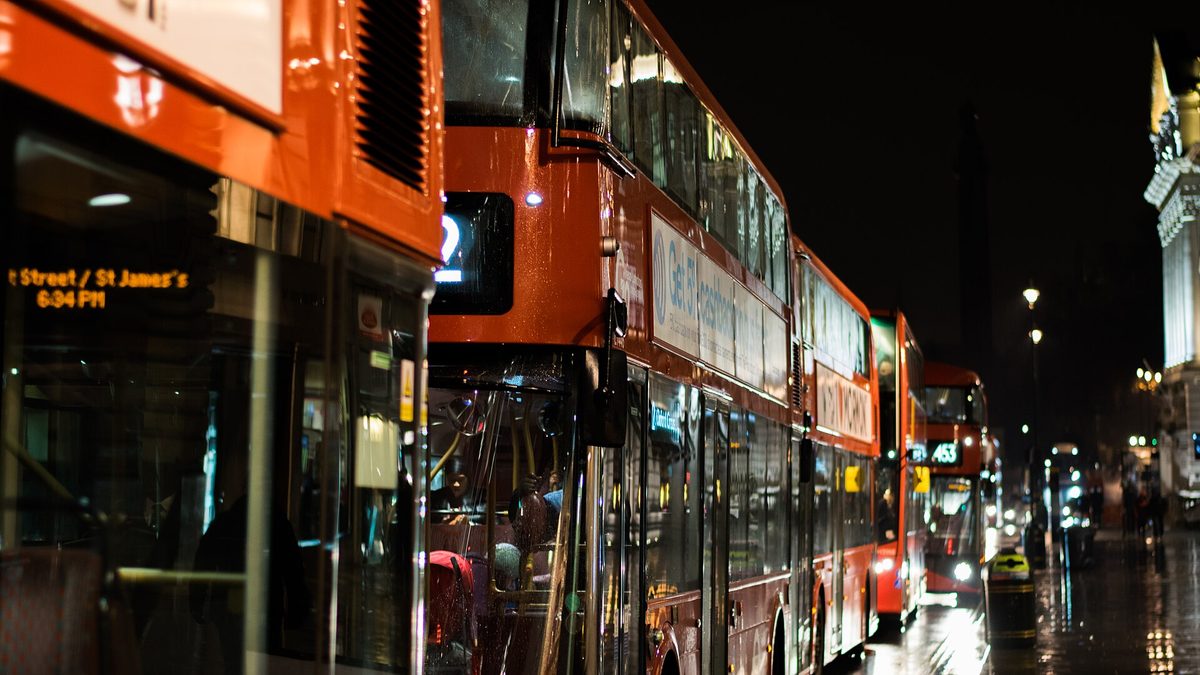
This one’s refreshingly simple. London uses contactless/Oyster pay-as-you-go with a daily cap: spend up to the cap and everything after is free until 4:30am. For zones 1–2 the daily cap is £8.90 in 2026, and — like national rail — caps are frozen until at least 2027 (TfL). A single Tube journey in zone 1 is about £3.10–£3.40; a bus is £1.75 with its own £5.25 daily bus cap. Budget £6–£10 a day for getting around London and you’ll rarely exceed it. Skip the paper Travelcard unless you’re doing heavy outer-zone travel. Full detail lives in using London transport.
Cars and Beyond
Outside the cities, a rental car opens up the countryside but adds cost: roughly £35–£70 a day plus fuel (petrol is expensive) and the London congestion/ULEZ charges if you drive into the centre — which you shouldn’t. For the Cotswolds, Lake District or Cornwall, though, a car genuinely earns its keep. See my England road trip guide before you book one.
Attractions & Tickets: What the Big Sights Cost
Here’s where England springs a pleasant surprise: many of the best things are free. The British Museum, National Gallery, Tate Modern, Natural History Museum, the parks, and most national museums charge nothing. You could fill three London days on free things to do in London and the museums roundup without paying admission once.
The paid headliners, however, aren’t cheap. Approximate adult prices, as of 2026 (book online — gate prices are often higher):
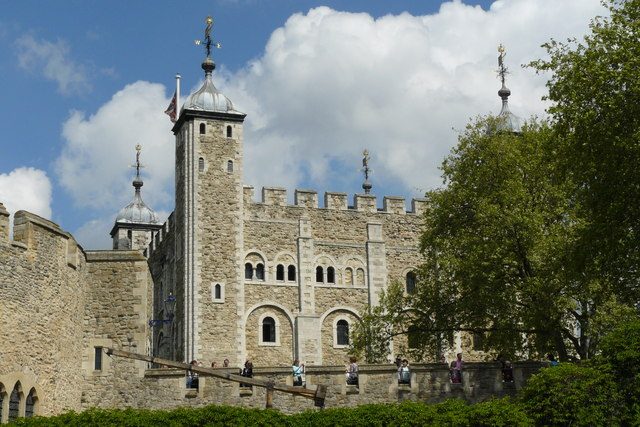
- Tower of London: around £34.80 (HRP, online advance)
- Westminster Abbey: around £27
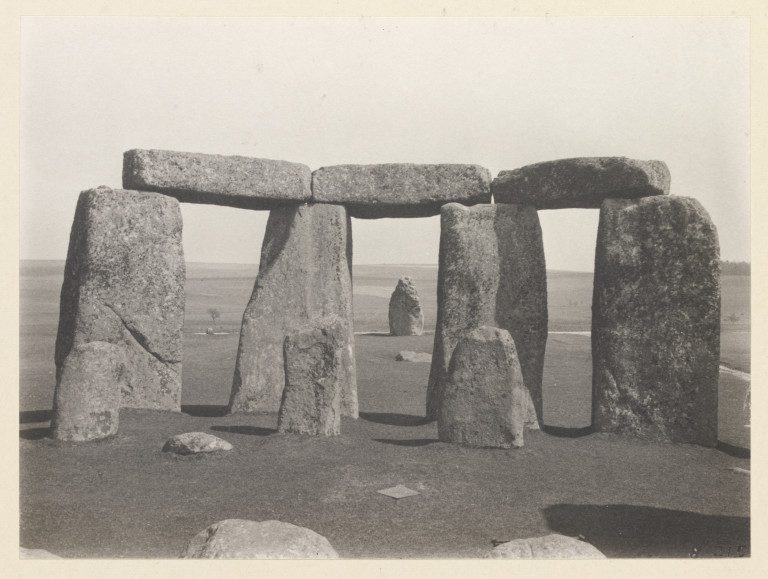
- Stonehenge: around £25–£27.20 (English Heritage; ~15% cheaper booked online in advance)
- St Paul’s Cathedral: around £25
- Windsor Castle: around £33
- The London Eye: around £29–£44 depending on date
- Warner Bros. Harry Potter Studio Tour: around £53+
My take: pick two or three paid “anchor” sights and pad the rest with free ones. A multi-attraction pass (like the London Pass) only saves money if you’re genuinely sprinting through four-plus paid sights in a couple of days — otherwise it’s a trap. Heritage memberships (English Heritage, National Trust) can pay off fast if you’re touring castles and historic sites for a week or more.
Day Trips: Adding Up the Extras
Day trips are where budgets quietly balloon, because each one bundles transport plus tickets plus lunch. Ballpark per-person costs for popular day trips from London:
- DIY by train to Oxford, Cambridge or Brighton: £25–£60 return rail + lunch + any tickets ≈ £40–£90 total
- Organised coach tour to Stonehenge + Bath: typically £75–£130 including transport and entry
- Windsor Castle by train + admission: rail ~£12–£25 return + ~£33 ticket ≈ £50–£70
- Cotswolds small-group day tour: £90–£150
If you’re doing several, DIY rail almost always beats coach tours on price — and you set your own pace. I lay out the best routes and the cheapest ways to do them in London day trip options.
Worked Sample Budgets: 7, 10 and 14 Days
Now the part you actually came for. These are full-trip totals combining everything above. I’ve included the £20 ETA per person as a fixed cost and a representative international flight estimate (shoestring/mid uses an off-peak ~£450 fare; luxury assumes premium economy or peak ~£900). Couples and families benefit from shared rooms, so per-person accommodation drops — the totals reflect that. Adjust flights to your home airport.
I’ve rounded sensibly. All figures are total for the trip, not per day, and assume a London-plus-one-or-two-cities itinerary. For help deciding trip length, see deciding how long to stay.
7-Day Trip Totals
| Traveller | Shoestring | Mid-range | Luxury |
|---|---|---|---|
| Solo (1 person) | £820–£1,050 | £1,600–£2,250 | £4,200–£6,500+ |
| Couple (2 people) | £1,450–£1,850 | £2,900–£4,000 | £8,000–£12,000+ |
| Family of 4 (2+2) | £2,500–£3,400 | £5,200–£7,500 | £14,000–£20,000+ |
Couple, mid-range, 7 days ≈ £2,900–£4,000 ($3,700–$5,100) all-in including flights — that’s the figure most people land near.
10-Day Trip Totals
| Traveller | Shoestring | Mid-range | Luxury |
|---|---|---|---|
| Solo (1 person) | £1,050–£1,400 | £2,150–£3,100 | £5,800–£9,000+ |
| Couple (2 people) | £1,900–£2,500 | £3,900–£5,500 | £11,000–£16,500+ |
| Family of 4 (2+2) | £3,300–£4,600 | £7,000–£10,200 | £19,000–£27,000+ |
14-Day Trip Totals
| Traveller | Shoestring | Mid-range | Luxury |
|---|---|---|---|
| Solo (1 person) | £1,400–£1,900 | £2,950–£4,300 | £8,000–£12,500+ |
| Couple (2 people) | £2,500–£3,400 | £5,300–£7,600 | £15,000–£23,000+ |
| Family of 4 (2+2) | £4,400–£6,200 | £9,500–£14,000 | £26,000–£38,000+ |
A reality check on these: the daily cost actually drops a little on longer trips, because the flight and ETA are fixed and you tend to slow down — fewer paid attractions, more self-catering, the occasional lazy free-museum day. Two weeks is rarely double the cost of one. If you want a ready-made framework to cost out, the seven-day England route and two weeks in England make natural pairings with these totals.
Money-Saving Levers That Actually Work
I’m wary of generic “save money” listicles, so here are only the levers that have moved my budget in a real way:
- Book flights and trains early. This is the single biggest lever. An advance rail ticket can be one-tenth the walk-up fare; a flexible flight date can cut hundreds.
- Self-cater for breakfast and one other meal. Supermarket meal deals and a hotel with a kettle save a couple £150+ a week.
- Lean on free museums and parks. England gives away world-class culture. Build your itinerary around it.
- Travel just outside peak season. Late September, October and shoulder spring are cheaper across flights, hotels and crowds — and the weather isn’t much worse.
- Stay put for 3+ nights to unlock weekly Airbnb/flat discounts and avoid repeat check-in transport.
- Use the daily transport cap, not single tickets, and walk central London — it’s smaller than it looks.
- Skip passes unless you’re truly sprinting through paid attractions; otherwise pay per sight.
- Carry a contactless card with no foreign-transaction fee so card surcharges don’t nibble at you.
For the broader strategy and the rookie errors that cost real money, I’d read common England travel mistakes and the budget pillar, England trip cost breakdown.
When Costs Spike (and When to Pounce)
Timing changes your bill more than almost anything else. Prices spike hard during:
- July–August (peak summer): the most expensive window for both flights and hotels. Transatlantic fares have been running 20%+ higher than last year.
- Christmas markets and December: hotels and flights jump from late November through New Year; the markets are magical but pricey.
- UK school holidays (late July–August, plus half-terms in Feb/late May/late Oct): family-heavy demand pushes up accommodation and attraction queues.
- Major events (Wimbledon, Chelsea Flower Show, big concerts): localised London hotel surges.
The sweet spots I aim for: late April–May, mid-September–October, and deep winter (January–February) outside the festive bump — cheaper, quieter, and still very doable. There’s a full month-by-month breakdown in best time to visit England, and an overview of the whole country in the England travel guide.
Final Thoughts
If there’s one thing I want you to take from this page, it’s that the England trip cost is yours to shape. I’ve done the £80-a-day version with a hostel bunk and a Tesco meal deal eaten on a bench in Hyde Park, and it was a wonderful trip. I’ve also done the boutique-hotel-and-afternoon-tea version, and that was wonderful too, just emptier in the wallet.
The numbers that actually decide your budget are boring ones: when you book your flight, where you sleep, and how often you sit down for a proper dinner. Get those three right and everything else — the £8.90 Tube cap, the £35 train to Bath, the free National Gallery afternoon — falls into place. Plan the big rocks, then stop counting pennies and go enjoy the country. Pair this with the broad England trip cost breakdown for context, and you’ll walk in knowing almost exactly what you’ll spend.
Research and Source Notes
Prices are 2026 figures, gathered and verified in June 2026, and hedged as “around / as of 2026” where they fluctuate. Dollar conversions use a rough £1 = $1.27 and will drift with exchange rates. Key sources consulted:
- UK ETA fee (£20 from 8 April 2026): UK Home Office ETA factsheet (April 2026) and corroborating visa news reports.
- Attraction prices: official sites — Historic Royal Palaces (Tower of London), Westminster Abbey, and English Heritage (Stonehenge).
- London transport caps (£8.90 zones 1–2, frozen to 2027): Transport for London (tfl.gov.uk).
- Train fares (advance vs Anytime; freeze to March 2027): National Rail, LNER, Lumo and Seat61.
- Accommodation, food and daily-budget ranges: Budget Your Trip, Tourlane, Never Ending Footsteps and other 2026 cost guides, cross-checked for consistency.
- Flight pricing: 2026 transatlantic fare reports and major fare aggregators.
Figures are estimates to help you plan, not quotes — always confirm live prices when you book.
Photo Credits
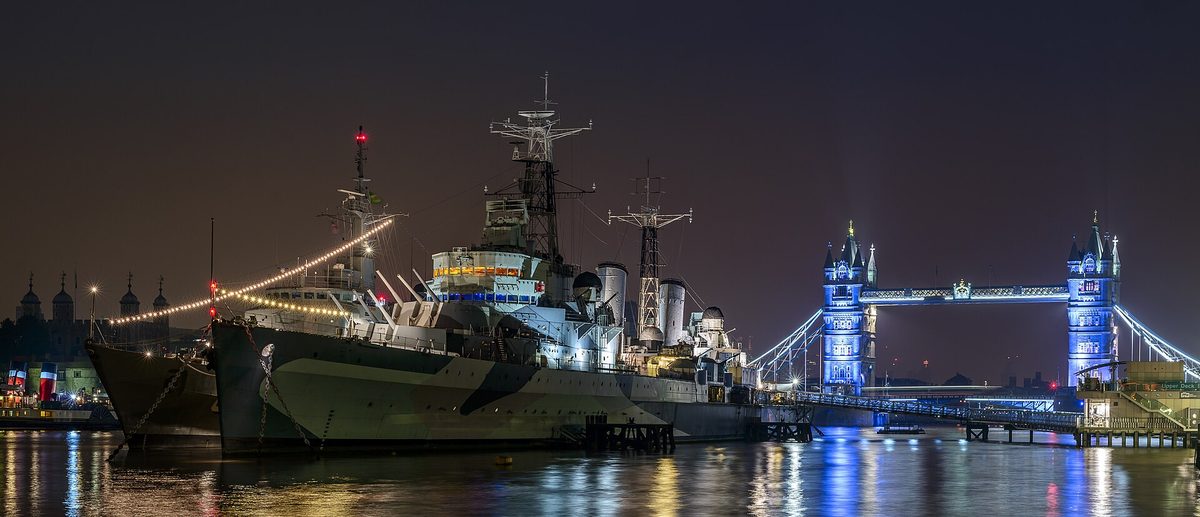
- Aerial view of the London skyline at dusk, illustrating the cost of an England trip for tourists in 2026 — Photo: Diliff / CC BY-SA 3.0 via Wikimedia Commons. Source
- The Tower of London, one of England’s priciest paid attractions at around £34.80 for an adult ticket — Photo: Peter Trimming / CC BY-SA 2.0 via Wikimedia Commons. Source
- A traditional English pub, where a hearty main course costs around £12–£18 as of 2026 — Photo: Malcolmxl5 (CC0) via Wikimedia Commons. Source
- Stonehenge, where adult admission runs around £25–£27 as of 2026 when booked in advance — Photo: Godfrey Bingley (CC0) via Wikimedia Commons. Source)
- A classic London bus — the city’s daily transport cap sits at £8.90 in zones 1–2 for 2026 — Photo: 0x010C / CC BY-SA 4.0 via Wikimedia Commons. Source
Frequently asked questions
How much does a 7-day trip to England cost?
For a mid-range traveller in 2026, budget roughly £1,600–£2,250 solo or £2,900–£4,000 for a couple, all-in including an off-peak transatlantic flight and the £20 ETA. Shoestring travellers can do a week from around £820 solo; luxury easily passes £4,200 per person.
Is England expensive to visit?
It’s mid-to-high for Europe, with London the priciest part. But it’s also unusually flexible: free world-class museums and cheap supermarket meals let you control costs hard. A careful traveller spends far less than the headline averages suggest — the swing between shoestring and luxury is genuinely 8–10x.
How much spending money do I need per day in England?
Plan around £70–£90 a day to scrape by, £150–£230 a day for comfortable mid-range travel, and £450+ for luxury — per person, excluding your international flight. London runs at the top of those ranges; smaller cities and towns sit comfortably lower.
Do I need to pay for a UK ETA, and how much is it?
Yes. As of April 2026 the UK ETA costs £20 per person (about $25), and everyone needs their own, including children and babies. It covers multiple trips for two years. Apply online ahead of travel — see my entry requirements guide for the step-by-step.
How can I save money on a trip to England?
Book flights and trains early (advance rail can be a tenth of the walk-up fare), self-cater part of your meals, lean on free museums, use London’s daily transport cap, and travel just outside peak summer. Those five levers alone can cut a mid-range budget by 25–35%.
How much are attractions and museums in England?
Many are free — the British Museum, National Gallery, Tate Modern and most national museums charge nothing. Paid headliners run higher: the Tower of London is around £34.80, Westminster Abbey around £27, and Stonehenge around £25–£27, all as of 2026 and cheaper booked online.