Sheet 30 · England Itinerary Planner · 17 min read
14 Day England Itinerary
My tested 2 week England itinerary: London, Bath, Cornwall, the Cotswolds, the Lake District and York at a steady pace, with day-by-day train tips.
 Sheet 30
Contents 14 sections
I’ve run friends, family and one very patient travel-writing client around England on the two-week loop more times than I can count now, and I’ve finally settled on a version I’d happily defend in a pub.
The short version: my ideal 2 week England itinerary gives you three nights in London, then a clockwise sweep through Bath, Cornwall or Devon, the Cotswolds, the Lake District and York, two nights per base, mostly by train. It’s the proper greatest-hits loop for a first visit, paced so you actually enjoy it.
Two weeks is the sweet spot. Ten days makes you choose between the West Country and the North; three weeks is a luxury most people can’t take. Fourteen days lets you see London properly, eat a cream tea in Cornwall, wander honey-coloured Cotswold lanes, and stand among the fells of the Lake District without spending your whole trip dragging a suitcase up station stairs.
This is a 2 week England itinerary built for first-time visitors who want the genuine greatest hits at a civilised pace: roughly three nights in London, then a clockwise sweep through Bath, Cornwall and Devon, up through the Cotswolds, finishing in the Lake District and York before an easy train home. No single-night stops outside London. No 5am alarms unless you choose them. I’ll give you the full day-by-day, a reverse-loop alternative, and the train-versus-car decision that trips most people up.
Quick Answer: Is This 2 Week England Itinerary Right For You?
A 2 week England itinerary suits first-timers who want London plus the famous countryside and coast without rushing. My route: 3 nights London, 2 in Bath, 2 in Cornwall/Devon, 2 in the Cotswolds, 2 in the Lake District, 2 in York. It mixes city, coast, villages and mountains, and works by train with one optional car hire for the rural legs.
If you’d rather do less and linger longer, my slow-travel itinerary strips this down to a handful of bases. Tighter on time? See the 10 day England itinerary or the 7 day England itinerary. Got a full three weeks? The three-week England itinerary goes deeper into each region instead of adding a frantic dash to Scotland. This page is the complete two-week version, and it sits under my broader England itinerary hub if you want to compare lengths side by side.
At a Glance: The 14-Day Route
Here’s the whole fortnight on one screen. I’ve kept the pace deliberately gentle, with two nights in every base outside London so you actually unpack.
| Days | Base | Highlights | Getting there |
|---|---|---|---|
| 1–3 | London | Westminster, museums, a West End show, a day trip | Fly into Heathrow/Gatwick |
| 4–5 | Bath | Roman Baths, Georgian crescents, Stonehenge | ~1h15 train from Paddington |
| 6–7 | Cornwall/Devon | St Ives, coast path, a Devon moor | ~5h train or scenic drive |
| 8–9 | Cotswolds | Stow, Bourton, Bibury, Castle Combe | Via Bristol/Exeter; car ideal |
| 10–11 | Lake District | Windermere, Grasmere, Castlerigg, a fell | ~3–4h to Windermere |
| 12–13 | York | Minster, city walls, the Shambles | ~2h train to York |
| 14 | Home | Easy run to London or fly from Manchester | ~2h to London Kings Cross |
A quick orientation note before we dive in: if the geography feels abstract, my England regions map for tourists shows exactly how these areas stitch together. England is small. You’re never more than a few hours from the next thing.
Days 1–3: London, At a Human Pace
Give London three nights minimum. It’s where almost everyone flies in, the jet lag hits hardest, and there’s simply more here than two weeks elsewhere combined. Don’t try to “do” it. Pick a handful of things and walk between them.
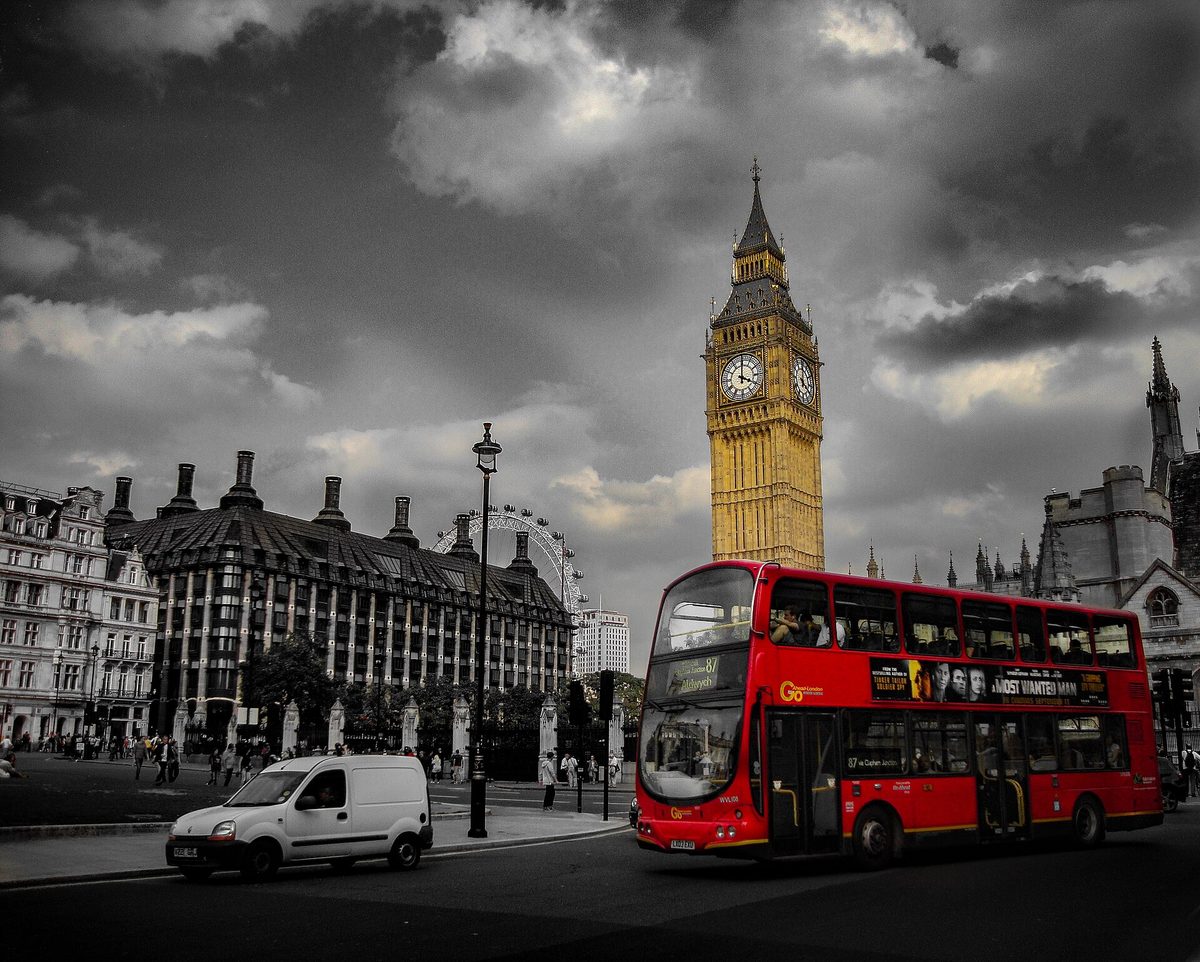
Day 1 is your soft landing. Land, drop bags, and resist the nap. I send first-timers straight to Westminster: stand on Westminster Bridge with Big Ben behind you, walk past the Abbey, cut through St James’s Park to Buckingham Palace, then up to Trafalgar Square. That’s the postcard, all walkable, and a free dose of daylight to reset your body clock. End at a proper pub. The England food, pubs and afternoon tea guide has my picks if you want somewhere specific.
Day 2 is museums and markets. The British Museum and the National Gallery are both free and world-class, so I do one in the morning and don’t feel guilty about leaving. Borough Market for lunch, a wander along the South Bank past the Tate Modern and Shakespeare’s Globe, then a West End show in the evening. Book the show before you fly; same-day tickets exist but the good seats vanish.
Day 3 I’d spend on a single deeper neighbourhood, or escape the city entirely. Windsor Castle is roughly 30–40 minutes by train and genuinely worth it. Oxford, Cambridge, Canterbury and the white cliffs at Dover are all doable in a day too. My London day trip guide ranks them, and there’s far more detail in the dedicated London guide if you want to go deeper into the city itself.
A word on getting around: you do not want a car in London. Tap a contactless card on the Tube and buses, ignore the Oyster faff, and you’re done. The daily cap means you never overpay. I’ll explain when to pick up a hire car later, and the full mechanics live in my England transport guide.
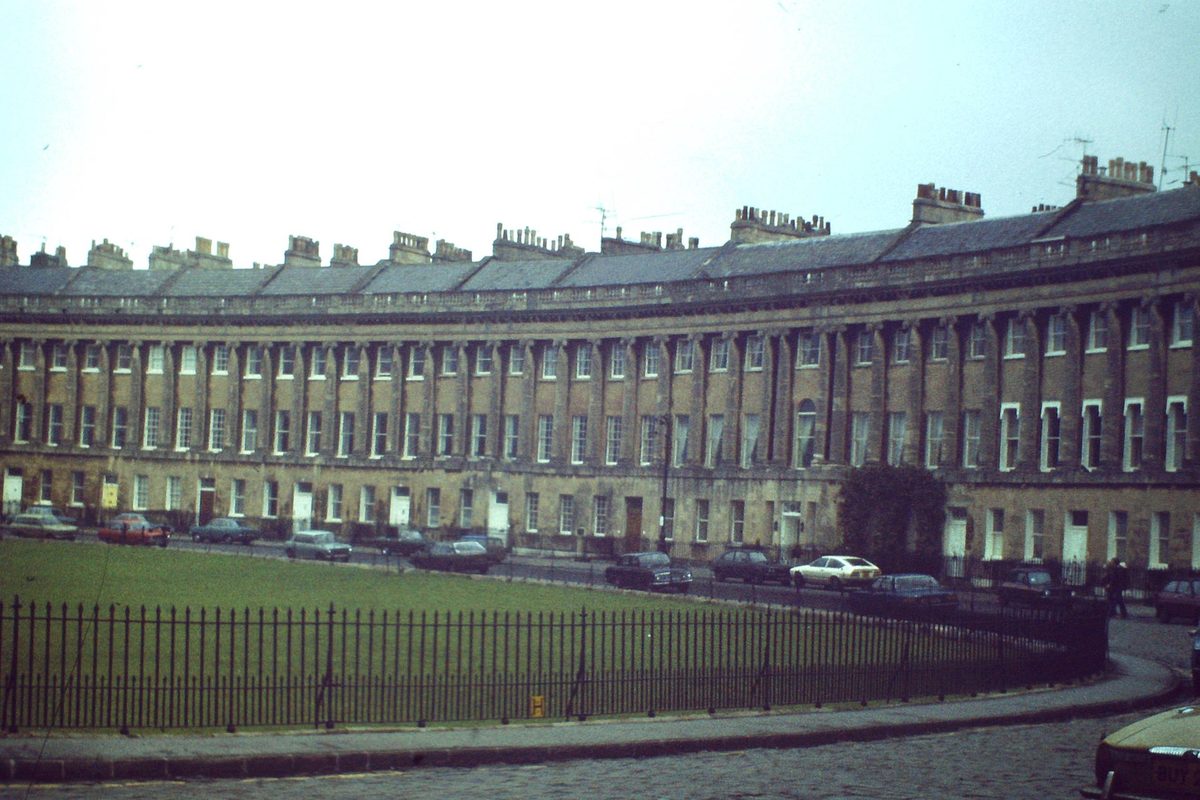
Days 4–5: Bath and Stonehenge
From London Paddington, Bath Spa is barely over an hour away, with GWR trains running roughly every half hour and a fastest time of around 1 hour 15 minutes as of 2026. You’ll be checked into your Bath hotel before lunch. This is why I love starting the countryside leg here: minimal travel, maximum payoff.
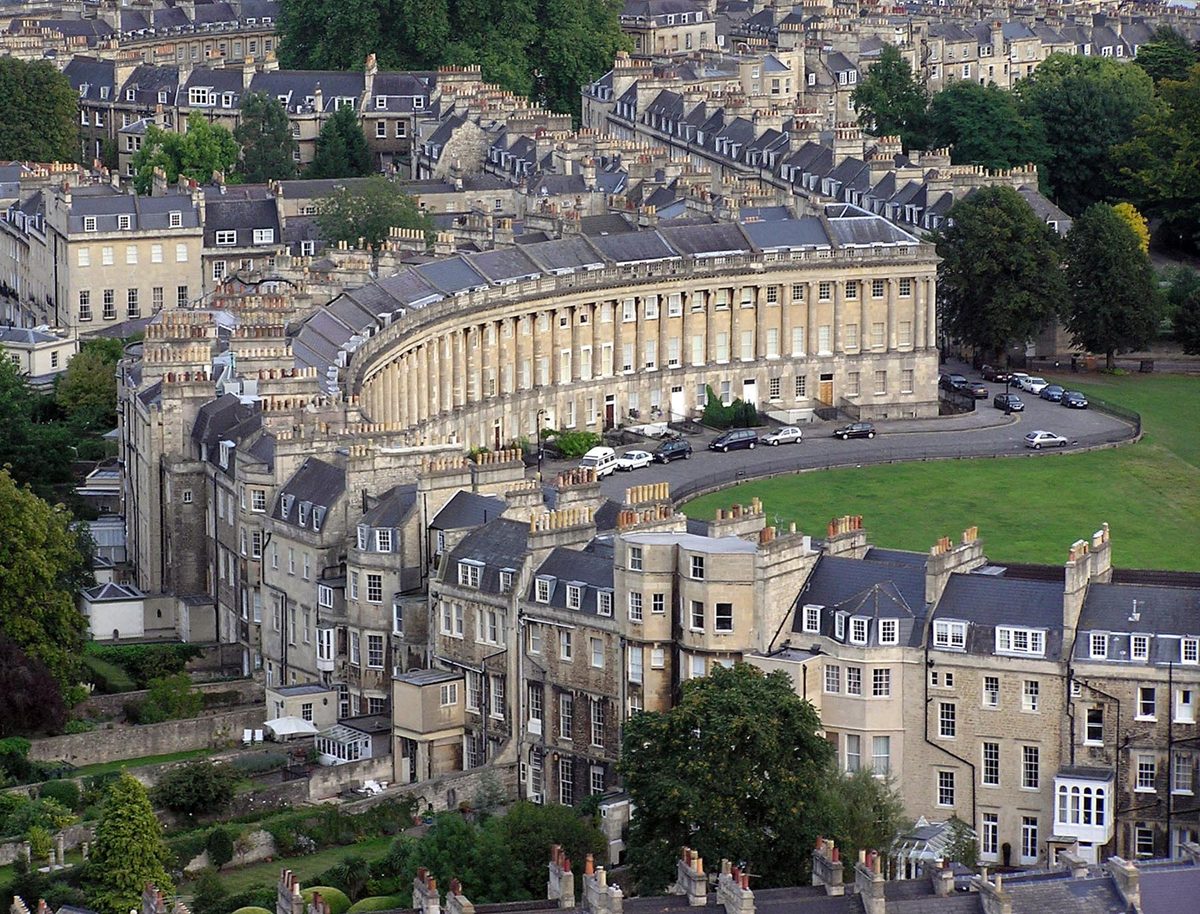
Bath is the most beautiful city in England, and I’ll fight anyone who disagrees. Day 4 is for the city itself. The Roman Baths are the obvious must (around £28 for an adult on the door as of 2026, cheaper online), and the audio guide is one of the few I’d actually keep in your ear. Then it’s just walking: the Royal Crescent, the Circus, Pulteney Bridge, the Abbey. Finish with afternoon tea or a soak at the Thermae Bath Spa rooftop pool, looking out over the city as steam rises around you. Genuinely magic at dusk.
Day 5 I’d give to Stonehenge and the wider area. The stones are about an hour away and best reached by the dedicated tour bus from Bath if you’re carless, or a quick drive. They’re smaller than the photos suggest and more moving than you expect. Pair it with the village of Lacock or the city of Wells, England’s smallest, and you’ve got a full, varied day. I’ve broken the whole cluster down in my Bath, Stonehenge, Oxford and Cambridge guide. Bath is also a UNESCO World Heritage Site twice over, which I unpack in my UNESCO World Heritage Sites in England roundup.
Days 6–7: Cornwall and Devon, The Wild West
This is the leg people remember most, and the one where you need to make a choice. The far South West is gorgeous and remote, and getting there eats a chunk of a day.
The romantic option is the train. London-to-Penzance-style GWR services run down through Devon, and the stretch where the line hugs the sea wall at Dawlish is one of the great rail journeys in Britain. The full run to Penzance is around five hours on the fastest direct trains as of 2026, so I usually break it: base in or near St Ives (change at St Erth for the gorgeous branch line) or stay around Exeter/Dartmoor if you want less travel and more Devon.
My honest steer for a first visit: base near St Ives for two nights. Day 6 is your travel-and-arrive day, with the afternoon for the harbour, the Tate St Ives and the best Cornish pasty you’ll eat. Day 7 is the South West Coast Path. Walk a stretch of cliffs, see St Michael’s Mount rising out of the bay, and don’t leave without a proper cream tea (jam first in Cornwall, and yes, people genuinely argue about it).
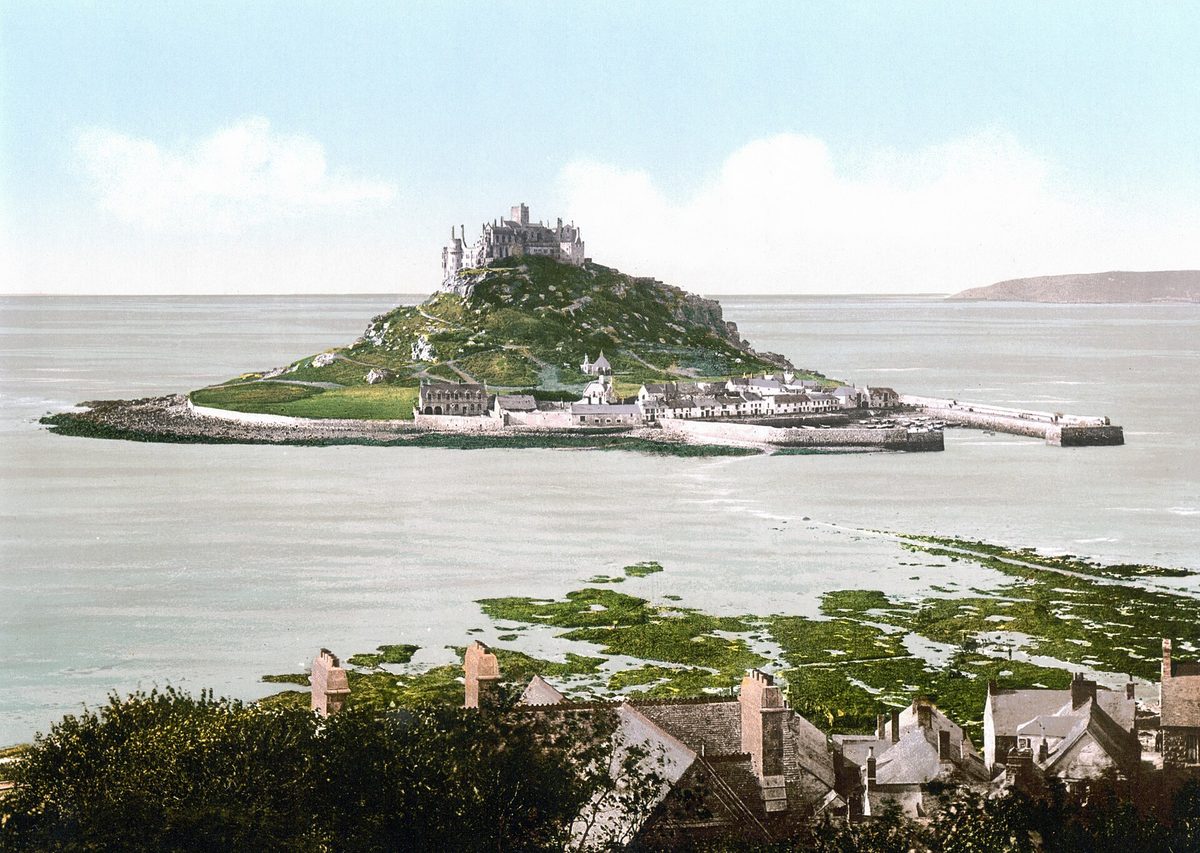
If you’d rather trade some Cornwall for more Devon, base around Dartmoor instead: wild ponies, the steam railway, and easier onward travel to the Cotswolds. Either way, this is where the Cornwall and Devon guide earns its keep, and the broader England coast and beaches guide covers the beaches I’d actually swim at. The cliffs and moors here are also some of the most beautiful places in England, full stop.
A practical note: the South West is the one leg where a hire car genuinely helps, because rural Cornish buses are sparse. If you’re committed to trains the whole way, that’s fine, just lean on St Ives, which is walkable and well connected.
Days 8–9: The Cotswolds, England’s Storybook Middle
Coming up from the South West, you’ll route back through Bristol or Exeter and into the Cotswolds. This is the green, rolling, honey-stone England of every postcard, and it’s the leg where I’d most strongly suggest picking up a hire car if you haven’t already.
Here’s the thing about the Cotswolds. The famous train station is Moreton-in-Marsh, around 90 minutes direct from London Paddington, and it’s a fine carless base because local buses fan out to Stow and Bourton. But the magic of the region is the lanes between villages, and a car turns a logistical puzzle into the best driving of your trip. If you only rent for two or three days of this whole fortnight, make it here.
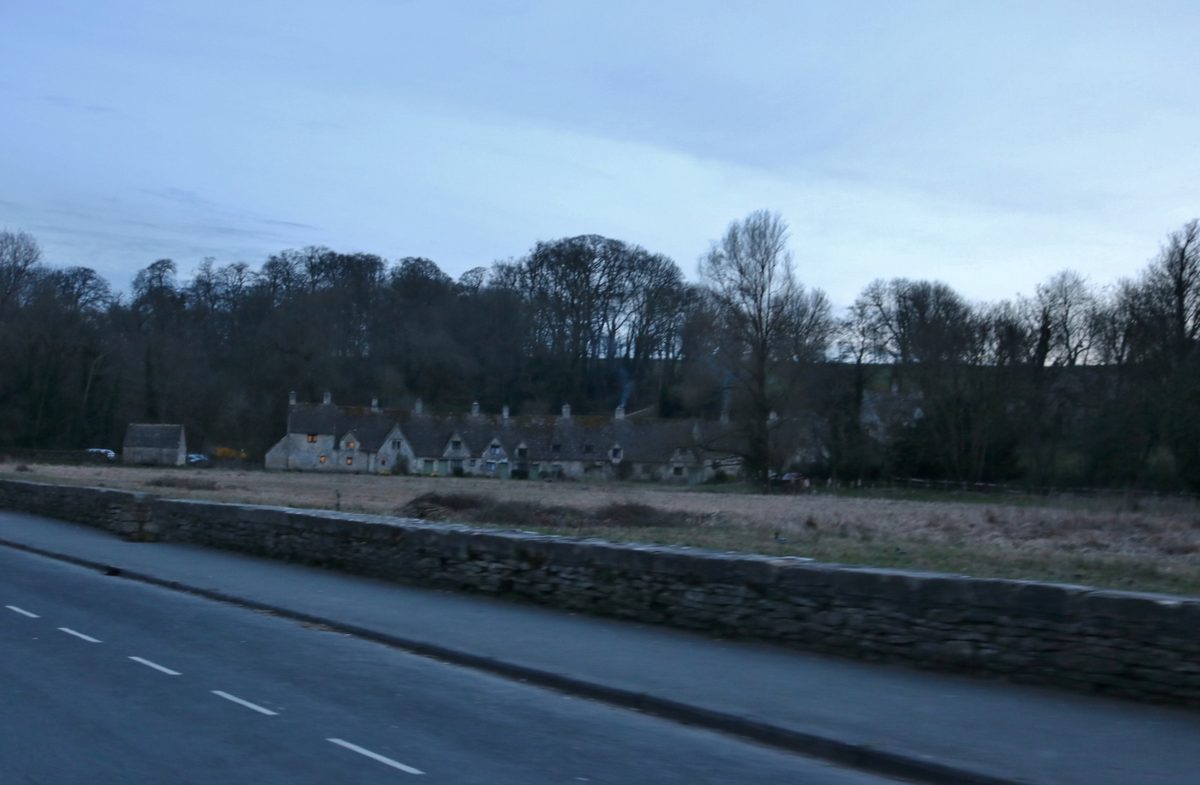
Day 8 is the classic golden triangle. Stow-on-the-Wold for its market square and that famous yew-flanked church door, Bourton-on-the-Water for the little bridges over the River Windrush, and the two Slaughters (Upper and Lower) for villages so pretty they look staged. Day 9 I’d push a little wider: Bibury, which William Morris called the most beautiful village in England, the antique-hunting town of Burford, and Castle Combe over the Wiltshire border, regularly voted the prettiest of the lot.
Don’t try to see every village. You’ll burn out. Pick four or five, leave time to just sit outside a pub with a pint, and let the pace stay slow. My Cotswolds guide has my full village shortlist, and there’s a wider sweep in England’s prettiest villages. If you’d rather drive the whole leg properly, the England road trip guide maps the best routes through here.
Days 10–11: The Lake District, Mountains and Poets
Now you head north, and the landscape changes completely. The Lake District is England’s largest national park, a UNESCO site, and the one place on this route that delivers genuine drama: jagged fells, ribbon lakes, stone-walled valleys.
Getting here is the longest hop of the trip, but it’s manageable. If you’re on trains, the Avanti West Coast service from London Euston reaches the Lakes via a change at Oxenholme, with the branch line dropping you right into Windermere in roughly three to four hours total as of 2026. Coming from the Cotswolds you’ll route via the West Coast Main Line. If you’ve got the hire car, the M5/M6 drive is straightforward, though the scenic last hour is the reward.
Day 10, settle into Windermere or nearby Ambleside and ease in. A cruise on Lake Windermere, the literary pilgrimage to Wordsworth’s Dove Cottage in Grasmere (buy a Grasmere gingerbread while you’re there, it’s a thing), and an easy lakeshore walk. Day 11 is for going higher. You don’t need to be a mountaineer: the walk up Catbells above Derwentwater is short, steep and gives you a proper summit view, or you can drive the dramatic Honister Pass. Don’t miss Castlerigg Stone Circle near Keswick, a Neolithic ring set in a bowl of mountains that, on the right morning, beats Stonehenge for atmosphere and has no entry fee.
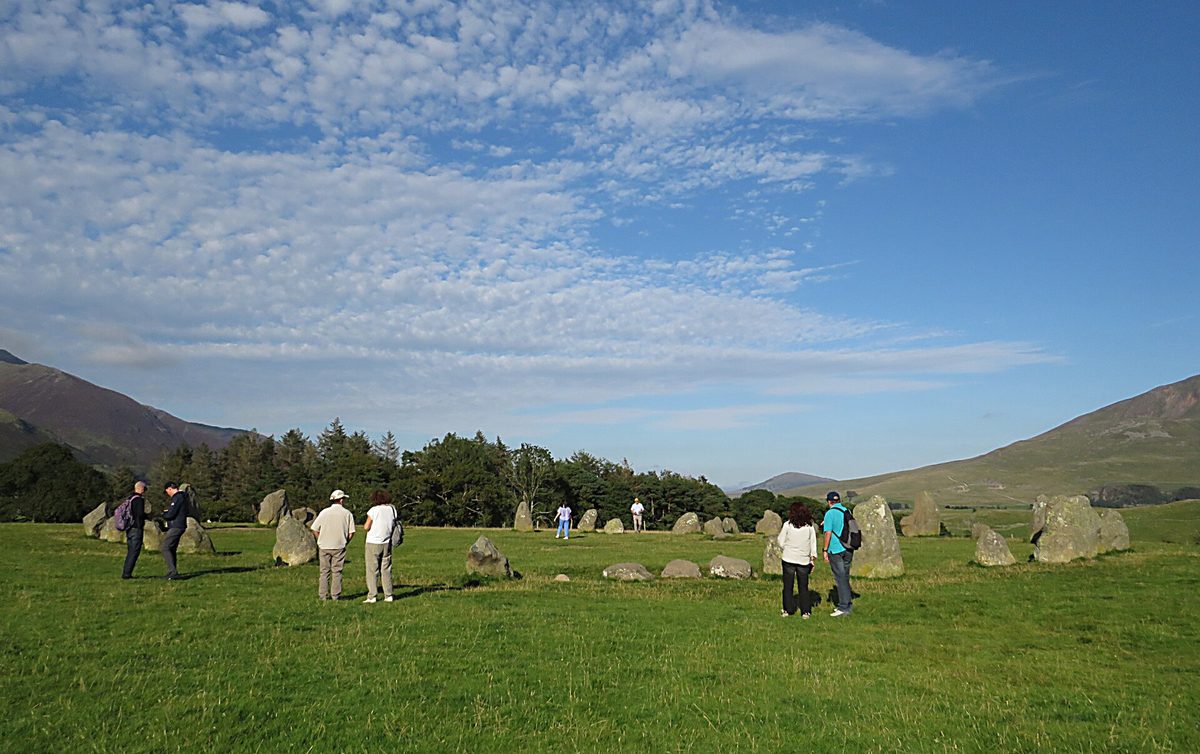
Pack a waterproof. The Lakes are stunning precisely because it rains, and the weather turns on a sixpence. My Lake District guide has the walks graded by effort, and the broader England national parks and hiking guide covers the others if this leg sparks something in you.
Days 12–13: York, A Medieval Finale
From the Lakes, cut east to York and you end your trip on a high. York is compact, walkable, and stuffed with history layered like a trifle: Roman, Viking, medieval, Georgian.
Day 12 is the headline acts. York Minster is England’s largest Gothic cathedral, and climbing the 275 steps of the central tower rewards you with a view over the whole red-roofed city. The medieval city walls are free to walk, open from around 8am to dusk, and the full circuit is roughly two miles taking about two hours, which I think is the single best way to orient yourself anywhere on this trip. Then lose yourself in the Shambles, the impossibly narrow medieval street that supposedly inspired Diagon Alley.
Day 13 I’d slow down. The Jorvik Viking Centre, the National Railway Museum (free, and surprisingly gripping), a riverside walk, and time to just enjoy a city that doesn’t demand much logistics. If you’ve still got energy, the Yorkshire Dales or the moors around Whitby are an easy reach. York is one of the best historic towns in England and a strong contender among the best cities to visit in England, and its castles and abbeys feed into my England castles and historic sites guide.
Day 14: The Easy Way Home
This is why ending in York is clever. LNER trains run from York to London Kings Cross in around two hours as of 2026, roughly twice an hour, so even with an afternoon flight you can have a relaxed morning. If your flight leaves from Manchester instead, it’s barely over an hour west by train, which can save you a fortune on the airfare. Build a buffer either way. British trains are usually good, but “usually” is doing some work in that sentence.
The Reverse Loop: An Anticlockwise Alternative
Everything above runs clockwise: London, then West Country, then up the spine to the Lakes and York. There’s a strong case for flipping it.
Go anticlockwise (London → York → Lake District → Cotswolds → Bath → Cornwall) if you’re flying home from a southern airport and want to end on Cornwall’s beaches rather than York’s streets. It also front-loads the long northern train legs while you’re fresh, and saves the gentlest, most walkable bits (Bath, the coast) for when you’re tired. The downside: you finish in remote Cornwall, which is a longer schlep back to Heathrow on the final day, so only do this if you can fly out of Bristol or Exeter, or you don’t mind that last big travel push.
There’s also a North-heavy vs Cornwall-heavy decision baked into this route. Cornwall and the far South West are spectacular but they cost you the most travel time. If mountains and medieval cities move you more than beaches, cut Cornwall to a single night around Exeter or skip it entirely, and hand those days to the Lake District (it can easily fill four) and a Yorkshire Dales add-on near York. If you’re a coast person, do the opposite: trim the Cotswolds to a day, give Cornwall three nights, and base in both St Ives and around Padstow.
Whichever way you spin it, the principle holds: two nights minimum per base, and never backtrack. I lay out the trade-offs by interest in my England destinations guide, and if this is genuinely your first trip, the first time England itinerary sibling is worth a read for the absolute essentials.
Train or Car? My Honest Take
The question I get most. Here’s how I actually decide.
Trains are brilliant for the city-to-city spine: London to Bath, the run down to Cornwall, the haul up to the Lakes, and York back to London. They’re fast, scenic, and you can nap or eat a sandwich while someone else drives. Book in advance for the cheap “Advance” fares, because walk-up prices on long routes are eye-watering.
A car earns its keep in exactly two places: the Cotswolds and rural Cornwall/Devon, where buses are thin and the whole point is the lanes between villages. My favourite hybrid is to train the long legs and rent a car for just three or four days in the middle, dropping it before the Lake District train. You get the best of both and you never park in a city.
What you should never do is drive into London, or rent a car for the whole fortnight and pay for it to sit in a hotel car park for three nights. If you want the fully carless version, it’s absolutely doable by leaning on rail-served bases like St Ives, Moreton-in-Marsh and Windermere, and the rail itinerary for England sibling is built entirely around that. For the nuts and bolts of railcards, passes and driving on the left, see England transport.
What It Costs, Roughly
Two weeks in England is not a budget destination, but it flexes. As a rough mid-range guide for 2026, I’d budget around £100–£150 per person per day for accommodation, food, trains and entry tickets combined, more in London and the honeypot Cotswolds, less in the North.
The big swings are accommodation (a London hotel can cost triple a Yorkshire B&B) and how you eat (pub lunches and a packed dinner versus restaurants nightly). Trains booked in advance and free attractions like the British Museum, the city walls and Castlerigg keep it honest. I break the whole thing down properly, including where to splurge and where to save, in what England costs, and choosing a base in England covers the accommodation choices base by base.
When To Go
This route works best from late April to early October, when the days are long, the fells are walkable and the gardens are out. June, when I’m writing this, gives you the longest daylight of the year (it’s still light at 9pm in York), though it’s busy and not cheap. May and September are my personal picks: kinder prices, thinner crowds, decent odds on the weather.
Avoid pinning Cornwall beaches to deep winter, and know that the Lake District is wet year-round (that’s the deal). For the full month-by-month breakdown, see when to visit England.
Final Thoughts
If I had a fortnight in England and a first-timer to please, this is exactly the trip I’d run. The thing I’d most want you to take from it isn’t the specific villages, it’s the rhythm: two nights everywhere, the long legs by train, a car only where it sets you free, and enough slack in the schedule to sit outside a pub doing nothing for an afternoon.
The mistake I see again and again is cramming. People add a night in Edinburgh, a dash to Wales, a fourth Cotswold village, and end up exhausted, having seen everything and felt none of it. Resist that. England rewards lingering. A slow morning on York’s walls or a quiet hour watching the tide go out under St Michael’s Mount will stay with you longer than any box ticked.
Two weeks is genuinely the perfect length for this country. Use it well, leave a few things undone (you’ll be back), and let the place set the pace. For the wider planning picture, my England guide and the England bucket list will fill in anything I’ve left out.
Research and Source Notes
I cross-checked the timings and prices in this guide against official and operator sources in June 2026, and hedged them because fares and schedules change. Train journey times were verified against Great Western Railway (GWR) for the London Paddington to Bath Spa, Penzance and Moreton-in-Marsh routes, Avanti West Coast for London Euston to Windermere via Oxenholme, and LNER for York to London Kings Cross, alongside National Rail. Attra
Photo Credits
- Tower Bridge over the Thames at the start of a 2 week England itinerary — Photo: Aleem Yousaf / CC BY-SA 2.0 via Wikimedia Commons. Source
- The Royal Crescent in Bath, a highlight of two weeks in England — Photo: Colin Smith / CC BY-SA 2.0 via Wikimedia Commons. Source
- St Michael’s Mount in Cornwall, a coastal jewel on this 14-day England route — Photo: Unknown authorUnknown author (CC0) via Wikimedia Commons. Source
- Arlington Row in Bibury, the storybook heart of the Cotswolds — Photo: David Howard / CC BY-SA 2.0 via Wikimedia Commons. Source
- Castlerigg Stone Circle ringed by Lakeland fells, a quiet rival to Stonehenge — Photo: Enric / CC BY-SA 4.0 via Wikimedia Commons. Source
Frequently asked questions
Is two weeks enough to see England?
Yes, comfortably, for the greatest hits. Fourteen days covers London, Bath, Cornwall or Devon, the Cotswolds, the Lake District and York at a steady pace with two nights per base. You won’t see everything (no country worth visiting can be “finished”), but you’ll see a properly representative slice of city, coast, countryside and mountains without rushing.
Should I rent a car for a 2 week England itinerary?
Only for part of it. Trains handle the long city-to-city legs faster and more relaxingly, and you should never drive in London. A car genuinely helps in the Cotswolds and rural Cornwall, where buses are sparse. My preferred setup is trains for the spine plus a three-to-four-day car hire for the rural middle, dropped before the northern legs.
How much does two weeks in England cost?
As a 2026 mid-range estimate, budget roughly £100–£150 per person per day for hotels, food, trains and entry tickets, excluding flights. London and the Cotswolds push the top of that range; the North sits lower. Booking trains in advance and using free attractions like museums and York’s city walls keeps costs down considerably.
What’s the best order to do this route?
Clockwise (London, West Country, Lakes, York) is my default and ends with an easy two-hour train home from York. Flip it anticlockwise if you’re flying out of a southern airport like Bristol and want to finish on Cornwall’s beaches. The golden rule either way: two nights minimum per base, and never double back on yourself.
Can I do this itinerary without a car?
Absolutely. Lean on rail-served bases: St Ives in Cornwall, Moreton-in-Marsh for the Cotswolds, and Windermere in the Lakes. You’ll rely on local buses and the occasional taxi for outlying villages, and you’ll trade some flexibility, but the major sights are all reachable by public transport. The England itinerary by train sibling is dedicated to exactly this.
Is this route good for families with kids?
It works well, though the long Cornwall and Lake District train legs test younger children. Castles, the Roman Baths, steam trains, lake cruises and the National Railway Museum are all big hits. I’d consider trimming the longest travel days and adding more downtime. My England family itinerary sibling and the England family guide adapt this route specifically for travelling with children.
1 note
Notes are closed on this sheet.