Sheet 24 · England Itinerary Planner · 17 min read
10 Day England Itinerary
A tried-and-tested 10 day England itinerary balancing London, the Cotswolds and a historic city like York, with day-by-day timings and costs.
 Sheet 24
Contents 10 sections
Ten days is the trip I quietly recommend to almost everyone who emails me asking how long they need in England. A week leaves people pacing the platform at Paddington wishing they’d skipped a museum and seen one more village. Two weeks is wonderful but a bigger ask of leave and budget. Ten days is the sweet spot.
Here’s the short version. The best 10 day England itinerary for a first-timer is London for three nights, then Bath and the Cotswolds, then Oxford, then north to York or the Lake District. You get the capital, the green postcard countryside, and one great historic city, paced so you actually relax somewhere.
The reason I love it is simple. A week forces you to choose between London and the countryside. Ten days gives you three extra days, and three days is exactly enough to add one well-chosen region without turning your holiday into a luggage-dragging endurance event. That balance is the whole point.
Quick Answer: The Best 10 Day England Itinerary at a Glance
If you only read one thing, read this. My recommended 10 day England itinerary spends 3 nights in London, 3 nights in or near Bath (using it as a base for the Cotswolds and Stonehenge), a day in Oxford on the way north, and the final stretch in York. It’s roughly an hour and a half from London to Bath by train, and under two hours from London to York on the fast services, so the moving days are short.
The trick I want you to take away is this: don’t try to “do” England in ten days. Pick London plus the West Country plus one northern city, go deep on those, and leave the rest for next time. I’d rather you remember three places fondly than blur through eight.
For the wider picture of how all the regions fit together, my main England itinerary planning guide maps out the whole country by trip length, and the England regions map for tourists is worth a glance before you book anything.
The 10-Day Route, Day by Day
| Day | Base | Main focus | Getting there |
|---|---|---|---|
| 1 | London | Arrive, jetlag-friendly walk: Westminster, South Bank | Land at Heathrow/Gatwick |
| 2 | London | British Museum, Covent Garden, a West End play | On foot / Tube |
| 3 | London | Tower of London, Borough Market, your own pick | On foot / Tube |
| 4 | Bath | Train to Bath; Roman Baths, Royal Crescent | ~1h 30m train from Paddington |
| 5 | Bath | Cotswolds day (Castle Combe, Lacock, Bibury) | Car hire or small-group tour |
| 6 | Bath | Stonehenge + Avebury, or a slow Bath day | ~1h drive / tour |
| 7 | Oxford | Train via Didcot; colleges, Bodleian, pub lunch | ~1h 15m to Oxford |
| 8 | York | Train to York; the Shambles, city walls | ~2h from London if routed via KGX |
| 9 | York | York Minster, Jorvik, National Railway Museum | On foot |
| 10 | York → home | Slow morning, train back to London for flight | ~2h to London |
That’s the spine. Below I’ll walk you through each leg with the timings, the costs (hedged, because prices wander), and where I’d cut a corner if your flights are awkward. Then I’ll give you one clear alternative loop that swaps York for the Lake District, for anyone who wants mountains over medieval streets.
Why Ten Days Beats Seven (And When It Doesn’t)
I’ll be honest about the trade-off, because the “extra three days” framing is the heart of this whole article.
On a seven-day trip you realistically get London plus one quick excursion. It’s a great introduction, but it’s tight, and you spend it slightly out of breath. If a week is genuinely all you have, I’ve written a separate, properly paced plan for exactly that constraint over on the 7 day England itinerary page, and I’d send you there rather than fool you into thinking ten days’ worth of stops fit into seven.
Ten days changes the maths. Those three extra days are enough to do something a week simply cannot: add a whole region and still slow down. In practice that means London (3 nights) plus the West Country base of Bath and the Cotswolds (3 nights) plus a northern historic city (2–3 nights), with the travel days doubling as sightseeing rather than dead time.
What ten days is not is a grand tour. You will not see Cornwall, the Lakes, York and Cambridge in the same trip without spending half of it on motorways and trains. If your appetite is for that kind of sweep, the 14 day England itinerary is the grand-tour version, and the 3 week England itinerary is for genuinely going deep. Know which trip you’re taking before you start pinning hotels.
One more thing on pacing. The single biggest mistake I see in ten-day plans is too many bases. Every time you change accommodation you lose roughly half a day to packing, checking out, travelling, finding the new place and getting your bearings. My route uses only three bases (London, Bath, York) on purpose. If you want to push that even further and root yourself in just one or two spots, the slower England route makes the case for that beautifully.
Days 1–3: London, the Anchor
London earns three nights. Not two. The difference between two and three nights here is the difference between a frantic checklist and a city you start to feel at home in.
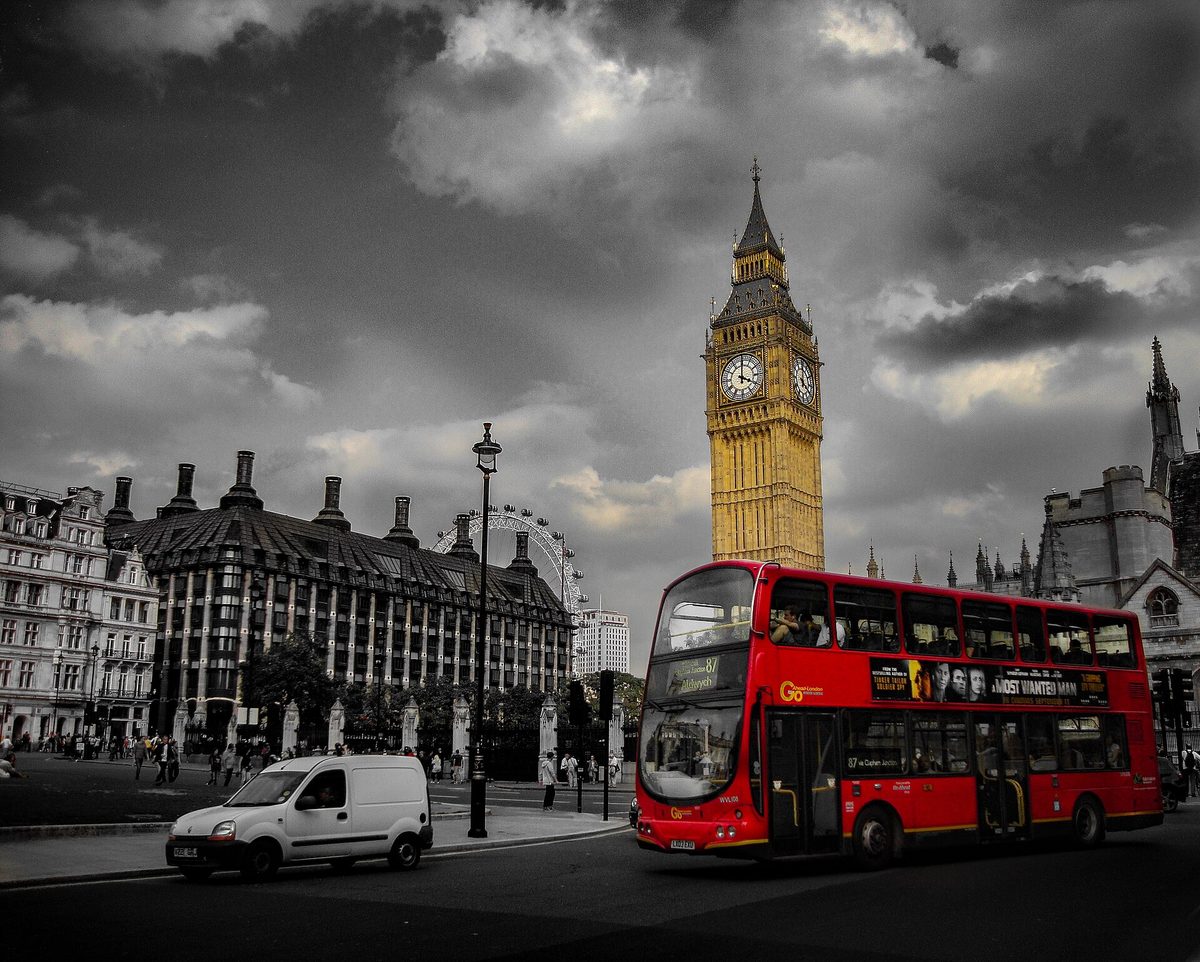
Day 1 is your jetlag day, so I keep it gentle. If you’re arriving from North America you’ll land in the morning groggy. Drop your bags, and do a flat, scenic, low-decision walk: Westminster Bridge for Big Ben and the Houses of Parliament, along the South Bank past the London Eye and the National Theatre, maybe a drink overlooking the river. No tickets, no timed entries, just orientation. Resist the urge to nap past 4pm.
Day 2 I’d give to the British Museum in the morning (free, vast, two hours is plenty unless you’re a fanatic), then Covent Garden for lunch and street performers, and a West End show in the evening. Tickets at the TKTS booth in Leicester Square or the official day-seat queues can get you a play for around £25–£40 as of 2026 if you’re flexible.
Day 3 is the heavyweight: the Tower of London (around £35 adult, book a timed slot online; the Crown Jewels and the Yeoman Warder tours are genuinely worth it), then walk across Tower Bridge, then Borough Market for a late lunch. Your afternoon is yours — St Paul’s, a Thames clipper boat, or just a pub.

I’m deliberately not listing every gallery and palace. For the full breakdown of neighbourhoods, where to stay and how to skip queues, lean on my dedicated London planning guide. And if you find you’ve fallen for London and want a couple of excursions instead of heading west, the London day trips guide covers Windsor, Cambridge and Canterbury, any of which you could swap into Day 3.
A word on where to sleep: I’d stay central-ish (Bloomsbury, South Bank, or near a Zone 1 Tube station) even though it costs more, because in London your time is the expensive resource, not your hotel. For the wider question of neighbourhoods and budgets across the country, see choosing where to base yourself.
Days 4–6: Bath and the Cotswolds, Your Countryside
This is where the ten-day trip pulls ahead of the seven-day one. You get a proper countryside base instead of a rushed day trip.
Trains from London Paddington to Bath Spa run frequently and take around 1 hour 30 minutes on average (the fastest are a little over an hour, as of 2026 via National Rail). Leave London mid-morning on Day 4, check into Bath by early afternoon, and you’ve still got a full day in one of the most beautiful cities in England.
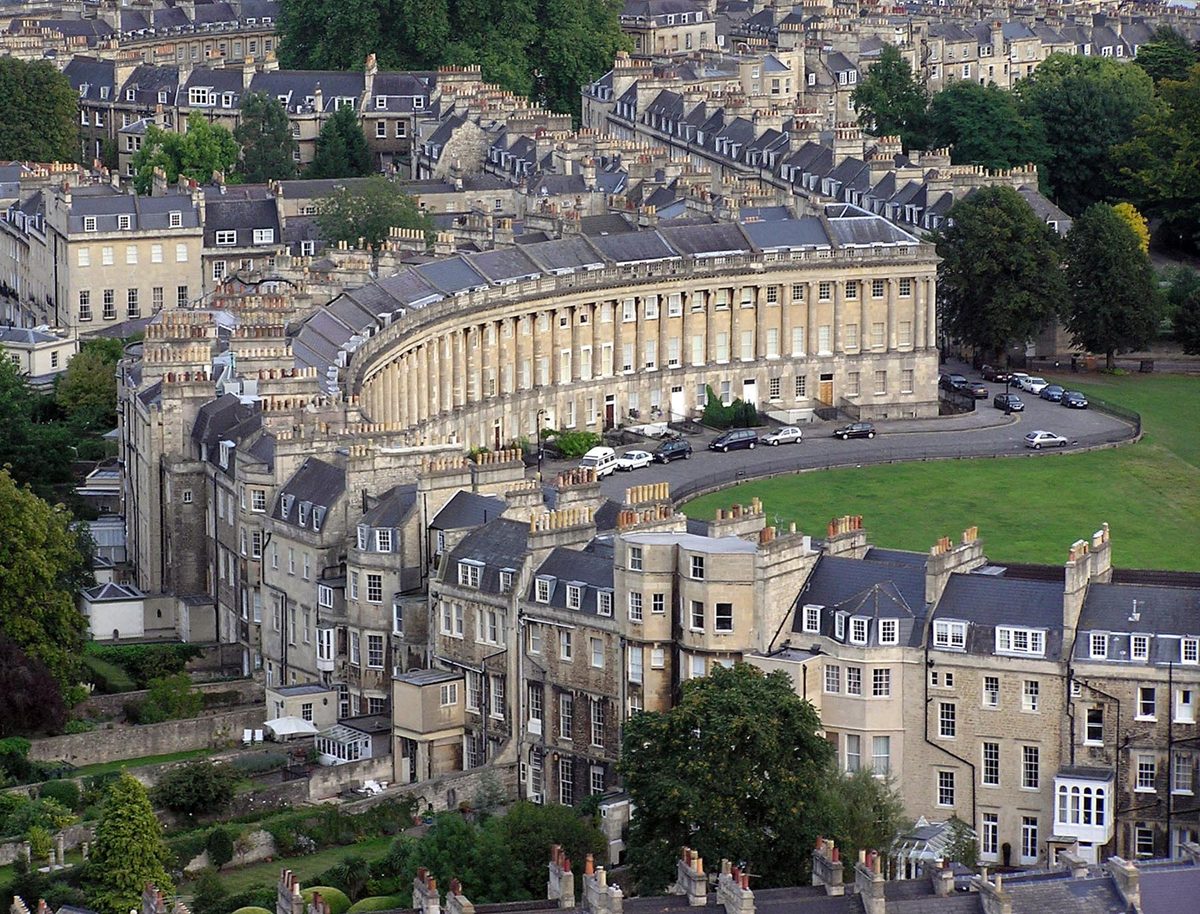
Bath itself is small and walkable. The Roman Baths are the obvious headliner — around £25 for an adult on the day in 2026, a couple of pounds cheaper booked online, with an audioguide included (check the official Roman Baths site for current hours, but they typically open 9am–6pm and run later in summer). Then walk up to the Royal Crescent and the Circus, those honey-coloured Georgian terraces, and have afternoon tea somewhere indulgent. Bath is made for a slow evening.
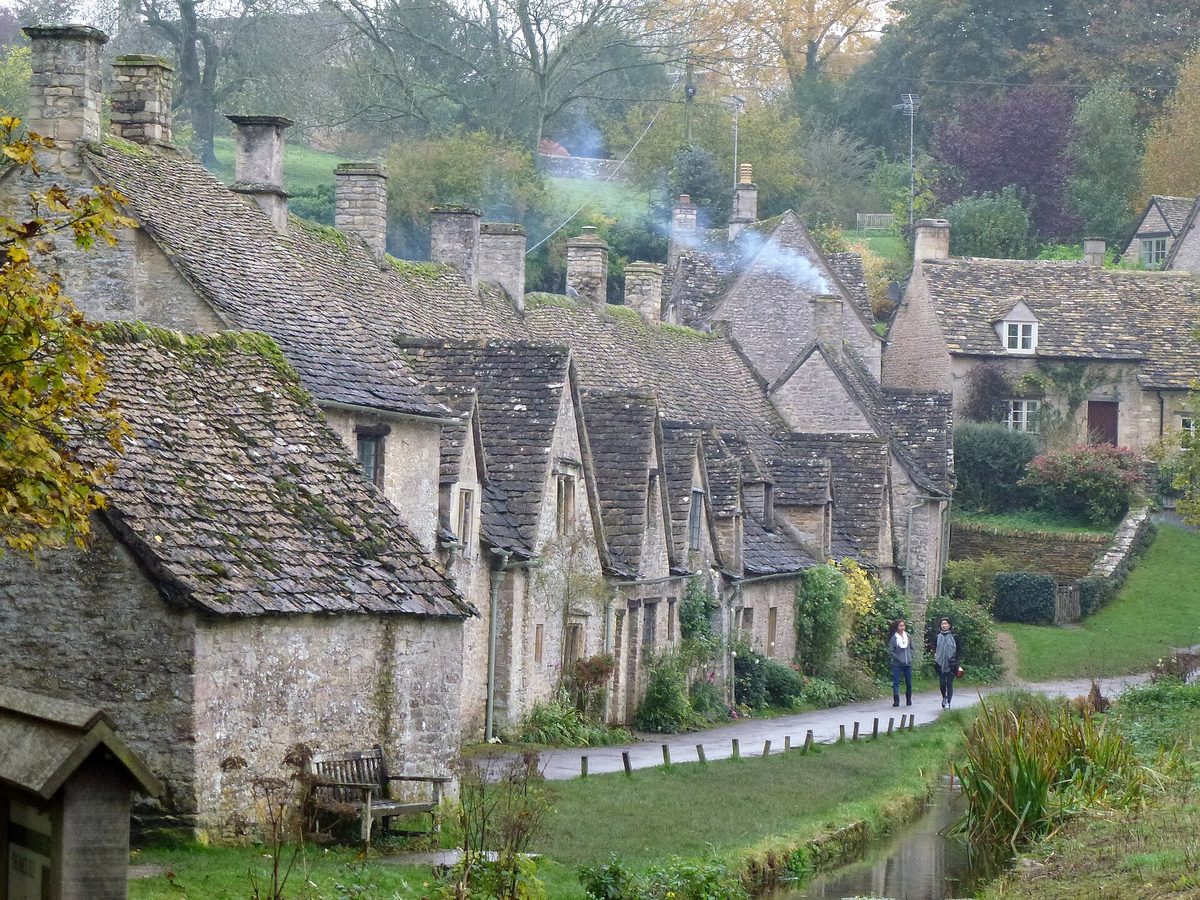
Day 5 is your Cotswolds day, and it’s the reason I base you in Bath. The Cotswolds are a patchwork of golden-stone villages — Castle Combe, Lacock (the National Trust village where they film period dramas), Bibury, Bourton-on-the-Water — strung across rolling hills. Here’s the honest catch: they’re awkward without a car. Public transport between the villages is sparse. So either hire a car for a day or two, or take a small-group day tour from Bath (typically £45–£70 in 2026). For the village-by-village detail and which ones to skip when it’s busy, my full Cotswolds guide goes deep, and the wider most beautiful villages in England roundup will help you choose.
Day 6 is a choice. If you have a car, drive to Stonehenge (about an hour from Bath, around £30+ for a timed adult ticket via English Heritage in 2026) and pair it with the quieter, free, walk-among-them stones at Avebury nearby — I actually prefer Avebury. If you’d rather not move, spend the day slowly in Bath: the Thermae Bath Spa rooftop pool, a canal walk, the Jane Austen connections. There’s no wrong answer. For the classic West Country cultural triangle, the Bath, Stonehenge, Oxford and Cambridge guide ties these together, and if standing stones and cathedrals are your thing, browse England’s castles and historic sites.
If you’re doing this leg by car, note that Bath has notoriously limited and pricey parking — use a Park & Ride. For everything on driving in England, including which legs are worth a car and which aren’t, see England’s best driving routes.
Day 7: Oxford on the Way North
Oxford is the perfect hinge in this itinerary. It sits roughly between Bath and the north, it’s a manageable day, and it breaks up what would otherwise be a long travel day.
There’s no fast single train from Bath straight to Oxford, so the simplest play is: hand back any hire car, take the train (changing at Didcot Parkway, total time around 1 hour 15 minutes as of 2026), and spend the day among the colleges. Walk the cobbles, see the Radcliffe Camera and the Bodleian Library, climb the University Church tower for the rooftops-and-spires view, and have a pub lunch — the Turf Tavern, tucked down an alley, is a favourite of mine.
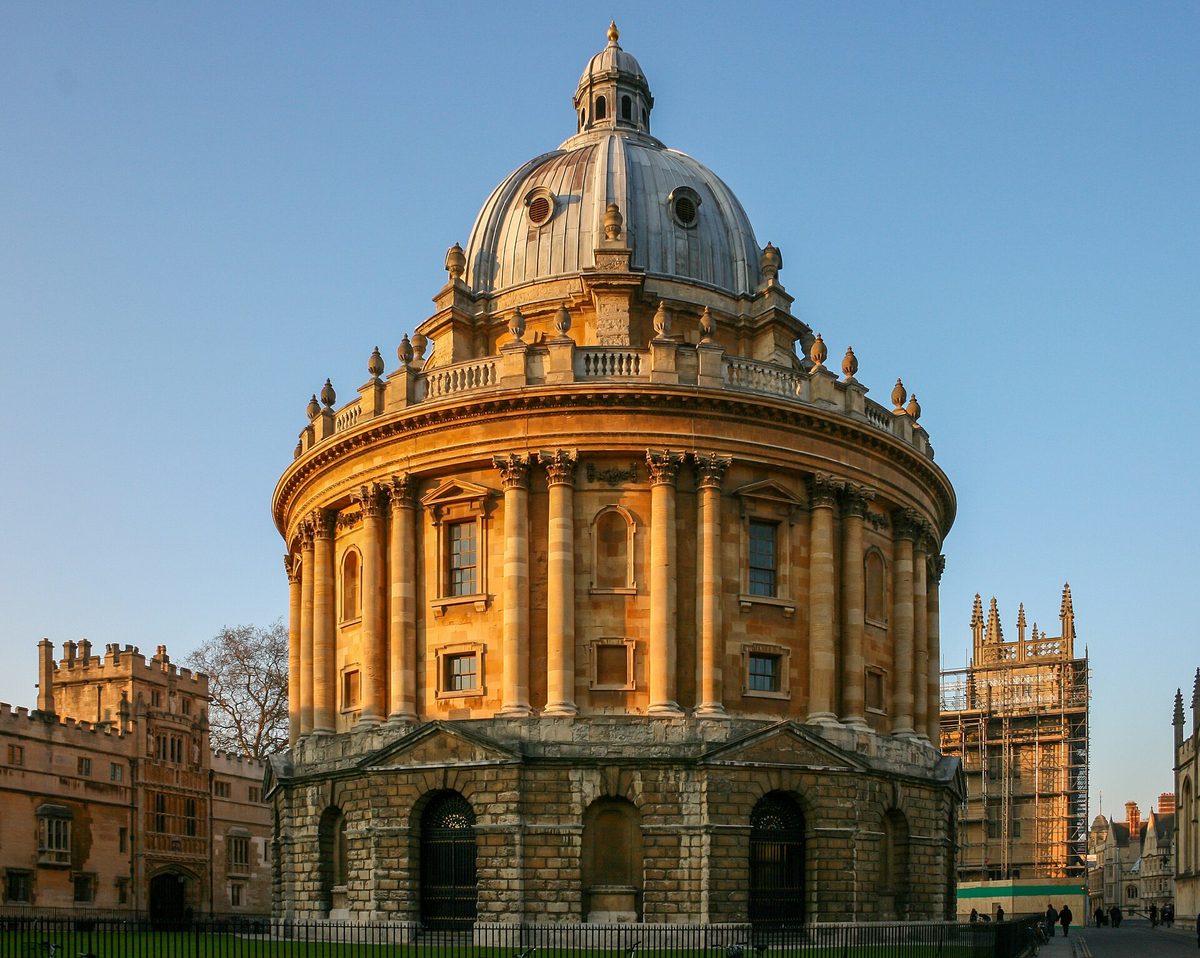
Whether you sleep in Oxford on Day 7 or push on to York the same evening depends on your energy and your train times. If your legs are tired, an extra night in Oxford is no hardship; if you’re keen to bank the journey, an early-evening train gets you to York for a late dinner. Either works. For the historic-city angle more broadly, my historic towns in England and England cities guides will help you decide if you’d swap Oxford for Cambridge (do-able, but it’s geographically east, so it complicates the run north).
Days 8–10: York, the Northern Finale
York is my default recommendation for the “one historic city up north” slot, and I’ll defend it. It’s compact, walkable, dense with history, and it feels different from the south — more Viking, more medieval, a bit grittier in a good way.
From London (if you’ve routed back through the capital) the journey to York takes around 2 hours on the fast LNER services from King’s Cross; from Oxford you’ll change but it’s a comfortable half-day. Note LNER’s timetable changed in late 2025 and again in spring 2026, generally adding services, so check current times when you book.
Give York two full days. Day 8: arrive, walk the medieval city walls (free, about two miles all the way round, brilliant for orientation), get lost in the Shambles — the lurching timber-framed shopping street that supposedly inspired Diagon Alley — and have dinner in a centuries-old pub.
Day 9: York Minster in the morning (around £16 for an adult including the tower climb in 2026 — the largest Gothic cathedral in northern Europe, and worth every step), then choose between the Jorvik Viking Centre and the superb (and free) National Railway Museum. York packs a lot into a small footprint, which is exactly why it suits the end of a busy trip — you can do a lot on foot without ever feeling rushed.

Day 10 is your buffer. Slow breakfast, a last wander, maybe Clifford’s Tower for the view, then the train back to London (around 2 hours) for your flight, or fly out of Manchester if that suits your airline. I always build in a buffer day; trying to sightsee and catch an international flight on the same morning is how holidays end in stress.
The Alternative Loop: Swap York for the Lake District
Some of you will read “two days in a medieval city” and think: I came for mountains. Good. Here’s the clean swap.
Keep Days 1–7 exactly as above (London, Bath, Cotswolds, Oxford). Then, instead of York, head to the Lake District for Days 8–10. The honest truth about access is that the Lakes are harder to reach by public transport than York. From York by train it’s a change and a few hours; from London direct to Windermere is around 3 to 3.5 hours on the fast Avanti services (usually changing at Oxenholme Lake District for the branch line to Windermere), or roughly 4.5 hours’ drive. This is the one leg where I’d genuinely consider a car, because once you’re there, buses are limited and the joy of the Lakes is pottering between Grasmere, Ambleside, Keswick and the smaller tarns.
With three days you can base yourself in Ambleside or Windermere and do one proper fell walk (Catbells above Derwentwater is the gentle classic, with a view that punches far above its effort), one lake cruise on Windermere or Ullswater, and one slow village-and-tearoom day. It is the most beautiful corner of England, full stop. My full Lake District guide has the walks and bases laid out, and for the wider hiking picture see England’s national parks and hiking.
Which to choose? If you want history, cathedrals, pubs and cobbles, take York. If you want mountains, water and big skies, take the Lakes — but accept a longer, car-friendlier travel leg. Both are excellent endings; they’re just different holidays.
A third option I’ll mention briefly: swap the entire northern leg for Cornwall and Devon in the southwest, which pairs naturally with Bath geographically. That makes a tidier loop with less north–south mileage, trading historic cities for dramatic coastline and beaches. The Cornwall and Devon travel guide covers it, and England’s coast and beaches is worth a look if sea over scenery appeals.
Trains or a Car? How to Actually Get Around
The good news is that my main route works almost entirely by train. London, Bath, Oxford and York are all well connected, and on those legs the train beats driving easily — no parking, no motorway stress, and you can read or nap.
The exception is the countryside. The Cotswolds and the Lake District are the two places where a car genuinely transforms the experience, because the best bits are between the villages, not in them. My usual advice for this exact itinerary: travel city-to-city by train, and hire a car only for the Cotswolds days (or the Lakes leg if you take that alternative). You get the best of both.
If the idea of driving on the left fills you with dread, you can absolutely do a version of this trip carless by leaning on small-group day tours for the Cotswolds — I’ve written a full plan around that constraint in the England itinerary by train guide. For the nuts and bolts of fares, railcards and ticket types, England transport is your reference, and the practical-prep stuff (plugs, tipping, SIM cards) lives in the broad England planning guide.
Book train tickets in advance where you can. “Advance” fares on routes like London–York can be a fraction of the walk-up price, but they tie you to a specific train. For short hops like London–Bath, off-peak flexibility is usually fine. Costs for the whole trip vary wildly by season and how you book, so for ballpark budgeting read England budget and costs before you commit.
When to Take This Trip
I’m writing this in June 2026, which is honestly close to the ideal window. Late spring through early autumn (roughly May to September) gives you the long daylight that makes those Cotswolds and Lakes days sing — in midsummer it’s light past 9pm, which effectively lengthens your sightseeing day.
The trade-offs: July and August are busiest and priciest, the Cotswolds villages and York’s Shambles get crowded, and you’ll want to book accommodation earlier. May, June and September are my picks — decent weather odds, fewer crowds, lower prices. Pack a rain layer regardless; this is England, and the Lake District is literally England’s rainiest corner, which is also why it’s so green. For the month-by-month rundown, see choosing when to go.
Final Thoughts
If I had ten days in England and a friend visiting for the first time, this is the trip I’d plan for them without hesitation. London long enough to settle in, Bath and the Cotswolds for the green, slow, golden-stone England everyone pictures, Oxford as a gentle hinge, and York to end on something that feels properly old and properly different.
The thing I most want you to internalise is the balance, and the restraint. Ten days is generous, but it is not infinite. Use the three extra days a week doesn’t give you to add one region and slow down — not to bolt on a fourth city and spend your holiday in transit. Three bases, short hops, deep memories.
Whatever you do, leave something for next time. England rewards return visits, and the bits you don’t reach on this trip — Cornwall, Cambridge, the Peak District, the Northumberland coast — are reason enough to come back. For the bigger menu of where to go, browse where to go in England and start a list. Have a wonderful trip.
Research and Source Notes
While planning and fact-checking this itinerary I cross-referenced train timings and ticket types on National Rail and the operators’ own sites (LNER for London King’s Cross–York, GWR for Paddington–Bath, and Avanti West Coast for London–Windermere), noting that LNER’s timetable changed in December 2025 and March 2026. Attraction hours and prices were checked against official sources including the Roman Baths (Bath), Historic Royal Palaces (Tower of London), English Heritage (Stonehenge), York Minster and the Lake District National Park Authority. General regional guidance was sanity-checked against Visit Britain. All prices and times are hedged as “around” and accurate to the best of my knowledge as of June 2026 — always confirm current figures on the official site before you book, as fares and opening hours change seasonally.
Photo Credits
- Georgian terrace of the Royal Crescent in Bath, a key stop on a balanced 10 day England itinerary — Photo: Unknown (CC0) via Wikimedia Commons. Source
- The medieval Tower of London beside Tower Bridge, an essential London stop on a 10 day England itinerary — Photo: Rafa Esteve / CC BY-SA 3.0 via Wikimedia Commons. Source
- Honey-coloured cottages at Arlington Row in Bibury, the quintessential Cotswolds village on this England 10 day route — Photo: John H Darch / CC BY-SA 2.0 via Wikimedia Commons. Source
- The domed Radcliffe Camera and Bodleian Library in Oxford, a classic stop on a 10 day England itinerary — Photo: Mike Peel / CC BY-SA 4.0 via Wikimedia Commons. Source
- The Gothic towers of York Minster rising over the city, the northern highlight of this 10 day England itinerary — Photo: Michael D Beckwith (CC0) via Wikimedia Commons. Source
Frequently asked questions
Is 10 days enough to see England?
It’s enough to see England’s greatest hits well, not all of England. In ten days you can comfortably cover London, the Bath/Cotswolds countryside and one northern city like York with time to actually relax. You won’t fit Cornwall, Cambridge and the Lakes into the same trip — and trying to is the classic mistake. Go deep on three regions instead.
How many days should I spend in London on a 10 day trip?
Three nights is my firm recommendation. Two leaves you sprinting; four starts eating into the countryside time that makes ten days special. Three nights gives you a jetlag-friendly first day, one big-museum day, and one landmark day, without the city feeling like a checklist. If you adore cities, swap a countryside night back to London.
Should I rent a car for a 10 day England itinerary?
Mostly no, partly yes. The city legs — London, Bath, Oxford, York — are faster and far less stressful by train. But the Cotswolds and the Lake District are genuinely awkward without a car, since the best villages sit between bus routes. My rule: train between cities, hire a car only for the countryside days, or use day tours.
What’s the best 10 day route for first-time visitors?
London (3 nights) to Bath and the Cotswolds (3 nights) to Oxford (1 day) to York (2–3 nights). It balances the capital, classic countryside and one historic city, with short travel legs. For help deciding what to prioritise on a first visit, my first time England itinerary guide ranks the must-dos versus the skippables in detail.
Can I do a 10 day England itinerary with kids?
Yes, and this route adapts well — York’s Viking centre and railway museum, London’s museums, and short train legs all suit families. I’d add more downtime and fewer cathedrals. I’ve built a dedicated family version with kid-tested timings and stops on the family itinerary page, which is where I’d start if you’re travelling with children.
Is it better to end in York or the Lake District?
Depends what you came for. York is easier to reach by train, compact, and full of history, pubs and cobbled streets. The Lake District is more beautiful and better for walking, but harder to reach and best with a car. Pick York for history and ease; pick the Lakes for mountains and lakes, and budget a longer travel leg.