Sheet 54 · England Itinerary Planner · 17 min read
England Itinerary With Kids
A parent-tested England itinerary with kids: realistic daily pace, the best family stops, where to stay, transport tips and a concrete 7-day route.
 Sheet 54
Contents 10 sections
The first time I planned an England itinerary with kids, I built the kind of trip I’d have loved as a solo traveller: six cities, eleven days, a cathedral before lunch and a castle after. We lasted about a day and a half before my youngest melted down on the steps of St Paul’s and I realised I’d designed a holiday for nobody who was actually on it.
So I rebuilt it. Slower, sillier, with more ice cream and fewer churches. And it worked.
This is the guide I wish I’d had then: how to route England when half your party is under twelve, where the real kid wins are, and a concrete week-long plan you can copy or tweak.
Quick Answer: How to Plan an England Itinerary With Kids
A good England itinerary with kids keeps the pace gentle: base in London for three to four nights, then add one or two regional stops over about seven days. Mix grown-up sights with guaranteed kid wins like Warwick Castle, the Harry Potter Studio Tour and the Natural History Museum, build in rainy-day backups, and never plan more than one “big” thing a day.
That last line is the whole secret, honestly. One big thing a day. Everything else flows from it.
If you’re still deciding how long to go and where to base yourselves, my broader England itinerary planner walks through the regions; this page is specifically about doing it with children in tow. For the deep family detail (packing, eating out with picky kids, the best playgrounds), pair it with my England with children guide.
A Family Route at a Glance
Here’s the shape I keep coming back to. It assumes you fly into and out of London, which most international families do, and it’s built so nobody is dragging a tired four-year-old across the country on a Tuesday afternoon.
| Day | Base | Big thing of the day | Why it works for kids |
|---|---|---|---|
| 1 | London | Arrive, easy park + playground | Jet lag day, zero pressure |
| 2 | London | Natural History Museum | Dinosaurs, free, indoors if wet |
| 3 | London | Tower of London + river boat | Castle, ravens, knights, boat |
| 4 | London | Harry Potter Studio Tour | The day they’ll remember forever |
| 5 | Bath / Cotswolds | Roman Baths + countryside | Hands-on history, then green space |
| 6 | Lake District | Windermere boat trip | Boats, sheep, splashing about |
| 7 | London (or fly home) | London Eye + buffer | Big view, slow goodbye |
You’ll notice it’s not a race around eight counties. That’s deliberate. Below I’ll explain the pace, the best individual stops, where to sleep, how to survive trains and prams, and what to do when it rains, which in England it will.
The Realistic Pace: What Kids Can Actually Do
Adults talk about itineraries in terms of distance. Families should talk about them in terms of energy, and small people run out of it fast.
My rule of thumb, tested across several trips: one major attraction in the morning, lunch, then something low-stakes and physical in the afternoon, a park, a playground, a beach, the hotel pool. Trying to cram two museums into one day with under-tens is how you buy a tantrum and a coffee you don’t get to finish.
Build in what I call a “do-nothing” morning every two or three days. On our last trip the kids still talk about the rainy Tuesday we spent in pyjamas doing a jigsaw in the apartment more than they talk about Stonehenge. You cannot win against a jigsaw.
A few hard-won pacing notes:
- Jet lag is real for kids too. International families landing from the US or Asia should treat day one as a write-off. A flat park and an early dinner beats a “let’s power through” disaster.
- Mornings are gold. Kids are freshest before lunch and attractions are quietest. We’re usually first through the gate and back at the apartment by mid-afternoon.
- Snacks are infrastructure, not a treat. I never leave a base without water and something to eat. A hungry child in a ticket queue is a different species.
- Let them lead sometimes. A whole afternoon “wasted” feeding ducks in a London park is, to a six-year-old, the best day of the trip.
If you want to go slower still, and with little kids I’d genuinely consider it, my slow travel England itinerary makes the case for fewer bases and longer stays, which suits families brilliantly.
Balancing Grown-Up Sights With Kid Wins
You don’t have to choose between the things you want to see and the things that keep the children happy. The trick is layering them.
A cathedral is boring to a seven-year-old, until you give them a “spot the gargoyle” mission and a phone to photograph them. A long countryside walk is a death march, until it’s a “find five different leaves” treasure hunt with a chocolate reward at the end. Same place, completely different child.
My personal formula is roughly two-thirds kid-led, one-third grown-up, and I make sure the grown-up third has a sweetener attached. Want to see Bath’s Georgian architecture? Fine, but it ends at Sally Lunn’s with a giant bun. Want a wander round Oxford’s colleges? Bribe currency is punting on the river afterwards.
The happiest family days are the ones where the “educational” bit is disguised as an adventure. Castles do this for free, which is why I lean on them so heavily below.
The Best Family Stops in England
These are the places that earned their spot through actual child-tested enthusiasm, not just because a guidebook said so. I’ve hedged prices as “around” and current as of 2026; always check official sites before you book, because they nudge upward and seasonal opening hours shift.
Castles That Beat Any Theme Park
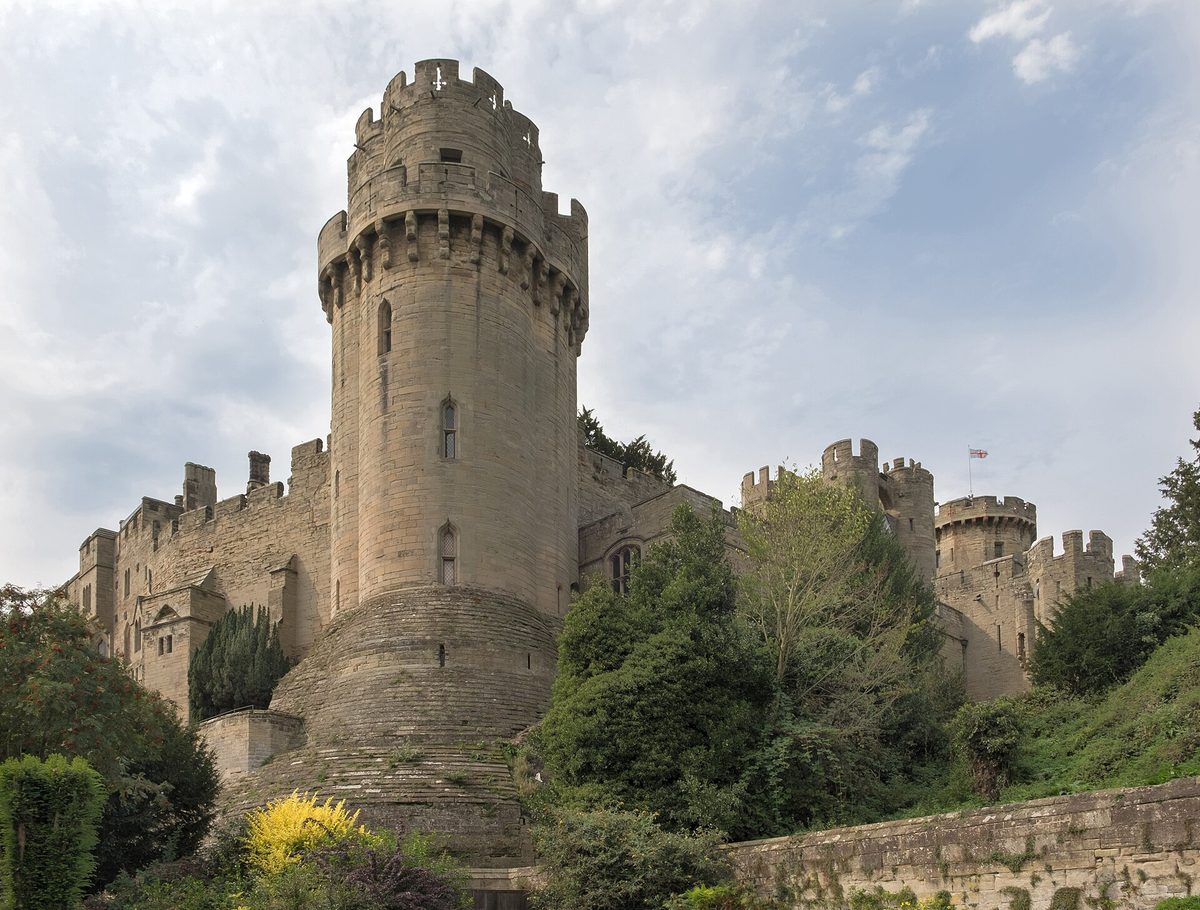
Warwick Castle is the one I’d send every family to first. It’s a proper medieval castle that’s been gently turned into a day out: trebuchet firings, birds of prey, a dungeon, ramparts to run along, and, in summer, jousting. Entry is around £29 on the gate but closer to £26 if you book ahead online as of 2026, with family tickets available. It opens at 10am and the day fills up, so go early. We gave it a full day and the kids would happily have stayed two.
The Tower of London is the city version: a thousand years of grisly history, the Crown Jewels, the ravens, and Yeoman Warders (“Beefeaters”) who tell stories far better than any audio guide. Kids love the executioner’s block and the armour. Combine it with a boat down the Thames and you’ve got a near-perfect London day. For more on the capital’s logistics, my London travel guide has the detail.
Castle-hungry families could happily build a whole trip around battlements; my England castles and historic sites guide ranks the best for kids specifically.
The Harry Potter Studio Tour
If your children know Hogwarts, the Warner Bros. Studio Tour London (The Making of Harry Potter) in Watford is the single biggest hit on this list. You walk the actual Great Hall set, ride a broom on green screen, drink Butterbeer and gawp at the giant model castle. It’s a half-day, it’s outside central London, and it sells out weeks ahead, so book the instant your dates are firm.
As of 2026, official tickets are around £58.50 for adults and £47 for children aged 5 to 15, and they must be pre-booked, there are no walk-ups. Packages with return coach transport from central London run from around £94 per person, which I’d honestly recommend over working out the train-plus-shuttle yourself with tired kids.
Museums That Don’t Feel Like Museums
London’s big museums are free, which for a family is a gift, and you can dip in for an hour without guilt.
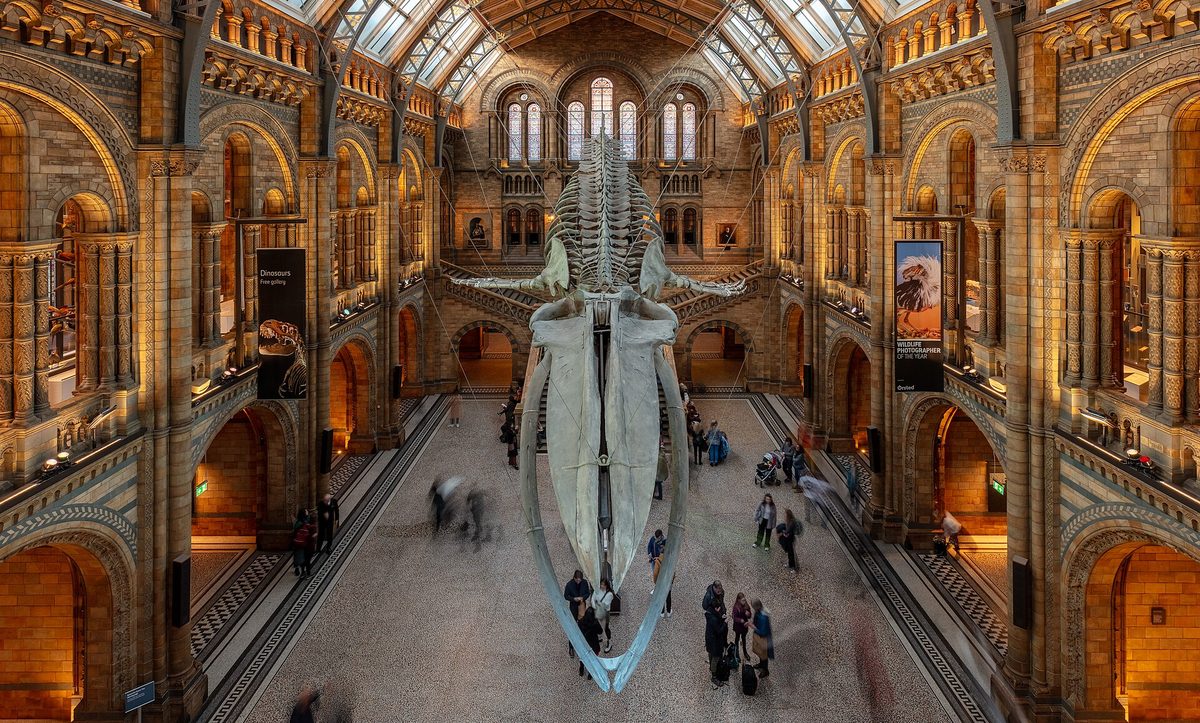
- Natural History Museum — dinosaurs, a blue whale, an earthquake floor. The number-one rainy-day card in my deck.
- Science Museum — buttons to press, a flight gallery, and a paid hands-on play area (Wonderlab) that’s worth it for under-tens.
- Young V&A in Bethnal Green — voted the UK’s most family-friendly museum, designed entirely for kids to play and build. Underrated.
Go at opening, do an hour or ninety minutes, leave before the meltdown. Free entry means you never feel you have to “get your money’s worth.”
Beaches and the Coast
English beaches surprise overseas families, in a good way. Cornwall and Devon are the stars: wide golden sand at places like Perranporth and Woolacombe, rock pools full of crabs, and proper waves for older kids to bodyboard. It’s a long way southwest, so it suits longer trips, but it’s magic. My complete Cornwall and Devon guide and England coast guide cover where to dig in.
Closer to London, Brighton is a quick train ride for a classic pebbly-beach-and-pier day: arcades, fish and chips, and a deckchair while the kids run riot.
The Eden Project
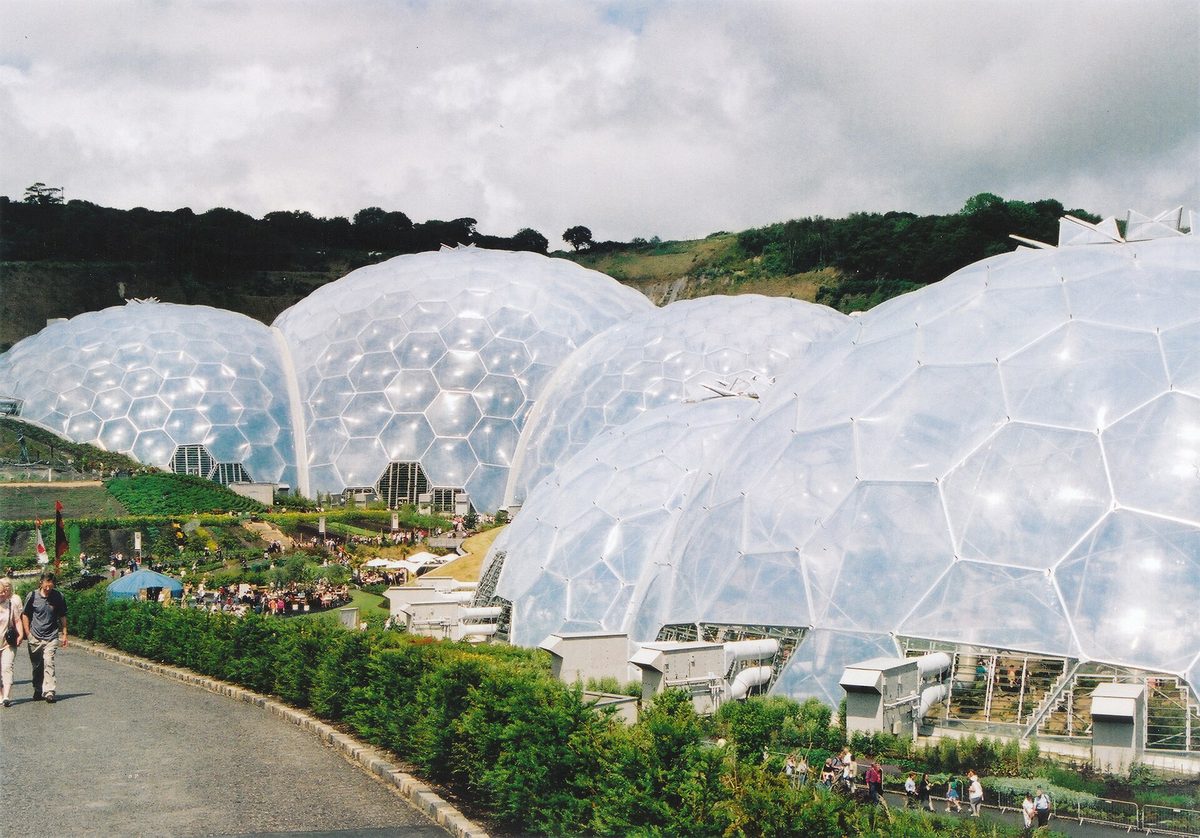
Down in Cornwall, the Eden Project is a brilliant rainy-or-shiny family stop, giant biome greenhouses (a steamy rainforest one the kids adore), play areas, and in winter an ice rink. Online tickets as of 2026 are around £39.50 per adult and £15 per child, working out near £110 for a family of four, and your ticket doubles as an annual pass. It’s a half to full day depending on how long you linger.
Lake District Boat Trips
The Lake District is where you trade castles for the outdoors, and a Windermere lake cruise is the easy win. Hop-on hop-off boats run between Bowness, Ambleside and Lakeside; a family ticket covers two adults and up to three children, and dogs travel free. Pair the boat with the Lakeside & Haverthwaite steam railway at one end and you’ve combined two things small children love into one afternoon. There’s a stunning aquarium at Lakeside too for the inevitable wet day.
It’s a long haul north, so the Lakes suit trips of a week or more. My Lake District travel guide and hiking guide map out the kid-friendly walks (short, with a payoff).
The London Eye
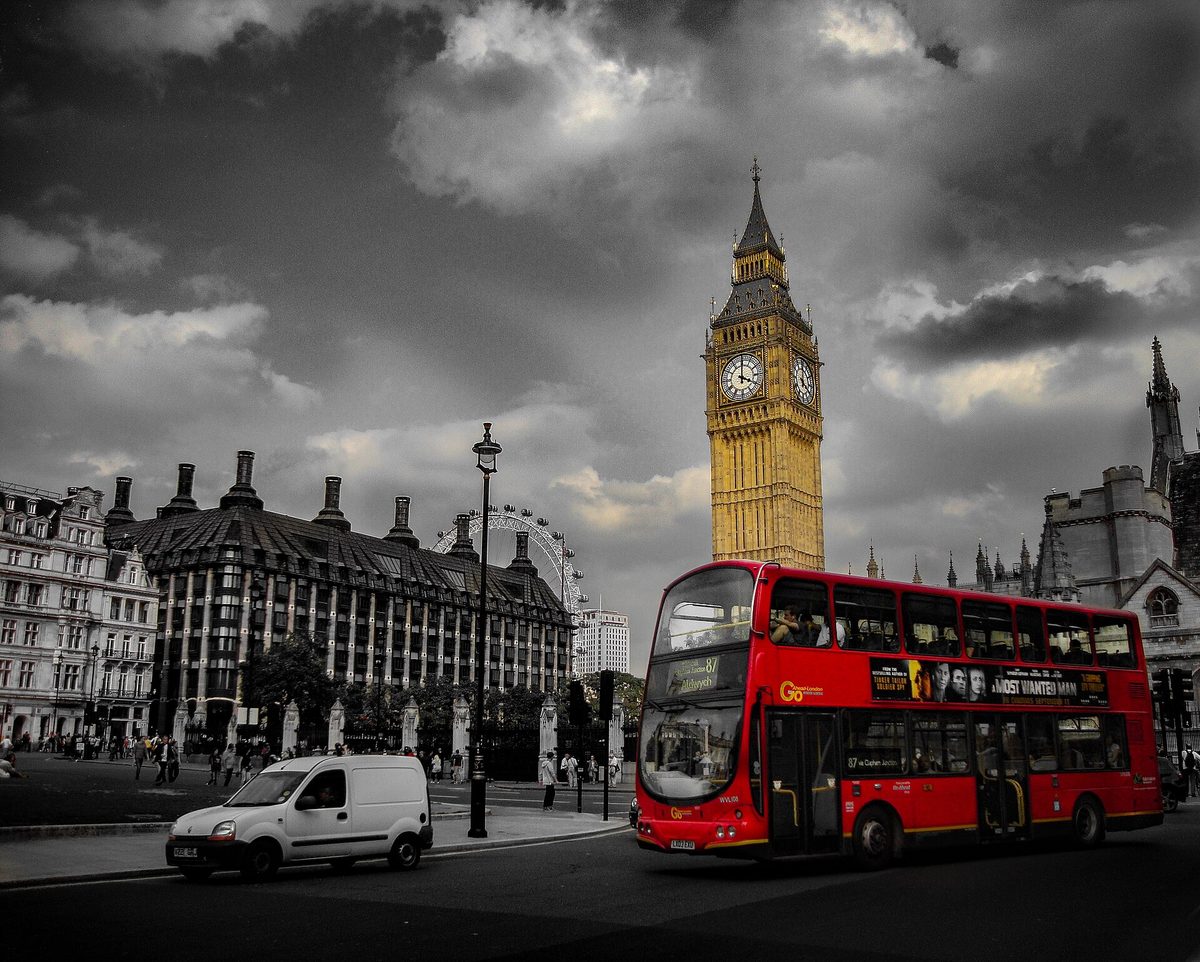
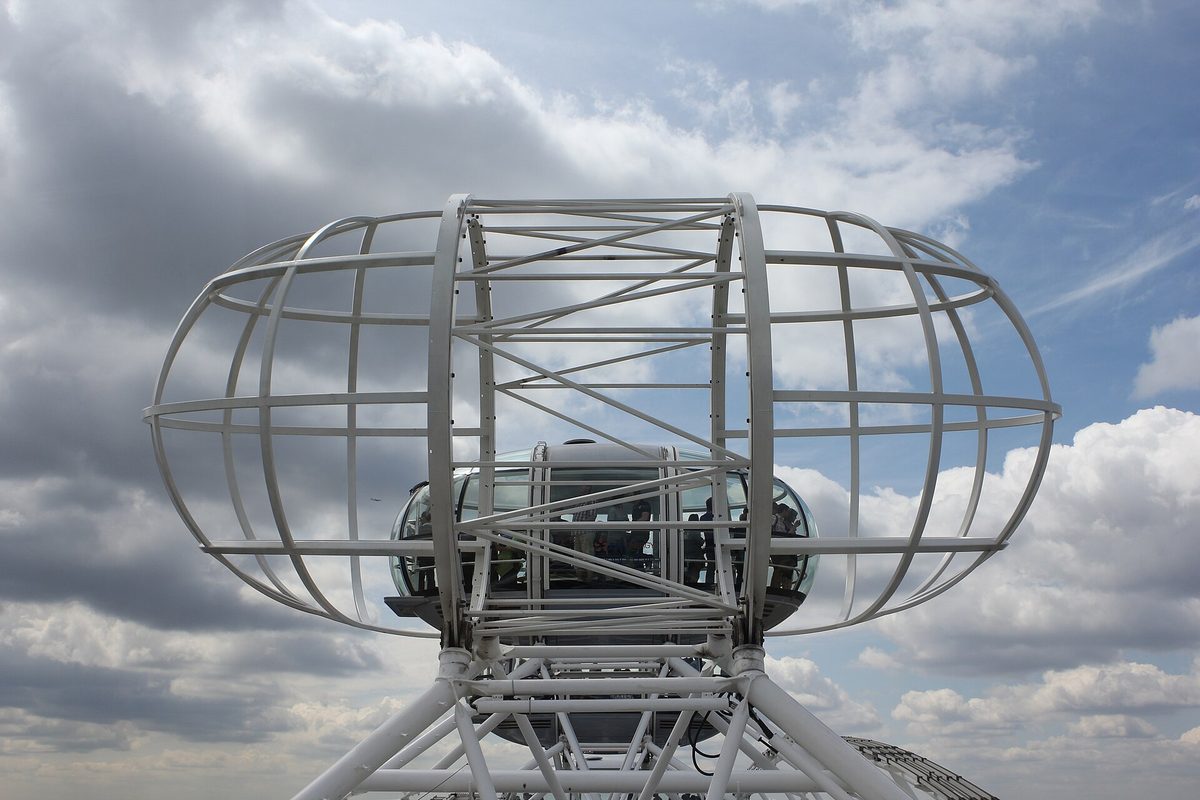
Save the London Eye for a clear-ish day near the end. One slow 30-minute rotation gives you the whole city laid out, and even fidgety kids stay rapt because the capsule is big enough to wander. As of 2026, standard tickets are around £33 if booked online (sometimes from £29, more on the day), with Fast Track around £44 if the queue looks brutal. It’s right by the river, so combine it with the Southbank, the buskers, and a walk past Big Ben.
Where to Stay: Family-Friendly Accommodation
This matters more than any single attraction. Get the base right and a tired day ends gently; get it wrong and you’re all crammed into one hotel room negotiating bedtimes in the dark.
My strong preference with kids is self-catering apartments over hotel rooms. The reasons are practical:
- A separate bedroom means you’re not whispering and sitting in the dark at 7pm.
- A kitchen means breakfast in pyjamas and a few money-saving dinners in, which adds up fast for a family.
- Space to spread out and a sofa to collapse on after a long day.
If you do go for a hotel, ask specifically for a family room (sleeps four-plus) rather than assuming, and check whether under-twos or under-fives stay free, many do. Holiday parks and cottages shine outside the cities; in the Lakes and Cornwall a self-catering cottage with a garden is family heaven.
A few booking notes from experience: location beats luxury (being a short walk from a station and a supermarket is worth more than a fancy lobby), and always confirm the cot or extra bed is actually included before you arrive. My England bases guide breaks down neighbourhoods and types, and England budget and costs helps you sanity-check the family bill, which adds up quicker than you’d think.
Getting Around With Kids and Luggage
Transport is where family trips quietly go wrong, so it’s worth a plan.
Trains are my default for the London-to-region legs, and they’re genuinely good with kids, big seats, a loo, a buffet trolley, and a window that beats any screen. But two real-world warnings. First, prams and buggies: most UK trains take them but storage is tight and not guaranteed, so a compact fold-up stroller beats a tank of a pushchair every time. Second, luggage: there are no porters, racks fill up, and you’re hauling everything yourself. Pack light, use rucksacks for the kids, and aim for off-peak trains where it’s calmer and cheaper.
A huge plus: children under 5 travel free on the railways, and under-16s get roughly half-price fares, with cheap kids’ add-ons on a Railcard. On London’s Tube and buses, under-11s travel free with a paying adult, which makes the city remarkably affordable for families.
Driving comes into its own once you’re out of London and chasing the coast, the Lakes or scattered Cotswold villages, anywhere public transport gets fiddly. Two things to sort in advance: car seats (UK law requires them up to age 12 or 135cm, and you must request them with a hire car, or bring your own to be safe) and the fact that they drive on the left, which takes a day to get used to. My England transport guide compares trains versus car in detail, and if you fancy a proper road leg, England road trips has family-friendly routes.
For families who’d rather skip driving entirely, you absolutely can, my England itinerary by train sibling guide shows how to do a whole trip on the rails.

Rainy-Day Backups (You Will Need Them)
England and rain are old friends. The families who have a great trip aren’t the ones who get lucky with weather, they’re the ones who planned for grey skies. Always keep a wet-weather option in your back pocket for each base.
In London, you’re spoiled: the Natural History Museum, the Science Museum, the Young V&A and the Transport Museum are all indoors and (mostly) free. The London Eye runs whatever the weather, and a big indoor soft-play or a swimming pool is a brilliant pressure valve.
Out in the regions, my go-to backups are: the Roman Baths and the Thermae spa town buzz in Bath; the Eden Project biomes in Cornwall (the rainforest’s warm and humid, who cares if it’s wet outside); the Lakeside Aquarium in the Lake District; and any town with a leisure-centre pool. An aquarium plus a café plus a film back at the apartment can rescue an entire washed-out day.
The mindset shift that helped me most: don’t treat rain as a ruined day, treat it as the day you do the indoor thing you’d planned anyway. Pack a light waterproof each and small kids genuinely don’t mind puddles, it’s adults who sulk.
A Concrete 7-Day Family Itinerary
Here’s the week I’d actually run, written as if I were doing it tomorrow. It’s London-heavy on purpose, that’s where the density of kid wins is, with two regional escapes. Shuffle the order to suit your kids’ ages and energy.
Day 1 — Land and do nothing clever. Get to your London apartment, find the nearest park and playground, eat early, sleep. If anyone’s wired from the flight, a slow walk by the river is plenty. Resist the urge to “make the most of it.” Tomorrow you will.
Day 2 — Natural History Museum + South Kensington. Be there for opening, dinosaurs and the whale, out by lunch. Afternoon in Hyde Park or the Diana Memorial Playground (Peter Pan pirate ship, sandpit). Easy dinner near the apartment.
Day 3 — Tower of London + Thames boat. Morning at the Tower: Crown Jewels, ravens, armour, a Beefeater story. Lunch, then a river boat upstream past the bridges, kids love being on the water and it doubles as transport. Evening: ice cream, early night.
Day 4 — Harry Potter Studio Tour. Book the coach-plus-ticket package from central London. It’s a half-to-full day in Watford and the absolute highlight for many kids. Keep the evening empty; they’ll be buzzing and then crash hard.
Day 5 — Train to Bath. Around 90 minutes from London Paddington. Roman Baths in the morning (the audio guide has a kids’ version), Sally Lunn’s bun for lunch, then a wander or a green space and the open-top bus. Stay overnight in Bath or use it as a Cotswolds gateway, my Bath, Stonehenge, Oxford and Cambridge and Cotswolds travel guide cover the area for families.
Day 6 — Lake District (for longer trips) or a London day. If you’ve got the days and want the outdoors, head north for a Windermere boat trip, a steam train and a gentle lakeside walk; it’s a long way but worth a night or two. If you’d rather not travel far, swap in a London day: the Science Museum, Covent Garden street performers, and the changing of the guard (free).
Day 7 — London Eye + slow goodbye. Back in London. Ride the Eye on a clear-ish morning, walk the Southbank, last souvenirs, and an early dinner before the flight home. Leave a genuine buffer; the worst family-trip days are the ones spent racing a departure clock with overtired kids.
That’s seven days that feel full without being frantic. Want to stretch it? Add the coast (Cornwall or Brighton), more Cotswolds villages, or a day in York for Vikings and the National Railway Museum. My 7-day England itinerary and 10-day England itinerary siblings show how to scale up, and where to go in England helps you pick the next stop.
Final Thoughts
The best advice I can give about an England itinerary with kids is the advice I most needed to hear myself: do less. The trip my children remember isn’t the one where we saw the most, it’s the one where we had time to muck about in a park, ride a boat for no reason, and eat chips on a pier while the rain came in sideways.
England is unusually kind to families. The history is built for small imaginations once you frame it as adventure, the museums are free, the trains are easy if you pack light, and there’s a castle or a beach or a dinosaur within reach almost everywhere. Lean on the kid wins, hedge against the rain, keep to one big thing a day, and you’ll come home with a child who genuinely loved a cathedral city, even if it was mostly about the bun.
Build your route from the family-first version of my main England itinerary planner, and let the kids veto at least one thing. They’ll surprise you with what they want to keep.
Research and Source Notes
Prices and opening hours were checked against official sources in June 2026 and hedged as “around” / “as of 2026,” as they change seasonally:
- Warwick Castle — official site (warwick-castle.com) for day-ticket pricing (around £26-£29) and 10am opening.
- Warner Bros. Studio Tour London (Harry Potter) — official site (wbstudiotour.co.uk) for adult/child ticket prices and advance-booking-only policy.
- The London Eye — official site (londoneye.com) for ticket pricing and seasonal opening hours.
- Eden Project — official site (edenproject.com) for online adult/child admission and annual-pass policy.
- Windermere Lake Cruises — official site (windermere-lakecruises.co.uk) for family-ticket details and cruise routes.
I also reviewed leading family-travel coverage (Frommers, Rough Guides, Ciao Bambino and independent family-travel blogs) to sense-check popular routes and the most common parent questions, then built a pace and structure aimed at real-world family energy levels rather than maximum sightseeing.
Photo Credits
- Family-friendly Warwick Castle, a highlight of any England itinerary with kids, with its medieval towers and grounds — Photo: DeFacto / CC BY-SA 4.0 via Wikimedia Commons. Source
- The dinosaur skeleton in the Natural History Museum London, a top free family stop on an England trip — Photo: Diego Delso / CC BY-SA 4.0 via Wikimedia Commons. Source
- The London Eye on the South Bank at dusk, a memorable finale for an England family itinerary — Photo: Perituss (CC0) via Wikimedia Commons. Source
- A cruise boat on Lake Windermere in the Lake District, an easy outdoor highlight for families — Photo: Michael D Beckwith (CC0) via Wikimedia Commons. Source
- The biome domes of the Eden Project in Cornwall, a rain-or-shine family attraction in southwest England — Photo: Gunnar Klack / CC BY-SA 4.0 via Wikimedia Commons. Source
Frequently asked questions
How many days do you need in England with kids?
I’d aim for at least seven, and ten is the sweet spot. A week lets you do London properly (three to four nights) plus one or two regional escapes without rushing. Fewer than five days and I’d stay London-only with maybe one easy day trip; pushing past two weeks, slow right down or you’ll all burn out.
Is England a good place to travel with children?
Hugely. It’s English-speaking, very safe, packed with castles and free museums, and kids travel free or cheap on most public transport. Attractions are genuinely set up for families, and the history that bores adults often delights children once it involves knights, dungeons or dinosaurs. The main thing to manage is the weather and the walking distances.
What is the best age to take kids to England?
Honestly, almost any, but roughly 6 to 12 is the easy zone: old enough to walk a fair bit and enjoy castles and Harry Potter, young enough to still find everything magical. Under-fives are doable but plan around naps and use a buggy. Teens love London’s grit, food and shopping; just give them some say in the plan.
How much does an England family holiday cost?
It varies wildly, but as a rough 2026 guide a family of four should budget meaningfully for London accommodation, which is the big line. Paid attractions like the Studio Tour add up (around £200+ for a family there alone), but free museums, under-11 free transport in London, and self-catering meals balance it. My costs and budget guide breaks it down properly.
What is the best time to visit England with kids?
Late spring to early autumn (roughly April to September) gives the warmest, driest weather and full attraction opening hours. July and August are warmest but busiest and priciest because UK schools break up. I love late May/June and September: milder crowds, decent weather, everything open. See my best time to visit England guide for the month-by-month detail.
Can you do an England trip with kids without a car?
Yes, easily, especially if you stay London-centric with train day trips. Britain’s rail network reaches Bath, the Cotswolds gateways, York and the Lake District, and kids under 5 travel free. A car only really pays off for the deep countryside, scattered villages and the far southwest coast. My England rail guide shows a full car-free route.