Sheet 36 · England Itinerary Planner · 16 min read
3 Week England Itinerary
My 3 week England itinerary skips the rushed grand tour for regional bases in Northumberland, Yorkshire, the Peak District, Cornwall and the Welsh border.
 Sheet 36
Contents 11 sections
A good 3 week England itinerary is really permission to stop sprinting. Most people get two weeks and spend it racing between London, the Cotswolds, Bath, the Lake District and York. It’s a good trip. I’ve done it. But the first time I had a full three weeks, I made a quiet decision that changed everything: I would stop collecting headline sights and start staying put.
That meant fewer hotels, more nights in each place, and whole regions that the standard tour never reaches. Northumberland. The high Yorkshire Dales. The Peak District’s edges. The far tip of Cornwall past where the day-trippers turn around. The Welsh-border hill country that even a lot of Brits skip.
This is the trip I wish someone had handed me. It assumes you finally have the time to do England properly, slowly, with room to be rained on and not panic.
Quick Answer: What does a 3 week England itinerary look like?
A great 3 week England itinerary uses five or six regional bases of three to four nights each instead of one-night dashes. I’d spend roughly: 3 nights London, 4 nights deep Cornwall and Devon, 3 nights in the Cotswolds or Welsh-border Shropshire, 3 nights in the Peak District, 3 nights in the Yorkshire Dales, and 3 nights in Northumberland, finishing through York. That’s 21 days that actually breathe.
If you only have one or two weeks, don’t try to squeeze this in. Use my 7-day England itinerary, the 10-day version, or the classic 2-week grand tour instead — they’re built for that. This page is for the lucky few with 21 days and a desire to go past the postcards. For the bigger picture of how all these routes fit together, see my main England itinerary guide.
At a glance: the regions and how long to stay
Here’s the whole shape of it before we dig in. I’ve assumed a loose clockwise-ish loop, but you can run it either direction.
| Region / base | Nights | Why you go | Don’t-miss day trip |
|---|---|---|---|
| London | 3 | Land, adjust, see the big one | Greenwich or a Kent castle |
| Cornwall & Devon (Penzance/St Ives) | 4 | Wild coast, far west, Dartmoor | The Lizard & Kynance Cove |
| Cotswolds or Shropshire | 3 | Honey villages or border hills | Ironbridge or a market town |
| Peak District (Bakewell/Castleton) | 3 | First English national park, caves, edges | Chatsworth House |
| Yorkshire Dales (Hawes/Grassington) | 3 | Green valleys, waterfalls, drystone walls | Settle–Carlisle railway |
| Northumberland (Alnwick) | 3 | Hadrian’s Wall, castles, empty beaches | Holy Island / Bamburgh |
| Finish via York | 1–2 | Medieval city, easy onward travel | The Shambles & Minster |
That’s 19–21 nights depending on how you handle the last leg. I’ll flag where to trim if you want a slower version with fewer regions.
A quick honesty note on getting around: this itinerary really wants a car for the rural middle. The Dales, the Peak edges, the Northumberland coast and Penwith are all thin on public transport, and a hire car turns a logistical headache into the best part of the day. If driving on the left isn’t for you, I’ll point out the rail-friendly swaps as we go, and my England transport guide covers the trade-offs in detail. There’s also a dedicated England by train itinerary if you want to go fully car-free.
Days 1–3: London, but don’t over-stay
Land, sleep, and give London exactly three nights. It’s tempting to give the capital more, but the whole point of this trip is everywhere else. Three days is enough for one big museum, one proper walk, one good day trip, and a couple of unhurried dinners.
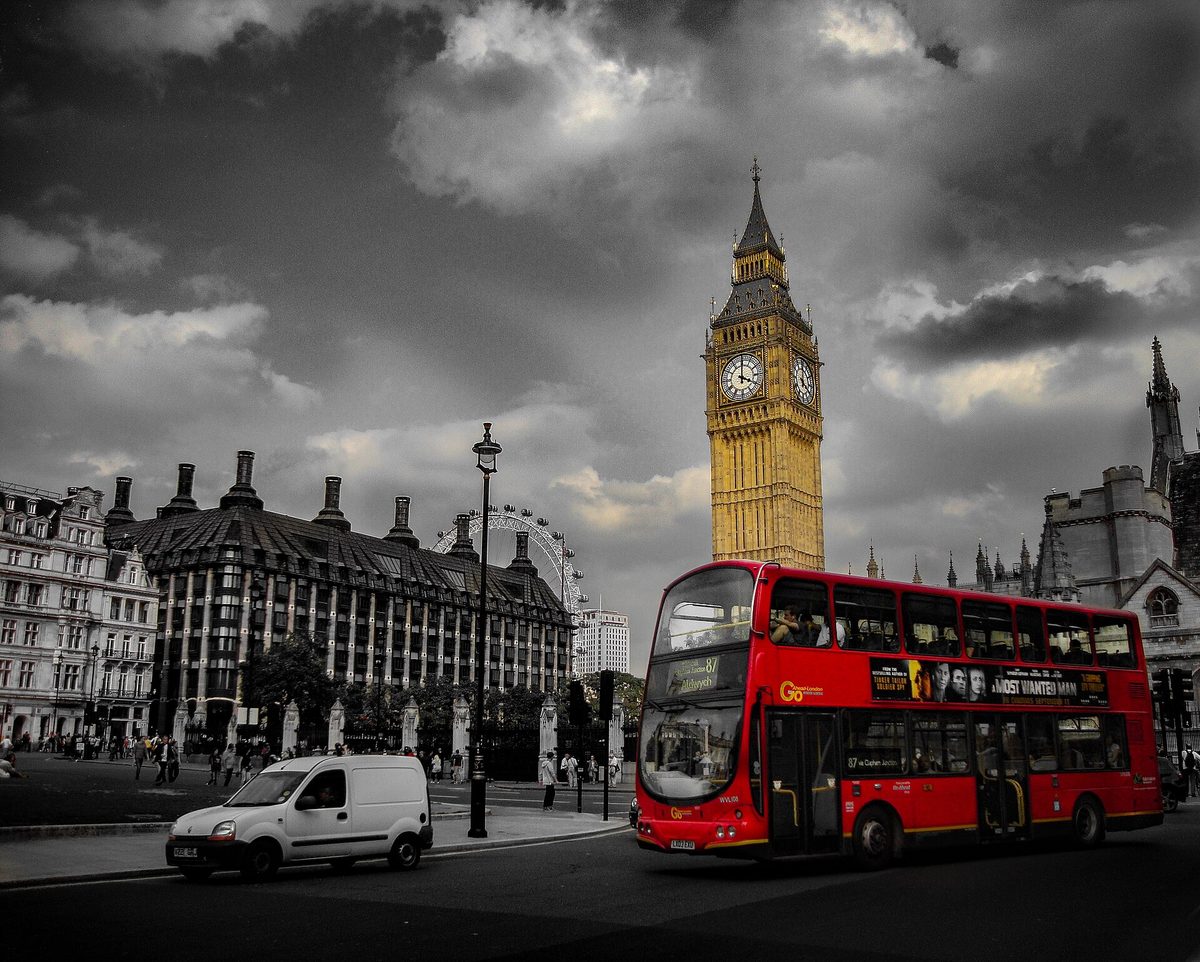
I’d do the British Museum or the Tate Modern on a jet-lagged first morning (both free, both forgiving if your brain is mush), then walk the river from Westminster to the Tower. Save a full day for a day trip from London — Greenwich for the maritime stuff and the meridian line, or out to a Kent castle if you want a gentle first taste of the countryside.
Don’t try to “do” London properly now. You’ll likely fly home from here, and you can binge the rest then. My London city guide has my full short-stay plan. Pick up your hire car on the morning of day 4 — ideally from a station on the western edge so you’re not crawling through the centre.
A word on direction: I’m sending you west first because the long drive down to Cornwall is the one most people dread, and it’s far nicer to do it fresh than knackered at the end. You’ll be glad later.
Days 4–7: Cornwall and Devon, past where the crowds stop
This is where a three-week trip earns its keep. With four nights down here, you can go well beyond the Instagram stops at St Ives and Tintagel and actually reach the wild bits.
The drive from London to Penzance is long — around five hours by train, a bit more by car with stops — so break it. I like pausing at Stonehenge or in Bath for lunch; both sit roughly on the way and I cover them in my Bath, Stonehenge, Oxford and Cambridge guide. Then push on to the far west.
Base yourself in the far west
Penzance or St Ives both make excellent bases for west Cornwall. St Ives is prettier and has the Tate; Penzance is where the train line ends, has more grit and good restaurants, and puts you closer to the Lizard. I usually pick Penzance and use it for four nights.
From there, the real Cornwall opens up:
- The Penwith loop. Drive the coast past Botallack’s clifftop tin mines, out to Land’s End (skip the theme-park bit, walk the cliffs), down to the Minack open-air theatre carved into the rock at Porthcurno, and back through tiny Mousehole. A full, glorious day.
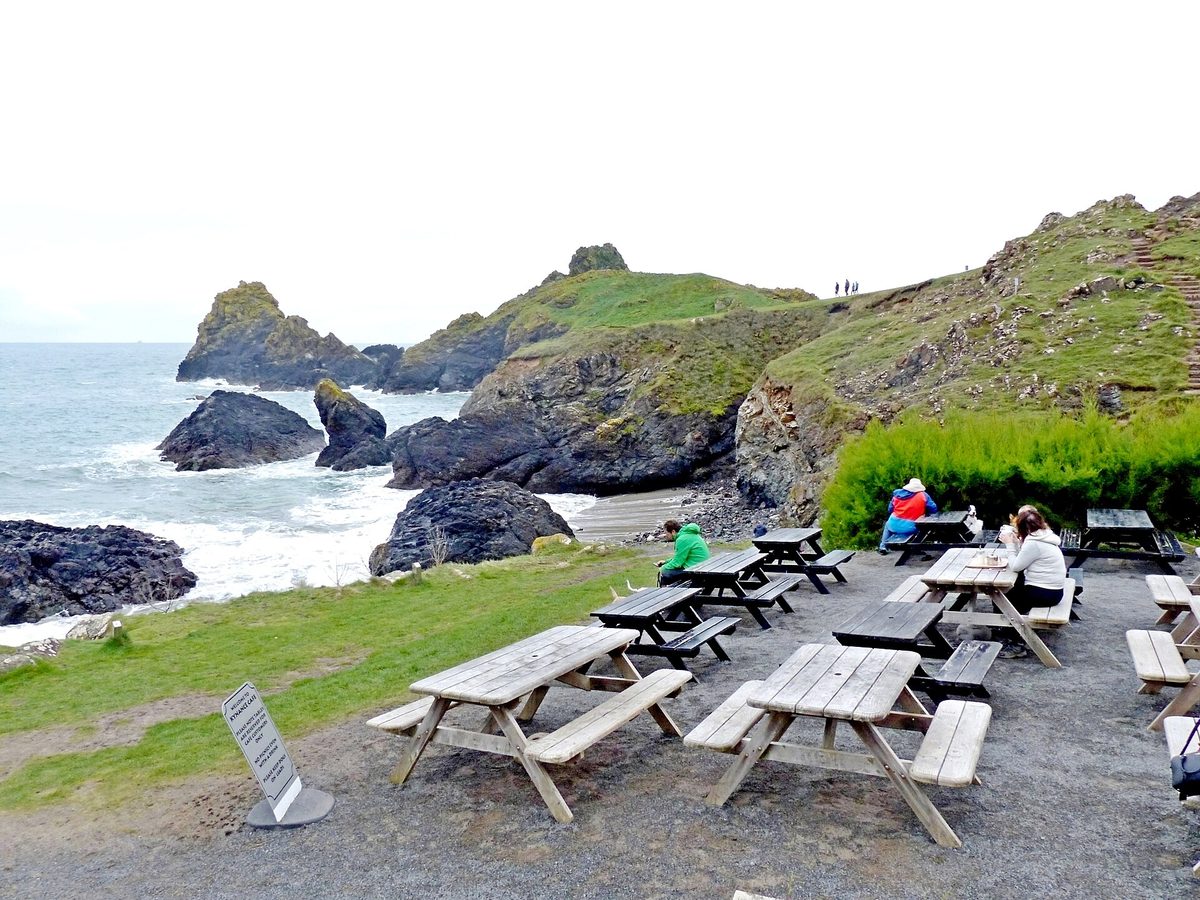
- The Lizard Peninsula. This is England’s actual most southerly point and, I’ll argue, lovelier than Land’s End. Kynance Cove on a sunny falling tide is one of the best beaches in the country. Lizard Point itself feels like the edge of the world.
- A Dartmoor day on the way out. As you head north on day 7 or 8, route through Dartmoor rather than the dual carriageway. The B3212 crosses the open moor past wild ponies, the Postbridge clapper bridge, and bleak, beautiful nothing.
For more on the region — including the north coast around Padstow and Boscastle if you’d rather swing that way — see my Cornwall and Devon travel guide. And if you’d love an extra beach day or two, this is the leg to steal nights from elsewhere; the coast and beaches guide will tempt you.
Days 8–10: The Cotswolds or the Welsh-border country
Now a decision. Coming up from the southwest, you’ll pass near the Cotswolds. If this is your first England trip and you can’t bear to miss those honey-stone villages, give them three nights — Stow-on-the-Wold or Chipping Campden make lovely bases, and my complete Cotswolds guide has the full plan. They’re famous for good reason.
But if you’ve seen the Cotswolds before, or you genuinely want to go where almost no overseas visitor does, point the car at Shropshire and the Welsh border instead. This is my contrarian pick and the one I’d choose.
Why Shropshire rewards the curious
Shropshire is rural, quiet, and stuffed with things that would be mobbed if they were two hours closer to London. Base in Shrewsbury — a gorgeous Tudor town wrapped in a loop of the River Severn, and Darwin’s birthplace — for three nights. From there:
- Ironbridge Gorge, a UNESCO World Heritage Site widely called the birthplace of the Industrial Revolution, with the world’s first cast-iron bridge and a cluster of excellent museums. It’s on my list of England’s UNESCO sites.
- Ludlow, a handsome hilltop market town with a ruined castle and a genuine foodie reputation — far more restaurants than a town this size has any right to.
- The Shropshire Hills and Stokesay Castle, a fortified medieval manor that survived almost untouched, plus walking country that runs straight into Wales.
This region barely shows up on standard itineraries, which is exactly why I love it. You’ll have market squares and hill paths largely to yourself. If you want more of this energy across the whole trip, my hidden gems in England and most beautiful villages guides lean the same way.
Either way, after three nights here you’re well placed to push north into the Peak District.
Days 11–13: The Peak District, England’s first national park
The Peak District gets weirdly overlooked by international visitors who go straight from the Cotswolds to the Lakes. That’s a mistake. It was England’s first national park, it sits within an hour of several big cities, and it packs caverns, gritstone edges, stately homes and proper hills into a compact area.
Where to stay in the Peak
Two camps, literally. The White Peak in the south is gentler — limestone dales, drystone walls, pretty villages. Bakewell (yes, the tart) is the obvious base here, central and well served. The Dark Peak in the north is wilder, with brooding moors and the famous edges. Castleton is the base I’d pick for that side, tucked under the ridge with show caves on its doorstep.
I’d stay three nights and split my time:
- Chatsworth House, one of England’s grandest stately homes, with state rooms, a vast park and a farm shop worth the trip alone. It anchors my castles and historic sites guide.
- The edges, Stanage and Curbar especially — long gritstone escarpments with huge views, beloved of climbers and very walkable for the rest of us.
- Mam Tor and the Castleton caverns, including the boat trip into Speedwell Cavern. The walk along the Mam Tor ridge to Lose Hill is the classic.
It’s prime walking country, so if hiking is your thing, the national parks and hiking guide is your friend here. Bakewell to Castleton is only about 40 minutes by car, so you don’t even have to choose sides.
Days 14–16: The Yorkshire Dales, slow and green
From the Peak District it’s a straightforward run north into Yorkshire. I send people to the Dales specifically (rather than only the Moors) because the green-valley-and-waterfall scenery is England at its most quietly perfect, and because the bases are so good.
The best Dales bases
- Hawes sits right in the middle of the prettiest scenery, high in Wensleydale, and has the Wensleydale Creamery if you like cheese with your views.
- Grassington is a charming stone village in Wharfedale and a natural three-night base, with good pubs and easy access south.
- Settle puts you on the famous railway (more below) and has a proper little high street.
Pick one and stay three nights. Things I’d build the days around:
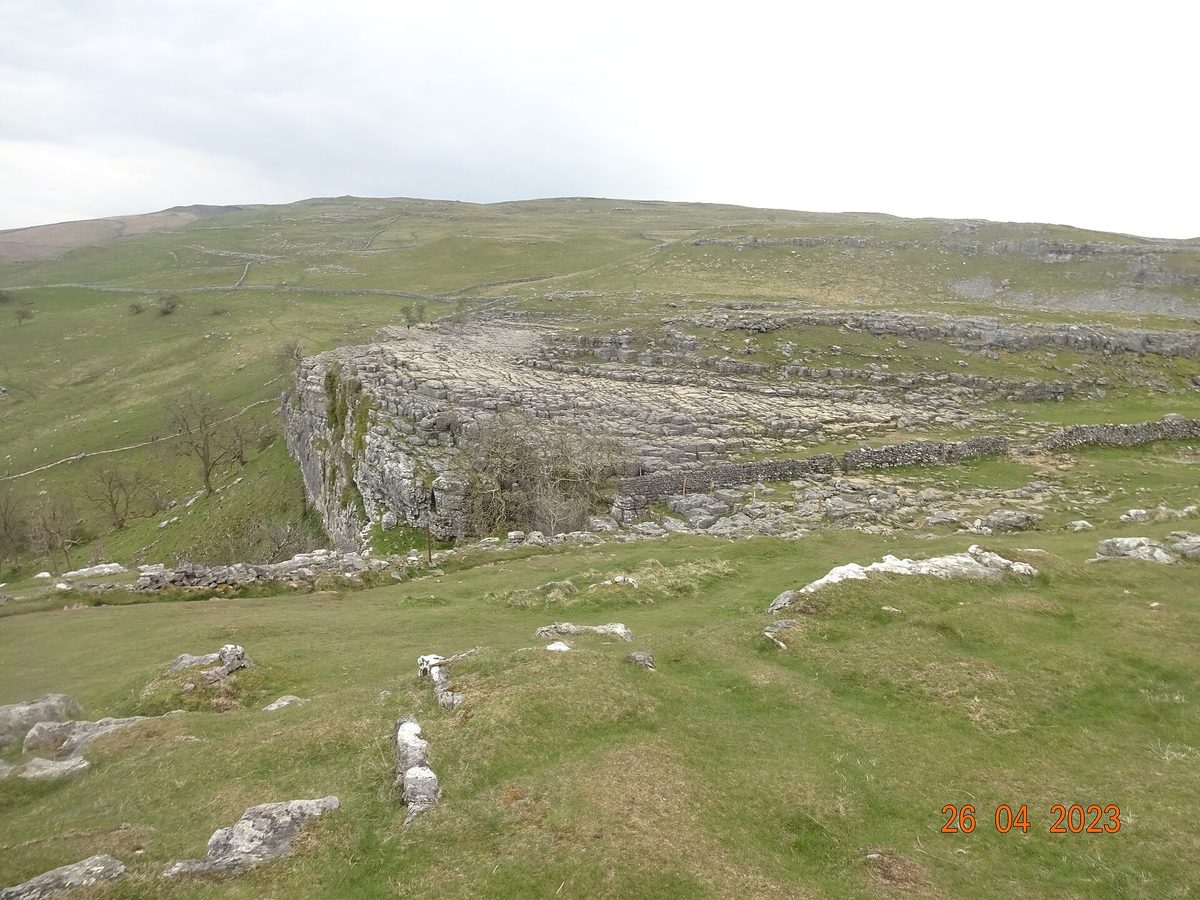
- Malham, with the dramatic curving cliff of Malham Cove and the limestone pavement on top — the most photographed spot in the Dales and worth every step.
- Aysgarth Falls and the waterfall walks, a series of broad limestone steps on the River Ure, easy and lovely.
- The Settle–Carlisle railway, one of the great scenic train lines in Britain. Even if you’re driving, park up and ride a stretch over the Ribblehead Viaduct — it’s spectacular, and a brilliant car-free afternoon.
This is the region where I most often hear people say they wished they’d stayed longer. If your schedule is flexible, steal a night from London or the finish and give the Dales four. For more in this vein, my scenic England guide round-up is heavy on Yorkshire.
If you want to add the North York Moors and the coast (Whitby, Robin Hood’s Bay), that’s the natural extension — but it adds a day or two, so it’s a swap, not a freebie. I’d only do it at the expense of a region above.
Days 17–19: Northumberland, the empty corner
If there’s one region I’d fight for on a three-week trip, it’s Northumberland. It’s the least populated county in England, which means Roman forts, vast castles and some of the country’s best beaches — almost to yourself. Even Hadrian’s Wall, the headline act, rarely feels crowded out here.
Drive up from the Dales (roughly two and a half hours) and base in or near Alnwick for three nights.
What three nights in Northumberland buys you
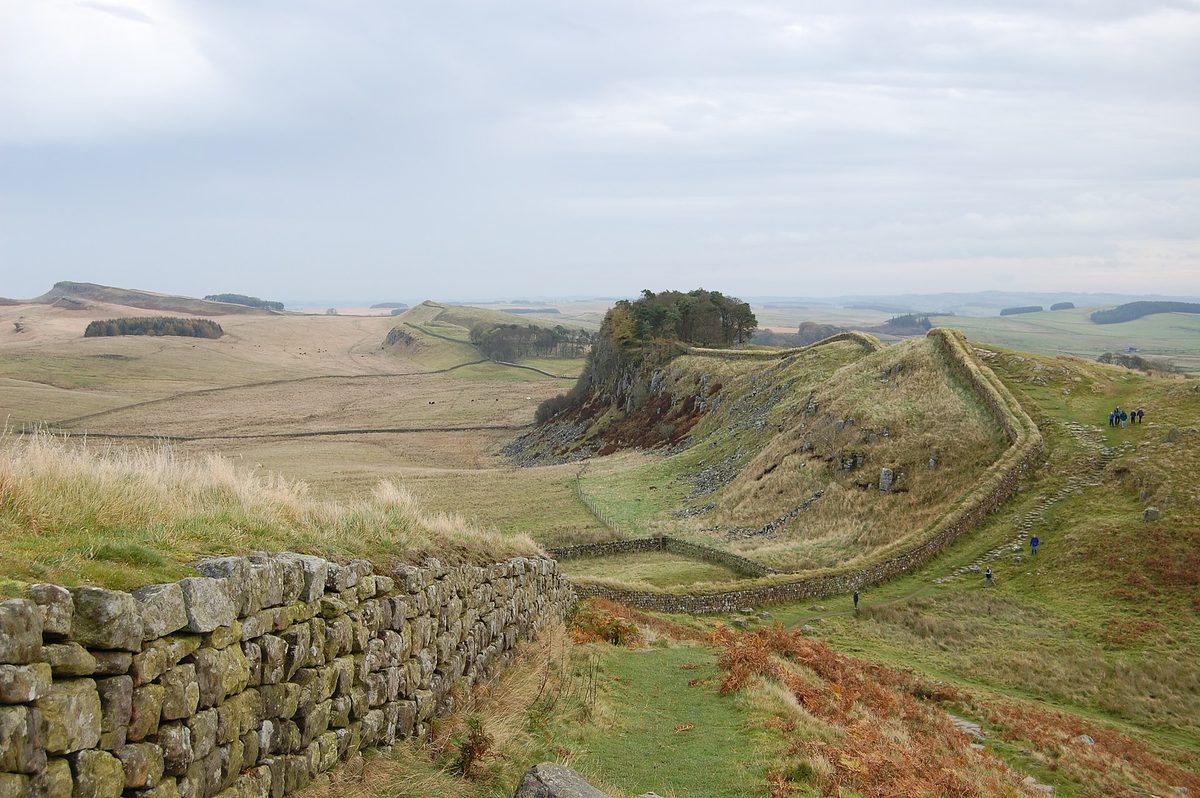
- Hadrian’s Wall. Skip the souvenir stretches and head for the dramatic central section around Housesteads and Sycamore Gap. Walk a length of it along the crags — the wall riding the ridgeline with empty country rolling away on both sides is unforgettable. Housesteads is the most complete Roman fort in Britain.
- Alnwick Castle. The second-largest inhabited castle in England, a Norman border fortress that doubled as Hogwarts in the early Harry Potter films. As of 2026 it’s open roughly late March to late October — it reopened on 27 March 2026 — with grounds open about 10am to 5pm and adult tickets around £21.55–£23.95 (online tickets convert to a year pass, so check the official site before you go). Pair it with the modern, water-feature-filled Alnwick Garden next door.
- The coast. Bamburgh Castle on its dune-backed beach is one of the most jaw-dropping castle settings in the country. Time the tides and walk or drive the causeway to Holy Island (Lindisfarne), with its priory ruins and tiny castle — but check the safe crossing times first; the causeway floods twice a day and people genuinely get caught.
Northumberland is the payoff for going deep. Standard tours stop at York and turn around; you’ll be standing on a Roman wall in the wind wondering why everyone else missed this. It headlines my hidden gems thinking and turns up across the England castles and historic sites guide too.

Days 20–21: York, then home
Loop back south to York for your final night or two. After three weeks of moors, coast and quiet, a compact medieval city is the perfect full stop — and York is the best of them. It’s also a major rail hub, so it’s easy to drop the car and train onward to London or fly out of a northern airport.
Give it a slow day: walk the city walls, get lost in the Shambles (the impossibly narrow medieval street), and visit York Minster, one of the largest Gothic cathedrals in northern Europe. The Jorvik Viking Centre and the National Railway Museum are both worth your time if you’ve got an extra morning.
If you’ve still got energy and want a last burst of cities, York connects easily back toward London with stops possible at Cambridge — see best cities to visit in England for ideas. But honestly, after this trip, a quiet final dinner in a York pub is the right note to end on. My England food, pubs and afternoon tea guide has my favourites.
Then it’s the train or a short hop back to London for your flight, where you can spend any spare hours mopping up the capital you skimmed on day one.
How to flex this itinerary
Three weeks is generous, but it’s still finite. A few ways I adapt it:
- First England trip? Keep the Cotswolds leg instead of Shropshire, and don’t feel bad about it — see my first-time England itinerary for the gentler, more famous version of this loop.
- Travelling with children? Swap a couple of the bleaker walking days for castles, caves and beaches, which kids tend to love anyway. My England itinerary with kids and family travel in England guides reshape it for families.
- Want even fewer bases and a slower pulse? That’s a different philosophy — staying put in two or three regions and going deep on each. My unhurried itinerary is built for that; it’s about going deeper in fewer places, where this trip is about reaching more regions.
- Add the Lake District? Many will want it. It slots neatly between the Dales and Northumberland — but it deserves three nights of its own, so add a region’s worth of time or drop one of mine. My complete Lake District guide makes the case.
For the money side of all this, real three-week costs and where to economise, see England budget and costs, and for the route logistics, England’s best driving routes covers driving distances and the best stretches of tarmac.
Final Thoughts
The first time I did England in two weeks, I saw a lot and remember it as a blur of motorway services and half-explored towns. The first time I did it in three, with these longer regional bases, I remember the places: the wind on Hadrian’s Wall, the tide coming in across the Holy Island causeway, a slow afternoon in a Shropshire market town with nobody else around, the colour of the water at Kynance Cove.
That’s the whole argument for this trip. You’re not trying to tick England off. You’re giving yourself permission to stay an extra night, take the scenic train, walk a bit further along the cliff. The greatest hits are great — but the regions in between, the ones a fortnight forces you to skip, are where England got under my skin.
If you’ve got 21 days, go deep. You’ve earned it, and England rewards it. When you’re ready to fine-tune the route, my main England itinerary hub and the best places to visit guide will help you decide what to keep and what to swap.
Research and Source Notes
While planning and fact-checking this guide I cross-referenced opening times, prices and journey times against official and authoritative sources, and hedged anything seasonal. Key references checked in June 2026 include: Alnwick Castle’s official site for 2026 opening dates and ticket prices; National Rail for the London–Penzance journey time and the Settle–Carlisle and Northumberland coastal connections; English Heritage for Hadrian’s Wall sites including Housesteads; the National Trust for coastal and countryside access including Kynance Cove and the Holy Island causeway safe-crossing guidance; and VisitBritain / VisitEngland regional pages for Shropshire, the Peak District, the Yorkshire Dales and the southwest. Prices and hours change
Photo Credits
- A 3 week England itinerary lets you reach Hadrian’s Wall winding across the empty Northumberland hills — Photo: Steven Fruitsmaak (CC0) via Wikimedia Commons. Source
- Turquoise water and serpentine rocks at Kynance Cove on Cornwall’s Lizard Peninsula — Photo: Myself (Adrian Pingstone) (CC0) via Wikimedia Commons. Source
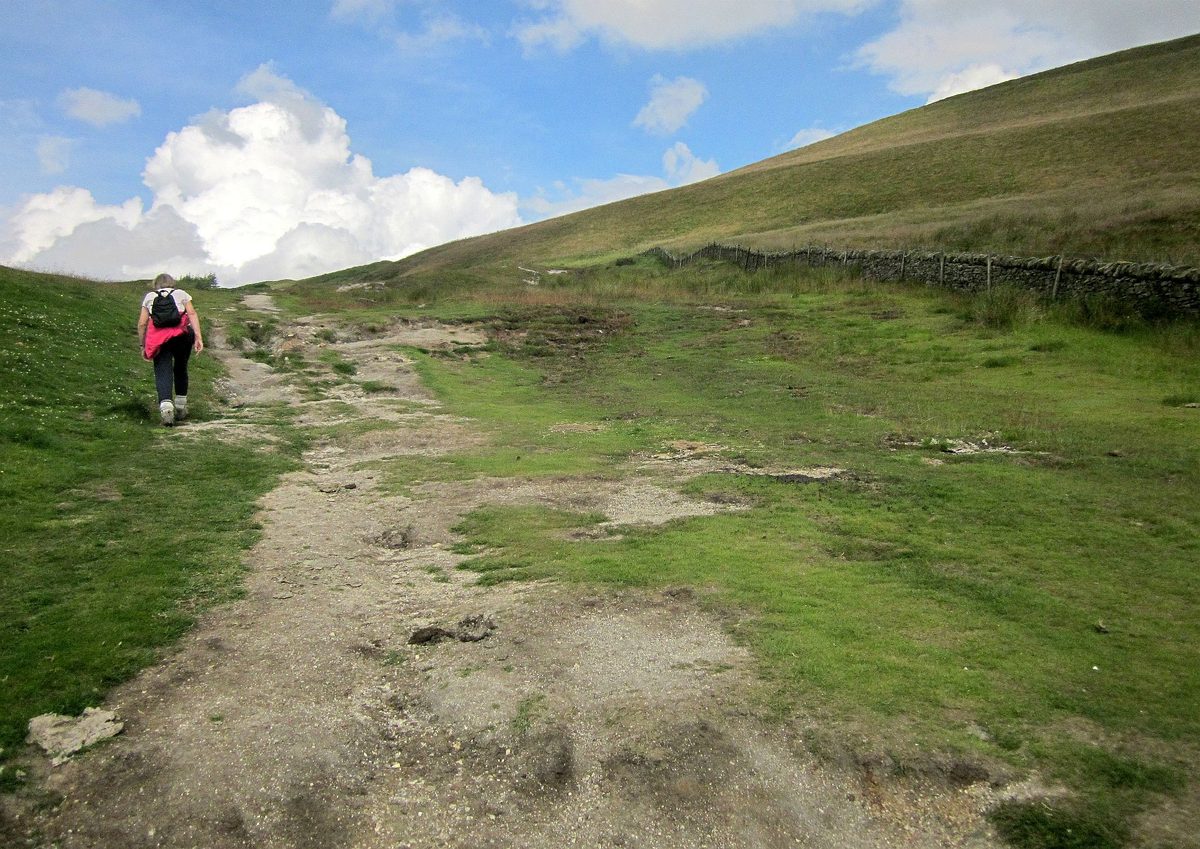
- The ridge path along Mam Tor in the Peak District, with patchwork valleys spread out below — Photo: Derek Harper / CC BY-SA 2.0 via Wikimedia Commons. Source
- Bamburgh Castle rising above its wide empty beach on the Northumberland coast — Photo: James Moore (CC0) via Wikimedia Commons. Source
- The great curved limestone amphitheatre of Malham Cove in the Yorkshire Dales — Photo: Ibrahim Ahmed (lasagna165) / CC BY-SA 4.0 via Wikimedia Commons. Source
Frequently asked questions
Is three weeks too long for England?
Not at all — three weeks lets you go beyond the greatest hits into regions most trips skip. If anything, you’ll wish for more. England is small in miles but dense in things to see, and 21 days finally gives you time for whole counties like Northumberland and Shropshire that a two-week trip can’t touch. Slower bases beat a longer sight list every time.
How much does a 3 week trip to England cost?
As a rough 2026 guide, mid-range travellers spend around £150–£200 per person per day, so roughly £3,000–£4,000 each for three weeks, excluding flights. Budget travellers can do it nearer £80 a day; luxury runs £300-plus. A hire car, fuel and rural B&Bs are the swing factors. My England budget guide breaks it down by region.
Should I do a 3 week England itinerary by car or train?
For this deep-into-the-regions version, a car is much better — the Dales, Peak edges, Penwith and the Northumberland coast are thin on public transport. If you’d rather not drive, build the trip around rail hubs and scenic lines like the Settle–Carlisle, and lean on my England by train itinerary and transport guide for the workarounds.
What’s the best time of year for three weeks in England?
Late spring (May–June) and early autumn (September) are my picks — long daylight, lighter crowds, and a better chance of dry walking weather than mid-summer. July and August are warmest but busiest, and some northern attractions like Alnwick Castle close over winter, so a shoulder-season trip keeps everything open. See England’s seasons month by month.
Can I add Scotland or Wales to a 3 week England itinerary?
You can, but I’d resist for a first deep England trip — adding either means cutting a region and rushing. That said, this loop ends near the Scottish border at Northumberland, and Shropshire sits right on the Welsh edge, so both are natural extensions if you’d rather trade an English region for a cross-border few days.
Do I need to book accommodation in advance for 21 days?
Yes, for the popular bases. Honeypot spots like the Cotswolds, Bakewell, St Ives and the prettier Dales villages book up months ahead in summer, especially good B&Bs and inns. I’d lock those in early and stay looser only in the cities and Shropshire, which have more slack. My England accommodation guide has base-by-base picks.