Sheet 14 · First-Time England Planning Guide · 18 min read
England Packing List
A season-by-season England packing list from someone rained on in July: layering, footwear, the Type G adapter, and a printable checklist.
 Sheet 14
Contents 13 sections
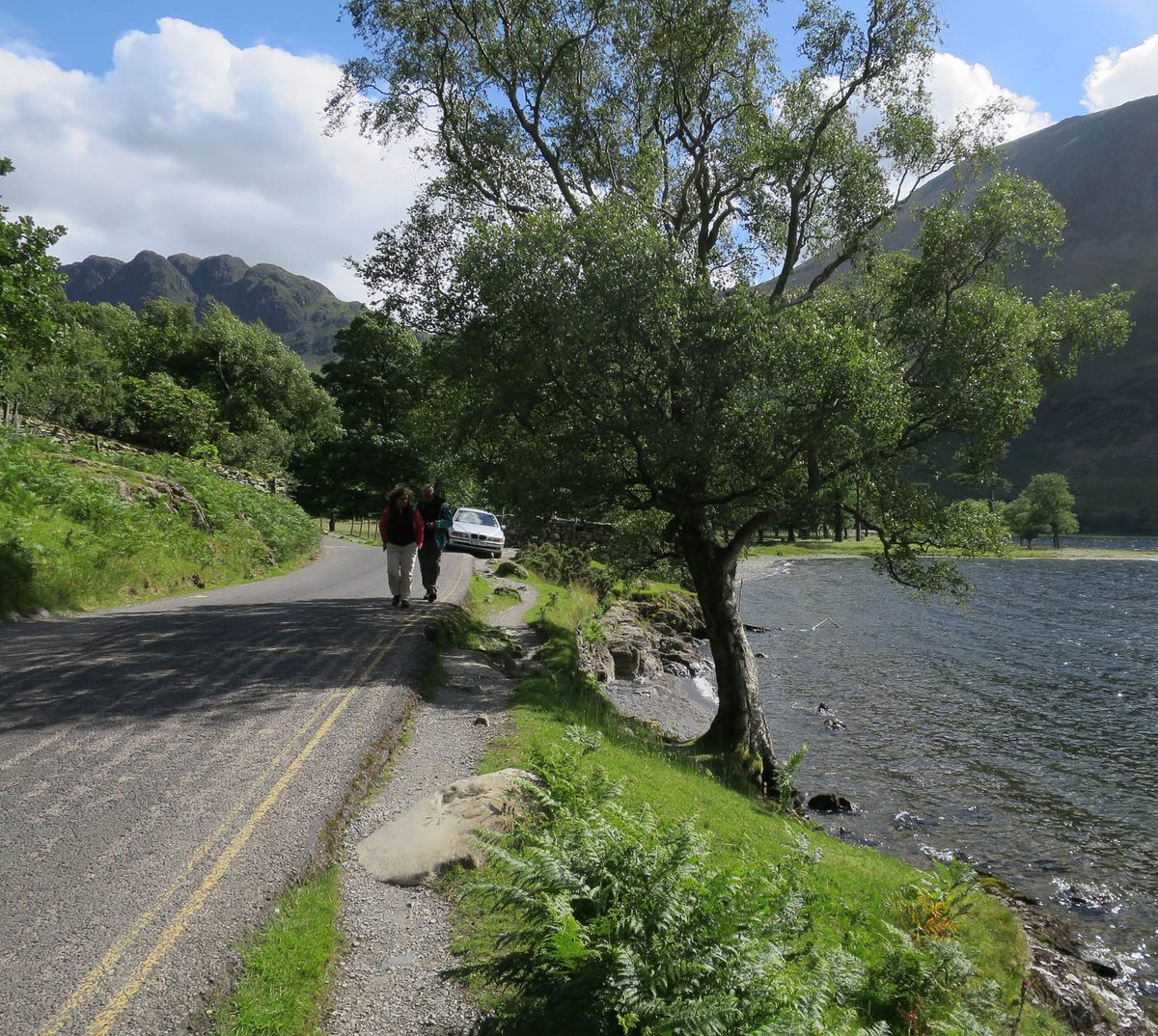
I have been caught out by English weather more times than I’d like to admit. The worst was a July afternoon in the Lake District: I’d packed for “summer,” left my rain shell at the cottage because the morning was glorious, and got absolutely soaked on a fell path with no shelter for two miles. Lesson learned, permanently. England is not a place you pack for by glancing at the forecast. You pack for the possibility of everything — which is exactly why a smart England packing list matters.
So here’s the thing I wish someone had hammered into me before my first trip: the secret to packing for England isn’t bringing more, it’s bringing the right layers. Master that and you’ll be comfortable in May drizzle, August sun, and a surprise October squall, all with a carry-on.
The single best England packing list is built around layering for changeable weather, a proper waterproof jacket with a hood, comfortable broken-in walking shoes, a UK Type G plug adapter for the 230V sockets, and your documents and medications. Get those right and everything else is detail. Below is the full, season-aware version.
Quick Answer: Your England Packing List Essentials
If you only read one section, read this one. Your England packing list, in order of importance:
Everything past this is refinement. Now let’s refine.
At a Glance: What to Pack for England by Category
Here’s the whole thing in one view. Skim it now, come back to it when you’re staring at an open suitcase.
| Category | Must-pack items | Notes from experience |
|---|---|---|
| Outerwear | Waterproof hooded jacket; packable insulated layer (cooler months) | Hood beats umbrella in wind. Always. |
| Tops & mid-layers | T-shirts, 2–3 long-sleeves, 1 fleece or merino jumper | Merino doesn’t smell, dries fast, packs small |
| Bottoms | Comfortable trousers/jeans; one smarter pair for evenings | Skip shorts outside high summer |
| Footwear | Broken-in walking shoes (water-resistant); 1 smart-casual pair | Never pack brand-new shoes |
| Tech | Type G adapter, portable charger, phone, charging cables | Most modern chargers are dual-voltage |
| Documents | Passport, saved UK ETA confirmation, travel insurance | Save digital + one paper backup |
| Health | Medications (original packaging), basic painkillers | Pack meds in your carry-on, never checked |
| Extras | Reusable water bottle, daypack, compact brolly, sunglasses | Tap water is safe — refill everywhere |
A quick word on that table before we go deeper: notice how short the “extras” list is. That’s deliberate. England punishes over-packers because you’ll be hauling your own bag up stairs at train stations and B&Bs that have never heard of a lift. Pack light, layer smart.
Clothing and Layering: The Heart of Your England Packing List
England’s climate is mild but genuinely changeable — the famous “four seasons in one day” is not a cliché, it’s a planning principle. You can start a morning under grey skies, get sunshine by lunch, and be dodging a shower by dinner. So you don’t dress for a temperature. You dress in layers you can add and shed as the day shifts.
My layering system, which has never let me down:
- Base layer: a t-shirt or, in colder months, a thin merino or synthetic long-sleeve. Cotton is fine for cities; on hikes, avoid cotton because it stays wet and cold.
- Mid layer: a fleece or a merino jumper. This is your thermostat. Warm morning? It lives in your daypack. Wind picks up? On it goes.
- Outer layer: the waterproof jacket. Always with you, even on blue-sky days. Especially on blue-sky days.
For colour, lean neutral. Londoners dress a touch smarter than many visitors expect — think well-fitted dark trousers and a decent jumper rather than full athleisure. You don’t need to pack a different wardrobe, but a couple of “nicer casual” pieces mean you won’t feel underdressed at a good pub dinner or a West End show. I always bring one collared shirt or one smarter top that earns its space.
What I deliberately leave at home: bulky hoodies (a fleece does the same job in half the space), more than one pair of jeans (they’re heavy and slow to dry), and anything I haven’t worn in the last month at home.
For the deeper why-now-versus-then question of timing your visit to the weather, the England seasons guide breaks down each month properly.
Footwear: Comfortable, Broken-In, Ideally Waterproof
I’ll be blunt: footwear is where most trips to England go wrong. People bring new shoes “for the trip” and spend day three nursing blisters in a pharmacy queue.
Here’s my rule. Bring one pair of comfortable, already-broken-in walking shoes that you’ve worn for at least a few long days at home. Water-resistant is a big plus given how often pavements are wet. A waterproof trainer or a low walking shoe handles cities, parks, and light countryside beautifully.
Add one smart-casual pair for evenings out — something that isn’t an obvious gym shoe. That’s usually all you need for a city-and-towns trip.
If you’re doing serious countryside walking — fells, moors, coast paths — then proper waterproof walking boots with ankle support earn their place, and you’d bring them instead of, not in addition to, a second casual pair. For everything in between, your daily walking shoes are fine.
Why does this matter so much? Because you’ll walk a lot. It’s common to clock 15,000 to 25,000 steps a day sightseeing in London alone. Your feet are your transport. Treat them well.
If your trip leans outdoorsy, the national parks guide covers terrain and trail specifics that’ll inform exactly which boots make sense.
Rain Strategy: Bring a Hood, Leave the Umbrella
This is where I get opinionated, so brace yourself.
Leave the umbrella. Bring a hood.
England’s rain is rarely the vertical, tropical-downpour kind. It’s more often blowing sideways on a breeze, the sort of weather that turns a cheap umbrella inside-out within thirty seconds and leaves you wrestling a broken metal skeleton on a street corner. A waterproof jacket with a proper hood frees both your hands, keeps your bag-strap shoulder dry, and never blows inside out.
That said, I’m not an absolutist. If you genuinely hate having your head covered, bring a compact, wind-resistant “brolly” (that’s the local word) that folds down small and is rated for wind — not the flimsy giveaway kind. It earns its space in a city where you’re popping in and out of buildings. But it supplements the jacket; it never replaces it.
A few more rain truths I’ve learned the hard way:
- Waterproof beats water-resistant. Water-resistant fabrics give up in a sustained shower. For England, you want a jacket that’s genuinely waterproof and, ideally, breathable so you don’t steam up inside it.
- A packable rain layer is gold. Mine scrunches into its own pocket and lives in my daypack so it’s always there, not back at the hotel when the sky turns.
- Quick-dry everything helps. Trousers and tops that dry overnight mean a soaking doesn’t wreck your next day.
Rain in England is not a disaster to be feared. It’s just a thing that happens, often, briefly, and then the light goes gorgeous. Pack for it and you stop caring.
Packing for England by Season
England is mild but wet year-round, so the layering never changes — only the thickness and quantity. Here’s how I adjust the dial season by season. (Temperatures below are rough daytime ranges and can shift; treat them as a planning guide, not a guarantee.)
| Season | Typical daytime feel | Add to your core kit | What I skip |
|---|---|---|---|
| Spring (Mar–May) | Cool, 10–16°C, sudden showers | Extra long-sleeve, light gloves early on | Shorts, sandals |
| Summer (Jun–Aug) | Mild–warm, 15–25°C, driest season | T-shirts, sunglasses, sunscreen, one light dress/shorts | Heavy coat |
| Autumn (Sep–Nov) | Cooling, mild to crisp, rainiest stretch | Warmer fleece, beanie, definitely the waterproof | Anything strappy |
| Winter (Dec–Feb) | Cold, roughly 2–7°C, occasional snow | Warm insulated coat, hat, gloves, scarf, thermals | Anything for “sun” |
Spring (March–May)
Blossoms, longer days, and very sudden showers. Pack as you would for a layered city trip but assume rain is likely. I bring an extra long-sleeve over the summer kit and, in early spring, a thin pair of gloves. Forget shorts.
Summer (June–August)
England’s warmest and driest stretch — but “driest” still means rain happens, and “warmest” tops out gently most years, with the odd heatwave. Bring t-shirts, sunglasses, and sunscreen (yes, really — you can burn here), maybe a light dress or one pair of shorts. Still pack the waterproof and a light jumper. Summer evenings cool off, and a grey, drizzly July day is entirely normal.
Autumn (September–November)
Beautiful colour, and statistically the wettest run of the year. Lean into warmer layers — a thicker fleece, a beanie — and make absolute peace with your rain jacket. This is the season the hood truly earns its keep.
Winter (December–February)
Cold, often grey, occasionally snowy, with short daylight hours. You want a properly warm, water- and wind-resistant coat, plus a hat, gloves, and scarf. If you feel the cold, thermals as a base layer are a quiet game-changer. Skip anything you packed “in case it’s sunny.”
Electronics and Adapters: The Type G Plug
Let’s get the most-Googled practical fact nailed down, because it matters.
England (and the whole UK) uses the Type G plug — three rectangular pins — on a 230V, 50Hz supply. This is different from almost everywhere else, so you will need a UK Type G plug adapter. Bring at least one; I bring two, because one always ends up behind a hotel bed.
The key distinction that trips people up:
- Plug adapter = changes the shape of the plug so it fits the socket. This is almost certainly all you need.
- Voltage converter = changes the voltage. Only needed for single-voltage devices.
Here’s the reassuring part. Most modern electronics — phones, laptops, tablets, cameras, e-readers, and most chargers — are dual-voltage (you’ll see “100–240V” printed on the charger or brick). For those, you only need the shape-changing adapter, no converter. As of 2026 this covers the overwhelming majority of travel tech.
The exceptions are single-voltage, high-wattage appliances rated for 110–120V only — older hair dryers, curling irons, straighteners, some travel steamers. Plug one of those straight into 230V with only an adapter and you can fry it. Honestly? Just leave them home. Many hotels provide hair dryers, and dual-voltage travel versions are cheap.
My tech kit for England:
- One or two Type G adapters (a multi-USB one is brilliant — charge several things from one socket)
- A portable charger / power bank — non-negotiable for long days of maps, photos, and contactless payments
- Charging cables for everything
- Phone, and maybe an e-reader for rainy-afternoon café reads
I keep my phone permanently topped up because so much in England now runs through it — contactless tickets, payments, maps. If you want to lighten your phone load with the right tools before you go, the best England travel apps guide is the place to sort that out.
Documents and Money: The Small Pouch That Holds Everything
This is the section people skim and then panic about at the airport. Don’t be those people.
Documents to bring:
- Passport — check it’s valid well past your travel dates.
- UK ETA confirmation — as of 2026, many visitors who didn’t previously need a visa must get an Electronic Travel Authorisation before arriving. It links electronically to your passport, but I always save the approval email and keep a printed copy, because “always have a backup” is the cheapest insurance there is. The UK ETA guide walks through exactly who needs one and how to apply.
- Travel insurance details — policy number and emergency line, saved offline.
- A card or two plus a small amount of backup cash. England is overwhelmingly card- and contactless-friendly, so you don’t need much physical money.
I keep all of this in one slim travel pouch or organiser — passport, cards, a folded paper backup of the ETA, and insurance info — so there’s exactly one thing to grab and protect. A money belt isn’t necessary for everyday England, but a single organised pouch keeps your essentials from scattering across pockets and bags.
A note on what not to obsess over here: I’m keeping this lane to documents and the practicalities of carrying them. For the bigger picture of what your trip will actually cost and how to budget the money side, see what an England trip costs and the detailed England budget and costs breakdown. And if you’re weighing how it all fits together, how long to spend in England helps you right-size the whole thing.
Toiletries and Medications: Keep It Boring and Compliant
Toiletries are where suitcases quietly gain five pounds. Resist.
Bring travel-size everything for the first few days; you can buy more at any high-street pharmacy or supermarket the moment you land. England has excellent, well-stocked shops everywhere — you are never far from shampoo. There’s no reason to haul full bottles across an ocean.
My toiletry kit:
- Travel-size toothpaste, shampoo, and whatever skincare I actually use
- A small bottle of sunscreen (genuinely useful spring through autumn)
- Lip balm and a tiny moisturiser — English wind and heating can be drying
Medications deserve real attention, so here’s my firm advice:
- Bring enough prescription medication for the entire trip, plus a few spare days in case of delays.
- Keep them in their original, labelled packaging — this avoids questions and confusion.
- Pack medications in your carry-on, never your checked bag. If a suitcase goes missing, you cannot afford for your medicine to go with it.
- Add a small basic kit: painkillers, any allergy or motion-sickness tablets you might want, plasters (band-aids) for the inevitable shoe rub on day one.
Tap water across England is safe to drink, so pack a reusable water bottle and refill it freely — it saves money, plastic, and the mid-afternoon “where do I buy water” scramble.
Tailored Mini-Lists by Trip Type
The core list works for everyone, but here’s how I tweak it for three common trips.
London City Break
You’re walking pavements, riding the Tube, and ducking in and out of museums, pubs, and theatres. Pack light and a touch smart.
- Comfortable water-resistant walking shoes + one smarter pair
- One or two “nicer casual” outfits for evenings out
- Small daypack for the day; nothing bulky
- Contactless-ready phone and a power bank (Tube and sightseeing eat battery)
- The waterproof jacket, of course
Leave the hiking poles and the giant backpack at home — you’ll look out of place and you don’t need them. Planning what to actually do with those days? The complete London guide sorts the itinerary side.
Countryside and Hiking
Now the gear shifts toward function over fashion.
- Proper waterproof walking boots, broken in
- Wicking base layers (no cotton), a warm fleece, full waterproofs (jacket and over-trousers for serious days)
- A larger daypack with a rain cover for water, snacks, and shed layers
- Hat, gloves, and sun protection — exposed fells get all the weather
- A paper map or offline maps, because signal vanishes
The Lake District travel guide and the broader England national parks and hiking guide go deep on trails and conditions. For a slower, scenic version, England’s coast and beaches is worth a look too.
Family With Kids
Kids change the maths — you pack lighter on adult vanity and heavier on contingency.
- Spare layers and a full change of clothes per child (puddles are a magnet)
- Compact, washable rain gear for everyone; small wellies for little ones if you can
- Snacks, refillable water bottles, and small entertainment for train and queue downtime
- A daypack you don’t mind getting muddy
- A handful of plasters and child-suitable painkillers
The England with kids guide has loads more on keeping small travellers happy. And whatever your trip type, the England travel tips guide and the eye-opening mistakes-to-avoid roundup will save you a few rookie errors.
What to Leave Home: The Anti-Packing List
Half of good packing is not packing. Here’s what I’ve learned to leave behind.
- The umbrella as your main plan. A hood is better in wind. Bring a compact brolly only as backup, if at all.
- Single-voltage hair tools. They risk frying on 230V; hotels often supply dryers, and dual-voltage travel versions are cheap.
- More than one pair of jeans. Heavy, slow to dry, redundant. One pair plus quick-dry trousers does it.
- “In case” outfits. If you wouldn’t wear it at home this month, you won’t wear it abroad.
- Full-size toiletries. Buy them there. England’s shops have everything.
- Hiking gear for a city trip. Poles and technical packs look out of place on Oxford Street and you won’t use them.
- Valuables you don’t need. Extra electronics and expensive jewellery just add theft risk for no benefit. (For the broader picture, safety in England is reassuring and practical.)
- A bag bigger than you can carry up stairs. Many stations and older accommodations have no lift. Your future self, hauling luggage, will thank you.
The mindset shift: you are packing for a country with great shops, safe tap water, and pharmacies on every corner. You don’t need to be self-sufficient. You need to be adaptable — and that’s about layers, not volume.
Your Printable England Packing Checklist
Here’s the master list. Screenshot it, print it, tick as you go.
Clothing
– [ ] Waterproof, hooded rain jacket
– [ ] Packable insulated/warm layer (cooler months)
– [ ] Fleece or merino mid-layer jumper
– [ ] T-shirts (mix of short and long sleeve)
– [ ] Comfortable trousers/jeans (one pair) + quick-dry trousers
– [ ] One smarter outfit for evenings
– [ ] Underwear and socks (a couple of merino pairs dry fast)
– [ ] Hat, gloves, scarf (autumn/winter)
– [ ] Thermal base layer (winter, if you feel the cold)
– [ ] Sunglasses (spring–autumn)
Footwear
– [ ] Broken-in, water-resistant walking shoes
– [ ] One smart-casual pair (or waterproof boots if hiking)
Tech
– [ ] UK Type G plug adapter (x1–2)
– [ ] Portable charger / power bank
– [ ] Charging cables
– [ ] Phone (e-reader optional)
Documents and money
– [ ] Passport (valid well past trip dates)
– [ ] Saved + printed UK ETA confirmation
– [ ] Travel insurance details (offline)
– [ ] Cards + small backup cash, in one slim pouch
Health and toiletries
– [ ] Prescription meds (original packaging, in carry-on, spare days)
– [ ] Basic kit: painkillers, plasters, allergy/motion tablets
– [ ] Travel-size toiletries
– [ ] Sunscreen and lip balm
Extras
– [ ] Compact, wind-resistant brolly (optional backup)
– [ ] Reusable water bottle (tap water is safe)
– [ ] Daypack for day trips
To round out your prep, the England travel guide ties together everything from this list to transport and where to base yourself.
Final Thoughts
After enough trips, I’ve stopped thinking of England as a place with “bad weather” and started thinking of it as a place that rewards good preparation. The drizzle isn’t the enemy. The wrong shoes and the missing rain shell are.
If you take one idea from this whole England packing list, make it this: pack for changeability, not for a forecast. Layers you can add and shed, a genuinely waterproof hooded jacket, shoes you’ve already loved at home, and a Type G adapter so your phone stays alive for the photos. Do that and you’re free — free to chase a sudden patch of sun across a Cotswold hill, free to duck a shower without it ruining your day, free to actually enjoy the gorgeous, moody, ever-shifting English light.
Pack light, layer smart, bring the hood. England’s waiting, and it’s better than the weather rumours suggest.
Research and Source Notes
This guide draws on widely published travel-packing advice for England and the UK, cross-checked against general climate information, and seasoned with my own experience. Practical facts verified at the time of writing (as of 2026): England and the UK use the Type G three-pin plug on a 230V/50Hz supply, and most dual-voltage electronics need only a plug adapter, not a converter; England’s weather is genuinely changeable year-round, with summer the driest and warmest stretch and autumn typically the wettest; tap water is safe to drink. Weather temperature ranges are approximate planning figures and vary year to year. Visa and entry requirements, including the UK Electronic Travel Authorisation (ETA), change over time — always confirm your specific situation with official
Photo Credits
- Hikers in layers and waterproof jackets on the Lake District fells, the England packing list in action — Photo: Diliff / CC BY-SA 3.0 via Wikimedia Commons. Source
- A wet London street showing why waterproof footwear belongs on every England packing list — Photo: Diliff / CC BY-SA 3.0 via Wikimedia Commons. Source
- Buttermere in the Lake District, the kind of view worth keeping your camera charged for — Photo: Hugh Venables / CC BY-SA 2.0 via Wikimedia Commons. Source
- The Cotswold Way footpath, where comfortable footwear and a rain layer make all the difference — Photo: Ian S / CC BY-SA 2.0 via Wikimedia Commons. Source
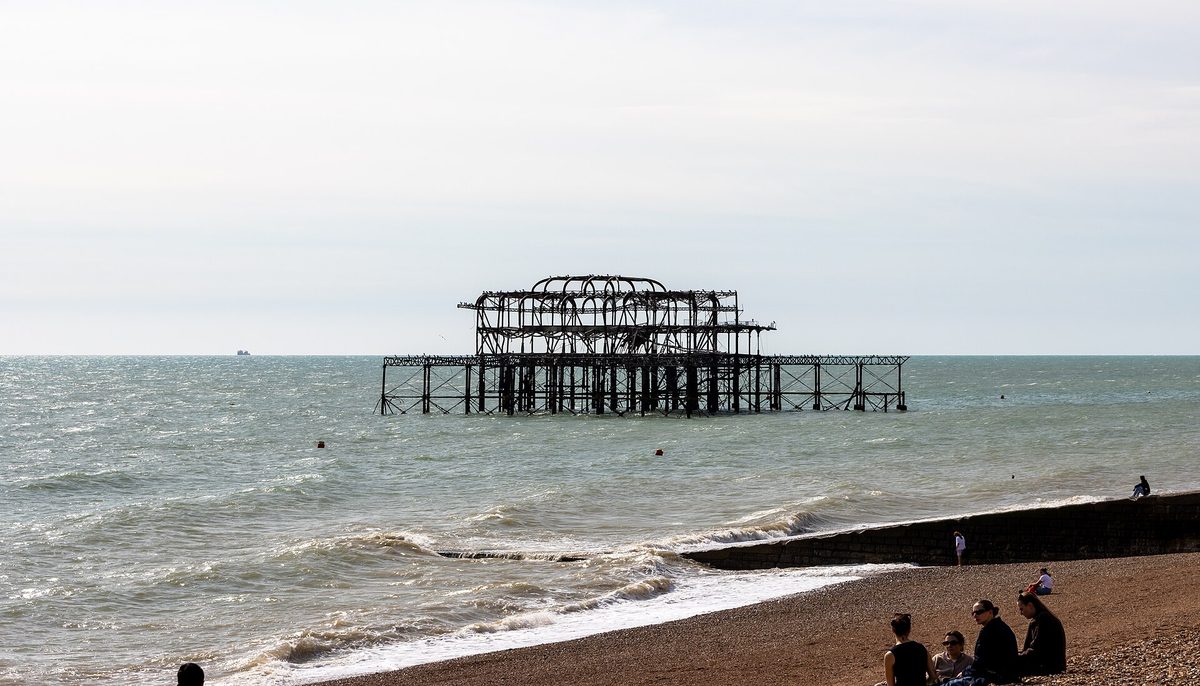
- Brighton seafront, England — proof that even a wet, breezy coast day is worth packing for — Photo: Mike Peel / CC BY-SA 4.0 via Wikimedia Commons. Source
Frequently asked questions
What should I wear in England to fit in?
Lean smart-casual and neutral. Well-fitted dark trousers or jeans, a decent jumper or collared shirt, and clean, low-key shoes will see you through pubs, museums, and most evenings out. You don’t need to dress up daily, but skipping head-to-toe athleisure helps you blend in, especially in London and at nicer restaurants.
Do I really need a rain jacket in summer?
Yes. Summer is England’s driest, warmest season, but “driest” still means rain happens and warm days can turn grey and drizzly fast. A packable waterproof with a hood weighs almost nothing and saves a soaked afternoon. Pack it alongside a light jumper even in July and August — you’ll use both.
What kind of plug adapter do I need for England?
A UK Type G plug adapter — three rectangular pins — for the 230V, 50Hz sockets. Most modern phones, laptops, and chargers are dual-voltage (marked 100–240V), so the adapter alone is enough. Single-voltage 110–120V appliances like some hair tools need a voltage converter, or just leave them home.
Should I bring an umbrella or rely on a hood?
I’d bring a hood and skip the umbrella as a main plan. England’s rain often blows sideways, which destroys cheap umbrellas and leaves your hands full. A waterproof hooded jacket keeps you dry and mobile. If you really dislike hoods, pack a compact, wind-resistant brolly as a backup for city days.
How many days of clothes should I pack for England?
Pack for about a week regardless of trip length and plan to do laundry, or simply re-wear layers. Mid-layers and trousers can be worn many times; only base layers and socks need frequent changes. Merino pieces are worth it — they resist odour and dry overnight, letting you carry far less.
Is tap water safe to drink in England?
Yes, tap water across England is safe and good quality, so bring a reusable bottle and refill it freely. It saves money, cuts plastic, and means you’re not constantly hunting for a shop mid-sightseeing. Many cafés and public spots will happily top up your bottle if you ask.