Sheet 32 · Where to Stay in England · 18 min read
Best Areas to Stay in England for First Timers
Find the best areas to stay in England for your first visit — London, Bath, Cornwall, York, the Lake District. Match your base to your interests.
 Sheet 32
Contents 12 sections
England is a small country that manages to feel enormous the moment you start planning a first visit. You’ve got Roman cities, wild national parks, seaside fishing villages, and a capital that swallows entire itineraries whole — and you’re trying to decide where to even put your suitcase down.
The good news: the best areas to stay in England for first-time visitors break down into six or seven distinct regions, each with its own character and its own case for being your base. Pick the right one for your interests and travel style and the whole trip clicks into place. Pick the wrong one — or try to base yourself in too many places at once — and you’ll spend half your holiday on motorways.
This guide gives you the regional picture. Not which specific hotel to book in Grasmere or which pub to eat at in Bradford-on-Avon — those decisions come later, and I’ve linked to the relevant deep-dives below. Here, we’re talking about the big call: which part of England should anchor your trip, how long you need there, and what type of traveller each region is actually built for.
Quick Answer: Best Areas to Stay in England
The best areas to stay in England for most first-time visitors are: London (essential for almost everyone, at least 3 nights), Bath and the Cotswolds (the classic countryside experience, ideal for 3–4 nights), Cornwall and Devon (the wild southwest, worth 4–5 nights if you love coast and slow travel), the Lake District (for walkers and nature lovers, 3–4 nights), and York and the North (medieval history and moors, 2–3 nights). On a 10-day trip, pick two of these regions plus London; on two weeks, you can layer in a third.
For the full breakdown of how these regions connect into a coherent itinerary, see the where to stay in England guide and our first-time England itinerary.
At a Glance: England’s Main Regions for First Timers
| Region | Best For | Avg. Nightly Cost (as of 2026) | Car Needed? | Ideal Nights |
|---|---|---|---|---|
| London | City culture, iconic sights, transport hub | £120–£200 (mid-range hotel) | No | 3–5 |
| Bath & the Cotswolds | Honey-stone villages, Jane Austen, genteel countryside | £90–£160 | Helpful (Cotswolds); not London | 3–4 |
| Cornwall & Devon | Dramatic coast, surf beaches, seafood, slow travel | £80–£140 | Yes, almost essential | 4–6 |
| The Lake District | Hiking, lakes, Wordsworth, peace and quiet | £85–£150 | Helpful; good bus links in peak season | 3–4 |
| York & the North | Medieval streets, moors, industrial history, real English pubs | £75–£120 | Optional (York); Yes (moors/dales) | 2–3 |
| South Coast & Brighton | Day-trippable beach escape, LGBTQ+ scene, seaside piers | £80–£140 | Optional | 2–3 |
Prices are hedged estimates as of 2026; expect London to run 40–50% above the national average. For a granular look at budgeting, the England trip cost guide is the right next step.
London: The Non-Negotiable Starting Point
Let’s get this out of the way: for the vast majority of first-time visitors, London is where you land, where you adjust to the time zone, and where you start. That’s not lazy travel advice — it’s genuinely the right call. Heathrow and Gatwick funnel most transatlantic flights into the capital, and London’s Tube network means you can cover an enormous amount of ground without hiring a car or decoding unfamiliar bus routes.
The question isn’t really whether to spend time in London, it’s how much and whether you should also base outside it.
Three nights in London is the realistic minimum for a first visit. You’ll need a day to decompress and absorb the basics: Westminster, the South Bank, Borough Market if it’s a Saturday. A second day for somewhere more personal — the British Museum, a wander through Shoreditch, an afternoon in Greenwich. By the third day you’ll have your bearings. Five nights gives you real breathing room.
Who Should Lean Into London Longer
If you love world-class museums (most of which are free), theatre, food that spans every cuisine on earth, and the electric hum of a genuinely global city, spend five or six nights in London and treat it as the trip. You will not run out of things to do. The London travel guide goes deep on the specifics.
If you’re trying to see multiple sides of England — city and countryside, modern and ancient — three nights in London and then a move to Bath or York is the classic formula, and it works.
One thing I’d push back on: trying to use London as a base for day trips to Bath, the Cotswolds, or Canterbury. The train times make it possible, but you’ll spend three hours of your best energy in transit each day. Better to actually move and stay somewhere new.
For the full debate about splitting your time, the stay in London or outside London guide covers every angle.
The where to stay in London for tourists guide handles the neighbourhood-by-neighbourhood breakdown.
Bath and the Cotswolds: England’s Quintessential Countryside
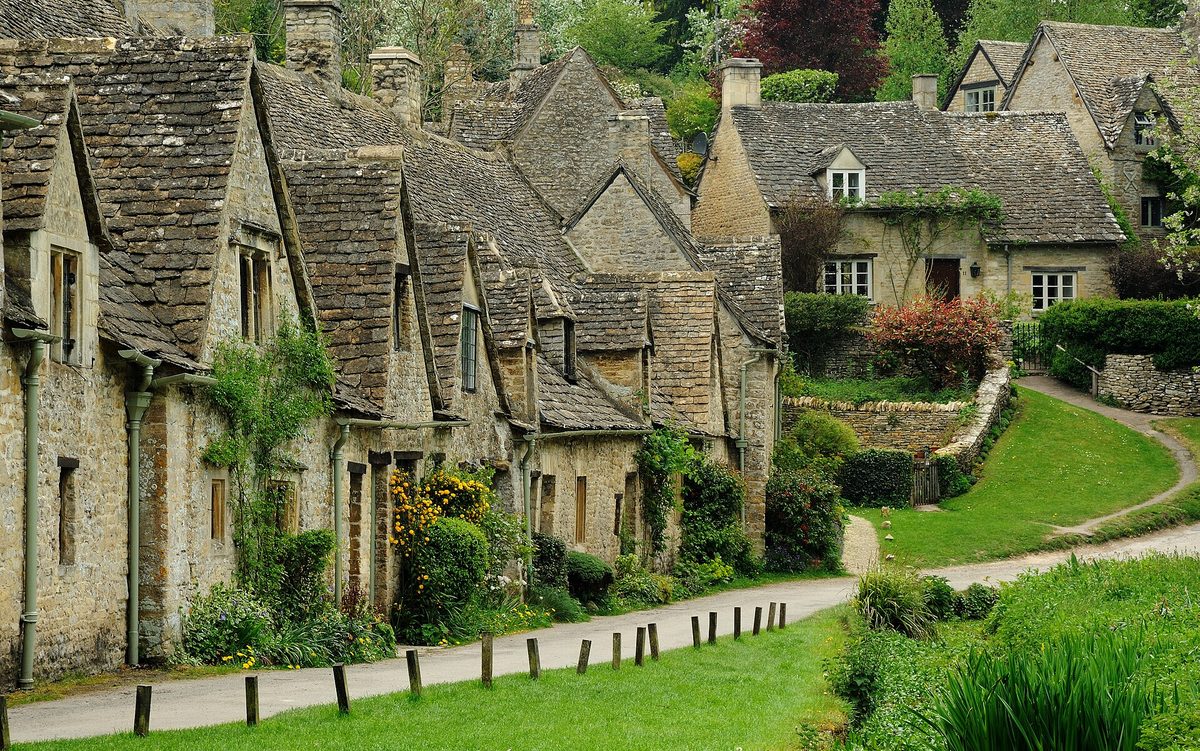
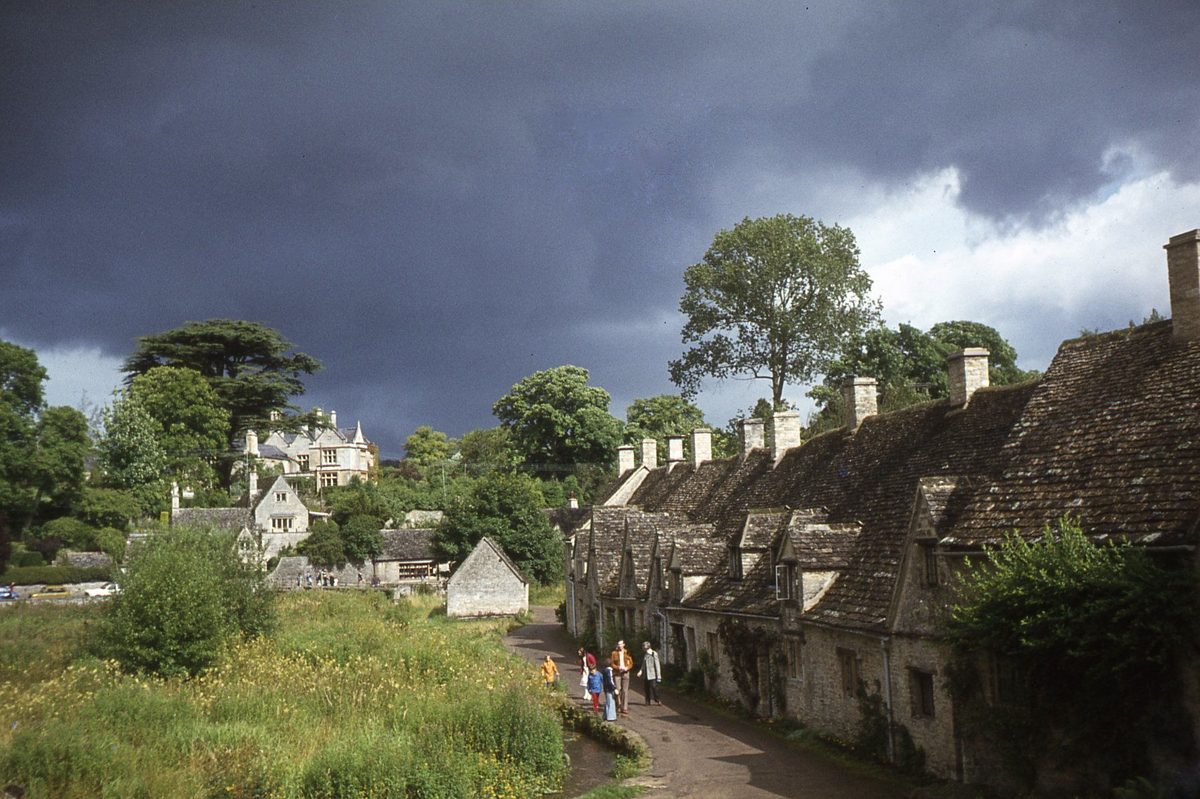
Ask most international visitors what they picture when they imagine “the English countryside,” and what comes out is the Cotswolds: dry-stone walls, golden limestone farmhouses, sheep on misty hillsides, church towers poking above hedgerows. They’re not wrong, and this region doesn’t disappoint.
The smart move for a first visit is to combine Bath — which you can reach in around 1 hour 20 minutes from London Paddington on a Great Western Railway train — with a Cotswolds base like Bourton-on-the-Water, Chipping Campden, or Burford. Bath is best understood as a sophisticated city with Roman bones: the Roman Baths themselves are genuinely extraordinary, and the Royal Crescent gives you that full Georgian-city hit. Two nights in Bath, two nights in a Cotswolds village — that’s a four-night block that feels very complete.
Why This Region Suits Certain Travellers Perfectly
If you’re travelling as a couple or small group of adults and you want atmosphere over activity — long walks, cream teas, independent bookshops, the kind of pub that has a fire on even in June — this is your region. It’s not the place for high-adrenaline adventures, and children under about ten often find the scenery less captivating than their parents do.
The Cotswolds also rewards having a car. You can do the main honey-stone villages — Bibury, Bourton-on-the-Water, Stow-on-the-Wold — on a tour from Bath if you’re car-free, but to get properly off the tourist trail and find the roads that thread between farms and vanish into nothing, a hire car gives you freedom that no bus timetable will.
A note on expectations: the Cotswolds are a genuine Area of Outstanding Natural Beauty, but they’re also famous, and in summer the most photographed villages (Bourton-on-the-Water, Bourton-on-the-Hill, Bibury’s Arlington Row) attract serious crowds. Go in late afternoon when tour buses have left, or visit in spring or early autumn.
For the specifics on where to actually put your bags down in this region, the where to stay in the Cotswolds guide and the best towns to stay in the Cotswolds cover the field. The Bath travel guide handles the city side.
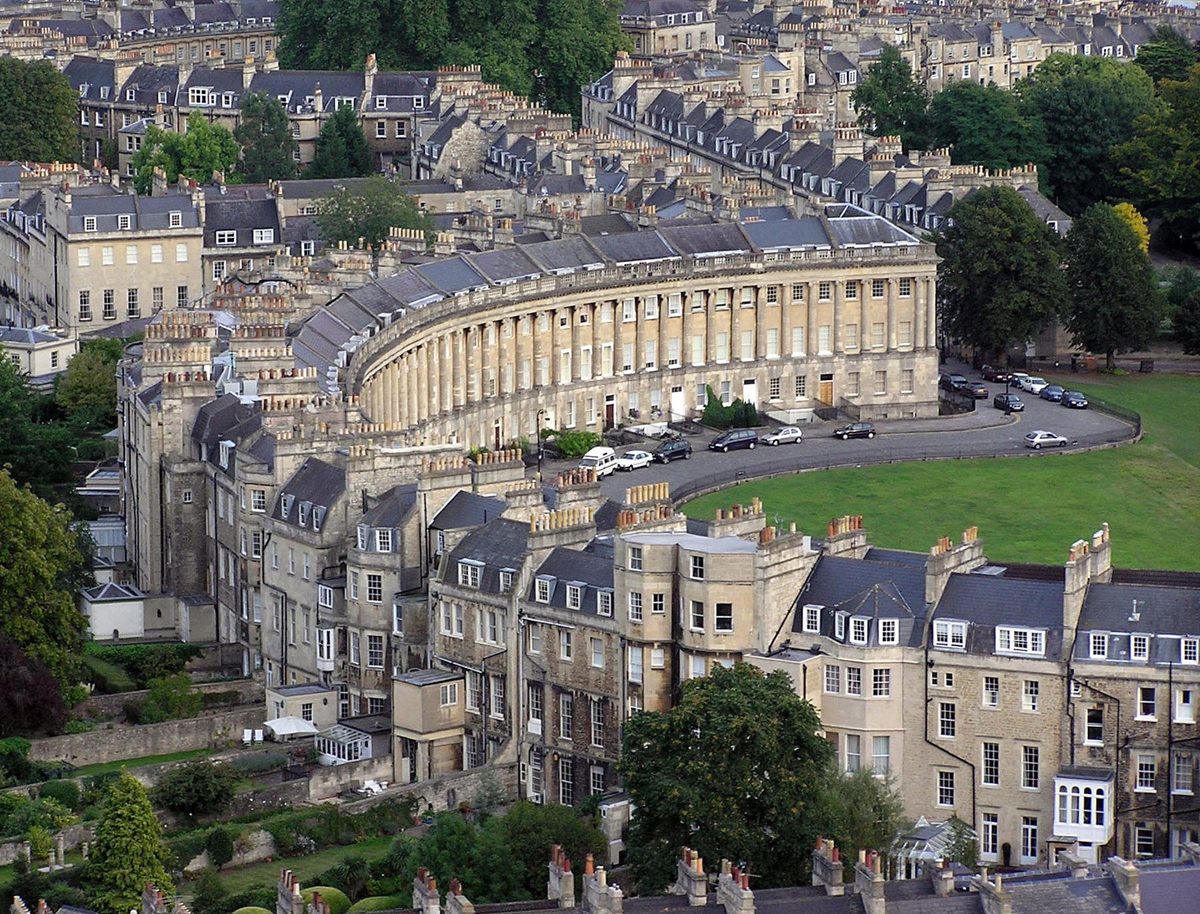
Cornwall and Devon: The Wild, Slow Southwest
Cornwall feels like a different country. That’s not a travel-writer cliché — it’s something you actually notice when you cross the Tamar Bridge from Devon: the light changes, the signposts start appearing in Cornish as well as English, the landscape gets wilder. The cliffs are higher, the fishing villages cling harder to their hillsides, and the Atlantic has a different character from the Channel.
This is the region for people who want to slow down. Cornwall rewards staying in one place — St Ives, Falmouth, Padstow, or a cottage near the Lizard Peninsula — and exploring in a radius, rather than ticking off a list. The fastest train from London Paddington to Penzance is just over five hours; if you’re flying into Heathrow, add your transfer time and Cornwall is a genuine commitment. That’s not a deterrent — it’s a filter. The people who make the effort tend to love it.
Who Cornwall and Devon Are For
You’ll get the most out of this region if you love: dramatic coastal walking (the South West Coast Path is one of England’s finest long-distance trails), fresh seafood eaten within sight of the harbour where it was caught, surf culture (Newquay and Croyde in Devon are legitimate surf towns), and towns where the pace of life is measurably slower than London.
Devon is more accessible — Exeter is about two hours from London by train — and offers a slightly gentler version of the same landscape. Dartmoor gives you proper open moorland; Exmoor borders Somerset and is magnificent in its own quieter way. For families, Devon often works better than Cornwall because the distances are shorter and there are excellent beaches that don’t require a cliff scramble to reach.
If your trip is ten days or less and you want to see a cross-section of England, I’d honestly tell you to leave Cornwall for a dedicated trip and spend your time on regions you can do more justice to. But if you have two weeks or you’re specifically there for the coast, Cornwall is worth every hour of the journey.
The Cornwall and Devon travel guide goes into town-by-town detail, and where to stay in Cornwall handles the accommodation question directly.
The Lake District: England’s Most Dramatic Landscape
There’s a moment when you come over a fell pass and the valley opens below you — Keswick cradled above Derwentwater, or Windermere stretching south through its wooded shores — and you genuinely understand why Wordsworth spent his whole life here. The Lake District is England’s only landscape that competes with what you’d find in the Alps or the Scottish Highlands on sheer drama.
Ambleside and Windermere (the town, not the lake) are the most popular bases and the easiest to reach by train from Manchester. Keswick in the north gives you access to Derwentwater, Buttermere, and the wilder northern fells. Grasmere is the literary heartland — Dove Cottage, where Wordsworth lived, is there — and it’s small and atmospheric in a way the larger towns aren’t.
Who the Lake District Is For
Walkers. I’ll say it plainly: the Lake District rewards people who actually want to put on boots and climb things. Yes, you can drive around and appreciate the views through a car window, and Windermere has a pleasant steamer cruise, but this region reveals itself on foot. If you’re happy to spend three hours covering six miles of fell path and come back with aching legs and a sense of deep satisfaction, the Lake District will be one of the highlights of your England trip.
If walking isn’t your thing, this region is still lovely but there are better places to base yourself. Bath gives you more to do within walking distance of your hotel; York offers more in the way of history and evening entertainment.
A car is helpful in the Lake District but not essential — the open-top 599 bus and other Stagecoach services between Windermere and Ambleside run well enough in summer. In winter, some passes close and a car becomes much more useful.
The Lake District travel guide covers the region in depth, and best places to stay in the Lake District handles where to base yourself across the different valleys.
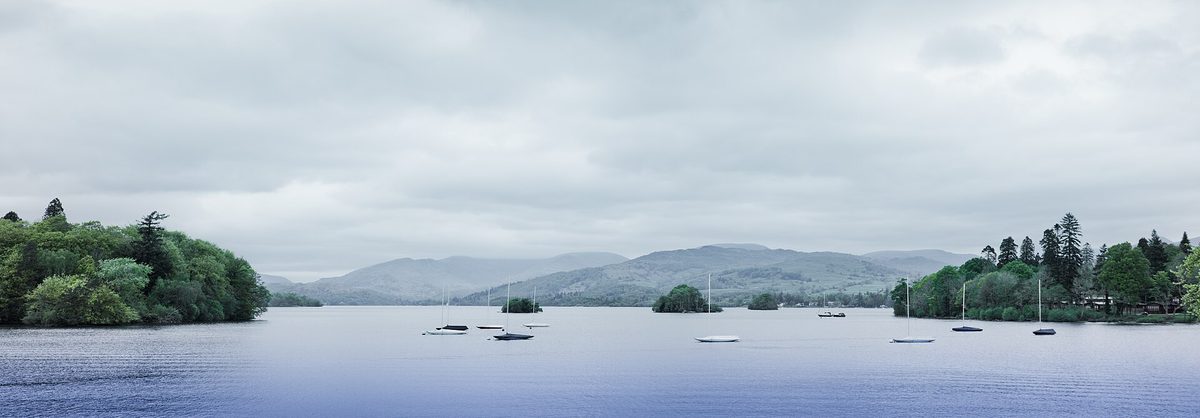
York and the North: History, Moors and Real England
York is the city that surprises people most on a first visit to England. They’ve often pencilled it in as half a day — pop to the Minster, walk the walls, get back on the train — and then they find themselves still there at nine in the evening, eating in a restaurant on The Shambles and wondering why nobody told them to book three nights.
The city is that good. The York Minster is the largest Gothic cathedral in northern Europe. The Shambles is a medieval street so well-preserved it looks staged. Jorvik Viking Centre is better than most people expect from an underground museum. And unlike London, York is genuinely walkable — the historic core is compact enough that you don’t need a map after the first morning.
Pairing York With the Wider North
York’s strength as a base is its position. It’s about two hours from London King’s Cross on LNER trains (the fast ones are doing it in around one hour fifty-five minutes as of 2026). From York, you can day-trip to the North York Moors — Whitby, with its Gothic abbey above the harbour, is only an hour by bus or car — or head west towards the Yorkshire Dales.
The wider North of England — Manchester, Liverpool, Newcastle, the Durham coast — is a different proposition. These are cities with their own pride and their own reasons to visit, but they’re less obvious targets for a first-time visitor who has ten or fourteen days. I’d earmark them for a second trip, specifically shaped around culture and music.
The Cotswolds travel guide is there for comparison if you’re deciding between a northern and southern countryside base.
The South Coast: Brighton and Beyond
The South Coast from Brighton eastward to Eastbourne, and westward through Worthing toward Chichester, doesn’t get enough credit as a first-timer’s destination. Brighton in particular is genuinely fun: the Royal Pavilion is one of the most eccentric buildings in England (a Regency prince built himself a seaside palace with Indian and Chinese architectural references and it absolutely works), the Lanes are full of antique shops and independent restaurants, and the energy of the place is resolutely non-corporate.
Brighton is also 52 minutes from London Victoria on a fast Southern service — around £18–£30 return as of 2026 depending on when you book — which makes it a strong candidate for a night or two tacked onto the end of a London-heavy trip.
For the best seaside towns to stay in England, the dedicated guide handles the full range from Brighton to Whitby to St Ives.
How to Combine Regions: The Two- and Three-Base Framework
Most first-time visitors to England make one of two mistakes: they try to stay in too many places and spend their trip on trains, or they stay in London the whole time and miss the fact that England outside the M25 is extraordinary.
The framework I’d use:
10 days: Two-base trip
Three nights in London, then pick one of the following based on your interests:
– Bath/Cotswolds (4 nights) — for history, architecture and gentle countryside
– Cornwall/Devon (4–5 nights) — for coast, surf and slow travel
– Lake District (3–4 nights) + one night York on the way back
14 days: Three-base trip
Three nights in London, then two of the regional options above, connected logically by geography. Bath to the Cotswolds flows naturally. York to the Lake District (south to north, or reverse) works perfectly. Don’t mix Cornwall with the Lake District on a first visit — the logistics are punishing.
7 days: One base + London
Two nights London, four nights in one region. The Cotswolds/Bath combination is the best choice for a short trip — it’s achievable, distinctive, and gives you the two things most first-time visitors say they came for: the capital and the countryside.
The how many days in England guide goes into more detail on structuring different trip lengths. For accommodation types across all these regions — from country inns to self-catering cottages — England vacation rentals and pub inns in England cover options that often beat standard hotels on atmosphere and value.
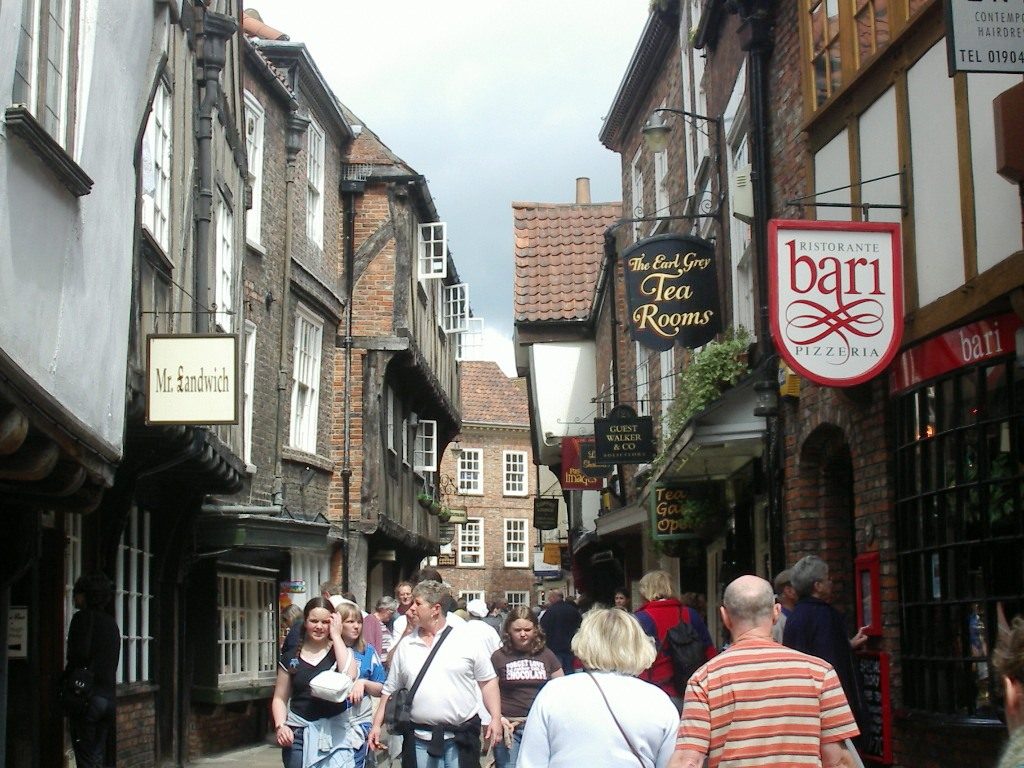
Getting Around: Car vs. Train vs. Mixing Both
This is the question that shapes which regions actually work for you, and it’s worth being direct about it.
Train-only trips work well for: London (obviously), Bath (excellent train links from London Paddington, around 1h25m), York (King’s Cross to York is fast and frequent), Brighton (Victoria to Brighton is quick and cheap). They work less well for the Cotswolds (you’ll need buses or tours to reach the villages) and don’t work well for Cornwall or the Lake District without a lot of planning.
Car-essential regions: Cornwall (distances between villages are short but public transport is thin), the Cotswolds (for anything beyond the main tourist trail), and the North York Moors (for getting out to the coast and dales at your own pace).
Mixed approach: Train to Bath or York, hire a car from there for a few days to explore the surrounding area, return the car and train back. This is actually the most flexible and often the most cost-effective approach for two weeks.
National Rail fares vary enormously depending on when you book — a London to York advance ticket can be as cheap as £30–£40 each way; walk-up peak fares are three times that. The England regions map for tourists is useful for visualising how all this connects geographically before you start booking.
Matching Your Interests to the Right Region
Here’s a quicker version of the above, formatted for the way most people actually make travel decisions:
You want iconic sights and world-class museums: Base in London for 4–5 nights. Add Bath if time allows.
You want “the English countryside” of your imagination: Cotswolds. Two nights Bourton-on-the-Water or Chipping Campden, one in Burford. Add Bath as an anchor city.
You want dramatic scenery and walking: Lake District. Stay in Ambleside or Keswick. Three nights minimum.
You want medieval streets and real northern England: York, two to three nights. Add Whitby as a day trip for pure atmosphere.
You want coast, seafood and a slower pace: Cornwall. Commit four to five nights. St Ives or Falmouth as a base. Accept that you’re a long way from London.
You’re travelling with children: Bath and Devon are the sweet spots. Bath’s Roman Baths and animation at Thermae Bath Spa, Devon’s beaches and cream teas, the Jurassic Coast for fossil hunting. The family-friendly hotels in England guide has accommodation options tailored to travelling with kids.
For a curated view of places to prioritise overall, the best places to visit in England and best cities to visit in England guides expand beyond the regional framework above.
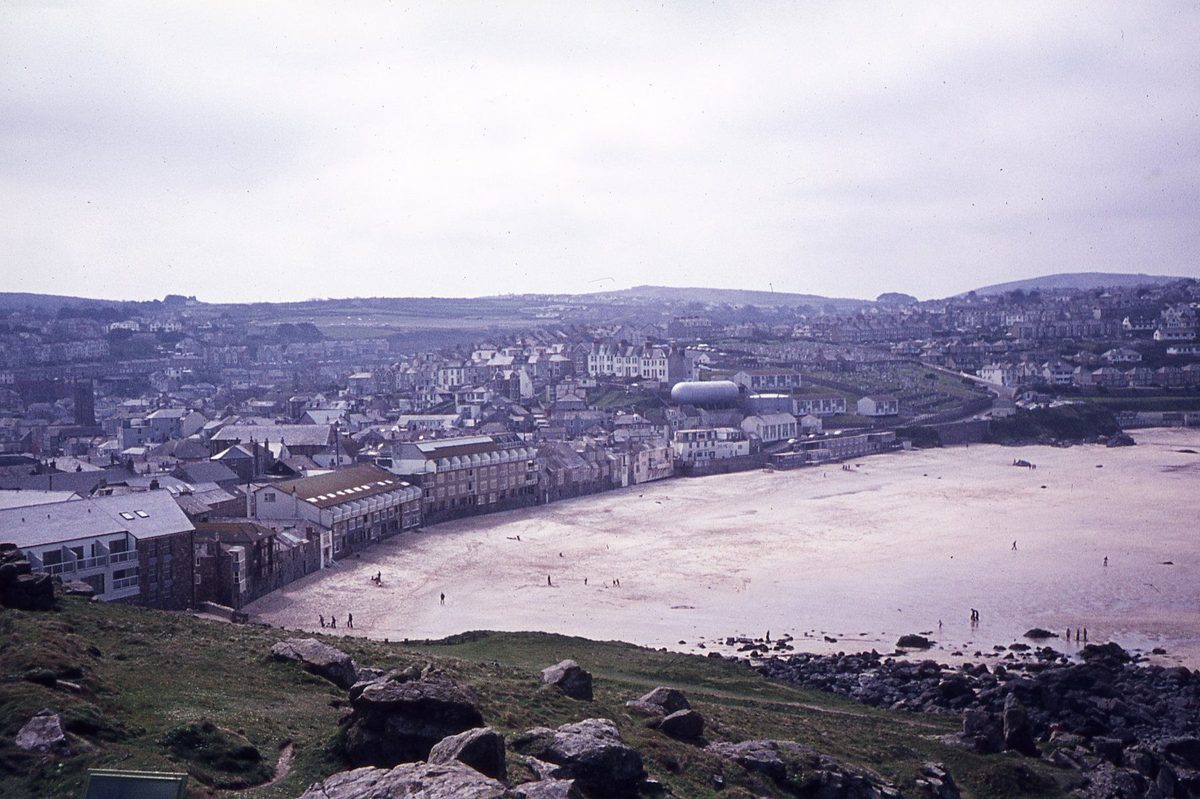
Final Thoughts
Here’s my honest take after years of travelling England and helping other people plan their first visits: the biggest mistake isn’t choosing the “wrong” region. It’s trying to cover too much ground in too short a time because every region looks unmissable on a map.
Pick your two anchors — London and one regional base — and commit to them. Walk the streets at different times of day. Eat in places you find by accident. Get slightly lost in the Cotswolds on a B-road that isn’t on your phone. Have a pint in a pub where everyone knows each other and you very obviously don’t. That’s when England stops being a series of checked boxes and starts being somewhere you actually know.
The regions I’ve covered above each have their own version of that experience available. The job of this guide is to help you figure out which one fits you.
For accommodation options once you’ve picked your region, the where to stay in England guide is the best next stop — it links out to all the town-level and region-specific guides, plus advice on choosing between hotels, B&Bs, pubs with rooms, and self-catering.
Research and Source Notes
This article was researched using information from the following primary and authoritative sources:
- VisitBritain / VisitEngland (visitbritain.org, visitengland.com) — regional tourism data, hotel occupancy statistics, and destination overviews
- National Rail / LNER / Great Western Railway — journey times and rail route information cited throughout
- HotelsHotSpot.co.uk — UK hotel cost averages by region, 2026 data
- Budget Your Trip — regional accommodation cost comparisons
- Rough Guides England — regional itinerary structures and accommodation guidance
- Lake District National Park Authority (lakedistrict.gov.uk) — visitor information and transport guidance
- South West Coast Path Association — route and access information for Cornwall and Devon
All prices cited in this article are hedged as approximate figures “as of 2026.” Travel costs, train fares, and hotel rates change frequently — always verify directly with providers before booking. Journey times on National Rail reflect fast/direct services and may vary.
Photo Credits
- The honey-coloured cottages of Bibury’s Arlington Row — one of the most iconic scenes in the Cotswolds and a perfect visual shorthand for the best areas to stay in England — Photo: Colin Park / CC BY-SA 2.0 via Wikimedia Commons. Source
- The Royal Crescent in Bath, one of England’s finest examples of Georgian architecture and a key stop on any southwest England itinerary — Photo: Unknown (CC0) via Wikimedia Commons. Source
- Looking north over Windermere from above Bowness, showing the full length of England’s largest natural lake framed by the Lakeland fells — Photo: Michael D Beckwith (CC0) via Wikimedia Commons. Source
- The medieval Shambles street in York — one of the best-preserved medieval streets in Europe and a compelling reason to add York to any England first-visit itinerary — Photo: John M Wheatley / CC BY-SA 2.0 via Wikimedia Commons. Source
- St Ives harbour at low tide, showing the cluster of whitewashed fishermen’s cottages and the turquoise water that make this one of Cornwall’s most visited towns — Photo: Colin Park / CC BY-SA 2.0 via Wikimedia Commons. Source
Frequently asked questions
Where is the best area to stay in England as a first-time visitor?
For most first-time visitors, the best single base in England is London — it's where most international flights land, the public transport network is unmatched, and the sheer concentration of sights means you'll never run short of things to do. But England really rewards combining London with one regional base: Bath for the quintessential countryside, York for medieval history, or the Lake District for dramatic scenery.
Should I stay only in London or also explore outside it?
That depends on how long you have and what you want. On seven days or more, I'd strongly recommend spending at least two to three nights outside London. The countryside, coast and northern cities are what make England genuinely distinct — staying only in London is like visiting France and not leaving Paris. For the full argument, the stay in London or outside London guide lays out both cases honestly.
What is the best region to visit in England for scenery?
The Lake District wins on pure landscape drama — it's England's only mountainous national park and the combination of fells, tarns and lakes is genuinely spectacular. For coastal scenery, Cornwall's Atlantic cliffs from Land's End to Padstow are England at its most dramatic. For a more pastoral, rolling version of beauty, the Cotswolds deliver exactly the gentle countryside most visitors picture.
Is it better to stay in one place or move around England?
On a first trip of ten days or fewer, two bases work better than three or more. Moving every day is exhausting and you spend real time in transit — even on fast trains, getting from London to York to the Lake District to Cornwall is a project. Pick London plus one regional base, explore it properly, and save the rest for a return trip. You'll enjoy the places you do visit far more.
How much does it cost to stay in England outside London?
Outside London, budget hotels and B&Bs in most regional cities and towns run around £70–£110 per night for a decent double room as of 2026. The Cotswolds are a partial exception — upscale country inns and boutique hotels push prices up to £150–£200 in peak season. Self-catering cottages, particularly in Cornwall and the Lake District, can work out significantly cheaper per person if you're travelling as a group or family. The England trip cost guide covers this in more detail.
When is the best time to visit England as a first timer?
Late May to early September is the most popular window, and for good reason: longer days, better weather, and almost everything open. June and September are often the sweet spot — warm enough to enjoy coast and countryside without the school-holiday crowds of late July and August. The best time to visit England guide goes into regional and seasonal detail if you're planning around specific activities.