Sheet 68 · Where to Stay in England · 21 min read
Family-Friendly Hotels in England: How to Choose
Find the best family friendly hotels in England with our honest guide. From cots and kids' menus to pools and theme-park stays, here's how to choose right.
 Sheet 68
Contents 8 sections
The first time I booked a hotel in England with a toddler and a five-year-old, I made every possible mistake. I booked a “family room” that turned out to be a standard double with a cot jammed behind the bathroom door. I chose a city-centre hotel with no lift and a pub below us. The kids ate crisps for dinner because the kitchen closed at seven. Never again. Family friendly hotels in England exist on a wide spectrum — from genuinely brilliant, child-obsessed properties to places that technically accept children while making everyone miserable. This guide helps you tell the difference, pick the right accommodation type, and find the best family bases across the country.
Quick Answer: Family-Friendly Hotels in England
The best family friendly hotels in England offer interconnecting or proper family rooms sleeping four or more, a cot on request (ideally free), a pool or outdoor space, some form of early-evening dining, and staff who genuinely welcome small people — not just tolerate them. Budget chains like Premier Inn and Travelodge do the basics surprisingly well. Mid-range options like Village Hotels add pools and kids-eat-free deals. At the top end, places like Chewton Glen in the New Forest or Another Place in the Lake District wrap all of that in scenery and activities that make the whole trip feel like a holiday for adults too. Aim for a hotel near your main attraction, check what “family room” actually means (bed configuration matters enormously), and always ask about cot availability before you book.
At a Glance: Accommodation Types for Families in England
| Accommodation Type | Best For | Rough Family-Room Cost (per night, as of 2026) | Kitchen? | Pool Likely? |
|---|---|---|---|---|
| Budget hotel (Premier Inn, Travelodge) | Short breaks, city bases, predictability | £80–£130 | No | Rarely |
| Mid-range hotel (Village Hotels, Novotel) | Weekend breaks, pools, kids-eat-free | £130–£220 | No | Often |
| Boutique/country-house hotel | Special occasions, countryside escapes | £220–£450+ | No | Sometimes |
| Aparthotel (SACO, Staycity, Native) | Longer stays, self-catering flexibility, city families | £110–£200 | Yes | Occasionally |
| Holiday park (Center Parcs, Haven, Away Resorts) | All-ages activity breaks, multiple nights | £150–£350 (lodge/cabin) | Yes | Yes |
| Farm stay / rural B&B | Young children, outdoor experience, smaller scale | £80–£160 | Sometimes | No |
| On-site theme park hotel (LEGOLAND, Alton Towers) | One-night stays tied to a big visit | £200–£400 | No | Sometimes |
Prices are estimates for a family of four in peak or shoulder season as of 2026. Actual rates vary significantly by date, region and availability.
What Actually Makes a Hotel Family-Friendly
This is where most guides go wrong. They list hotels without explaining what you’re actually looking for. So let me break it down properly.
Room Configuration: The Thing That Matters Most
A “family room” in England can mean almost anything. At the bare minimum it might be a double with a folding Z-bed. At the other end, it’s a proper suite with a separate sleeping area for the kids, blackout curtains on both sides, and a bathroom big enough to bathe a wriggly three-year-old without elbowing the towel rail.
What I always check first: how many actual beds are in the room, and what size are they? A family room sleeping four should ideally have a king or super-king for the adults and two singles (or a bunk) for the kids — not a double and a cot crammed into the same space. Ask specifically: “Is this a room with a double and two singles, or a double with a sofa bed?”
Interconnecting rooms are the upgrade worth paying for if you have older children or a baby who needs to sleep in darkness while you stay up. Two rooms with a locked door between them gives everyone breathing space. They’re more common at mid-range chains — Novotel, Marriott, Hilton — than at independent hotels, and they book out fast in school holidays. Book early, call the hotel directly, and confirm in writing.
Cots and Baby Kit
Most decent hotels will provide a travel cot for free or for a small fee (around £10–£15 per night, though many now waive it). The important questions: Is the cot a proper travel cot with a thin mattress, or a full cot with a decent mattress? Is there a kettle in the room to sterilise or warm bottles? Is there a fridge?
Some hotels go further. At the luxury end, places like Chewton Glen stock baby monitors, bottle warmers, changing mats, and even baby food. At the budget end, Premier Inn provides cots free of charge on request — a real plus when you’re travelling light. Always call ahead to confirm availability; cots are limited and they don’t always show on the booking system.
Pools, Play Areas and Kids’ Clubs
A pool transforms a hotel stay with children. Full stop. Even a small indoor pool changes the dynamic completely — the kids have somewhere to burn energy before dinner, and you get to sit at the pool edge with a coffee feeling almost relaxed.
Village Hotels are strong here: most have large indoor pools, they run dedicated family swimming times, and they offer kids-eat-free during school holidays. The Four Seasons Hampshire has a children’s water play area called Sharky’s Reef separate from the adult pool. Novotel hotels typically have pools and are reliably child-friendly across their estate.
Outdoor play areas matter more than you might think for a stay of two or more nights. A decent playground keeps kids occupied before and after activities without you having to organise everything. Farm stays and holiday parks tend to lead here.
Early Dining and Kids’ Menus
This one is genuinely underappreciated. When you have young children, you need to eat at half five or six o’clock. Many hotels — even perfectly nice ones — serve dinner from seven. That’s a disaster with tired, hungry children. Always check restaurant opening times before booking.
The good news: many mid-range hotel chains have got the message. Village Hotels’ pub-and-grill style restaurants open earlier and often offer kids-eat-free deals (typically one child eating free per paying adult). Novotel children under 12 eat free at breakfast. Premier Inn’s attached Brewers Fayre and Beefeater restaurants tend to open from five or six and have proper children’s menus at reasonable prices.
Breakfast is worth thinking about too. A hotel breakfast with a reasonable spread — cereals, toast, eggs, fruit — saves enormous time with kids in the morning. It’s often worth paying for rather than hunting down a cafe in an unfamiliar town with hungry small people.
Staff Attitude
This sounds vague but it matters enormously. A hotel that genuinely welcomes families shows it in small ways: a kids’ welcome pack or activity sheet, staff who greet your children by name, a concierge who knows the nearest playground, a porter who doesn’t wince when your toddler drops a yoghurt on the lobby carpet. You can often sense it in reviews — look for mentions of “staff were brilliant with the kids” rather than just “great service.”
Hotel vs Holiday Park vs Farm Stay vs Aparthotel: Which Is Right for Your Family?
Once you know what makes any accommodation genuinely family-friendly, the bigger question is which type suits your trip.
Traditional Hotels
Best for: short city breaks, one or two nights near a major attraction, families who want service and don’t need a kitchen.
The main advantage is convenience — someone makes your bed, there’s usually a restaurant on site, and you’re often well-positioned for sightseeing. The main disadvantage is space: even a family room in a hotel is usually tight for a family of four with luggage, a pushchair and a bag of toys. If you’re doing more than two nights, the confinement starts to wear on everyone.
For London especially, hotels are often the only sensible option near the attractions — but the where to stay in London for tourists guide covers that in much more depth.
Aparthotels
Best for: families staying three or more nights, city trips where you want kitchen flexibility, families with babies who need routine space.
An aparthotel gives you hotel services (daily housekeeping, a reception desk, often a gym) alongside a kitchen or kitchenette, a separate sitting area, and more overall space. Brands like SACO, Staycity and Native have strong presences in London, Manchester, Bath and other major cities. For a week in London with young children, an aparthotel often works out cheaper than a hotel once you factor in that you can make your own breakfasts and simple suppers — crucial when kids’ restaurant bills add up.
I’d strongly consider an aparthotel over a hotel for any stay of four or more nights with children under five. The ability to warm milk, do a quick pasta for the kids at six and put them to bed in a separate room while adults eat later is genuinely life-changing on a longer trip.
For longer stays where you want full self-catering, that’s where vacation rentals in England come into their own — a cottage or house gives you more flexibility than even the best aparthotel.
Holiday Parks
Best for: multiple nights, value for money, all-ages activity breaks, families who want entertainment on site.
Center Parcs is the obvious name, with five UK villages and a formula that genuinely works — subtropical swimming domes, activity programmes, traffic-free woodland, self-catering lodges. It’s not cheap (lodges start at around £150–£250 per night as of 2026, and that’s before you add activities) but for two or three nights it delivers a complete family break with very little planning required.
Haven, Away Resorts and Parkdean operate coastal parks that offer a slightly different energy: caravans and lodges with sea views, evening entertainment, arcades, and outdoor pools. These are nostalgia-drenched for many English families and genuinely great value for a week in summer.
The trade-off with holiday parks: you’ll probably spend most of your time on site, which is fine if that’s the plan. But if you want to explore a region — walk the Jurassic Coast, visit Cornwall’s gardens, base yourself near a city — a hotel or aparthotel is a better anchor.
Farm Stays
Best for: younger children (under eight or nine), families who want outdoor and animal experiences, slower-paced trips.
A working farm with a few rooms or a farmhouse B&B is something else entirely. Collecting eggs, meeting pigs, learning how a tractor works, feeding lambs in spring — these are experiences that stick with small children in a way that no theme park ride does. Many farm stays in Devon, Yorkshire and the Shires also include a kitchen, a garden, and space to just be outside without driving anywhere.
They’re usually smaller — a handful of rooms rather than a hundred — which means more personal service, home-cooked breakfasts and a warmth you don’t get from chains. They rarely have pools, they’re usually not near big attractions, and Wi-Fi can be patchy. But for two or three nights with children under eight, a good farm stay is hard to beat.
On-Site Theme Park Hotels
Best for: the one-night theme-park blitz — squeeze more out of a big attraction day.
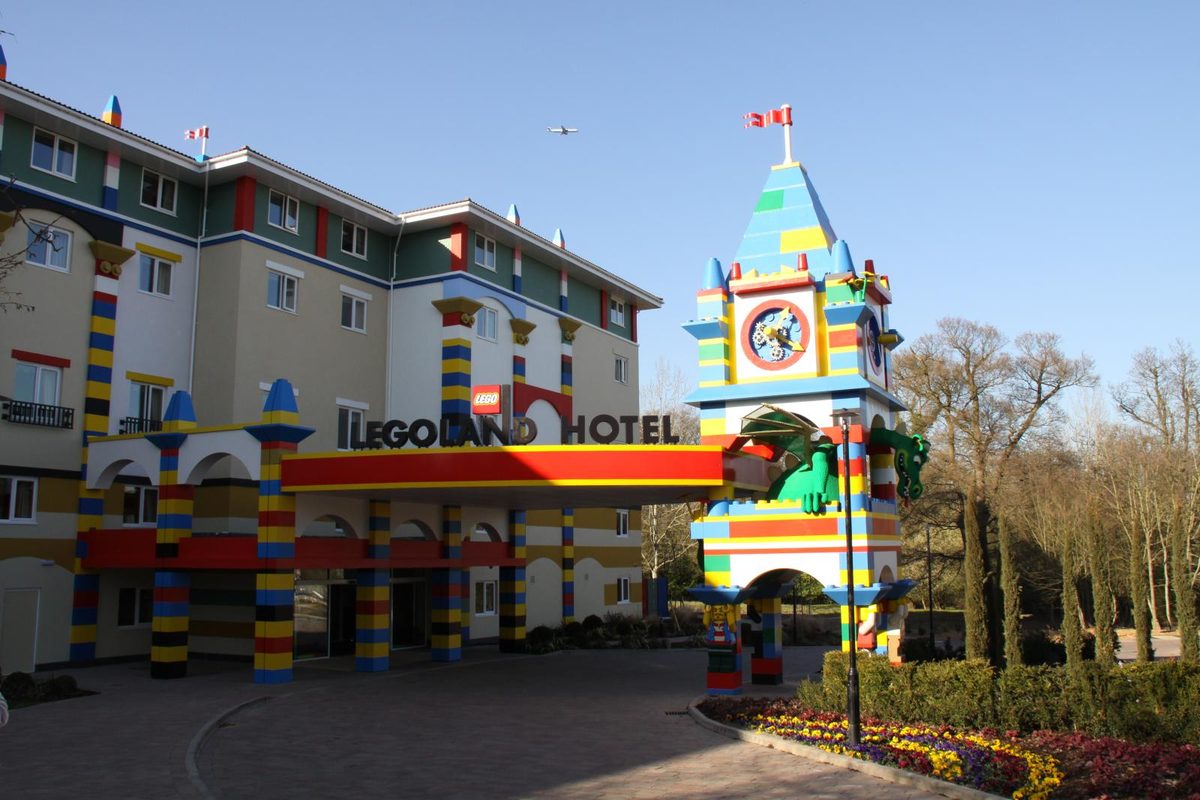
If you’re visiting LEGOLAND Windsor, Alton Towers or Warwick Castle, staying on site has one killer advantage: early access to the park before the gates open to day visitors. At LEGOLAND, hotel guests can enter the park an hour early — that means hitting the most popular rides before queues build. The on-site hotels (LEGOLAND has the Resort Hotel, Castle Hotel and the new Woodland Village lodges) are themed to within an inch of their lives and kids absolutely lose their minds over them.
The caveats: they’re expensive (often £250–£400 for a family room as of 2026), the food on site is overpriced, and the experience is intensely themed to the point where it might feel a bit much for a second night. Most families do one or two nights maximum.
Best Family Bases by Region
England is varied enough that “family hotels” means something different in London, Cornwall and the Lake District. Here’s how I’d approach each major region.
London: Bases That Make Sense with Kids
London is one of the world’s great cities for children, but it’s also expensive and hotel rooms are small. The key is picking the right area. For families, I’d look at three zones.
South Bank / Waterloo is my top pick for first-timers with kids. No main roads along the river walk, the London Eye, Sea Life London Aquarium, Shrek’s Adventure and Borough Market all within walking distance. The Novotel London Blackfriars is a reliable choice here: interconnecting rooms, kids under 12 stay and eat free, pool on site.
South Kensington / Kensington puts you steps from the Natural History Museum and the Science Museum (both free), Hyde Park and the Serpentine. It’s quieter than the South Bank and great for slightly older children who want to spend hours in the museums.
King’s Cross / St Pancras has improved enormously as a family area. Harry Potter fans love it for obvious reasons (Platform 9¾ at King’s Cross), it’s well-connected to the rest of London, and hotels tend to be better value than in the West End.
For a full breakdown of where to stay in the capital, the where to stay in London for tourists guide goes deep on neighbourhoods and price points. And if you’re weighing up whether London even makes sense as a base versus staying somewhere smaller, stay in London or outside London tackles that question directly.
The South Coast: Brighton and Beyond
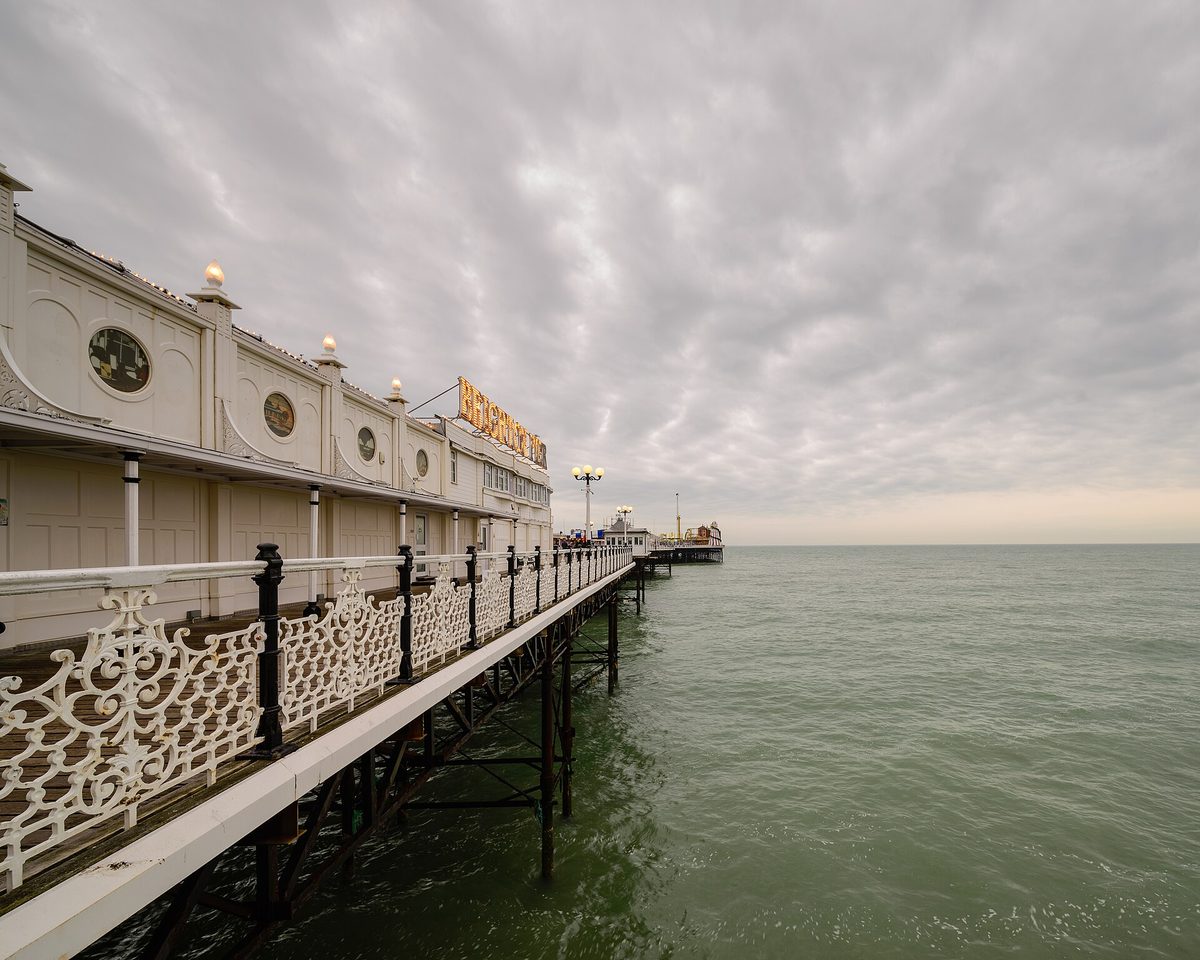
Brighton is England’s most reliably family-friendly coastal city — the pier, the beach (yes, it’s pebbles, but kids don’t care), the Sea Life Centre, the open-top buses, the Lanes. It has a seaside energy that London can’t replicate and it’s only about 50 minutes by train from Victoria.
The Leonardo Royal Hotel Brighton Waterfront has an indoor pool, good family rooms, and is well-reviewed by families. The Maldron Brighton is newer, slightly more affordable, and family-forward in its design. For a wider look at England’s coastal options, best seaside towns to stay in England covers the range — from Brighton to Whitby to Lyme Regis — much more thoroughly than I can here.
Further west along the coast, Bournemouth has long been England’s family beach resort of choice: sandy beach, amusements, good hotel stock, calm sea. The Marsham Court Hotel has been welcoming families for decades and sits right on the clifftop above the beach.
The Lake District: Adventure for All Ages
The Lakes is brilliant with children, but it requires a different mindset to a beach or city break. The payoff — sweeping fells, mirror-still lakes, boats and kayaks and open water — is enormous. The challenge is that many Lake District hotels are geared toward walkers and couples rather than families with small children.
The standout option is Another Place on the shores of Ullswater. It’s built around outdoor activity — paddleboarding, kayaking, open-water swimming from a private jetty — and it’s genuinely welcoming to families rather than merely tolerating them. There’s a pool, a spa, good food, and the kind of outdoor playground you can’t manufacture: one of England’s most beautiful lakes right outside the door. Family rooms start at around £250–£350 per night as of 2026, which is significant, but you’re unlikely to need to spend anything once you’re there.
For families who want to explore the region rather than anchor themselves, the best places to stay in Lake District guide covers the key bases — Keswick, Ambleside, Windermere — and which suits different family styles. The Lake District travel guide is also worth reading before you go for practical getting-around advice.
Theme-Park Country: Windsor, Staffordshire, Warwickshire
England’s main theme-park cluster sits in an arc stretching from Berkshire (LEGOLAND Windsor) through Warwickshire (Warwick Castle, Drayton Manor) to Staffordshire (Alton Towers). This is probably the most straightforward “family hotel” question in England: where do you stay to do the parks without destroying yourselves on logistics?
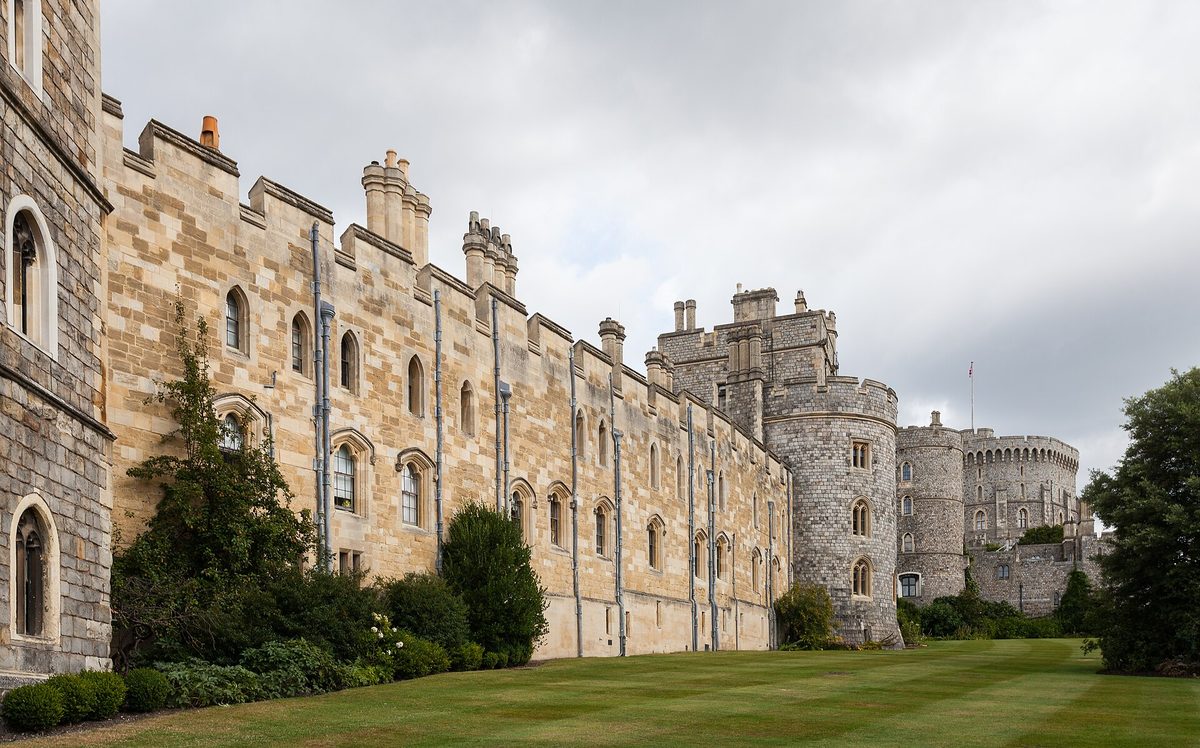
Windsor and LEGOLAND: Stay at the LEGOLAND Resort Hotel for the full immersive experience, or choose something in Windsor town itself (the Castle Hotel Windsor by MGallery is lovely, well-positioned for the castle and park) to save money and add a proper day exploring Windsor Castle.
Alton Towers: The on-site hotels — from the main hotel to the Enchanted Village tree houses — vary in price and theming. Tree houses book out months in advance. If you’re staying off-site, Uttoxeter and Cheadle have budget options around 20 minutes away.
Warwick Castle: The Castle’s own glamping and hotel options put you inside the castle grounds, which is genuinely magical for children. Nearby Warwick town is small, pleasant and has reasonable hotel stock if you’d rather save money on accommodation and spend it on castle tickets.
Cornwall: The Long Journey, Worth It
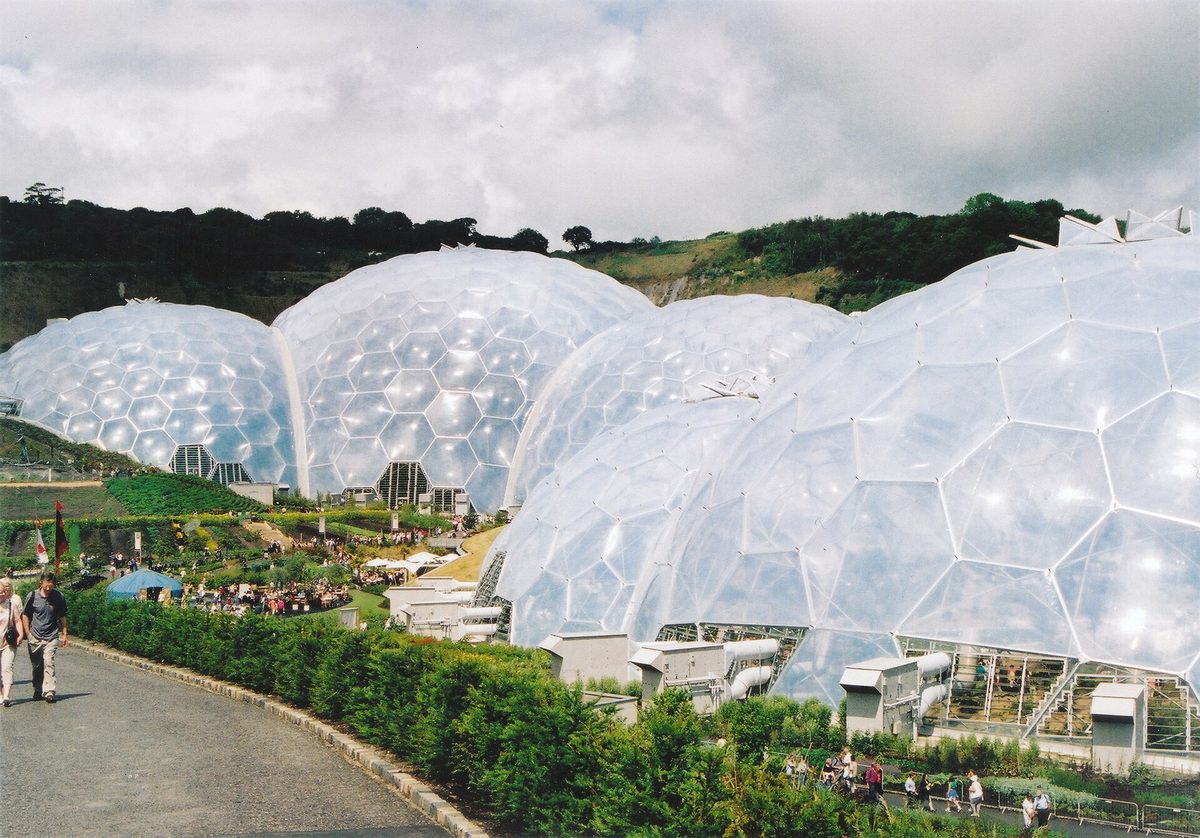
Cornwall is a long way from most of England — count on five or six hours by car from London, or about five hours by train to Penzance — but families keep going back because it’s spectacular. The beaches at St Ives, Carbis Bay, Sennen Cove and Polzeath are genuinely among the best in England, and the Eden Project adds a rainy-day anchor that children find genuinely mind-expanding.
For a hotel base, Carbis Bay Hotel near St Ives is probably England’s most famous family beach hotel: private beach, sea-view rooms, pools, watersports, and a vibe that’s upscale without being stuffy. Expect to pay around £300–£500 per night for a sea-view family room in peak summer as of 2026 — it’s not cheap, but the location is extraordinary.
More affordably, St Ives has a strong range of B&Bs and small hotels walking distance from Porthmeor Beach. Falmouth is a good family base for the Helford River and easy access to the Eden Project — a night here before or after the Eden Project works well.
For the broader question of what to do with children in this part of England and how to plan the trip, England with kids is the place to start.
Booking Tips: Getting the Family Room Right
Book Directly (or Call)
Online booking systems are designed for standard rooms. Family rooms, interconnecting rooms, cots and specific configurations often don’t surface properly online — or worse, the system shows you a “family room” that’s actually a standard double with an add-on cot option. Call the hotel after booking and confirm exactly what you’re getting. Ask: “What beds are in the room? Is the cot a travel cot or a full cot? Is there a fridge?”
Booking directly also sometimes gives you access to family-specific packages — early check-in, late checkout, a welcome gift for the kids — that aren’t listed on OTA sites.
Understand the “Free Child” Ages
“Children stay free” policies vary enormously. Some hotels mean under-12s, some mean under-16s, some mean only one child per room. “Children eat free” is equally variable — it might mean children under five from the kids’ menu, or it might mean one child per paying adult, or it might only apply during school holiday periods. Always read the small print.
At the budget end, Premier Inn has a consistently family-friendly policy: children under 16 stay free in the same room as parents. Novotel hotels typically allow children under 16 to stay free and under-12s to eat free at breakfast. These are genuinely useful baseline policies.
School Holidays vs Term Time
English school holidays — particularly the six-week summer holiday (roughly mid-July to early September), the February half-term and the Easter break — see hotel prices spike significantly. A family room that costs £130 in March might be £200 or more in August. If your children are pre-school age, travelling in term time is one of the most effective ways to cut accommodation costs and avoid crowds at attractions.
Half-term weeks (February, May, October) are busy but shorter — if you can travel mid-week rather than arriving at a weekend, you’ll often find better availability and slightly lower rates.
Cots: Request, Don’t Assume
Never assume a cot will be available. Hotels have a limited number and they’re first-come-first-served. Book as early as possible, note the request in your booking, and call to confirm a week before arrival. If you’re visiting in peak season and the cot is essential, ask whether it can be guaranteed.
If the answer is vague, consider bringing your own travel cot. Some families find it easier anyway — your child sleeps in a familiar environment, you’re not dependent on hotel stock, and you avoid the (small but real) risk of arriving to find the cots are all taken.
Early Check-In for Exhausted Kids
Asking for early check-in when you have young children is completely reasonable, and many hotels will accommodate it if the room is ready — especially if you’ve booked directly. The worst they can say is no. If early check-in isn’t possible, most hotels will store your luggage so you can head straight out and explore without hauling everything around.
Internal Links for Further Reading
This guide focuses specifically on hotel-type accommodation with children. If you’re planning the wider trip, these resources go deeper:
- For the full accommodation landscape in England: where to stay in England
- For self-catering and cottage alternatives: England vacation rentals
- For pub-with-rooms and inn stays (a brilliant family option we deliberately don’t cover here): pub inns in England
- For planning a full England trip with children: England with kids and England itinerary with kids
- For the best areas to stay generally: best areas to stay in England
- For Cotswolds trips with children: Cotswolds with kids and best towns to stay in Cotswolds
- For budgeting the whole trip: England trip cost and England budget costs
- For timing your trip: best time to visit England
Final Thoughts
After many trips around England with children at various ages and stages of chaos, I’ve come to a fairly clear view: the best family hotel is rarely the fanciest or the most luxurious. It’s the one where you feel genuinely welcome, where the room is big enough that you’re not tripping over each other, where someone thought to put blackout curtains on the travel cot, and where dinner is possible before seven o’clock.
The budget chains — Premier Inn in particular — do the basics more reliably than most and their family policies are genuinely decent. The mid-range chains with pools (Village Hotels, Novotel) add a lot of value for a night or two. And when you want something special — a proper family memory rather than just a place to sleep — the properties that have genuinely built themselves around children (Another Place, Chewton Glen, Carbis Bay) deliver something that a standard hotel simply can’t.
The other thing I’d say: don’t overlook accommodation types. A week in a holiday park or an aparthotel in a city will often serve a family better than a week in a hotel, simply because of the space and flexibility. Hotels are brilliant for short breaks near big attractions. For longer stretches, look harder at the alternatives.
England is magnificent with children. The seaside towns, the national parks, the castles and museums, the sheer density of things to do within short distances — it’s all there. The accommodation just needs to be good enough that everyone wakes up energised rather than exhausted. Get that right, and the rest takes care of itself.
Research and Source Notes
Research for this article drew on the following sources, all consulted in June 2026. Prices quoted throughout are estimates based on published rates as of mid-2026 and should be treated as rough guides — actual prices vary considerably by date, availability, and booking platform.
- VisitBritain / VisitEngland (visitbritain.com) — official tourism authority statistics and regional travel information
- Family Traveller (familytraveller.com) — independent family travel editorial covering UK family hotels
- Mumsnet Family Travel guides (mumsnet.com) — crowdsourced family hotel recommendations and policy information
- Timeout London (timeout.com) — family hotel editorial for London
- LEGOLAND Windsor (legoland.co.uk) — official resort hotel information and early access policies
- Village Hotels (village-hotels.co.uk) — family break policies, kids-eat-free terms, pool information
- Premier Inn (premierinn.com) — children’s stay-free policy, cot provision information
- Novotel — children’s eating and stay-free policies
- Chewton Glen (chewtonglen.com) — family amenities, Beehive Kids Club information
- Another Place (another.place) — Ullswater property, family room information
- Carbis Bay Hotel (carbisbayhotel.co.uk) — family beach hotel, Cornwall
- TripAdvisor (tripadvisor.co.uk) — family hotel listings for Lake District, regional England
- Kayak / Expedia / Hotels.com — family hotel filters, pricing data, Brighton and South Coast
All price estimates are hedged as approximations “as of 2026” and readers should verify current rates directly with hotels or booking platforms before making decisions.
Photo Credits
- Family visiting Legoland Windsor, one of the best bases for family friendly hotels in England near a major theme park — Photo: Dave Catchpole / CC BY 2.0 via Wikimedia Commons. Source
- Windsor Castle viewed from the Long Walk, near family hotels in the Thames Valley and Legoland Windsor — Photo: Diego Delso / CC BY-SA 4.0 via Wikimedia Commons. Source
- Brighton Palace Pier at sunset, near family-friendly hotels on England’s South Coast — Photo: Arild Vågen / CC BY-SA 4.0 via Wikimedia Commons. Source
- Blackpool Tower illuminated at night, symbol of England’s most famous family seaside resort — Photo: Michael Beckwith / CC BY 2.0 via Wikimedia Commons. Source
- The biomes of the Eden Project in Cornwall, a must-visit near family-friendly hotels in the South West — Photo: Gunnar Klack / CC BY-SA 4.0 via Wikimedia Commons. Source
Frequently asked questions
What is a family room in a UK hotel?
In England, a "family room" is typically a room that can sleep two adults and one or two children. The configuration varies: it might be a double bed plus bunk beds, a double plus two singles, or a double with a sofa bed. Always ask the hotel specifically what beds are included — the term "family room" alone tells you very little about the actual layout or how comfortable it'll be.
Do most hotels in England provide cots for free?
Many do, but not all. Budget chains like Premier Inn provide travel cots free on request. Mid-range and luxury hotels often provide cots free or for a small fee (around £10–£15 per night as of 2026). Cots are limited in number, so always request one at the time of booking and confirm closer to your stay. If a cot is essential for your trip, consider bringing your own travel cot as a backup.
What age do children stay free in English hotels?
It depends on the hotel. At Premier Inn, children under 16 stay free in the same room as parents. Novotel allows under-16s to stay free. Some boutique hotels restrict this to under-12s or even under-5s. Always check the specific policy when booking, and note that "stay free" usually means sharing existing beds — it doesn't automatically include a separate bed for the child.
Are there family hotels in England with pools?
Yes, though they're more common at mid-range and above than at budget level. Village Hotels have large indoor pools and family swimming sessions. Novotel properties often include pools. At the luxury end, hotels like Chewton Glen (New Forest), Another Place (Lake District) and Carbis Bay (Cornwall) offer pools alongside exceptional outdoor settings. Holiday parks — Center Parcs especially — almost always have swimming facilities as a centrepiece.
What's the best area in England for a family hotel break?
It depends on your children's ages and interests. For a city break with young children, South Bank in London gives the best mix of walkability and attractions. For a beach holiday, Cornwall or the South Coast (Brighton, Bournemouth) are perennial favourites. For outdoor adventure, the Lake District is magnificent for children old enough to walk and swim. For theme parks, the Windsor/Berkshire area (LEGOLAND) or Staffordshire (Alton Towers) are obvious choices. See best areas to stay in England for a fuller regional breakdown.
How much does a family room cost in England?
As of 2026, budget chain family rooms (Premier Inn, Travelodge) typically run around £80–£130 per night. Mid-range hotels with pools cost around £130–£220. Boutique or country-house hotels suitable for families range from £220 to £450 or more. On-site theme park hotels (LEGOLAND, Alton Towers) typically run £200–£400. These are rough guides — prices spike significantly during school holidays, especially the summer. See England trip cost for a fuller budget breakdown.