Sheet 74 · Where to Stay in England · 18 min read
England Vacation Rentals Guide: Cottages, Apartments & Self-Catering
Your complete guide to England vacation rentals — cottages, apartments, and holiday lets. Compare costs, platforms, regions, and booking terms for 2026.
 Sheet 74
Contents 8 sections
England vacation rentals — self-catering cottages, holiday apartments, and holiday lets — have a specific kind of magic that hotels simply cannot replicate. The first time I booked one, I got a confirmation email telling me to arrive on a Saturday after 4pm, leave no later than 10am the following Saturday, and pay a £250 damage deposit by bank transfer — all for a place described as “recently modernised.” (The modernisation was a 2009 microwave and a shower that wept lukewarm water.) I went back the next year. And the year after that. Once you understand the system, you’ll wonder why you ever did it any other way.
Quick Answer: England Vacation Rentals
England vacation rentals — self-catering cottages, holiday apartments, and holiday lets — are overwhelmingly the better choice for families, groups of four or more, pet owners, stays of a week or longer, or anyone who wants a kitchen, a sitting room, and space to actually spread out. Per-person costs can be 30–50% lower than equivalent hotel rooms for groups. The main platforms to know are Sykes Holiday Cottages, cottages.com, National Trust Holidays, Airbnb, and Vrbo. Key terms to understand before booking: changeover day, damage deposit, cleaning fee, and minimum stay. The Cotswolds, Lake District, Cornwall, and Norfolk are the cottage heartlands.
Rentals vs Hotels vs Inns at a Glance
| Self-Catering Rental | Hotel | Pub / Inn | |
|---|---|---|---|
| Space | Full house / apartment | One room | One room (often small) |
| Kitchen | Yes — full kitchen | No (maybe kitchenette) | No |
| Typical cost as of 2026 | £100–£400/night (whole property) | £90–£250/night per room | £80–£180/night per room |
| Minimum stay | Usually 2–7 nights | One night fine | One night fine |
| Best for | Families, groups, longer stays, pets | Short trips, couples, solo | Atmosphere, village centres, solo |
| Breakfast included | No | Often yes | Sometimes |
| Pets | Frequently allowed | Rarely | Variable |
For a couple on a two-night city break, a hotel or pub inn often wins on simplicity and price. For a family of five spending a week in Cornwall, a rental wins on every metric that matters. This guide is about knowing which situation you’re in.
When a Holiday Rental Is the Right Call (And When It Isn’t)
Families and Groups: The Maths Are Obvious
Run the numbers on a family of four or a group of six and the equation shifts decisively toward self-catering. A three-bedroom cottage sleeping six in the Lake District runs around £800–£1,200 per week as of 2026 — that’s roughly £130–£200 per night for the whole property, or about £22–£33 per person per night. Three hotel rooms for the same group? You’re looking at £270–£750 per night at minimum, and you’re eating every meal in a restaurant because there’s no kitchen.
The kitchen is genuinely transformative. Not just for budget reasons — though eating one breakfast in and packing your own lunches saves real money across a week — but for the rhythm of a family holiday. Kids can eat at 5:30pm if that’s what they need. You can make tea at 6am without hunting for a café. You don’t have to negotiate with restaurant staff about allergies at every single meal. If you’re travelling with kids in England, self-catering isn’t just cheaper; it’s genuinely more relaxing.
Longer Stays (5+ Nights)
The English countryside is not best experienced in a 48-hour sprint. A week in a cottage — really settling in, walking the footpaths, discovering the village pub, learning which local farm does decent eggs — is a categorically different experience from a night at a hotel. Rentals are structured around weekly stays for exactly this reason, and the price-per-night typically drops the longer you book. Seven nights is the sweet spot; many properties won’t accept less than a week in peak season.
If you’re planning to base yourself somewhere and explore a region — say, using a Cotswolds cottage as the hub for day trips — self-catering makes far more sense than moving between hotels. It’s worth reading our guide to where to stay in England to work out whether you want a roving itinerary or a home-base approach.
Pets
This is the big one for dog owners. England is famously dog-friendly in its countryside — footpaths, beaches, pubs — but hotels are inconsistently so. Self-catering platforms, by contrast, have vast pet-friendly filters. Sykes Cottages alone lists over 9,000 pet-welcoming properties, and many charge no extra pet fee at all. The honest caveat: pet-friendly doesn’t always mean fenced garden, so check the listing details carefully if you have a bolt-prone dog.
When Hotels or Inns Win
I want to be straight with you: a self-catering rental is not always better. For one or two nights, the nightly rates versus the logistics of self-catering (buying groceries, cleaning up, leaving the place tidy for check-out) can tip back toward a hotel. A couple wanting a romantic long weekend in Bath or York, with dinner out both nights, is probably better served by a characterful hotel or pub inn — the latter especially for atmosphere and built-in breakfasts. Family-friendly hotels that offer kids’ clubs, pools, and all-inclusive options are a separate calculation entirely.
Where Cottages Shine: The Best Regions
The concept of “holiday cottage” is inseparable from certain English landscapes. These are the regions where the rental infrastructure is deepest, the settings most rewarding, and the whole thing makes the most sense.
The Cotswolds
The Cotswolds is the cottage heartland. Those honey-coloured limestone villages — Bourton-on-the-Water, Chipping Campden, Burford, Bibury — were built for exactly this kind of stay. Cottages here tend to be genuine stone-built properties, many of them 17th or 18th century, with inglenook fireplaces and low beamed ceilings. Expect to pay a premium for the privilege: a two-bedroom Cotswolds cottage runs around £800–£1,400 per week in peak summer as of 2026, and four-bedroom properties in the most sought-after villages easily top £3,000 a week.
What makes the Cotswolds work so well for self-catering is the walking infrastructure. The Cotswold Way long-distance path and hundreds of public footpaths mean you can step out of your garden gate and be in the countryside in sixty seconds. Villages are close enough together that you can walk between them if the mood takes you. Our guides to where to stay in the Cotswolds and the best Cotswolds villages will help you narrow down the location. For a broader overview of planning a trip, the Cotswolds travel guide is worth a read before you book anything.
The Lake District
The Lake District is where England gets properly dramatic, and a cottage with a view over Windermere or Ullswater is one of those experiences that genuinely stays with you. Self-catering is the dominant accommodation model here — the towns of Ambleside, Keswick, and Windermere are surrounded by rural properties that simply wouldn’t function as hotels. A three-bedroom property in a village near Grasmere for six people runs around £900–£1,600 per week in summer as of 2026.
The key advantage of a rental in the Lakes is space for kit. Walkers and cyclists arrive with boots, bikes, wet gear, and maps. A rental cottage — with its utility room, boot rack, and clothesline — handles all of this far better than a hotel room. Our Lake District where-to-stay guide covers the villages in detail, and the Lake District travel guide will help you plan activities. For more on what makes this region so special for a longer stay, see our best places to stay in the Lake District article.
Cornwall and Devon
Cornwall is probably England’s most popular cottage destination — the combination of dramatic coastline, surf beaches, fishing villages, and spectacular food has made it genuinely hard to book in summer. Padstow, St Ives, Port Isaac, and the Roseland Peninsula are perennial favourites. Prices reflect demand: a coastal cottage sleeping four near Padstow might run £1,200–£2,500 a week in August as of 2026. Book in January if you want peak summer.
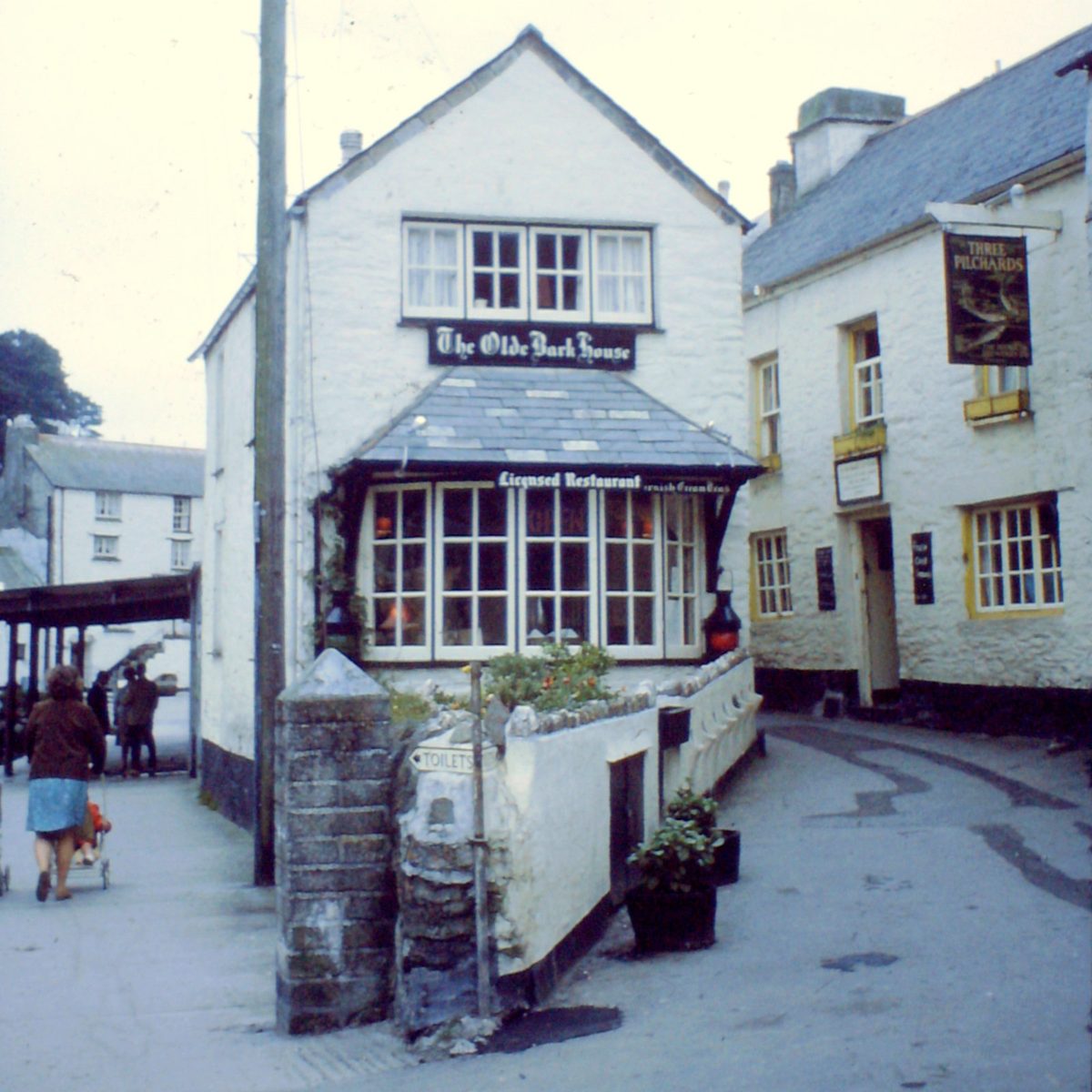
The appeal here is specific: waking up in a Cornish fisherman’s cottage fifty metres from the sea, picking up crab from the harbour, cooking it in your own kitchen. That sequence is not available in a hotel. Devon — Dartmoor, the Jurassic Coast, the South Hams — offers similar experiences at slightly lower prices. Read the Cornwall and Devon travel guide and our guide to where to stay in Cornwall before you browse listings.
Norfolk and the Broads
Norfolk is under-rated by overseas visitors and beloved by those who know it. The Norfolk Broads — England’s largest protected wetland — are unique, and renting a traditional cottage on the Broads, or a boathouse with water access, is a specific pleasure. The North Norfolk coast (Blakeney, Burnham Market, Wells-next-the-Sea) has become increasingly fashionable, and cottage prices have followed: a good four-bedroom coastal cottage runs £900–£2,000 per week in peak season as of 2026. The landscape is flat and wide and sky-dominated — very different from the Cotswolds or Cornwall, and particularly good for birdwatchers and those who want walking without hills.
Smaller Gems: The Dales, Suffolk, and Beyond
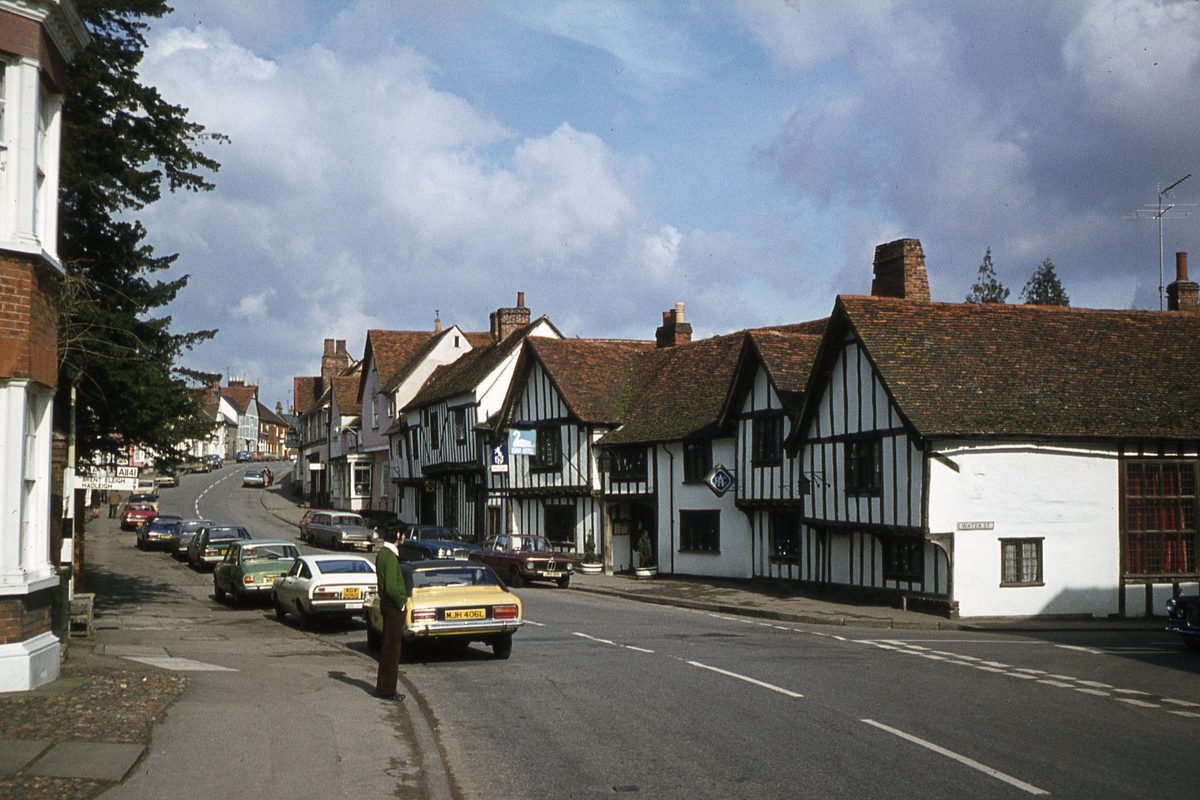
Yorkshire Dales farmhouses are a quieter alternative to the Lake District — similar dry-stone-wall countryside, fewer crowds, lower prices. Lavenham and Long Melford in Suffolk offer medieval half-timbered properties that look like a film set (because they often are). The most beautiful villages in England guide touches on many of these. For matching your preferred region to the right base town, the best areas to stay in England article is a good starting point.

Booking Platforms Compared
The England self-catering market is mature and competitive. Here are the main options, honestly assessed.
Sykes Holiday Cottages
Sykes is the largest dedicated cottage-rental agency in the UK, with over 22,000 properties across England, Scotland, Wales, and Ireland. Their filters are comprehensive — pet-friendly, hot tub, accessible, fishing, coast, minimum bedrooms — and the search engine is fast. They represent mostly private owners but manage the booking process centrally, so complaints go to Sykes rather than the owner. Weekend breaks are well-stocked. Sykes runs a loyalty programme called Bloom (app-based) with discounts and rewards. Their pricing is transparent, though cleaning fees and booking fees are added at checkout.
cottages.com
Part of the Awaze group (same parent as Hoseasons), cottages.com has a very large inventory and is particularly strong for the Cotswolds, Lake District, and South West. The search and filtering are solid. They tend toward the mainstream-comfortable end of the market — good for families who want reliable rather than characterful. Their Last Minute section is worth a look if you’re flexible.
National Trust Holidays
More than 500 properties across England, Wales, and Northern Ireland, all within or adjacent to National Trust land. This is a niche but genuinely excellent option for a certain type of traveller — the properties range from converted bothies and lighthouse cottages to large farmhouses on magnificent estates. You don’t need to be a National Trust member to book, but members get a discount. These properties book up extremely early (some go live eighteen months ahead), and the quality is consistently high. Worth setting up an alert if there’s a particular estate or coastal stretch you want.
Airbnb and Vrbo
Airbnb has a large UK inventory, though the experience varies more than with dedicated cottage agencies — you’re dealing with individual hosts, and quality control is patchy. That said, Airbnb is excellent for city apartments (London, Manchester, Edinburgh) and for unusual or non-standard properties that don’t fit the traditional cottage mould. Vrbo (formerly HomeAway) is more focused on whole-property rentals and tends to skew toward larger, more family-oriented homes.
For rural English cottages specifically, I’d look at Sykes or cottages.com first. For city apartments, Airbnb. For something truly special in a heritage landscape, check National Trust Holidays before anything else.
Other Platforms Worth Knowing
- originalcottages.co.uk — strong in Norfolk, Yorkshire, and the North West
- Classic Cottages — specialist in South West England (Cornwall, Devon, Dorset)
- Unique Homestays — curated luxury properties, not cheap, but genuinely beautiful
- Simply Owners — direct booking with owners, cutting out agency fees
Rental Terms and Costs to Watch
Changeover Days
This is the thing that catches most first-time bookers out. Almost every traditional English holiday cottage has a “changeover day” — the day on which all stays begin and end. For the majority of properties, this is Saturday. Some operate on Friday. A smaller number offer Monday changeovers for midweek breaks.
What this means in practice: you cannot always arrive on a Tuesday for five nights. Many properties in peak season will only sell in seven-night blocks (Saturday to Saturday). In shoulder season, you may find three-night or four-night breaks available, sometimes from a Friday or Monday. Always check the changeover day before you start building an itinerary around a specific property.
Minimum Stays
Peak season (July, August, school half-terms, Christmas week) almost universally means a seven-night minimum. Easter can be seven nights or shorter depending on the property. Shoulder season (May, June, September, early October) often allows three or four nights. Off-peak winter stays can sometimes be negotiated shorter still. If you want a three-night long-weekend escape during the school summer holidays, you will struggle — start looking at out-of-peak dates instead.
Damage Deposits
Most English holiday lets require a damage deposit — often called a “cautionary deposit” or “security deposit” — paid either in advance or in some cases as a pre-authorisation on your card. Typical amounts range from £150 to £500 depending on property size and value. In practice, less than 1% of deposits are retained — owners are not trying to catch you out, they want repeat business — but you should still document any pre-existing damage on arrival (photograph it, email the agency immediately) to protect yourself.
Some platforms (Sykes included) have moved toward damage-waiver insurance schemes rather than cash deposits, where you pay a small fee (typically £20–£50) as part of the booking and this covers accidental damage up to a certain threshold. Check which scheme applies when you book.
Cleaning Fees
These are almost universal and have become a significant line item, particularly on Airbnb. A cleaning fee of £75–£200 for a whole-house rental is common. Unlike a hotel, you’re typically expected to leave the property in a reasonable condition — wash dishes, strip beds (or leave them in a pile as instructed), and bag any rubbish. You’re not expected to scrub it, but the cleaning fee doesn’t buy you the right to leave a disaster.
Pet Fees
Many pet-friendly properties charge an additional fee, typically £20–£50 per pet per week. Some don’t charge at all but restrict to a certain number of dogs. Read the pet policy carefully — “dog friendly” does not always mean “large-dog friendly” or “two-dogs friendly.”
Arrival and Departure Times
Arrivals after 4pm on changeover day and departures by 10am (sometimes 9:30am) are essentially universal. Plan travel accordingly — arriving at 2pm and finding a locked key safe with no flexibility is a reliable source of holiday irritation. Confirm the key collection method (key safe, meet the owner, management agency handover) before you travel.
Costs: What You’ll Actually Pay
Planning a trip budget for England is easier with some realistic price anchors. Here’s what the cottage market looks like as of 2026, across the main segments:
Budget / simple:
A basic two-bedroom cottage sleeping four in an inland location (think: Derbyshire village, North Yorkshire market town) can be found for £450–£750 per week in peak season, £300–£500 in shoulder. Add a cleaning fee of around £60–£100 and a damage deposit.
Mid-range / comfortable:
A three-bedroom property sleeping six in a popular region (Cotswolds, Lake District, Norfolk coast) in peak summer runs £900–£1,600 per week. The same property in October might be £500–£900.
Premium:
A four or five-bedroom coastal cottage in Cornwall or a luxury Cotswolds property with hot tub and exposed beams in the £1,800–£3,500 per week range in summer. National Trust Holidays properties often fall here too.
Group houses:
Sleeping ten or twelve? Large group houses are a genuine sub-market. Prices from £2,000 to £8,000+ per week depending on location and luxury level. Per person, the maths remain very attractive.
Compared to hotels: that £585/week three-bedroom Windermere cottage sleeping six works out at roughly £14 per person per night. Three hotel rooms for the same six people at even a modest £90 per room would be £270 per night — nearly three times the price, without a kitchen.
The rough overall rule: for groups of four or more, staying five nights or longer, a cottage will almost always be cheaper per person than equivalent hotel accommodation — often dramatically so. See our broader England budget costs guide for how this fits into overall trip planning.
Final Thoughts
I’ve stayed in English holiday cottages that had sticky windows, suspiciously thin walls, and Wi-Fi that worked somewhere between never and occasionally. I’ve also stayed in properties — a converted granary in the Cotswolds, a stone shepherd’s cottage above Borrowdale in the Lakes, a fisherman’s cottage in Polperro with a view straight down to the harbour — that I think about when I need to remember what holidays are for.
The English self-catering market is enormous, well-organised, and genuinely varied. The learning curve is mostly about understanding the booking conventions: changeover days, minimum stays, the deposit system, the gap between “modernised” in listing copy and “modernised” in reality. Once you’ve navigated those, the appeal is obvious. You get a home, not a room. You get a kitchen and a sitting room and a garden and, often, a fireplace. You get space for the dog and space for the kids and space to actually breathe.
For families, groups, pet-owners, and anyone staying more than three or four nights, England vacation rentals are almost always the right answer. The Cotswolds, Lake District, Cornwall, and Norfolk are where I’d start — but the honest truth is that England’s cottage stock stretches into almost every village and valley in the country. There’s a good one waiting for you somewhere.
Start at where to stay in England if you’re still deciding on a region, then come back here when you’re ready to book.
Research and Source Notes
Prices cited throughout are approximate and hedged as of 2026. The self-catering market is dynamic — prices vary significantly by property, season, location, and how far in advance you book. All prices should be treated as illustrative ranges rather than fixed quotes.
Platform information sources:
– Sykes Holiday Cottages (sykescottages.co.uk) — property count, pet-friendly inventory, changeover day conventions, damage deposit policies. Sykes lists over 22,000 properties as of 2026.
– cottages.com — Awaze Group platform; inventory and regional strengths as described on their own site.
– National Trust Holidays (nationaltrust.org.uk/holidays) — 500+ properties described on the National Trust official site.
– Original Cottages (originalcottages.co.uk) — FAQ and booking terms referenced for changeover and minimum-stay conventions.
– Schofields Insurance holiday let damage deposit guide — industry context on deposit retention rates (less than 1% retained).
– Finding the Universe (findingtheuniverse.com) — overview of UK holiday home websites 2026 edition.
– MoneySavingExpert (moneysavingexpert.com/travel/cheap-holiday-rentals) — general context on cheap self-catering options.
– AvantStay blog (avantstay.com) — hotels vs vacation rentals for groups: cost comparison context (vacation rentals around 133% cheaper than hotels for larger groups on a per-person basis).
Price comparisons: Three-bedroom Lake District cottage sleeping six at ~£585/week vs. equivalent hotel accommodation (~£2,520/week) cited from AvantStay cost-comparison research and corroborated by Sykes and cottages.com current listings. All other price ranges derived from browsing live inventory across Sykes, cottages.com, and Classic Cottages as of mid-2026; individual properties vary widely.
Changeover day conventions sourced from Sykes Cottages owner guidance, Original Cottages FAQ, and Bessingby Holiday Cottages practical information pages.
Photo Credits
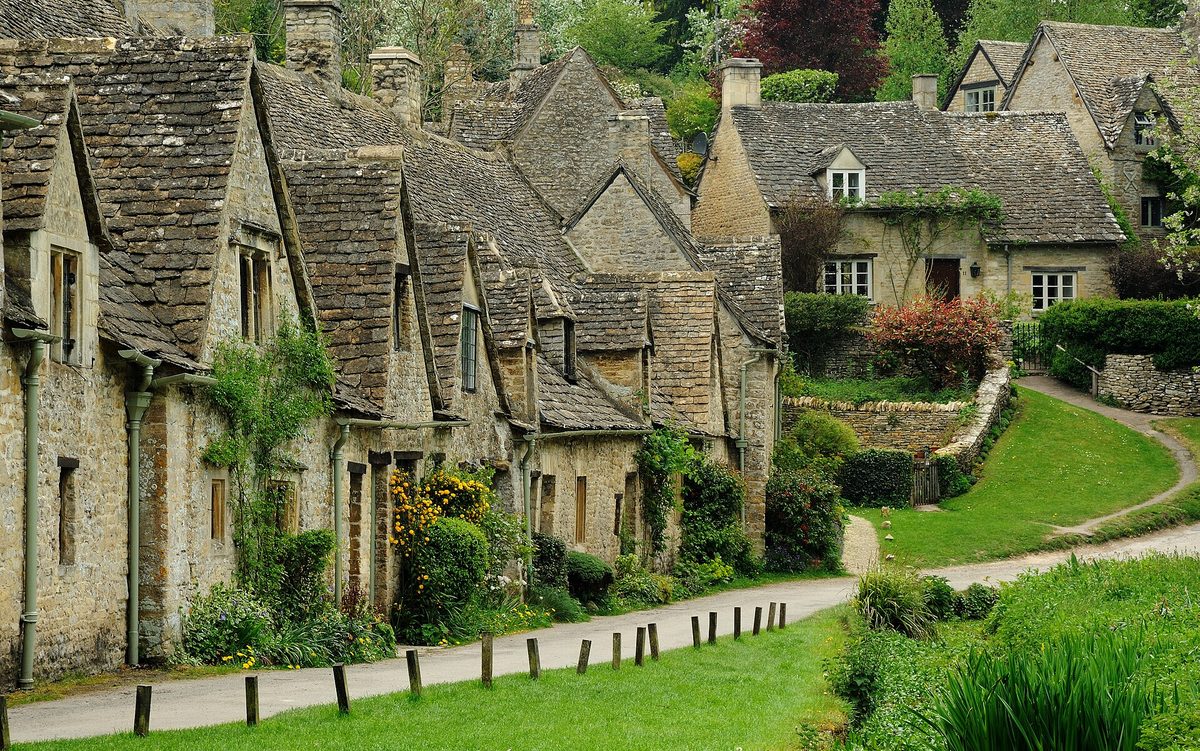
- Honey-coloured stone cottages at Bibury’s Arlington Row in the Cotswolds — the quintessential image of England vacation rentals — Photo: Saffron Blaze / CC BY-SA 3.0 via Wikimedia Commons. Source
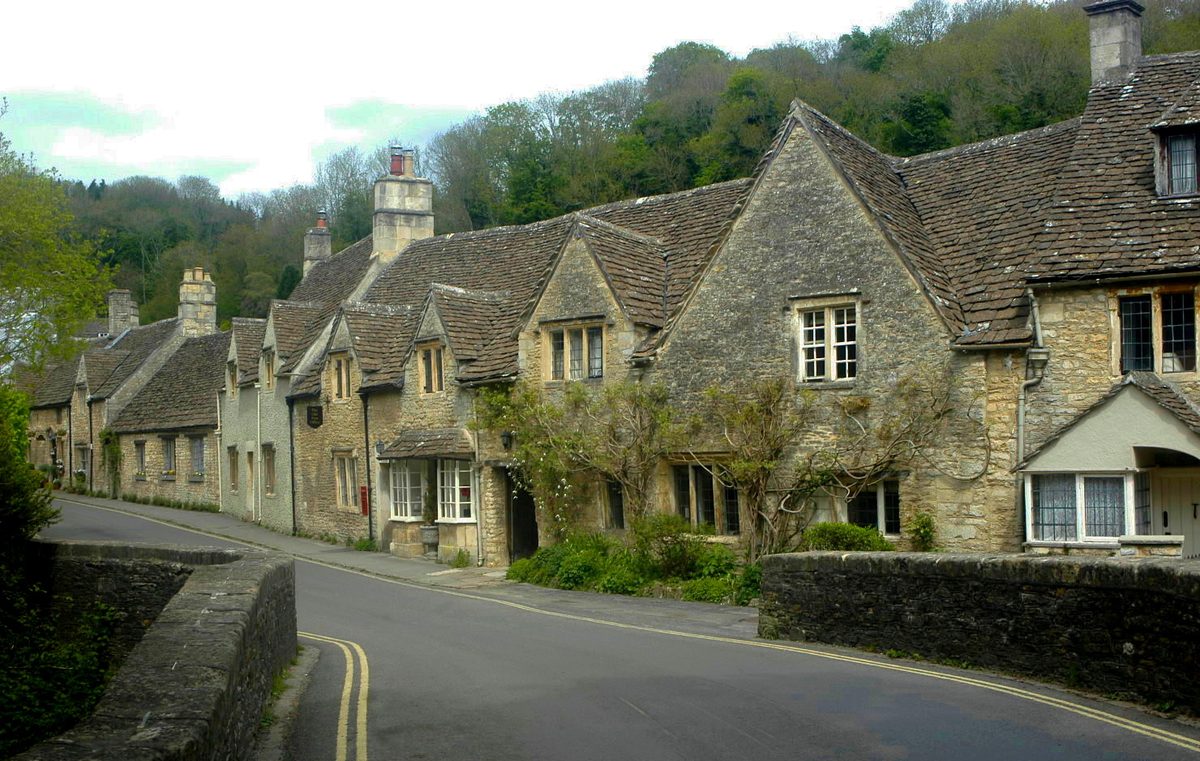
- The medieval village of Castle Combe in Wiltshire, one of England’s most beautiful locations for holiday cottage stays — Photo: Ray Bird / CC BY-SA 2.0 via Wikimedia Commons. Source
- The impossibly steep cobbled streets of Clovelly in Devon, a coastal village perfect for self-catering holidays — Photo: Dietmar Rabich / CC BY-SA 4.0 via Wikimedia Commons. Source
- The medieval half-timbered streets of Lavenham, Suffolk — one of England’s best preserved wool towns and ideal for a holiday cottage base — Photo: Colin Park / CC BY-SA 2.0 via Wikimedia Commons. Source
- The picturesque harbour at Polperro, one of Cornwall’s most beloved fishing villages and a classic destination for England vacation rentals — Photo: Michael W Beales BEM / CC BY-SA 2.0 via Wikimedia Commons. Source
Frequently asked questions
What is the difference between a holiday cottage and a self-catering rental in England?
They're the same thing, essentially. "Self-catering" is the British industry term for any rental accommodation where you prepare your own food — as opposed to hotels, B&Bs, and guesthouses where meals are provided. "Holiday cottage" is the informal, often marketed version of the same concept. You'll also see "holiday let" used by owners and by HMRC (the tax authority), since furnished holiday lets have a specific legal and tax status in England.
How far in advance should I book a holiday cottage in England?
For peak summer (July–August), Easter, and Christmas week, six months in advance is realistic — and twelve months is not unusual for the most sought-after properties (particularly National Trust Holidays or well-reviewed cottages in places like Padstow or the Cotswolds). For shoulder season (May, June, September), two to four months gives you a reasonable range of choices. Off-peak, you can often find good availability with a few weeks' notice, and last-minute deals do exist on platforms like Sykes. That said, waiting for a last-minute deal in peak season is a gamble I wouldn't recommend for families with fixed school-holiday dates.
Are holiday cottages in England pet-friendly?
Many are, and England is genuinely one of the better countries in Europe for travelling with dogs. Sykes Cottages lists over 9,000 pet-welcoming properties. Classic Cottages, originalcottages.co.uk, and cottages.com all have dedicated pet-friendly filters. Expect an additional pet fee of £20–£50 per stay in most cases, though some properties include pets at no extra charge. Always verify that the garden is enclosed if you have an escape-artist dog, and check whether the property restricts the number of pets.
What does "changeover day" mean, and why does it matter?
A changeover day is the fixed weekly start-and-end day for a cottage — most commonly Saturday, sometimes Friday. In high season, most traditional cottage rentals will only sell in seven-night blocks from that day. This means your holiday is essentially a Saturday-to-Saturday or Friday-to-Friday affair, and mid-week arrivals are often unavailable. In shoulder and off-peak seasons, shorter breaks (three or four nights) starting on various days become available. It's one of the biggest structural differences between renting a cottage and booking a hotel, where any check-in date is typically possible. Always confirm the changeover day before assuming you can arrive on a Wednesday.
Is it better to book through an agency like Sykes or directly with the owner?
Both have merits. Agency platforms (Sykes, cottages.com) offer consumer protection, standardised booking processes, clear cancellation policies, and a point of contact if something goes wrong. They vet properties to a basic standard and handle payment securely. Direct-from-owner sites like Simply Owners typically cost less — there's no agency commission built into the price — but you're dealing one-to-one, which requires a bit more trust. For first-time cottage renters, I'd start with an established agency. Once you know the market and understand what questions to ask, direct booking is worth exploring for the savings.
Do England vacation rentals include linen and towels?
Most do, though not universally. Many properties now include bed linen as standard; towels are more variable, especially in budget properties. Check the listing carefully — phrases like "linen not included" or "towels available at extra charge" should be explicit. Cot linen is almost never included and is frequently flagged as a separate hire item if you're bringing a baby. Beach towels are almost never included even in coastal properties. The listing should specify — if it doesn't, email and ask before booking.