Sheet 53 · Best Time to Visit England · 15 min read
England in Summer
England in summer means long light evenings, festivals, and busy, pricey peak season. Here's how to plan, when to book, and how to beat the crowds.
 Sheet 53
Contents 9 sections
The first time I really understood England in summer, I was sitting on a wall above a Cornish cove at nine o’clock at night, still squinting into a sun that had no intention of setting. That’s the thing nobody quite prepares you for: the light. It stretches and stretches until the whole evening feels like a gift you didn’t earn.
This is my honest, opinionated take on the season — the good, the sweaty, and the genuinely-need-to-book-ahead.
England in summer (roughly June to August) is the country’s warmest, brightest, and busiest stretch: expect highs around 18–23°C with occasional heatwaves pushing higher, daylight until 9–10pm near the solstice, peak crowds and prices, lively festivals and sport, and very little air conditioning. Plan early, and it’s glorious.
Quick Answer: What Is England Like in Summer?
England in summer is the high season — and it earns the title. The weather is the warmest you’ll get all year (though “warm” here is mild by Mediterranean standards), the days are absurdly long, and the country leans into it with festivals, garden parties, cricket, and seaside trips.
The trade-off is people and pounds. June through August is when domestic and international visitors collide with the English school summer holidays, so popular places get busy and accommodation gets dear. If you book ahead and pick your spots, though, summer is a wonderful time to be here. For help comparing it against other times of year, my best time to visit England guide lays out the whole calendar.
Here’s the season at a glance. Treat these as rough anchors, not promises — English weather has opinions of its own.
| Month | Typical weather | Daylight (approx.) | Crowds & price | Highlights |
|---|---|---|---|---|
| June | Mild, often sunny; highs ~18–21°C | Longest days; light ~4:45am–9:20pm near the solstice | Busy but pre-school-holidays; slightly calmer late-June | Gardens at peak, Trooping the Colour, Wimbledon begins, Henley |
| July | Warmest stretch; highs ~21–23°C, heatwave spikes possible | Long evenings, light past 9pm | Very busy once schools break up (around mid-to-late July); prices climb | Wimbledon finals, the Proms begin, open-air theatre, coast season in full swing |
| August | Warm, sometimes humid; highs ~21–23°C, occasional 30°C+ | Still long but shortening; light to ~8:30pm by month’s end | Peak crowds and peak prices; school holidays in full force | Beaches packed, Notting Hill Carnival (bank holiday), festivals, cricket |
A quick note on the table: I’ve kept the weather numbers deliberately loose. If you want proper month-by-month averages and rainfall figures, that lives in my England weather by month breakdown, and if you’re agonising over which single month to pick, the best month to visit England piece goes deep on the trade-offs.
Summer Weather and What to Pack (the Short Version)
I’ll keep this brief, because packing deserves its own deep dive and I’ve written one — see the full England packing list for the proper checklist. But the headline for summer is: layers, always.
A typical English summer day is mild and pleasant, with highs commonly around 18–23°C depending on where you are and what the year is doing. The south and east tend to be warmest and sunniest; the north and the hills run cooler. Then, every so often, a heatwave rolls in and the whole country acts surprised, with temperatures spiking well above the average — recent summers have seen spells past 30°C, occasionally a fair bit more.
The catch is that “summer” here still includes rain, grey mornings, and breezy evenings, sometimes all in one afternoon. So even in July I’d pack a light waterproof, a warm layer for the evenings (especially near the coast, where the sea breeze has a bite after sunset), comfortable walking shoes, and then the obvious warm-weather stuff — sunglasses, sunscreen, a hat, breathable clothes. Brits underestimate the sun on a clear day and pay for it; don’t make that mistake.
If your trip is weather-sensitive, I’d genuinely keep my rainy day activities in England ideas bookmarked. Even in peak summer you may get a washout day, and it’s better to have a museum or a stately home in your back pocket than to stand in a drizzly car park rethinking your life.
Crowds, Prices, and the School Holidays
Let me be straight with you: summer is the most expensive and most crowded time to visit England, and it’s not especially close.
Two waves of demand stack up. First, international visitors arrive in force from June onward — this is when most people who can travel choose to. Second, and this is the big one, the English school summer holidays run roughly from late July to early September (it varies by region and year). The moment those schools break up, domestic family travel floods the system. Seaside towns fill, theme parks queue out the door, popular hotels sell their last rooms, and prices for flights, trains, and accommodation climb.
So here’s the practical logic I use:
- Early-to-mid June is my quiet favourite within summer — you get the long days and (usually) decent weather, but you’re ahead of the school-holiday surge.
- Late July to the end of August is the absolute peak. Still brilliant, but you’ll pay for it and you’ll share it.
- Booking ahead is non-negotiable in summer. I reserve headline attractions, any timed-entry sights, and intercity train tickets well in advance. Advance train fares in particular can be a fraction of the walk-up price, and they sell out on busy summer routes.
If you’re travelling as a family, the school-holiday period is unavoidable — you go when the kids are off — so the trick is to lean into shoulder spots and book earlier than feels necessary. My England with kids guide gets into the family logistics properly. And if you’re watching the budget, the whole season rewards planning; England on a budget has the money-saving tactics I actually use, from rail discounts to picnic dinners in the long evenings.
One more thing on accommodation: decide early where you’re basing yourself, because the best-value, best-located places go first in summer. My where to stay in England guide breaks down the regions, and for the coast specifically, best seaside towns to stay in England is worth a look before you commit.
Long Days and How to Actually Use Them
This is the part I love most, and the part visitors most often waste.
Around the June solstice, the south of England gets something like 16.5 hours of daylight — sunrise before 5am, sunset around 9:20pm, and a long, lingering dusk after that. Go further north and it’s even more extreme; up toward the Lake District and beyond, the sky barely goes fully dark. As of 2026, the solstice falls around June 21, but you get gloriously long evenings for weeks either side.
What this means in practice: your day is enormous. Don’t treat 5pm as the end of sightseeing. Some of my favourite England-in-summer memories happen in that golden two-hour window after most day-trippers have gone home — a near-empty garden, a coast path with the light going amber, a pub table outside until the midges win.
A few ways I use the long light:
- Front-load the famous sights, back-load the beautiful ones. Hit the big-ticket attractions early when they open, then save scenery, gardens, and walks for the long evening when crowds thin and the light turns lovely.
- Eat late, English-style. Pubs and many restaurants serve into the evening, and a 7:30pm dinner still leaves you a sunset stroll afterward.
- Build in golden-hour plans. Sunset over the sea, a hilltop, or a city skyline costs nothing and is the best free show of the season.
For ideas on stringing these long days into a proper route, my England itinerary has sample plans, and if you’re London-based, day trips from London makes the most of those late returns — you can be out at the coast or in the countryside and still get home in daylight.
Beaches and the Coast in Summer
Here’s a confession: English beaches will surprise you. The water is bracing (let’s be kind and call it “refreshing”), but on a warm summer day the coast is where the country is at its most joyful — buckets and spades, fish and chips eaten too fast, dogs losing their minds in the surf.
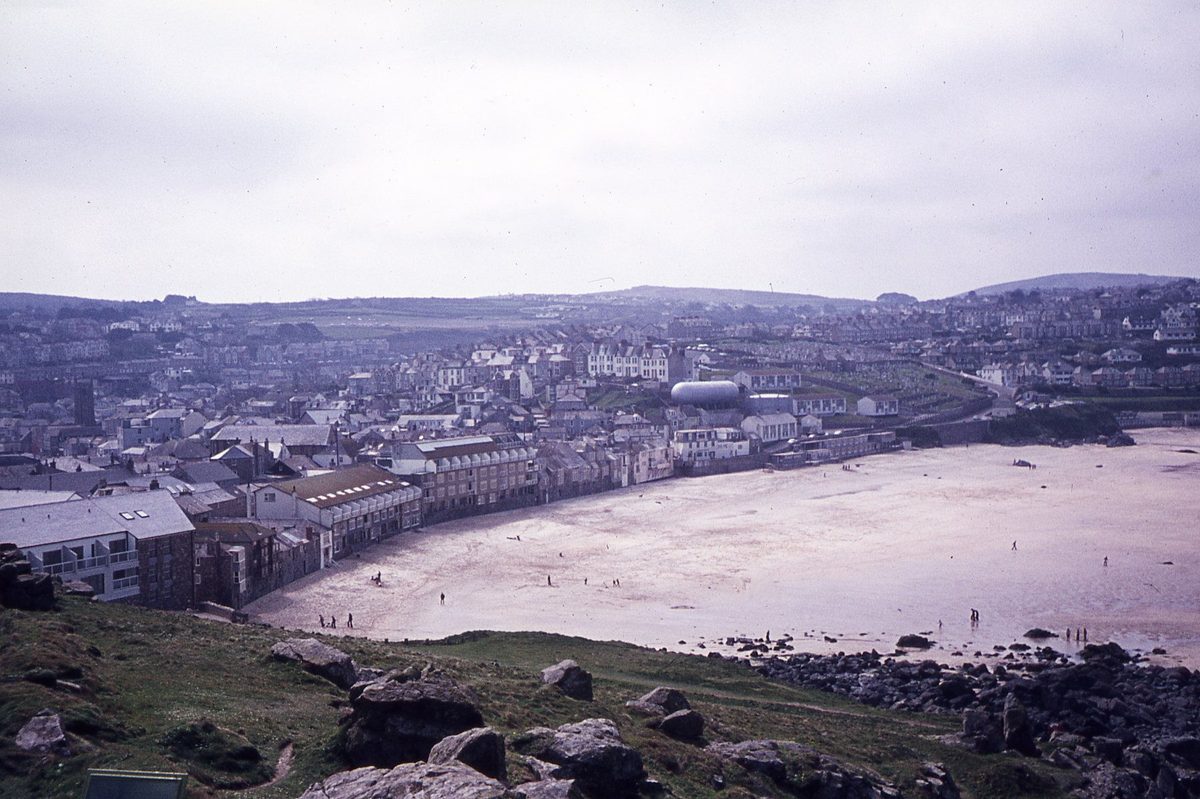
The English coastline in summer ranges from the soft-sand surf beaches of the southwest to dramatic chalk cliffs and shingle coves. Cornwall and Devon are the headline acts — St Ives, the surf around Newquay, the whole sweep of it — and they get busy, so this is exactly where booking ahead and timing your beach days matters most.
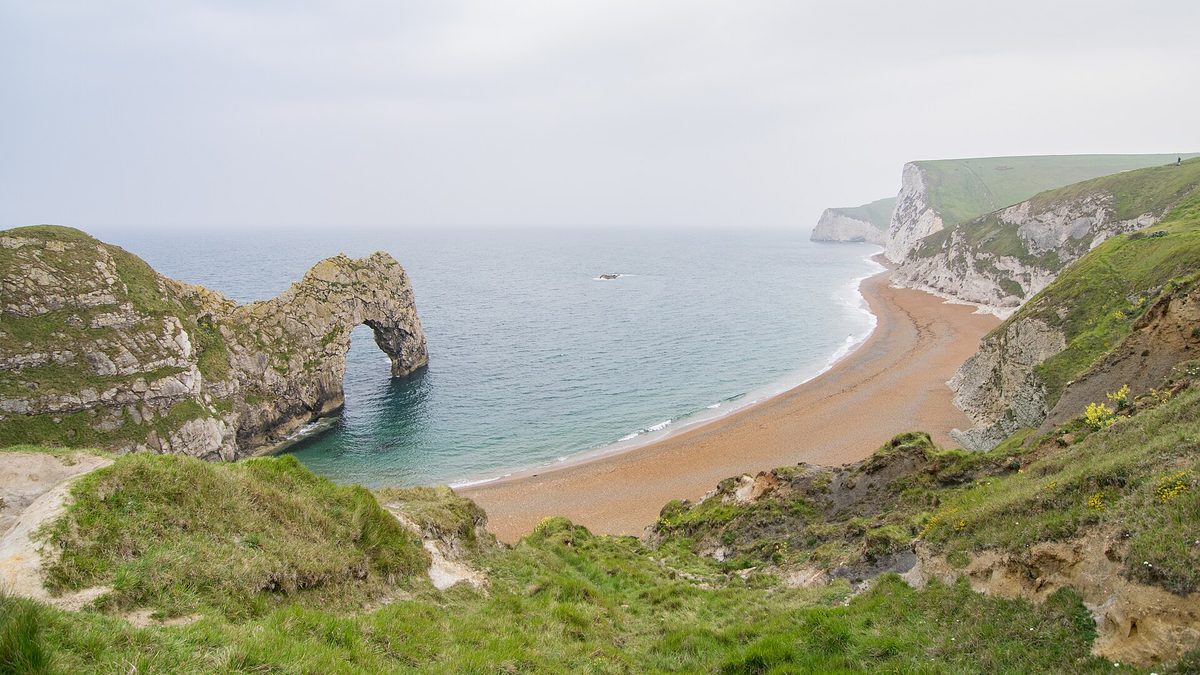
I won’t try to crown the single best beach here, because the coast deserves more room than a summer overview can give. Instead, send yourself off to the proper guides: best beaches in Cornwall for the southwest’s stars, the wider England coast and beaches roundup for the whole country, the Jurassic Coast travel guide for that fossil-strewn, cliff-backed stretch around Durdle Door, and Cornwall and Devon travel guide for planning a full southwest trip.
A few honest summer-coast tips from someone who’s queued in too many seaside car parks:
- Arrive early or come for the evening. Mid-morning to mid-afternoon is peak. The car parks fill, and in popular spots they fill completely — I’ve been turned away from full beaches by 10:30am in August.
- Public transport beats parking in many coastal towns in high season. Check the park-and-ride options.
- Mind the tides and the flags. Some of the best beaches are tidal, and lifeguard flags exist for good reason, especially with summer surf and rip currents.
If a sea view is the whole point of your trip, plan the base first — best seaside towns to stay in England again, because the good ones book out months ahead in summer.
Summer Events and Festivals
If there’s one thing England does brilliantly in summer, it’s occasions. The social calendar is stuffed, and slotting one or two iconic events into your trip is, in my view, the single best way to make a summer visit memorable.
A rundown of the quintessential ones (dates shift year to year, so confirm before you build plans):
- Trooping the Colour — the King’s official birthday parade in London, all bearskins and brass and precision marching. As of 2026 it’s around mid-June (the 13th). A proper slice of pageantry.
- Wimbledon — the tennis. It runs roughly the last week of June into mid-July. Even if you don’t get show-court tickets, the grounds, the queue culture, and the strawberries-and-cream of it all are an experience. (Yes, there’s a literal famous queue.)
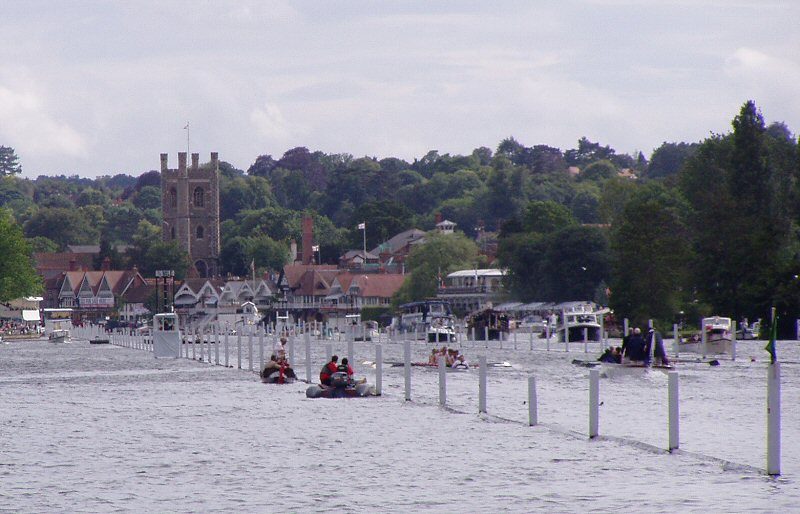
- Henley Royal Regatta — rowing on the Thames with a side of impeccable English summer theatre — blazers, picnics, Pimm’s. Around late June into early July (2026 lands roughly June 30–July 5).
- The BBC Proms — a sprawling classical music season at the Royal Albert Hall, mid-July through early September, with famously cheap standing tickets if you don’t mind queuing.
- Open-air theatre — Shakespeare and more performed under the long evening sky, in parks and gardens across the country. Quintessentially summer.
- Cricket — a summer-long backdrop. Even if you don’t follow it, an afternoon at a county or international match, beer in hand, is a very English way to spend a warm day.
- Music festivals — the big ones land across summer, with the most famous taking over a Somerset farm in late June, plus a packed calendar of others through August.
- Notting Hill Carnival — Europe’s huge street carnival, over the August bank holiday weekend in London. Loud, vibrant, joyous, crowded.
Gardens, too, deserve a mention here, because summer is when English gardens peak — roses, herbaceous borders, the whole carefully-tended riot of them. Many of the country’s great stately homes and National Trust properties are at their best in June and July, and an afternoon wandering one in good light is a deeply English pleasure.
For weaving events into a route, lean on the England travel guide for the big picture and London travel guide for the city-specific ones, since so many marquee summer events orbit the capital. And book event tickets the moment they go on sale — the famous ones sell fast.
Where to Go and Where to Brace Yourself
Summer rewards a mix of headline sights and breathing room. My honest steer:
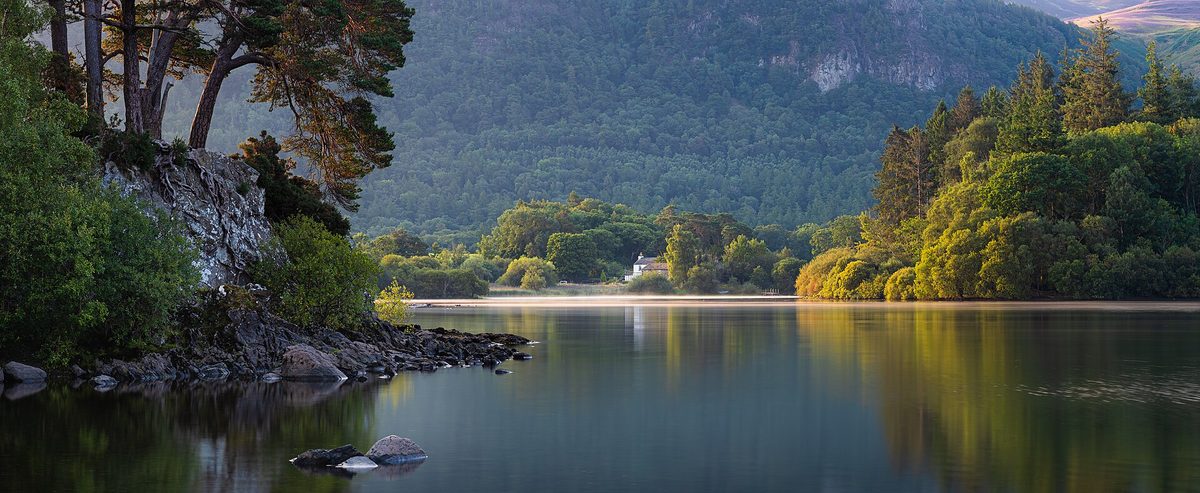
Worth the crowds: The Lake District is sublime in summer, with long light on the fells and lakes you can actually (bravely) swim in — see the Lake District travel guide. Cornwall and the southwest coast are at their best, and London hums with outdoor events and late evenings. These places are busy because they’re brilliant.
Where to brace yourself: The most famous honeypots — certain Cornish coves, the prettiest Cotswold villages, the headline attractions in peak July and August — get genuinely crammed. You can still enjoy them; just go early, go late, or go midweek.
My beat-the-crowds playbook:
- Be an early bird or a night owl. The first hour after opening and the last few hours of the long evening are reliably quieter at almost every popular sight.
- Go midweek where you can. Weekends in summer stack domestic day-trippers on top of everyone else.
- Pre-book timed entry for anything major, and consider fast-track tickets where they exist — they’re often worth the small premium in summer.
- Pick lesser-known alternatives. For every overrun honeypot there’s a quieter equivalent a valley over. My best places to visit England guide flags some of these.
- Use the shoulders of the day for food. Eat lunch early or late and you’ll skip the worst restaurant queues.
For broader strategy — transport, etiquette, the little things that smooth a trip — my England travel tips page is the catch-all, and it’s especially worth a read before a busy-season visit.
Staying Cool and Other Practical Summer Tips
This is the one most overseas visitors get caught out by, so I’ll be blunt: most of England does not have air conditioning. Homes, many hotels, plenty of restaurants, large parts of the transport network — no A/C, by default. The country was built for keeping warmth in, not heat out, and a lot of the buildings are old and can’t easily be retrofitted.
For most summer days, you genuinely won’t miss it — the weather’s mild. But during a heatwave it can get uncomfortable, especially in older accommodation and on certain stuffy trains and Underground lines. So:
- If A/C matters to you, book a room that explicitly has it and confirm before paying. Never assume. Some modern chain hotels are a safer bet; many charming old inns are not.
- Work with the building. Close curtains and windows against the daytime sun, then throw everything open in the cool of the evening and night. A travel fan earns its luggage space in July.
- Hydrate and respect the sun. It’s easy to underestimate UV on a clear English day. Water, shade in the early afternoon, sunscreen.
- Plan around the heat, not through it. On a genuinely hot day, do outdoor stuff in the morning and evening and save the indoor, often-cooler attractions for the middle of the day.
The broader practical stuff — transport passes, tipping, plug adapters, money — sits in my England travel guide and England travel tips. And if your summer trip runs into shoulder-season territory at either end, my season guides for England in spring and England in autumn are worth a glance, since late May and early September can offer summer-ish weather with thinner crowds.
Final Thoughts
If you’d asked me years ago, I might have steered you toward spring or autumn to dodge the crowds. I’ve softened on that. Yes, England in summer is busy and it isn’t cheap — but there’s a reason everyone shows up. The light alone is worth it: those endless, golden evenings that let you cram two days into one and still have time for a sunset.
My advice boils down to three things. Book early — trains, beds, big attractions, the lot. Use the long days deliberately instead of stopping at 5pm like it’s winter. And go in expecting changeable weather and no air conditioning, so the heatwave days feel like a bonus rather than a betrayal.
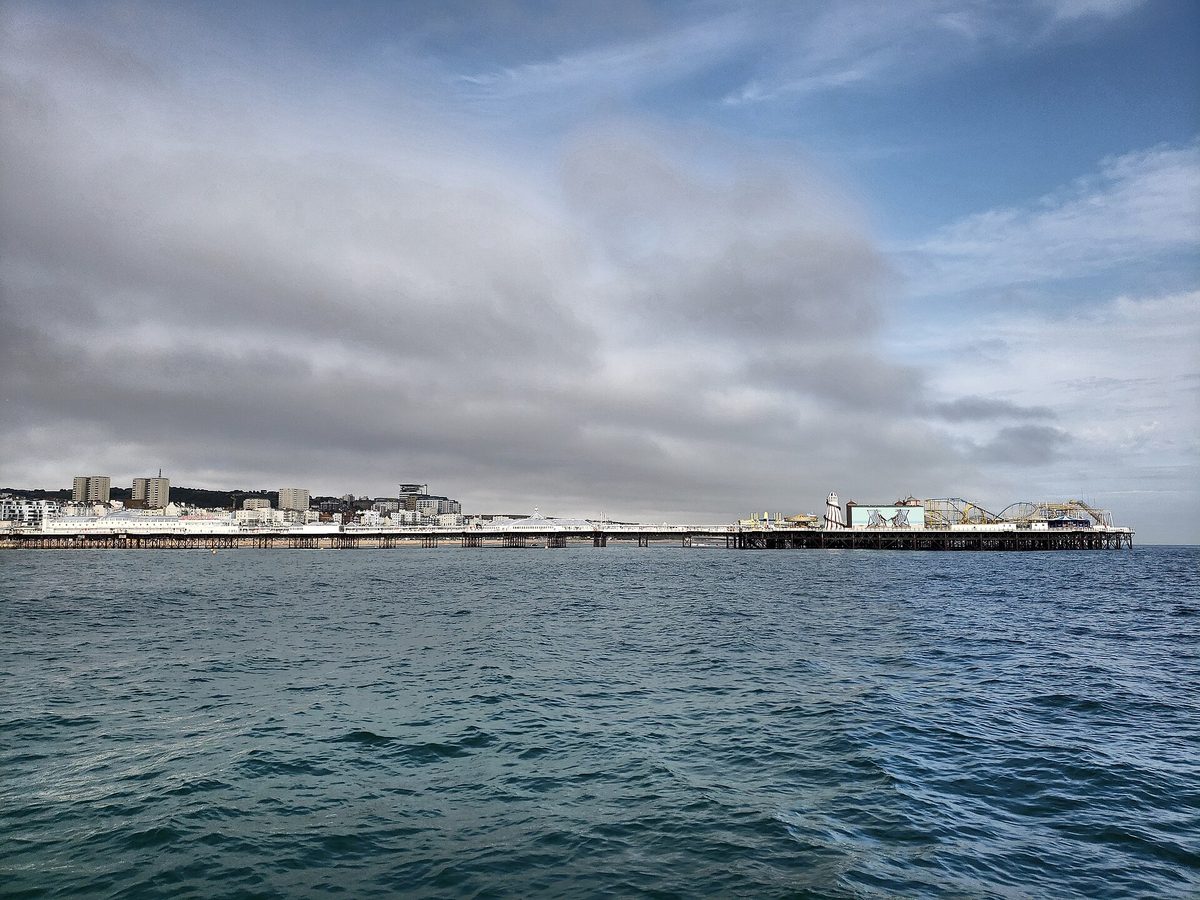
Do that, and you’ll get the version of England that lives in people’s memories — the pub garden, the packed pier, the cliff path at dusk, the strawberries at the tennis. It’s a brilliant time to be here. Just don’t forget the waterproof. For the wider calendar and how summer stacks up against everything else, circle back to my best time to visit England guide before you commit.
Research and Source Notes
The figures in this guide are rough anchors, hedged on purpose, and were cross-checked against publicly available travel and weather sources as of mid-2026. Key reference points:
- Temperatures: Typical summer highs of roughly 18–23°C, with heatwave spells exceeding 30°C, drawn from general UK climate summaries and travel-planning sources.
- Daylight: Solstice daylight of about 16.5 hours in southern England (sunrise around 4:45am, sunset around 9:20pm), based on published sunrise/sunset data for June 2026; longer the further north you go.
- Events: Approximate 2026 timings for Trooping the Colour (mid-June), Wimbledon (late June into mid-July), Henley Royal Regatta (late June to early July), the BBC Proms (mid-July to early September), and Notting Hill Carnival (August bank holiday), compiled from UK events calendars. Always confirm exact dates and ticketing on official sources before booking.
- School holidays: The English summer school holidays run roughly late July to early September, varying by region and year.
- Air conditioning: The observation that A/C is uncommon in English accommodation reflects widely reported traveller guidance and UK property norms.
Because dates, prices, and weather all shift year to year, treat everything here as a planning guide rather than a guarantee, and verify time-sensitive details close to your trip.
Photo Credits
- St Ives in Cornwall on a bright summer afternoon, a classic England in summer scene — Photo: Colin Park / CC BY-SA 2.0 via Wikimedia Commons. Source
- Brighton Palace Pier crowded with summer visitors on a sunny day — Photo: Andy Li (CC0) via Wikimedia Commons. Source
- Durdle Door on the Jurassic Coast under summer sun — Photo: Antoine Lamielle / CC BY-SA 4.0 via Wikimedia Commons. Source
- Rowing crews and spectators at Henley Royal Regatta on the Thames in summer — Photo: Johnteslade (CC0) via Wikimedia Commons. Source
- A Lake District lake and green fells bathed in long summer evening light — Photo: Julian Herzog (Website) / CC BY 4.0 via Wikimedia Commons. Source
Frequently asked questions
Is summer a good time to visit England?
Yes — summer is arguably the most rewarding time to visit, with the warmest weather, the longest daylight, and a packed calendar of festivals and events. The catch is that it's also the busiest and priciest season, thanks to international visitors and the English school holidays. Book ahead and it's well worth it.
How hot does England get in summer?
Typical summer highs sit around 18–23°C, which is mild and pleasant rather than scorching. During occasional heatwaves, temperatures can climb well above that — recent summers have seen spells past 30°C, sometimes higher. It's unpredictable, though, so pack layers and a waterproof even in July, as of 2026.
Is England very crowded in summer?
It can be, especially from late July through August when the school summer holidays drive heavy domestic travel on top of international tourism. Popular coastlines, headline attractions, and pretty villages get busy. Early-to-mid June is quieter within the season, and going early in the day or midweek helps a lot.
Do hotels in England have air conditioning?
Often not. Air conditioning isn't standard in England, since the climate rarely demands it and many buildings are old. Plenty of hotels — particularly charming older ones — have none. If A/C matters to you, search specifically for it and confirm before booking; some modern chains are a more reliable bet.
What should I pack for an English summer?
Layers are the key. Bring breathable warm-weather clothes plus a light warm layer for cool evenings (the coast especially), a compact waterproof, and comfortable walking shoes. Add sunglasses, sunscreen, and a hat — the sun catches people out on clear days. See my full England packing list for the complete checklist.
How long are the days in England in summer?
Wonderfully long. Around the June solstice (about June 21), southern England gets roughly 16.5 hours of daylight, with sunsets near 9:20pm and a long dusk after. Further north it's even longer. Use those evenings — they're one of the best things about an English summer.