Sheet 87 · England Budget and Costs · 17 min read
England on a Budget
How to do England on a budget without missing the good stuff: smart timing, cheap bases, rail tricks, free attractions and traveller strategies.
 Sheet 87
Contents 12 sections
The first time I went to England I burned through my whole spending money in five days and spent the back half of the trip eating supermarket sandwiches on park benches. The annoying part? Those park-bench days turned out to be my favourite. England rewards the traveller who slows down and stops paying for convenience, which means doing it cheaply isn’t a punishment. It’s often the better trip.
Quick Answer: England on a Budget
Doing England on a budget comes down to four levers: go off-peak (November to March, or the shoulder weeks), base yourself outside London, travel by coach or with a railcard, and lean on the country’s enormous stock of free museums and footpaths. Get those right and a careful traveller can run on roughly £60 to £80 a day (around $75 to $100, as of 2026), eating well and seeing plenty.
That’s the headline. The rest of this guide is the playbook behind it: the timing tricks, the cheaper regions, the small habits that quietly cut your total spend, and the money-wasting mistakes I see visitors make again and again. I’m not going to drown you in numbers here. For the full line-by-line breakdown of how much a trip to England costs, I’ve sent that to its own page. This is about the strategy: how to spend less overall, no matter what kind of traveller you are.
A quick note on prices before we start. Everything below is hedged as “around” or “roughly” and reflects 2026, because fares and entry fees drift constantly. I’ve used pounds with a rough dollar figure at about £1 = $1.27, but treat the dollars as ballpark only.
At a Glance: The Biggest Money-Saving Levers
Not every saving is worth the same effort. Some take one click; some reshape your whole itinerary. Here’s how I rank them.
| Money-saving lever | Rough saving | Effort |
|---|---|---|
| Travel off-peak (Nov–Mar) instead of summer | 20–40% on flights and hotels | Low (just pick dates) |
| Base outside London (e.g. Manchester, Bristol) | 30–50% on accommodation | Low |
| Buy a railcard if eligible | 1/3 off most rail fares | Low (£35 once) |
| Book coaches/advance trains instead of walk-up | 50–80% on long journeys | Medium (plan ahead) |
| Lean on free museums and galleries | £15–£30 per attraction skipped | Low |
| Self-cater breakfast + supermarket lunches | £10–£20 a day | Medium (daily habit) |
| Stay in hostels / B&Bs over hotels | £40–£80 a night | Low |
| Slow down — fewer cities, longer stays | Cuts transport + lets you cook | Medium (mindset) |
| Avoid airport currency exchange and DCC | 5–12% on everything you spend | Low (know the trick) |
The pattern is clear. The cheapest wins are usually decisions you make once, before you leave: when to go, where to sleep, and how to pay. The daily discipline stuff matters too, but it’s the upfront choices that move the needle most.
When to Go: Off-Peak Is the Single Biggest Saving
If you only change one thing, change your dates.
England in July and August is gorgeous and absolutely heaving. Hotels know it, airlines know it, and prices reflect it. Shift your trip to the off-season — roughly November through March, skipping the Christmas-to-New-Year spike — and the same hotel room can drop 20 to 40 percent. Flights from the US follow a similar curve, with midweek departures usually the cheapest.
I’m a big fan of the shoulder weeks: late March into April, and late September into October. You dodge peak prices but still get long-ish days and a decent chance of dry weather. The daffodils in spring and the autumn colour in places like the Lake District are worth the gamble.
Yes, winter is darker and wetter. But here’s the thing nobody tells you: England’s best budget assets — the free museums, the cosy pubs, the historic streets — are exactly the things that shine in bad weather. A rainy February afternoon in the British Museum costs nothing and feels like a privilege. I’d rather have that than a sweaty, overpriced August queue.
For the full month-by-month rundown, see my guide to the best time to visit England. The short version: the cheapest time is also one of the most atmospheric, so don’t think of off-peak as a compromise.
One more timing tip. Avoid arriving the week of a major event or bank holiday weekend unless that’s the point of your trip. Prices in the relevant city spike hard, and you’ll feel it in both beds and transport.
Where to Base Yourself: Look Beyond London
This is the saving most first-timers miss, and it’s a big one.
London is wonderful and London is expensive. A budget bed there costs what a decent mid-range room costs elsewhere. So my strongest advice for anyone serious about a cheap trip to England is to spend fewer nights in London and more nights somewhere your money stretches further.
The good news is that England’s other cities are not consolation prizes. A few of my favourite cheaper bases:
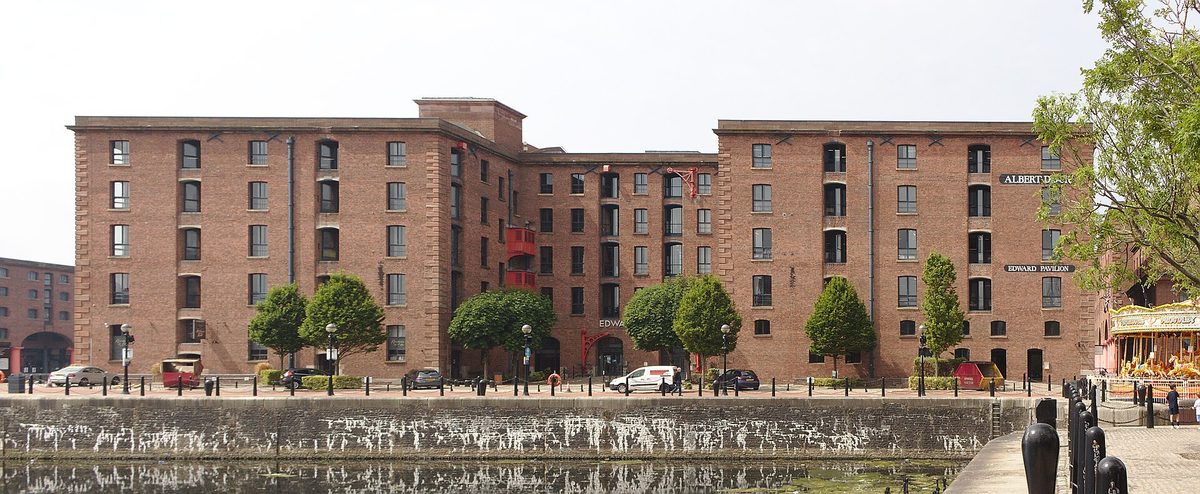
- Manchester and Liverpool. Northern, friendly, packed with free culture. Liverpool’s waterfront and free museums (the Walker, the Maritime Museum) make it punch well above its price. Beds run far cheaper than the capital.
- Bristol and Bath. Bristol is a brilliant, walkable city with a strong free-things scene. Nearby Bath is pricier to sleep in but free to wander — you can soak up the Georgian crescents and the outside of the Roman Baths without paying a penny.
- York. Compact, medieval, and made for walking. The city walls are free, the Minster precinct is free to admire, and you can see most of it on foot in a long weekend.
- Brighton. An hour from London by train, cheaper to stay in, and full of free seafront, lanes, and people-watching. A clever way to get a southern-England fix without London prices.
- Newcastle, Sheffield, Nottingham. Less touristy, genuinely affordable, and good rail hubs for exploring further.
Basing yourself in one of these and taking day trips out is usually cheaper than hotel-hopping. Where you stay shapes your whole budget, so it’s worth thinking hard about where to stay in England before you book anything.
A regional trick: northern England and the Midlands generally cost less than the south and the south-west honeypots (the Cotswolds, Cornwall in summer). You don’t have to avoid the pretty south entirely — just be aware you’re paying a premium for it, and balance it with cheaper bases.
Getting Around for Less
Transport is where England quietly drains budgets, because walk-up train fares can be eye-watering. But there are several ways around that.
Coaches are the budget backbone. National Express and Megabus run between most cities, and if you book well ahead you can grab seats for a few pounds — sometimes literally £1 plus a booking fee on Megabus, at odd times. They’re slower than trains, but for a backpacker watching every pound, the coach is your friend.
If you take the train, never walk up and pay full fare. Advance tickets, released weeks ahead and tied to specific trains, are dramatically cheaper than buying on the day. Split-ticketing (buying two tickets for one journey) can save more again. I’ve covered all of this in detail in my guide to cheap train tickets in England, so I won’t repeat the mechanics here — just know that planning ahead is the difference between a fare that stings and one that doesn’t.
Get a railcard if you qualify. This is one of the easiest wins going. A railcard costs around £35 for the year (as of 2026) and knocks roughly a third off most fares — so it usually pays for itself in two or three journeys. The main ones:
- 16–25 Railcard (also valid for some mature students): 1/3 off.
- 26–30 Railcard: 1/3 off, mostly off-peak.
- Senior Railcard (60+): 1/3 off.
- Two Together Railcard: 1/3 off for two named people travelling together — perfect for couples.
- Family & Friends Railcard: big discounts for adults plus money off kids’ fares.
If even one of those fits you, buy it before you start booking trains. More on cards and passes in a moment.
In cities, walk and tap. London’s contactless daily and weekly caps mean you just tap your card or phone and never overpay — no need to buy a paper Travelcard. Most other English cities are small enough to cross on foot, which is both free and the best way to actually see a place. For the bigger picture on moving around, see my England transport overview.
Eating for Less Without Living on Crisps
You do not have to suffer to eat cheaply in England. You just have to know where the value is.
The single biggest food saving is self-catering part of the day. Supermarkets here run “meal deals” — a sandwich or wrap, a snack, and a drink for a few pounds — that are genuinely fine for lunch. Tesco, Sainsbury’s, Boots, Greggs and the like are everywhere. Grab a meal deal at midday and you’ve freed up your budget for one proper sit-down meal later.
If your accommodation has a kitchen, even just doing breakfast yourself (cereal, fruit, the famous English supermarket pastries) saves a small fortune over a week. A loaf, some eggs, and a kettle go a long way.
For eating out, the value plays I rely on:
– Pub lunches and “Sunday roasts” are often the best-value hot meal you’ll get.
– Wetherspoon pubs are reliably cheap for both food and drink, and they’re nationwide.
– Curry houses and chippies — Indian food and fish and chips are British institutions and easy on the wallet.
– Lunch menus at nicer places cost a fraction of the same food at dinner.
Tap water is free and safe everywhere, so don’t buy bottled. And on tipping: it’s far more relaxed than in the US, which helps the budget. I’ve laid out exactly when and how much in my guide to tipping in England — read it so you don’t over-tip out of habit.
For the proper breakdown of what meals actually cost across the country, I’ve put the numbers in England food costs.
Sleeping for Less
After transport, beds are the other big swing in your budget — and the range is enormous.

In rough terms (as of 2026), a hostel dorm bed runs around £18–£28 a night outside London and more like £25–£40 in the capital. A simple B&B or budget hotel double is often £50–£90, again with London at the top end. Mid-range hotels climb from there fast.
My budget-sleeping rules of thumb:
– Hostels aren’t just for teenagers. Many now have private rooms that undercut hotels, plus kitchens that save you money on food. The social side is a bonus if you’re solo.
– B&Bs and guesthouses are the classic English value option, especially in smaller towns and seaside spots. You often get a big cooked breakfast that doubles as lunch.
– Book directly where you can, and look outside the absolute city centre — one tram or bus stop out can cut the price meaningfully.
– Sunday-to-Thursday nights are usually cheaper than weekends in city-break destinations.
For the full menu of cheap options — hostels, B&Bs, university rooms in summer, and more — head to my guide to budget accommodation in England.
Doing Free and Cheap Things (England’s Secret Weapon)
Here’s the part that genuinely sets England apart for budget travellers: an extraordinary amount of the good stuff is free.
England’s major national museums and galleries do not charge admission. The British Museum, the Natural History Museum, the V&A, the Science Museum, Tate Modern and Tate Britain, the National Gallery — all free to enter. That alone can carry a whole trip. You could spend three full days in London paying for nothing but transport and lunch.
It goes well beyond museums:
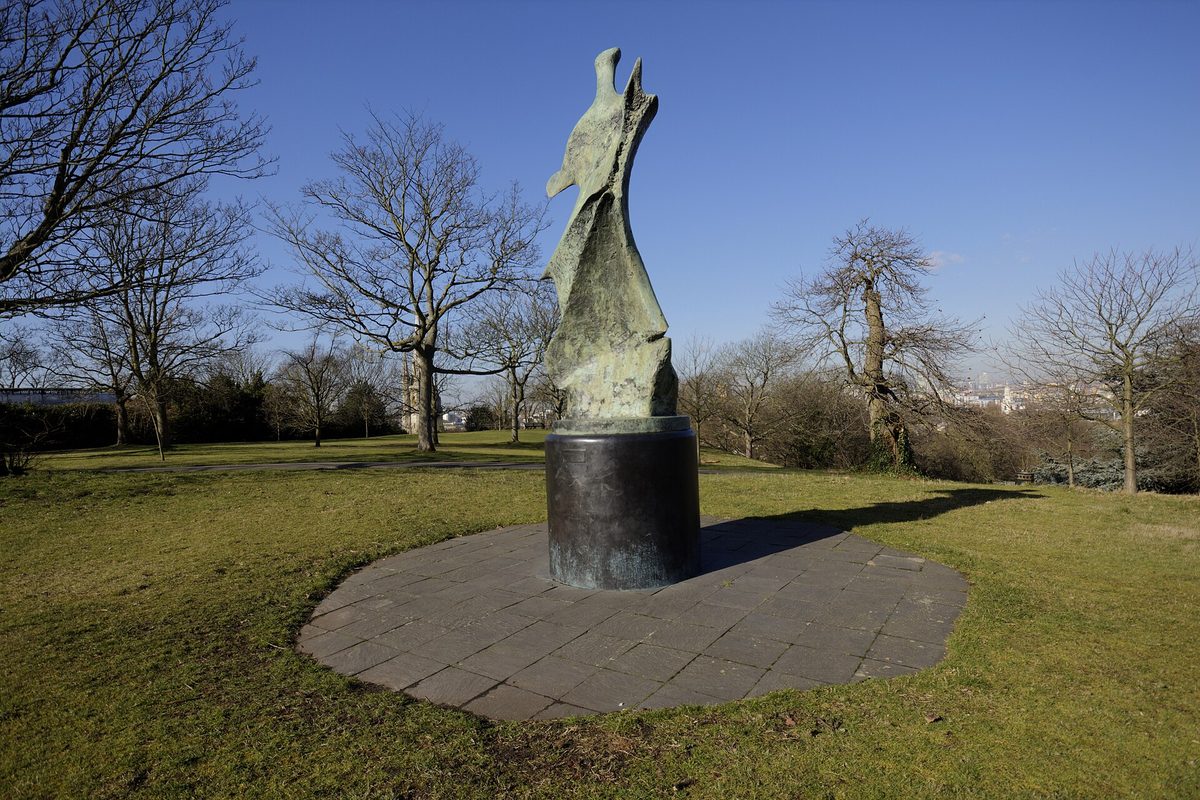
– Parks and green spaces everywhere — Hyde Park, Greenwich Park, Manchester’s Heaton Park, and countless commons and gardens.
– The public footpath network. England is laced with free, legal walking paths through some of the prettiest countryside in Europe. The Lake District, the Peak District, the South West Coast Path — all free to walk.
– Cathedrals and churches, many free or donation-based to enter.
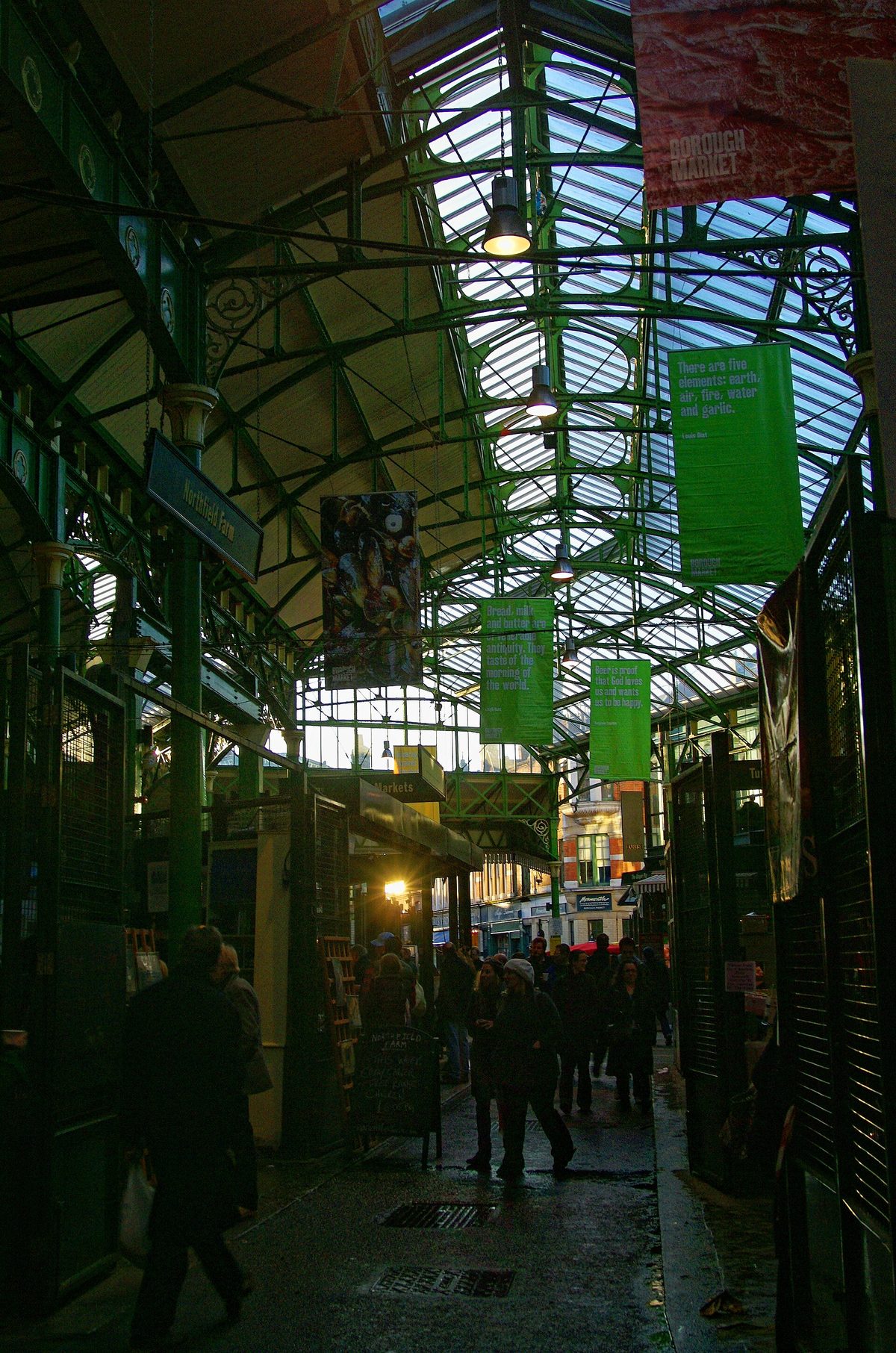
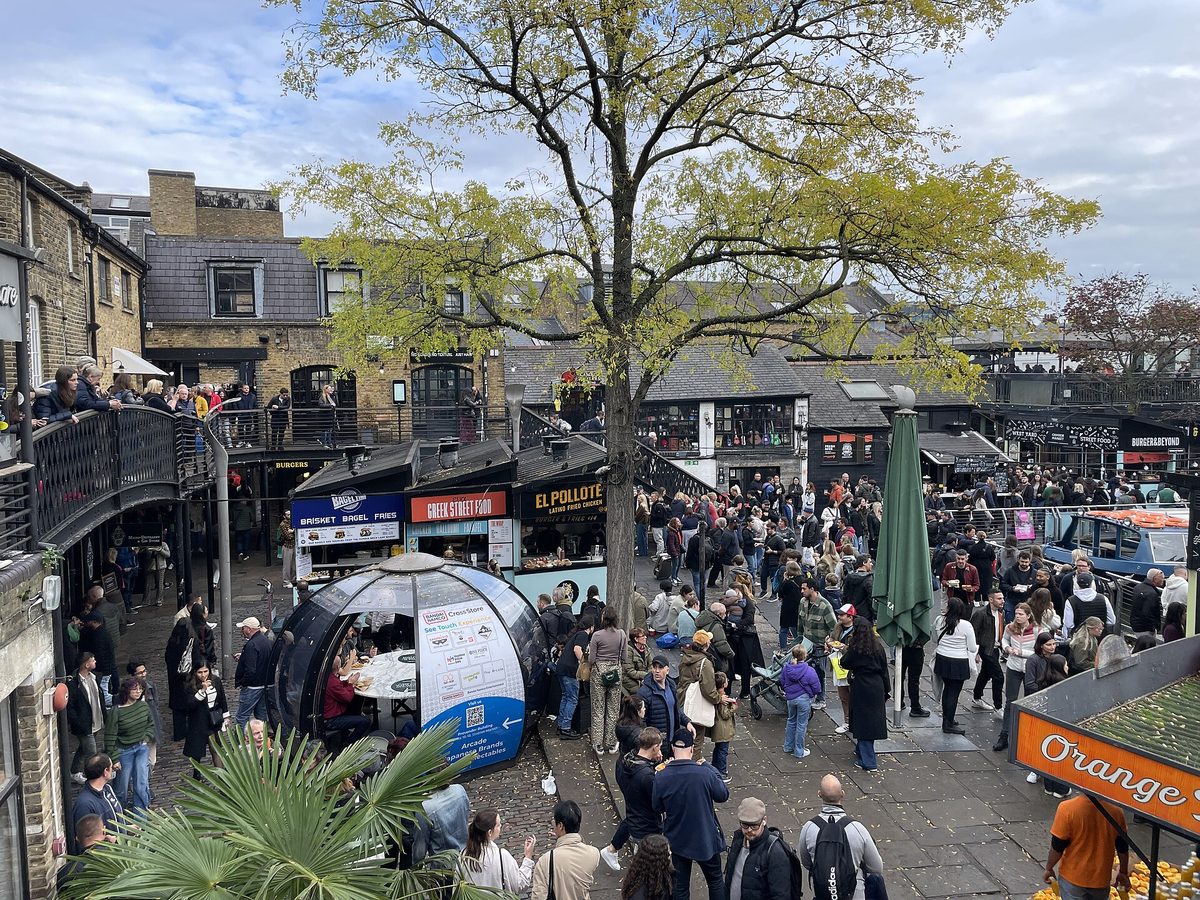
– Markets like Camden, Borough (browsing is free), and countless local ones.
– Just wandering historic cities — York, Bath, Oxford, Cambridge, Durham — costs nothing and is half the point.
I’ve gone deep on this elsewhere because it deserves it. For nationwide ideas see free things to do in England, and for the capital specifically, free things to do in London. Between those two pages you could fill a week without an entry fee.
When you do want a paid attraction, book online in advance — it’s nearly always cheaper than the gate price, and you skip the queue.
Money-Saving Cards and Passes: A Quick Overview
Passes can save real money, but only if they match how you actually travel. The big mistake is buying one because it sounds thrifty, then not using it enough.
- Railcards (covered above) are the easiest yes for most eligible travellers. £35-ish, a third off fares, pays for itself fast.
- City attraction passes like the London Pass bundle a stack of paid sights into one price. They can be excellent value if you’re a sightseeing machine — and a waste if you prefer the free museums and a slower pace. I’ve weighed it up properly in is the London Pass worth it.
- Heritage memberships (English Heritage, the National Trust) make sense if you’re doing lots of castles, stately homes and historic sites. A short-term touring pass can beat individual tickets if you’re hitting several in a week.
- Contactless travel caps in London aren’t a “pass” you buy, but they function like one — just tap and you’re automatically capped daily and weekly.
The honest rule: do the maths for your specific itinerary. Add up what the individual tickets would cost, compare to the pass, and be realistic about how much you’ll cram in. If you’re a free-museum-and-footpaths type, you may not need any pass at all.
Budgets by Traveller Type
The same country costs very different amounts depending on who you are. Here’s how I’d play it for each.
The solo backpacker
You have the most freedom to go cheap. Hostel dorms, coaches between cities, supermarket meal deals, free museums, and a 16–25 or 26–30 railcard if you’re eligible. Run like this and you can genuinely do England on a budget of around £55–£70 a day (roughly $70–$90, as of 2026). Solo travel also makes hostels a social win rather than a sacrifice. Embrace slow travel — fewer cities, longer stays — and your per-day costs drop further because you’re not constantly paying to move.
The couple
Two people share rooms, which changes the calculus — a private B&B room split two ways often beats two hostel dorm beds. Get a Two Together Railcard for a third off your shared rail travel. Cook breakfast together, split big restaurant meals, and pick one nicer base rather than hopping nightly. A frugal couple can run on roughly £100–£140 a day total (about $125–$180), less if you self-cater hard.
The family
Kids change everything: you want space, a kitchen, and free entertainment. Self-catering apartments or family rooms in B&Bs beat multiple hotel rooms. England is brilliant here because so much is free — museums and parks keep children happy at zero cost. A Family & Friends Railcard cuts both adult and child fares. Travel off-peak (outside school holidays where you can) for big savings on everything. For practical, kid-tested ideas, see England with kids.
Students and over-60s
Both groups have a built-in advantage: railcards. Students can use the 16–25 or 26–30 card; over-60s get the Senior Railcard. Both knock a third off most fares. Students should also carry an international student card for occasional attraction discounts, and lean on hostels and university-room lets in summer. Over-60s often find midweek, off-peak travel suits them anyway — which happens to be the cheapest time to go.
Whatever your type, the cheapest strategy of all is to slow down. A slow-travel England itinerary — staying put, going deep, cooking your own breakfast — beats a frantic city-a-day dash on both cost and enjoyment. And it’s worth thinking about how many days in England you actually need, because fewer, fuller days often cost less than a long, scattered trip.
Classic Money-Wasting Mistakes to Avoid
I’ve made most of these myself, so learn from my wallet.
Paying walk-up train fares. Buying a long-distance train ticket on the day is the most expensive way to travel England. Book advance fares ahead, or take the coach.
Booking only in London. Spending your whole trip in the capital means paying capital prices for everything. Spread out.
Falling for Dynamic Currency Conversion. When a card machine or ATM asks whether you want to pay “in your home currency” (dollars) or “in pounds,” always choose pounds. Saying yes to dollars lets them apply a lousy exchange rate, and surveys suggest UK travellers lose hundreds of millions a year this way. Pay in the local currency, every time.
Changing money at the airport. Airport exchange desks offer some of the worst rates anywhere. Use a fee-free travel card or withdraw a sensible amount from a bank ATM in town instead.
Overpacking and getting hit with baggage fees. Budget airlines charge brutally for checked and oversized bags, and those fees can erase the saving on a cheap fare. Pack carry-on only, weigh it at home, and know the airline’s exact dimensions. England’s mild, layer-it weather means you don’t need much anyway.
Buying bottled water and over-tipping. Tap water is free and tipping is modest here — small habits that add up over two weeks.
Cramming in too much. Every extra city means another paid journey and another night’s bed. Doing less is, counterintuitively, cheaper and better.
For a fuller list of the traps that catch visitors out, I’ve written a whole guide to England travel mistakes, and there’s plenty more practical advice in my general England travel tips.
Final Thoughts
Doing England cheaply isn’t about denying yourself — it’s about spending where it counts. The country quietly hands budget travellers an enormous gift in its free museums and footpaths, and the rest is just smart choices made early: go off-peak, sleep outside the capital, book transport ahead, and pay in pounds.
Get those right and the money you save isn’t lost enjoyment. It’s more days, deeper places, and the kind of slow, park-bench afternoons that turn out to be the trip you actually remember. Start with the England budget and costs hub for the full picture, then dig into the specifics that matter most for your trip. England on a tight budget is not a lesser England. Done right, it might be the best version of it.
Research and Source Notes
This guide draws on current budget-travel reporting and official sources, cross-checked for 2026. Prices are hedged and approximate, as fares and entry fees change frequently.
- VisitBritain — official budgeting tips, free-attraction guidance, and coach/Megabus advice (visitbritain.com).
- Railcard.co.uk / National Rail — current railcard prices (around £35/year) and the 1/3-off discount across the 16–25, 26–30, Senior, Two Together and Family & Friends cards.
- Nomadic Matt and Vicky Flip Flop Travels — practical UK budget-travel tactics, daily-cost ranges, and free-things ideas.
- Hostelz and Budget Your Trip — backpacker and budget daily-cost benchmarks for 2026 (hostel, food and transport figures).
- Rough Guides and The Travel — cheaper-city recommendations beyond London (Liverpool, Manchester, Bath, Brighton and more).
- Which?, Post Office Travel Money and related consumer reporting — on Dynamic Currency Conversion and airport-exchange pitfalls.
Where this guide gives ranges, I’ve leaned toward what a real, careful traveller actually spends rather than rock-bottom or luxury figures. Always check live fares and opening times before you book.

Photo Credits
- Stalls and street food at Camden Market in London, a classic stop for doing England on a budget — Photo: Mr Ignavy / CC BY-SA 2.0 via Wikimedia Commons. Source
- Liverpool’s free-to-wander Royal Albert Dock, a budget highlight ringed by free museums and galleries — Photo: Rodhullandemu / CC BY-SA 4.0 via Wikimedia Commons. Source
- Stone medieval city walls in York, free to walk and a highlight of a budget England trip — Photo: Tim Green from Bradford / CC BY 2.0 via Wikimedia Commons. Source
- View over Greenwich Park in London with the city skyline beyond, a free day out — Photo: Prioryman / CC BY-SA 4.0 via Wikimedia Commons. Source
- The ruined Whitby Abbey on the clifftop in North Yorkshire, a free coastal view on a budget trip — Photo: Mike Peel / CC BY-SA 4.0 via Wikimedia Commons. Source
Frequently asked questions
How much money do I need per day in England?
As a rough 2026 guide, a careful backpacker can manage on around £55–£70 a day ($70–$90), staying in hostels, eating meal deals, and using coaches and free museums. Mid-range budget travellers should plan for closer to £90–£130 a day. London pushes the top of those ranges; the rest of England sits lower.
What is the cheapest way to travel around England?
Coaches (National Express, Megabus) booked in advance are usually the cheapest way to cover long distances, sometimes just a few pounds. For trains, buy advance tickets and get a railcard for a third off. Within cities, walking is free and London's contactless caps mean you never overpay on public transport.
When is the cheapest time to visit England?
The off-season — roughly November to March, excluding the Christmas and New Year spike — is cheapest for flights and hotels, often 20–40% below summer. The shoulder weeks of spring (April) and autumn (late September to October) are a sweet spot: lower prices, decent daylight, and fewer crowds than peak summer.
Is England expensive for tourists?
It can be, but it doesn't have to be. London and peak-summer travel are genuinely pricey, yet England also has Europe's most generous stock of free major museums and a vast free footpath network. Travel off-peak, base outside London, and lean on free attractions, and a trip becomes very affordable.
Are museums in England really free?
Yes — the major national museums and galleries (the British Museum, Natural History Museum, V&A, Science Museum, Tate, National Gallery and many more) charge no admission. Special exhibitions sometimes cost extra, and a donation is appreciated, but the permanent collections are free to all. It's the single best budget feature of visiting England.
Do I need a railcard for a short trip to England?
If you're taking even two or three longer train journeys and you qualify for one, almost certainly yes. A railcard costs around £35 (as of 2026) and gives roughly a third off most fares, so it typically pays for itself within a couple of trips. If you're only doing short city-bus hops, you can skip it.