Sheet 16 · England Budget and Costs · 21 min read
Budget Accommodation in England
Real prices for budget accommodation England-wide: hostels, Premier Inn, Travelodge, B&Bs, pub rooms and pods, with money-saving booking tips for 2026.
 Sheet 16
Contents 11 sections
I have slept in a lot of cheap rooms across this country. Some were brilliant. A few were grim. And after enough nights in bunk beds, motorway-side chain hotels, and creaky upstairs pub rooms, I have strong opinions about what is actually worth your money.
Here is the short version. Budget accommodation England-wide splits into a few clear types, and the right one depends entirely on who you are and where you are going. Hostels are cheapest (around £20 to £35 a night for a dorm bed, as of 2026). Budget chains like Premier Inn and Travelodge sit in the middle (roughly £40 to £90 a private room, London much higher). B&Bs and pub inns add charm for a bit more. The trick is matching the type to your trip.
That last part is what most guides get wrong. They list “cheap hotels” and stop. But a solo backpacker, a couple on a romantic week, and a family of four all need totally different things, and the cheapest option for one is a terrible idea for another. So this guide is organised by type and by traveller, with honest price bands and the trade-offs nobody mentions until you have already paid.
If you are still working out your overall numbers, start with our hub on England travel budget and costs, then dig into how much a trip to England costs and our wider guide to doing England on a budget. This page is purely about where to put your head down for less. Let me show you the lay of the land.
Quick Answer: Budget Accommodation England, Ranked
If you just want the cheapest-to-priciest ladder of budget accommodation England has to offer, here it is, roughly from least to most expensive per night (all prices as of 2026, and all hedged because they swing wildly by city and date).
- Camping — pitch your own tent, often under £20 a night.
- Hostel dorm bed — around £20 to £35 (more in London).
- University rooms in summer — singles from around £27 to £40.
- Budget hotel chains (Travelodge, ibis budget, Premier Inn) — roughly £40 to £90 a private room outside London.
- B&Bs and guesthouses — around £70 to £110, breakfast usually included.
- Pub rooms and coaching inns — similar to B&Bs, around £70 to £120.
- Glamping pods — around £70 to £150, and that is for the pod, not per person.
- Airbnb / short-lets — anything from £60 to £200+, best value for groups and longer stays.
The headline that matters most: London roughly doubles everything. A Travelodge that is £45 in Leeds can be £120 in central London on the same night. More on fixing that later.
Here is the same information at a glance, so you can scan it before you book.
| Accommodation type | Rough £ per night (2026) | Best for | The trade-off |
|---|---|---|---|
| Camping (own tent) | ~£8 to £20 per pitch (~$10 to $25) | Hardy travellers, summer, countryside | Weather, gear, no comfort |
| Hostel dorm bed | ~£20 to £35 (~$25 to $44) | Solo travellers, backpackers, social types | Shared room, shared bathroom, snorers |
| University room (summer) | ~£27 to £45 single (~$34 to $57) | Solo and couples, city centres in summer | Only June to September, basic furnishings |
| Travelodge / ibis budget | ~£40 to £80 room (~$51 to $102) | Couples, one-nighters, drivers | No-frills, breakfast costs extra |
| Premier Inn | ~£45 to £90 room (~$57 to $114) | Couples, families, comfort-seekers | A touch pricier, books up fast |
| B&B / guesthouse | ~£70 to £110 room (~$89 to $140) | Couples, slow travellers, foodies | Variable quality, often cash-only deposits |
| Pub room / coaching inn | ~£70 to £120 room (~$89 to $152) | Couples, walkers, character-hunters | Noise from the bar below, hit-or-miss |
| Glamping pod | ~£70 to £150 per pod (~$89 to $190) | Couples, small families, nature lovers | Rural, often two-night minimums |
| Airbnb / short-let | ~£60 to £200+ (~$76 to $254) | Groups, families, longer stays | Cleaning fees, key handovers, no service |
(Conversions use roughly £1 = $1.27, as of 2026, so treat the dollar figures as ballpark.)
Right, let me dig into each type properly, because the bands above hide a lot of useful detail.
Hostels and YHA: The Cheapest Beds in the Country
Hostels are where I tell every solo traveller and every backpacker to start. A dorm bed is the single cheapest way to sleep in England, full stop. Reckon on around £20 to £35 a night for a bunk (as of 2026), with London and peak summer pushing toward the top of that, and sleepy market towns sitting at the bottom.
The big name here is YHA (the Youth Hostels Association), and despite the name you do not need to be young, and you do not need to be a member to book, though membership shaves a bit off. YHA advertises dorms “from £15” at quieter locations, which is genuinely cheap, though those rock-bottom rates are usually midweek, off-season, and in less-visited spots. Their real strength is location. YHA has hostels in places private operators ignore: slap in the middle of the Lake District, on the coast path, beside cathedrals. YHA’s own site is the place to check.
What you actually get: a bunk, a reading light, a locker or cupboard, and a bathroom shared with your dorm or your floor. Many YHA dorms are now en-suite, which is a real upgrade from the old days. Breakfast is usually extra. Kitchens are common and a brilliant money-saver, more on that under food.
My honest take after dozens of hostel nights:
- Pay a few pounds more for a smaller dorm. A 4-bed room is a different universe from a 12-bed one. Fewer snorers, fewer 3am door-slams.
- Book a female-only or mixed dorm to taste. Both exist; pick what makes you comfortable.
- Bring earplugs and a sleep mask. Non-negotiable. Someone will always pack at dawn.
- Private rooms exist in hostels too. A private double in a YHA or independent hostel often beats a budget hotel on price and atmosphere, around £45 to £70 in many spots.
Beyond YHA, independents like the various city backpacker hostels are worth a look, and platforms like Hostelworld and Booking.com list them with reviews. Read the reviews. A hostel’s vibe is everything, and the difference between a clean, friendly place and a tired one is night and day for the same money.
Hostels suit the social, the flexible, and the genuinely budget-conscious. If the idea of sharing a room with strangers makes you wince, skip ahead, the chains are calling your name.
Budget Hotel Chains Compared: Premier Inn vs Travelodge vs ibis budget
This is the bread and butter of cheap sleeps in England, and the question I get asked most: Premier Inn or Travelodge? I have stayed in both more times than I can count. Here is the truth.
Travelodge usually wins on raw price. Rooms can start as low as £30 to £45 a night outside London, and their flash sales drop prices to genuinely silly levels, I have seen £19 rooms with a discount code (as of 2026). The catch is consistency. Travelodge rooms are perfectly fine, but they feel a bit more stripped-back, and the cheapest ones sell out, leaving you with dynamic pricing that can creep up.
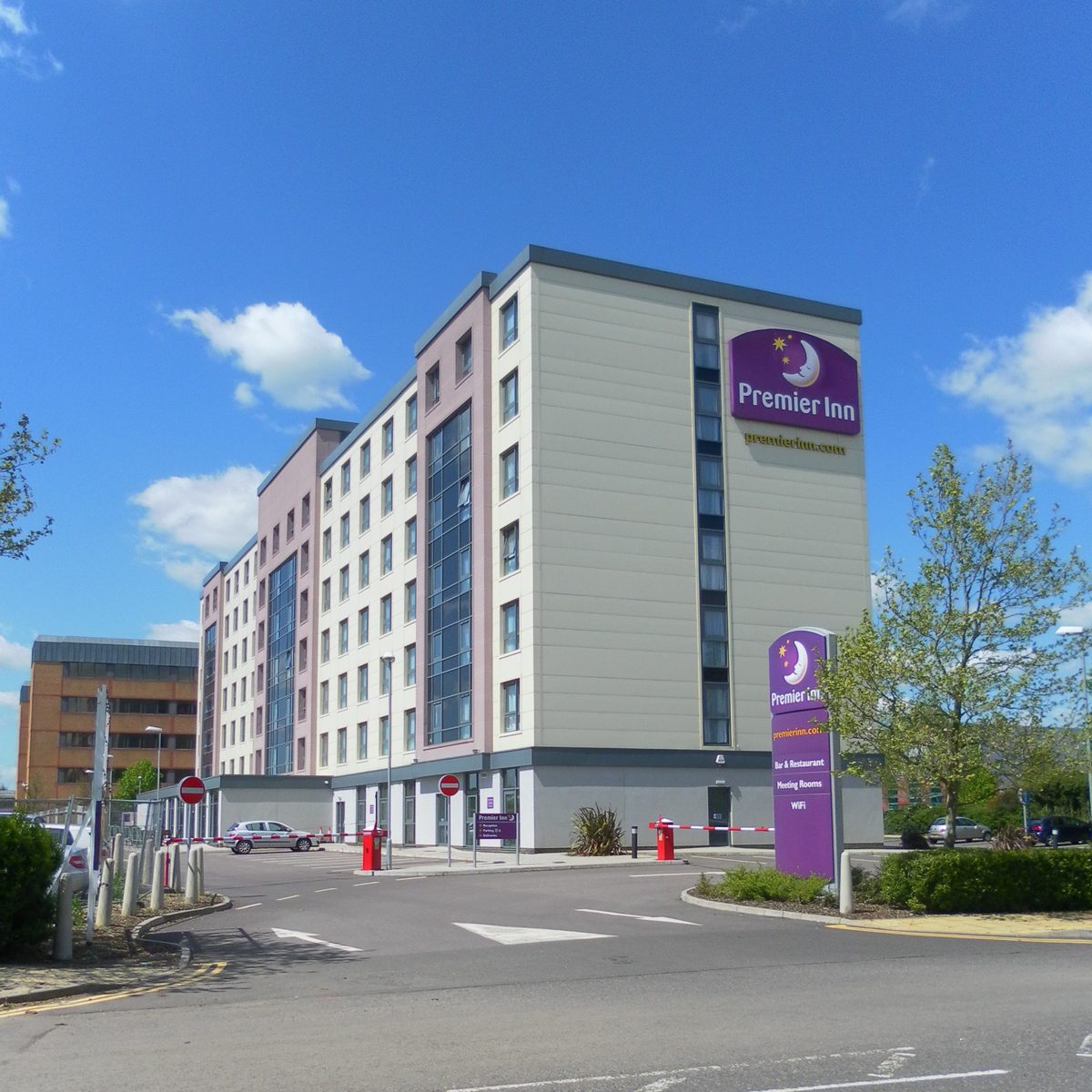
Premier Inn costs a touch more, often £45 to £60 to start for the same kind of city-centre location, sometimes lower on their “saver” rates. What you get for the extra: noticeably comfier beds (their Hypnos mattresses are the real deal), reliably clean rooms, free Wi-Fi, and a brand promise that is hard to beat. Their breakfast is generous, though at around £12.99 for adults it is not cheap; Travelodge’s is a bit less at around £10.95. For families, Premier Inn’s “kids eat breakfast free” deal can tip the maths in its favour. The chain’s purple signs are everywhere, and Premier Inn is my default when I want a guaranteed good night’s sleep on a budget.
ibis budget (and its sibling ibis) is the third player, part of the Accor group. Rooms start from around £54 in the UK (as of 2026), come with en-suite, TV, and tea and coffee, and the central-London ibis cluster gives you more cheap-chain choice in the capital than almost anyone. ibis budget is the most no-frills of the lot, think compact, functional, fine for a night, while standard ibis is a small step up.
Here is how I choose between them:
- Cheapest possible night, flexible on brand: Travelodge, and pounce on a sale.
- Best sleep and reliability for a few quid more: Premier Inn.
- Most central-London budget-chain options: ibis and ibis budget.
- Travelling with kids: Premier Inn, for the breakfast deal and family rooms.
A few universal tips for all three. Book direct on the chain’s own website, it is almost always cheapest and gives you the best cancellation terms. Watch for “non-flex” rates that are cheaper but non-refundable; only take them if your plans are locked in. And remember these chains charge by the room, not per person, so two or even a small family in one room is excellent value.
For working out where these chains fit alongside everything else you will spend, see our England food costs guide, because that £12.99 breakfast adds up fast.
B&Bs and Guesthouses: Charm With Breakfast Built In
If chains feel soulless to you, B&Bs are the antidote, and they are more affordable than people assume. Expect to pay around £70 to £110 a night across most of England (as of 2026); the average B&B nationally hovers near £100 on booking sites, with London a little lower at around £78 on average, oddly, because London B&Bs tend to be smaller and simpler.
The “BB” matters: breakfast is included, and a proper English fry-up sets you up for a whole day of sightseeing. That is real value when you price in skipping lunch. The other quiet perk is the host. A good B&B owner is a walking guidebook, the kind who tells you which pub does the best Sunday roast and which footpath has the view.
What to expect, honestly:
- Quality varies enormously. One B&B is a beautiful Georgian townhouse; the next is someone’s spare rooms with floral wallpaper from 1987. Reviews are your friend.
- Some still have shared bathrooms, especially the cheapest rooms. Check the listing; en-suite costs more.
- Smaller places can be cash-heavy or have minimum stays on weekends. Ask before you assume.
- Cancellation is often stricter than a hotel chain, because you are dealing with a small business.
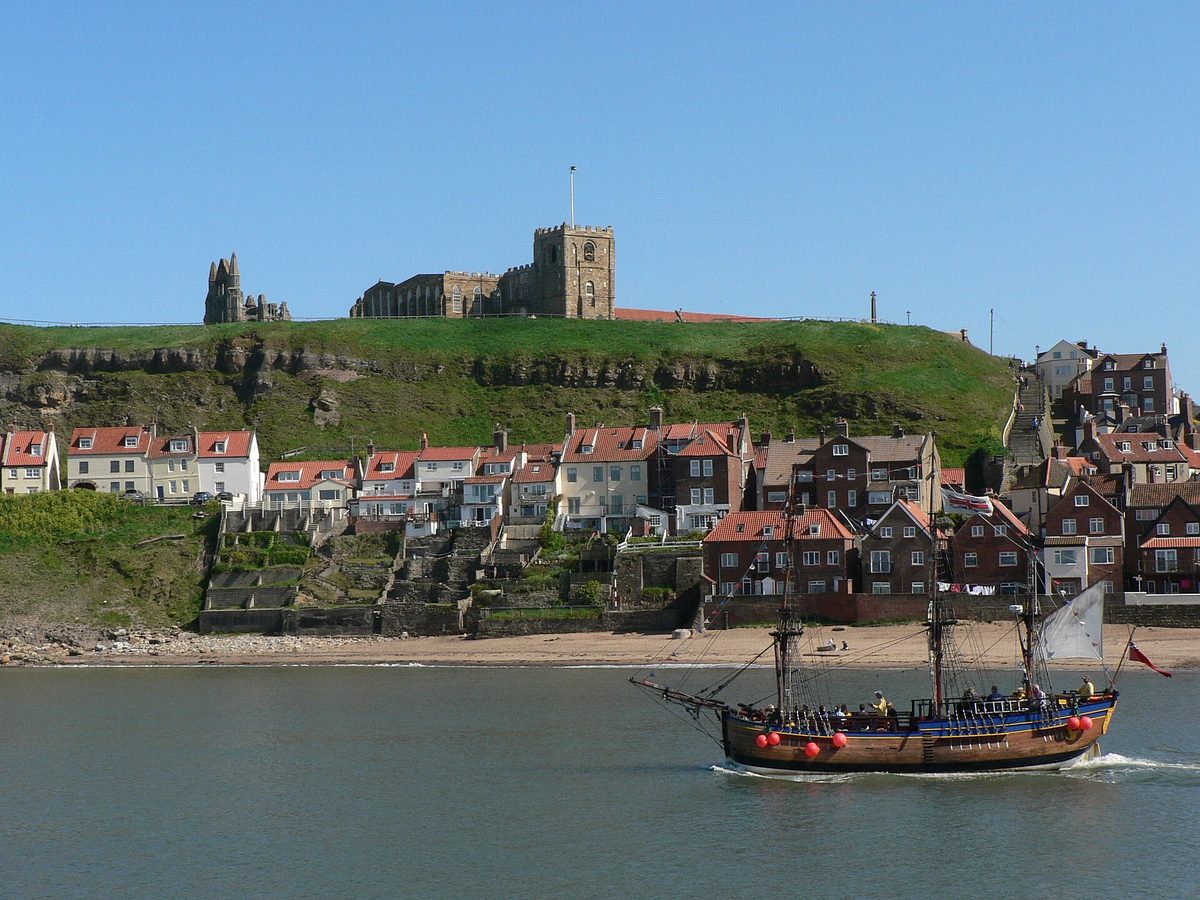
Guesthouses are essentially larger B&Bs, a bit more hotel-like, sometimes with a bar or lounge, and they sit in the same price band. Seaside towns are absolutely full of them, and they can be cracking value off-season. If a coastal base appeals, our best seaside towns to stay in England guide pairs nicely with this.
B&Bs are my pick for couples and slow travellers who want a sense of place. Book through Booking.com or specialist sites, and do not be shy about emailing the owner directly to ask for a deal on a multi-night stay.
Pub Rooms and Coaching Inns: England’s Best-Kept Budget Secret
This is my personal favourite, and the one most overseas visitors never think of. Loads of English pubs, especially old coaching inns in market towns and villages, have rooms upstairs. You sleep above a proper local boozer, eat a hearty dinner downstairs, and roll into bed about twelve steps from your pint. Prices land around £70 to £120 a night (as of 2026), often with breakfast, which is roughly B&B territory but with a built-in restaurant and bar.
Why I love them: character, location, and food all in one. A coaching inn has usually been putting people up for two or three hundred years, and it shows in the wonky floors and beamed ceilings. They are everywhere walkers go, the Cotswolds, the Dales, the Lakes, the moors, which makes them perfect for a countryside trip.
The trade-offs are real, though:
- Noise. You are above a pub. On a Friday night, that can mean singing until eleven. Ask for a room at the back.
- Variable standards. Some inn rooms are boutique-lovely; others are basic. The food downstairs being good is not a guarantee the rooms are.
- Stairs and no lift, usually, in old buildings. Worth knowing if mobility matters.
Chains have muscled in here too. Greene King’s Inns and various pub companies run reliable, mid-budget rooms above their pubs, bookable online like a hotel, which takes the guesswork out. But the independents are where the magic is. If you are touring the countryside, build your route around good inns and you will eat and sleep well for less than a city hotel.
Airbnb and Short-Lets: When Renting a Place Wins
Airbnb and short-term rentals are not automatically cheap, in fact a single night in an English city Airbnb often loses to a Travelodge once you add the cleaning fee. But for the right trip, they are unbeatable value. Reckon on anything from £60 to £200+ a night (as of 2026) depending on size, city, and season.
Where short-lets shine:
- Groups. Four friends in a two-bed flat split the cost four ways. Suddenly £160 a night is £40 a head, in a whole apartment with a kitchen.
- Families. A self-contained place with a kitchen and a washing machine beats cramming everyone into one hotel room, and you save a fortune on eating out.
- Longer stays. Many hosts offer weekly and monthly discounts that hotels simply cannot match. A week-plus stay is where Airbnb routinely wins.
The catches are the ones everyone knows now. Cleaning fees and service fees inflate the headline price, so always check the total before you fall in love with a listing. There is no front desk if something goes wrong. Check-in can mean a lockbox and a fiddly key handover. And in some cities, regulations have thinned out the genuinely cheap listings.
For the family and group angle in particular, our England vacation rentals guide goes deeper, and family-friendly hotels in England covers the hotel side of the same decision. My rule of thumb: one or two nights, take a chain; three nights or more with a group or kids, price up a rental.
University Rooms and Camping and Pods: The Seasonal Bargains
Three options here that are seasonal, situational, and quietly brilliant when they fit.
University rooms in summer
When students go home from roughly late June to early September, universities rent out their halls of residence to anyone, and you do not have to be a student. Prices are excellent: singles from around £27 to £40 a night, twins from around £44, often with breakfast or self-catering kitchens (as of 2026). The big draw is central locations at hostel-ish prices, several London universities put you minutes from the West End for the cost of a dorm.
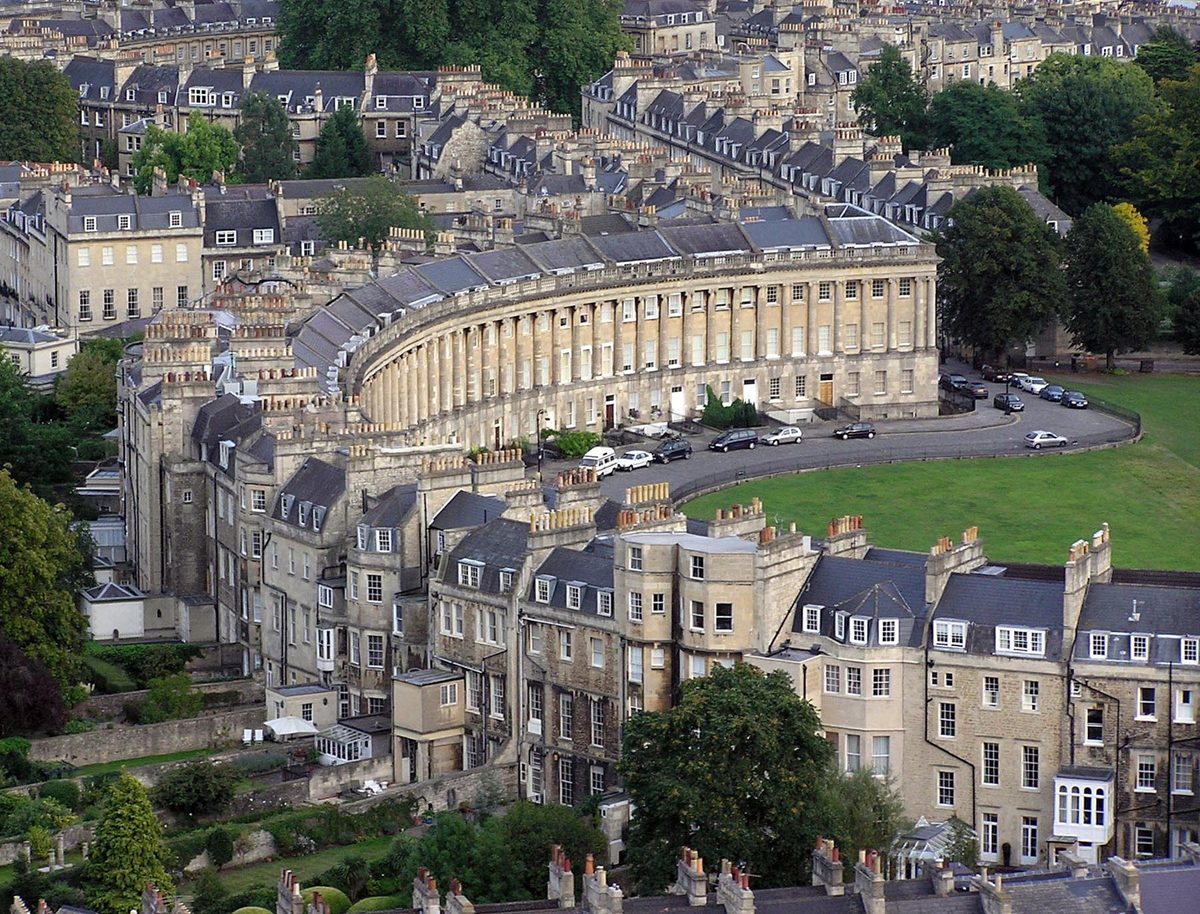
Book through UniversityRooms.com or directly with the university’s accommodation office. The rooms are functional rather than fancy, think tidy student bedroom with shared or en-suite bathroom, but for solo travellers and couples doing a city break in summer, the value is hard to beat. Cities like Bath, York, Oxford, Cambridge, and London all have schemes.
Camping
If you have a tent and a tolerance for English weather, camping is the cheapest roof, or canvas, going. Pitches run roughly £8 to £20 a night for two (as of 2026), sometimes a little more at flash sites with good facilities. National Parks are full of campsites, and there is a real freedom to it. The obvious catch is the weather and the gear; this is a fair-weather, summer-leaning option for most people.
Glamping and pods
Camping’s comfier cousin. Glamping pods, those little wooden cabin-tents, run around £70 to £150 per pod (as of 2026), with budget options near big cities sometimes lower. Note that is for the pod, not per person, so for a couple or small family it can be very reasonable, and far cosier than a tent. Expect a bed, lighting, often heating, and a rural setting; many sites have two-night minimums and en-suite or shared shower blocks. Hipcamp is a good place to browse. Pods are my pick for nature-loving couples who want the countryside without the damp sleeping bag.
These three suit a specific trip: summer, flexible, comfortable getting out of the cities. They are not year-round answers, but in the right season they are some of the best value in this whole guide.
London vs the Rest of England: Why the Capital Costs More and How to Fix It
Let me be blunt: London is the great budget-buster of any England trip. Every category above costs noticeably more in the capital, and at the budget end the gap is brutal. A hostel dorm that is £22 in Manchester might be £35-plus in central London. A chain hotel room that is £50 elsewhere can be £120 in Zone 1. The same brand, the same standard, the same bed, just a different postcode.
Why? Demand, land prices, and the simple fact that everyone wants to be near the sights. There is no clever trick that makes London cheap. But there are several that make it cheaper.
Stay outside Zone 1. This is the single biggest lever. Hotels in Zone 1 charge roughly 40 to 60 percent more than equivalent places in Zone 2, for the sake of a five-to-ten-minute longer Tube ride. Bases like Hammersmith, Stratford, Greenwich, or anywhere on a good Tube line let you sleep cheaper and travel in fast. Our where to stay in London for tourists guide breaks down the best-value neighbourhoods.
Or skip sleeping in London at all. Some travellers base themselves in a cheaper nearby town and day-trip in, the trade-offs are real, and we weigh them in stay in London or outside London. It is not for everyone, but for budget-focused trips it can save a small fortune.
Lean on the budget chains. ibis, Travelodge, and Premier Inn all have a strong London presence, and booked early they are usually the safest cheap bet in the capital. University rooms in summer are the dark-horse option, central locations at a fraction of hotel prices.
Pair cheap sleeps with cheap transport. Where you stay and how you get around are linked. A bus-friendly base plus the daily fare cap stretches your budget further; see cheap train tickets England for getting in and out, and whether the London Pass is worth it for the sightseeing side.
Outside London, England gets dramatically more affordable. The North, the Midlands, and most of the countryside offer the same accommodation types for a third to a half less. If budget is your priority, weight your itinerary away from the capital, your wallet will thank you.
Booking Timing and Money-Saving Tips That Actually Work
After years of doing this, here is what genuinely moves the needle on price, and what is just internet noise.
Book early for peak, late for flexible. For summer, big events, and London, book six to eight weeks out minimum, three to four months for the best peak-season rooms. The cheapest chain rates and the nicest B&Bs sell out first. But if you are flexible and travelling off-season, last-minute deals do exist, chains in particular discount unsold rooms.
Always check the chain’s own website. Premier Inn, Travelodge, and ibis are almost always cheapest direct, with better cancellation terms than third-party sites. Use booking platforms to compare, then book direct.
Sign up for sale alerts. Travelodge runs frequent sales with rooms at a fraction of normal price. Premier Inn has saver rates. A five-minute newsletter signup can pay for a night.
Travel midweek and off-season. Tuesday and Wednesday nights are cheaper than weekends almost everywhere, and shoulder season (spring and autumn) undercuts summer significantly. Avoid school holidays if you can; prices spike hard.
Use a kitchen. Hostels, university rooms, and rentals with kitchens let you cook, and eating in is the biggest day-to-day saving on any England trip. Even a few breakfasts and packed lunches add up over a week.
Skip the paid breakfast sometimes. A £13 hotel breakfast for two is £26; a bakery and a coffee is a fiver. Worth it occasionally, not every day.
Read the cancellation terms before chasing the lowest price. A non-refundable rate that is £10 cheaper is no bargain if your plans change and you eat the whole cost.
Consider location maths, not just room price. A cheaper room miles from anything can cost you more in transport and time than a pricier central one. Factor it in.
For the bigger picture on stretching every pound, England on a budget and free things to do in England cover the non-accommodation side, and a quick read on tipping in England will stop you over-paying out of politeness.
Choosing by Traveller Type: Solo, Couple, Family, Group
The single most useful thing I can tell you is that there is no “best” budget option, only the best one for you. Here is how I match type to traveller.
Solo travellers
Go for hostels. They are the cheapest beds and the easiest place to meet people, which solves the loneliness side of solo travel at the same time. YHA and good independents are your friends. University rooms in summer are a great quieter alternative if you want your own space without hotel prices. A solo traveller paying for a whole hotel room is paying the most per person of anyone, so dorms and single rooms are where your money goes furthest.
Couples
B&Bs, pub rooms, and budget chains are the sweet spot. A private double in a chain or a charming B&B costs the same whether one or two of you sleep in it, so the per-person value is excellent. For romance and character, pick an inn or a B&B; for reliability and city-centre convenience, pick Premier Inn or Travelodge. A glamping pod makes a lovely cheap escape for a couple who want the countryside.
Families
Family rooms in budget chains are usually the answer, Premier Inn especially, with its family rooms and kids-eat-free breakfast. For longer stays or self-catering freedom, an Airbnb or rental with a kitchen and a washing machine often beats hotels once you price in feeding everyone. Our family-friendly hotels in England guide goes deeper on the hotel side of this choice.
Groups
Rentals win, almost always. Four-plus people splitting a house or large flat get the lowest per-person rate of any option, plus a kitchen and a shared space to hang out. Hostels with private multi-bed rooms are the budget backstop. The bigger your group, the more a whole-place rental makes sense, England vacation rentals has the detail.
The thread running through all of this: cost per person is what matters, not the headline room rate. Solo travellers minimise it with shared dorms; groups minimise it by splitting whole places. Work out your party size first, and the right type of budget accommodation England-wide more or less picks itself.
And once you have settled on a type, the question becomes which town, which is a whole separate decision. Rather than re-explain locations here, lean on our dedicated guides: where to stay in England for the big picture and best areas to stay in England for narrowing it down.
Final Thoughts
Sleeping cheaply in England is easy once you stop thinking “what is the cheapest hotel” and start thinking “what is the cheapest option for my trip.” A solo backpacker belongs in a hostel. A couple wants a pub room or a B&B. A family is best off in a Premier Inn family room or a self-catering flat. A group should rent a whole place and split it. Match the type to the traveller and you will sleep well for far less than the glossy hotel sites suggest.
My two desert-island tips, if you forget everything else: book the budget chains direct and early, and never, ever pay London prices when a Zone 2 base or a summer university room will do. Do those two things and the rest of your budget, the trains, the pints, the castles, suddenly has a lot more room to breathe.
Now go enjoy it. The country is worth every penny you save.
Research and Source Notes
Price bands in this guide are rough, hedged with “around,” and current as of 2026; accommodation rates in England swing significantly by city, season, day of the week, and how far ahead you book, so treat all figures as ballpark planning numbers rather than quotes. Currency conversions use roughly £1 = $1.27 (as of 2026) and are approximate.
Key sources consulted:
- YHA (Youth Hostels Association) — dorm pricing “from £15,” membership and booking policy, hostel locations across England. yha.org.uk
- Premier Inn — room rate ranges, breakfast pricing (~£12.99 adult), family room and kids-eat-free deals, bed quality. premierinn.com
- Travelodge — base room rates, sale and discount-code pricing, breakfast (~£10.95 adult). travelodge.co.uk
- ibis / ibis budget (Accor) — UK room rates from ~£54, room features, central London cluster. ibis.accor.com
- Booking.com — average B&B nightly prices in England (~£100 nationally, ~£78 London), hostel and guesthouse listings and reviews. booking.com
- Hostelworld — independent and YHA hostel pricing and reviews. hostelworld.com
- UniversityRooms.com and university accommodation offices — summer room rates (singles from ~£27 to £40, twins from ~£44), availability windows. universityrooms.com
- Hipcamp and UK glamping operators — glamping pod rates (~£70 to £150 per pod), camping pitch costs, two-night minimums. hipcamp.com
- London zone pricing research — Zone 1 vs Zone 2 hotel premium (~40 to 60 percent), money-saving location strategy, drawn from multiple London budget-travel guides.
Where figures differed between sources, I have given a hedged range rather than a single number, and leaned toward wh
Photo Credits
- Budget accommodation England travellers rely on, a purple Premier Inn hotel sign at dusk — Photo: The Voice of Hassocks (CC0) via Wikimedia Commons. Source
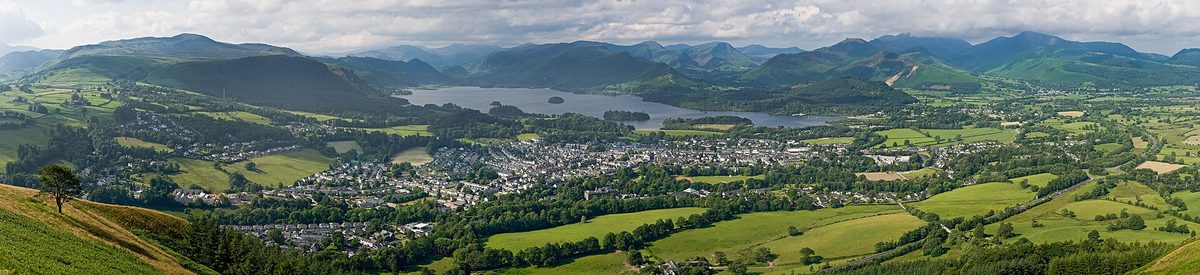
- Keswick town in the Lake District, a popular budget base with hostels and inns — Photo: Diliff / CC BY-SA 3.0 via Wikimedia Commons. Source
- The Royal Crescent in Bath, a Georgian city with university rooms and guesthouses — Photo: Unknown (CC0) via Wikimedia Commons. Source
- Whitby harbour in Yorkshire, a seaside town full of affordable guesthouses — Photo: Alistair Young / CC BY 2.0 via Wikimedia Commons. Source
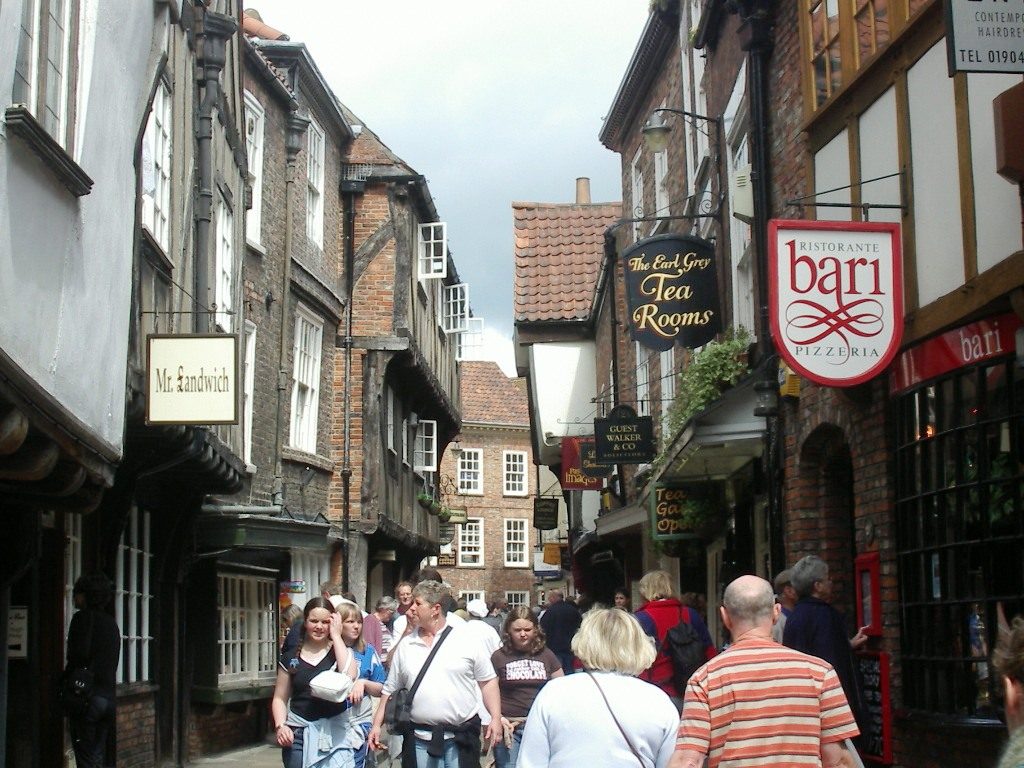
- The Shambles in York, a historic city with budget hostels and guesthouses nearby — Photo: John M Wheatley / CC BY-SA 2.0 via Wikimedia Commons. Source
Frequently asked questions
What is the cheapest type of accommodation in England?
Camping with your own tent is the absolute cheapest, often under £20 a night for a pitch (as of 2026), but it is weather-dependent and summer-only for most. For a roof and a bed year-round, a hostel dorm is the cheapest reliable option, around £20 to £35 a night, with university rooms in summer a close and comfier second.
How much does a cheap hotel cost per night in England?
Outside London, budget chains like Travelodge, ibis budget, and Premier Inn typically run around £40 to £90 a private room per night (as of 2026), with Travelodge often cheapest and sale prices dipping lower. In London, expect roughly £80 to £130-plus for the same standard. Booking early and direct gets you the best rates.
Is Premier Inn or Travelodge cheaper?
Travelodge usually edges Premier Inn on headline price, with rooms sometimes from £30 to £45 and sale rates much lower (as of 2026). Premier Inn costs a touch more but offers comfier beds, more consistent quality, and a strong family breakfast deal. For pure savings choose Travelodge; for a guaranteed good sleep, Premier Inn is worth the small premium.
Do I need to be a member to stay at a YHA hostel?
No. Anyone can book a YHA hostel in England without membership, and you do not need to be young despite the "Youth" in the name. Members do get a modest discount and perks, so if you plan several hostel nights it can pay for itself, but for a one-off stay you can simply book online as a non-member.
How can I find cheap accommodation in London specifically?
Stay outside Zone 1, hotels there cost 40 to 60 percent more than equivalent Zone 2 places for a slightly longer Tube ride. Lean on budget chains booked early, try university rooms in summer for central bargains, or consider basing yourself in a cheaper nearby town and day-tripping in. Self-catering also cuts food costs sharply.
When should I book budget accommodation in England?
For summer, weekends, and London, book six to eight weeks ahead at minimum, and three to four months for peak season, as the cheapest rooms sell out first. If you are flexible and travelling off-season or midweek, last-minute deals do appear, especially from chains discounting unsold rooms. Always compare on booking sites, then book direct.