Sheet 81 · England Budget and Costs · 17 min read
How Much Does a Trip to England Cost?
How much does a trip to England cost? Real 2026 per-day budgets and 7 and 10-day totals for solo travelers, couples, and families, broken down by category.
 Sheet 81
Contents 13 sections
The first time I planned a trip to England, I made a spreadsheet, then quietly panicked, then made a smaller spreadsheet. The numbers people throw around online range from “I did it for $700” to “we spent fifteen grand,” and both can be true. The variable isn’t England. It’s you.
So let me give you the straight answer. How much does a trip to England cost? For a typical first-timer flying from the US, plan on roughly £80 to £180 per person per day on the ground (around $100 to $230 as of 2026), plus £350 to £650 for round-trip flights. A careful solo traveler can run a week for well under £1,000 excluding airfare; a comfortable couple should budget closer to £2,500.
That’s the headline. Now let’s build the actual math, because the range is wide and where you land depends on choices you control.
Quick Answer: How Much Does a Trip to England Cost?
Here’s the short version before we go deep. The honest answer to how much does a trip to England cost depends almost entirely on three things: your travel style, how long you stay, and whether you’re alone, as a couple, or hauling kids. Below are realistic 2026 daily numbers, and further down I’ve built full 7-day and 10-day totals for each group so you can find the row that looks like your trip.
I split everything into three tiers I actually recognize from real trips:
- Shoestring — hostels and the occasional budget hotel, supermarket food, free museums, trains booked early, no taxis. The “I’d rather spend it on another trip” approach.
- Mid-range — a clean en-suite room (think a Premier Inn or a decent B&B), a mix of pub meals and the odd nice dinner, a few paid attractions, advance rail tickets. This is where most people land.
- Comfortable — central 3 to 4-star hotels, restaurants when you feel like it, taxis when it’s raining, premium experiences without flinching. Not “luxury,” just unbothered.
A quick word on the dollars. I price everything in pounds because that’s what you’ll actually pay, with a rough conversion at about £1 = $1.27 (hedge that, the rate drifts daily — check a live source like XE or your card’s network before you go). For the big-picture strategy behind all of this, our England budget and costs guide is the parent hub, and I’ll point you to specialist articles as we go so I’m not repeating tactics that deserve their own page.
At a Glance: The Three Budget Tiers by Category
Here’s the whole model on one screen. These are per person, per day ranges in GBP for time spent on the ground in England (flights are separate — they’re a one-off, covered next). Numbers are approximate and reflect roughly 2026 pricing.
| Category | Shoestring | Mid-range | Comfortable |
|---|---|---|---|
| Accommodation (per person) | £20–40 | £55–95 | £130–250 |
| Local transport | £6–12 | £10–18 | £20–40 |
| Food & drink | £15–28 | £35–60 | £70–130 |
| Attractions & passes | £0–12 | £15–35 | £40–80 |
| SIM, extras, misc. | £3–6 | £5–10 | £10–20 |
| Daily total (per person) | ~£44–98 | ~£120–218 | ~£270–520 |
A few things jump out. Accommodation is the single biggest lever — it can swing your whole budget more than anything else. London inflates every line. And the gap between shoestring and comfortable food spending is enormous, because you can genuinely eat well in England for under £20 a day or blow £100 without trying. We’ll unpack each row now.
Flights from the US: Your Biggest One-Off Cost
This is the number that scares people, and it shouldn’t. Round-trip economy from the US to London runs roughly £350 to £650 (around $440 to $825) depending on your city and timing. Skyscanner and momondo were both surfacing fares from the high $200s to mid $300s round-trip in quieter months as of 2026, with New York–London among the cheapest routes going. Summer pushes prices up — June sees the highest demand, with roughly a 12% bump — while September is reliably the cheapest month to fly, often averaging around $500 round-trip.
My take, having done this a dozen times: airfare is where flexibility pays the most. Shift your trip by two weeks, fly mid-week, or accept one connection, and you can knock £150 to £250 off without changing anything about the trip itself. Set a fare alert the moment you start daydreaming.
Don’t forget the bit nobody budgets for: getting from the airport into the city. From Heathrow, the Elizabeth Line is the sweet spot at around £12 to £15.50 into central London (faster than the old Tube route, far cheaper than the Heathrow Express at £25 walk-up). The Piccadilly Line is cheapest at roughly £5.90 if you’re not in a hurry. A black cab will be £60 to £90. From Gatwick or Stansted, the express trains run £15 to £25. For the wider picture on moving around, our England transport guide has the full rundown.
One more: budget airlines within Europe make England a cheap add-on to a bigger trip, but if you’re flying into a regional airport like Manchester or Bristol instead of London, fares from the US are often higher and less frequent. Weigh the convenience.
Accommodation: Where Your Budget Lives or Dies
If you take one thing from this article, make it this: your bed is your budget. Everything else is rounding error by comparison.
Shoestring (£20–40/night per person). Hostel dorms run £20 to £45 a night in London and noticeably less outside it — £15 to £30 in cities like Manchester, Liverpool, or York. England’s hostels are generally clean, sociable, and often in great locations. A private hostel room or a basic guesthouse split between two can land in this band per head.
Mid-range (£55–95/night per person). This is Premier Inn territory, and I’ll happily defend it — reliable, quiet, en-suite, and everywhere. Their UK average room rate sits around £80, though London runs higher: expect roughly £90 to £130 a night for a London Premier Inn (January is the cheapest month at around £92; weekends spike). Outside London, the same chain or a good B&B often dips to £60 to £90 for the room. Split between a couple, that’s £30 to £65 each.
Comfortable (£130–250/night per person). Central boutique and 4-star hotels in London routinely hit £200 to £430 a night for the room. Regional cities are kinder — a lovely 4-star in Bath or York might be £130 to £200. Per person for a couple, you’re looking at £65 to £215.
My honest advice on where to spend versus save: I’ll happily stay shoestring on accommodation and put the savings toward food and trains, because you’re barely in the room. But I won’t stay somewhere a 45-minute commute from where I want to be — the time and transport cost erases the saving. Location beats luxury. For the full menu of options and exactly which neighborhoods give the best value, see budget accommodation in England and our where to stay in England guide.
Getting Around England: Trains, Tubes, and the Rest
Within a city, transport is cheap and easy. In London, contactless or an Oyster card caps your daily spend at around £8.50 for Zones 1–2, so you physically cannot overspend on the Tube and buses in a day. A single bus is about £1.75 (with free transfers for an hour); a single Tube ride in Zone 1 is around £2.70 to £3.50. Most other English cities are walkable, with buses at £2 to £3 a ride. Budget £6 to £12 a day for shoestring, up to £20 to £40 if you’re taking taxis.
Between cities is where it gets interesting — and where people overpay. England’s intercity trains are excellent but the pricing is, frankly, chaotic. Walk up to the counter for London to Edinburgh and you might pay £150 to £200. Book the exact same Advance ticket 6 to 12 weeks ahead and it can be £35 to £50. London to Manchester swings from £80 to £120 walk-up down to £15 to £25 booked early. The savings are not marginal — Advance fares are routinely 60 to 80% cheaper than turning up on the day.
So here’s my firm opinion: skip the BritRail Pass unless your itinerary is genuinely spontaneous or train-heavy across long distances. Passes start around $199 for a short Flexi version, and for most England trips, booking Advance singles 6 to 12 weeks out plus a Railcard (£30 for a year, knocks a third off most fares) will beat the pass comfortably. I go deep on this — split-ticketing, Railcards, the lot — in cheap train tickets in England, so I won’t duplicate it here.
If you’d rather drive, factor £35 to £60 a day for a small car rental, plus fuel at roughly £1.40 a litre and the eye-watering reality of city parking. Driving makes sense for the Cotswolds, the Lake District, or rural Cornwall. It’s a liability in London — don’t.
Food & Drink: From £15 a Day to £100 Without Trying
England’s food reputation is unfair and out of date, and the price spread is huge.
Shoestring (£15–28/day). Supermarkets are your friend. A “meal deal” — sandwich, snack, drink — is about £3.85 to £4.25 at Tesco, Boots, or M&S, and genuinely fine. Cook breakfast at the hostel, grab a meal deal for lunch, and have one cheap hot meal out. A Wetherspoons pub will do a full English breakfast for around £6 or a decent pub meal with a drink for £6 to £10.
Mid-range (£35–60/day). Now you’re eating out properly. A two-course pub meal runs £20 to £30 a head. A casual restaurant lunch is around £15 to £20. Add a coffee (£3 to £4) and a pint (£5 to £7 in London, less up north), and a comfortable food day is easy to plan.
Comfortable (£70–130/day). A mid-range dinner for two without drinks lands near £80 in London; add wine and you’re past £120 for the pair. Throw in nice breakfasts and you’re at the top of this band.
My strong recommendation: do at least a few supermarket-and-park-bench lunches even if you’re not budgeting hard. A picnic with good cheese and bread in St James’s Park beats a mediocre tourist-trap café every time, and it leaves room for one really good dinner. Pub meals in the north are bigger and cheaper than London — a real thing, not a cliché. For the granular breakdown of grocery prices, pub costs, and tipping norms, see our England food costs guide and the short, useful tipping in England explainer (short version: service is often included, and you’re not expected to tip like in the US).
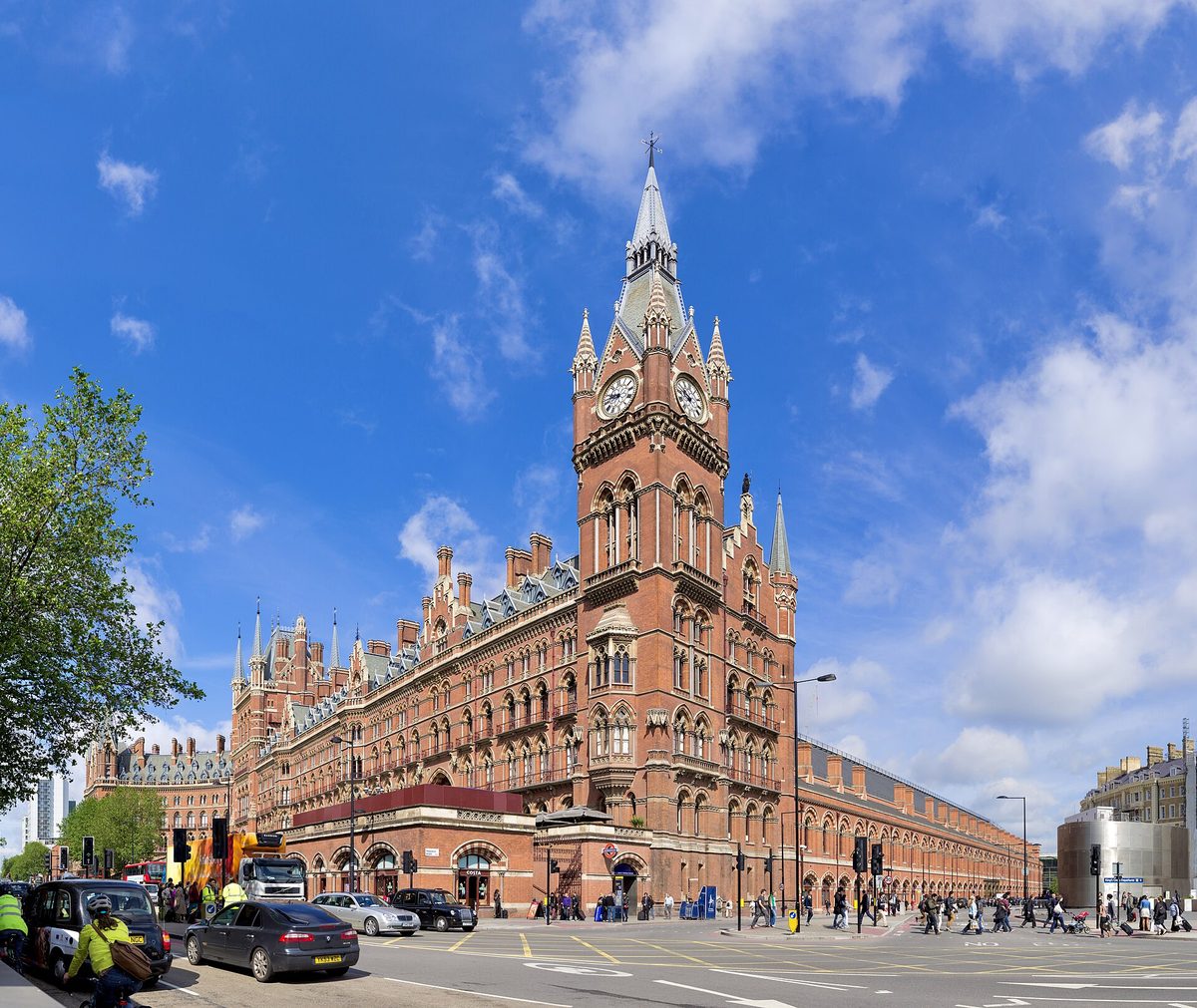
Attractions and Passes: The Free-Museum Superpower
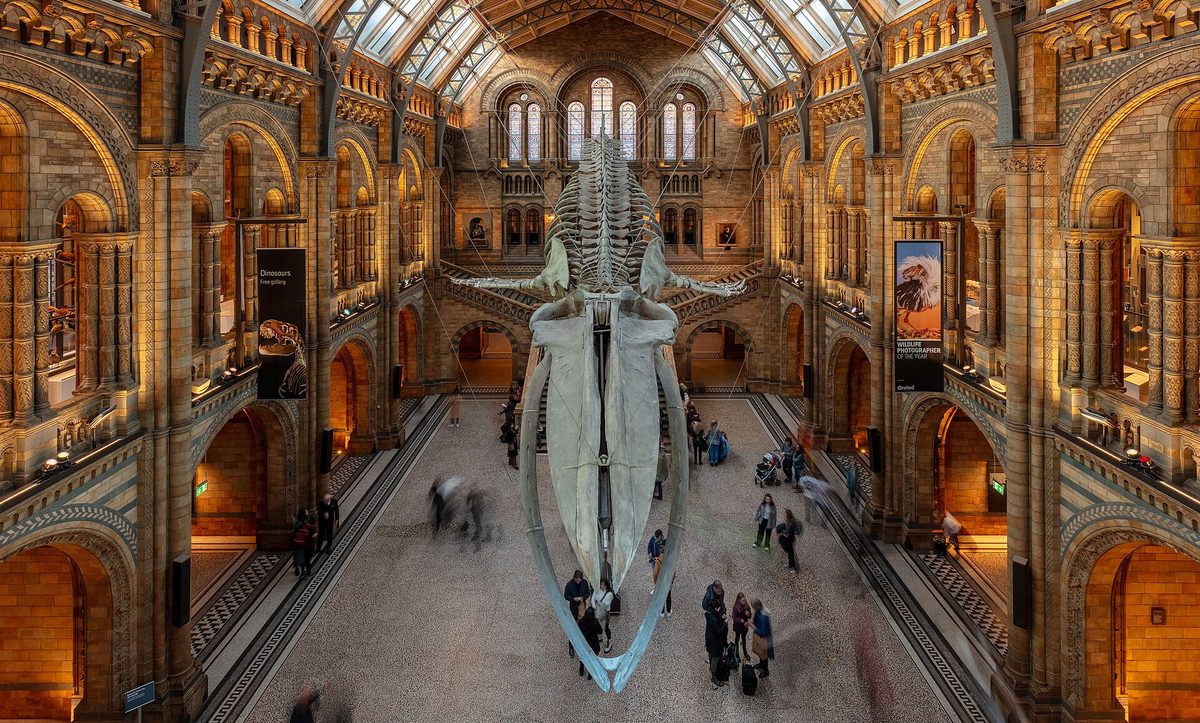
Here’s England’s quiet budget cheat code: the best museums are free. The British Museum, National Gallery, Natural History Museum, V&A, Tate Modern, Tate Britain, the Science Museum — all free to enter. You could fill a week in London on world-class culture and pay nothing for admission. That’s why the shoestring attractions line can genuinely be £0.
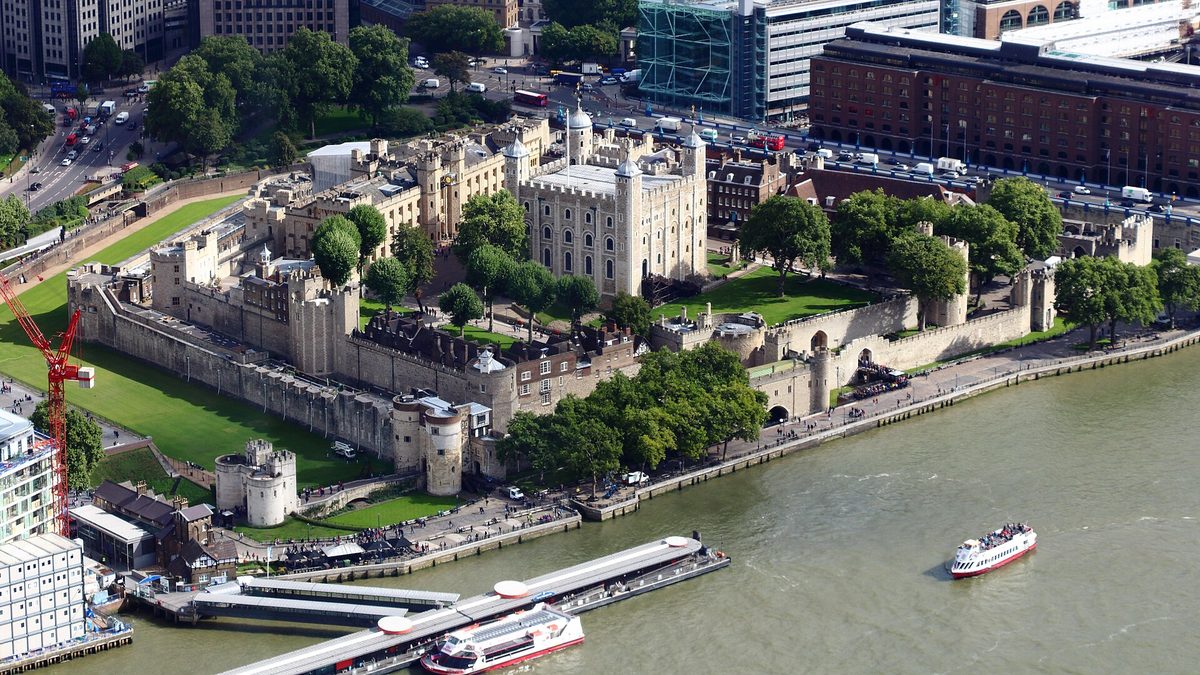
The paid sights are the famous landmarks. As of 2026, the Tower of London is around £35 at the gate, Westminster Abbey about £29, the View from The Shard roughly £32, Kensington Palace around £27. Outside London: Stonehenge is about £20 to £30, Roman Baths in Bath around £28, Windsor Castle near £30. Two or three of these in a day and you’ve spent £60 to £90 fast.
This is where a sightseeing pass might earn its keep — or might be dead weight. The London Pass starts around £99 for one day, £169 for three. The math only works if you’re charging through three premium paid attractions a day. If your trip is mostly free museums and wandering, a pass is money lit on fire. I run the full break-even calculation in is the London Pass worth it, and for the long list of genuinely good no-cost options, free things to do in England is your friend. Budget £0–12 a day shoestring, £15–35 mid-range, £40–80 comfortable.
The Daily-Spend Tiers, Spelled Out
Let me make the three tiers concrete with a real day each, per person, so the table above has flesh on it.
A shoestring day (~£60). Hostel dorm (£28), Oyster cap (£8.50), supermarket breakfast and lunch (£8), a Wetherspoons dinner with a pint (£10), free museum all afternoon (£0), data on a cheap eSIM (£1). You’re seeing the city, eating fine, sleeping clean, and spending under sixty quid. This is very doable and not remotely grim.
A mid-range day (~£155). Premier Inn (£75 per person sharing), transport (£12), a café breakfast, casual lunch, and a proper pub dinner (£50), one paid attraction like the Tower of London (£17 averaged across days you don’t pay for one), an eSIM (£1). Comfortable, flexible, no constant mental math.
A comfortable day (~£350). Central 4-star (£180 per person sharing), taxis and transport (£30), good restaurants all day (£100), a premium experience or two paid sights (£40). You’re not counting, you’re enjoying.
These multiply out fast, which is exactly why the totals below matter more than the per-day numbers.
Sample 7-Day Totals: Solo, Couple, Family
Right — the part you actually came for. These are all-in estimates including round-trip flights from the US, for 7 days on the ground. I’ve used mid-range flight assumptions (~£500 per adult, ~£400 per child) and the daily tiers above. Everything is approximate and rounded.
Solo traveler, 7 days:
- Shoestring: flights £500 + (~£60 × 7 = £420) ≈ £920 (around $1,170)
- Mid-range: flights £500 + (~£155 × 7 = £1,085) ≈ £1,585 (around $2,015)
- Comfortable: flights £500 + (~£350 × 7 = £2,450) ≈ £2,950 (around $3,750)
Couple, 7 days (total for two):
Sharing a room makes the per-person accommodation cost drop, so couples get real economies of scale.
- Shoestring: flights £1,000 + ground ~£900 ≈ £1,900 (around $2,415)
- Mid-range: flights £1,000 + ground ~£2,000 ≈ £3,000 (around $3,810)
- Comfortable: flights £1,000 + ground ~£4,500 ≈ £5,500 (around $6,985)
Family of four (2 adults, 2 kids), 7 days (total):
Kids cut some costs (free or reduced museum entry, child rail fares) but a family needs bigger rooms or two rooms, which adds up.
- Shoestring: flights ~£1,800 + ground ~£1,700 ≈ £3,500 (around $4,445)
- Mid-range: flights ~£1,800 + ground ~£3,800 ≈ £5,600 (around $7,110)
- Comfortable: flights ~£1,800 + ground ~£7,000 ≈ £8,800 (around $11,175)
That family mid-range number lines up with the figures floating around online — a summer week in London for four often quoted near $10,000+ at the comfortable end. The point is you have levers. For trip-shaping help, our first-time England itinerary and England with kids guides both keep family costs sane.
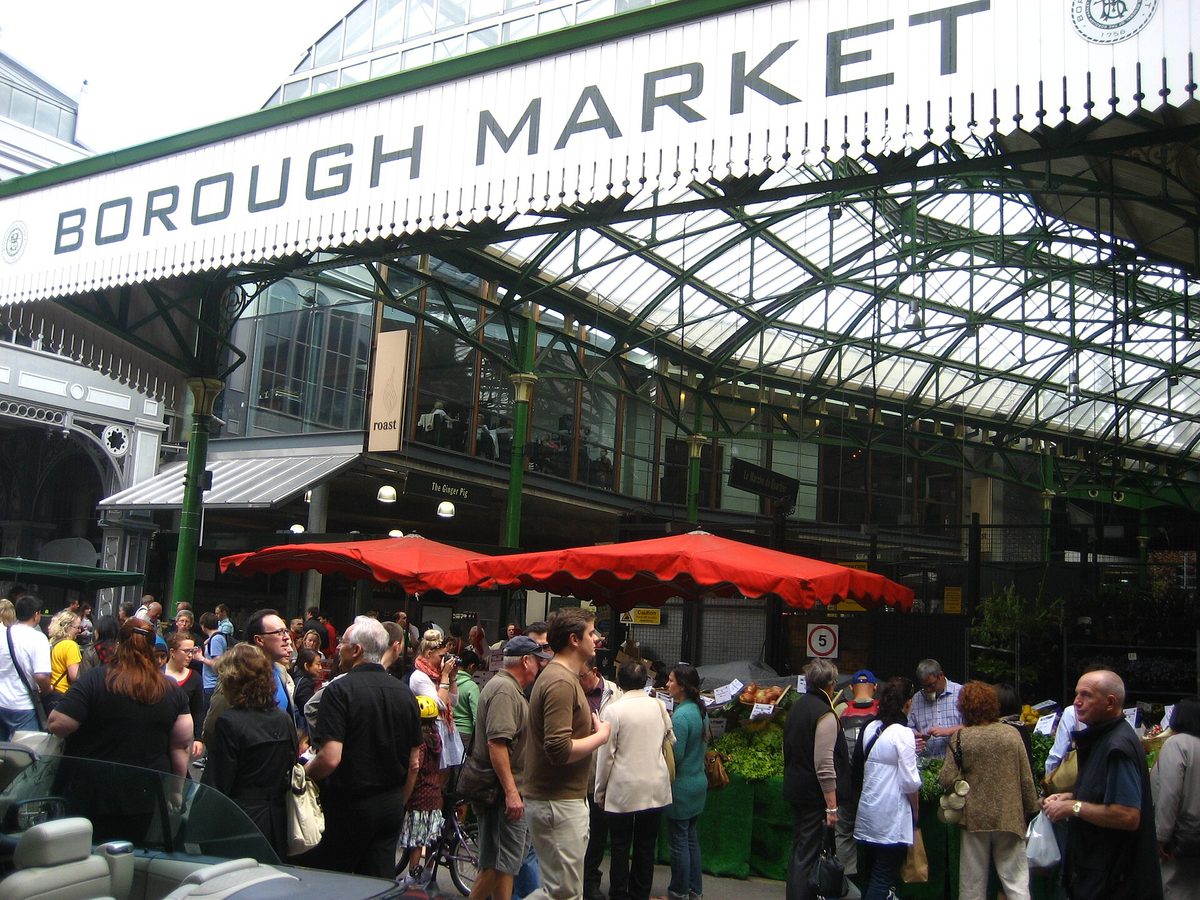
Sample 10-Day Totals
Ten days is my favorite length for England — long enough to pair London with two or three other places (York, Bath, the Lakes) without rushing. Here’s roughly what it costs, again all-in with flights.
Solo, 10 days:
- Shoestring: ≈ £1,100 (around $1,400)
- Mid-range: ≈ £2,050 (around $2,605)
- Comfortable: ≈ £4,000 (around $5,080)
Couple, 10 days (total):
- Shoestring: ≈ £2,300 (around $2,920)
- Mid-range: ≈ £3,900 (around $4,955)
- Comfortable: ≈ £7,500 (around $9,525)
Family of four, 10 days (total):
- Shoestring: ≈ £4,200 (around $5,335)
- Mid-range: ≈ £7,000 (around $8,890)
- Comfortable: ≈ £11,500 (around $14,605)
Notice the flight cost barely moves between 7 and 10 days — it’s a fixed one-off — so longer trips actually get cheaper per day. That’s the argument for staying a bit longer once you’ve paid to cross the Atlantic. If you’re unsure how long to go, how many days in England walks through the trade-offs, and there’s a ready-made 7-day England itinerary if a week is what you’ve got.
Seasonal and Regional Cost Differences: London vs the North
Two factors quietly move your total more than people expect: when you go, and where you go.
Season. Summer (June through August) is peak — flights up, hotels up, everything busier. Premier Inn London weekends in high season can hit £175 a night. The shoulder seasons (April–May, September–October) are my pick: milder crowds, lower prices, still long daylight. Winter is cheapest by a distance — January London hotels average around £92 and flights drop in autumn — but expect short, dark days and some attractions on reduced hours. Watch for local spikes: Wimbledon (late June into July), the Notting Hill Carnival bank holiday in late August, and the Christmas markets period all push London prices up. Our best time to visit England guide times this properly.
Region. This is the big one Americans underestimate. London is genuinely expensive; the rest of England is often 25 to 40% cheaper for the same quality. A pub dinner that’s £30 in Soho is £18 in Leeds. A 4-star room that’s £300 in central London is £150 in York. Pub meals up north are bigger, too. My standard advice: do London tightly and efficiently — a few focused days — then spend the bulk of your trip elsewhere, where your money stretches further and the pace is gentler. You’ll see more of England and spend less doing it. The England itinerary guide is built around exactly that balance.
Hidden and Forgotten Costs
These are the line items that ambush people. None are huge alone; together they’re a few hundred pounds you didn’t plan for.
- Airport transfers — easily £25 to £90 round-trip per person at Heathrow if you don’t pick the cheap option. Covered above; budget it.
- A SIM or eSIM — a tourist eSIM is roughly £10 to £20 for a month of data (some from under a pound a day if you shop online). Buy it before you fly or online on arrival, not from an airport vending machine at a markup.
- Tips and service charges — many UK restaurants add a 12.5% discretionary service charge to the bill. Check before you tip on top. More in tipping in England.
- Luggage and left-luggage — checked bags on budget flights, plus £6 to £12 a day if you need to stash bags between check-out and a train.
- The “ooh, why not” fund — the West End show (£30 to £120), the afternoon tea (£40 to £75), the impulse Cotswolds day tour (£80+). Set aside £150 to £300 per person for the spontaneous stuff. You’ll spend it and be glad.
- Travel insurance — £30 to £80 for a couple of weeks. Non-negotiable for an overseas trip, in my book.
- Card and ATM fees — use a card with no foreign-transaction fee. England is near-cashless, so you’ll rarely need pounds in hand, but a small cash buffer for tips and markets helps.
Bake a 10 to 15% contingency into whatever total you land on. Trips always find a way to spend it, and having the cushion means you say yes to the good stuff. For more of these practical money habits, our England travel tips and England packing list cover the on-the-ground details.
Final Thoughts
After enough trips, here’s what I actually believe about England’s cost: the country isn’t expensive, the defaults are. The default is to fly in peak summer, stay in central London the whole time, eat every meal at a restaurant, and pay walk-up train fares. Do all four and yes, it’s brutal. Change any two and the trip transforms.
My personal formula: book flights early and flexibly, treat accommodation as the lever it is, get out of London for half the trip, ride Advance-fare trains, do free museums by day and one good meal by night, and keep a contingency fund for the spontaneous magic. That gets me a rich, unhurried England trip for mid-range money — and honestly, the picnic-in-the-park, train-window, free-gallery version of England is the one I remember most.
Build your number from the table, add your flights, pad it 15%, and go. The best trip isn’t the most expensive one. It’s the one you actually take.
Research and Source Notes
Prices in this guide are approximate and reflect roughly 2026 conditions; they shift constantly, so verify before booking. I cross-checked figures against a range of reputable sources. Flight pricing drew on Skyscanner, momondo, and Expedia fare data for US–London routes. Accommodation figures referenced Premier Inn published rates and aggregated room-rate data (including Statista for the UK average room rate). Rail cost comparisons used National Rail Advance-versus-walk-up examples, Rick Steves’ rail-pass guidance, and BritRail pricing; London transport caps and Tube/bus fares are per Transport for London. Attraction prices reference official sites for the Tower of London, Westminster Abbey, The Shard, and Stonehenge, plus current London Pass pricing. Food costs draw on typical Tesco, Boots, and M&S meal-deal pricing and Wetherspoon menu norms. Airport-transfer figures reference Heathrow Express and Elizabeth Line fares. Currency conversions use an approximate rate of £1 = $1.27; check a live source such as XE or your card network for the current rate. General per-day benchmarks were sanity-checked against Budget Your Trip, Tourlane, and Visit Britain travel-planning resources.
Photo Credits
- Tower Bridge over the River Thames at dusk, a classic and free London sight on any England trip budget — Photo: Dmitry A. Mottl / CC BY-SA 3.0 via Wikimedia Commons. Source
- The grand entrance to the British Museum in London, one of England’s many free world-class attractions — Photo: Diego Delso / CC BY-SA 4.0 via Wikimedia Commons. Source
- The Victorian Gothic frontage of St Pancras International railway station in London — Photo: Colin / CC BY-SA 3.0 via Wikimedia Commons. Source
- Stalls of fresh produce and street food at Borough Market in London — Photo: Jeremy Keith from Brighton & Hove, United Kingdom / CC BY 2.0 via Wikimedia Commons. Source
- Brighton Palace Pier stretching into the sea on the English south coast — Photo: Andy Li (CC0) via Wikimedia Commons. Source
Frequently asked questions
Is England an expensive country to visit?
London is genuinely pricey, on par with New York or Paris. But England as a whole is more moderate than its reputation, especially outside the capital, where accommodation and food can run 25 to 40% cheaper. With free museums, supermarket meals, and Advance rail tickets, a careful traveler keeps costs well in check. Expensive is a choice here, not a given.
How much spending money do I need per day in England?
Beyond accommodation and transport you've pre-booked, plan around £20 to £30 a day for frugal spending (food, the odd ticket) and £40 to £60 for a comfortable day with restaurant meals and a paid attraction. In London, add a bit. Carrying a card with no foreign fees matters more than carrying cash — England is largely cashless.
How much does a week in England cost for two people?
For a couple, a mid-range week including round-trip US flights runs roughly £3,000 total (around $3,810 as of 2026). Shoestring can come in near £1,900; a comfortable week lands around £5,500. Sharing a room is the big saving — per-person accommodation costs drop sharply, which is why couples get more trip per pound than solo travelers.
What's the cheapest time of year to visit England?
Winter, particularly January and February, is cheapest overall — London hotels average around £92 a night, and autumn (September) usually has the lowest flights, often near $500 round-trip. The trade-off is short, dark days. For the best value with decent weather, I'd aim for the shoulder seasons of late April–May or September–October.
Do I need a car, or are trains cheaper in England?
For city-to-city travel, trains are almost always better — fast, frequent, and cheap if you book Advance tickets 6 to 12 weeks ahead (often 60 to 80% off walk-up fares). Rent a car only for rural areas like the Lake District, Cotswolds, or Cornwall. In London, driving is a costly mistake — congestion charges, parking, and traffic make it pointless.
How can I make a trip to England cheaper?
The biggest wins are booking flights and Advance rail tickets early, choosing budget or mid-range accommodation slightly outside the center, leaning on free museums, and eating supermarket lunches with one nice dinner. Going in shoulder season and spending more time outside London both help a lot. Our England on a budget guide collects every tactic in one place.