Sheet 93 · England Budget and Costs · 15 min read
Free Things to Do in England
From free national museums to coast paths and cathedrals, the best free things to do in England, sorted by region so you can plan a no-cost day out.
 Sheet 93
Contents 11 sections
I’ve spent years wandering this country with an empty wallet and a full day ahead of me, and here’s what I keep coming back to: some of the best experiences England offers don’t cost a penny. World-class museums, wild coastlines, ancient cathedrals lit by candlelight, parks bigger than small towns. You don’t need a pass or a ticket to feel like you’ve seen something extraordinary.
Quick Answer: Free Things to Do in England
The best free things to do in England include the national museums and galleries (the British Museum, National Gallery, Natural History Museum, Tate Modern and dozens more all have free entry), the country’s huge public parks and royal gardens, hundreds of miles of coast paths and beaches, donation-entry cathedrals, browsable markets, and free spectacles like the Changing of the Guard.
The thing most people miss is that this isn’t a London-only story. Yes, the capital is stuffed with free attractions, but so are Liverpool, Manchester, Oxford, Bristol, York and the entire South West coastline. Below I’ve organised everything by region first, then by type, so you can build a free day wherever you land. I’ll be honest about what genuinely costs nothing and what has crept onto a charge or a “suggested donation” in recent years.
For the wider picture, this guide sits inside our England travel on a budget hub. If you want the full sums, see how much a trip to England costs. For broader money-saving tactics beyond attractions, read England on a budget. My job here is the fun part: the free stuff.
At a Glance: Top Free Picks by Region
| Region | Top free picks | Note |
|---|---|---|
| London | British Museum, National Gallery, Tate Modern, Hyde Park, South Bank, Changing of the Guard | More free museums per square mile than anywhere in England |
| South & South West | South West Coast Path, Whitsand Bay beaches, Eden Project gardens, Bristol harbourside, Dartmoor | Coast and countryside are the headline; cities add free museums |
| Midlands & East | Ashmolean (Oxford), Cambridge college grounds, Birmingham Museum, Sutton Park, Cannock Chase | Great-value mix of free culture and big urban green space |
| North | Liverpool’s waterfront museums, Manchester’s Science and Industry Museum, York city walls, the Lakes and Dales | Free national museums plus some of England’s best landscapes |
Use that as a shortlist. Now let’s dig in properly.
Free Museums and Galleries: England’s Best No-Cost Culture
This is where England quietly outperforms almost every country I’ve travelled in. Since a government policy that took effect in 2001, the permanent collections of the national museums have been free to all. That single decision is the reason a backpacker and a billionaire can stand in front of the same Van Gogh.
One honest caveat up front: free entry covers the permanent collections. Blockbuster temporary or special exhibitions usually charge, and some big institutions now ask you to book a free timed-entry slot in advance, especially during school holidays. Booking is free and takes two minutes online (as of 2026).
London’s free museums
London is the heavyweight. The big national institutions with free entry include:
- The British Museum in Bloomsbury, home to the Rosetta Stone, the Parthenon sculptures and a world history collection you could not exhaust in a week. The free volunteer-led gallery talks are a brilliant way in.
- The National Gallery on Trafalgar Square, with everything from Renaissance masters to Turner and the Impressionists, free and right in the centre of town.
- The Natural History Museum in South Kensington, where the cathedral-like Hintze Hall alone is worth the trip, and the dinosaur galleries keep kids spellbound.
- The Science Museum next door, hands-on and endlessly distracting.
- The Victoria and Albert (V&A), the world’s leading museum of art, design and fashion, also free, also next door, so you can do all three South Kensington giants in a single day.
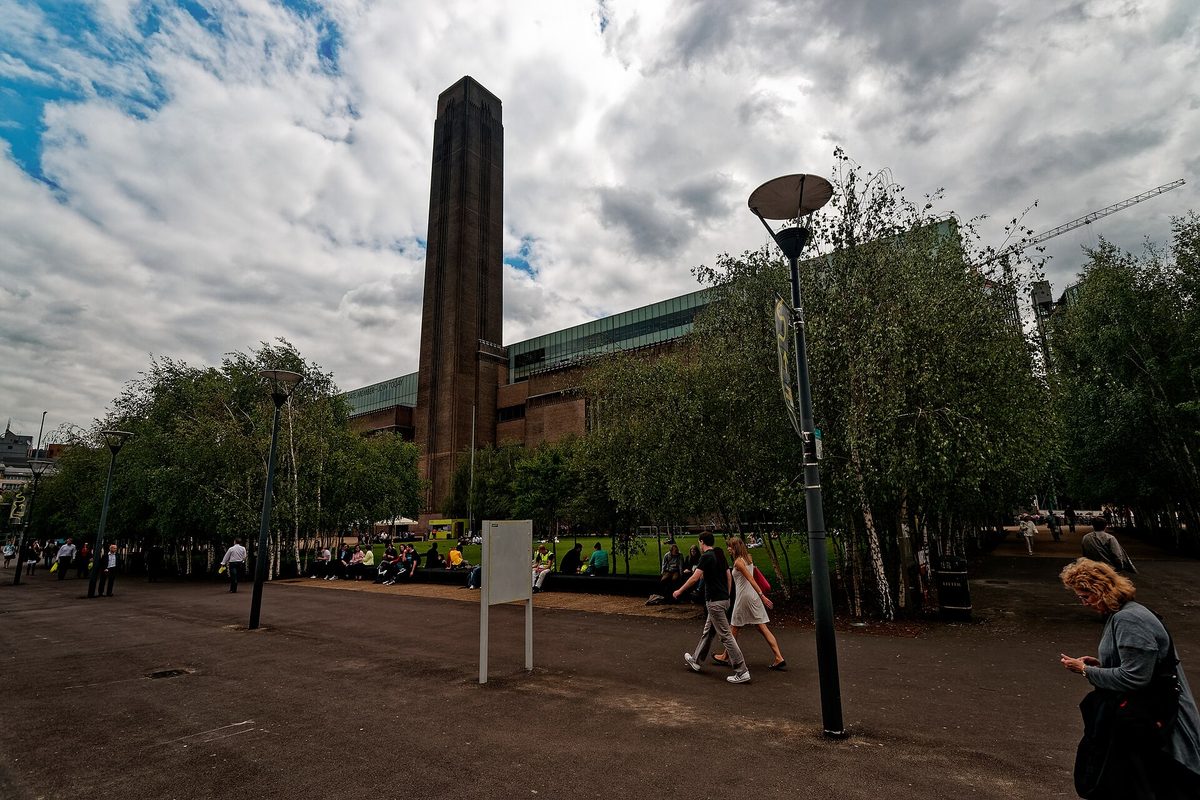
- Tate Modern on the South Bank, with free entry to its permanent displays inside the old Bankside Power Station. The view from the upper floors over the Thames is free too.
- Tate Britain in Pimlico, the place to go for British art and the largest collection of Turner anywhere.
- The National Portrait Gallery, just behind the National Gallery, free and freshly reopened in recent years.
- The Wallace Collection near Oxford Street, a sumptuous private collection in a townhouse, free and gloriously uncrowded.
- The Museum of London / London Museum, the story of the city from prehistory to now.
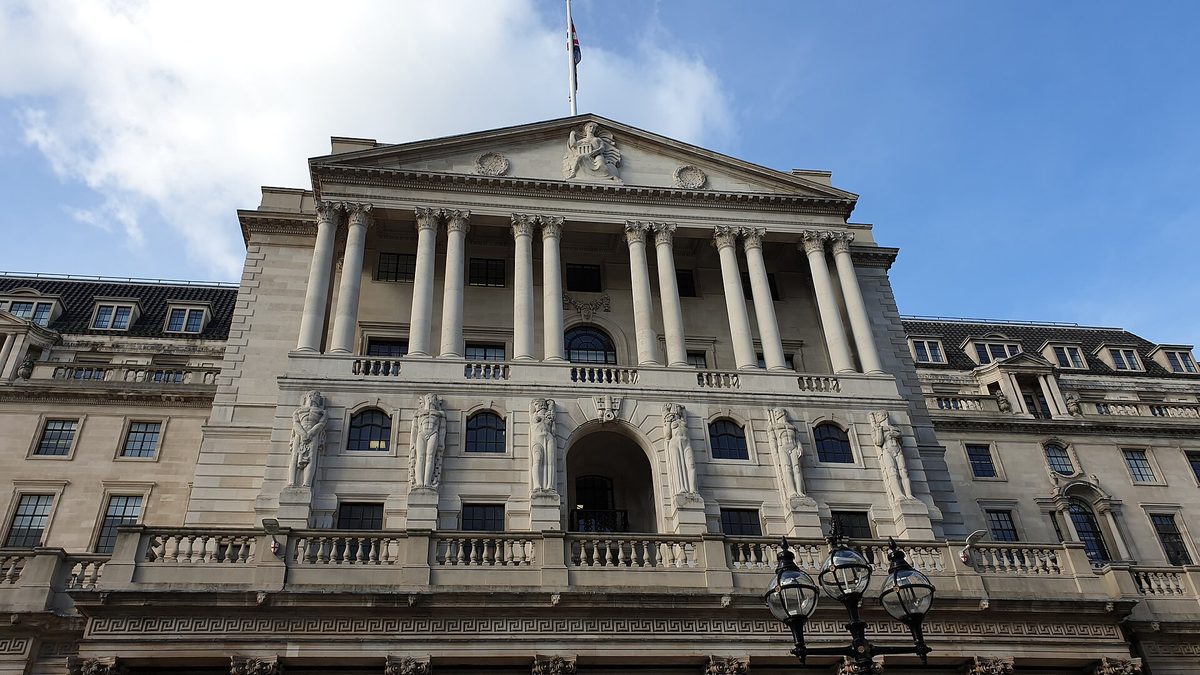
- The Bank of England Museum in the City, with a gold bar you can try (and fail) to lift.
For a deeper London list, I’d point you to our free things to do in London guide and our roundup of the best museums in London. There’s enough free culture in the capital alone to fill a long weekend.
Free museums beyond London
This is the part the guidebooks skim, so let me slow down. England’s free museums outside the capital are superb:
- The Ashmolean Museum, Oxford is Britain’s oldest public museum and entirely free. Egyptian mummies, Renaissance paintings, the lantern carried by Guy Fawkes. I rate it among the finest museums in the country.
- The World Museum, Liverpool has five floors covering space, the natural world and ancient Egypt, free, plus the Walker Art Gallery and the Museum of Liverpool nearby, all on or near the waterfront.
- The Science and Industry Museum, Manchester sits in the world’s oldest surviving passenger railway station and is free to explore. Add the Manchester Museum and the People’s History Museum for a full free day in the city.
- The National Railway Museum, York is the largest railway museum in the world, free, with the record-breaking Mallard locomotive and a Japanese bullet train.
- Birmingham Museum and Art Gallery and the Barber Institute of Fine Arts give the second city serious free culture (check current opening arrangements before you travel, as of 2026).
- The BALTIC Centre for Contemporary Art, Gateshead is free, with rotating contemporary shows and a top-floor viewing box over the Tyne.
The pattern is clear: nearly every major English city has at least one excellent free museum, and often three or four. Pair them with the parks below and you’ve got a full day for the price of your travel.
Parks, Gardens and Green Spaces You Can Wander for Free
England does public green space beautifully, and almost all of it is free. This is my default move in any city: find the big park, walk it, and let the place reveal itself.
London’s parks
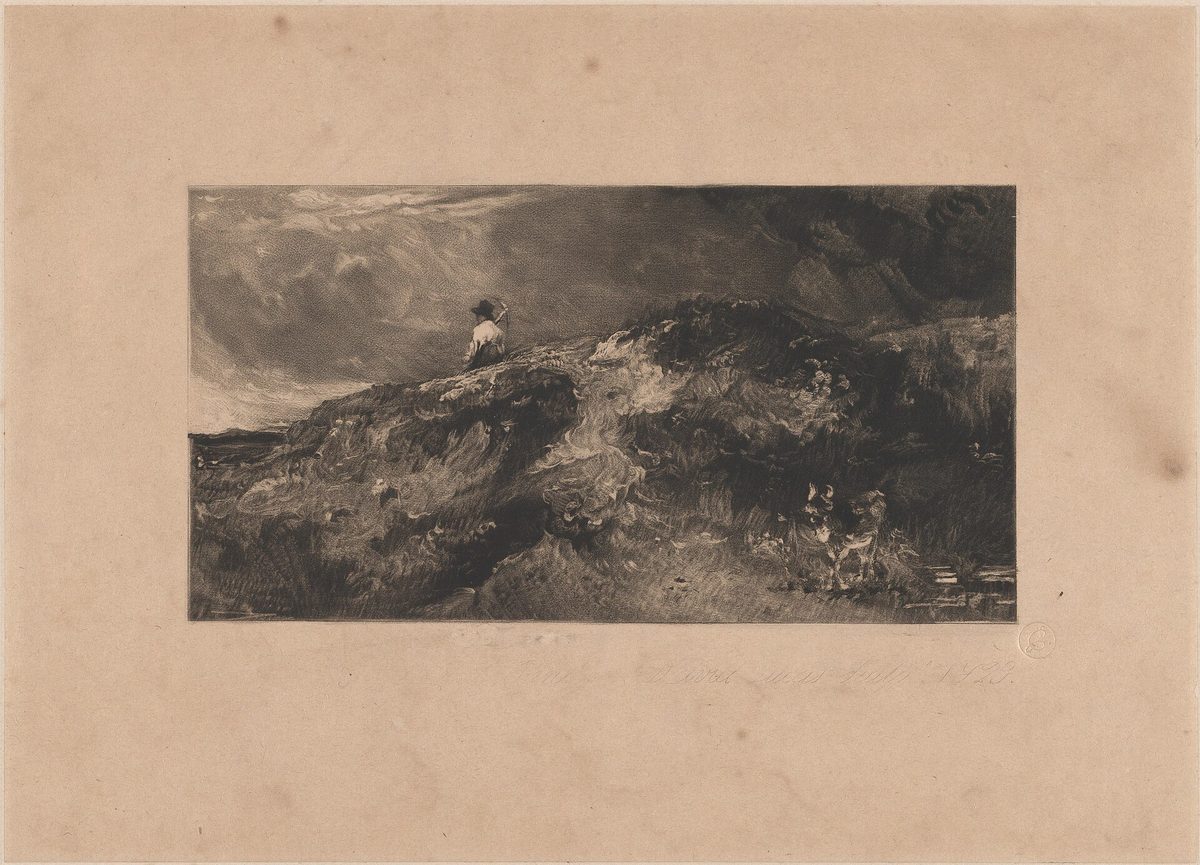
The royal and public parks are world-class and cost nothing. Hyde Park with the Serpentine lake, Kensington Gardens beside it, Regent’s Park with its rose garden, St James’s Park with the best pelicans and palace views in London, and Greenwich Park climbing up to the Royal Observatory courtyard (you can stand at the viewpoint over the city for free; the Meridian Line building charges). For something wilder, Hampstead Heath in the north gives you woods, swimming ponds and the famous view from Parliament Hill, and Richmond Park has free-roaming red deer across nearly 1,000 hectares.
Green space across the regions
Outside London the green is even bigger. Sutton Park near Birmingham is one of Europe’s largest urban parks at over 2,000 acres, with heath, woodland and lakes. Cannock Chase in Staffordshire is a designated Area of Outstanding Natural Beauty laced with free trails. Up north, Sefton Park in Liverpool and Heaton Park in Manchester are vast and free.
Then there are gardens you might assume cost money but don’t, at least in part. The Eden Project in Cornwall charges to enter the famous biomes, but its outdoor gardens are free to walk. Many National Trust and council gardens have free-access grounds even where the house charges. And Kew Gardens does charge, so I’d file that under “worth paying for” rather than free, to be straight with you.
Coast, Countryside and Walks: Free by Definition
If you only do one free thing in England, make it a coast or hill walk. The landscape is the country’s greatest free asset, and access is genuinely open.
The coast paths and beaches
The South West Coast Path runs 630 miles around Cornwall, Devon, Somerset and Dorset, and you can walk any stretch of it for free. The cliffs above Land’s End, the harbour at Polperro, the sweep of Whitsand Bay with its free beaches like Tregantle and Freathy. England’s beaches are, almost without exception, free to access. Holkham in Norfolk, Bamburgh beneath its castle in Northumberland, Saltburn in the North East, Brighton seafront in the South. You’ll pay for a deckchair or a car park, but the sand and sea cost nothing.

For more on where to go, see our guides to England’s coast and beaches and the most beautiful places in England.
National parks and open country
England’s ten national parks have no entry gate and no ticket. The Lake District, the Peak District (the busiest national park in the country and a short hop from Manchester and Sheffield), the Yorkshire Dales, Dartmoor with its granite tors and wild ponies, Exmoor, the North York Moors, Northumberland with its dark skies. You can walk, picnic and explore all of them for free. For routes and practicalities, our England national parks and hiking guide goes deeper. If you like the idea of places that don’t show up on every itinerary, our hidden gems in England piece is full of free-to-reach corners.
Free Historic and Religious Sites
England’s history is everywhere, and a surprising amount of it is free to walk up to and through.
Free historic sites
Many ruins, monuments and ancient sites in the open landscape have no fee at all. Avebury stone circle in Wiltshire is free to wander among the stones, in my view more atmospheric than ticketed Stonehenge nearby. City walls are often free: you can walk much of York‘s medieval walls and Chester‘s Roman and medieval circuit without paying. Castle exteriors and grounds, hill forts, abbey ruins on common land, war memorials and historic harbours all add up to a free history lesson. Our free historic sites in England guide catalogues these in detail.
Cathedrals: free, donation, or charging?
Cathedrals are a special case, and worth getting right because the picture has shifted. Many of England’s great cathedrals are still free to enter, run on donations rather than a fixed price. Durham Cathedral, a UNESCO World Heritage Site and one of the most magnificent buildings in Europe, asks for a suggested donation rather than charging a set fee. Plenty of smaller cathedrals and parish churches are the same.
However, roughly one in four English cathedrals now charge an admission fee (as of 2026), and some of the most famous are among them. York Minster, Canterbury Cathedral, St Paul’s in London, Lincoln and a handful of others charge for general sightseeing, with prices that have climbed in recent years. Here’s the workaround I always use, and it’s a legitimate one: every cathedral remains free for those attending a service or coming to pray. Turn up for Evensong, the sung early-evening service, and you’ll experience the building at its most beautiful, candlelit and full of choral music, for nothing. I’ve done this at Westminster Abbey and York Minster, and it beats a daytime visit hands down. For the full rundown, see our best cathedrals in England guide.
Markets and Neighbourhoods to Browse for Free
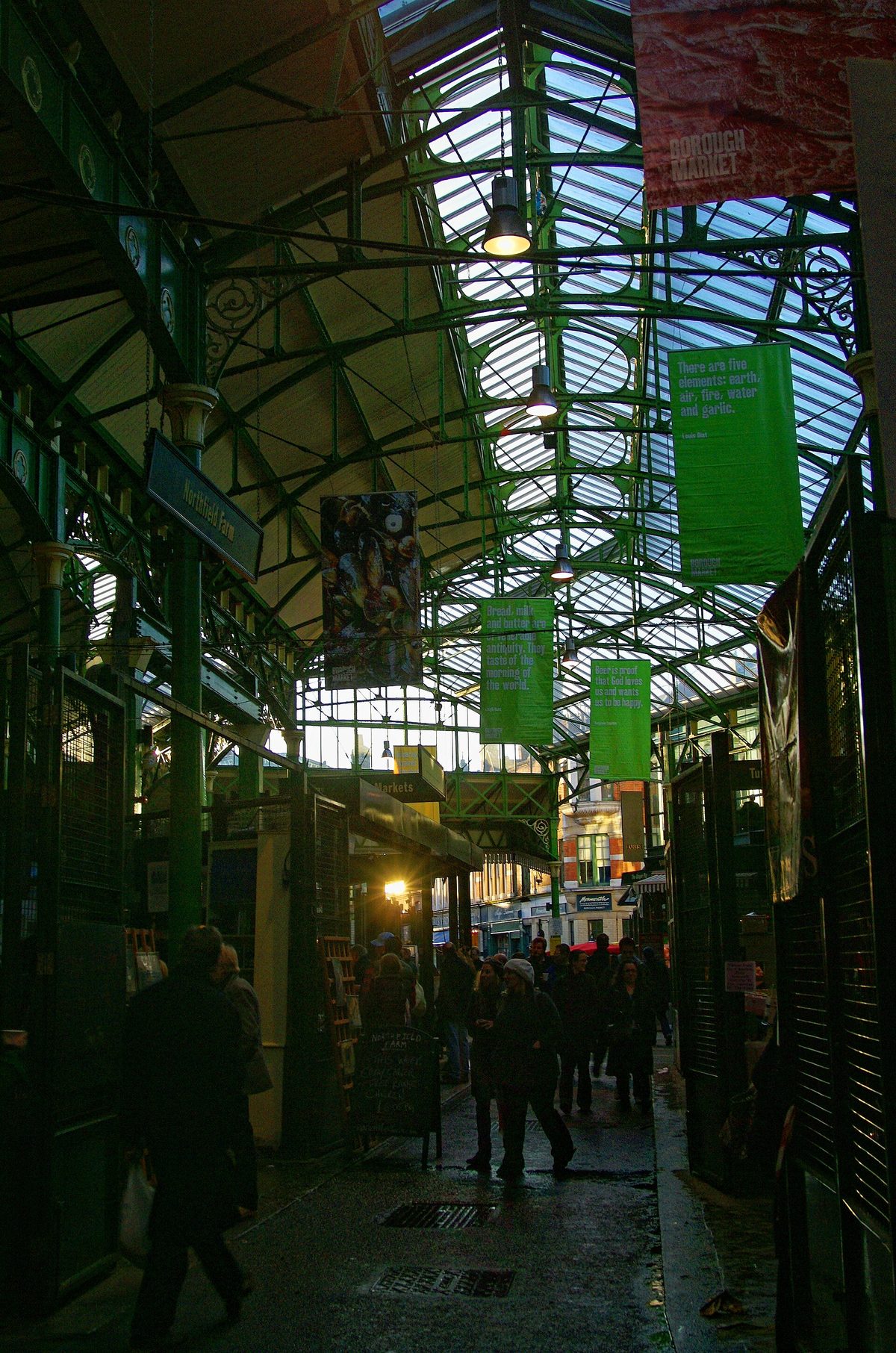
You don’t have to buy anything to enjoy a great market, and browsing is half the fun. Borough Market in London is a feast for the senses (and the free samples don’t hurt). Camden Market, Portobello Road on a Saturday, Spitalfields and Greenwich Market are all free to wander. Beyond London, Liverpool’s independent Red Brick Market, Manchester’s Northern Quarter with its street art and record shops, and the St Nicholas Market in Bristol are great for an aimless, free afternoon.
The neighbourhoods themselves are the attraction. Wandering Notting Hill‘s pastel streets, the lanes of Bath, the harbourside in Bristol, the cobbles of Shrewsbury or the Shambles in York costs nothing and gives you the truest sense of a place. A self-guided city walk is, to me, one of the most underrated free things to do anywhere in England.
Free Events and Spectacles
England puts on a remarkable amount of free pageantry and festivity if you know when to look.
The Changing of the Guard at Buckingham Palace is the obvious one. It’s completely free, no ticket needed, takes about 45 minutes and happens on selected dates through the year, usually at 11am (the every-other-day pattern has changed, so check the official schedule before you go, as of 2026). Arrive 60 to 90 minutes early on busy days and find a spot along the railings, on the Victoria Memorial steps or down The Mall.
Beyond that: London’s First Thursdays, when East End galleries open late for free; free summer festivals and outdoor performances along the South Bank; city light festivals, Christmas markets (free to browse), Bonfire Night displays in November, Pride events, Diwali celebrations in Leicester, and countless village fetes and free music events through the summer. Many councils run free open-air cinema and concerts in the parks. It’s always worth checking the local “what’s on” listings for wherever you’re staying.
Free Things to Do With Kids
England is genuinely good for free family days out, which matters when a family ticket to a paid attraction can cost more than a tank of petrol. The free national museums are the backbone here: the Natural History Museum and Science Museum in London are designed for children, and the National Railway Museum in York lets them clamber around real trains, all free. City farms (many run on donations), playgrounds in the big parks, beaches, paddling pools in summer, and the simple business of feeding ducks or flying a kite cost nothing. Hampstead Heath, Richmond Park’s deer, Greenwich Park’s hill rolls. Add a picnic and you’ve got a full day. For more practical family tips, our England travel tips guide is a good companion.
What Actually Costs Money: An Honest Note
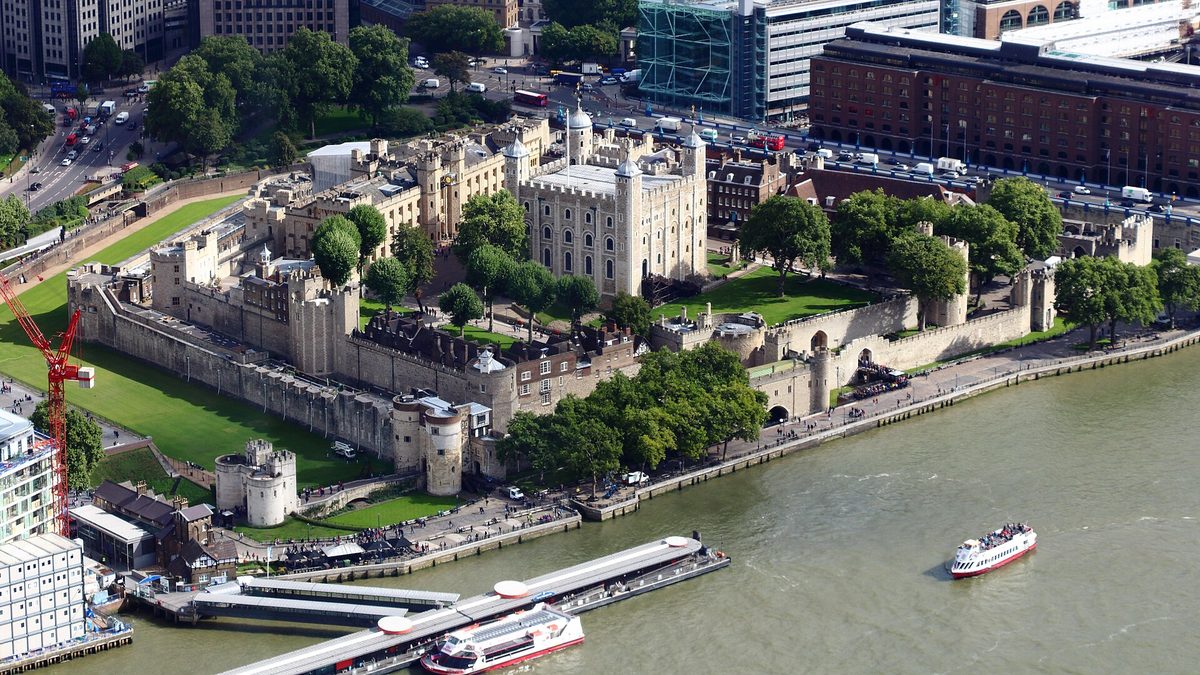
Free doesn’t mean free of everything, so let me be straight with you. The big ticketed attractions, the Tower of London, Stonehenge, Windsor Castle, the London Eye, Kew Gardens, Warner Bros. Studio Tour, do charge, and some are pricey. If those are on your list, an attraction pass can soften the blow; we weigh that up in is the London Pass worth it.
You’ll also still spend on the things around the free stuff: getting there, eating, and a roof over your head. Train fares can be the biggest cost, so book ahead and read our cheap train tickets in England guide. Eating out adds up fast; see England food costs for how to keep it reasonable. For a bed, our budget accommodation in England guide has the cheapest options. And if you’re wondering whether to leave a tip after a meal you stretched your budget to afford, tipping in England explains what’s actually expected (less than you might think).
Final Thoughts
The longer I travel England, the more I’m convinced that the free experiences are often the best ones. A museum that would cost a fortune anywhere else, a cliff path with the wind off the Atlantic, a cathedral full of evening song, a park the size of a town. None of it asks for your card. Build your trip around these, pay only for the ticketed treats you truly want, and England turns out to be far more affordable than its reputation suggests. Pair this with the wider England budget and costs hub and you’ll have a memorable trip that’s kinder to your wallet than you’d ever expect.
Research and Source Notes
- Confirmation that England’s national museums (British Museum, National Gallery, Natural History Museum, V&A, Science Museum, National Portrait Gallery, Tate, National Railway Museum) are free under the 2001 policy: Museums Association free-entry list, Centre for Public Impact, WhichMuseum, and Visit London. Special exhibitions and timed-entry booking noted from museum guidance current as of 2026.
- Free museums outside London (Ashmolean, World Museum Liverpool, Science and Industry Museum Manchester, Barber Institute, BALTIC, People’s History Museum): WhichMuseum, MuseumsUK, and regional tourism boards.
- London free attractions, parks and viewpoints (Hyde Park, Richmond Park, Hampstead Heath, South Bank, Sky Garden, Evensong): Visit London, Lonely Planet, and That Travel.
- South West coast and countryside (South West Coast Path, Whitsand Bay beaches, Eden Project outdoor gardens, Dartmoor, Polperro): VisitEngland, England’s Coast, and Crylla Cottages.
- Midlands and East green space and culture (Sutton Park, Cannock Chase, Ashmolean, Lincoln): Explore the Heart of England, Best Places to Visit, and VisitEngland.
- North England free attractions (Liverpool waterfront museums, Manchester museums, city walls): The Guide Liverpool, Visit Manchester, and Tripadvisor.
- Cathedral entry and donation policy, including which charge (York Minster, Canterbury, St Paul’s, Lincoln) versus donation-based (Durham), and free entry for worship: Yahoo News / Telegraph, Premier Christian News, Thinking Anglicans, and York Minster.
- Changing of the Guard timings, cost and 2026 schedule changes: official Buckingham Palace / Royal Collection Trust guidance and changing-guard.com.
All prices and policies are subject to change; figures and entry arrangements were checked as of 2026 and should be confirmed on official websites before you travel.
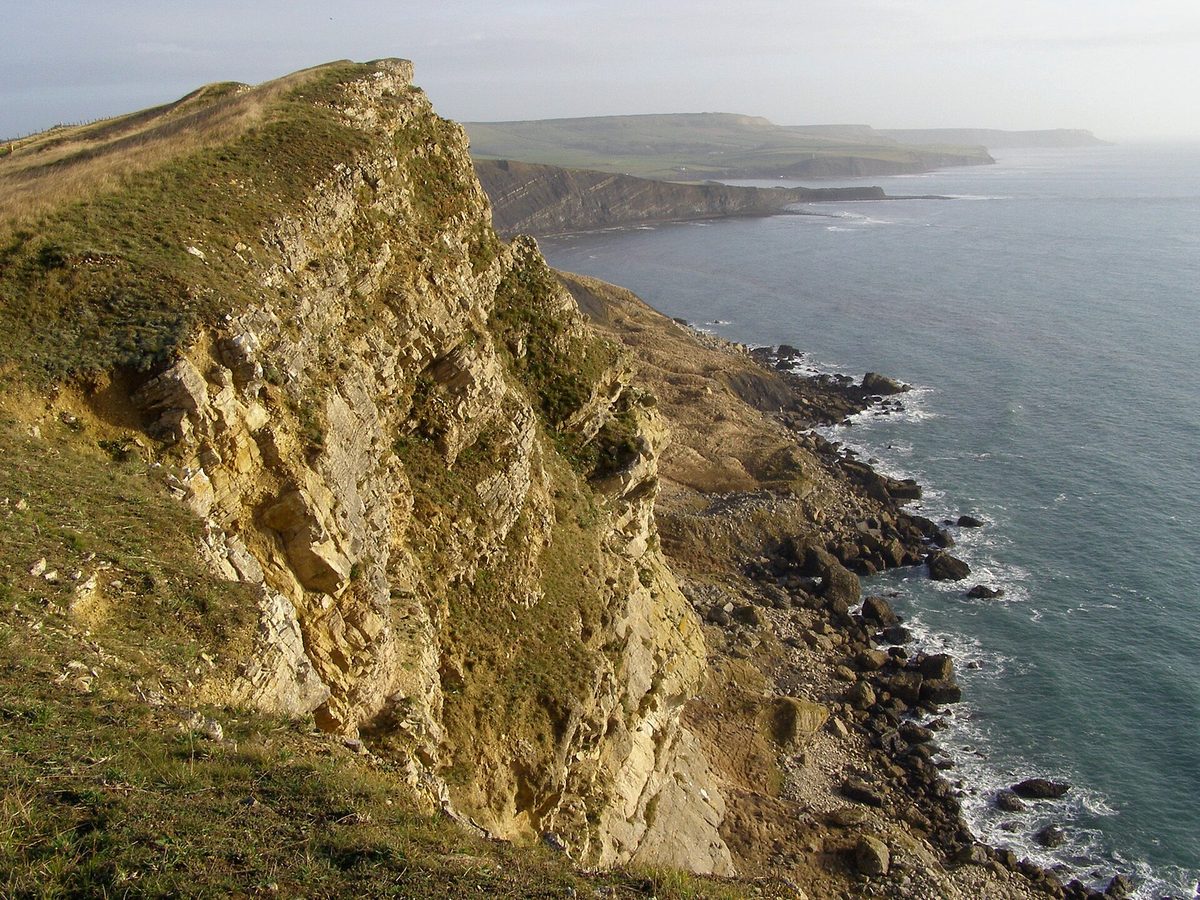
Photo Credits
- The National Gallery in Trafalgar Square, one of the best free things to do in England — Photo: Diego Delso / CC BY-SA 4.0 via Wikimedia Commons. Source
- Tate Modern on the South Bank offers free entry to its permanent collection — Photo: Txllxt TxllxT / CC BY-SA 4.0 via Wikimedia Commons. Source
- The view from Parliament Hill on Hampstead Heath, free to all — Photo: David Lucas / John Constable (CC0) via Wikimedia Commons. Source
- Durham Cathedral, a UNESCO site you can enter for a donation rather than a fixed fee — Photo: Michael D Beckwith (CC0) via Wikimedia Commons. Source
- The Jurassic Coast in Dorset, free to walk along the South West Coast Path — Photo: JimChampion / CC BY-SA 3.0 via Wikimedia Commons. Source
Frequently asked questions
Are museums in England free?
Most of England's national museums are free, including the British Museum, National Gallery, Natural History Museum, V&A, Science Museum, Tate Modern and the Ashmolean in Oxford. This covers permanent collections. Special temporary exhibitions usually charge, and some big museums ask you to book a free timed entry slot in advance (as of 2026).
What are the best free things to do in England outside London?
Outside London, head for Liverpool's free waterfront museums, Manchester's Science and Industry Museum, the Ashmolean in Oxford, the South West Coast Path, England's ten national parks, and Durham Cathedral. Nearly every major city has at least one excellent free museum, and the coast and countryside are free across the whole country.
Is it free to enter English cathedrals?
It depends. Many, like Durham, run on donations and have no fixed fee. But around one in four English cathedrals now charge for sightseeing, including York Minster, Canterbury and St Paul's (as of 2026). Every cathedral is free if you attend a service such as Evensong, which is the best way to experience them anyway.
Is the Changing of the Guard free?
Yes, the Changing of the Guard at Buckingham Palace is completely free and needs no ticket. It lasts around 45 minutes and runs on selected dates through the year, typically at 11am. The schedule changes, so check the official Royal Collection Trust or Household Division calendar, and arrive early on busy days to get a good view.
Are England's beaches and national parks free?
Yes. England's beaches are almost all free to access, and none of the ten national parks (the Lake District, Peak District, Dartmoor and others) charge an entry fee. You can walk, picnic and explore freely. You may pay for parking or a deckchair, but the landscape itself costs nothing.
Can you have a free day out in London?
Absolutely. You could visit the British Museum, walk the South Bank past Tate Modern, watch the Changing of the Guard, stroll St James's Park and Hyde Park, browse Borough Market and catch Evensong at Westminster Abbey, all without paying for a single attraction. London is one of the best cities in the world for a no-cost day.