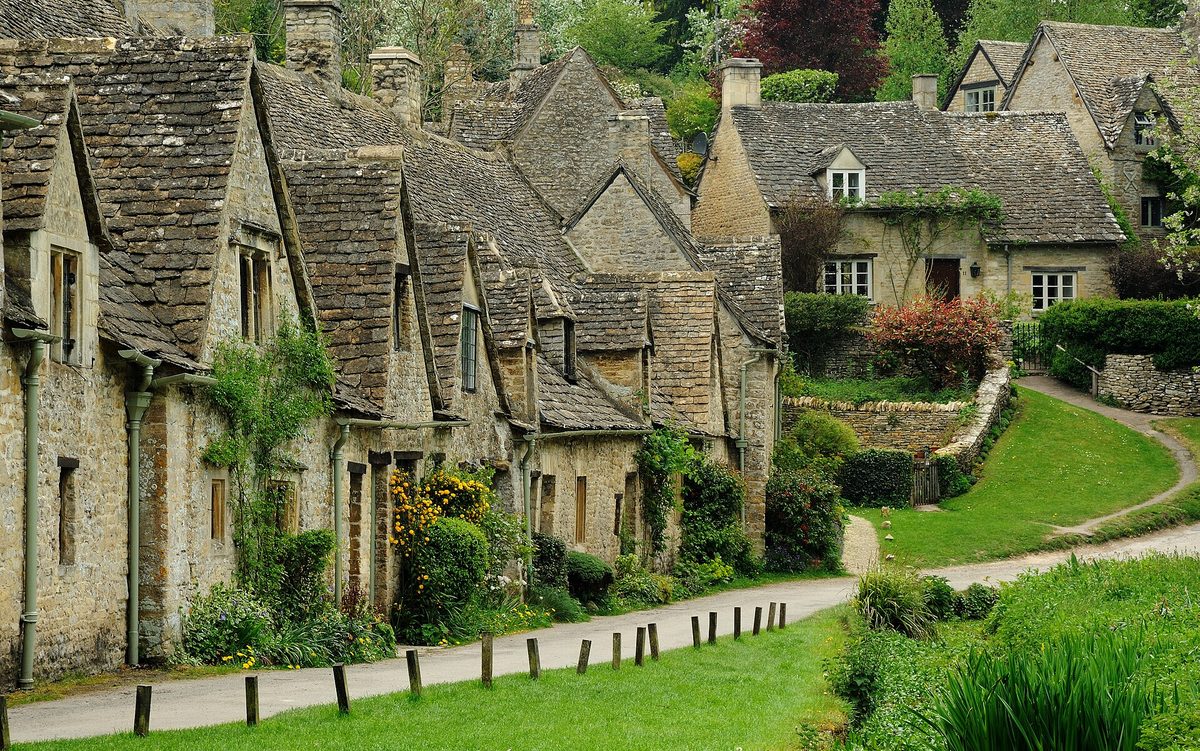
Sheet 62 · Where to Stay in England · 21 min read
England Pub Inns Guide: Staying in a Pub with Rooms
Discover pub inns in England — from historic coaching inns to modern gastropubs with rooms. What to expect, what it costs, and the best regional examples.
 Sheet 62
Contents 10 sections
The first thing I noticed, checking into a Cotswolds inn on a wet Thursday evening, was the smell: woodsmoke, old timber, hops. No hotel lobby, no laminated key card, no concierge with a practiced smile. Just a barman who looked up and said, “You’ll be wanting the room upstairs — pint while I grab the key?” That moment — that particular, unreplicable moment — is the whole reason pub inns in England exist and why people keep coming back to them.
Quick Answer: Staying in Pub Inns in England
Pub inns in England are pubs that offer overnight accommodation, ranging from simple rooms above a village local to grand historic coaching inns that have hosted travellers for four centuries. Expect en-suite rooms with real character, breakfast included as standard, real ales on tap downstairs, and a warmth that most hotels simply cannot manufacture. Nightly rates run from around £80 for a modest room to well over £300 at flagship coaching inns like the Lygon Arms in Broadway. They suit walkers, couples, history lovers, and anyone who finds the idea of a hotel breakfast deeply uninspiring compared to a full English served in a flagstone-floored bar.
If you are still deciding where in England to stay, start with our guide to where to stay in England. If you want to know which towns make the best bases, our piece on the best areas to stay in England gives you the overview. This guide is specifically about the inn experience itself — what you get, what you pay, how to find the right one.
The Inn at a Glance: Types, Costs and Best For
| Inn Type | What to Expect | Rough Nightly Cost (as of 2026) | Best For |
|---|---|---|---|
| Village local with rooms | Modest en-suite, busy bar below, hearty breakfast, very informal check-in | Around £80–£120 | Budget travellers, walkers, solo trips |
| Gastropub with rooms | Stylish bedrooms, restaurant-quality food, quiet garden, often separate room wing | Around £130–£220 | Couples, weekend breaks, foodies |
| Historic coaching inn | Characterful rooms with beams/fireplaces, courtyard or galleried layout, restaurant | Around £150–£280 | History enthusiasts, romantic breaks |
| Luxury country inn | Spa, fine dining, designer rooms, full hotel service in a pub shell | Around £250–£400+ | Special occasions, honeymoons |
| Heritage/National Trust inn | Museum-grade historic fabric, sometimes no overnight rooms, pub experience central | Variable; often similar to coaching inns | Architecture lovers, day visitors |
What Staying in a Pub Inn Is Really Like
Let me be direct about something travel guides often gloss over: staying in a pub inn is not like staying in a hotel, and that is the point.
Check-in almost always happens at the bar. There is no reception desk, no trolley for your luggage, and no one to ring for extra towels at midnight (though most will leave spares if you ask). The person handing you the key is also likely the person who will pull your pint in an hour. That informality is either the thing you love or the thing that makes you book a Premier Inn instead — and there is no shame in knowing which camp you are in.
The Rooms
Rooms in a traditional inn tend to be smaller than their hotel equivalents at the same price. What they trade in square footage, they gain in character. Expect exposed beams, uneven floorboards, sash windows that look onto the high street or a cobbled yard, and the occasional sloping ceiling that requires a ducking motion if you are over six feet tall. En-suite bathrooms are now almost universal in any inn worth staying at, but they range from tight shower rooms carved out of old storage cupboards to properly luxurious bathrooms with freestanding tubs.
The better inns — gastropubs-with-rooms that have invested properly in their accommodation — offer beds and linens that rival four-star hotels. Sawday’s and the Good Hotel Guide both inspect properties rigorously, and their recommendations rarely disappoint on sleep quality. Budget inns, particularly those in market towns catering mainly to walkers, can be more basic: clean, functional, and perfectly comfortable, but not places to linger over a dressing table.
Noise
I will not pretend this is not occasionally an issue. Rooms directly above a busy bar on a Friday night will be noisy until around 11pm. Most licensed premises must close at 11pm under English licensing law, and noise typically subsides quickly after that. Still, if you are a light sleeper, always ask when booking whether rooms are above or adjacent to the bar, or whether there is a separate building for accommodation. Many inns now have an annexe, converted stables, or a barn block set back from the pub — these give you the full inn experience without the bass frequencies coming through the floorboards.
Breakfast
This is where pub inns consistently outperform hotels of a similar price. Breakfast is almost always included and almost always cooked fresh. The full English — sausages, bacon, eggs (fried, scrambled or poached, your call), baked beans, grilled tomato, mushrooms, black pudding if you want it, toast — is not a buffet afterthought. It is made to order in the same kitchen that turned out the evening’s specials. Local sourcing is taken seriously at the better inns: a Cotswolds coaching inn will likely use eggs from a nearby farm, sausages from the village butcher, and bread from a bakery you can walk to.
The Bar
This is, after all, a pub. Downstairs, before and after dinner, you are in a public bar. Real ales — from local breweries as often as from nationals — will be on tap. The wine list at the better gastropubs-with-rooms is genuinely interesting. You will share the space with locals, dog-walkers, farmers, and the occasional other guest. This communal quality is what I find most valuable about pub stays. You learn more about a place sitting in its pub for an evening than you do from any guidebook.
Coaching Inns vs Gastropubs-with-Rooms: What Is the Difference?
These two categories overlap, but they are not the same thing, and knowing the difference helps you book the right one.
The Coaching Inn
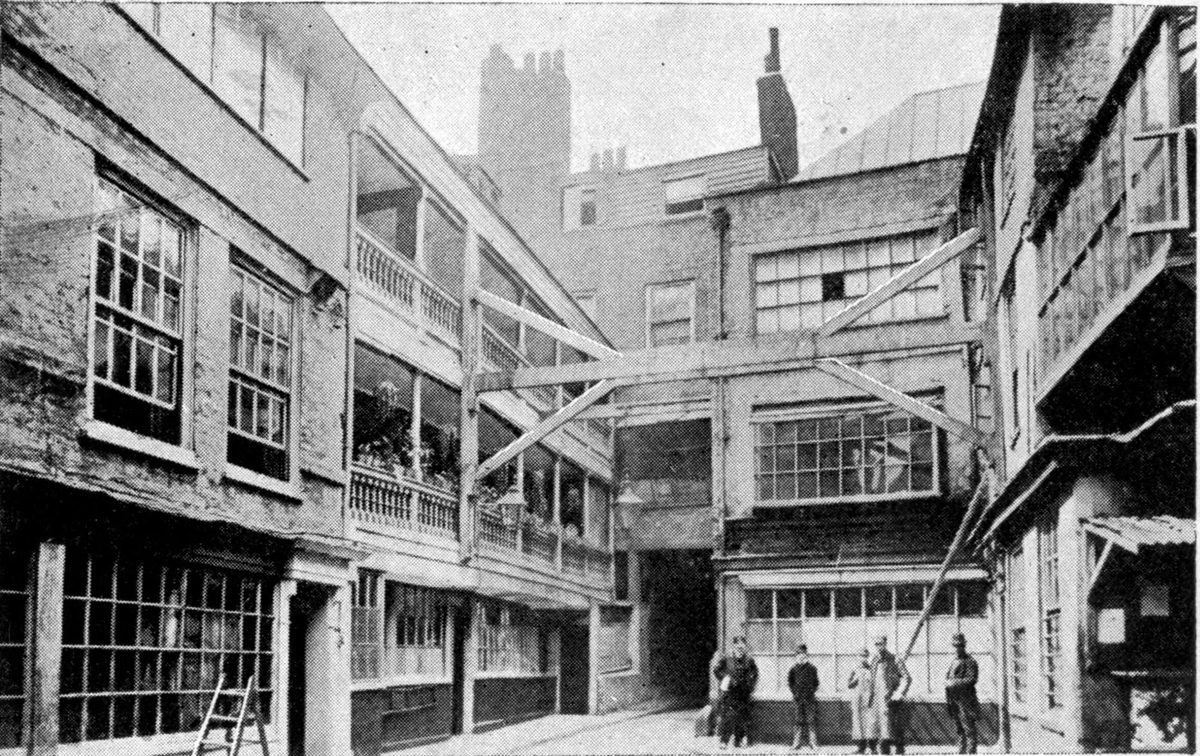
A coaching inn, in the historic sense, was a staging post for horse-drawn coaches travelling between towns. Horses were changed, travellers ate, and overnight guests slept in rooms above or around a courtyard. The galleried layout — an open courtyard with external walkways giving access to upper rooms — survives most dramatically at the George Inn in Southwark, now owned by the National Trust and one of the most visited pub buildings in England. The George dates from a rebuild in 1677, following a fire in 1676, and its courtyard was once busy with coaches heading to and from the Dover road.
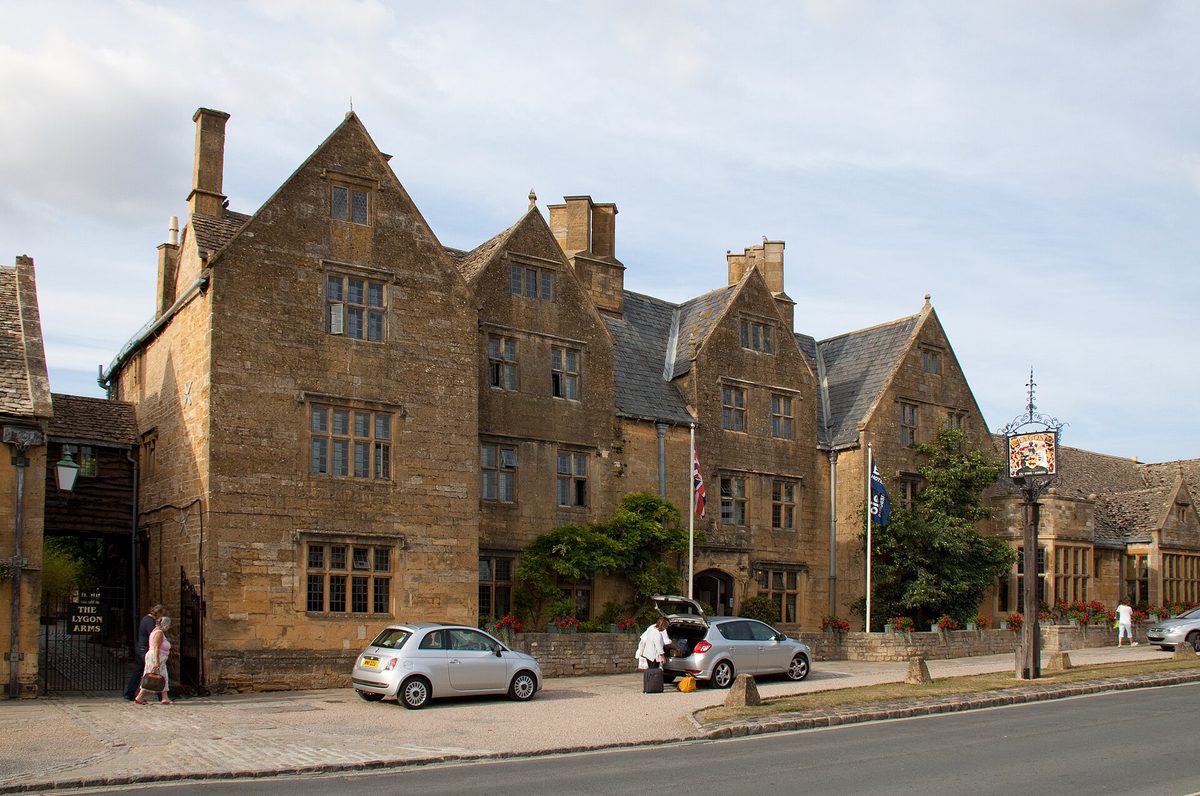
Most historic coaching inns no longer operate exactly as they did, but the bones of the building remain: the courtyard or stable yard, the galleried upper floors, the low-beamed bars that once served working travellers. Staying in one is a genuinely immersive historical experience. The Lygon Arms in Broadway, the Cotswolds, has welcomed travellers since the 16th century and has hosted Charles I. The Old Bell in Malmesbury, attached to a Norman abbey, claims to be Britain’s oldest purpose-built hotel, operating since 1220. The New Inn in Coln St Aldwyns, a 16th-century coaching inn in a quiet Cotswolds village, offers 15 luxurious bedrooms and excellent food in a setting so cinematically perfect it almost seems staged.
In Yorkshire, the White Horse and Griffin in Whitby — built in 1681, the first coaching inn on the route from Whitby to York and London — was a meeting place for Captain James Cook and William Scoresby. Booking a room there is booking a room in a building where explorers strategised about the Pacific.
The Coaching Inn Group now operates 43 properties across the UK, each restored with care for the original fabric. Their hotels in market towns like Stamford, Chester, and Shrewsbury represent a more standardised take on the coaching inn — consistent quality, reliable food, period architecture — which suits travellers who want the atmosphere without variability.
The Gastropub-with-Rooms
The gastropub-with-rooms is a more recent invention, though it borrows freely from coaching inn tradition. These are typically village or small-town pubs that have been upgraded — sometimes substantially — with a serious kitchen, a wine list, and bedrooms that feel deliberate rather than incidental. The rooms are often in a converted barn or outbuilding, physically separate from the bar, which is better for sleep. The food is the central offer; the rooms make you stay longer.
The Feathered Nest in the Cotswolds village of Nether Westcote is a good example: exceptional food, beautifully designed rooms, a working bar. The Harwood Arms in Fulham, London, holds a Michelin star and offers rooms above the pub. The Swan at Lavenham in Suffolk occupies a 15th-century building and blends an outstanding kitchen with rooms that feel properly luxurious without tipping into hotel anonymity.
The key distinction is this: a coaching inn sells you history and atmosphere first, comfort second. A gastropub-with-rooms sells you food and comfort first, character second. The best ones manage all three simultaneously. But if you are choosing between them, ask yourself whether you are primarily a hungry foodie or a history obsessive — the answer usually points clearly at one type.
What Pub Inns Cost and How to Book One
Prices
Expect to pay around £80–£120 per night for a modest room in a village pub, including breakfast. A solid gastropub-with-rooms in the Cotswolds or Yorkshire Dales will run around £130–£200, again with breakfast. A prestigious coaching inn at the calibre of the Lygon Arms starts around £250–£270 per night and climbs steeply in summer and on weekends. Jamaica Inn in Cornwall — famously connected to the Daphne du Maurier novel — is notable for its accessibility, with rooms starting at around £60–£80 per night, though it sits at the more atmospheric-than-luxurious end of the scale.
Prices vary significantly by season. Summer weekends, bank holidays, and school holidays push rates up. Midweek stays in October or February can be 20–30 percent cheaper than a Saturday night in July. If a specific inn is on your list, book well in advance for summer; less so for a midweek winter escape, where last-minute availability is common.
How to Book
The major booking platforms — Booking.com, Expedia — list most larger inns. For smaller, independent properties, always check the inn’s own website first: direct bookings often come with slightly better rates, flexibility on cancellation, or a complimentary amenity.
Curated collections are worth knowing about:
Sawday’s (sawdays.co.uk) inspects properties personally and curates a reliable shortlist. Their pubs-with-rooms section is particularly good for finding places that are characterful without being tired.
Stay in a Pub (stayinapub.co.uk) specialises in pub accommodation specifically, from budget village pubs to boutique coaching inns.
Good Hotel Guide (goodhotelguide.com) is the most rigorous in its editorial standards. Their gastropub-with-rooms selections are reliably excellent.
Great Inns of Britain (greatinns.co.uk) is a hand-picked collection of traditional coaching inns and small independent luxury hotels with documented historical credentials.
Always read the property’s small print on check-in times. Many inns operate unmanned front desks after a certain hour; if you are arriving after 7pm on a Friday, call ahead or you may find the building locked with a key-safe code that nobody remembered to send you.
Dogs, Families and Accessibility
Dogs
This is perhaps where pub inns have the clearest advantage over any other accommodation type in England. The majority of pubs with rooms are dog-friendly — in bar, in dining room, and in bedroom. Real dog-friendliness means a water bowl, a blanket, and a biscuit at check-in; many inns in walking country provide maps of local walks and designated drying rooms for wet coats and muddy paws. The Good Hotel Guide maintains a useful dedicated list of dog-friendly pubs with rooms.
If you are travelling with a dog, pub inns are almost always the right choice. For more on planning a trip with dogs, our guide to England vacation rentals covers self-catering options that are often fully pet-accessible too.
Families
Families are welcome at most inns, though the experience varies. A gastropub with rooms attached to a serious restaurant may feel child-unfriendly after 7pm. A coaching inn with a large courtyard and a menu that runs to fish and chips is likely to be perfectly accommodating. Always check the inn’s policy on under-16s in the bar area: licensing law leaves this to the licensee, and some pubs restrict children in the bar after a certain hour.
Cots and family rooms are available at larger inns; smaller village pubs with three or four rooms may have only double or twin configurations. For dedicated family-focused accommodation recommendations, our guide to family-friendly hotels in England covers properties specifically suited to travelling with children.
Accessibility
Historic buildings present real challenges. Uneven floors, steep staircases, narrow doorways, and multi-level layouts are endemic to older coaching inns. Most properties list their accessibility in detail online; look for ground-floor rooms, step-free entrances, and wet-room bathroom configurations. The Coaching Inn Group and larger independent operators tend to have at least one accessible room per property. Always call ahead rather than relying solely on website information, as the physical reality of an old building is sometimes difficult to communicate clearly in a listing.
Pub Inns Region by Region
England has pub inns everywhere — the tradition is national. But certain regions have concentrations of particularly good ones, shaped by geography, history, and the prosperity that once drove coaching routes.
The Cotswolds
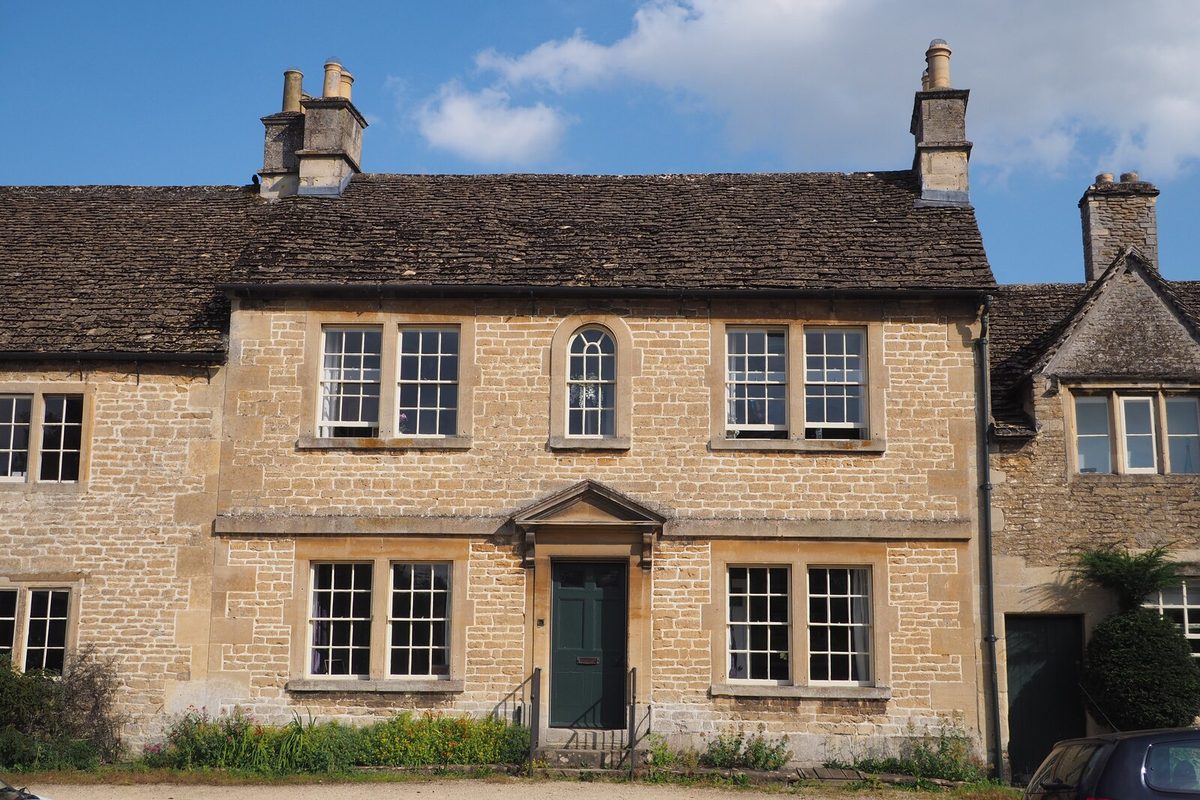
The Cotswolds is the heartland of the classic English coaching inn. The honey-stone villages, the wool-trade wealth, and the old road network between London and the West Country combined to produce a remarkable density of historic inns. The Lygon Arms in Broadway is the most famous — 86 rooms, a spa, two restaurants, and the kind of history that requires its own timeline on the website. At the other end of the scale, the New Inn at Coln St Aldwyns is intimate, serious about food, and set in a village so quiet that the main sound after 9pm is the river.
For anyone using an inn as a base for exploring the villages, our guide to the best towns to stay in the Cotswolds sets out the location logic. Our Cotswolds pubs and tea rooms piece goes deeper on the food and drink culture, and our best Cotswolds villages guide names the settlements worth orienting your trip around.
The Lake District
The Lake District has a pub-inn culture shaped entirely by walkers. These are inns built for people who have spent a day in the hills and need a pint, a hot shower, a serious supper, and somewhere to dry their boots overnight. The Pheasant Inn near Bassenthwaite Lake, a traditional coaching inn surrounded by gardens and backed by fells, is one of the best: genuinely remote-feeling, quietly luxurious, with a bar that smells of woodsmoke and wet Labradors. The Sun Inn at Kirkby Lonsdale — on the edge of the Lakes and Dales — is a 17th-century wood-beamed inn popular with walkers, with an award-winning kitchen.
Our Lake District travel guide covers the walking context and the region’s best bases, and our best places to stay in the Lake District includes inn-based options alongside hotels and self-catering.
Yorkshire
Yorkshire has some of the most atmospheric coaching inn stays in England, particularly in the Dales. The Blue Lion at East Witton in Wensleydale is frequently cited — a deeply traditional Dales inn with beams, open fires, and rooms that feel genuinely old rather than themed. The Lister Arms at Malham, positioned at the foot of Malham Cove, sends you out into some of England’s most dramatic limestone landscape in the morning, then draws you back with real ales and local lamb for dinner. The Punch Bowl Inn at Low Row in Swaledale offers 11 rooms and views that justify the cost before you even eat.
For the coast, Whitby’s White Horse and Griffin connects you to Captain Cook’s England — walk the 199 steps to Whitby Abbey in the morning, spend the evening in a bar where Cook himself once sat.
The South and East
Suffolk’s inn culture is centred on its market towns and wool villages. The Swan at Lavenham is the standout: a 15th-century timbered inn in a village that is itself a kind of open-air museum of medieval wool-trade prosperity. Rooms are luxurious and the food matches. Budget more than you think you need.
In London, the George Inn in Southwark is the essential visit. National Trust-owned since 1937, the only surviving galleried coaching inn in London, it dates from a 1677 rebuild and was known to Shakespeare, Dickens, and Samuel Johnson. You cannot currently stay overnight — it operates as a pub only, leased to Greene King — but as a window into what coaching inns once were, there is nothing that comes close. Drink a pint in the courtyard on a summer evening and you are, genuinely, standing in four centuries of English history.
Cornwall and the South West
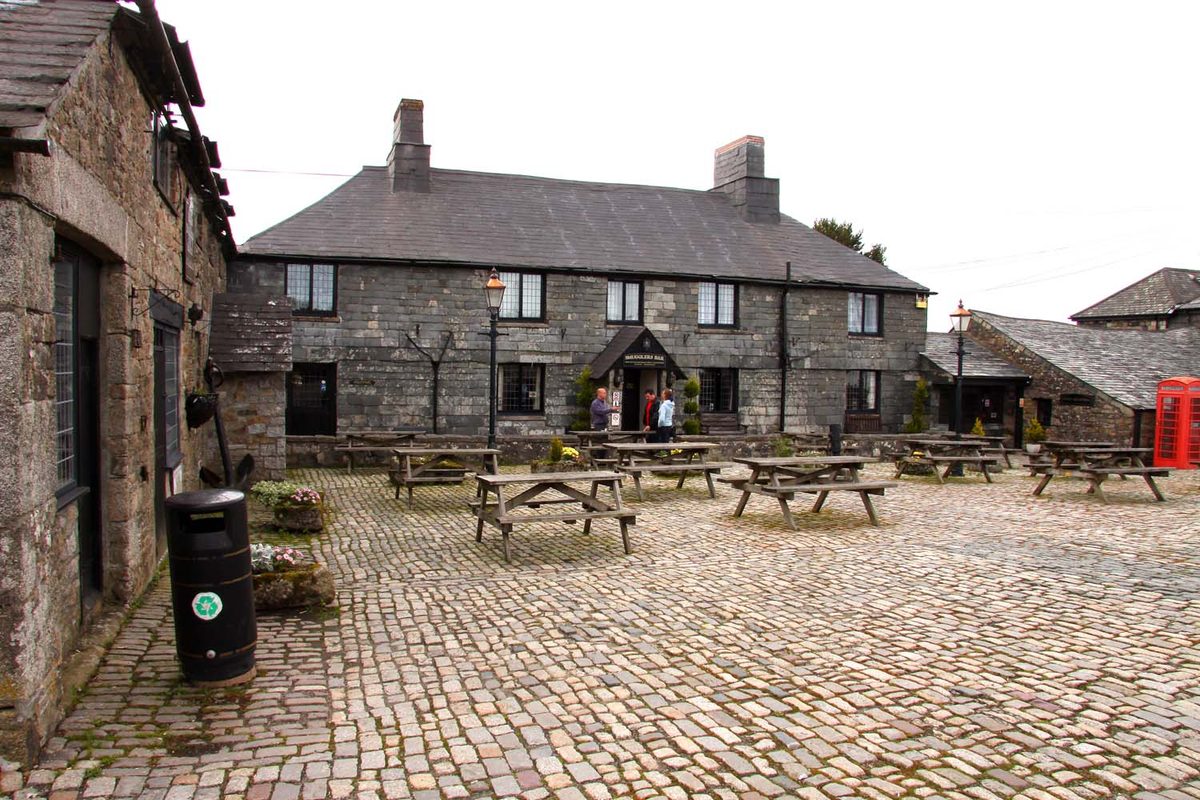
Cornwall’s contribution to the pub inn story is atmospheric rather than luxurious. Jamaica Inn on Bodmin Moor — the real one, not the television dramatisation — sits where Daphne du Maurier placed it: isolated, windswept, and bristling with stories about 18th-century smugglers. Rooms start at around £60–£80 per night, making it one of the more affordable overnight experiences with genuine literary heritage. The location, high on the moor near Bolventor, is stark and beautiful in entirely un-Cotswolds ways.
For a broader view of the South West, our Cornwall and Devon travel guide covers the region’s accommodation landscape, and best seaside towns to stay in England includes coastal inn options along both coastlines.
The Food and Drink Dimension
You cannot separate a pub inn stay from its food. The pub’s kitchen is the gravitational centre of the whole experience, and the best inns build their reputation on it. This is not hotel dining where food is an afterthought; it is the point.
Real ales are the baseline. A pub inn worth its name will have at least two or three cask ales, typically from regional breweries — Cotswold Brew Co if you are in Gloucestershire, Theakston if you are in Yorkshire, St Austell Brewery if you are further south and west. Ask the barman what is good; you will get a more interesting answer than the beer menu provides.
Wine lists at gastropubs-with-rooms have improved dramatically over the past decade. Many now carry genuinely interesting bottles, often from smaller producers, at prices that feel fair rather than punishing. The food itself — when you are at one of the better inns — is seasonal, locally sourced, and cooked with real skill. The idea that pub food means microwaved lasagne has not been true for the best English inns for a long time.
For context on food culture more broadly, our guide to England food pubs and afternoon tea covers the pub dining landscape in detail.
Planning Your Trip: What to Know Before You Book
A few practical notes drawn from experience rather than marketing copy.
Book directly when you can. The inn’s own website frequently offers slightly better rates, flexible cancellation, and sometimes small extras — a bottle of wine in the room, a late checkout. OTA commissions are high; independent inns prefer direct business.
Ask about parking. Coaching inns in market towns often lack private parking. Many have arrangements with nearby car parks, but it is worth confirming. Village inns usually have a car park or at least a large verge.
Confirm check-in times. Most inns have unmanned reception after the bar closes. Arriving at midnight and finding a key-safe is fine if you have the code; less fine if you do not. Call ahead for any arrival after 8pm.
Weekday pricing. If your schedule allows, midweek stays at the same quality of inn can run meaningfully cheaper. A room that costs £220 on Saturday night in July may be available for £145 on a Tuesday in October.
Travelling in the Cotswolds or Lake District? These are the two regions where inn demand most consistently outpaces supply in summer. Book two to three months ahead for peak weekends. The most beautiful villages in England tend to cluster around the same areas, and inn rooms in or near them go fast.
For general trip planning, our England travel tips piece covers practical logistics, and our guide to England trip costs gives realistic budget frameworks for different accommodation tiers.
Final Thoughts
I have slept in enough pub inns across England to have a clear opinion on them: they are, at their best, the most satisfying form of English accommodation available. Not the most luxurious, not always the quietest, not the most consistent — but the most placed. You sleep in a building that is rooted in a particular community and landscape in ways that no branded hotel ever is. The barman knows the local walks. The landlady knows which farmer supplies the eggs. The fire in the bar was lit by someone who lit it last night, and the night before that.
The coaching inn tradition is one of England’s genuine contributions to travel culture. It pre-dates the hotel, pre-dates the motel, and will likely outlast both. When a 17th-century Yorkshire innkeeper put a traveller up for the night, changed their horses, and sent them on their way in the morning, they were doing something not fundamentally different from what the Lister Arms at Malham does today. The continuity is real, and you can feel it in the fabric of the buildings and in the grain of the wood at the bar.
If you are new to pub inns in England, start somewhere with a specific hook: a famous name, a famous location, a particular literary or historical connection. Jamaica Inn for the du Maurier atmosphere. The New Inn at Coln St Aldwyns for the Cotswolds perfection. The Sun Inn at Kirkby Lonsdale as a base for walking the Dales and Lakes. Then trust the experience to do the rest. By day two, you will understand what all the fuss is about.
For help with the broader trip, our parent guide to where to stay in England covers all accommodation types and can help you build the right itinerary. And for your eating and drinking beyond the inn itself, England food pubs and afternoon tea is the natural companion to this guide.
Research and Source Notes
The information in this guide draws on the following sources, all cross-referenced against current booking platform data. All prices are hedged as estimates as of 2026 and subject to change.
Historic inns and National Trust:
– The George Inn, Southwark: National Trust ownership confirmed via Historic England listing (Grade I) and National Trust records. Pub currently operated by Greene King. No overnight accommodation.
– The Old Bell, Malmesbury: claimed Britain’s oldest purpose-built hotel, operating since 1220 adjacent to Malmesbury Abbey.
– The White Horse and Griffin, Whitby: built 1681, documented association with Captain Cook and William Scoresby.
Booking and curation platforms consulted:
– Sawday’s (sawdays.co.uk) — pubs with rooms section
– Good Hotel Guide (goodhotelguide.com) — gastropub and dog-friendly selections
– Stay in a Pub (stayinapub.co.uk) — national pub accommodation directory
– Great Inns of Britain (greatinns.co.uk) — coaching inn collection
– Coaching Inn Group (coachinginngroup.co.uk) — 43 UK properties
– English Country Inns (english-inns.co.uk) — regional directories
Price estimates (as of 2026, subject to variation by season and availability):
– Village pubs with rooms: around £80–£120 per night including breakfast
– Gastropubs with rooms: around £130–£220 per night including breakfast
– Coaching inns (mid-tier): around £150–£280 per night
– Luxury inns (Lygon Arms, Broadway): from around £250–£270 per night; Expedia and Booking.com data consulted
– Jamaica Inn, Cornwall: from around £60–£80 per night; Booking.com and Tripadvisor data consulted
VisitBritain general guidance on pub accommodation culture and expectations.
All prices are approximate and should be verified directly with the property or booking platform at the time of reservation. Weekend and peak-season rates are typically 20–40% higher than midweek off-peak rates.
Photo Credits
- The George Inn, Southwark — England’s only surviving galleried coaching inn and a National Trust property, the definitive pub inns in England experience — Photo: not stated (CC0) via Wikimedia Commons. Source
- The Lygon Arms in Broadway, a 16th-century Cotswolds coaching inn that has hosted Charles I — among England’s finest country inns — Photo: Tony Hisgett from Birmingham, UK / CC BY 2.0 via Wikimedia Commons. Source
- Jamaica Inn on Bodmin Moor in Cornwall, the atmospheric inn made famous by Daphne du Maurier, offering overnight rooms with moorland views — Photo: Steve Daniels / CC BY-SA 2.0 via Wikimedia Commons. Source
- The Bell Inn at Lacock, Wiltshire — a village owned almost entirely by the National Trust, where the inn and the streetscape feel indistinguishable from a film set — Photo: Jennifer Petrie / CC BY-SA 2.0 via Wikimedia Commons. Source
- Castle Combe, Wiltshire — one of England’s most photographed villages, home to the Manor House Hotel and the White Hart Inn, both offering pub inn stays in a setting of exceptional beauty — Photo: Ray Bird / CC BY-SA 2.0 via Wikimedia Commons. Source
Frequently asked questions
What exactly is a pub inn in England?
A pub inn is a public house that also offers overnight accommodation — a tradition stretching back to the medieval period. Historically, inns provided beds for travellers and stabling for horses. Today the term covers everything from a simple village local with three rooms to a grand historic coaching inn with dozens of bedrooms, a restaurant, and a spa. The defining feature is always the pub itself: a working bar, open to locals and guests alike, at the heart of the property.
Are pub inns cheaper than hotels?
At the lower end, yes — a room in a village pub can cost around £80–£100 per night with breakfast included, which represents excellent value. At the luxury end, flagship coaching inns can match four-star hotel prices. The real value argument is not just price but what you get for the money: character, a full cooked breakfast, real ale on tap, and a sense of place that standard hotels cannot replicate. For budget travellers, pubs with rooms consistently offer more personality per pound than budget hotel chains.
Are dogs allowed in pub inns in England?
Most pub inns in England welcome dogs, and many actively cater to them with water bowls, dog beds, and walking maps. Specific policies vary — some inns allow dogs in all areas including the dining room, while others restrict them to the bar or certain bedrooms. Always confirm the exact policy when booking. Dog-friendly pubs with rooms are particularly abundant in walking regions like the Lake District, Yorkshire Dales, and the Cotswolds, where dogs are as much a part of the landscape as dry-stone walls.
What is the difference between a coaching inn and a gastropub with rooms?
A coaching inn is a historic building originally designed to serve horse-drawn coach travellers, typically featuring a courtyard layout, galleried upper floors, and rooms that have evolved over centuries. A gastropub with rooms is a more modern concept — a pub that has invested seriously in its kitchen and added well-designed accommodation, often in a converted outbuilding. Coaching inns sell history and atmosphere primarily. Gastropubs-with-rooms sell food quality and design comfort. Many excellent inns today combine both, occupying historic buildings while running Michelin-recommended kitchens.
How do I find the best pub inns in England?
The most reliable sources are Sawday's (sawdays.co.uk), the Good Hotel Guide (goodhotelguide.com), Great Inns of Britain (greatinns.co.uk), and Stay in a Pub (stayinapub.co.uk). All four inspect properties independently and curate rather than simply list. For specific regions, the best areas to stay in England and location-specific guides on this site will point you to inn-rich areas. Always read recent guest reviews on Tripadvisor or Booking.com alongside editorial recommendations — a great inn with a new chef or management change can shift quickly in either direction.
Do pub inns always include breakfast?
The vast majority of pub inns include breakfast in the room rate, and it is one of the genuine selling points. Expect a full cooked English breakfast made to order: sausages, bacon, eggs your way, toast, baked beans, grilled tomato, mushrooms, and black pudding as an option. Some properties also offer lighter options — yoghurt, granola, fruit, toast. Continental-only breakfast is unusual and, if offered, should probably count against the property in your assessment. A good inn breakfast, made with locally sourced ingredients, is one of the reliable pleasures of English travel.