Sheet 71 · England Road Trips · 16 min read
10 Day England Road Trip Itinerary
A first-timer's England road trip itinerary 10 days long, with real drive legs, overnight bases, what to see, and how to flex it for kids or winter.
 Sheet 71
Contents 11 sections
The first time I drove a loop of England, I made the mistake every guidebook quietly encourages: I tried to fit too much into too few days, and spent more of the trip looking at the back of a lorry on the M5 than at anything worth crossing an ocean for.
This is the route I wish someone had handed me instead.
If you want one clear England road trip itinerary 10 days long, this is it: a single, sensible self-drive loop from London through the Cotswolds, Bath, the Lake District, and York, then back to London, with each day’s driving leg, where to sleep, and what to actually see. It is built for a first-timer, it does not backtrack, and it leaves room to breathe.
I will give you the master route day by day, an at-a-glance table you can screenshot, two variant routes if this one does not fit your trip, and honest notes on how to flex it slower, faster, with kids, or in winter. Where you need deeper regional detail or raw distance tables, I will point you to the right place rather than padding this out.
Quick Answer: The Best England Road Trip Itinerary 10 Days Long
For a first England road trip itinerary 10 days in length, drive a loop: London to the Cotswolds, down to Bath and Stonehenge, then north to the Lake District, across to York and Yorkshire, and back to London. Keep daily drives to roughly two to three hours, sleep in three or four bases rather than a new bed each night, and book Stonehenge and popular inns ahead. It is enough time to see England’s greatest hits without living in the car.
A few ground rules before the day-by-day, because they are what separate a good trip from an endurance event.
I would not pick up a car in central London. Pick it up on your way out, or take a train to your first base and rent there. London driving and parking are miserable, and you will not use a car in the city anyway. For the why and how, the car rental guide covers pickup points, automatics, and insurance, and if you are American, read driving in England for Americans before you touch a roundabout.
I also try to keep most legs under about three hours of actual driving. The map lies. England is small, but its roads are busy, and a “two hour” drive on paper can become three with one accident or one slow stretch of single carriageway. For the real numbers between towns, the driving distances in England reference is more precise than anything I will hedge at here.
This whole itinerary is one branch of the wider England road trips planning hub, which is where I would start if you are still deciding whether to drive at all, or for how long.
The 10-Day Route At A Glance
Here is the full loop. Miles and drive times are approximate and door-to-door optimistic, so pad them. I have rounded honestly.
| Day | Route | Approx Miles | Overnight |
|---|---|---|---|
| 1 | London to the Cotswolds (via Oxford) | 75 mi | Cotswolds |
| 2 | Cotswolds villages loop | 30-40 mi | Cotswolds |
| 3 | Cotswolds to Bath (via Stonehenge) | 90 mi | Bath |
| 4 | Bath day (city, no big drive) | 5-15 mi | Bath |
| 5 | Bath to the Lake District (via a midpoint) | 230 mi | Lake District |
| 6 | Lake District (Windermere, Grasmere) | 30-50 mi | Lake District |
| 7 | Lake District to York | 120 mi | York |
| 8 | York city day | 5-10 mi | York |
| 9 | Yorkshire Dales or Moors loop from York | 80-120 mi | York |
| 10 | York back to London | 215 mi | London / depart |
Total driving across ten days lands somewhere around 1,150 to 1,250 miles. That sounds like a lot. Spread over ten days, with two near-zero driving days built in, it is very manageable. The two long legs are Day 5 and Day 10, and I will tell you how to soften both.
Days 1-2: London To The Cotswolds
You will want to leave London later than you think and arrive more tired than you expect, so I keep Day 1 short and forgiving.
Collect the car somewhere sensible, west of the centre or out near Heathrow, and aim for the Cotswolds with a stop in Oxford. Oxford is about an hour out and makes a natural leg-stretch: park at a Park and Ride, wander the colleges for a couple of hours, grab lunch, then carry on. From Oxford it is another forty-five minutes or so into the southern Cotswolds. Call it 75 miles and around two hours of driving for the whole day, plus however long you linger in Oxford.
For a first night I would base myself somewhere central to the villages: Stow-on-the-Wold, Bourton-on-the-Water, or Burford if you want it pretty and walkable. Book two nights here so you are not packing up in the morning.
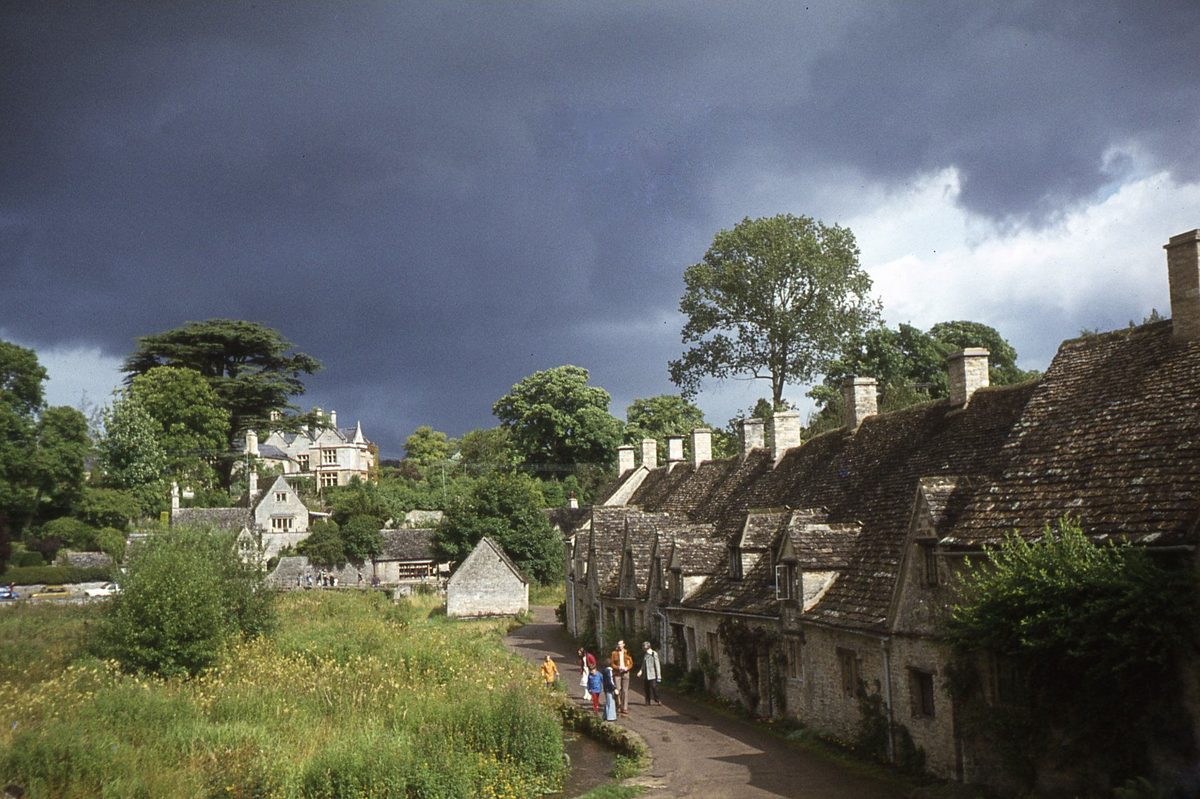
Day 2 is the day you actually slow down. No long drive, just a loop of the villages, which is the entire point of the Cotswolds. Bibury and its row of weavers’ cottages, Bourton’s little river and bridges, the Slaughters (Lower and Upper, joined by a footpath), Chipping Campden’s honey-coloured high street. It is thirty or forty miles of pottering, not a route march.
This is where I lean hard on the regional guides rather than repeating them. For exactly which villages are worth your limited time and which to skip, see the Cotswolds road trip and the broader Cotswolds travel guide. Both go far deeper than I can here.
Days 3-4: Cotswolds To Bath, Via Stonehenge
Day 3 is one of my favourite driving days in England because it strings together three completely different things.
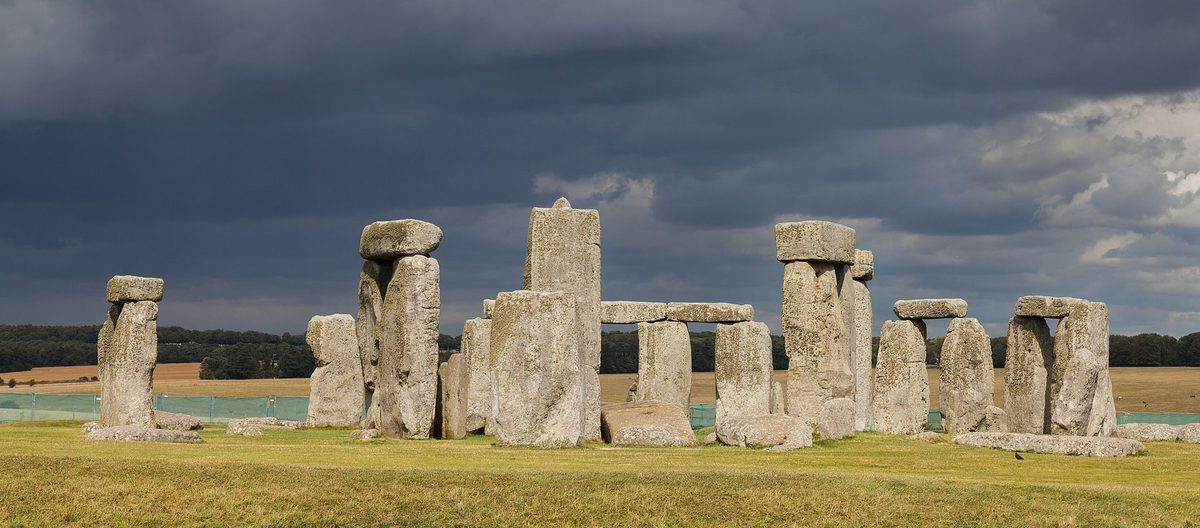
From the Cotswolds, head south toward Salisbury Plain and Stonehenge. The drive down is roughly an hour and a half. Stonehenge needs a word of warning: as of 2026 it is timed entry and you must book in advance. National Trust and English Heritage members get in free but still have to reserve a slot. Adult tickets sit around the £25 to £30 mark, a little cheaper booked online ahead. Book a mid-morning slot, give it an hour or so including the visitor centre and shuttle, and do not expect to walk among the stones on a standard ticket. The official details are on the English Heritage site, and the Stonehenge visitor guide walks through the ticketing if you want the full version.
From Stonehenge it is under an hour on to Bath. Total day: around 90 miles, very doable, with the two stops doing the heavy lifting.
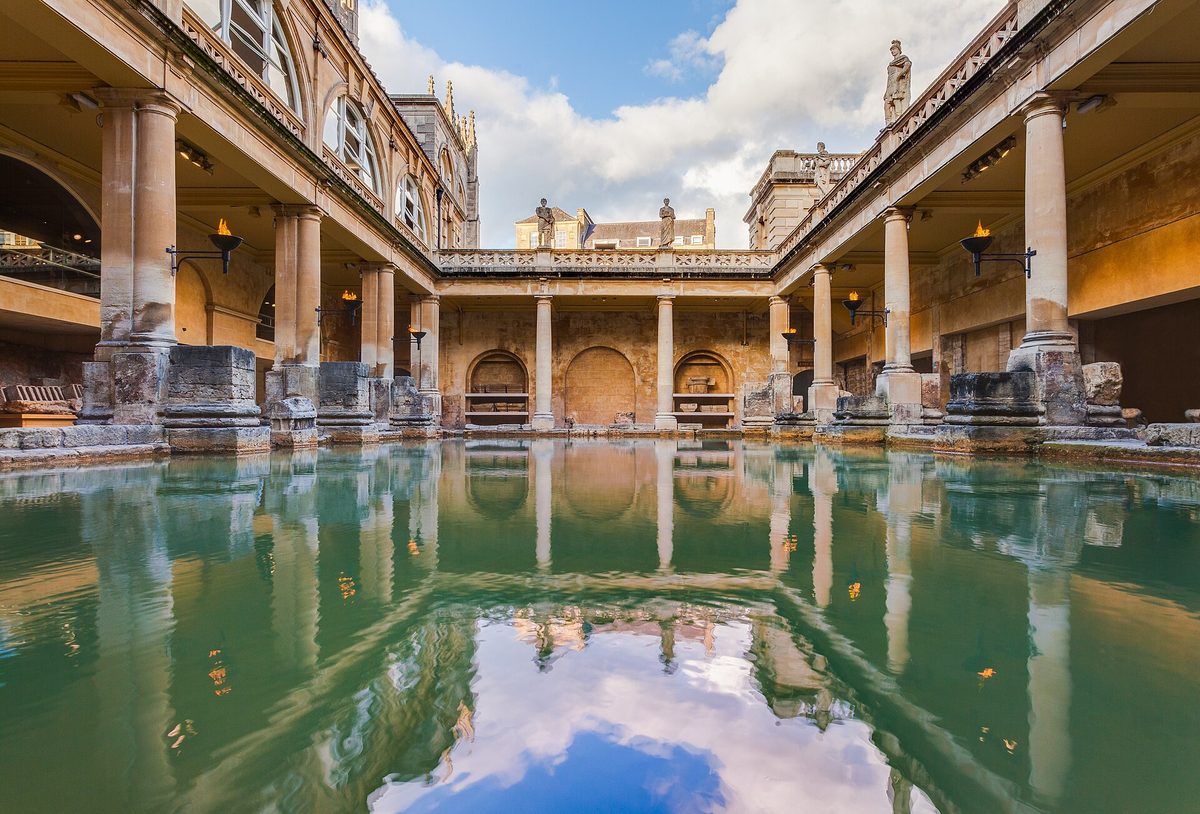
Bath earns two nights and a full Day 4 with no real driving. Park the car at your hotel or a Park and Ride and leave it there. The city is compact and walkable: the Roman Baths, the Abbey, the Royal Crescent and the Circus, Pulteney Bridge, and a proper afternoon tea if that is your thing. It is one of the few places on this loop where the car is a liability rather than a help. For where to stay and how to time the Roman Baths to dodge crowds, see the Bath travel guide.
If you have read ahead and noticed this loop skips Cornwall and Devon entirely, that is deliberate. They are wonderful and they are also a long way southwest of here. Fitting them into ten days means cutting the north. I will cover that trade-off in the variants below.
Day 5: Bath To The Lake District
This is the long one. There is no way to pretend otherwise.
Bath to the Lake District is around 230 miles and, realistically, five to six hours of driving once you factor in the M5 and M6 and at least one proper break. The motorway does most of the work, which makes it tedious rather than difficult. Leave earlier than feels civilised.
My strong advice: break it. The drive is far nicer with a midpoint stop, and you have good options roughly halfway. The Lake District itself is the obvious magnet, but consider pausing somewhere around the Midlands or the Welsh borders for lunch and a leg-stretch. Even a service-station-and-coffee discipline of stopping every ninety minutes makes a real difference to how you feel arriving.
Where to sleep in the Lakes depends on your style. Windermere and Bowness are the easy, well-connected bases with the most beds and the most restaurants. Ambleside is a touch quieter and well placed for walking. Keswick, further north, is my personal favourite for scenery but adds driving time. For two nights I would lean Windermere or Ambleside for the first trip. The where to stay in England guide has a section on Lakes bases if you want to compare.
You will arrive on Day 5 tired. That is fine. The point of the early start is to have the evening, not to do anything ambitious with it. Find your inn, eat well, sleep.
Day 6: The Lake District
No long drive today. This is your second built-in slow day, and the Lakes reward it.
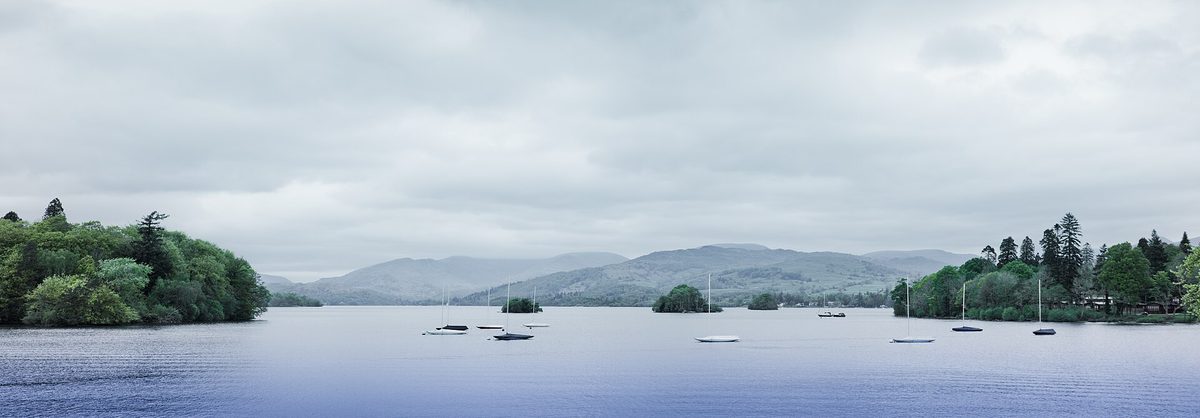
A first-timer’s Day 6 might look like this: a morning at Windermere, England’s largest lake, with a boat cruise if the weather plays along; then up to Grasmere for Wordsworth’s Dove Cottage and, frankly, the gingerbread; then a wander or an easy fell walk depending on your legs and the sky. The driving is short, thirty to fifty miles, but the roads are narrow and the car parks fill early, so move in the morning and relax in the afternoon.
A real word on weather, because it matters here more than anywhere else on the loop. The Lake District is the wettest corner of England, and a grey, drizzly day is not a failed day, it is a normal one. Have an indoor fallback ready. The Lake District road trip and the full Lake District travel guide both go deep on which passes are worth driving, which walks suit which weather, and how to time the honeypots. If you fall hard for the place, this is the region I would steal a day from elsewhere to extend.
If you are travelling with kids, this is also the day they will remember: boat trips, gingerbread, and space to run. More on the family version below.
Days 7-9: The Lake District To York And Yorkshire
Day 7 is a gentle driving day after the long haul north. Lake District to York is around 120 miles and roughly two and a half hours, mostly across the top of the country on decent roads. You could break it at the edge of the Yorkshire Dales if you fancy, but it is short enough to do in one go with a coffee stop.
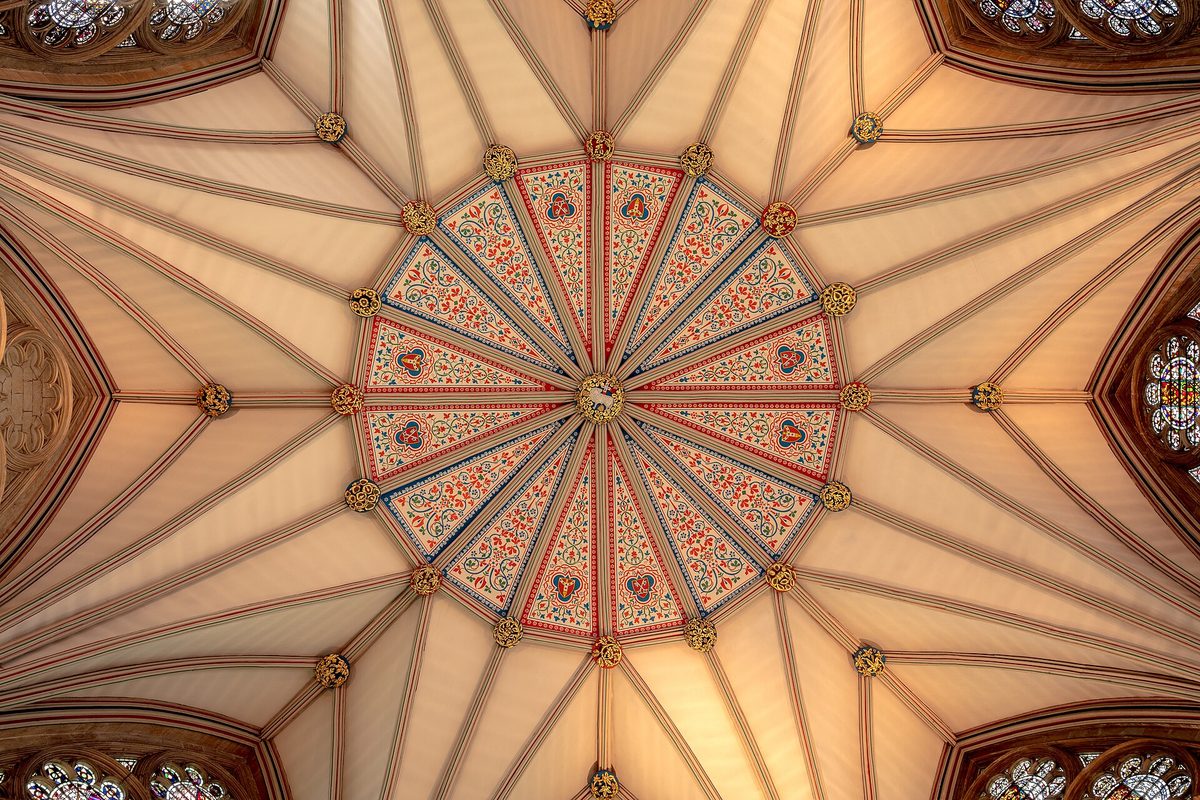
York is the prize at this end of the loop, and it earns two nights. Park the car at a Park and Ride on the ring road and do not move it until you leave: the city walls, the Minster, the Shambles, the National Railway Museum, the snickelways. It is one of England’s great walking cities and a car inside it is pure friction. Day 8 is a full city day on foot.
Day 9 is your flex day, and I would use it to get back out into the countryside. From York you can loop into either the Yorkshire Dales or the North York Moors and be back by evening, eighty to a hundred and twenty miles of genuinely lovely driving: stone walls, sheep, tea rooms, the odd abbey ruin. If you want a target, the Dales around Malham or the Moors toward Whitby both make satisfying day loops. The Yorkshire road trip and the wider north England road trip lay out specific routes for this day far better than a paragraph can.
If you would rather not drive on Day 9, do not. York has enough to fill a third day, and a rest day before the long Day 10 leg is no bad thing.
Day 10: York Back To London
The loop closes with the second long leg: York to London, around 215 miles and roughly four hours on the A1(M) and M1, traffic depending.
Be honest with yourself about timing. If you have a flight, build in a serious buffer, because the approach to London and the area around Heathrow can swallow an hour without warning. I would aim to be moving by mid-morning at the latest, and I would not schedule an evening departure that depends on everything going right.
If your flight is the next day, even better. Drop the car somewhere sensible on the edge of London or at the airport, take the train or the Tube into the centre, and spend a final night in the city you skipped at the start. Returning the car outside central London saves you both the congestion charge and the stress of city driving with luggage.
And that is the loop. London, Cotswolds, Bath, the Lakes, York, home, without doubling back on yourself once.
Two Variant Routes If This One Does Not Fit
The master loop above is my default for a first-timer. But two other shapes work, and one of them might suit you better.
The Southern Loop (Slower, No Marathon Legs)
If the Day 5 and Day 10 long drives put you off, drop the north entirely and go deep on the south. London to the Cotswolds to Bath to the Jurassic Coast in Dorset, then perhaps Devon, then back to London. No single leg breaks three hours, the scenery is gentler, and you can actually slow down. You lose the Lakes and York. You gain coast, gardens, and a far more relaxed pace. The south England road trip is the full version of this, and if you push as far as the southwest, the Cornwall road trip takes over from there.
The Northern Loop (For A Second Trip)
If you have already done the classic south on a previous visit, flip the whole thing: fly into Manchester or take the train north, then loop the Lake District, the Yorkshire Dales, the Moors, the Northumberland coast, and Hadrian’s Wall. It feels wilder and emptier and far less like the standard first-timer route. My northern England drive is built exactly for this.
For the bigger question of how all these routes compare, and whether ten days is even the right length, see how many days in England and the master England itinerary planner.
How To Flex This Itinerary
No two trips are the same, so here is how I would bend the loop.
Slower. If ten days feels rushed, it is because two of the legs are long. The easiest fix is to cut a region. Drop York and the long drive home, end in the Lakes, and either fly out of Manchester or take a train south. Or drop the Lakes and stay south. Fewer bases, fewer miles, more lingering. If you can stretch to a fortnight, the 2 week England itinerary is where this route really breathes, and the 10-day England itinerary covers the train-led alternatives if you decide against driving the whole thing.
Faster. If you genuinely only have the days and want it all, the loop as written is already close to the practical limit. I would not try to add Cornwall or Scotland on top. You will just spend the extra time on motorways. Resist.
With kids. Children and long motorway legs do not mix. I would soften Day 5 by splitting it across two days with an overnight midpoint, and I would lean into the Lakes (boats, gingerbread, gentle walks) and York (the Railway Museum, the city walls) where the days are short and the driving minimal. Build in more stops than you think you need. The kid-friendly stuff is worth more than the mileage.
In winter. This loop works in winter, but with caveats. Daylight is short, so you will be driving in the dark on the long legs unless you start early. The Lake District passes can be genuinely hazardous in snow and ice, so stick to the main valley roads and skip the high passes. Many smaller attractions and some country inns close or cut hours from November to March, so book ahead and check. On the upside, Bath and York are magical and far quieter, and the Cotswolds villages without summer coach crowds are a different, better experience. For the seasonal trade-offs across the whole country, the best time to visit England guide is the place to go.
A first-timer planning the overall trip should also read first-time England itinerary alongside this, since it covers the non-driving decisions, like how long to give London before you ever pick up a car.
Final Thoughts
The version of this trip I regret is the one I did first, where I treated England like a checklist and the car like a way to tick more boxes. The version I would do again, and the one written above, treats the driving as part of the holiday rather than the cost of it.
Ten days is enough. It is enough because the loop is honest about distance, because it builds in days where the car barely moves, and because it does not try to drag you to Cornwall and the Scottish border in the same trip. Pick the route, book Stonehenge and a couple of good inns, accept that the Lakes might rain, and let the rest be loose.
If I had to give you one piece of advice it would be this: drive less than you think you should, and stay longer in the places you like. England rewards that every time.
Research and Source Notes
Drive times and distances here are approximate, rounded conservatively, and based on standard route planning between the towns named; for precise figures, use my drive-times reference. Stonehenge ticketing, pricing, and the timed-entry requirement were checked against English Heritage (english-heritage.org.uk) and the National Trust (nationaltrust.org.uk) as of 2026, and prices are quoted as ranges because they change seasonally. General planning guidance, seasonal advice, and regional context draw on VisitBritain (visitbritain.com) and official site information; always confirm opening hours, ticket prices, and road conditions on official sources before you travel, as these change without notice.
Photo Credits
- Stonehenge at dawn, an early stop on this 10 day England road trip itinerary heading west out of London — Photo: Diego Delso / CC BY-SA 4.0 via Wikimedia Commons. Source
- The Roman Baths in Bath, the day-three highlight on this England self-drive itinerary — Photo: Diego Delso / CC BY-SA 4.0 via Wikimedia Commons. Source
- Arlington Row in Bibury, the kind of Cotswolds village you loop on day two of this driving route — Photo: Colin Park / CC BY-SA 2.0 via Wikimedia Commons. Source
- York Minster towering over the medieval city, the northern anchor of this 10 day England driving route — Photo: Michael D Beckwith (CC0) via Wikimedia Commons. Source
- A boat on Lake Windermere, the midpoint reward on this England self-drive loop — Photo: Michael D Beckwith (CC0) via Wikimedia Commons. Source
Frequently asked questions
Is 10 days enough for a road trip around England?
Yes, comfortably, if you pick one sensible loop instead of trying to cover the whole country. Ten days lets you string together London, the Cotswolds, Bath, the Lake District, and York without backtracking. The trap is over-ambition. Add Cornwall or Scotland on top and you will spend the trip on motorways. Stay on one loop and ten days feels generous.
How many miles a day should I drive in England?
I aim for under about 150 miles, and ideally under three hours of actual driving, on any given day. England's roads are busy and slower than the map suggests, so a leg that looks like two hours can become three. Build in a couple of near-zero driving days, like a Bath city day or a Lakes day, to balance out the two unavoidable long legs.
Two week vs 10 day England road trip: which is better?
Ten days covers England's greatest hits on one loop but keeps you moving. Two weeks lets you add a region, like Cornwall or Northumberland, and crucially lets you slow down at each base instead of always packing up. If you can take the extra days, take them. If not, the 10-day loop here still works, you just hold the line on what you skip.
Do I need to book Stonehenge in advance?
Yes. As of 2026, Stonehenge uses timed entry and advance booking is effectively required to guarantee a slot, especially in summer. Tickets run roughly £25 to £30 for adults, a little less booked online ahead. National Trust and English Heritage members get in free but still have to reserve a time. Book a mid-morning slot to fit it neatly between the Cotswolds and Bath.
Should I rent a car for the whole 10 days?
Not for the London portions. I would pick the car up as I leave London, or take a train to my first base and rent there, then keep it for the countryside legs where it genuinely helps. Drop it on the edge of London at the end rather than driving into the centre. You will avoid the congestion charge, miserable parking, and city driving with luggage.
What is the best month for this England road trip?
Late spring and early autumn, roughly May, June, and September, give you the best balance of long daylight, open attractions, and thinner crowds than peak July and August. Summer is reliable but busy, with full Lakes car parks. Winter is quieter and cheaper but means dark long-leg drives and possible closures. For the full breakdown, see the best time to visit England guide.