Sheet 81 · England National Parks and Hiking · 17 min read
New Forest Travel Guide
A New Forest travel guide to wild ponies, the best villages, traffic-free cycling, family days out and how to reach the park by train from London.
 Sheet 81
Contents 12 sections
The first time a pony wandered across the road in front of my car near Bolderwood, I braked, waited, and then sat there grinning like an idiot while it ambled past without so much as a glance. That is the New Forest in a nutshell. The animals own the place; you are a guest. And once you accept that, the whole rhythm of a visit changes — slower, gentler, more “let’s just see what’s down this gravel track” than “we have a 2pm reservation.”
This New Forest travel guide is the one I wish someone had handed me before my first trip. It covers the wild ponies and the centuries-old commoning tradition behind them (and the one rule you must never break — never feed them), the base villages worth staying in, the brilliant traffic-free cycling network, the family attractions, the easy heath-and-woodland walks, the coastal add-ons, and exactly how to arrive by train from London. The New Forest is England’s lowland park — flat, green, and unusually easy with kids or a hire bike.
Quick Answer: How to Plan a New Forest Travel Guide Trip
For a first visit, base yourself in Brockenhurst (the rail hub, ~90 minutes from London Waterloo) or Lyndhurst (the “capital”), give it two to three days, hire bikes for the traffic-free trails, watch the ponies but never feed them, and add a coastal day in Lymington. Spring and early autumn are the loveliest seasons. Most of the forest itself is free to roam.
The New Forest at a glance
The park sits in Hampshire, between Southampton and Bournemouth, an easy run from London. It is not wild in the Lake District or Dartmoor sense — there are no mountains, the highest points are gentle heathland rises, and it is laced with villages, pubs, tea rooms and bike-hire shops. That accessibility is exactly why it suits families, first-timers and anyone who’d rather amble than scramble. If you’re weighing it against the higher, rockier parks, my guide to the best national parks in England lays out how they differ; the New Forest is firmly the lowland, family-and-cycling end of the spectrum.
Here’s how the main bases stack up:
| Village / base | Vibe | Good for | Nearest station |
|---|---|---|---|
| Brockenhurst | Busy, leafy, ponies on the green | First-timers, cyclists, rail access | Brockenhurst (on the line) |
| Lyndhurst | The “capital”, shops, heritage centre | Orientation, walks, day-trippers | Ashurst (New Forest), ~2 miles |
| Beaulieu | Quiet, historic, riverside | Families, the Motor Museum, romance | Beaulieu Road, ~3 miles |
| Burley | Quirky, witches & cider, fudge | Kids, novelty stops, easy walks | Sway, ~5 miles |
| Lymington | Coastal, Georgian, marina | Sailing, markets, the IoW ferry | Lymington Pier / Town |
I’d happily build a whole long weekend around any one of them. Below, I’ll take you through each, then the ponies, the cycling, the family days, the coast, the trains and the seasons.
The base villages: where to set up camp
Brockenhurst — the obvious, and best, first base
Brockenhurst is the largest of the forest villages and, crucially, the one with a mainline railway station right in the middle of it. You can step off the train, walk to your accommodation, hire a bike around the corner, and never touch a car all weekend. Ponies and cattle graze right on the village green and wander the lanes; the famous “watersplash” ford on the edge of the village is a classic spot to watch them.
It’s not the prettiest village in a chocolate-box sense — it’s a working place with a busy feel — but for sheer convenience it’s unbeatable. There are good pubs, a cluster of tea rooms, and trails fanning out in every direction. If it’s your first trip, start here.
Lyndhurst — the capital and your orientation stop
Lyndhurst calls itself the capital of the New Forest, and it’s where I send people who want to get their bearings. The New Forest Heritage Centre here is free to enter (donations welcome) and does a genuinely good job of explaining commoning, the ponies and the forest’s odd history — it’s a 20-minute primer that makes everything else make more sense. There’s a literary curiosity, too: the churchyard holds the grave of Alice Liddell, the real-life inspiration for Alice in Wonderland.
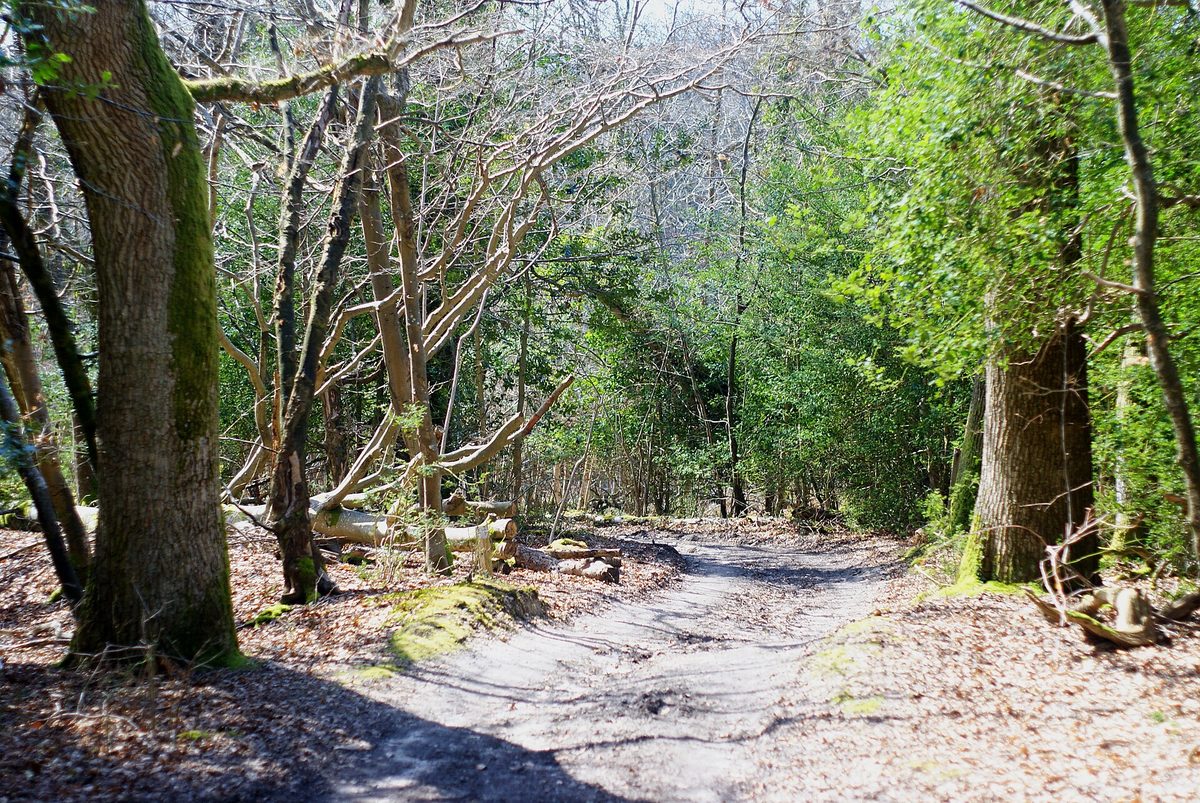
The catch with Lyndhurst is traffic. The main one-way system can crawl on summer weekends, and there’s no station in the village itself (Ashurst (New Forest), a couple of miles away, is the nearest). Park once, explore on foot, and don’t try to drive through at 11am on a Saturday in August.
Beaulieu — history, river and the Motor Museum
Beaulieu (pronounced “Bewley”, to save you my early embarrassment) is the prettiest of the bunch and the one I’d choose for a romantic or family-history weekend. It sits on the Beaulieu River with 13th-century abbey ruins, the stately Palace House, and the National Motor Museum all on one estate (more on that below). The village itself is tiny and genuinely lovely.
Three miles down the river is Buckler’s Hard, a perfectly preserved 18th-century shipbuilding village — two rows of cottages running down to the water, a small maritime museum, and river cruises in season. It’s one of my favourite quiet corners of the whole park.
Burley — the quirky one for kids
Burley leans hard into legend: tales of witches and dragons, a witchcraft shop, a fudge shop kids will not let you walk past, and the New Forest Cider producer on the edge of the village. Deer are sometimes visible at Burley Park. It’s small, walkable and a bit kitsch in the best way — a good half-day if you’re travelling with children who need a change of pace from “looking at trees”.
Lymington — your coastal base
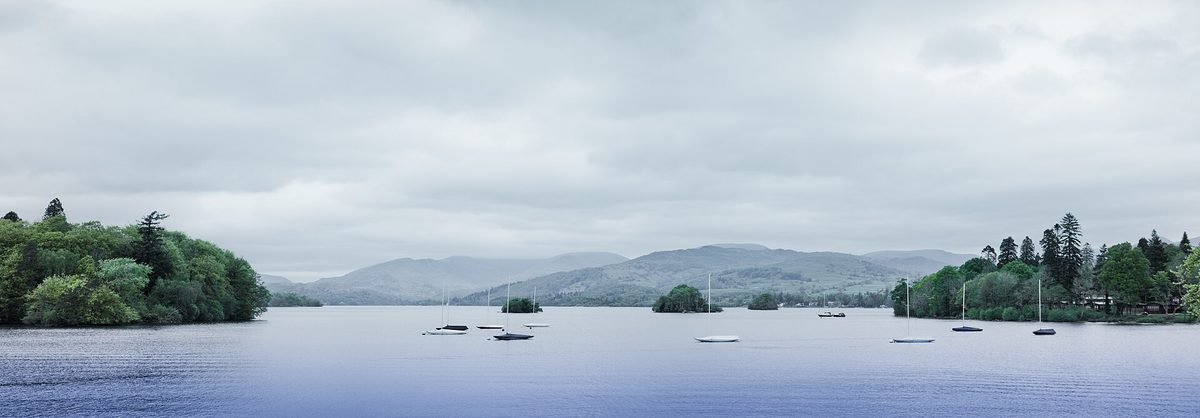
Lymington isn’t in the forest interior; it’s on the coast at the southern edge, and that’s exactly its appeal. Georgian houses, cobbled lanes down to the quay, a marina full of yachts, ancient salt ponds to walk among, and a big, brilliant Saturday street market that’s been running for centuries. It’s also the ferry port for the Isle of Wight. If you want forest and sea, base here and drive or cycle inland for the day. Lymington holds its own against any of the best seaside towns in England, with a gentler, saltier charm than the big resorts.
The ponies and the commoning tradition (and the one rule)
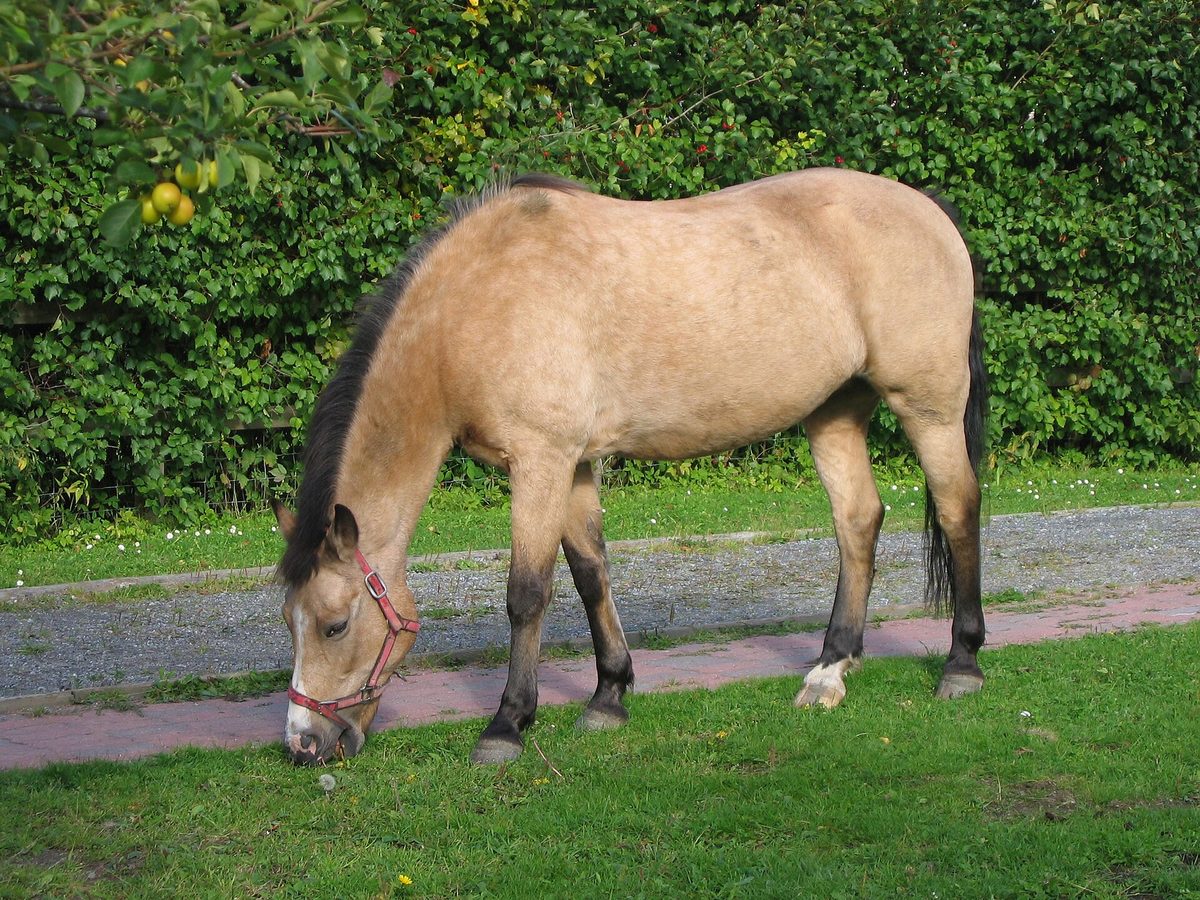
You will see ponies. Lots of them — somewhere around 5,000 roam free across the open forest, along with cattle, donkeys and, in autumn, pigs. They graze the heath, lie in the road, doze on village greens and generally behave as though they own the place, which, in a sense, they do.
Here’s the part most casual guides skim over: the ponies are not wild. Every one of them is owned. They belong to commoners — local people who hold ancient rights, dating back over 900 years to William the Conqueror, to graze their animals on the open forest. The whole landscape you’re admiring, the cropped heath and the open woodland, exists because of this grazing. It’s a living agricultural system, not a theme park. The commoners and the mounted Agisters who help manage the stock are the reason the New Forest still looks the way it does.
Which brings me to the rule. Never feed the ponies. I can’t stress this enough, and neither can the National Park Authority. It’s not a soft suggestion — there’s a forest byelaw against feeding the stock, and you can face a fine (around £200, as of 2026) and a criminal record. More importantly, human food and roadside grass cuttings can give a pony fatal colic, and ponies that learn to associate people with food start loitering by roads, where they get hit by cars. Feeding them quite literally gets them killed. Admire them, photograph them, give them space — and keep your sandwiches to yourself. Same goes for not touching them; a startled pony can kick.
A practical safety note that follows from all this: drive slowly and watch for animals, especially at dawn, dusk and after dark when they’re hardest to see and most likely to be lying in the warm road. The forest speed limits exist for a reason.
Cycling: the New Forest’s secret weapon
If there’s one thing I’d build a trip around, it’s the bikes. The New Forest has more than 100 miles of waymarked cycle routes, a huge proportion of it off the public road on gravel tracks managed by Forestry England. It is, hands down, one of the best places in England to cycle with kids or as a nervous returner — the terrain is gentle, the gravel is smooth, and you can ride for hours barely seeing a car.
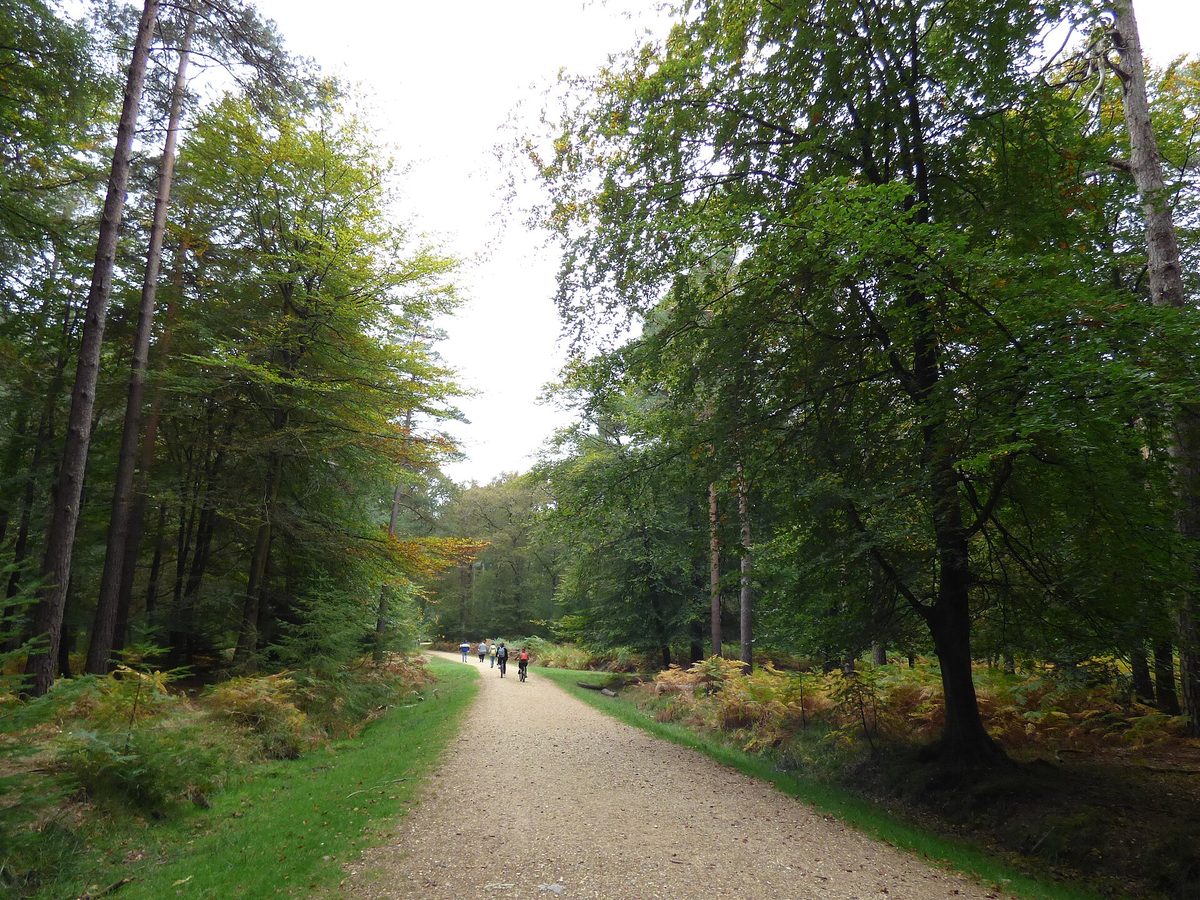
A few things I’ve learned:
- Hire locally and skip the car. There are bike-hire shops in Brockenhurst, Lyndhurst, Burley and Lymington. You don’t need to bring your own bikes or load a car — step off the train at Brockenhurst and you can be pedalling within the hour.
- Stick to the waymarked network. Routes are marked with wooden posts. Staying on them protects the ground-nesting birds and fragile heath, and keeps you legal. Don’t freelance across the open heath.
- Easy first ride: the loops around Brockenhurst and through Rhinefield are flat, scenic and forgiving. Pack a picnic and stop when the kids spot ponies.
- Watch the animals. Same rule as driving — ponies have right of way, give them room, and don’t surprise them.
It’s the kind of low-stakes, high-reward cycling that turns reluctant pedallers into converts. I’ve seen it happen.
Easy walks: heath, ancient woods and deer
You don’t need to be a serious walker here. The forest is made for gentle, level strolls, and the two I send everyone to first are along the Rhinefield Ornamental Drive and at Bolderwood.
The Tall Trees Trail off Rhinefield Ornamental Drive is about a mile and a half on a flat, well-graded gravel path, winding past some of the tallest Douglas firs in Britain and a couple of giant redwoods you can crane your neck at. Nearby stands the Knightwood Oak, the most famous tree in the forest, with a girth of over seven metres — an easy detour and a good “wow” moment for kids.
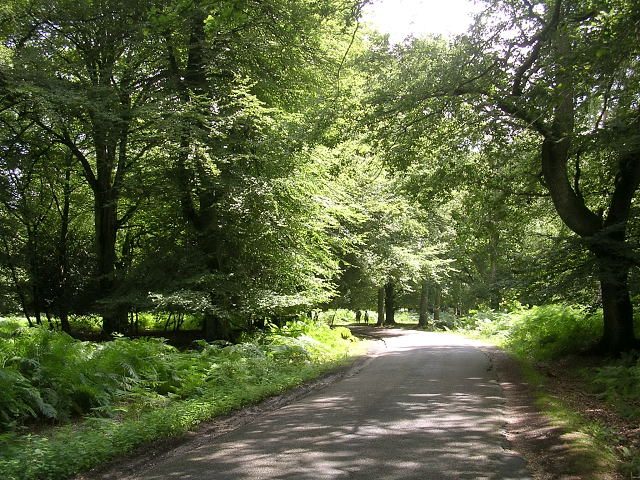
Bolderwood is my pick for wildlife. From the (free, donation-box) car park, a short half-mile stroll brings you to a purpose-built deer viewing platform overlooking a meadow where fallow deer often graze. There are three waymarked circular walks here — roughly half a mile, a mile and two miles — so you can match the route to your legs (or your toddlers). Bring binoculars; early morning and late afternoon are best for deer.
These are genuinely some of the most rewarding easy walks in England — flat, well-signed, and almost always within reach of a tea room. If you’d rather build a whole trip around walking, the forest also makes a relaxed base among England’s walking holidays, and it pairs naturally with the chalk paths of the nearby South Downs if you fancy two contrasting landscapes in one trip.
Family days out: the New Forest with kids
This is where the New Forest really shines. As a destination for younger families it’s hard to beat — short walks, animals everywhere, traffic-free cycling and a couple of proper headline attractions. If you’re building a wider trip, it slots beautifully into a broader England itinerary with kids and earns its place among the best of England with kids.
Beaulieu’s National Motor Museum
The big-ticket family day is Beaulieu. One paid ticket (around £30 for an adult, less for children and good value as a family, as of 2026) covers the National Motor Museum, Palace House, the abbey ruins and the gardens. The Motor Museum is the star: hundreds of vehicles, hands-on exhibits, and crowd-pleasers like the Flying Ford Anglia from Harry Potter and a James Bond car or two. A little monorail loops over the site, and Little Beaulieu is a superb wooden adventure playground — a mini Palace House with secret passageways, a treetop boardwalk, a climbing wall and a zip wire. Easily a full day.
Deer, donkeys and free wildlife
You don’t have to spend a penny to entertain children here. The deer platform at Bolderwood, the ponies and donkeys wandering the villages, and a free heathland ramble cost nothing and deliver more genuine delight than most paid attractions. Burley’s fudge shop and the Brockenhurst donkey walks are cheap, easy wins. And the bike hire, again, is the cornerstone — flat, safe, and endlessly entertaining for kids who’ve outgrown the buggy.
The trick with kids is to keep the days loose. Half a day at one attraction, an afternoon on bikes or by a stream, an early dinner. The forest rewards a slow pace.
Coast add-ons: Lymington, Mudeford and the Isle of Wight
The New Forest meets the sea along its southern edge, and a coastal day is a lovely contrast to all the green.
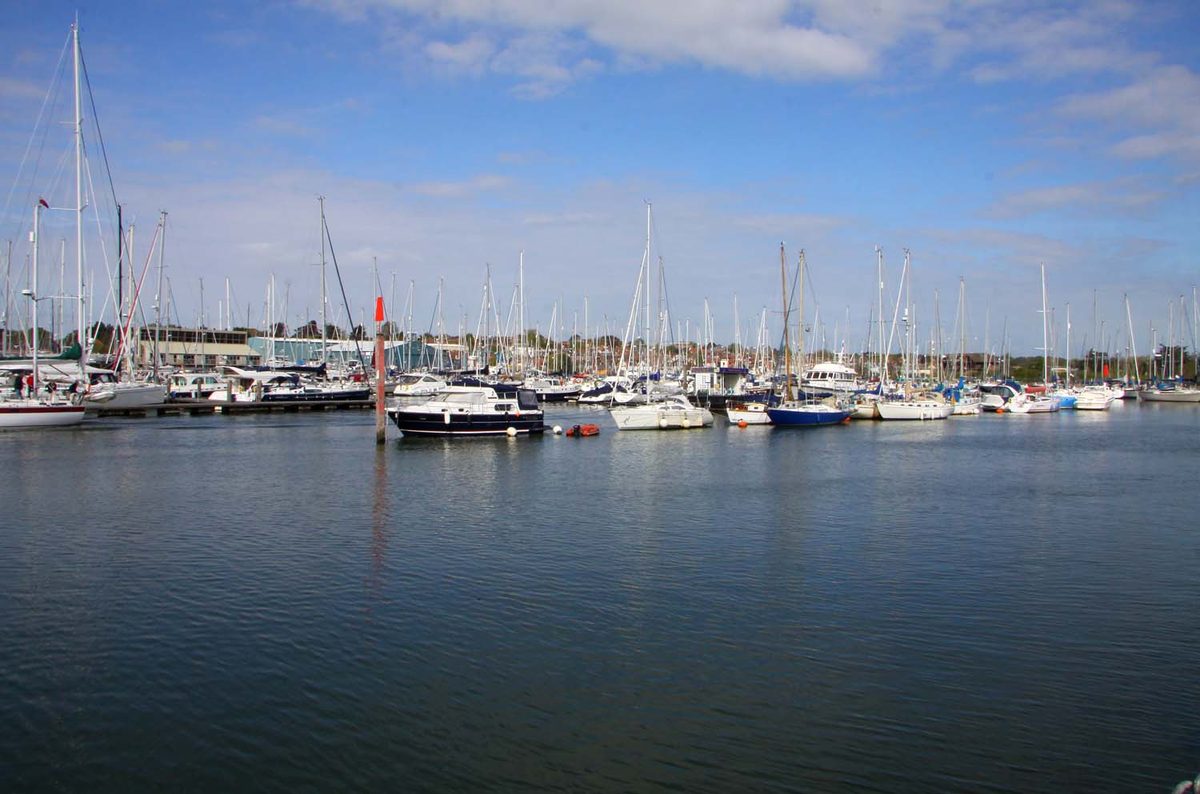
Lymington is the headline. Wander the marina, walk the sea wall past the old salt marshes, hit the Saturday market, and eat seafood by the quay. It’s also where you catch the Wightlink ferry to Yarmouth on the Isle of Wight — a scenic crossing of around 40 minutes that takes cars and foot passengers alike, with frequent daily sailings. The Isle of Wight makes a genuinely good day trip or overnight from here; Yarmouth is a pretty little harbour town to land in.
Further west, towards Christchurch, is Mudeford — a famous sandbank reachable by a little ferry or a land train from Hengistbury Head, fringed with absurdly photogenic beach huts and some of the best swimming on this stretch of coast. It’s just outside the park proper but well worth the short hop on a warm day.
And if you’re a fossil-and-cliffs person, the dramatic Jurassic Coast begins not far west along the shore — a worthy extension if you’re touring the south coast.
Getting there and around: trains, the hub and the car question
Here’s the genuinely brilliant news for anyone coming from London: the New Forest is one of the easiest national parks in England to reach without a car.
Brockenhurst is the hub. It sits on the South West Main Line, and South Western Railway runs frequent direct trains from London Waterloo — the fast ones take around 90 minutes, with services roughly hourly or better through the day (as of 2026; check current timetables before you travel). The line continues to Bournemouth and Weymouth, so you can also reach the forest easily from Winchester, Southampton, Bournemouth and Poole. Within the park, Ashurst (New Forest) also has a station on the same Waterloo line, and a short branch line runs from Brockenhurst down to Lymington for the coast and the ferry. All told, the forest is served by a string of stations — a rarity for an English national park.
My honest advice: go car-free if you can. Arrive at Brockenhurst, walk to your stay, hire bikes, and use the local cycle network and the Lymington branch line. You’ll skip the summer car-park scramble entirely, and frankly you’ll see more. For the nuts and bolts of fares, railcards and booking, my England train travel guide covers it; the short version is to book ahead for the cheapest advance fares.
A car does help if you want to roam the western heaths or string several villages together quickly, but it comes with caveats: animals on the roads, busy car parks in peak season, and that crawling Lyndhurst one-way system. If you do drive, slow right down, and consider parking once and cycling from there.
Because of all this rail access, the New Forest also makes a surprisingly doable longer day trip from London — ambitious for a single day, but very possible if you’re set on a taste before committing to a stay.
Where to stay
Accommodation spans the full range, and where you base yourself shapes the whole trip:
- Brockenhurst for convenience and rail access — pubs with rooms, B&Bs and a couple of smart hotels, all walkable.
- Lyndhurst for a central, orientation-friendly base with good eating and the heritage centre on the doorstep.
- Beaulieu for quiet, historic charm and easy reach of the Motor Museum — lovely for couples and families alike.
- Lymington for a coastal stay with the ferry and marina at hand.
- Camping is a New Forest institution — Forestry England runs several campsites right inside the open forest, where you may genuinely wake with ponies grazing beside the tent. Book early; summer weekends go fast.
Whatever you choose, book well ahead for summer, half-terms and the autumn rutting weeks.
When to go
The forest is a year-round destination, but the seasons each have a flavour:
- Spring (April–May): my favourite. Fresh green woodland, new foals tottering about, and quieter trails before the summer crowds. Cool and lovely for cycling.
- Summer (June–August): warmest and busiest. Long days, full bike hire, coastal swimming — but expect packed car parks and crawling village traffic. The car-free approach pays off most now.
- Autumn (late September–October): spectacular. The deer rut runs through this window — listen for the stags’ bellows on the heath at dawn and dusk — and pannage sees pigs released into the woods to gobble fallen acorns (which are poisonous to ponies), a wonderfully strange forest tradition. Golden colour everywhere.
- Winter: crisp, atmospheric and very quiet. Some attractions reduce hours, but the open forest is free and beautiful under frost, and the pubs are cosy.
If you can choose, I’d aim for May or early October. For broader seasonal planning across the country, see my notes on the best time to visit England.
Final Thoughts
The New Forest doesn’t shout. There’s no single jaw-dropping summit, no must-see viewpoint everyone queues for. What it offers instead is a kind of unhurried ease — ponies on the green, a flat gravel track disappearing into the trees, a deer platform at dawn, a fudge shop in Burley, a ferry slipping out of Lymington. It’s the park I recommend most readily to families and to anyone making their first trip into English nature, precisely because it asks so little of you and gives back so much.
Take the train, hire a bike, drive slowly, and whatever you do, keep your snacks away from the ponies. Then just let the place set the pace. For the bigger picture of how it fits into England’s protected landscapes, start with my hub on national parks and hiking in England, and if you’re stitching together a wider trip, my main England travel guide ties the regions together.
Research and Source Notes
This guide draws on official and on-the-ground sources, with prices and times hedged as approximate and current “as of 2026” — always confirm before you travel.
- New Forest National Park Authority (newforestnpa.gov.uk) for commoning history, the ~900-year tradition, animal numbers, the no-feeding byelaw and seasonal guidance on pannage and the deer rut.
- Visit the New Forest (thenewforest.co.uk), the official tourism board, for villages, family attractions, cycling mileage and walking routes.
- Forestry England for the cycle-route network, waymarking guidance and forest campsites.
- Beaulieu (beaulieu.co.uk) for the National Motor Museum, Palace House and Little Beaulieu details and approximate admission.
- South Western Railway (southwesternrailway.com) for train times and routes from London Waterloo to Brockenhurst.
- Wightlink (wightlink.co.uk) for the Lymington–Yarmouth Isle of Wight ferry crossing time and frequency.
Figures such as journey times (~90 minutes from Waterloo), the ferry crossing (~40 minutes), the feeding fine (~£200) and Beaulieu admission (~£30 adult) are approximate and subject to change; check the official sites for the latest.
Photo Credits
- Wild New Forest ponies grazing on open heathland in this New Forest travel guide — Photo: Paula Jantunen (CC0) via Wikimedia Commons. Source
- A leafy lane in Brockenhurst village with ponies grazing nearby — Photo: Peter Trimming / CC BY-SA 2.0 via Wikimedia Commons. Source
- Cyclists on a traffic-free gravel track through New Forest woodland — Photo: James Cracknell / CC BY-SA 4.0 via Wikimedia Commons. Source
- The deer viewing platform and open meadow at Bolderwood in the New Forest — Photo: Jim Champion / CC BY-SA 2.0 via Wikimedia Commons. Source
- Yachts moored in Lymington Harbour on the New Forest coast — Photo: Steve Daniels / CC BY-SA 2.0 via Wikimedia Commons. Source
Frequently asked questions
Is the New Forest worth visiting?
Absolutely — especially if you want gentle, family-friendly nature rather than rugged mountains. The free-roaming ponies, traffic-free cycling, easy woodland walks and historic villages make it one of England's most relaxing national parks, and it's unusually easy to reach by train. A weekend is plenty for a first taste; three days lets you add the coast.
How many days do you need in the New Forest?
Two to three days is the sweet spot for a first visit. That gives you a cycling day on the traffic-free trails, a walk-and-wildlife day around Bolderwood and Rhinefield, and a coastal day in Lymington or at Beaulieu's Motor Museum. A single day works as a London day trip, but you'll be rushing.
Can you feed the New Forest ponies?
No — never. There's a forest byelaw against feeding the animals, carrying a fine (around £200, as of 2026) and a criminal record. More importantly, human food and grass cuttings can cause fatal colic, and ponies that learn to beg by roads get hit by cars. Admire them and give them space, but don't feed or touch them.
Is the New Forest free to visit?
The open forest itself is free to roam — the walks, the heath, the wildlife and the villages cost nothing. You'll pay for parking in some car parks, for bike hire, and for ticketed attractions like Beaulieu's National Motor Museum (around £30 for an adult, as of 2026). It's an easy place to enjoy on a tight budget.
How do I get to the New Forest from London?
Take a South Western Railway train from London Waterloo to Brockenhurst — the fast services take about 90 minutes and run roughly hourly (as of 2026). Brockenhurst is the forest's hub, with bike hire, accommodation and trails all within walking distance, plus a branch line down to Lymington for the coast.
What is the New Forest known for?
It's best known for its free-roaming ponies (around 5,000 of them), cattle, donkeys and deer, all part of a 900-year-old commoning tradition. Beyond the animals, it's famous for being one of England's largest areas of open heath and ancient woodland, its 100-plus miles of traffic-free cycle routes, and its proximity to the Isle of Wight ferry.