Sheet 75 · England National Parks and Hiking · 14 min read
Yorkshire Dales Travel Guide
A complete Yorkshire Dales travel guide: the best villages, waterfalls, walks, the Settle-Carlisle railway, plus where to stay and when to go.
 Sheet 75
Contents 11 sections
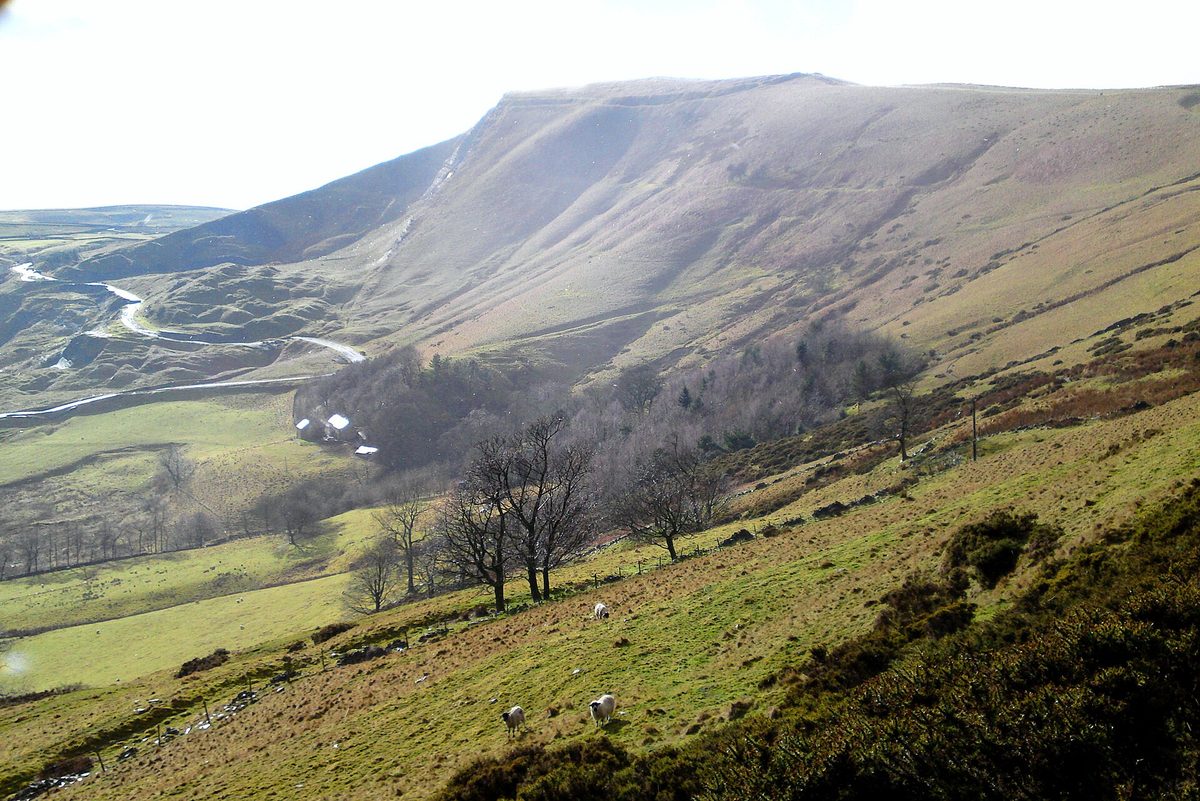
The first time I drove over the top into Wensleydale, I had to pull over. Dry-stone walls climbing up the fellsides in a green so vivid it looked painted, a barn standing alone in every other field, sheep ignoring me completely. I’d come for a weekend. I left already planning the next trip.
This Yorkshire Dales travel guide is the one I wish I’d had on that first visit: which dales are worth your limited days, the waterfalls and walks that actually live up to the photos, how to ride the gloriously scenic Settle–Carlisle railway, where to base yourself, and when to come. The Dales are big and gloriously empty, so a little planning goes a long way.
Quick Answer: Planning a Yorkshire Dales Travel Guide Trip
Spend three to four days in the Yorkshire Dales. Base yourself in Grassington, Hawes or near Malham, walk to Malham Cove and Aysgarth Falls, ride the Settle–Carlisle railway over Ribblehead Viaduct, and eat Wensleydale cheese in Hawes. Come May–June or September for long days and thinner crowds.
That’s the short version. The Dales reward slow travel more than almost anywhere in England, so let me unpack the bits that matter.
At a Glance: The Main Dales and Where to Base Yourself
The national park splits into distinct valleys, each with its own character. Here’s how I’d match them to what you want from the trip.
| Dale / Area | Highlights | Good base | Nearest station |
|---|---|---|---|
| Wharfedale | Grassington, Bolton Abbey, Kettlewell, riverside walks | Grassington | Skipton (then bus) |
| Malhamdale | Malham Cove, Gordale Scar, Janet’s Foss, Malham Tarn | Malham | Skipton (then bus) |
| Wensleydale | Hawes, Wensleydale cheese, Aysgarth Falls, Hardraw Force | Hawes | Garsdale (limited) |
| Ribblesdale | Three Peaks, Ribblehead Viaduct, Settle | Settle | Settle |
| Swaledale | Reeth, Muker, wildflower meadows, quiet lanes | Reeth | Kirkby Stephen (then bus) |
A quick orientation note: the Yorkshire Dales National Park sits mostly in North Yorkshire, with a chunk in the west reaching into Cumbria after the park was extended in 2016. Don’t let the name fool you into thinking it’s all one county.
If you only have a long weekend, I’d pick two neighbouring dales rather than trying to sweep the whole park. Wharfedale plus Malhamdale in the south makes a tidy pairing; Wensleydale plus Swaledale works beautifully in the north.
The Best Yorkshire Dales Villages
Half the joy here is the villages themselves: honey-and-grey stone, cobbles, a good pub, a church that’s older than your country. These are the ones I send people to.
Grassington
If you’ve watched All Creatures Great and Small, you’ve seen Grassington dressed up as fictional Darrowby. In real life it’s a lovely Wharfedale market town with cobbled streets, independent shops, tea rooms and stone cottages that lean companionably together. There’s a monthly market and it makes a brilliant, well-connected base for the southern Dales. I always start trips here because everything else in Wharfedale and Malhamdale is an easy hop away.
Malham
Tiny, and all the better for it. Malham is less a destination in its own right than the launch pad for the most dramatic scenery in the park: Malham Cove, Gordale Scar, Janet’s Foss and Malham Tarn are all within walking distance. There’s a national park visitor centre, a couple of pubs and not a great deal else, which is precisely the point.
Hawes
One of the highest market towns in England and the unofficial capital of Wensleydale. Hawes is home to the Wensleydale Creamery, a Tuesday market, the Dales Countryside Museum and a ropemaker you can still watch at work. It’s a working town rather than a chocolate-box one, and I like it for that. Hardraw Force is a short walk away.
Kettlewell and Reeth
Kettlewell, further up Wharfedale, is a cluster of cottages around the River Wharfe with good walking straight from the door and pubs that earn their keep after a long day on the fells. Reeth, over in Swaledale, sits around a big sloping green ringed by hills, with art galleries, a tea room or two and some of the quietest, prettiest lanes in the whole park. Both feel a world away from anywhere.
Settle and Aysgarth
Settle is the gateway to Ribblesdale and the southern terminus of the famous railway (more on that below) — a proper little town with a Tuesday market square, cafes and the start of countless walks. Aysgarth, in Wensleydale, is a small village whose name is really shorthand for its falls. If you want lively, choose Settle; if you want a peaceful waterside stroll, Aysgarth.
The Dales have a strong claim to being among England’s loveliest, and if you’re touring villages elsewhere too it’s worth a look at the most beautiful villages in England for more in the same vein.
Waterfalls in the Yorkshire Dales
The Dales are limestone country, which means rivers do dramatic things. Three waterfalls stand out, and happily none of them demands a hard hike.
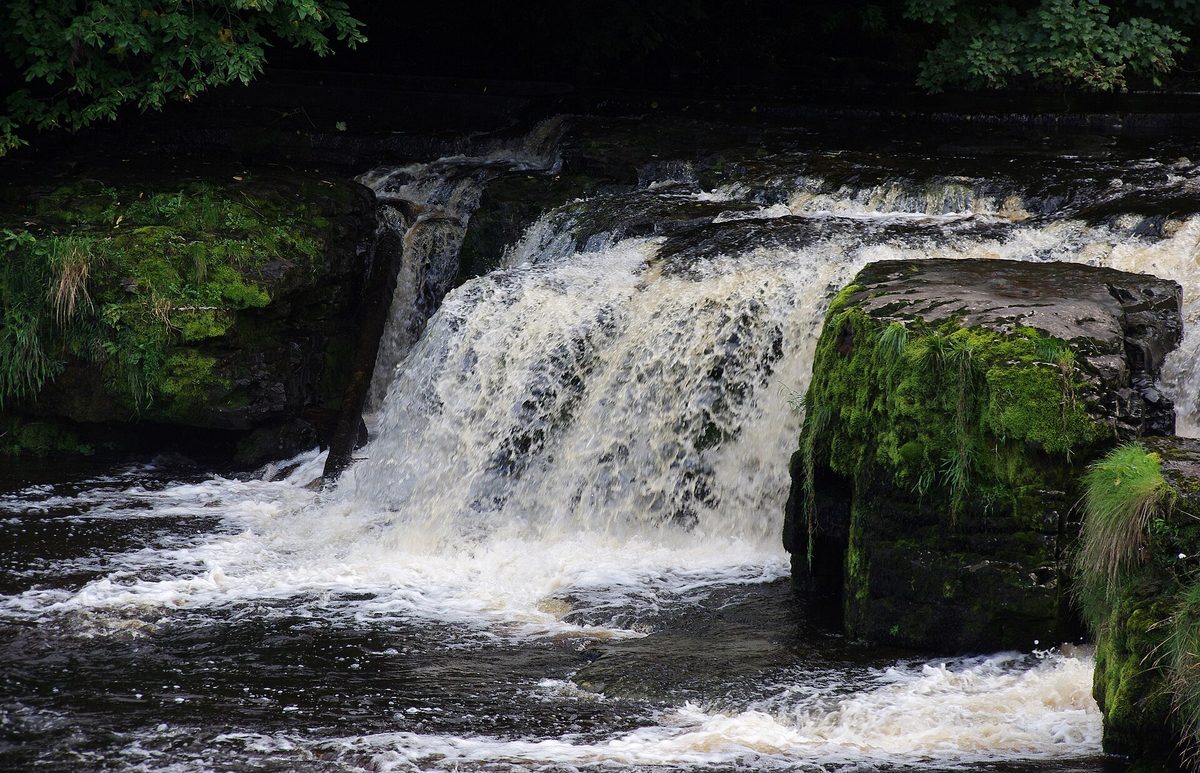
Aysgarth Falls
My favourite for ease and drama combined. The River Ure tumbles over three wide, stepped limestone shelves — Upper, Middle and Lower Falls — spread along a wooded stretch near Aysgarth. After heavy rain they thunder; in summer they’re gentler but still gorgeous. Easy paths and viewing points link all three, and there’s a national park visitor centre and car park right there. Allow an hour or two for a relaxed loop.
Hardraw Force
Just north of Hawes, Hardraw Force is England’s highest single-drop unbroken waterfall, plunging around 100 feet into a natural rock amphitheatre. You reach it through the Green Dragon Inn — there’s a small admission, somewhere around a few pounds as of 2026 — which has to be the most charming entry fee in the Dales. The setting, walled in by cliffs, is genuinely theatrical.
Janet’s Foss
The quiet one. Janet’s Foss is a short, pretty fall where Gordale Beck slips over a tufa screen into a clear pool, set in mossy woodland near Malham. Folklore says a fairy queen called Jennet lived in the little cave behind it. It’s an easy, lovely walk from Malham village and slots neatly into the bigger Malham circuit.
For more gentle options across the country, I’ve gathered favourites in this guide to easy walks in England.
Malham Cove, Gordale Scar and Malham Tarn
If the Dales have a showstopper, this corner is it — and it’s the single best day’s walking in the park for first-timers.
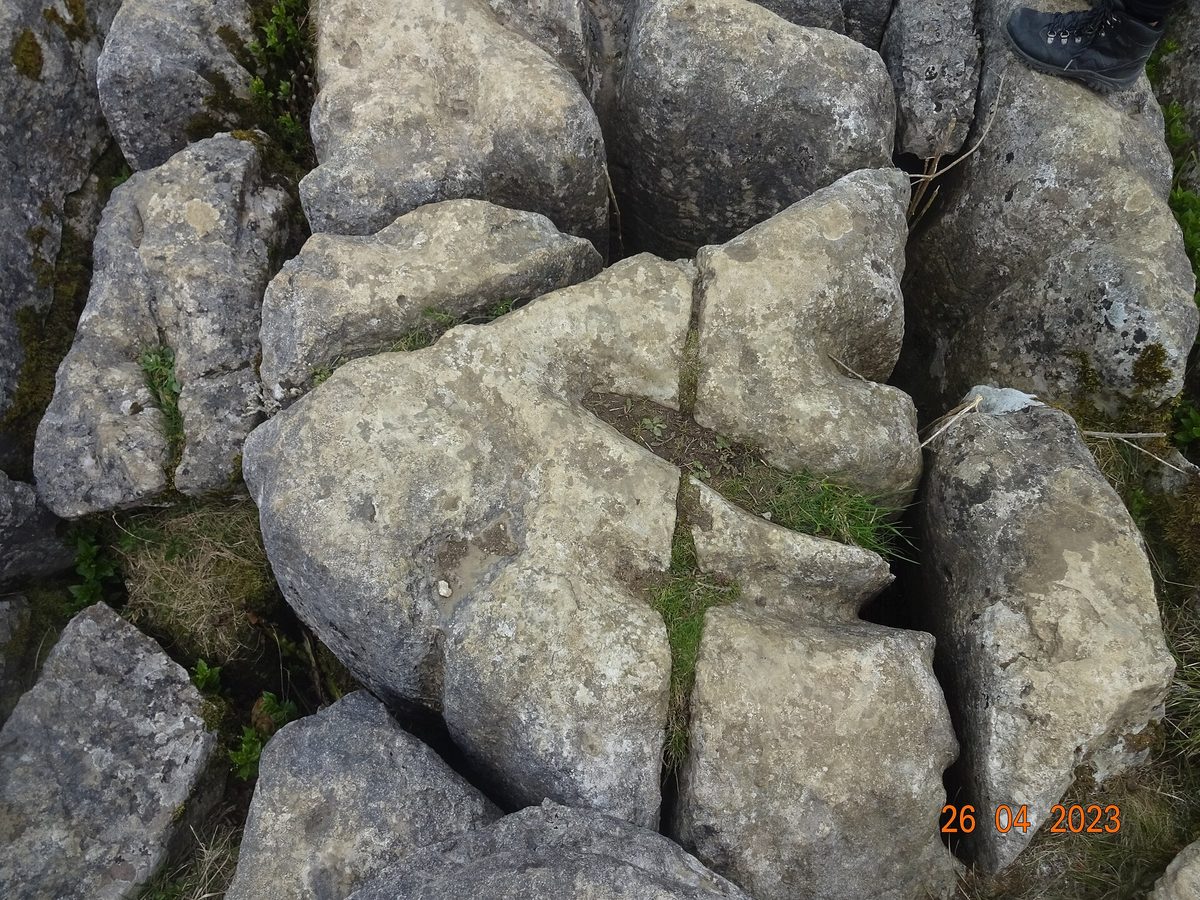
Malham Cove is a vast, curving cliff of limestone, roughly 80 metres high, that was once a waterfall higher than Niagara. Climbers work its face and peregrines nest on it; steep steps up the left side lead to a famous limestone pavement on top, all cracks and clints, which Harry Potter fans may recognise from The Deathly Hallows.
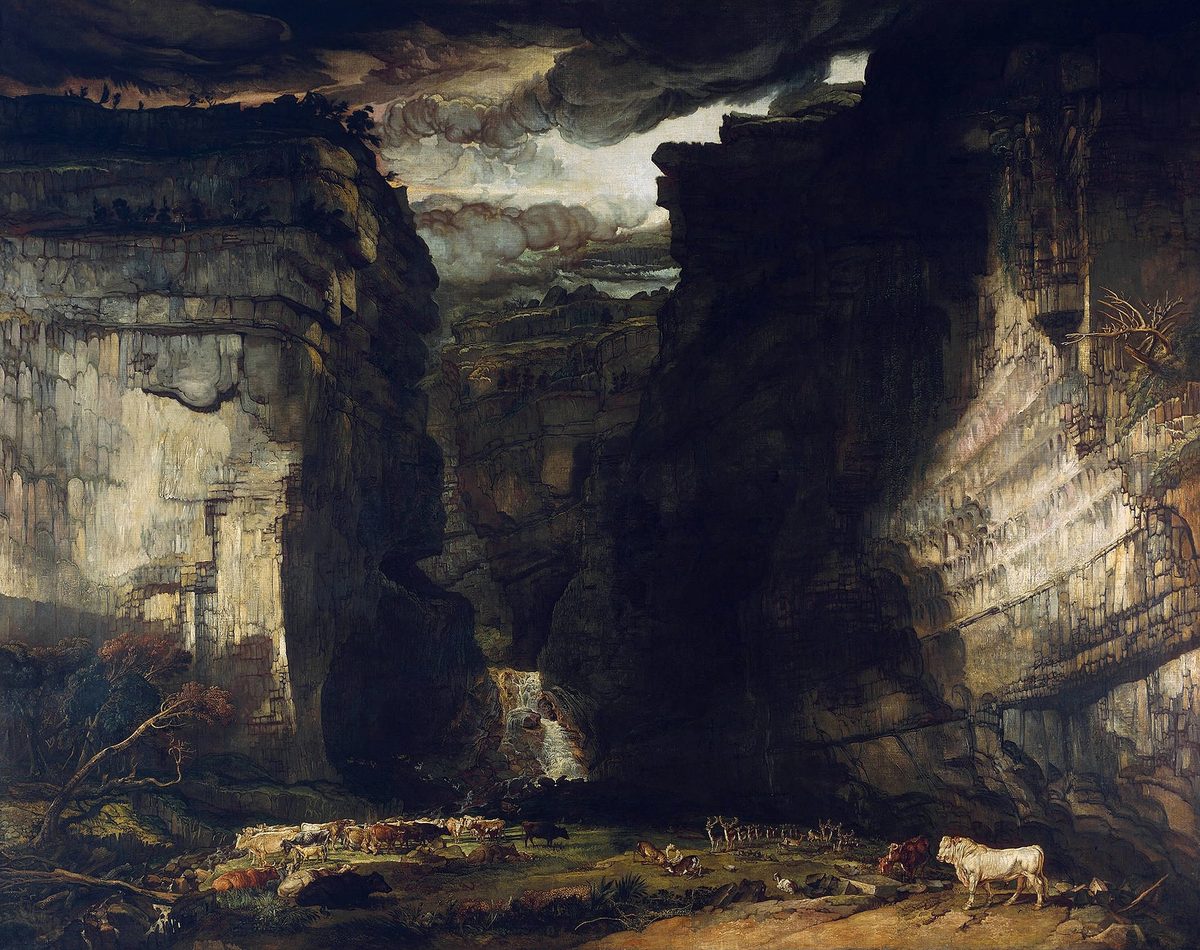
Gordale Scar is its wilder neighbour: a deep, dripping gorge with waterfalls tumbling between overhanging walls. There’s a short scramble up the rock at the foot of the falls that most reasonably able walkers manage — but skip it if it’s wet or icy, when it turns genuinely slippery and risky.
Malham Tarn, up on the plateau, is said to be the highest limestone lake in Britain and a peaceful counterpoint to all that drama.
The classic loop links Janet’s Foss, Gordale Scar, Malham Tarn and the top of the Cove in roughly 8 miles. It’s rated moderate to hard with some steep bits, takes most people four to five hours, and is worth every step. Start early in summer — Malham’s small car parks fill fast.
Yorkshire Dales Walks: From the Three Peaks to Gentle Strolls
Walking is the soul of the Dales, and the beauty is the range — you can take on a brutal mountain day or amble by a river, sometimes in the same valley.
The Yorkshire Three Peaks
The big one. The Yorkshire Three Peaks links Pen-y-ghent (694m), Whernside (736m, the highest) and Ingleborough (723m) in a single circular route of roughly 24 to 26 miles with around 1,600 metres of ascent. The traditional challenge is to walk it from Horton-in-Ribblesdale in under 12 hours.
I’ll be honest: this is a serious, long, often boggy day that demands real fitness, proper boots, navigation skills and a good weather window. Plenty of people do it for charity, but many more enjoy the peaks individually. Pen-y-ghent alone, with its distinctive stepped profile, is a superb half-day climb straight from Horton.
Bolton Abbey and Wharfedale riverside walks
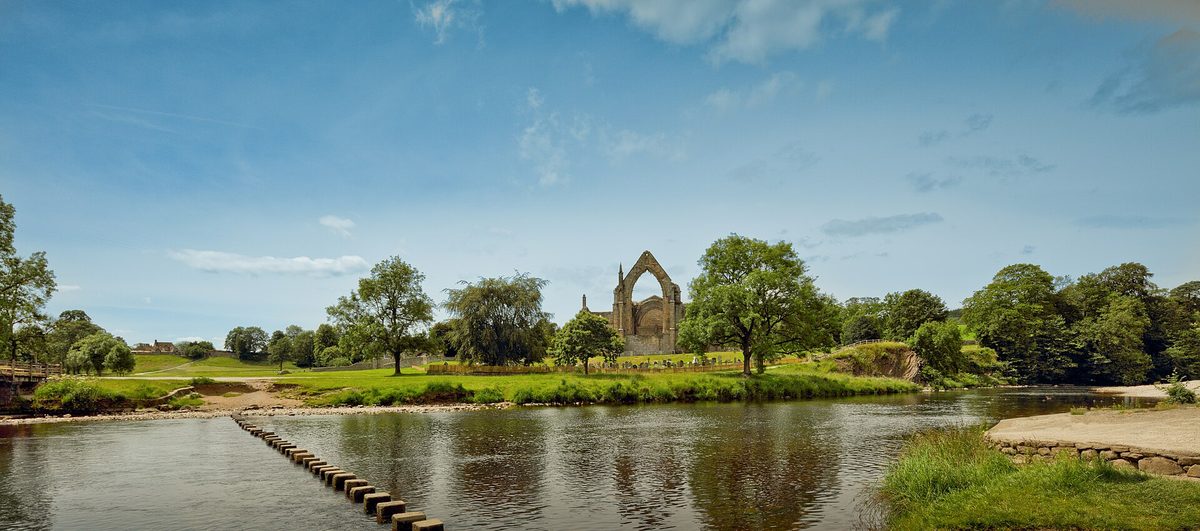
For something altogether gentler, the riverside paths around Bolton Abbey are hard to beat. The ruined 12th-century priory sits in a curve of the River Wharfe, with famous stepping stones across the water (often submerged after rain, so don’t count on crossing), woodland trails through Strid Wood, and the Strid itself — a narrow, deceptively deadly stretch of churning water you admire strictly from the bank.
Bolton Abbey is a private estate, so there’s a parking charge — around £15 per car, or roughly £12.50 if you book ahead, as of 2026 — which covers the whole estate and ruins. It’s family-friendly, with cafes and easy loops of every length.
Shorter classics
Beyond Malham and Bolton Abbey, look at the gentle stroll to Aysgarth Falls, the riverside meadows around Muker in Swaledale (glorious in early summer when the hay meadows flower), and easy paths out of Grassington and Kettlewell. If walking is the main event of your England trip, it’s worth browsing dedicated walking holidays in England to build a longer itinerary around the Dales.
Getting There and Around the Yorkshire Dales
Let’s be straight: the Dales are easiest with a car. The lanes are narrow and the views are everywhere, and having your own wheels lets you reach the quiet corners. But — and this matters — you genuinely can visit car-free, and the Settle–Carlisle line makes it a pleasure rather than a chore.
By car
From the south, leave the M6 around Kirkby Lonsdale for the western dales or come up the A65 via Skipton for the southern dales. From Leeds or York it’s an easy run to Skipton, the main southern gateway. Drive carefully on single-track lanes, use the passing places, and don’t expect mobile signal in the deeper valleys.
The Settle–Carlisle railway
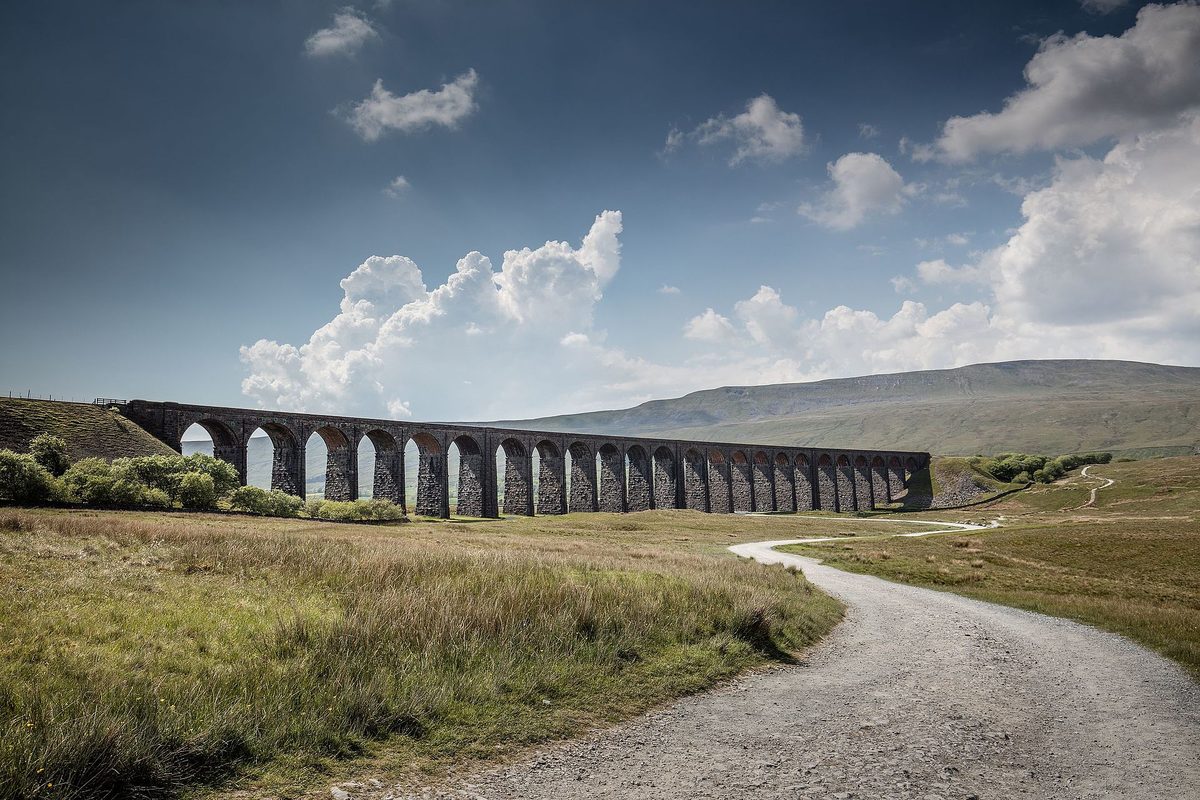
This is one of the great train journeys in England, and a highlight of any trip in its own right. The line runs about 72 miles from Settle up to Carlisle, crossing roughly 20 viaducts and burrowing through 14 tunnels as it climbs into the high Pennines. Northern runs regular scheduled trains, and the star of the show is Ribblehead Viaduct — 24 arches striding around 100 feet above the moor, with Whernside rising behind it.
Crucially for walkers, the line has stations right in the heart of the park: Settle, Horton-in-Ribblesdale, Ribblehead, Garsdale and Kirkby Stephen among them. You can step off at Ribblehead, photograph the viaduct, walk a stretch of moor, and catch a later train back — no car required. Check current timetables and fares with Northern before you go, as services vary by day and season.
Buses and car-free travel
Local buses, branded DalesBus, link Skipton with Bolton Abbey, Grassington and Malham, with extra services on summer Sundays and bank holidays. Single fares on scheduled buses in the area have been capped at around £3 in recent years, which makes hopping between villages cheap. Combine a Settle–Carlisle train with DalesBus connections and you can build a surprisingly thorough car-free trip — I’ve broken down the wider approach in this guide to getting around England without a car, and the England train travel guide covers booking tickets and rail passes.
Where to Stay in the Yorkshire Dales
Match your base to your interests and you’ll waste far less time driving.
- Grassington — best all-rounder for the southern Dales: shops, pubs, good bus links, easy reach of Bolton Abbey and Malham.
- Malham — choose this for the landscape above all. Small and quiet, with the park’s most dramatic scenery on the doorstep.
- Hawes — the heart of Wensleydale, handy for the cheese, Aysgarth, Hardraw Force and the northern dales.
- Settle — ideal if you’re arriving by train or tackling the Three Peaks; lively little town with the railway running through it.
- Skipton — technically just outside the park, but a proper market town with a castle, plenty of accommodation and the best transport links of the lot. A sensible car-free base.
Accommodation runs from cosy village inns and B&Bs to self-catering barn conversions and a handful of grander country hotels. Book well ahead for summer weekends and over the school holidays, when the popular villages fill up fast.
When to Visit the Yorkshire Dales
The Dales are a year-round place, but the season shapes the trip enormously.
Late spring (May–June) is my top pick: long daylight, lambs in the fields, the Swaledale hay meadows starting to flower, and it’s before the peak-summer crowds. September is the close runner-up — settled weather is possible, the light turns golden, and the villages quieten down once schools go back.
July and August bring the warmest, longest days and the liveliest atmosphere, but also the busiest car parks and pricier, fully-booked accommodation. Autumn sets Strid Wood and the river valleys ablaze. Winter is stark and beautiful, with snow on the high fells, but daylight is short, some attractions close, and the high walks demand real experience.
One constant: pack for rain whatever the month. This is the Pennines, and the weather writes its own plans. For a broader seasonal steer across the country, see my best time to visit England guide.
Building It Into a Bigger Trip
The Dales sit perfectly within a northern road trip. They pair naturally with neighbouring counties on a Yorkshire road trip, or as one leg of a longer north of England road trip taking in the coast and the moors. And if you’re weighing up which English uplands to prioritise overall, it’s well worth reading how the Dales compare with other parks — start with my round-up of the best national parks in England and the wider England national parks hiking guide, which is the home base for all my park-by-park walking advice.
People often ask how the Dales stack up against the Peak District or the Lakes. The short answer: the Lake District is more mountainous and dramatic, the Peak District is closer to the big cities and easier on a tight schedule, and the Dales fall somewhere gentler and quieter in between. I dig into the trade-offs in the Peak District travel guide and this Lake District vs Peak District comparison. For the country as a whole, the England travel guide ties everything together.
Final Thoughts
What keeps pulling me back to the Yorkshire Dales is the space. You can walk for an hour and meet no one but sheep, then drop into a village pub that’s warm and loud and welcoming. The big sights — Malham Cove, Ribblehead, Aysgarth — genuinely deliver, but it’s the in-between moments I treasure: a barn in an empty field, a viaduct framing a hill, a wedge of Wensleydale eaten on a wall in the sun.
My advice: don’t over-plan. Pick two dales, give yourself permission to dawdle, take the train at least once, and let the weather decide the rest. The Dales reward the unhurried traveller more generously than almost anywhere I know.
Research and Source Notes
Background and route details were checked against the Yorkshire Dales National Park Authority (yorkshiredales.org.uk) for the Three Peaks, the Settle–Carlisle line and travel information, and the DalesBus network (dalesbus.org) for bus routes and fares. Railway specifics — mileage, viaducts and station stops — were cross-referenced with Northern and the Settle-Carlisle Railway (settle-carlisle.co.uk). Bolton Abbey parking and estate access reflect information from the Bolton Abbey estate (boltonabbey.com), and Wensleydale cheese details from the Wensleydale Creamery (wensleydale.co.uk).
All prices, fares and timetables are approximate and hedged as “around” or “as of 2026”; they change frequently, so please confirm current figures with the relevant operator before you travel. Heights and distances for peaks, waterfalls and walking routes are rounded for readability. The national park lies mostly in North Yorkshire, with its western extension reaching into Cumbria following boundary changes in 2
Photo Credits
- Yorkshire Dales travel guide: walkers below the curved limestone cliff of Malham Cove — Photo: Ibrahim Ahmed (lasagna165) / CC BY-SA 4.0 via Wikimedia Commons. Source
- Wide stepped limestone shelves of Aysgarth Falls on the River Ure in Wensleydale — Photo: mattbuck (category) / CC BY-SA 3.0 via Wikimedia Commons. Source
- Towering limestone walls of Gordale Scar gorge in Malhamdale — Photo: James Ward (CC0) via Wikimedia Commons. Source
- A train crossing the arches of Ribblehead Viaduct on the Settle to Carlisle railway — Photo: Michael D Beckwith (CC0) via Wikimedia Commons. Source
- The ruined priory of Bolton Abbey beside the River Wharfe in Wharfedale — Photo: Michael D Beckwith (CC0) via Wikimedia Commons. Source
Frequently asked questions
How many days do you need in the Yorkshire Dales?
Three to four days is the sweet spot. Two days lets you sample one or two dales; three or four lets you walk Malham, ride the Settle–Carlisle railway, see Aysgarth Falls and explore a couple of villages without rushing. A full week is easily filled if you love walking and slow mornings in tea rooms.
What is the Yorkshire Dales most famous for?
The Dales are best known for their dry-stone-walled green valleys, dramatic limestone scenery like Malham Cove and Gordale Scar, the Yorkshire Three Peaks, Wensleydale cheese, and the scenic Settle–Carlisle railway. The TV series All Creatures Great and Small has also made the southern villages, especially Grassington, hugely popular.
Can you visit the Yorkshire Dales without a car?
Yes, though it takes a little planning. The Settle–Carlisle railway puts you in the middle of the park at Settle, Horton-in-Ribblesdale and Ribblehead, while DalesBus services link Skipton with Grassington, Malham and Bolton Abbey, with extra summer-Sunday routes. Skipton or Settle make the best car-free bases.
What is the prettiest village in the Yorkshire Dales?
It's hugely subjective, but Grassington, Kettlewell, Muker and Reeth are perennial favourites for their stone cottages, riverside settings and dales-green backdrops. Malham is tiny but spectacularly sited beneath its limestone scenery. I'd happily stay in any of them — Grassington for liveliness, Reeth for peace.
When is the best time to visit the Yorkshire Dales?
Late spring (May–June) and September are ideal: long days, decent odds of good weather, flowering meadows and fewer crowds than peak summer. July and August are warmest and busiest. Autumn brings spectacular colour; winter is beautiful but short on daylight, with some attractions closed. Pack waterproofs any time of year.
Is the Settle to Carlisle railway worth it?
Absolutely — it's one of England's finest train journeys and a destination in itself. Over its 72 miles it crosses around 20 viaducts, including the magnificent Ribblehead Viaduct, and threads through wild Pennine scenery. Even a short hop from Settle to Ribblehead and back is memorable. Check Northern's current timetable before travelling.