Sheet 59 · Best Time to Visit England · 15 min read
England in Autumn
Planning England in autumn? A first-hand guide to foliage, fewer crowds, Bonfire Night, cosy pubs and shoulder-season value across September to November.
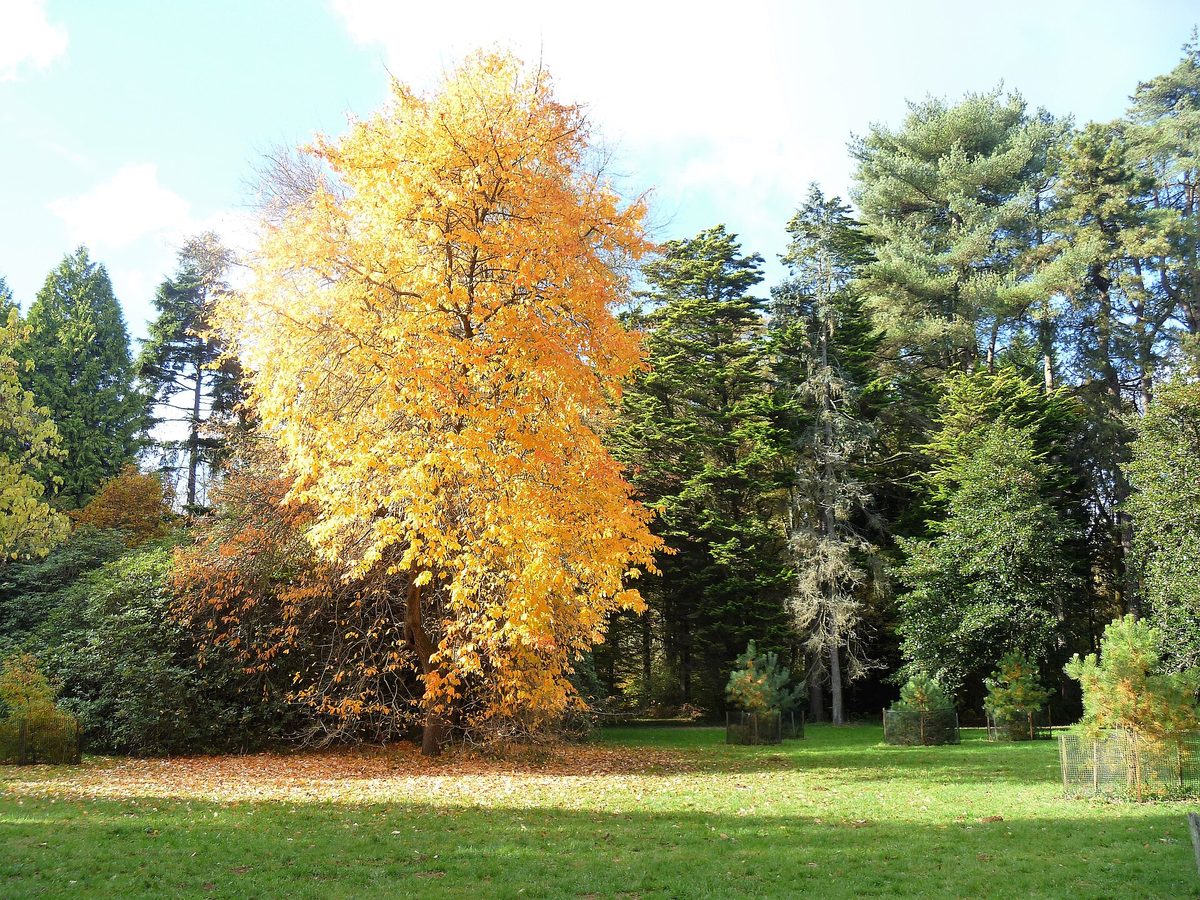 Sheet 59
Contents 9 sections
The first autumn I ever spent properly in England, I almost cancelled the trip. The summer crowds had cleared, the forecast looked grey, and I assumed the good stuff was behind me. I could not have been more wrong. I walked into Westonbirt Arboretum on a damp morning in mid-October, the maples lit up like stained glass, hardly anyone around, and I have been chasing that feeling every year since.
England in autumn is, for my money, the most underrated window in the entire calendar: the leaves turn gold and scarlet, the summer prices soften once the kids go back to school, the pubs light their fires, and the whole country leans into a season it genuinely does well. If you can handle a bit of drizzle and earlier sunsets, you get a richer, quieter, cheaper England than the July version. “Autumn,” by the way, is what Americans call “fall” — same season, same falling leaves, just the older word.
Quick Answer: Is Autumn a Good Time to Visit England?
Yes — England in autumn (roughly September through November) is one of the best-value times to visit, with peak foliage usually mid-October to early November, far smaller crowds than summer, softer shoulder-season prices, and a calendar packed with harvest food, cosy pubs and Bonfire Night. Expect cooler, wetter, shorter days, so pack layers and plan for early sunsets.
That is the short version. The longer version — which places actually deliver the colour, how to time it, what is still open, and how to dodge the worst of the weather — is what the rest of this guide is for. I have spread these trips across the Cotswolds, the Lake District, the Peak District and London over the years, and I have opinions about all of it.
Autumn at a Glance: September vs October vs November
Each month of autumn has its own personality, and choosing the right one matters more than people expect. Here is how I think about the three, side by side. (I keep the deeper “which single month wins” debate for a separate piece — see the best month to visit England breakdown.)
| Month | Weather (broad) | Foliage / what’s on | Crowds & price | Good for |
|---|---|---|---|---|
| September | Often mild, can feel summery early on; cooler by month’s end | Greens still dominant; first turn late in the month | Crowds drop sharply after early-Sep school return; better value | Warm-ish walking weather without summer prices |
| October | Cooler and damper; crisp bright spells between rain | Foliage building to peak from mid-month; harvest events | Quiet at most sights; half-term week busier | Leaf-peeping, food festivals, atmosphere |
| November | Cold, often grey; clocks already back, short days | Late colour early on, then bare trees; Bonfire Night Nov 5 | Lowest crowds and prices of the three | Fireworks, cosy pubs, budget city breaks |
Treat the weather column as a rough sketch rather than a forecast — England’s weather is famously moody and varies hugely by region and year. For the proper month-by-month temperature and rainfall numbers, I would lean on the England weather by month guide rather than trust my gut.
Autumn Weather & What to Pack (the Short Version)
I will keep this brief because there is a whole dedicated resource for it, but you cannot plan an autumn trip without at least a sketch of the weather. Broadly: September often still carries a warm streak, especially in the south and especially early in the month, while late October and November turn properly cool and grey. Rain is a near-certainty at some point — England would not be England without it — so the question is never “will it rain” but “what will I do when it does.”
My packing logic for England in autumn is built around layers and waterproofing. A packable rain jacket, a compact umbrella, a warm mid-layer or two, and genuinely waterproof walking shoes will carry you through almost anything. By late October you will want a proper coat, a hat and gloves in the north and on the fells. Cotton soaks through and stays cold; merino and synthetics dry faster, which matters a lot on a misty afternoon.
For the full kit list with specifics, see my England packing list, and if a wet day catches you out, the rainy day activities in England guide is a lifesaver — England has built half its tourism economy around things to do indoors when the sky opens.
The Best Places for Autumn Colour in England
This is the headline act, and the part I get most evangelical about. England’s autumn colour peaks, in most years, somewhere between mid-October and early November, though the exact window shifts with the weather and runs a touch earlier in central England and a touch later in the milder south. A warm, calm autumn after a wet summer tends to produce the most vivid display; a stormy spell can strip the trees in days. Hedge your bets and aim for that mid-to-late October sweet spot.
Westonbirt Arboretum, Gloucestershire
If you only do one leaf-peeping outing, make it Westonbirt. As the National Arboretum it holds thousands of trees across hundreds of acres, including a world-class collection of Japanese maples that turn the most absurd scarlets and oranges. There is a treetop walkway for a canopy-level view, and the whole place is purpose-built for exactly this season. It sits handily close to the Cotswolds, so you can fold it into a wider Cotswolds travel loop. Go on a weekday if you can; autumn weekends here are popular for good reason.
Stourhead, Wiltshire
Stourhead is the one you have seen on postcards even if you did not know the name — an 18th-century landscaped garden where a lake mirrors the temples and the russet, gold and crimson trees ringing the water. On a still morning the reflections double the colour and it is genuinely breathtaking. It is one of England’s great designed landscapes and a reminder that the country’s stately homes and their grounds are often the best autumn venues of all.
The Lake District
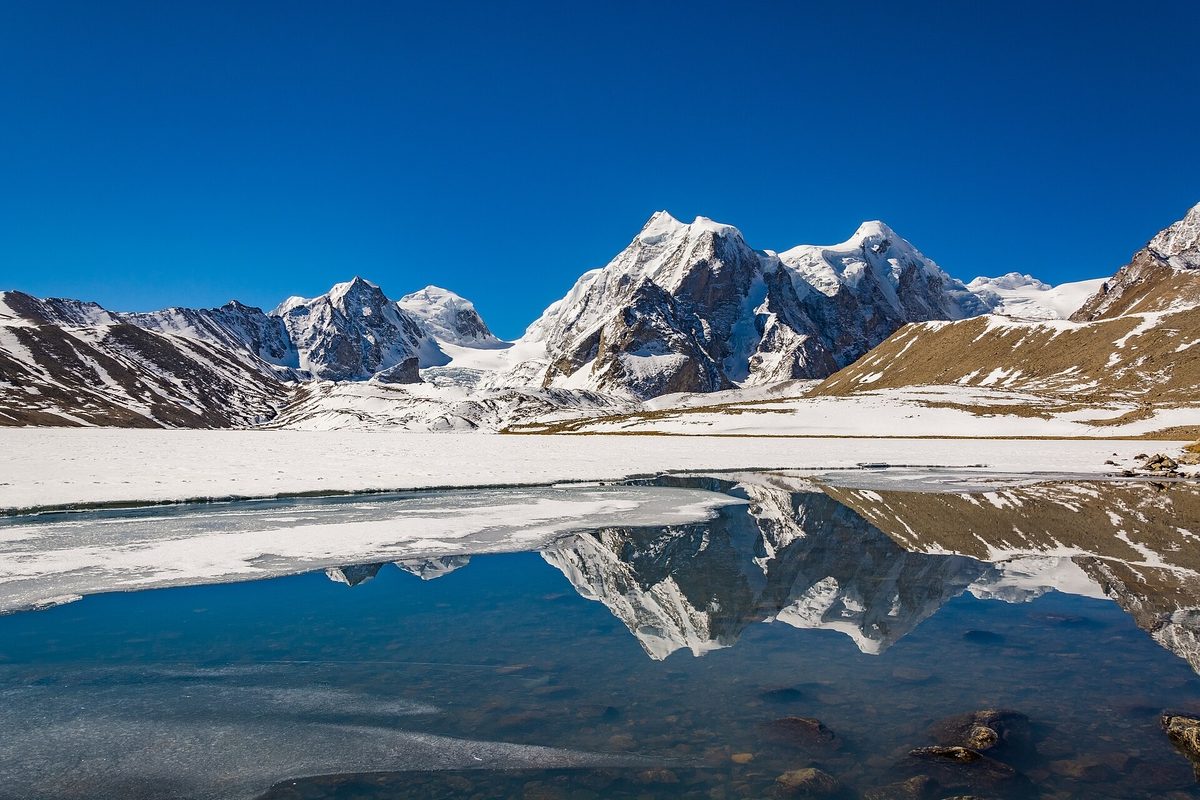
The Lakes in autumn are a different kind of beautiful — bracken turning rusty-orange on the fellsides, woodland gold reflected in the tarns, and that famous Cumbrian mist drifting through it all. Borrowdale, Grasmere and the Buttermere valley are perennial favourites of mine. It can be wet and the daylight is short, so plan walks with a margin and check conditions, but a clear crisp afternoon up here in October is hard to beat. The Lake District travel guide goes deep on routes and bases.
The Peak District, New Forest and Sherwood Forest
Beyond the marquee names, England is full of quieter autumn gold. The Peak District mixes moorland and wooded valleys (the area around Padley Gorge is a classic). The New Forest in Hampshire turns buttery and bronze, with ponies wandering the heath and ancient oaks and beeches doing their thing. Sherwood Forest in Nottinghamshire — yes, the Robin Hood one — has thousand-year-old oaks that look properly mythic under autumn light. Many of these sit inside the country’s protected landscapes, so the England national parks and hiking guide is a useful companion.
London’s royal parks and gardens
You do not have to leave the city. London’s royal parks put on a quietly spectacular show: Richmond Park is often called the capital’s best for autumn colour (and you might catch the deer rut), while Hyde Park, Kew Gardens and the Savill Garden out at Windsor Great Park all glow in October. It is the easiest leaf-peeping in England — hop off the Tube and you are there. The London travel guide has more on timing a city visit.
Shoulder-Season Value & Smaller Crowds
Here is the part nobody puts on the postcards but every savvy traveller cares about: England in autumn is cheaper and calmer than England in summer, and the change is dramatic the moment the school holidays end in early September.
Through July and August, the headline sights are heaving and accommodation rates spike. Then the kids go back to school, the coaches thin out, and prices for hotels and flights ease into shoulder-season territory. September in particular is the sweet spot — you often still get pleasant walking weather, but with autumn pricing and a fraction of the crowds. I have walked into Cotswold villages in late September that were genuinely peaceful, the same lanes that were shoulder-to-shoulder in August.
A few honest caveats. Late October half-term (the school break) brings families back out for a week, so popular attractions and the leaf-peeping hotspots get busier — worth checking the dates and booking ahead if you overlap it. And “cheaper” does not mean “empty”; London and the big-ticket sights still draw people year-round. But compared with peak summer, the value is real. If you are watching the budget closely, pair this with my England on a budget tips to stretch it further, and think about where to stay in England to lock in good autumn rates early.
Autumn Events: Bonfire Night, Halloween, Harvest & Food
Autumn is not just scenery — it is one of the most event-rich stretches of the English year, and leaning into the seasonal calendar is half the fun.
Bonfire Night (Guy Fawkes Night), 5 November
This is the big one, and it is gloriously, uniquely English. Every year on 5 November, towns and villages across England light enormous bonfires and set off fireworks to mark the foiling of the 1605 Gunpowder Plot — the failed scheme by Guy Fawkes and his co-conspirators to blow up Parliament. Fawkes was caught guarding the explosives beneath the House of Lords, and the country has been celebrating his failure with controlled explosions ever since, which is a very English sense of humour when you think about it.
What it actually looks like today: communal bonfires, big public firework displays, sparklers for the kids, and seasonal treats like toffee apples and parkin. Some towns burn a “guy” — a straw effigy — on the fire. Displays cluster around the 5th but often run across the nearest weekend, so you usually get a few nights of fireworks rather than one. Lewes in East Sussex hosts the most famous (and most intense) celebrations in the country, though it gets very crowded; honestly, almost any local display is worth turning up to. Bring a warm coat and gloves — you will be standing in a cold field after dark.
Halloween, 31 October
Halloween is not as deeply rooted here as in the United States, but it has grown a lot, and autumn is when you will find pumpkin patches, ghost tours and spooky-season events at stately homes and attractions. England’s supply of genuinely atmospheric castles, abbeys and old houses gives its Halloween a head start — a candlelit ghost walk around a real medieval ruin hits differently than a suburban haunted house. Families travelling with children will find plenty laid on; the England with kids guide flags the more family-friendly seasonal events.
Harvest, food and drink festivals
This is the season England’s larder shows off. Autumn is harvest time, which means apple days, cider festivals, food fairs and farmers’ markets in full swing through September and October. Touring food festivals pop up at stately homes and estates; the Nottingham Goose Fair (an enormous funfair dating back centuries) runs in early October; and cider country in the West, around Herefordshire and the Three Counties, throws orchard events with tastings, Morris dancing and harvest suppers. London gets in on it too, with apple-day celebrations and harvest shows. It is a brilliant time to eat and drink your way through a region — far more characterful than a summer ice-cream-and-pub-garden routine.
Cosy Things to Do & Misty Countryside Walks
When the weather turns, England gets cosy in a way it is almost weirdly good at, and this is a big part of why I love visiting in autumn.
The country pub is the heart of it. There is nothing quite like coming in from a cold, damp walk to a low-beamed pub with a real fire going, ordering a pint and a plate of something hearty — a Sunday roast, a pie, sticky toffee pudding — and steaming gently as you thaw out. Autumn is peak pub season as far as I am concerned. Plenty of the most beautiful villages in England are built around exactly this kind of pub, and a slow lunch in one is a perfect wet-afternoon plan.
Then there are the walks. Misty mornings, crunching leaves, low golden light slanting through bare branches — autumn countryside walking is atmospheric in a way summer simply is not. You do not need to bag a mountain; a gentle loop through a wood or along a river, finishing at that pub, is the whole point. Keep an eye on daylight (more on that below) and the ground will be muddy, so the waterproof boots earn their keep.
Indoors, this is also the season for England’s museums, galleries, grand houses, afternoon teas and spas — all the things that are even better with rain tapping the windows. A grand house with the fires lit, or a long afternoon tea while it pours outside, is a genuinely lovely use of an autumn day. The England travel guide has the bigger picture on building an itinerary that balances outdoor colour with cosy indoor backups.
Shorter Days & the Clocks Changing
One thing that genuinely catches visitors out: the daylight in autumn shrinks fast, and there is a hard cliff-edge in late October you need to plan around.
England sits at a northerly latitude, so even by early autumn the days are noticeably shorter than the long summer evenings, and they keep contracting. Then, on the last Sunday of October — Sunday 25 October in 2026 — the clocks “go back” an hour at 2am, ending British Summer Time and returning to GMT. You gain an hour in bed, which is lovely, but the practical effect is that sunset suddenly lands an hour earlier, and from there into November it can be getting dark by late afternoon. The first time it happens it is a genuine shock if you are not expecting it.
Plan accordingly. Front-load your outdoor sightseeing into the earlier part of the day, especially in November — start that countryside walk or arboretum visit in the morning rather than after lunch. Build in indoor plans (pub, museum, tea) for the long dark evenings, which honestly is no hardship; the early dark is part of what makes the cosy stuff feel so good. And if you are driving, reckon with more time behind the wheel in the dark on rural roads. I would not over-stress it — just know it is coming and shape your days around the light.
Final Thoughts
I keep coming back to England in autumn because it gives me the version of the country I like best: gold light on old stone, fewer people in the way, a fire in the pub and a season the English clearly take pride in. September gets you the mildest weather and the best value; mid-to-late October gets you the colour; November gets you the fireworks and the deepest cosiness. Any of the three beats fighting summer crowds, in my opinion.
My honest advice: pack for rain and short days, build your trip around a leaf-peeping centrepiece or two — Westonbirt and Stourhead, the Lakes, or simply Richmond Park if you are staying in London — and leave room for the unplanned cosy afternoon when the sky opens. Then go decide where to point the rest of your trip with the best places to visit in England and a sensible England itinerary, and grab a few practical England travel tips before you fly. Autumn rewards travellers who lean into it rather than fight it.
Research and Source Notes
This guide draws on a mix of first-hand travel across multiple English autumns and current public information, cross-checked in mid-2026. Seasonal timing (autumn running roughly September to November, with foliage typically peaking mid-October to early November) reflects widely reported norms and naturally varies year to year — I have hedged accordingly throughout.
Specific anchors verified at the time of writing: the UK clocks go back on the last Sunday of October, which is 25 October in 2026, ending British Summer Time and shortening evenings; Bonfire Night falls on 5 November and commemorates the 1605 Gunpowder Plot; and named leaf-peeping destinations (Westonbirt Arboretum, Stourhead, the Lake District, the Peak District, the New Forest, Sherwood Forest and London’s royal parks) are established autumn-colour sites. Crowd and pricing observations describe general shoulder-season patterns once UK school holidays end in early September rather than guaranteed rates. For precise climate figures, opening times and event dates, confirm against official sources close to your travel dates, as these shift from year to year.
Photo Credits
- Golden autumn foliage at Westonbirt Arboretum, one of the best places for England in autumn colour — Photo: Michael Dibb / CC BY-SA 2.0 via Wikimedia Commons. Source
- Autumn reflections on the lake at Stourhead garden in Wiltshire — Photo: Mike Peel / CC BY-SA 4.0 via Wikimedia Commons. Source
- Misty autumn morning over a lake in the Lake District — Photo: Original: Yoghya
Derivative work: UnpetitproleX / CC BY-SA 4.0 via Wikimedia Commons. Source
– A honey-stone Cotswolds village under autumn trees — Photo: Jaggery / CC BY-SA 2.0 via Wikimedia Commons. Source
– Deer among golden autumn trees in Richmond Park, London — Photo: Andrew Hackney / CC BY-SA 2.0 via Wikimedia Commons. Source
Frequently asked questions
Is autumn a good time to visit England?
For many travellers, yes — it is one of the best. England in autumn delivers gorgeous foliage, far smaller crowds than summer, softer shoulder-season prices, and a rich calendar of harvest events and Bonfire Night. The trade-offs are cooler, wetter weather and short days, especially in November. If you do not need beach heat and can pack for rain, it is a fantastic, atmospheric and good-value time to go.
When are the best autumn colours in England?
In most years, England's autumn colour peaks somewhere between mid-October and early November, though it varies with the weather and runs a little earlier in central England and a little later in the milder south. A warm, calm autumn after a wet summer tends to produce the most vivid display, while storms can strip the leaves quickly. Aim for the mid-to-late October window for the safest bet.
What is the weather like in England in autumn?
Broadly, September is often mild and can feel summery early on, October turns cooler and damper with crisp bright spells, and November is cold and frequently grey. Rain is likely at some point in any autumn trip, and days shorten quickly. Expect to pack layers and waterproofs. For the full month-by-month temperature and rainfall detail, see the dedicated England weather by month guide.
What is Bonfire Night?
Bonfire Night, also called Guy Fawkes Night, falls on 5 November and marks the foiling of the 1605 Gunpowder Plot to blow up Parliament. Across England, communities light bonfires and set off fireworks, often with toffee apples, sparklers and a burning "guy" effigy. Displays usually run on or around the 5th. It is a uniquely English autumn tradition and well worth catching a local one.
Is England crowded in autumn?
Far less than summer. Crowds drop sharply once schools return in early September, and prices ease into shoulder-season rates through autumn. The main exception is the late-October half-term week, when families return and the popular leaf-peeping spots and attractions get busier. London and the big-ticket sights stay reasonably busy year-round, but overall autumn is markedly quieter and better value than peak summer.
How does autumn in England compare to other seasons?
Autumn trades summer's warmth and long days for foliage, fewer crowds and lower prices — a great deal if you do not need the heat. It is milder and busier than winter, and cosier but cooler than the blossom-filled spring or the peak-season buzz of summer. To weigh all four against your priorities, start with the overarching best time to visit England guide.