Sheet 56 · Where to Stay in England · 20 min read
Best Seaside Towns to Stay in England
Discover the best seaside towns to stay in England, from St Ives and Whitby to Southwold. Matched to families, foodies, walkers and car-free travellers.
 Sheet 56
Contents 9 sections
England’s coastline runs for roughly 2,500 miles. Within it you will find everything from wild North Sea cliffs to glassy Cornish coves, flint-and-pastel Suffolk high streets to pebbled promenades with a Regency crescendo behind them. Choosing where to base yourself matters. The best seaside towns to stay in England depend entirely on what you want — harbour quietness or weekend energy, train access or rental car, fossil-hunting or gallery-hopping. This guide cuts through all of it and points you toward the right town for your trip.
Quick Answer: Best Seaside Towns to Stay in England
The best seaside towns to stay in England include St Ives (Cornwall) for art and beaches, Salcombe (Devon) for estuaries and sailing, Lyme Regis (Dorset) for the Jurassic Coast, Brighton (East Sussex) for culture and no-car travel, Whitby and Scarborough (Yorkshire) for drama and heritage, Southwold and Aldeburgh (Suffolk) for quiet charm, and Tynemouth (North East) for easy city-coast combination. The sections below match each town to a type of traveller — families, foodies, walkers and those without a car — so you can narrow it down fast.
For broader region-by-region thinking that goes beyond the coast — including the Peak District, the Cotswolds and more — see our complete guide to where to stay in England and our round-up of the best areas to stay in England.
At a Glance: Comparison of England’s Best Seaside Towns
| Town | Region | Best For | Rough Nightly Cost (as of 2026) | Railway Station? |
|---|---|---|---|---|
| St Ives | Cornwall | Art lovers, beach-goers, families | £90–£180 (B&B) | Yes — St Ives Bay Line via St Erth |
| Salcombe | Devon | Foodies, sailing, couples | £110–£220 (B&B/inn) | No — car or bus |
| Lyme Regis | Dorset | Walkers, families, fossil fans | £80–£150 (guesthouse) | No — car or bus from Axminster |
| Brighton | East Sussex | Culture, nightlife, car-free | £70–£160 (hotel/B&B) | Yes — direct from London (~1 hr) |
| Whitby | North Yorkshire | Gothic atmosphere, foodies, heritage | £80–£160 (guesthouse) | Yes — Esk Valley line via Middlesbrough |
| Scarborough | North Yorkshire | Families, classic resort, value | £65–£130 (hotel) | Yes — direct from York and Leeds |
| Southwold | Suffolk | Quiet charm, walkers, couples | £90–£170 (inn/B&B) | No — car or bus from Halesworth |
| Aldeburgh | Suffolk | Foodies, music, couples | £100–£190 (B&B/hotel) | No — car or bus from Saxmundham |
| Tynemouth | North East | City-coast combo, surfers, day-trippers | £70–£140 (hotel) | Yes — Tyne and Wear Metro to Newcastle |
South West England: Cornwall and Devon
St Ives, Cornwall — Turquoise Water and a Genuine Art Scene
I have been to St Ives in late October, when the summer crowds thin and the light turns amber on the harbour. That is when the town reveals itself properly. The working fishing boats are still there. The Tate St Ives is quieter than it deserves to be. The beaches — Porthminster, Porthmeor, the little cove of Bamaluz — have their sand back.
What makes St Ives worth basing yourself in is that it functions as a complete, walkable destination. You do not need a car once you arrive. The town climbs steeply from the harbour in a tangle of narrow streets and whitewashed cottages, with galleries tucked into almost every other building. The cooking has improved enormously over the past decade: Porthminster Beach Café has long held a reputation for doing things with local catch that most London restaurants cannot match, and smaller independent spots along the harbour are worth your time too.
Getting there without a car is straightforward. Trains on the Cornwall and Devon guide route take you down the main GWR line to St Erth, then you change onto the St Ives Bay Line — a 12-minute single-track branch that runs alongside the Hayle estuary before hugging the coast into town. The branch line itself is a journey worth making. On the right seat, in the right light, you can see both the estuary and the sea at the same time.
St Ives is not cheap. A decent B&B close to the harbour runs around £120–£160 a night as of 2026, more in August. Rent via England vacation rentals and a self-catering cottage gives you better value for a week. If you want to explore the wider county, our where to stay in Cornwall guide covers all the main bases — St Ives is just one excellent option among several.
Best for: Art lovers, beach-goers, couples, families with older children, car-free travellers.
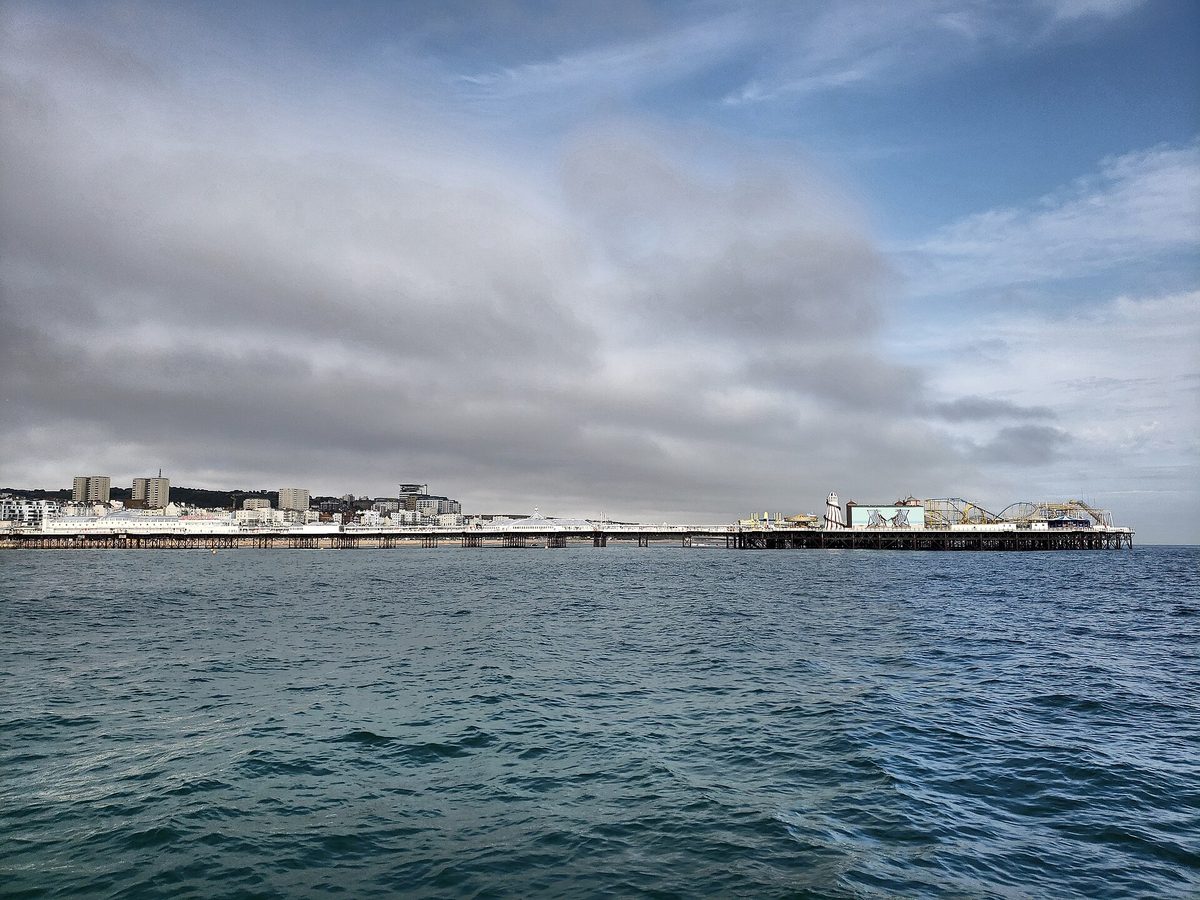
Salcombe, Devon — Estuary Blues and Serious Eating
Salcombe is one of those places that sounds like a cliché — “England’s answer to the French Riviera” — and then you arrive and realise the cliché is just accurate. The estuary is extraordinarily beautiful. The water genuinely turns a shade of blue-green that looks borrowed from somewhere further south. The town itself is compact, prosperous and unapologetically pricey.
It is also not on a railway line. Getting to Salcombe requires either a car or a bus from Kingsbridge, itself served by buses from Plymouth and Totnes. The effort is worth it, but plan around this. Once you are there, everything is walkable: the ferry across the estuary, the South West Coast Path heading south to Bolt Head, the rows of fish restaurants and independent delis on Fore Street.
For food, Salcombe punches well above its size. The seafood is reliably good — crab sandwiches at the waterfront, proper scallops in the evening, local mussels wherever you find them. A B&B or inn room runs around £110–£220 a night as of 2026. You are paying for the location. There are also plenty of self-catering cottages if you book early enough for summer.
Salcombe suits couples and food-focused travellers more than families with very young children, though the estuary beaches are calm and safe. Compare it with the Cornish side of the border in our Devon vs Cornwall guide if you are undecided about which county to base yourself in.
Best for: Foodies, couples, walkers on the South West Coast Path, sailing enthusiasts.
South Coast: Dorset and East Sussex
Lyme Regis, Dorset — Fossils, Cliffs and a Perfect Small Town
Lyme Regis is the kind of seaside town that does not try to be more than it is, and that restraint is exactly why it works. The town tumbles down to the harbour and the Cobb — the ancient curved harbour wall that appears in Jane Austen’s Persuasion and, more recently, in the film of The French Lieutenant’s Woman. The high street has independent shops, a decent handful of restaurants and the sort of scale that means you can walk the whole thing in ten minutes.
The real draw is the Jurassic Coast. The cliffs on either side of town are UNESCO World Heritage Site territory, and after winter storms the beach fills with ammonites, belemnites and occasionally something more dramatic. You do not need specialist gear — just good eyes and a willingness to crouch down. There are also organised fossil walks led by local guides, which work well for families with children who need a purpose.
Lyme Regis sits at the western end of Dorset and has no railway station. The nearest station is Axminster, about five miles away on the London Waterloo line, and local taxis and buses connect them. It is manageable, but if you are car-free, factor this in carefully. A guesthouse in town runs around £80–£150 a night as of 2026. For more on the wider coastline, our Jurassic Coast travel guide covers the full stretch from Exmouth to Studland.
Best for: Fossil hunters, walkers, families, anyone wanting a genuinely charming small town without resort-scale crowds.
Brighton, East Sussex — Energy, Culture and the Easiest Train in England
Brighton is not a quiet town. It is not trying to be. If you want a seaside base with nightlife, culture, excellent food, an international art scene, good independent shopping and a train that gets you there from London in under an hour, Brighton is the right answer every time.
The city (it has been a city since 2001) splits into distinct zones. The seafront runs east to west with the Palace Pier at its centre — a full Victorian pier still operating with rides and amusements, and one of the genuinely iconic sights on the English coast. The Lanes, just behind the seafront, is a warren of independent jewellers, antique shops, vintage clothing and increasingly good restaurants. North Laine is where the art galleries, vintage markets and music venues cluster. The Royal Pavilion, the Regency pleasure palace built for the Prince Regent, is in the middle of all of it.
Trains from London Victoria or London Bridge run to Brighton approximately every fifteen to twenty minutes. Journey time is around an hour, and advance singles start from around £8 as of 2026. This makes Brighton the most accessible seaside town in England for car-free travellers and one of the best weekend-break bases on the south coast. Hotel and B&B prices start from around £70 a night and climb steeply in summer.
For families, Brighton works well: family-friendly hotels are plentiful, the seafront is completely flat, and the beaches — though pebbled rather than sandy — are lively and equipped with good facilities. For couples, the restaurant scene has depth: Terre à Terre (vegetarian), The Gingerman, and a growing number of modern British spots make it a serious destination for food.
Best for: Car-free travellers, couples, foodies, anyone wanting city energy alongside the coast.
Yorkshire and the North East

Whitby, North Yorkshire — Dramatic, Delicious and Distinctly Itself
I am slightly biased about Whitby. The first time I arrived by train along the Esk Valley, following the river through the North York Moors before the town revealed itself at the mouth of the valley, I was not prepared for how good it looked. The red-roofed town clinging to both sides of the harbour. The ruined abbey on the clifftop on one side. The 199 steps connecting the upper and lower halves. The smell of fish and chips from seemingly every direction.
Whitby has a railway station. The Esk Valley line runs from Middlesbrough — itself connected to the main east coast line — through around seventeen stations across the North York Moors, arriving in Whitby after about 90 minutes. It is a genuinely scenic journey, and if you want to travel without a car, it is completely viable. Trains run throughout the day, though services are not as frequent as main lines: check the timetable on National Rail before planning around it.
The food is a serious draw. Whitby fish and chips have a reputation that extends well beyond Yorkshire. The town competes fiercely for which chippy is best — Magpie Café and The Trencher’s are the long-standing favourites — and the debate is worth participating in. Beyond chips, Whitby has good pubs, reliable seafood restaurants on the harbourside, and the Whitby Distillery producing local gin if you want something for the evening.
The town also has one of the most distinctive atmospheres on the English coast. The Bram Stoker connection (he wrote Dracula while staying here) is everywhere, and the summer Goth Weekends attract a genuinely interesting crowd. Guesthouses and B&Bs run around £80–£160 a night as of 2026. Whitby fills up in summer; book well ahead. For a broader Yorkshire itinerary, our Yorkshire road trip guide adds the dales and moors to the mix.
Best for: Atmosphere hunters, foodies, walkers, heritage lovers, Dracula fans, car-free travellers with some planning.
Scarborough, North Yorkshire — The Classic English Resort, Done Right
Scarborough is what happens when a Victorian resort refuses to apologise for what it is. It has everything: two bays (North Bay and South Bay, divided by the castle headland), a proper funfair, amusement arcades, a spa, a theatre that puts on serious productions, and a castle ruin with views that extend north and south along the coast. It is unapologetically popular, and that is part of its appeal.
What distinguishes Scarborough from many traditional English resorts is that it still functions. The town has a genuine year-round life — a university campus, independent shops alongside the chains, and a food scene that has improved considerably in the past few years. The Stephen Joseph Theatre, where Alan Ayckbourn’s plays premiered for decades, is an institution.
Scarborough has a direct railway connection. Trains run from York (around 45–50 minutes) and from Leeds (around 1 hour 15 minutes), making it accessible from the north and midlands without a car. Hotels run from around £65–£130 a night as of 2026, which makes it significantly better value than most South West resorts.
For families, Scarborough is arguably the strongest option on this list. The beaches are sandy, the resort infrastructure is intact, and there is enough going on — the Sea Life Centre, the castle, boat trips — to fill several days with children of different ages. See our England with kids guide for more family coast ideas.
Best for: Families, value seekers, classic-resort fans, car-free travellers.
East Anglia: Suffolk’s Quiet Coast
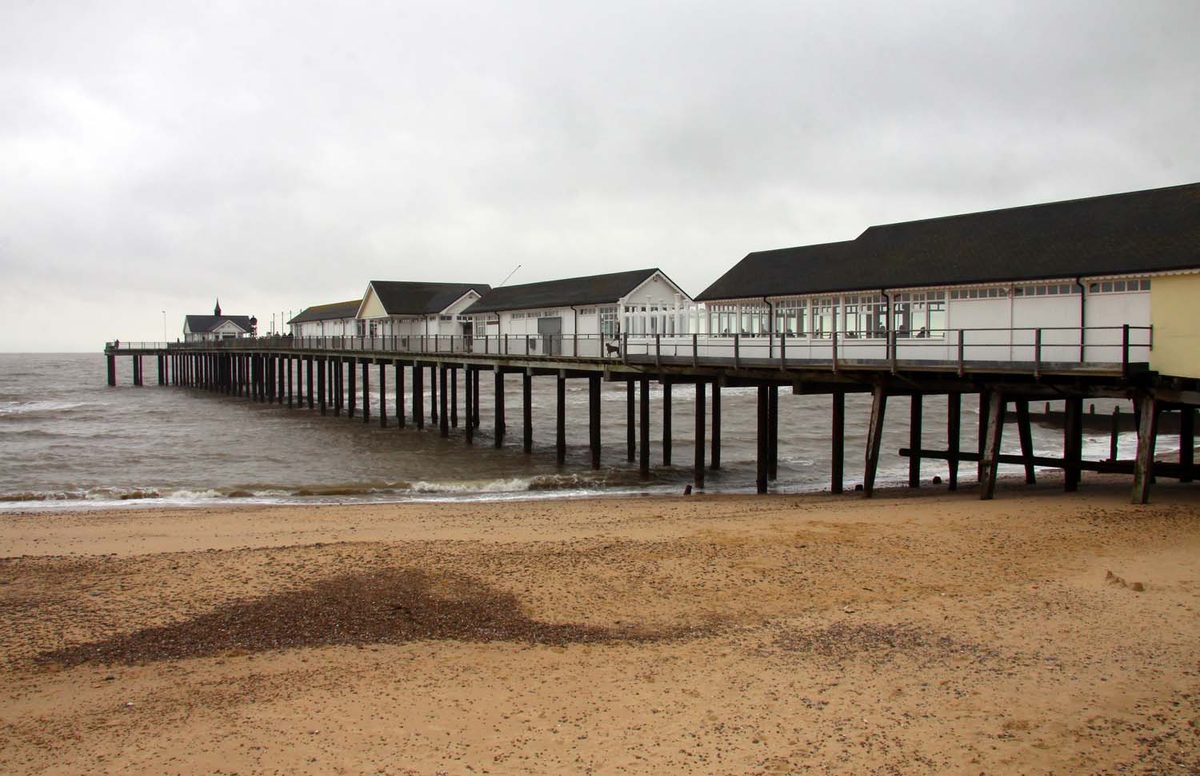
Southwold, Suffolk — Slower, Quieter, Properly English
The first thing you notice in Southwold is the pace. People walk slowly here. They linger on the pier (which is genuinely eccentric — the Under the Pier Show slot machines are worth the coins). The beach huts, brightly painted, are a national image; the lighthouse rises unexpectedly from the town centre; and the Adnams Brewery, which has been here since 1872, gives the whole place a faint smell of malt on warm days.
Southwold is small — the population is under 4,000 — and it has an air of carefully maintained gentility. The high street has good independent shops and a few excellent restaurants. The Crown Hotel and the Swan Hotel, both Adnams properties, are reliable bets for accommodation and food. The beach itself is wide, clean and backed by those famous huts.
The practical caveat is important: Southwold has no railway station. The nearest station is Halesworth, about eight miles away, served by trains from Ipswich on the East Suffolk line. From there you need a taxi or a bus — the latter runs but infrequently. If you are driving, Southwold is a two-to-three-hour drive from London, depending on traffic. If you are coming without a car, Aldeburgh (see below) is slightly better-connected.
A guesthouse or B&B in Southwold runs around £90–£170 a night as of 2026. It is a Suffolk premium for a very particular kind of quiet. Suffolk’s county appeal is well covered in our England coast and beaches guide.
Best for: Couples, walkers, those wanting genuine quiet, beer lovers (Adnams), those who want a slower pace than Cornwall can offer in August.
Aldeburgh, Suffolk — Fish and Chips, Britten, and a Bracing North Sea Beach
Aldeburgh is Southwold’s neighbouring town, twenty-something miles down the coast, and in some ways its spiritual cousin. It is also small, also quiet, also without a railway station (Saxmundham is the nearest stop, about four miles away). But Aldeburgh has a different texture. The high street is slightly more functional. The beach — shingle, bracing, with fishing boats pulled up on it — feels wilder and more working.
The fish and chips from the huts on the seafront are, without any exaggeration, some of the best in England. The queues are long but they move. Aldeburgh Fish and Chips has been doing this for decades, and the quality remains high: fat chips, fresh cod or haddock, proper batter. Eating it on the shingle watching the grey North Sea is a specific English pleasure that nobody should miss.
Aldeburgh is also the home of the Aldeburgh Festival, Benjamin Britten’s music festival, which happens in June each year and draws serious audiences to the Snape Maltings concert hall a few miles inland. The Scallop sculpture on the beach — a large steel shell by Maggi Hambling — is a focal point for both admirers and, sometimes, critics.
Hotel and B&B prices run around £100–£190 a night as of 2026. Better value than Southwold for some accommodation types; slightly more austere for others.
Best for: Foodies, music lovers (June), walkers, couples wanting something genuinely off the beaten track.
The North East: Combining City and Coast
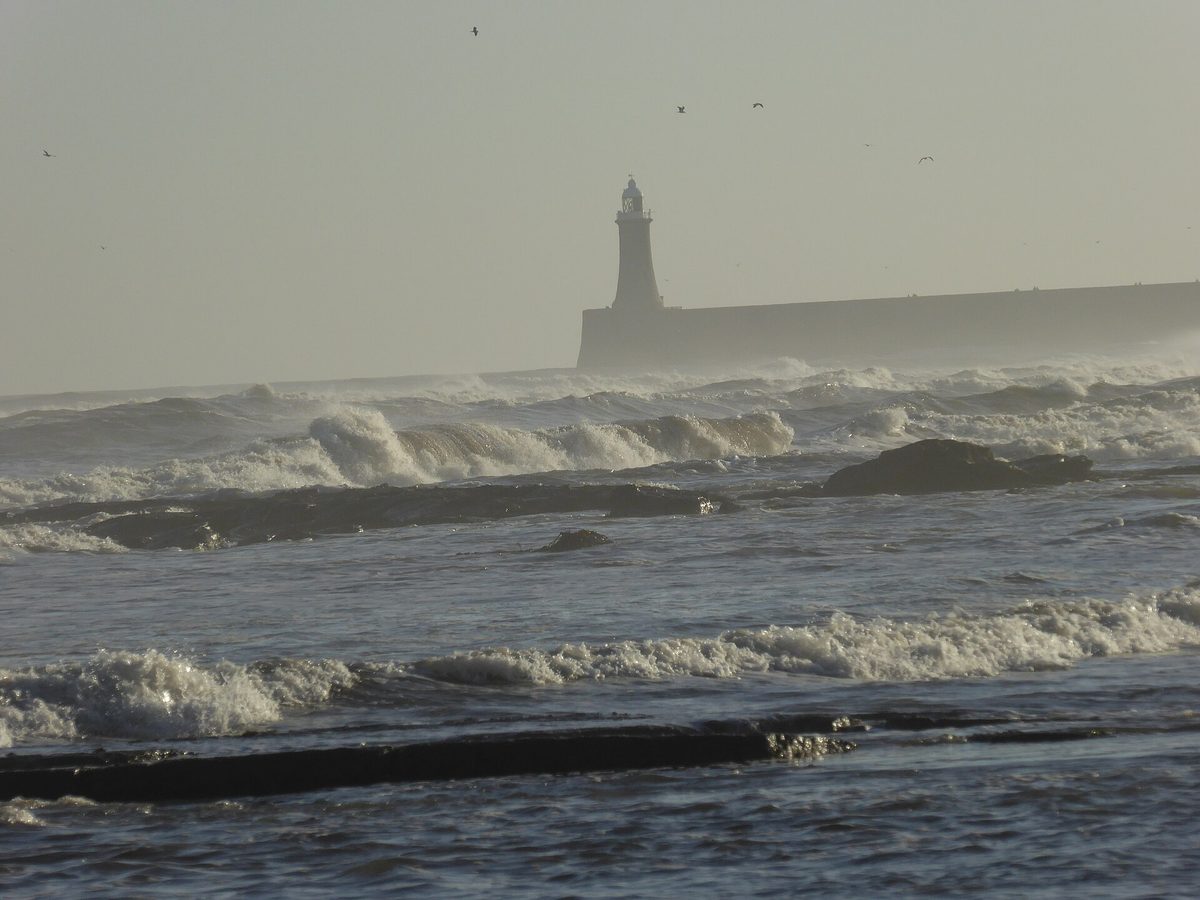
Tynemouth, Northumberland — Metro to the Waves
Tynemouth is the most unusual proposition on this list, and possibly the most underrated. It is a seaside town connected to a major city — Newcastle upon Tyne — by a Metro line that runs every few minutes. You can check into a hotel in Tynemouth, walk to the beach in ten minutes, surf at Longsands, visit the castle and priory ruins, eat at one of the genuinely good restaurants on Front Street, and then take the Metro into Newcastle for an evening at the theatre, a visit to the Baltic arts centre, or the cathedral quarter in about 25 minutes. That combination is rare.
Longsands is a proper beach — long, sandy, backed by the town. It supports a surf community, a beach café worth visiting and wide views north. The castle and priory ruin on the headland is English Heritage and worth the entry fee; the promontory views are remarkable, looking back across the bay and north toward the Northumberland coast.
The Metro runs from Tynemouth into Newcastle city centre with Metro stops including the main station, making it easy to connect with mainline trains. Hotels and guesthouses in Tynemouth run around £70–£140 a night as of 2026, making it much better value than most southern resorts. The Tynemouth Castle Inn is a popular choice right on the seafront.
For those who want a coastal base but also want the infrastructure and dining options of a proper city nearby, Tynemouth is the strongest option in England. No other seaside town on this list has a rapid transit link to a major cultural city.
Best for: City-coast combinations, surfers, travellers using public transport, couples and solo travellers who want flexibility, those exploring the wider North East.
Matching the Town to the Traveller
Best Seaside Towns for Families
Scarborough is the strongest family base on the list: sandy beaches in both bays, an active seafront with traditional resort activities, and a direct train from York and Leeds. St Ives works well for families with older children — the branch line journey is a highlight, the beaches are beautiful, and the town is walkable — but it is crowded in peak summer and expensive. Lyme Regis is excellent for families with a fossil-hunting interest; the structured activities and calm Cobb beach give younger children something focused to do.
See our family-friendly hotels in England guide and our England with kids article for property suggestions and wider itinerary ideas.
Best Seaside Towns for Foodies
Salcombe and St Ives lead in the South West for seafood quality. Whitby is the strongest proposition in the North for fish and chips specifically, and the town’s wider food scene has improved significantly. Aldeburgh’s seafront fish-and-chip huts are nationally recognised. Brighton offers the greatest breadth of cuisine on this list — it is a proper city food scene attached to a seafront.
If you are making a trip centred on eating and drinking, consider building in a night at a pub or inn in England — the coastal versions in Suffolk and Yorkshire in particular have excellent kitchens.
Best Seaside Towns for Walkers
Lyme Regis sits at a natural junction of the South West Coast Path and gives immediate access to the Jurassic Coast in both directions. Whitby is a starting or end point for multi-day walks across the North York Moors. Salcombe connects directly to the South West Coast Path toward Bolt Head. Tynemouth is on the emerging King Charles III Coastal Path, which as of 2026 makes the entire English coastline walkable in connected sections.
Walking holidays pair well with the best beaches in Cornwall and the wider places to visit in Cornwall guides if you are planning a South West coastal circuit.
Best Seaside Towns for Car-Free Travellers
Brighton is the clear winner — frequent trains from London in under an hour, everything walkable from the station. St Ives via the branch line is excellent once you are in Cornwall, though getting to Cornwall from most of England takes time. Scarborough and Whitby are both reachable by train, with Scarborough the more frequent and direct. Tynemouth wins for combining Metro access with a genuinely good coastal experience.
Salcombe, Lyme Regis, Southwold and Aldeburgh are the most challenging for car-free visitors — possible, but requiring planning around local buses and taxis from the nearest station.
Final Thoughts
If I had to pick one town for a first coastal trip around England, I would choose Whitby. The combination of accessible railway travel, extraordinary atmosphere, genuinely good food, and coastal drama is not matched anywhere else on this list. The 90-minute Esk Valley train journey is a proper journey in itself. The town works in any season and for almost any type of traveller.
If I were going without a car and needed to be somewhere in a weekend from London, it would be Brighton — the trains make it almost effortless, and the city repays repeated visits.
If it had to be Cornwall — and sometimes it has to be — I would book St Ives in October, walk the South West Coast Path as far as I could manage, and eat at Porthminster Beach Café at least once. That combination is hard to argue with.
The English coast is long, varied and still underexplored by most people who visit. Start with one base. Do it properly. Then come back for another section.
For accommodation across all types and all regions, our England vacation rentals guide and our pub inns in England round-up will help you find the right place to sleep. For planning the overall trip — when to come, what it costs — see our England trip cost and best time to visit England articles.
Research and Source Notes
Railway information verified via National Rail and individual line operators: GWR (St Ives Bay Line / St Erth connection); Northern (Esk Valley line, Whitby–Middlesbrough); Thameslink/Southern (London–Brighton, ~1 hr journey); TransPennine/Northern (York–Scarborough, ~45 min; Leeds–Scarborough, ~75 min); Nexus Tyne and Wear Metro (Tynemouth–Newcastle, ~25 min).
Accommodation pricing is hedged as approximate figures as of 2026, sourced from Tripadvisor, KAYAK and Expedia listings current at time of writing. Prices fluctuate significantly by season; August on the South West coast in particular can double or triple indicative figures. Always confirm directly with properties.
Coastal walking information references the South West Coast Path Association and the King Charles III England Coast Path, which reached full opening along the English coastline in 2026.
Regional tourism authorities consulted include VisitCornwall, VisitDorset, Welcome to Yorkshire, Visit Suffolk, and Visit North East England for factual details on attractions, transport and facilities.
Internal references in this article: where to stay in England, best areas to stay in England, where to stay in Cornwall, Cornwall and Devon travel guide, Jurassic Coast travel guide, Yorkshire road trip, best beaches in Cornwall, best places to visit in Cornwall, Devon vs Cornwall, family-friendly hotels in England, England with kids, pub inns in England, England vacation rentals, England coast and beaches, best time to visit England, England trip cost.
Photo Credits
- Panoramic view of St Ives harbour with turquoise water and whitewashed cottages, showing why this is one of the best seaside towns to stay in England — Photo: Stephen Mills / CC BY-SA 2.0 via Wikimedia Commons. Source
- Brighton Palace Pier at sunset with illuminated lights reflecting on the beach, a landmark of England’s most vibrant seaside city — Photo: Andy Li (CC0) via Wikimedia Commons. Source
- Whitby Abbey ruins on the clifftop above the harbour town, one of England’s most atmospheric seaside places to stay — Photo: aude / CC BY-SA 3.0 via Wikimedia Commons. Source
- Southwold Pier stretching into the North Sea with its candy-striped beach huts and lighthouse, one of England’s prettiest seaside towns — Photo: Steve Daniels / CC BY-SA 2.0 via Wikimedia Commons. Source
- Tynemouth Longsands beach with golden sand and surfers, easily reached by Metro from Newcastle, combining city access with North Sea coast — Photo: Ardfern / CC BY 4.0 via Wikimedia Commons. Source
Frequently asked questions
What is the prettiest seaside town to stay in England?
St Ives is frequently cited as the prettiest, and the argument is hard to dispute: the harbour, the whitewashed cottages, the beaches and the light combine to produce something that feels almost implausibly beautiful on a clear day. Southwold and Aldeburgh are strong contenders if you prefer east-coast understatement over Cornish colour. Whitby's drama — the clifftop abbey, the stepped town, the working harbour — gives it a beauty that is darker and more Gothic in character.
Which English seaside towns are best reached by train?
Brighton is the easiest by far — trains from London every 15–20 minutes, journey time under an hour. Scarborough has direct services from York (45 min) and Leeds. Whitby is reachable via the Esk Valley line from Middlesbrough, which connects to the east coast main line. St Ives requires travel to St Erth on the main Cornwall line, then the branch line — scenic but a long journey from most of England. Tynemouth is on the Tyne and Wear Metro, connecting to Newcastle in around 25 minutes.
Which seaside towns in England are best for families?
Scarborough offers the most complete family package: sandy beaches, resort facilities, direct train access from Yorkshire's main cities, and accommodation at reasonable prices. Lyme Regis is excellent for families interested in fossil hunting and outdoor activities. St Ives works well for older children with its beaches and art scene. Brighton suits families with teenagers who want pace and variety.
Are any seaside towns in England good in winter?
Brighton functions well year-round — it has a full urban calendar and the seafront is dramatic in winter storms. Whitby is excellent in the quieter months (and the Goth Weekends happen in April and October). Southwold and Aldeburgh feel like different places off-season: emptier, windier, and for many people more honest versions of themselves. St Ives in October is one of the best-kept secrets on the English coast — the light is extraordinary and the accommodation is cheaper.
What is the cheapest English seaside town to stay in?
Scarborough offers the best value among the towns on this list, with hotel rooms from around £65 a night as of 2026. Tynemouth is also good value, particularly given the Metro access to Newcastle. Brighton has budget options from around £70. The most expensive consistently are Salcombe, Aldeburgh and St Ives in peak summer, where staying in self-catering accommodation for a week is often better value than nightly B&B rates.
Should I stay in a coastal village or a seaside town?
It depends on what you want. Towns like Brighton and Scarborough offer infrastructure — restaurants, shops, events, transport links — that smaller villages cannot match. But if the goal is genuine peace, a slower pace and a relationship with the sea rather than the promenade, then the quieter options (Southwold, Aldeburgh, or a small village on the North Cornwall coast) are far preferable. The best areas to stay in England guide covers options across both categories if you have not decided yet.