Sheet 77 · England Road Trips · 15 min read
South England Road Trip
Plan the perfect South England road trip with this routed loop: Brighton, the Seven Sisters, Wessex, Stonehenge, Bath and Kent's castles, with real drive
 Sheet 77
Contents 11 sections
The first time I drove this loop I made the classic mistake: I tried to “see the south” in a flat list of greatest hits, zigzagging back and forth until half my trip was spent on the A303 in the dark. The second time I got it right, and I’ve refined it on every run since. The trick is to stop thinking of southern England as a single blob and start thinking of it as four distinct chunks strung together in a sensible circle.
A South England road trip is the loveliest way to link the South Coast, the Wessex heartland and the castle country of Kent into one driving holiday. Base yourself in Brighton, the New Forest, Bath and Canterbury, and you can cover white chalk cliffs, Stonehenge, Roman baths and a Norman cathedral in roughly a week — without ever feeling rushed, and without doubling back.
That’s the version I’ll walk you through here. Real legs, real bases, honest drive times.
Quick Answer: How to Plan a South England Road Trip
A South England road trip works best as a clockwise loop of about 7 days. Start in London, drive the South Coast through Brighton and the Seven Sisters to the New Forest and Dorset’s Jurassic Coast, swing inland through Wessex (Salisbury, Stonehenge, Bath), then finish across Kent via Canterbury and Dover before returning to London. Around 400 miles total.
I’ve deliberately kept this to the south and southeast. The Cotswolds and the far southwest (Cornwall and Devon) are gorgeous, but they pull you in different directions and deserve their own time — so I’ve left them out here and pointed you to where they each get their own route. More on that below.
The Route at a Glance
Here’s the shape of the whole thing. Times are driving only, “as of 2026,” and assume you’re not hitting the M25 at rush hour (more on that disaster later).
| Leg / Area | Overnight base | Nights | Drive to next base | Highlights |
|---|---|---|---|---|
| London (gateway) | — | 0–2 | ~1h45 to Brighton | Pick up the car after the city |
| Sussex South Coast | Brighton | 1–2 | ~1h to New Forest | Brighton, Seven Sisters, Birling Gap |
| New Forest & coast | Lyndhurst / Brockenhurst | 1 | ~1h30 to Dorset coast | Wild ponies, Beaulieu, Lymington |
| Jurassic Coast | Dorchester / Weymouth | 1 | ~1h15 to Salisbury | Durdle Door, Lulworth Cove |
| Wessex heart | Salisbury, then Bath | 2 | ~50 min Salisbury–Stonehenge–Bath | Stonehenge, Salisbury, Roman Baths |
| Kent castle country | Canterbury | 1–2 | ~1h back to London | Canterbury, Dover, Leeds Castle |
Six bases, one loop. You can stretch it to 9 or 10 days by adding nights in Bath and Canterbury, or compress it to 5 if you skip the New Forest. I’d fight you on skipping the New Forest, but it’s your trip.
If you want the maths on petrol, tolls and how the legs add up, I keep a running reference in our guide to driving distances in England. And if this loop feels like a slice of something bigger — it is. It’s one chapter of our full England road trips collection, which brings all the regional routes together.
London: Your Gateway, Not Your Driving Start
Let me save you a headache. Do not pick up a rental car in central London and try to drive out. London traffic is genuinely punishing, the Congestion Charge and ULEZ zones will catch you out, and you’ll spend your first hour white-knuckling a roundabout instead of enjoying yourself.
Instead, treat London as the gateway. See the city first on foot and by Tube — our London travel guide covers a couple of days well — then collect your car from an outer depot like Gatwick, Heathrow or a suburban branch and point it at the coast. You start your driving holiday already heading somewhere beautiful, which is exactly the right way to feel.
A quick word on the car itself. Reserve an automatic if you’ve never driven on the left — it removes one whole layer of thinking while your brain adjusts to roundabouts and the “wrong” side. I’ve laid out the full booking process, insurance gotchas and what size car actually fits these lanes in renting a car in England. The short version: smaller than you think, automatic if in doubt, and full insurance is worth it on hedge-lined back roads.
One optional detour before you commit to the coast: Windsor sits just west of Heathrow, and if you’ve got a slow first morning, the castle makes a gentle warm-up. I’ve written that up as a standalone Windsor day trip so you can decide whether to fold it in.
The Sussex South Coast: Brighton and the Seven Sisters
From the London airports it’s roughly an hour and three-quarters down to Brighton, and the moment you smell the sea air the holiday properly begins.
Brighton
Brighton is brash and brilliant and I love it. The Royal Pavilion is a genuinely mad onion-domed palace, the Lanes are full of tiny shops and good coffee, and the pebble beach with its rusting old pier is pure English seaside. Don’t expect golden sand — it’s shingle, and it’ll murder your bare feet — but the energy of the place more than makes up for it.
Stay one night here, two if you want a proper night out. Parking in central Brighton is a pain and pricey, so use a Park & Ride or a hotel with its own space and walk everywhere.
The Seven Sisters and Eastbourne
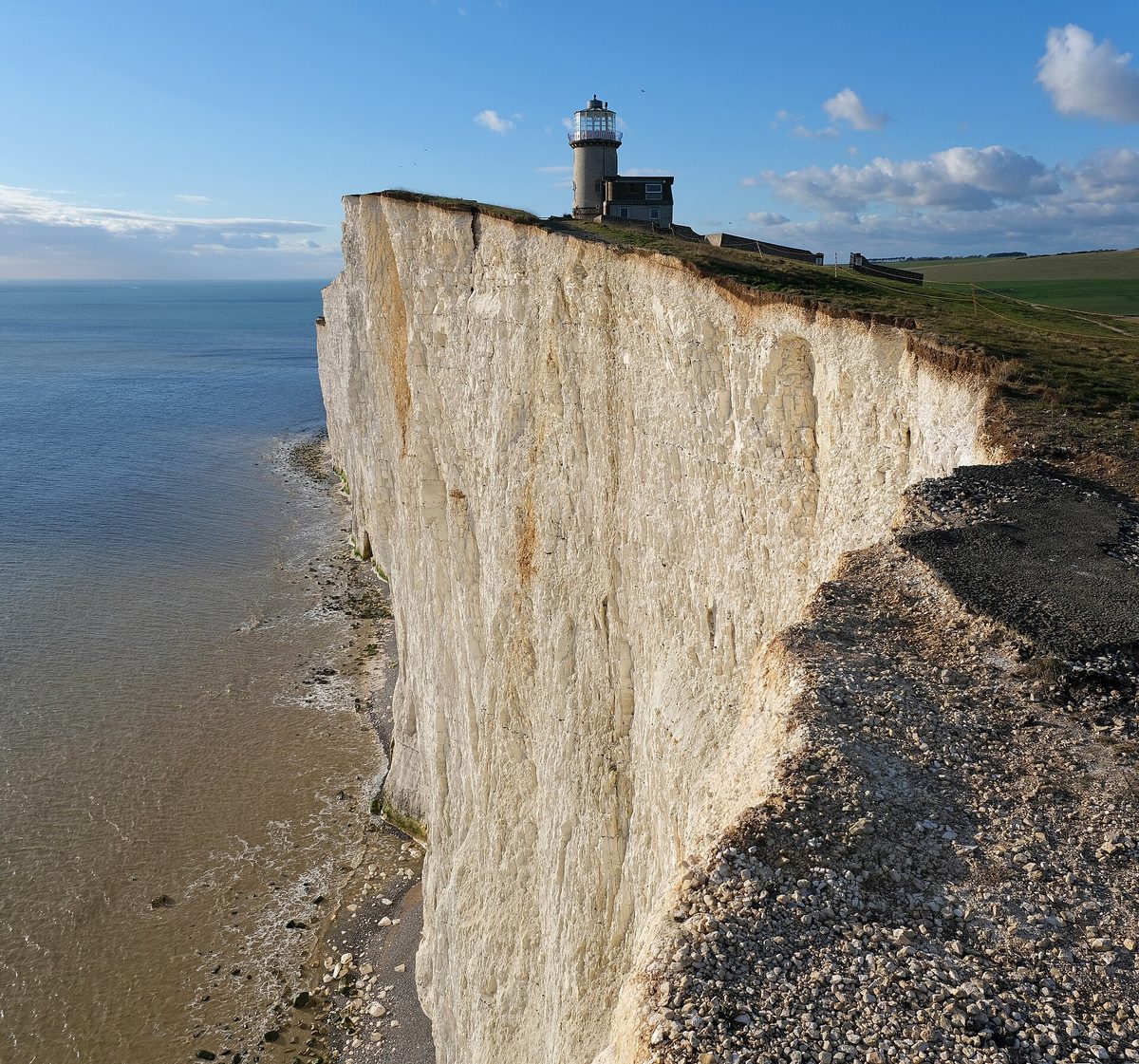
This is the bit people remember forever. About 40 minutes east of Brighton (roughly 19 miles along the coast through Newhaven and Seaford) you reach the Seven Sisters — a run of blinding-white chalk cliffs rising and falling like a heartbeat against the Channel.
The honest geography trips a lot of people up, so here it is. For the famous postcard view looking back at the cliffs, you want Seaford Head above the Cuckmere Valley — it’s quieter and the angle is perfect. To stand on the cliffs with the wind trying to take your hat, head to Birling Gap, where the National Trust runs a café and a set of steps down to the beach. Eastbourne, just beyond, is a tidy Victorian resort and a fine lunch stop.
Wear proper shoes, stay well back from the unfenced edges (the chalk crumbles, genuinely), and give yourself a couple of unhurried hours. This is one of the great stretches of the English coast, and our England coast and beaches guide rounds up where else to find this kind of drama.
The New Forest: Wild Ponies and Quiet Lanes
From the Seven Sisters, the drive west toward Hampshire takes about an hour and a half along the coast and the A27. You’re swapping cliffs for woodland now, and the New Forest is an abrupt, lovely change of pace.
The thing nobody quite prepares you for: the ponies have right of way. Hundreds of them, plus donkeys and cattle, roam completely free across the heath and onto the roads. Speed limits drop to 40 mph for a reason, animals do appear out of nowhere at dusk, and hitting one is both heartbreaking and a legal headache. Drive gently and you’ll be rewarded with the sight of foals dozing on village greens.
Base yourself in Lyndhurst, the unofficial capital, or pretty Brockenhurst for one night. Lyndhurst’s Bolton’s Bench is a classic pony-spotting spot, the village of Beaulieu has a famous motor museum and an abbey, and Lymington down on the water has a Saturday market and a quay full of yachts. It’s an easy, soft day after the coast — exactly what the middle of a road trip needs.
The Jurassic Coast: Durdle Door and Lulworth Cove
Now Dorset, and the geology gets showing off. From the New Forest it’s around an hour and a half to the Lulworth area, and this is where my loop reaches its western edge.
I want to be clear about that edge, because it’s a deliberate choice. The Jurassic Coast runs all the way to Devon, and the southwest — Exmoor, Cornwall, the lot — is spectacular. But it pulls you a long way off this circle, so I stop in Dorset and hand the rest over to our Cornwall road trip, which gives the far southwest the dedicated route it deserves. Trying to bolt Cornwall onto this trip is how you end up exhausted.
What you absolutely should see here:
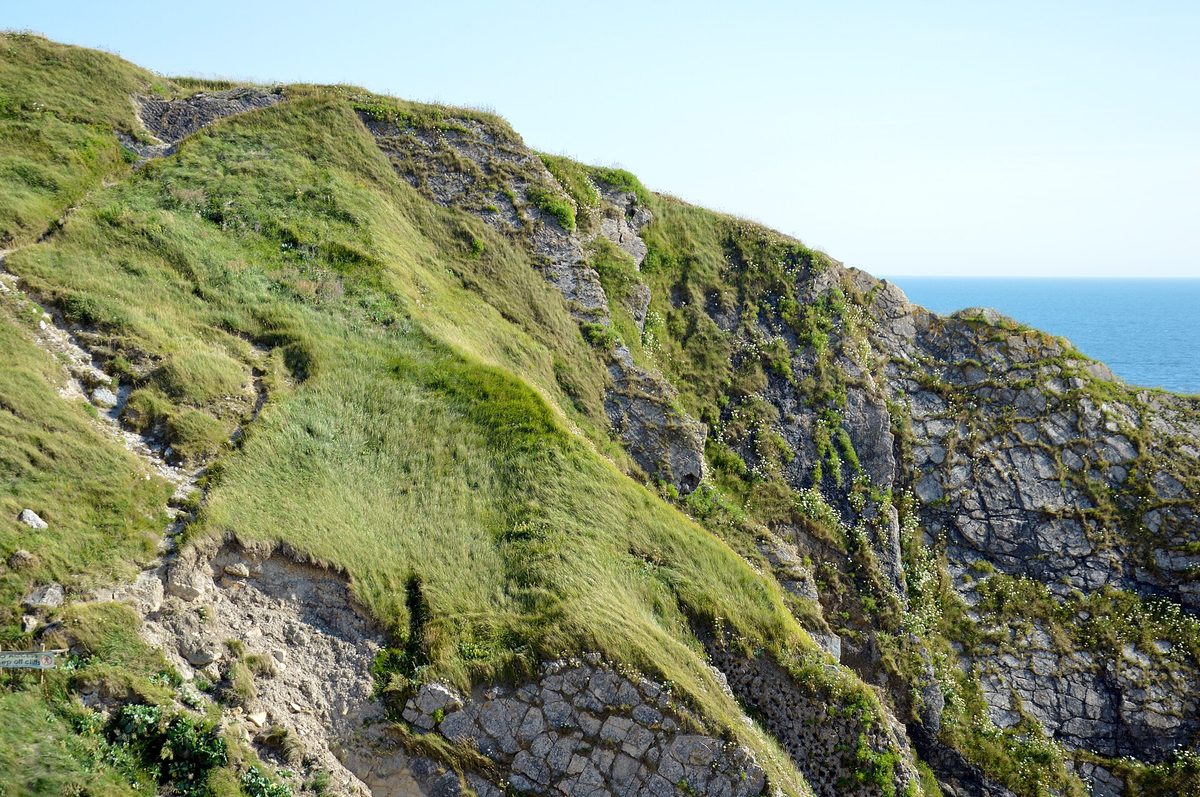
- Durdle Door — the limestone arch standing in the sea, reached by a steepish walk down from the clifftop car park. It’s the most photographed rock in England for good reason.
- Lulworth Cove — a near-perfect horseshoe bay just two miles (about 10 minutes’ drive) from Durdle Door, tucked below a pretty village with crab sandwiches and ice cream.
Stay near Dorchester or Weymouth. The clifftop paths can be muddy and the Durdle Door descent is no joke in flip-flops, so boots again. For the full geology, the fossil-hunting at Charmouth and Lyme Regis, and tide tips, I’d lean on our Jurassic Coast travel guide before you go.
The Wessex Heart: Salisbury, Stonehenge and Bath
This is the inland soul of the trip and, for me, the emotional centre of any South Coast England road trip that’s brave enough to leave the coast. From Dorset you turn north into ancient Wessex — chalk downs, cathedral cities and the most famous prehistoric monument on earth.
Salisbury and Stonehenge
Salisbury first. The cathedral has the tallest spire in Britain and houses one of the four surviving original 1215 copies of Magna Carta — standing in front of that 800-year-old document genuinely gave me chills. The medieval Cathedral Close around it is one of the loveliest corners in England.
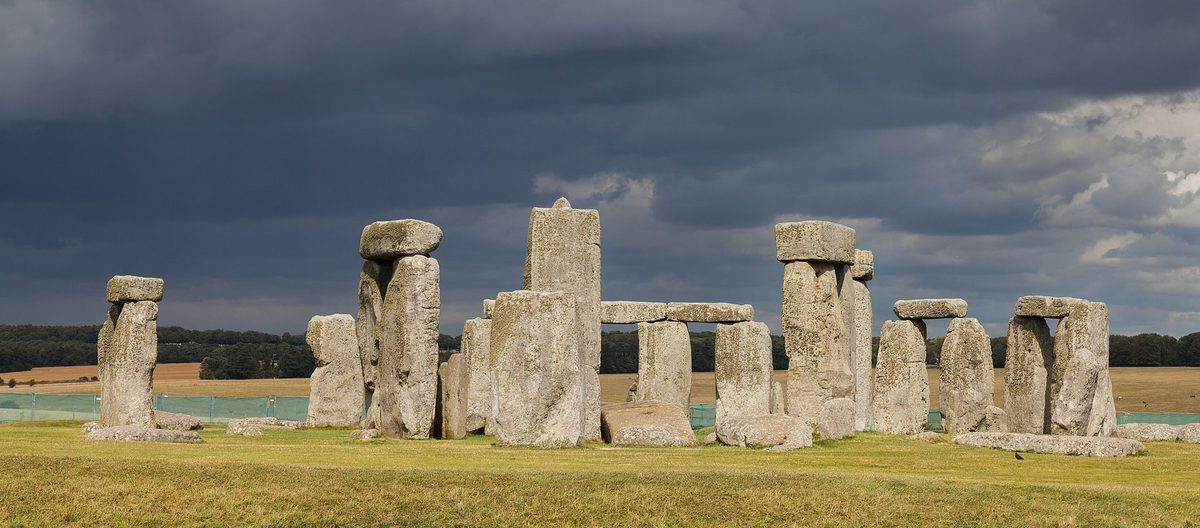
From Salisbury it’s only about 12 miles up to Stonehenge, an easy run on the A303. Two pieces of hard-won advice. First, book online in advance — entry is timed, it sells out in summer, and online booking is cheaper (adult tickets are around £27 as of 2026, with roughly a 15% saving versus the gate). Second, if you want to walk inside the circle rather than view it from the path, look at the early-morning or evening Stone Circle Experience (around £70), which is capped at a small group and is worth every penny for the silence.
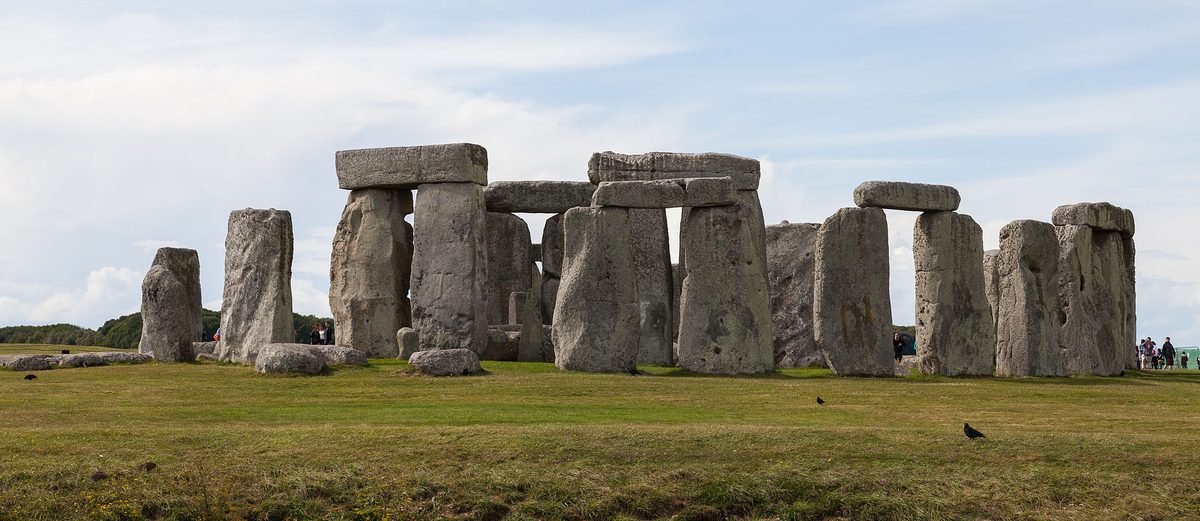
I’ve put together a deeper Stonehenge visitor guide with parking, the shuttle and timing tricks, and there’s a focused Bath and Stonehenge itinerary if you want to pair just these two as a tighter mini-break.
Bath
From Stonehenge it’s a pretty 50-minute drive (about 34 miles) into Bath, and you’ll want two nights here if you can spare them. Bath is the only UK city that’s a UNESCO World Heritage Site in its entirety, and it earns it. The honey-coloured Georgian terraces, the sweep of the Royal Crescent, the Jane Austen connections — it’s all genuinely beautiful and very walkable.
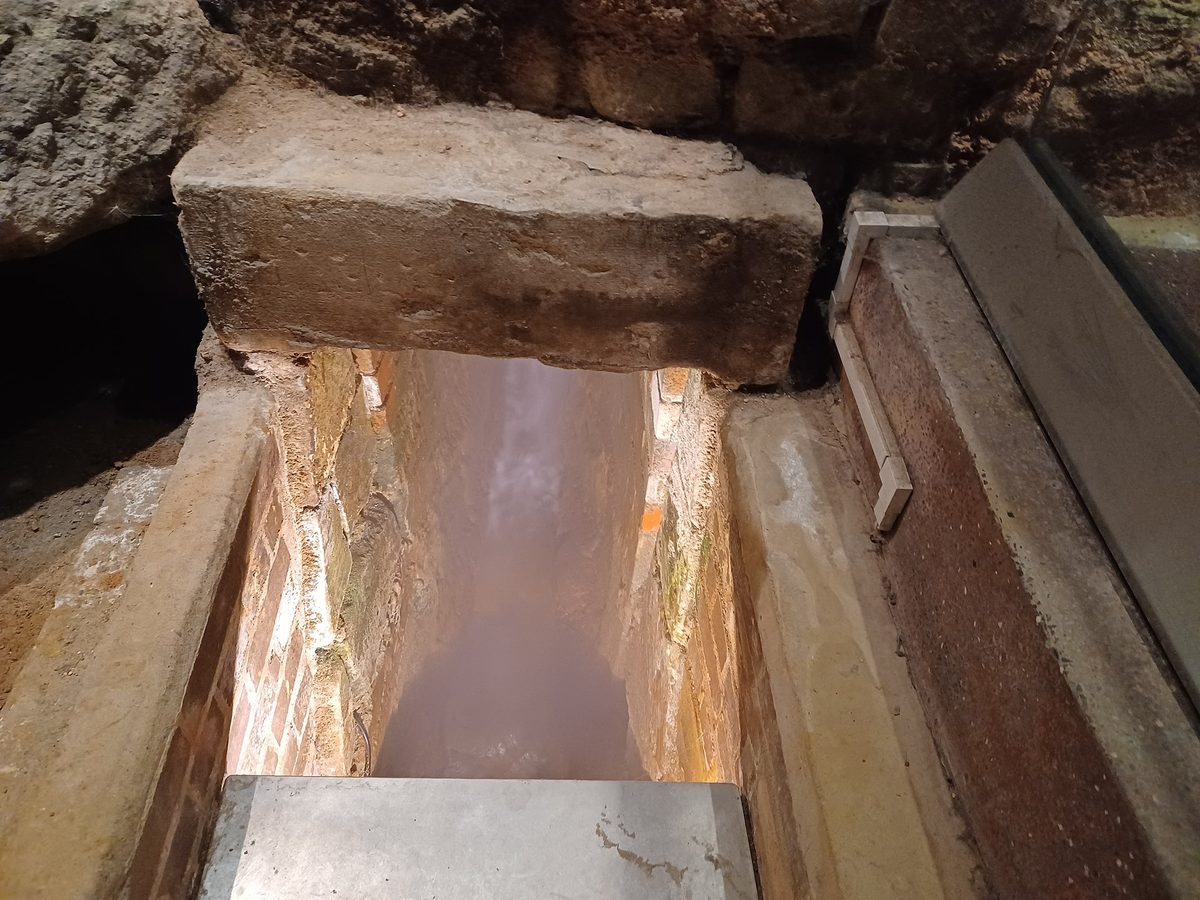
The headline is the Roman Baths, the steaming green pool the Romans built over a natural hot spring nearly two thousand years ago. Go late in the day to dodge the coach crowds, and if you fancy actually bathing, the modern Thermae Bath Spa next door lets you soak in the same mineral water with a rooftop view over the city. Our Bath guide has my picks for where to eat and which terraces to wander.
Bath is also your jumping-off point if the rolling-hills temptation gets too strong — the Cotswolds begin just to the north. I haven’t woven them into this loop on purpose, because they’re a different kind of trip with their own rhythm. They get their own route in our Cotswolds road trip, and Oxford sits handily on that side too if you want it (see our Oxford travel guide).
Kent: Canterbury, Dover and the Castle Country
Now the long swing east to close the loop. This is the leg that turns a coastal drive into a proper circle, and Kent rewards you with cathedrals, white cliffs and some of the best castles in the country.
Winchester on the way
Coming back from Bath, I like to break the journey at Winchester — Alfred the Great’s old capital, with a magnificent cathedral and a buzzy little high street. It’s roughly 20 miles from Salisbury and sits neatly between Wessex and Kent, so it’s a natural lunch stop rather than a detour. The Great Hall holds the legendary Round Table (medieval, not Arthurian, but still a thrill).
Canterbury
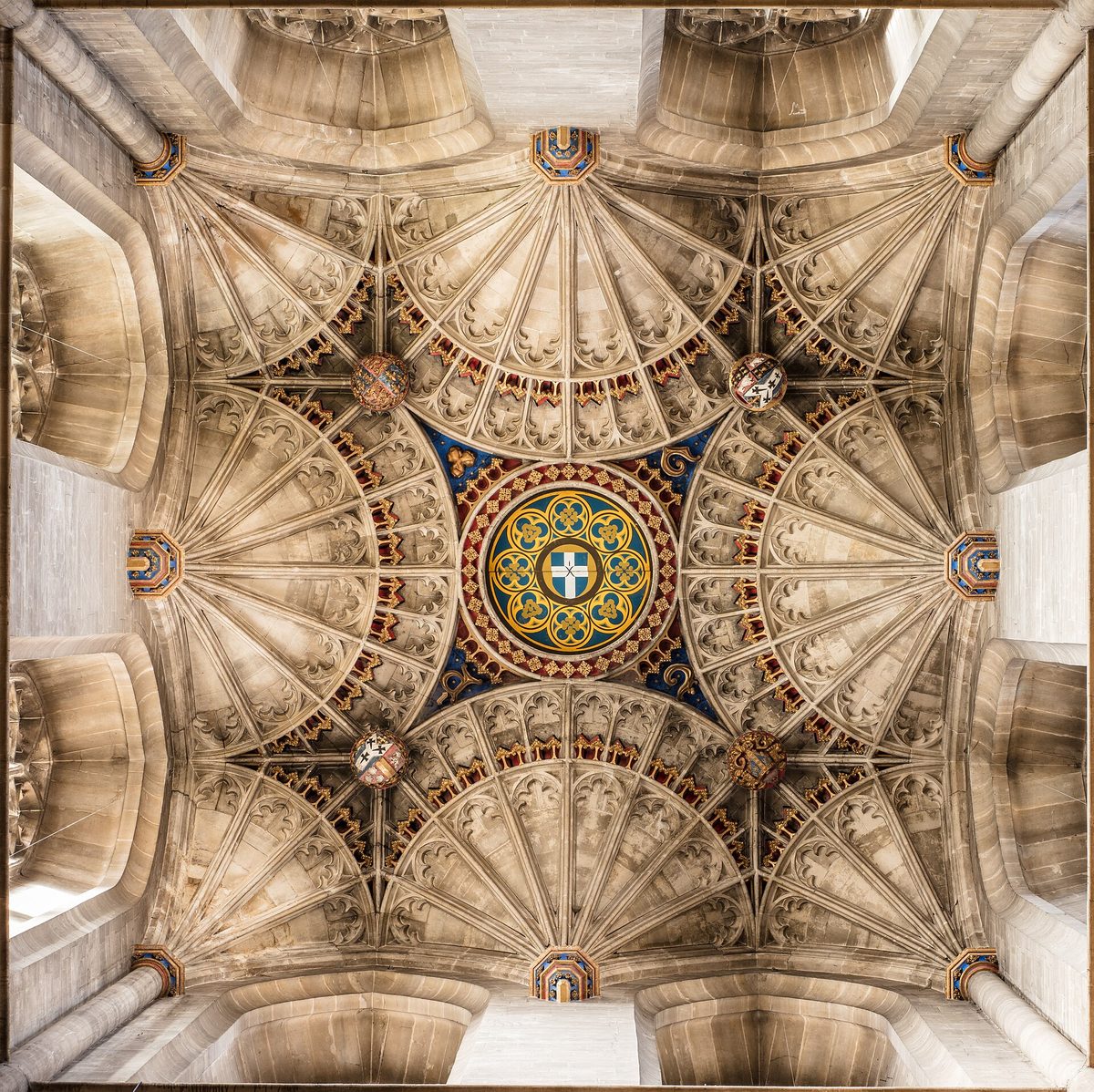
Push on to Canterbury and stay one or two nights. The cathedral is a UNESCO World Heritage Site and the mother church of the entire Anglican communion — the spot where Thomas Becket was murdered in 1170, which still feels heavy when you stand there. Beyond it, Canterbury is a walkable medieval city of crooked timber buildings, a punt-able river and good pubs. It’s the perfect base for the corner of Kent.
Dover and the castles
From Canterbury, the white cliffs are 20 minutes away. Dover Castle is enormous — a medieval fortress that’s guarded this stretch for over 800 years, complete with secret wartime tunnels carved into the chalk where the Dunkirk evacuation was directed. Allow most of a day. Then walk a stretch of the White Cliffs of Dover themselves, with France visible across the Channel on a clear day.
Don’t miss Leeds Castle nearby, the moated 12th-century pile in 500 acres of Kent parkland that Henry VIII gave a makeover. Between Dover, Leeds and the Cathedral, this corner is castle heaven — and if you’re collecting fortresses, our best castles in England guide flags which ones are worth the entry. Kent’s grand houses are covered in our stately homes in England round-up too.
If you’d rather sample this corner as a taster before committing, we’ve got a Canterbury and Dover day trip from London that hits the highlights in a single long day.
Back to London
From Canterbury it’s about an hour back into London on the M2/A2 to drop the car. Time it for mid-morning or early afternoon, never the evening rush, and you’ll glide in. And that’s the loop closed.
Where This Route Stops, and What Gets Its Own
I’ve drawn the boundaries on purpose, so you don’t try to do everything and enjoy nothing.
- The Cotswolds sit just north of Bath and are a temptation, but they’re a different, slower trip — they get their own Cotswolds road trip.
- Cornwall and Devon, the far southwest, are spectacular and a long haul from this circle — they get their own Cornwall road trip.
- The whole country in one go — if you want north and south, that’s a bigger beast, and our 10-day England road trip itinerary stitches the regions together properly.
Knowing what to leave out is half of planning a good route. This loop is the south done well, not the whole island done badly.
Practical Tips From Doing This Drive
A few things I wish someone had told me the first time:
- Avoid the M25 at peak. London’s orbital motorway is a car park at rush hour. Cross it before 7am or after 7pm, or route around it.
- Book the headline sights ahead. Stonehenge, the Roman Baths and Dover Castle all benefit from advance, timed tickets in summer.
- The lanes are narrow. South Coast and Wessex back roads are hedge-lined and single-track in places. Slow down, use passing places, and don’t fight a tractor.
- Pick your season. Late spring through early autumn gives you long daylight for the coastal drives; I get into the trade-offs in the best time to visit England.
- Sort your bases first. Lock in Brighton, Bath and Canterbury early in peak season — they book up. Our where to stay in England guide helps you choose the right town to sleep in for each leg.
- Leave room for villages. Half the joy is an unplanned stop in somewhere thatched and ancient; our most beautiful villages in England list is a handy shortlist when you’ve got a spare hour.
Final Thoughts
I keep coming back to this loop because it’s the most satisfying week of driving I know in England. You get the whole emotional range of the country in a single circle — the cheerful chaos of Brighton, the hush of a chalk clifftop, the strangeness of standing among stones older than the pyramids, the warm gold of Bath at dusk, and the weight of history in a Kent cathedral.
The biggest lesson, learned the hard way, is restraint. Don’t try to grab Cornwall and the Cotswolds and the north as well. Drive the south properly, give each base a night or two, leave time for the pub and the unplanned village, and let the loop do its work. Pick up the car outside London, point it at the sea, and go.
Research and Source Notes
Drive times and distances were cross-checked against route planners and reflect typical conditions as of 2026; treat them as “around” rather than exact. Key facts were verified against official sources:
- Stonehenge ticketing, timed entry and the Stone Circle Experience — English Heritage (english-heritage.org.uk).
- Dover Castle and other heritage sites in Kent and Wessex — English Heritage (english-heritage.org.uk).
- The Seven Sisters, Birling Gap and Leeds Castle parkland — National Trust (nationaltrust.org.uk).
- Regional travel, cities and what’s on — VisitBritain (visitbritain.com).
- Driving rules, the ULEZ and Congestion Charge — GOV.UK (gov.uk).
Always confirm opening hours, prices and ticket availability on the official site before you set off, as these change seasonally.
Photo Credits
- The Seven Sisters chalk cliffs near Eastbourne, an unmissable stop on any South England road trip — Photo: kallerna / CC BY-SA 4.0 via Wikimedia Commons. Source
- The Roman Baths in Bath, a Wessex highlight on this southern England driving route — Photo: Simon Burchell / CC BY-SA 4.0 via Wikimedia Commons. Source
- Stonehenge on Salisbury Plain, the centrepiece of any Wessex road trip itinerary — Photo: Diego Delso / CC BY-SA 4.0 via Wikimedia Commons. Source
- Canterbury Cathedral, the medieval heart of Kent on a South East England road trip — Photo: Michael D Beckwith (CC0) via Wikimedia Commons. Source
- Durdle Door on the Jurassic Coast, the western turning point of this South Coast England road trip — Photo: DimiTalen (CC0) via Wikimedia Commons. Source
Frequently asked questions
How many days do you need for a South England road trip?
Seven days is the sweet spot for this loop — enough to enjoy Brighton, the New Forest, the Jurassic Coast, Wessex and Kent without rushing. You can do a compressed version in five days by trimming the New Forest, or stretch it to nine or ten by adding extra nights in Bath and Canterbury and slowing the pace.
Is southern England good for a road trip?
Yes, it's one of the best driving regions in the country. Distances are short, the roads are good, and you can string together coastline, prehistoric monuments, Roman cities and castles in a tight circle. A car unlocks places that are slow or awkward by train, especially the New Forest, the Jurassic Coast and the smaller Kent and Sussex villages.
What's the best route for a South Coast England road trip?
Drive it as a clockwise loop from London: down to Brighton and the Seven Sisters, west along the coast to the New Forest and Dorset's Jurassic Coast, then inland through Salisbury, Stonehenge and Bath, and finally east across Kent via Canterbury and Dover before returning to London. It's roughly 400 miles and avoids any backtracking.
Do I need a car for this southern England driving route?
A car makes it dramatically easier. While you can reach Brighton, Bath, Salisbury and Canterbury by train, the best stops — Birling Gap, the New Forest ponies, Durdle Door and Leeds Castle — are difficult or time-consuming without your own wheels. Hire an automatic if you're new to driving on the left, and pick the car up outside central London.
When is the best time to do a South England road trip?
Late spring to early autumn (roughly May to September) is ideal, with long daylight for the coastal legs and warmer weather for clifftop walks. July and August are busiest and priciest, so May, June and September give you a sweet balance of good weather and thinner crowds. Winter works for cities like Bath, but coastal paths get bleak.
Can I add the Cotswolds or Cornwall to this trip?
You can, but I'd advise against bolting them on — both pull you far off this loop and deserve their own time. Bath sits close to the Cotswolds, and Dorset points toward the southwest, so they're natural next trips rather than add-ons. Each gets a dedicated route in our Cotswolds and Cornwall guides.