Sheet 20 · First-Time England Planning Guide · 18 min read
England Travel Mistakes to Avoid
The England travel mistakes first-timers always make — cramming the itinerary, walk-up train fares, ULEZ, DCC, summer rain — and the exact fix for each.
 Sheet 20
Contents 9 sections
I have made most of these mistakes myself. I once paid an eye-watering walk-up fare from London to York because I rocked up to the ticket window thirty minutes before the train, and I once stood on a pavement in the Cotswolds in July, soaked through, wearing a linen shirt and canvas trainers, genuinely shocked that England in summer could be cold and wet. Lesson learned, repeatedly.
The good news: the classic England travel mistakes are predictable, and almost every one has a cheap, simple fix. Cramming too much in, basing everything in London, skipping advance train tickets, and assuming July means sunshine — those four alone wreck more first trips than anything else. Below I name each trap and the remedy, with rough 2026 numbers.
For the positive flip side — the “do this” version — pair this with my practical tips guide and the master full England guide. This page is strictly the what-NOT-to-do list.
Quick Answer: The Biggest England Travel Mistakes
The biggest England travel mistakes are trying to see too much too fast, treating London as the whole country, and ignoring how the systems actually work — trains, charges, weather, opening hours. Fix them by slowing your route to two or three bases, booking train tickets in advance, declining “pay in pounds” card prompts, packing layers and waterproofs, and sorting your UK ETA (around £20 as of 2026) before you fly.
Here’s the at-a-glance version. Skim it, then read the sections for the why and the how.
| The mistake | Why it hurts | The fix |
|---|---|---|
| Cramming 8 cities into 7 days | Half your trip is spent in transit; you see stations, not places | 2–3 bases, day trips out; see how many days in England |
| Basing everything in London | You miss the best of England and burn money on long day trips | Sleep in 2–3 regions; use where to stay in England |
| Buying train tickets on the day | Walk-up Anytime fares can cost 3–4x an Advance ticket | Book ahead on National Rail; get a Railcard |
| Misreading rail ticket types | Off-Peak ticket on a peak train = penalty or full fare | Learn Anytime vs Off-Peak vs Advance |
| Changing money at the airport | Some of the worst rates anywhere | Use a fee-free card; withdraw from bank ATMs |
| Accepting “pay in pounds” (DCC) | You eat a hidden 3–8% markup | Always choose the local currency (GBP) |
| Assuming summer is warm and dry | Cold, wet days even in July; ruined plans | Pack layers + a waterproof; check England’s seasons month by month |
| Driving into city centres | Congestion Charge + ULEZ + parking + stress | Park-and-ride or train; drive only rural routes |
| Booking everything non-refundable | Weather and jet lag wreck rigid plans | Mix in flexible rates; pad day one |
| Wrong footwear | Cobbles + rain = misery and blisters | Broken-in waterproof shoes with grip |
| Forgetting bank holidays / Sunday hours | Closed attractions, short shop hours | Check dates; expect 6-hour Sunday trading |
| Skipping the UK ETA | Boarding refused; trip over before it starts | Apply via the official app, around £20 |
Planning and Pace: The Mistakes That Ruin a Trip Before It Starts
Mistake: Cramming too much in and underestimating distances
This is the number one England travel mistake, and I see it on every forum. The itinerary reads London, Bath, Cotswolds, Stonehenge, Oxford, York, Lake District, Cornwall — in ten days. It looks fine on a map. England is small, right?
Small on paper, slow in practice. London to the Lake District is roughly 3 to 4 hours by fast train; Cornwall is 4 to 5 hours from London; and the Cotswolds-to-Lake-District hop most people imagine as “a quick drive” is the better part of a day once you factor motorway traffic and the fact that the prettiest bits are on tiny lanes. Cross-country journeys that skip London often mean changing trains and waiting.
The fix: pick two or three bases and do day trips or short hops out from each. A sane first-timer rhythm is London (3–4 nights), one countryside base like Bath or the Cotswolds (2–3 nights), and one northern or western base like York or the Lake District (2–3 nights). My first time England itinerary and the breakdown in working out trip length lay out realistic timings. If you only have a week, the honest move is to do less — see the one-week England itinerary.
Mistake: Basing the whole trip in London and rushing day trips
London is magnetic, and I get the logic: one hotel, no packing and repacking. But making London your only base means every non-London experience becomes a long, expensive day trip — up before dawn, back after dark, two or three hours each way, the best light spent on a train.
You also end up paying peak return fares and arriving at, say, the Cotswolds for 90 minutes before you have to turn around. That’s not seeing the Cotswolds; that’s photographing a car park.
The fix: sleep where the good stuff is. Spend a night or two in Bath, with Stonehenge and Oxford nearby, or actually stay in a Cotswolds village so you get the magic hour after the coach tours leave. Keep London day trips to genuinely close, train-friendly targets — see my honest take on escapes from London versus what deserves an overnight.
Mistake: Ignoring England beyond London entirely
Related, but worse: treating London as synonymous with England. London is one (extraordinary) city. It is not the rolling Lake District, the Cornwall and Devon coastline, the moors, the medieval cities, or the castles and historic sites scattered across the country.
The fix: budget at least a few nights outside the capital. To genuinely experience England beyond London — Cotswolds, Lake District, Bath, a northern city — you want 10 to 14 days minimum; 2 to 3 weeks is the sweet spot for a first visit. For inspiration on where to point yourself, see best places to visit England and the England regions map for tourists.
Mistake: Underestimating day-one jet lag
If you’re flying from North America or further, you land in the morning groggy and decide to “power through” with a packed first day. By 3pm you’re hallucinating on a museum bench.
The fix: plan day one to be gentle and outdoors. A slow walk, daylight, an early dinner, no timed-entry tickets you’ll be too foggy to enjoy. Resist booking a big-ticket experience for the morning you land. Build the buffer in — it’s also why rigid, non-refundable plans (more below) bite hardest on arrival.
Money Mistakes: Where Tourists Quietly Lose the Most
Mistake: Changing money at the airport
Airport bureaux de change post some of the worst exchange rates you’ll find anywhere, sometimes with a “0% commission” sign that hides the markup in the rate. You can lose 10% or more versus the real mid-market rate.
The fix: carry a fee-free debit or travel card and withdraw small amounts of cash from a bank-branded ATM (a “cashpoint”) once you’re in town, or just tap your card — England is overwhelmingly contactless, and you can run almost an entire trip without notes. For how this fits your overall budget, see how much England costs and England budget costs.
Mistake: Accepting “pay in pounds” / dynamic currency conversion (DCC)
This one catches almost everyone. At a card machine or ATM you’ll be asked whether to be charged in your home currency or in GBP. Choosing your home currency feels reassuring — you see a familiar number — but it triggers dynamic currency conversion, where the merchant or machine sets the exchange rate and bakes in a markup. Consumer guidance (Wise, money.co.uk, HSBC) is unanimous: it almost always costs you more, often 3 to 8%.
The fix: always choose to be charged in the local currency — pounds (GBP). Let your own bank do the conversion at its rate. Decline DCC every single time, at shops and at ATMs.
Mistake: Over-tipping when a service charge is already on the bill
American visitors especially tend to tip on reflex. But many UK sit-down restaurants already add a “discretionary service charge” of around 10 to 12.5% to the bill. Tip again on top and you’re paying it twice.
The fix: read the bill. If a service charge is listed, you don’t need to add more — it’s genuinely discretionary, and you can ask for it to be removed if service was poor. If there’s no service charge and you were happy, rounding up or leaving around 10% is generous and normal. In pubs you order at the bar and don’t tip for drinks at all. More on this in what to eat in England.
Transport and Trains: The Most Expensive Misunderstanding
England’s railways are brilliant and confusing in equal measure, and the pricing trips up nearly every first-timer. Get this right and you’ll save real money; get it wrong and a single ticket can cost more than your flight leg.
Mistake: Not booking advance train tickets
Walk-up fares — especially Anytime tickets bought on the day — are brutal. Show up at the window for a long intercity route and you can pay three to four times what the same seat cost as an Advance ticket a few weeks earlier. Advance tickets are released in limited quantities, typically up to around 12 weeks ahead, and the cheapest go first.
The fix: book ahead on the official National Rail site or a no-fee retailer once your dates are firm. Advance tickets are cheapest but tie you to a specific train. Note for 2026: England’s regulated fares (some Off-Peak and season tickets) are frozen until March 2027, but that does not mean walk-up Anytime fares are cheap — they aren’t. Book early regardless. For the full picture, see England transport and, if you’re doing it all by rail, the England rail route.
Mistake: Not getting a Railcard when you qualify
A Railcard costs around £30 a year and cuts about 1/3 off most fares. There are nine types — Two Together (any two named adults), Family & Friends, 16–25, 26–30, Senior (60+), and more. Plenty of visitors qualify and never check.
The fix: before you book, see whether a Railcard applies to you or your travel companion. Two adults travelling together can grab a Two Together Railcard; it often pays for itself on a single intercity round trip. The discount stacks with Off-Peak and Super Off-Peak tickets.
Mistake: Misunderstanding ticket types and off-peak times
This is the subtle one. England has three broad ticket types: Anytime (travel on any train, most expensive, fully flexible), Off-Peak / Super Off-Peak (cheaper, but only valid outside busy times), and Advance (cheapest, fixed train only). Travelling on a peak train with an Off-Peak ticket can mean buying a brand-new full-price fare on the spot — an expensive surprise.
According to National Rail, Off-Peak hours generally begin around 09:30 Monday to Friday in cities and large towns (and from about 09:00 elsewhere), and Off-Peak fares are valid all day at weekends. The exact restrictions vary by route, so they’re always printed with the ticket.
The fix: if you bought Off-Peak, check the valid times before you board, and don’t catch the early-morning commuter trains with it. If your plans are flexible, an Off-Peak ticket plus mid-morning travel is the value sweet spot. The England apps guide — especially the National Rail and Trainline apps — show live restrictions and the cheapest options.

Weather and Packing: The Assumption That Gets You Soaked
Mistake: Assuming summer is warm and dry
It is neither, reliably. English summers swing wildly — you can get a genuinely hot week and then four days of grey drizzle and 14°C in July. Visitors pack for the brochure (sundresses, shorts) and end up cold, damp, and buying an emergency fleece at a markup.
The fix: pack layers and a proper waterproof, even in summer. A light insulating layer, a packable rain jacket, and clothes you can add or shed are the whole game. A compact umbrella helps in cities; in the hills, a hood beats an umbrella in the wind. See the full what-to-pack rundown and seasonal expectations in best time to visit England.
Mistake: Wrong footwear for cobbles and rain
Smooth-soled fashion sneakers or new shoes meet wet cobblestones in York or Bath and the result is slippery, blistered misery. England does a lot of walking on uneven, historic, often-damp surfaces.
The fix: bring broken-in, water-resistant shoes with grip. One comfortable, weatherproof pair beats three stylish pairs you can’t walk a mile in. If you’re heading to the national parks for hiking or coast, add real walking shoes or light boots. Wet feet on day two sour a whole trip.
Mistake: Underpacking for a “mild” climate that’s anything but predictable
People hear “temperate” and pack thin. Then a coastal wind off the English coast and beaches cuts straight through them. Mild does not mean warm; it means changeable.
The fix: assume you’ll need a warm layer most evenings, year-round, and waterproofing most days. It’s far easier to take a layer off than to conjure one in a Cornish gale.
Culture and Etiquette: Small Errors With Outsized Consequences
Mistake: Forgetting bank holidays and shorter Sunday hours
England has several bank holidays (early May, late May, late August, plus the Christmas and Easter clusters), and Sunday trading is legally restricted. Large shops can only open for six consecutive hours on Sundays, typically 10am to 4pm or 11am to 5pm, and many attractions, smaller museums, and rural businesses keep reduced hours or close on bank holidays. Roll up to a closed door and a key plan evaporates.
The fix: check the official gov.uk bank holidays list against your dates, and assume shorter Sunday hours for big shops. Verify opening times for any must-see the night before, especially around a bank holiday weekend when transport is busier and timetables thin out. Smaller corner shops, station shops, and pharmacies usually stay open.
Mistake: Misjudging tipping and queueing etiquette
Beyond restaurant service charges (above), two cultural traps catch tourists: tipping where it isn’t expected, and not respecting the queue. The British take queuing seriously — barging to the front of a bus, cashpoint, or food stall reads as genuinely rude.
The fix: join the back of the queue and wait your turn; it’s part of the social contract here. Don’t tip at pub bars, fast food, or for counter service. For taxis, rounding up is plenty. None of this is about being stuffy — it’s just the local rhythm, and slotting into it makes everything smoother.
Mistake: Assuming everything works like home (and forgetting safety basics)
Plugs are the three-pin Type G (bring an adapter), the voltage is 230V, and cars drive on the left — which matters most when you cross the road jet-lagged and instinctively look the wrong way. Pickpocketing in crowded tourist spots and on the Tube is the main petty-crime risk.
The fix: pack a UK adapter, glance both ways (twice) at crossings, and keep bags zipped and in front of you in crowds. England is very safe overall; for the nuanced version see is England safe for tourists.
Driving Mistakes: When the Car Is the Problem, Not the Solution
A rental car is wonderful for the Lake District, Cornwall, or an England road trip. It is a liability in city centres. Mixing those up is a costly mistake.
Mistake: Driving into London (and other) city centres
Drive into central London and you face the Congestion Charge, which rose to £18 per day as of 2 January 2026 (and around £21 if you pay late), per Transport for London. On top of that, if your vehicle doesn’t meet emissions standards, the ULEZ charge adds £12.50 a day — so a non-compliant car can cost around £30.50 daily just to be in the zone, before you’ve paid for parking (which is brutal and scarce). Plenty of historic city centres elsewhere have their own restrictions and bewildering one-way systems too.
The fix: don’t drive into central London at all. Use the London public transport network — it’s faster and far cheaper. If you’re renting a car for the countryside, pick it up as you leave the city, not on arrival. For other cities, use park-and-ride schemes on the edge of town. Hire the car only for the rural legs.
Mistake: Underestimating narrow lanes, roundabouts, and left-side driving
Rural England has gorgeous single-track lanes with high hedges, blind bends, and passing places — thrilling and stressful if you’ve never driven on the left. Roundabouts come thick and fast. Tired drivers on the wrong side of the road are a real hazard.
The fix: if you’re not confident, build in extra time, drive the rural bits when you’re rested (not the morning you land), and consider an automatic if you’ve never driven a manual. Read England transport for when the train genuinely beats the car — which, between major cities, it usually does.
Booking Mistakes: The Trap of Locking Everything In
Mistake: Booking everything non-refundable
The cheapest hotel and tour rates are usually non-refundable. Tempting — until weather, a missed connection, or sheer day-one exhaustion forces a change, and you eat the cost or push through a plan you no longer want.
The fix: mix it up. Lock in non-refundable rates for the fixed anchors you’re certain about, but keep flexible (free-cancellation) rates for weather-dependent days, outdoor experiences, and the arrival period. The small premium buys you the freedom to dodge a washout or sleep off the jet lag. The best England travel apps make rebooking painless when plans shift.
Mistake: Skipping the UK ETA before you travel
This is the newest and most consequential mistake, because it can end your trip at the airport. As of 2026, most visa-exempt visitors (including US, Canadian, Australian, and EU travellers) need a UK Electronic Travel Authorisation (ETA) to enter, and it’s been enforced since early 2026. It costs around £20 (the fee rose from £16 in April 2026), is linked to your passport, and is valid for two years or until the passport expires.
The fix: apply before you fly, ideally days ahead, through the official UK ETA app or gov.uk/eta — never a copycat site that charges extra. Most approvals come within minutes to a few working days. I’ve written a full walkthrough in UK ETA for tourists. Don’t leave it to the airport.

Final Thoughts
If I could whisper one thing to my younger, soggy, broke self standing at that London ticket window, it would be this: England rewards slowing down and punishes rushing. Almost every mistake on this list is really the same mistake wearing different clothes — assuming the country is smaller, simpler, warmer, or more like home than it is.
The fixes are cheap and unglamorous. Book the train early. Decline “pay in pounds.” Pack a waterproof. Sort the ETA. Sleep outside London. Leave the car at the city edge. Do those, and you skip the expensive lessons and go straight to the good part — which is a genuinely magical country, far beyond the postcards of the capital.
Read this alongside my upbeat England travel tips for the positive version, and start your route from the complete England guide. Then go make some new mistakes — the fun kind, like ordering a third afternoon tea.
Research and Source Notes
This article was researched in June 2026 against current page-one results for “England travel mistakes,” “mistakes tourists make in England,” and “UK travel mistakes to avoid,” then sharpened with primary sources for the time-sensitive figures. All prices and rules are hedged as “around” or “as of 2026” because they change.
Key sources consulted:
- UK ETA requirement, cost (around £20 as of April 2026) and enforcement: gov.uk/eta and the Home Office ETA factsheet (homeofficemedia.blog.gov.uk).
- London Congestion Charge (£18 from 2 January 2026) and ULEZ (£12.50/day): Transport for London.
- Train ticket types, Off-Peak times (around 09:30 weekdays), Railcards (about 1/3 off), and the regulated-fare freeze to March 2027: National Rail.
- Dynamic currency conversion guidance (always pay in local currency): Wise, money.co.uk, and HSBC UK consumer advice.
- Bank holidays and Sunday trading limits (six consecutive hours for large shops): gov.uk/bank-holidays and VisitLondon public-holidays guidance.
- Pacing and “beyond London” timing (10–14 days minimum): Rough Guides and Anglotopia itinerary guidance, cross-checked against my own routes.
Figures were accurate at the time of writing (June 2026); always confirm current prices and opening hours on the official sites before you travel.
Photo Credits
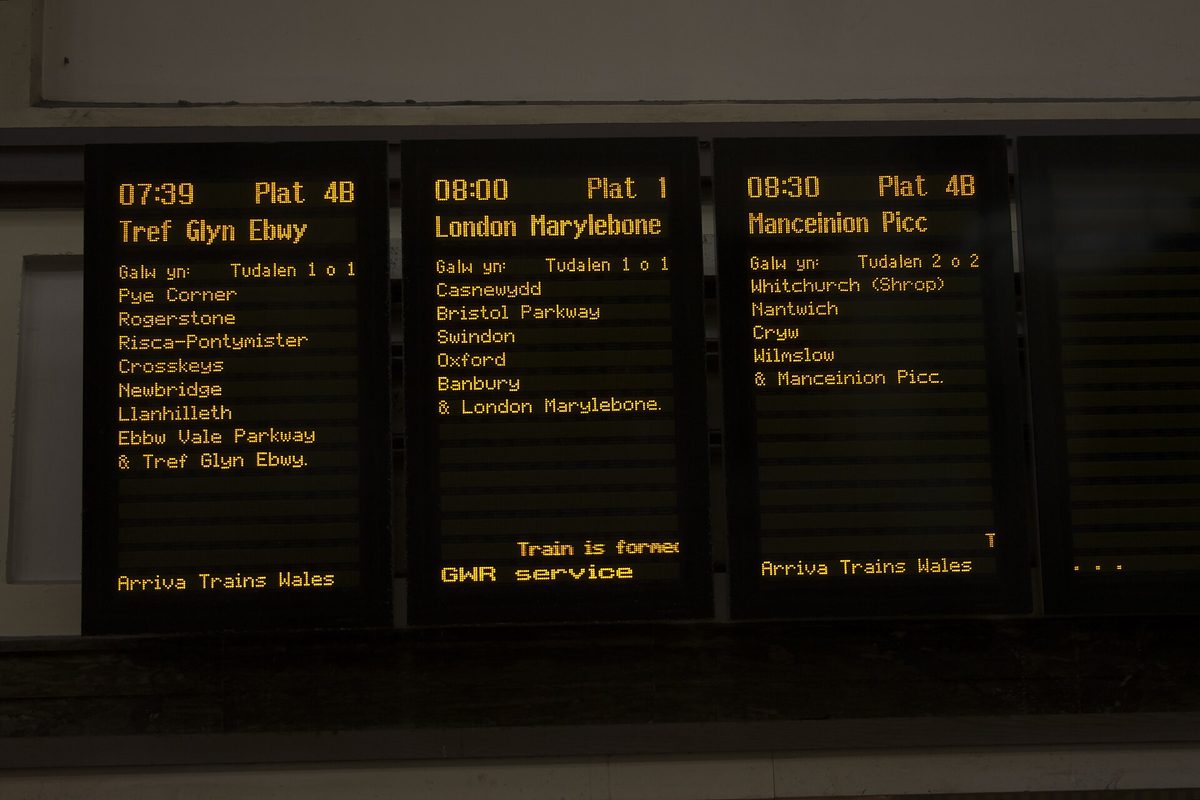
- Departure boards at London Paddington station, where avoiding England travel mistakes starts with booking train tickets in advance — Photo: Jeremy Segrott from Cardiff, Wales, UK / CC BY 2.0 via Wikimedia Commons. Source
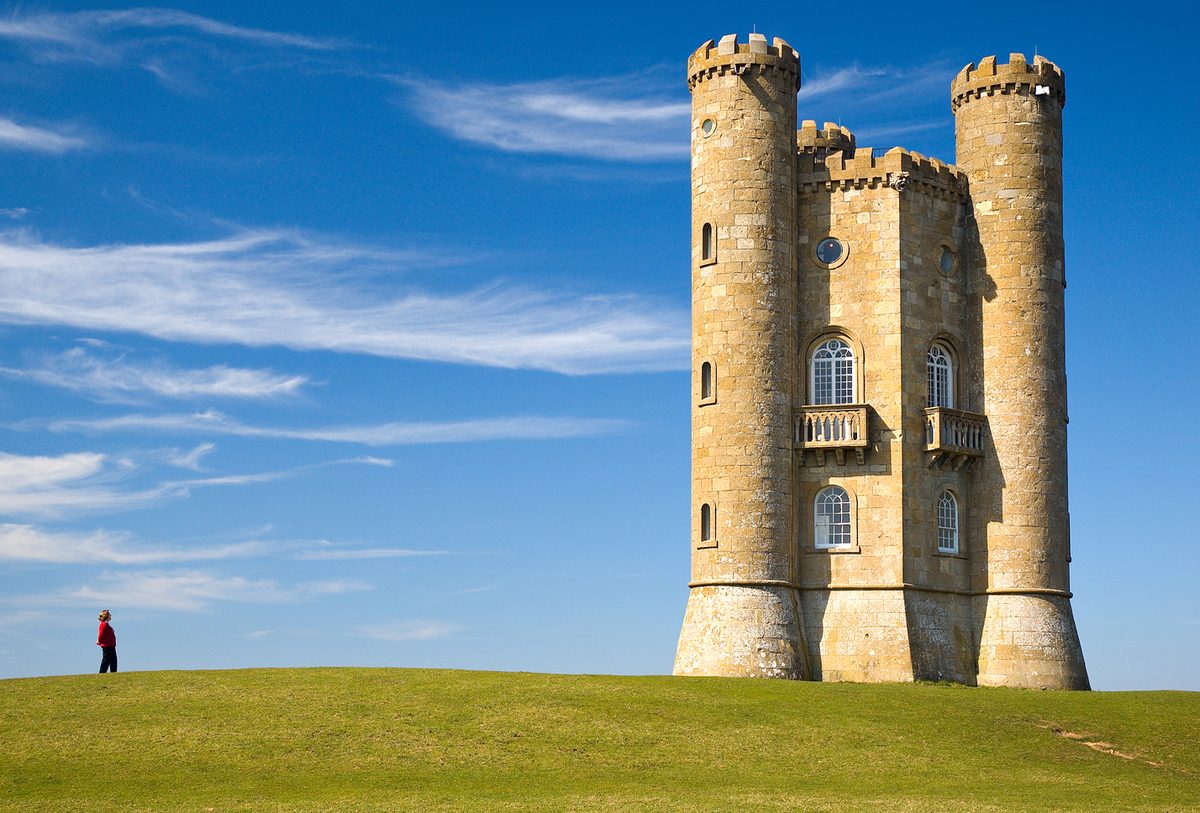
- A quiet Cotswolds village at golden hour, the reward for staying overnight instead of rushing a day trip — Photo: The author is Newton2 (cropped by Yummifruitbat) / CC BY 2.5 via Wikimedia Commons. Source
- Stonehenge on Salisbury Plain — easy to reach by organised tour or a base in Bath, hard to do as a rushed London day trip — Photo: Peter Trimming / CC BY-SA 2.0 via Wikimedia Commons. Source
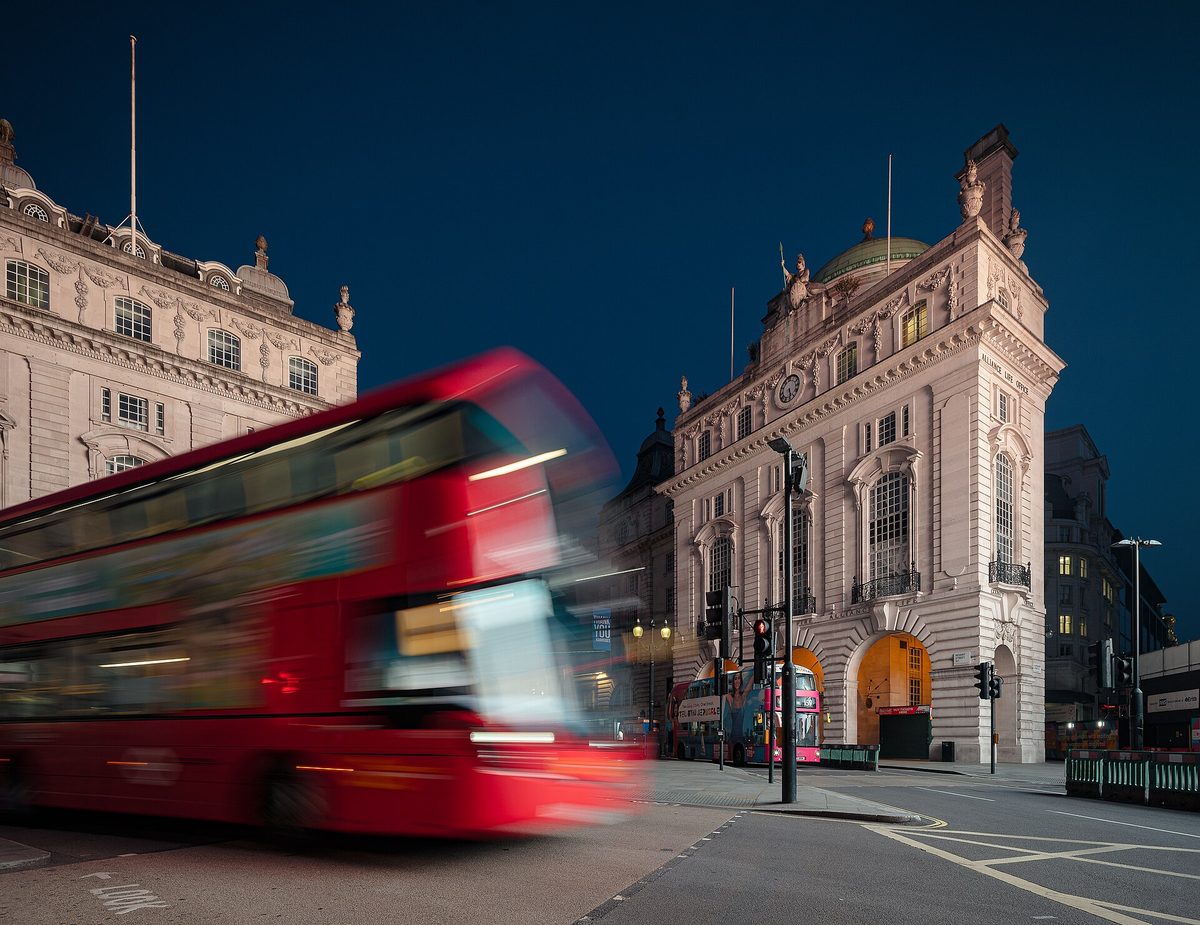
- Crowded Piccadilly Circus in London, where keeping bags zipped and in front of you avoids the most common petty-crime mistake — Photo: Julian Herzog (Website) / CC BY 4.0 via Wikimedia Commons. Source
- Lake Windermere in the Lake District — the kind of place a rental car shines, far from London’s congestion charges — Photo: David Dixon / CC BY-SA 2.0 via Wikimedia Commons. Source
Frequently asked questions
What is the biggest mistake tourists make in England?
Trying to see too much, too fast. First-timers pack eight destinations into a week, then spend half the trip on trains and motorways. England’s distances are deceptive — Cornwall or the Lake District is 3 to 5 hours from London. Pick two or three bases, do day trips from each, and you’ll actually enjoy what you came for.
Do I really need a UK ETA, and how much is it?
Yes, most visa-exempt visitors do as of 2026, and it’s enforced — without it you can be denied boarding. It costs around £20 (raised from £16 in April 2026), is tied to your passport, and lasts two years. Apply before you fly via the official UK ETA app or gov.uk/eta only, never a third-party site that adds fees.
Should I pay in pounds or my home currency on my card in England?
Always choose pounds (the local currency). When a card machine or ATM offers to charge you in your home currency — called dynamic currency conversion — it sets a poor exchange rate with a markup, often 3 to 8% worse. Decline it every time and let your own bank convert at its rate. The same rule applies at every shop and cashpoint.
How far in advance should I book train tickets in England?
As early as your dates are firm. Advance tickets are released roughly up to 12 weeks ahead in limited numbers, and the cheapest sell first. Buying a walk-up Anytime ticket on the day can cost three to four times more. Book on National Rail or a no-fee retailer, and grab a Railcard (about £30/year, saves a third) if you qualify.
Is England warm in summer? What should I pack?
Don’t count on it. English summers are changeable — hot spells alternate with cool, grey, rainy days, even in July, sometimes dipping to around 14°C. Pack layers, a packable waterproof jacket, and broken-in, water-resistant shoes with grip for wet cobbles. It’s the single most common packing mistake, and an easy one to fix.
Should I rent a car to get around England?
Only for rural areas like the Cotswolds, Lake District, or Cornwall — not for cities. Driving into central London means an £18 Congestion Charge plus up to £12.50 ULEZ daily (around £30.50 total) and dire parking. Between major cities, fast trains beat driving. Rent the car as you leave the city, and use park-and-ride elsewhere.