Sheet 83 · Best Time to Visit England · 14 min read
Best Month to Visit England
The best month to visit England, ranked. Compare all 12 months for weather, crowds, price and events, with clear picks for every type of traveller.
 Sheet 83
Contents 11 sections
I have stood on a drizzly January platform in York with my hands jammed in my pockets, and I have walked through a Cotswolds village in late May when the hedgerows were frothing with cow parsley and the light didn’t quit until nearly ten at night. Same country, completely different trip. So when a friend asks me the best month to visit England, I never shrug and say “any time is fine.” It isn’t. The month you choose shapes everything — what you pay, how long you queue, whether you see gardens or bare branches, whether the pub garden is an option or a fantasy.
This is the page where I just tell you which month, and why.
Quick Answer: The Best Month to Visit England
If you make me pick one, the best month to visit England is May — mild and often sunny weather, gardens at their absolute peak, long daylight, and crowds and prices that haven’t yet hit the summer ceiling. September is the near-identical runner-up for anyone who prefers warmer seas and harvest-season calm. Both beat July and August on value and breathing room.
That’s the headline. But “best” depends on what you want, so let me lay all twelve months side by side before I make specific recommendations for your kind of trip.
At a Glance: All 12 Months Compared
Here’s the whole year in one view. Treat this as the cheat sheet; the sections below explain the reasoning and the exceptions. For the hard climate numbers behind these verdicts, see my detailed England weather by month breakdown.
| Month | Weather | Crowds | Price | Best for / verdict |
|---|---|---|---|---|
| January | Cold, dark, often wet | Very low | Cheapest | Bargain hunters who don’t mind grey; January sales in London |
| February | Cold, short days, snowdrops | Low | Very cheap | Quiet city breaks, cosy pubs, half-term spike one week |
| March | Cool, brightening, unpredictable | Low–moderate | Good value | Early spring, daffodils, fewer tourists |
| April | Mild, showery, blossom | Moderate (Easter peak) | Rising | Spring gardens; avoid the Easter week crush |
| May | Mild, often sunny, long days | Moderate | Reasonable | Best overall — gardens, light, value, balance |
| June | Warm, very long days | Building | Higher | Long evenings, festivals, before school holidays |
| July | Warmest, busy | High | Peak | Beaches and heat seekers — but priciest and packed |
| August | Warm, busy, school holidays | Very high | Peak | Families on the same calendar; book far ahead |
| September | Warm-ish, settled, calmer | Moderate | Easing | Best runner-up — warm seas, harvest, fewer crowds |
| October | Cooling, rainy, autumn colour | Low–moderate | Good value | Fall foliage, half-term spike, atmospheric cities |
| November | Cold, dark, damp | Low | Cheap | Bonfire Night, early Christmas markets, quiet |
| December | Cold, festive | Low then high | Cheap, then spikes | Christmas magic late month; quiet and cheap early month |
Now let me turn that grid into actual advice.
How to Choose Your Month
Before you fixate on a single name, decide which one thing matters most to you, because England rarely gives you everything at once.
There are really four levers, and they pull against each other. Weather peaks in July and August. Low crowds and low prices peak in deep winter. Long daylight peaks around the June solstice, when it’s light past 9:30 pm in the north. And specific experiences — gardens, autumn colour, Christmas markets, sea swimming — each have their own narrow window.
The reason May and September keep winning is that they sit at the sweet spot where these levers stop fighting so hard. You get most of the daylight, most of the warmth, a good slice of the experiences, and you dodge the worst of the crowds and the worst of the prices. They’re the compromise candidates, and in England the compromise candidate usually wins.
So my honest advice: don’t ask “when is the best time to visit England” in the abstract. Ask “what’s the one thing I can’t compromise on” — heat, budget, gardens, no queues — and let that pick the month. The rest of this guide is organised exactly that way. If you want the bigger-picture framing across the whole year, the parent guide on the best time to visit England zooms out further than I can here.
Best Months for Good Weather
Let’s be honest about a national truth: England does not do reliable weather, and anyone who promises you guaranteed sun in any month is selling something. Rain can gatecrash July; March can hand you a flawless blue afternoon. You pack layers and a small umbrella regardless — my England packing list covers exactly what survives a changeable day.
That said, the odds genuinely shift through the year.
July and August are statistically the warmest, with southern England often sitting in the low-to-mid 20s Celsius (low-to-mid 70s Fahrenheit) and the occasional heat spike higher. If pure warmth is your single non-negotiable, this is it. But — and it’s a big but — these are also the busiest and most expensive months, and “warmest on average” is not the same as “reliably sunny.” I’ve had grey, muggy weeks in July that the calendar promised would be glorious.
June and September are my preferred weather months. June brings those enormous daylight hours and frequently settled spells before the school-holiday rush. September often delivers the year’s most pleasant surprise — warm, stable, the residual heat of summer in the ground and the sea, minus a good chunk of the crowds.
May edges in as the best all-rounder: mild, frequently sunny, dry-ish, with long evenings and that fresh just-unfurled green everywhere.
Avoid betting on weather in November through February. It isn’t always grim, but cold, damp and dark are the base case, and daylight in deep December can fade before 4 pm.
Best Months to Avoid Crowds
If your nightmare is shuffling through the Tower of London behind a wall of selfie sticks, your calendar choices are clear and a little counterintuitive.
The genuinely quiet months are November, January and February (Christmas and New Year aside). Major sights stay open, you’ll walk straight into places that have 45-minute queues in August, and there’s a particular pleasure to having a cathedral nave nearly to yourself on a cold weekday morning. The trade-off, obviously, is the weather and the short days.
For a balance of low crowds and tolerable conditions, look at late March, early May, and late September into October. These shoulder windows are my favourite for popular honeypots — think Bath, the Lake District, Oxford, the Cotswolds. The queues are short, the cafés have tables, and the landscape still photographs beautifully.
Steer clear of the crowd peaks if you can: late July through August (summer holidays), Easter week, the days around any bank holiday weekend, and the half-term weeks in February and October. Those half-terms are easy to forget and they noticeably swell family attractions and motorways. If you want the deeper logic on dodging the masses, I’ve written more in my England travel tips.
Cheapest Months and Best Value
There are two ways to win on money in England, and they’re not the same thing.
Cheapest, full stop: the cheapest month to visit England is January, with February a close second — Christmas and New Year excluded, since that late-December-to-early-January window spikes hard. Across winter, flights soften, hotel rates drop, and you’ll find genuine deals because demand collapses. As of 2026, this is where the rock-bottom prices live. The catch is the obvious one: you’re buying cold, wet and dark along with the discount. If a tight budget rules everything, embrace it — and lean into indoor England, which I cover in rainy day activities England.
Best value (the smarter play for most people): May, late September and October. You won’t hit January’s floor, but you’ll pay well under July and August rates while getting dramatically better weather, light and atmosphere. Pound for pound, I think these shoulder months are the best deal in the English calendar — you’re not paying the peak premium, and you’re not enduring the winter penalty either.
The months to brace your wallet for are July and August, the Easter period, the half-terms, and anything touching Christmas and New Year. For a full breakdown of what a trip actually runs, see England trip cost, and for stretching every pound there’s England on a budget.
One practical note that applies year-round: prices in this guide are ballpark and move with demand, so always check live fares — but the relative ranking of cheap-versus-pricey months stays remarkably consistent year to year.
Best Month for First-Timers
If it’s your first trip and you want the version of England that lives in your imagination — green countryside, blooming gardens, golden-stone villages, pub gardens that are actually usable, long evenings for wandering — book May.
May gives a first-timer the widest margin for a good experience: the gardens and landscape are at their showiest, the days are long enough to pack in a lot, the weather odds are favourable without the summer crush, and you’re not paying peak prices. It flatters the country. Whether you’re building a London travel guide itinerary or a broader England itinerary looping out to Bath and the Cotswolds, May is the month that makes the planning feel effortless.
September is the equally strong alternative if your dates are more flexible toward autumn — same logic, warmer water, slightly mellower mood. If you’re still working out the shape of the trip, how many days in England pairs naturally with this decision.
(And a housekeeping reminder for first-time visitors: check whether you need a UK ETA for tourists before you travel — it’s a quick online step that’s easy to overlook.)
Best Month for Families
Here’s where the calendar gets dictated for you, and there’s no point pretending otherwise.
If your children are in school, you are largely tied to the school holidays, and the big one is the summer break, running roughly from late July to early September 2026 (state-school dates vary by local authority, so confirm yours). That makes August the default family month: warmest weather, school-friendly timing, the fullest programme of events, festivals and family attractions running at full tilt.
The honest trade-off is that August is also the busiest and priciest stretch of the year, so book accommodation and any timed-entry attractions well ahead. My England with kids guide goes deep on making peak-season family travel actually enjoyable, and where to stay in England helps you lock in family-friendly bases before they fill.
The shorter family windows worth knowing: the May half-term (around 25–29 May 2026) is a lovely week — late-spring weather, lighter than August, but it’s a short break and prices bump for it. The October half-term suits families chasing autumn colour and atmospheric, less crowded days, accepting the cooler, wetter weather that comes with it.
If you can travel outside term time at all — pre-school children, or older travellers without that constraint — sidestep August entirely and take the May or September value instead. You’ll thank yourself.
Best Months by Interest
Sometimes the trip is about one specific thing. Here’s when to go for the big ones.
Best for Gardens and Spring Blooms
April and May, with May the clear winner. This is when England’s famous gardens — the great estates, the places worth visiting for their grounds alone — hit full bloom: tulips, bluebell woods, wisteria, the works. Daffodils start the show in March, blossom follows in April, and May brings the crescendo. For the full season’s rhythm, see England in spring.
Best for Beaches and Summer
July and August, no contest. England’s sea is never tropical, but high summer is when it’s warmest, when coastal towns are fully alive, and when a beach day in Cornwall or along the south coast genuinely works. Early September is a sleeper pick: the water retains summer’s warmth, but the August families have gone home. Dig into the season in England in summer.
Best for Autumn Colour
Late October into early November. The foliage across the Lake District, the New Forest and countless parklands turns gold and copper, the light goes low and cinematic, and the crowds thin right out. Pack for rain and shorter days. The full picture is in England in autumn.
Best for Christmas
December, specifically the back half of the month. Christmas markets, illuminated streets, frost-edged villages and that particular festive hush make late December genuinely special — I’ve devoted a whole guide to Christmas in England because it earns one. Just know that prices around Christmas and New Year spike sharply, and book early. The quiet, cheap early-December window before the festivities ramp up is an underrated separate option. For the broader cold-season context, see England in winter.

Months to Think Twice About
I’m not going to tell anyone a month is forbidden — I’ve had wonderful trips in supposedly “bad” months. But some months come with caveats you should walk in knowing.
January and February deliver the year’s lowest prices and emptiest sights, but also its coldest, darkest, dampest conditions. Daylight is short, some rural attractions and country houses close or run reduced winter hours, and an ambitious outdoor itinerary can get rained off. Go in with an indoor-friendly plan and you’ll love it; go expecting to stride across moors at golden hour and you’ll be disappointed.
Late July and August are the inverse problem: the weather and energy are great, but you pay the most and share everything with the largest crowds of the year. If you’re not tied to school holidays, this is the stretch I’d personally skip.
October deserves a specific flag — it tends to be one of the wettest months on average, so while the autumn colour and value are tempting, build in flexibility and indoor backups.
And watch the bank holiday weekends, Easter, and the February and October half-terms in any plan — they quietly inflate prices and crowds for a few days at a time, and they’re the classic rookie scheduling trap. More of those avoidable slip-ups live in England travel mistakes.
Final Thoughts
If I had to book England sight unseen for someone I liked, I’d choose May and not lose any sleep over it. It’s the month that gives the most and asks the least — long light, gardens in full cry, weather odds in your favour, and a price tag that hasn’t yet hit the summer wall. September is the one I’d swap in without hesitation for anyone who prefers warmer water and a quieter mood.
Everything else is about your priorities. Chasing pure heat and don’t mind crowds or cost? Take July or August. Travelling on the school calendar? August it is — book early and lean into it. Counting every pound and happy to bundle up? January is your friend. Want autumn colour, or Christmas magic, or empty cathedrals? The calendar above tells you exactly when.
The one mistake I’d urge you to avoid is treating England’s months as interchangeable. They aren’t. Pick the one that matches the trip in your head, and the country will meet you there. Once you’ve settled on the month, the rest of the England travel guide will help you build the trip around it.
Research and Source Notes
This guide synthesises current travel-planning consensus with my own experience across multiple English seasons. To sense-check the comparisons, I reviewed established sources including Rick Steves, Audley Travel, Wilderness Travel, Insight Vacations and Anglotopia, alongside UK school-holiday calendars for 2026 and seasonal weather norms.
A few honest caveats. Weather figures are averages, not promises — any English month can surprise you in either direction, so I’ve kept temperature and rainfall claims approximate. Prices are ballpark and shift constantly with demand and booking timing; the relative ranking of cheap-versus-pricey months is far more stable than any specific fare. And 2026 school-holiday dates are typical state-school windows that vary by local authority and differ for independent schools, so confirm your own dates before booking anything non-refundable. For the granular per-month climate data behind these verdicts, the dedicated England weather by month guide is your reference; this page is the decision tool that turns that data into a choic
Photo Credits
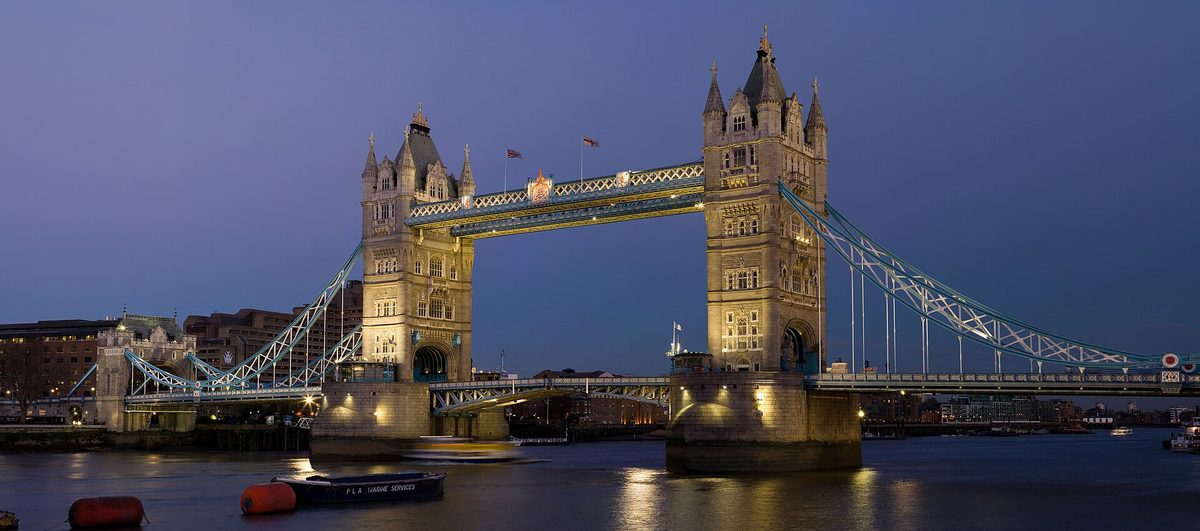
- Tower Bridge at dusk, a classic sight on any trip planning the best month to visit England — Photo: Diliff / CC BY-SA 3.0 via Wikimedia Commons. Source
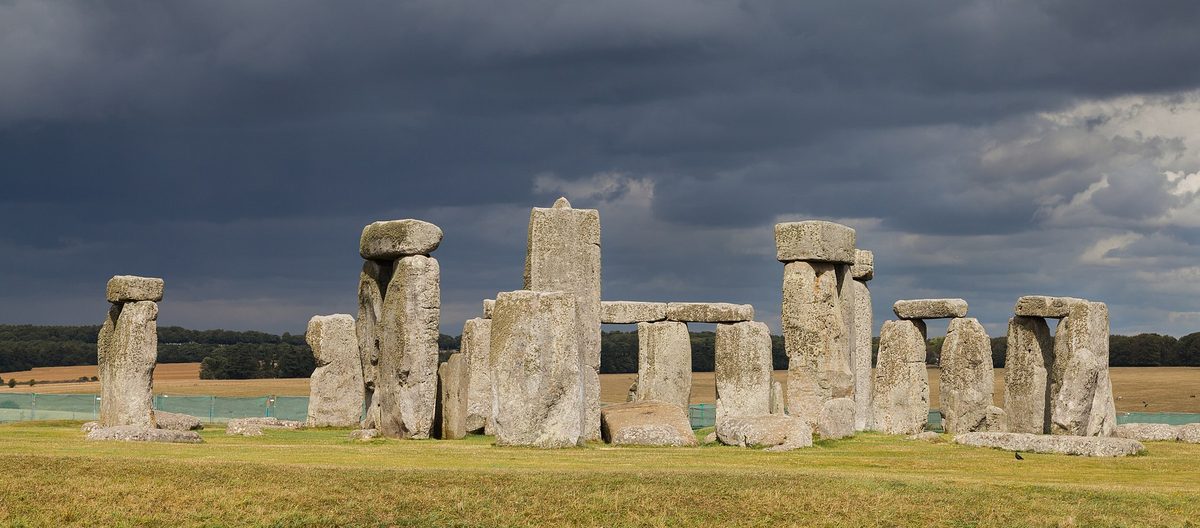
- Stonehenge under broad summer daylight, when England’s longest days make sightseeing easiest — Photo: Diego Delso / CC BY-SA 4.0 via Wikimedia Commons. Source
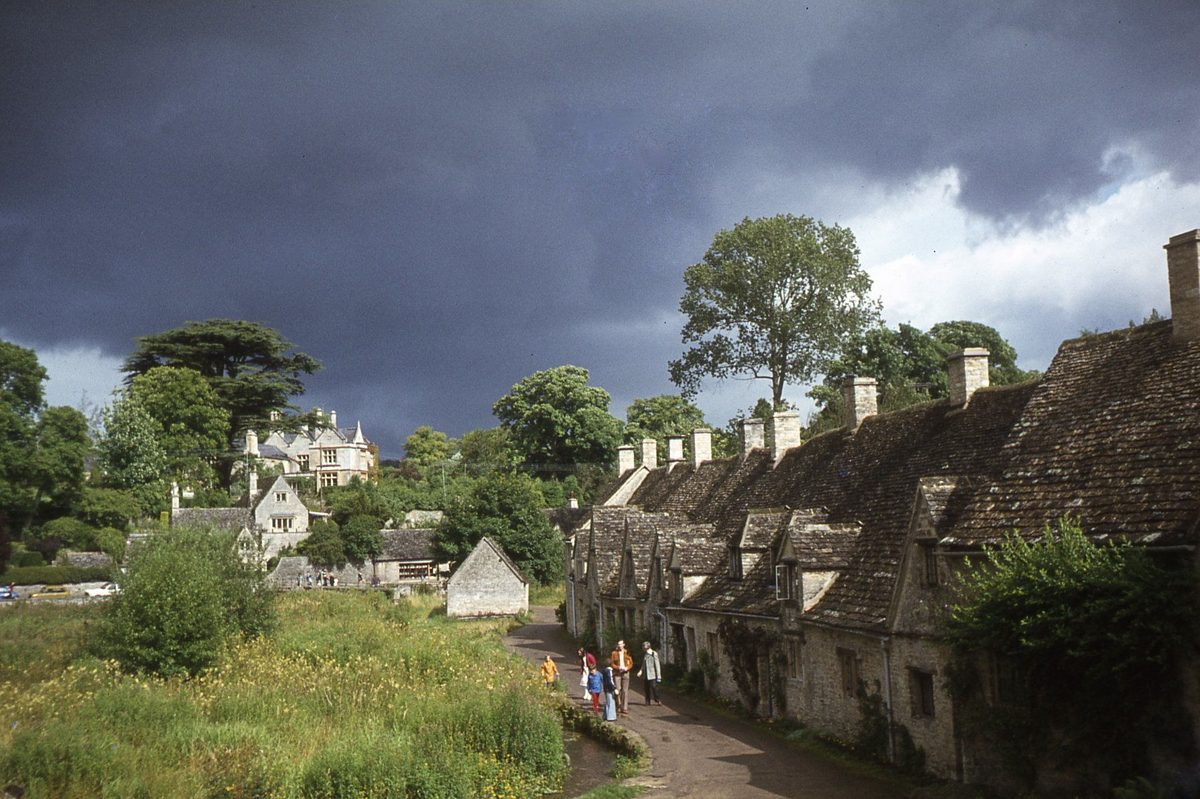
- Arlington Row in Bibury, the Cotswolds postcard that looks its best in late spring — Photo: Colin Park / CC BY-SA 2.0 via Wikimedia Commons. Source
- Autumn colour reflected in a still Lake District tarn, the country’s best fall-foliage backdrop — Photo: Michal Klajban / CC BY-SA 4.0 via Wikimedia Commons. Source
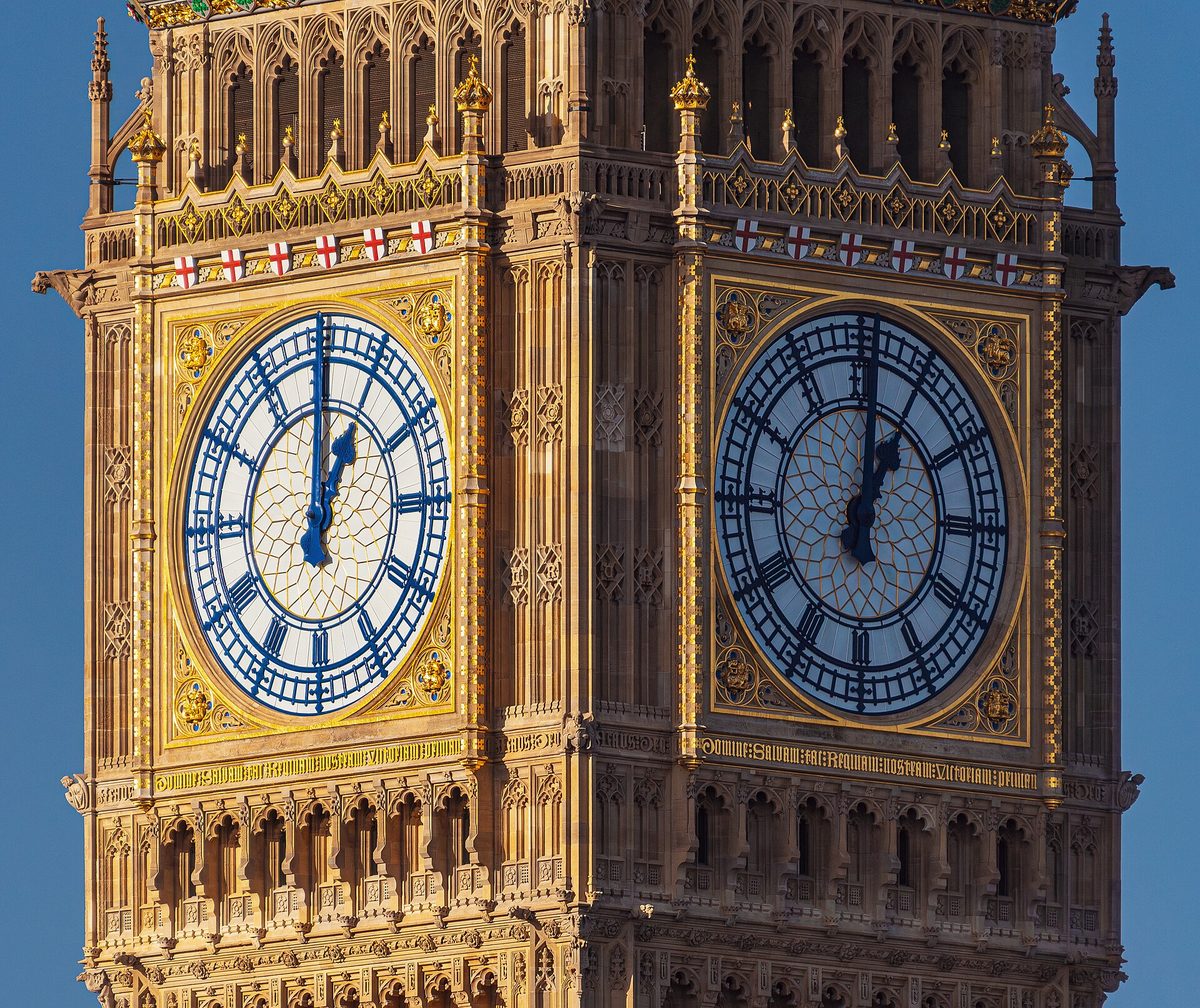
- Big Ben and the Houses of Parliament, a year-round London landmark whatever month you choose — Photo: Julian Herzog (Website) / CC BY 4.0 via Wikimedia Commons. Source
Frequently asked questions
What is the best month to visit England?
May is the best month to visit England for most travellers — mild, often sunny weather, gardens at their peak, long daylight, and crowds and prices below the summer ceiling. September runs a very close second, offering similar conditions with warmer seas and a calmer, post-summer feel. Both comfortably beat July and August on value and breathing room.
What is the cheapest month to visit England?
January is the cheapest month to visit England, with February close behind — excluding the Christmas and New Year window, which spikes prices sharply. Winter demand collapses, so flights, hotels and attractions all drop. The trade-off is cold, wet, short days. For better weather at still-reasonable prices, May, September and October offer the best value.
What is the worst month to visit England?
For weather, January is the toughest — cold, grey, frequently wet, with daylight fading by mid-afternoon. October is statistically among the rainiest. For crowds and cost, August is the "worst," with the highest prices and biggest crowds of the year. None is genuinely bad with the right plan; each just demands you accept its particular trade-off.
When is the best weather in England?
July and August bring the warmest temperatures on average, often in the low-to-mid 20s Celsius (low-to-mid 70s Fahrenheit) in the south. But England's weather is never guaranteed in any month. June and September frequently deliver the most pleasant balance — warm, often settled, with long daylight in June and lingering warmth in September, minus the peak-summer crowds.
What is the best time to visit England to avoid crowds?
November, January and February are the quietest months (Christmas and New Year aside), with sights open and queues short. For low crowds plus tolerable weather, target late March, early May, and late September into October. Avoid the peaks: late July through August, Easter week, bank holiday weekends, and the February and October half-term breaks.
Is May or September better for visiting England?
Both are excellent shoulder-season choices. Choose May for peak gardens, fresh spring landscapes and slightly longer evenings. Choose September for warmer seas, a calmer post-summer mood and settled weather. May leans toward blooms and brightness; September leans toward warmth and quiet. You won't go wrong with either — I'd pick May for a first trip, September for a return.