Sheet 34 · England Budget and Costs · 20 min read
Money and Tipping in England
Tipping in England is modest and optional. Here is exactly when to tip, how much, plus cards, cash, contactless and avoiding sneaky currency fees.
 Sheet 34
Contents 10 sections
If you have been quietly dreading the moment the bill arrives, take a breath. Tipping in England is genuinely low-stress: it is modest, it is optional, and nobody is going to chase you down the street if you get it slightly wrong. Tip around 10 to 12.5 percent in a sit-down restaurant if you are happy (or just pay the service charge if one is already on the bill), don’t tip at all at a pub bar, and round up for a taxi. That is most of it.
I have spent years bouncing between the US tipping treadmill and England’s far gentler version, and the relief on first-timers’ faces when I explain the difference never gets old. So let me settle your nerves properly, then walk you through how money actually works here, so you arrive feeling like you already know the ropes.
Quick Answer: Tipping in England
Tipping in England is appreciated but never obligatory, and the amounts are small compared with North America. The closest thing to a standard is leaving roughly 10 to 12.5 percent in a restaurant with table service when you have had a nice meal. Crucially, many restaurants already add a “discretionary service charge” (usually 12.5 percent) to the bill, in which case you don’t add anything on top. You generally do not tip when you order at a counter, at a pub bar, or for a coffee. No tip jar guilt required. Hospitality staff here are paid at least the National Minimum Wage, so tips are a thank-you, not a wage top-up.
If you remember only one sentence: when in doubt, a small tip is kind, no tip is fine, and double-tipping (paying a service charge and adding 20 percent) just marks you out as a confused visitor.
Tipping in England at a Glance
Here is the cheat sheet. Screenshot it if you like; it covers about 95 percent of what you will actually face.
| Situation | Is a tip expected? | Rough amount |
|---|---|---|
| Restaurant (table service) | Optional, appreciated | 10-12.5%, or just pay the service charge already on the bill |
| Service charge already on bill | It covers the tip | Nothing extra; you may decline it if service was poor |
| Pub or bar (ordering at the bar) | No | Nothing; maybe “and one for yourself” for great service |
| Cafe / coffee shop / takeaway | No | Spare change in the jar if you fancy it |
| Black cab or Uber | Optional | Round up to the nearest pound, or ~10% on a long trip |
| Minicab / private hire | Optional | Round up |
| Hotel porter | Optional | £1-£2 per bag |
| Hotel housekeeping | Optional | £1-£2 per night, left at the end |
| Hairdresser / barber | Optional | ~10%, or nothing; both are normal |
| Tour guide (group walking tour) | Appreciated | £5-£10 per person for a good half-day |
| Spa / beauty therapist | Optional | ~10% |
| Food delivery (apps) | Optional | A pound or two, in-app |
| Hotel concierge (big favour) | Optional | A few pounds if they pulled off something special |
Notice how many rows say “optional.” That is not me hedging. That is genuinely the culture. England runs on a quiet assumption that good service is the baseline, not something you buy with a gratuity.
The Money Basics: Currency, Cards and Contactless
Before tipping even comes up, let me get you comfortable with the cash itself.
The currency is the pound sterling
England (and the rest of the UK) uses the pound sterling, written £ and abbreviated GBP. One pound is divided into 100 pence (“pee” in everyday speech, so something costing “fifty pee” is £0.50). Notes come in £5, £10, £20 and £50. Coins run from 1p up to £2, with the chunky £1 and £2 coins being the ones you’ll fish out for trolleys and the odd locker.
A quick heads-up that trips people up: Scotland and Northern Ireland print their own banknotes, which are legal currency and worth exactly the same. If you travel up to Edinburgh and come back with a Scottish tenner, English shops should accept it, though the occasional cashier hesitates. England’s own Bank of England notes are accepted everywhere without a blink.
You may also be handed older paper notes very rarely; the UK switched fully to polymer (plastic) notes, and old paper £20 and £50 notes stopped being legal tender back in 2022. If a relative gives you a crinkly paper note, a bank will swap it, but a shop may refuse it. In practice you will almost never see one.
Cards and contactless win, hands down
Here is the single most useful thing I can tell you about money in England for tourists: you barely need cash. Contactless payment is near-universal. Tap your card or phone at the corner shop, the museum cafe, the market stall, the bus, the black cab, the pub. It all just works.
Apple Pay and Google Pay are accepted essentially everywhere a card is, with no separate setup needed beyond what is already on your phone. I routinely go days in London paying for everything with a tap of my watch and never touching a coin.
For years there was a £100 cap on a single contactless tap (above that you’d insert the card and enter a PIN). As of 2026 the UK is removing that fixed national limit and letting banks set their own, so the ceiling is rising; either way, for a coffee or a cab it is irrelevant. If a transaction is ever declined for being too large, just insert your card and tap in your PIN.
One small thing worth doing before you fly: tell your bank you are travelling, or check that international “tap” works on your card, so a fraud filter doesn’t freeze it on day one. A travel-friendly card (more on those below) sidesteps this neatly.
ATMs and Avoiding Dynamic Currency Conversion
Cash machines (we call them “cashpoints” or “ATMs”) are everywhere, and getting cash here is straightforward if you know two small tricks.
Use bank ATMs and watch for fees
The vast majority of UK cash machines are free to use; they are part of the LINK network and the screen will say “free to use” or “no surcharge.” Stick to ones attached to actual banks (Barclays, HSBC, NatWest, Lloyds, Santander and so on) and you’ll almost always avoid a withdrawal fee from the machine itself.
The ones to be wary of are the standalone, brightly branded machines in newsagents, late-night shops and some pub corners. Many of those charge a “convenience” fee, typically £1.50 to £3. By UK rules, the surcharge must be displayed on screen before you confirm, so you always get a chance to cancel and walk to a free one. If you see “a charge of £1.95 will be applied,” just say no.
Separately, your own bank back home may charge a foreign-transaction or ATM fee, often 2 to 3 percent. That is between you and your bank, not the machine.
The big one: decline Dynamic Currency Conversion
This is the money tip that saves real money, so I’ll be emphatic. When you pay by card or withdraw cash, the machine or card terminal will sometimes offer to charge you “in your home currency” instead of in pounds. Say it shows a US cardholder a friendly-looking total in dollars, or a euro cardholder a total in euros.
Always choose to pay in pounds (GBP), not your home currency. This trap is called Dynamic Currency Conversion, or DCC. When you let the merchant or ATM convert the price into your currency, they pick the exchange rate, and it is reliably a bad one with a fat markup baked in. When you pay in pounds, your own card network (Visa, Mastercard) does the conversion at its far better wholesale rate.
So the script is simple:
- ATM asks “Continue without conversion” vs “Accept conversion / charge in [your currency]”? Choose without conversion (i.e. pounds).
- Card terminal asks “Pay in GBP” or “Pay in [your currency]”? Choose GBP.
It is the same advice every consumer group gives. Industry estimates put the amount British travellers alone waste on DCC at hundreds of millions of pounds a year; the same logic applies to you in reverse. Two seconds of attention at the keypad, real savings.
A genuinely good move is to travel with a card that charges no foreign-transaction fees. Many modern travel and challenger cards (the likes of Wise, Revolut and various fee-free credit cards) give you near-interbank exchange rates and little or no markup, which makes the whole question of cash versus card almost moot. I’d rather carry one of those and tap everywhere than haul a wad of pounds around.
How Much Cash Should You Actually Carry?
Less than you think. If you have a contactless card or phone, you can realistically spend an entire trip to England tapping for everything and barely break a banknote.
That said, I still like a little cash as backup. My rule of thumb: carry around £20 to £40 in small notes and coins and top up only as needed. Here is where cash still earns its keep:
- A few traditional pubs, market stalls or tiny rural cafes that are cash-only or have a card minimum.
- Buskers and street performers (a coin in the case is the only way).
- The occasional coin-operated thing: a locker, a public toilet turnstile, an old parking meter, a launderette.
- Tipping when you specifically want to hand cash to a person, like a porter, a housekeeper, or a black-cab driver who you’d rather tip directly than via the card machine.
- Small church or cathedral donation boxes.
Get your pounds either from an ATM on arrival (good rate, decline DCC) or from your home bank before you go if you like having some in hand. Avoid airport currency-exchange kiosks where you can; their rates are usually poor. For budgeting the wider trip, our guide on how much a trip to England costs breaks down the day-to-day numbers, and if you are watching every pound, England on a budget is full of ways to stretch it.
VAT and Whether Prices Include Tax
This is one of the loveliest things to adjust to coming from the US. Displayed prices already include tax. The number on the menu, the shelf, the museum sign, the room rate, is the number you pay. No mental gymnastics at the till, no surprise sales tax bolted on at the end.
The tax in question is VAT (Value Added Tax), currently 20 percent on most goods and standard-rate items. It is baked invisibly into the price you see, which is why a £3 coffee costs you £3 and a £10 t-shirt costs you £10. (A few essentials like most groceries and children’s clothing are zero-rated or reduced, but you don’t need to track that as a visitor; it’s already handled.)
One thing to flag so you don’t go hunting for a desk that no longer exists: Great Britain (England, Scotland and Wales) no longer offers VAT refunds to tourists on goods you carry home. The old tax-free shopping scheme was scrapped at the start of 2021, so don’t bank on reclaiming that 20 percent at the airport the way you might in some EU countries. (Northern Ireland is a special case, and some shops will ship goods abroad VAT-free, but for a typical England trip, assume what you pay is what it costs.) For where your food and drink money actually goes, see our breakdown of England food costs.
Tipping by Situation
Now the heart of it. Let’s go situation by situation so you are never caught wondering.
Restaurants and the service charge
Sit-down restaurants are the one place tipping is a real (if soft) expectation. If you’ve had table service and a good experience, leaving around 10 to 12.5 percent is the kind, normal thing to do. Some people round to a tidy number; nobody is calculating to the penny.
But here is the catch that trips up almost every visitor: many restaurants, especially in London and at the mid-to-upper end, automatically add a “discretionary service charge” of around 12.5 percent to your bill. Read the bottom of the bill before you reach for your wallet. If that line is there, it is the tip. You do not add more on top. Adding another 15 to 20 percent out of American habit means you’ve effectively tipped double, which is generous but unnecessary.
A reassuring point on fairness: since the Employment (Allocation of Tips) Act came into force on 1 October 2024, it is now the law that 100 percent of tips and service charges must go to the workers, with no cut skimmed by the business. So whether you tip in cash, tip by card, or pay that service charge, it now reaches the staff. That law alone has quietly removed the old worry about “does my tip actually reach the waiter.”
And because it is discretionary, you are within your rights to ask for the service charge to be removed if the service was genuinely poor; staff will take it off without drama. Use that sparingly and only when warranted, but know it is your prerogative. VisitBritain and consumer champions like Which? both make the same point: a service charge is optional, not a compulsory fee.
If you want to tip by card, the terminal will often prompt you to add a gratuity; if it doesn’t, leaving cash on the table works perfectly.
Pubs and bars
Lovely news: you generally do not tip at the bar. Walk up, order your pint or your gin and tonic, pay, done. No tip, no awkwardness, no jar-staring. This catches a lot of North American visitors off guard, so let me say it plainly: tipping a bartender per drink simply is not the custom here.
The charming English version, reserved for when a bartender has been especially friendly or you’re a regular, is to offer “and one for yourself” when you pay, which invites them to add the price of a drink for themselves to your total. It’s a small, very British gesture and entirely optional. If you’ve run a tab and eaten proper food at a table in a gastropub with table service, then the restaurant logic above applies; but for ordering drinks at the bar, keep your hand out of your pocket. For more on the wonderful world of British pubs, see our guides to England’s food, pubs and afternoon tea and the cosy world of pub inns in England.
Cafes and takeaway
When you order and pay at a counter, tipping is not expected. Your flat white, your bacon roll, your fish and chips to take away; none of it comes with a tipping obligation. You’ll often see a tip jar by the till, and tossing in your loose change or rounding up the card prompt is a kind gesture for friendly service, but skipping it is completely normal and no one thinks twice. There is no counter-service guilt-tip culture here the way there has become in parts of the US.
Taxis, black cabs and rideshare
For taxis, the easy norm is to round up to the nearest pound, or to a tidy number. A £9.40 fare? Hand over a tenner and say “keep the change.” On a longer or out-of-town journey, or if the driver helped with heavy bags, adding around 10 percent is a nice touch. London’s black-cab drivers (the ones who pass the famously gruelling “Knowledge” exam) are pros and don’t expect lavish tips, but a round-up is standard courtesy.
A practical wrinkle: every licensed London black cab has accepted cards and contactless since 2016, so you can tap to pay. But card machines don’t always make rounding up easy, and some drivers would rather you hand them a coin or a note for the tip than fiddle with the terminal. If you’re tipping a cabbie, cash is often the smoother route.
For Uber, Bolt and other rideshare apps, the fare is charged automatically to your card and you can add a tip in the app after the ride (or hand the driver cash). Tipping in-app is genuinely optional here, and plenty of locals don’t bother on a standard trip. Minicabs and private-hire cars booked by phone follow the same “round up if you like” logic.
Hotels
Hotel tipping is light and entirely optional. If a porter carries your bags up, £1 to £2 per bag is the customary thank-you. For housekeeping, leaving £1 to £2 per night at the end of your stay is a kind gesture if you’d like to, though many guests leave nothing and that’s accepted. There’s no need to tip the front desk for checking you in. If a concierge goes genuinely above and beyond, say, snagging you a table at an impossible restaurant, a few pounds is a graceful way to say thanks. Room service bills may already include a service charge, so check before adding more.
Tour guides, hairdressers and others
For a tour guide on a good group walking tour, £5 to £10 per person for a half-day is appreciated and increasingly expected, especially on “free” tip-based walking tours where the guide’s income genuinely depends on it. For a private guide or driver-guide over a full day, more generosity (think £20 or so) is fair if they were excellent.
At the hairdresser or barber, around 10 percent is a nice tip, but not tipping is also extremely common and nobody bats an eye; treat it as optional. The same easy 10-percent-or-nothing logic covers spa and beauty treatments. For food delivery via apps, a pound or two in-app is a kind touch on a rainy night. And in all of these, the golden rule holds: a small tip is generous, no tip is normal.
How Tipping in England Differs From the US
Since so many of my nervous first-timers are American, let me put the contrast in one place, because internalising this is what finally lets you relax.
In the US, tipping is effectively a wage. Servers are often paid below minimum wage on the assumption that 18 to 22 percent gratuities will make up the difference, so a low tip genuinely hurts someone’s pay. None of that machinery exists here. In England, every worker must be paid at least the National Minimum (or Living) Wage by law, tip or no tip. A gratuity is a bonus for good service, not a substitute for a fair wage.
The practical consequences:
- The percentages are lower. 10 to 12.5 percent is generous in a restaurant here; there’s no expectation of 20 percent.
- The list of who you tip is much shorter. No tipping the bartender per drink, the barista, the counter-service cashier, the hotel front desk, or the person who hands you your coffee.
- “Optional” really means optional. Declining to tip when there’s no service charge, or removing a discretionary charge for poor service, won’t get you chased or shamed.
- No tip screens everywhere. You won’t be confronted by a swivelled tablet asking for 25 percent on a £4 muffin. (The odd cafe terminal may prompt; you can simply tap “no tip” with a clear conscience.)
The mental shift is from “how much do I owe on top” to “do I want to add a small thank-you.” It’s a much calmer place to live. For more cultural smoothing-over, our England travel tips and the rundown of common England travel mistakes are worth a skim before you go.
Common Money Mistakes Visitors Make
A few easy-to-avoid traps I see again and again:
- Choosing your home currency at the card terminal or ATM. As covered above, always pay in pounds and let your own bank convert. This is the costliest mistake and the easiest to fix.
- Double-tipping. Adding a 15-to-20 percent tip on top of a 12.5 percent service charge that’s already on the bill. Read the bill first.
- Tipping at the pub bar. It’s just not done; save your money for a round.
- Hunting for the airport VAT-refund desk. It’s gone in Great Britain. Don’t budget around getting that 20 percent back.
- Carrying too much cash. Big wads of pounds are unnecessary and a pickpocket magnet in busy spots. Tap for nearly everything; keep a modest cash float.
- Using sketchy standalone ATMs without reading the fee. Walk an extra block to a bank machine and keep that £2.50.
- Forgetting to tell your bank you’re travelling. A frozen card on arrival is a miserable start. A no-foreign-fee travel card avoids the issue entirely.
- Overpaying for transport by not getting the right card or pass. Separate from tipping, but it saves a fortune; see getting around London’s public transport as a tourist and cheap train tickets in England.
Final Thoughts
Here’s the takeaway to carry with you: money in England is refreshingly simple, and tipping is the least of your worries. Tap your card or phone for almost everything, decline any offer to “pay in your home currency,” keep a small float of pounds for the rare cash moment, and remember that the price you see already includes tax.
On tipping, hold the few rules that matter: around 10 to 12.5 percent in a restaurant if you’re pleased (or just the service charge if it’s already there), nothing at the pub bar, a round-up for cabs, and small optional thank-yous for porters, housekeepers and guides. Everything else is genuinely your call. No anxiety, no arithmetic, no 20-percent reflex required.
Tip when you feel moved to, skip it when you don’t, and spend your mental energy on the castles and the countryside instead. If this is your first visit, pair this with our first-time England itinerary and double-check the entry rules in our guide to the UK ETA for tourists. For the bigger money picture, the England budget and costs hub ties it all together, and if you’re chasing value, don’t miss free things to do in England, budget accommodation in England, and our verdict on whether the London Pass is worth it.
Research and Source Notes
This guide was compiled and fact-checked in June 2026 against reputable, current sources. Figures and customs described reflect the position as of 2026 and can change; tipping norms in particular are conventions, not rules.
- VisitBritain and VisitLondon (“Do you tip in London?”, 2026) for official-leaning guidance that tipping is not expected the way it is elsewhere, that staff are paid at least the National Minimum Wage, and that restaurant service charges are optional and may be declined.
- Which? and major consumer/finance outlets (including coverage from the Post Office, Wise, M&S Travel Money and Starling Bank) on Dynamic Currency Conversion: the consistent advice to always pay in the local currency (pounds) rather than your home currency, and the scale of money wasted on DCC each year.
- Frommers and TravelAwaits gratuities guides to the UK for the typical 10 to 12.5 percent restaurant norm, round-up taxi convention, and small porter/housekeeping amounts.
- UK Government / legislation.gov.uk and employment-law commentary (e.g. KPMG, Charles Russell Speechlys) on the Employment (Allocation of Tips) Act 2023, in force from 1 October 2024, requiring 100 percent of tips and service charges to go to workers.
- UK Finance and bank guidance (e.g. HSBC) on contactless being near-universal, the £100 contactless limit and its planned removal from 2026.
- LINK network rules and ATM guides on free-to-use cash machines and the requirement that any surcharge be displayed on screen before you confirm; plus typical 2-3 percent foreign-card fees.
- HMRC / Trip.com and Expatica VAT guides (2026) confirming VAT is 20 percent and included in displayed prices, and that Great Britain’s tourist VAT-refund scheme ended in 2021.
- Transport for London for the rule that all licensed London black cabs have accepted card and contactless payment since 2016.
Customs evolve, so treat the percentages here as friendly guidance rather than fixed law. When unsure, a small tip is always a kind choice, and never tipping at all in England is far more socially acceptable than visitors expect.
Photo Credits
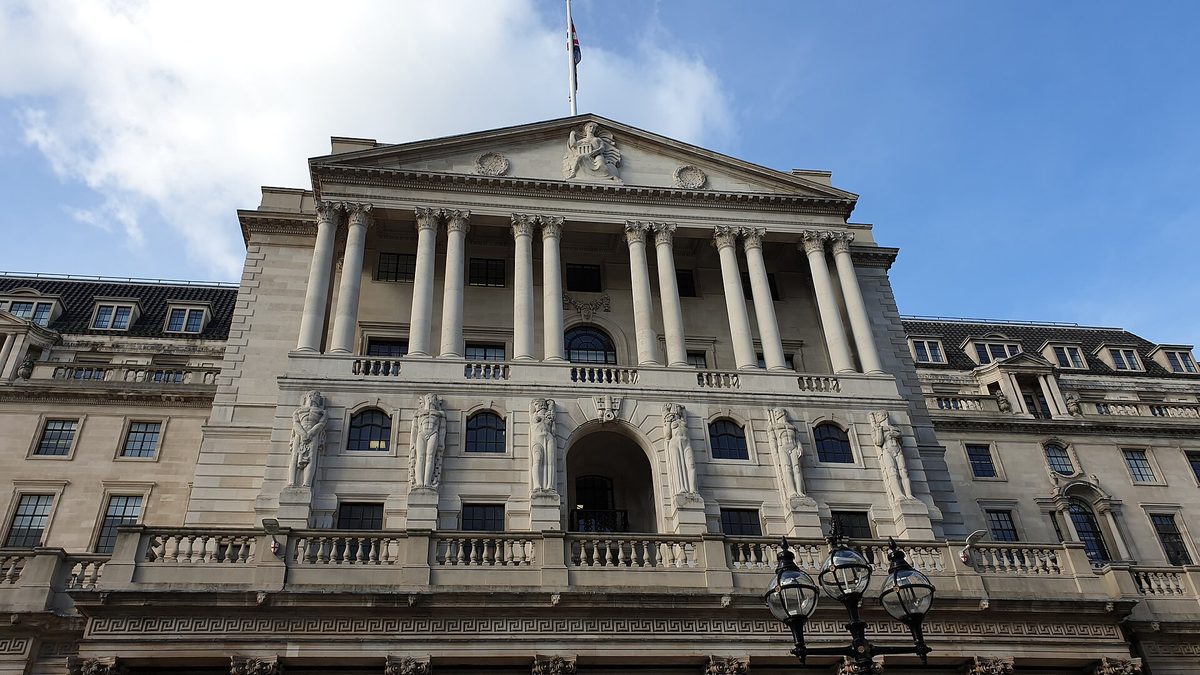
- Tipping in England explained for visitors, with the Bank of England in the City of London — Photo: Michael (CC0) via Wikimedia Commons. Source
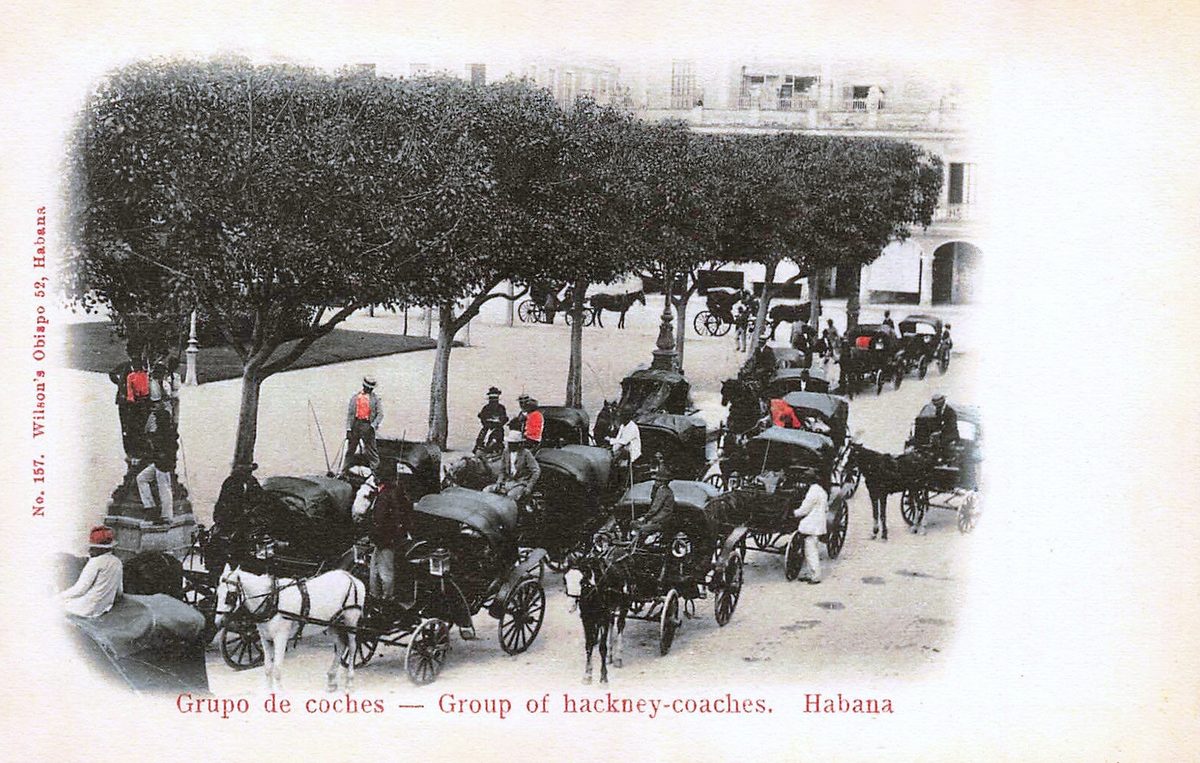
- A London black cab, where card and contactless payments have been mandatory since 2016 — Photo: Wilson’s, Havana (publisher) (CC0) via Wikimedia Commons. Source
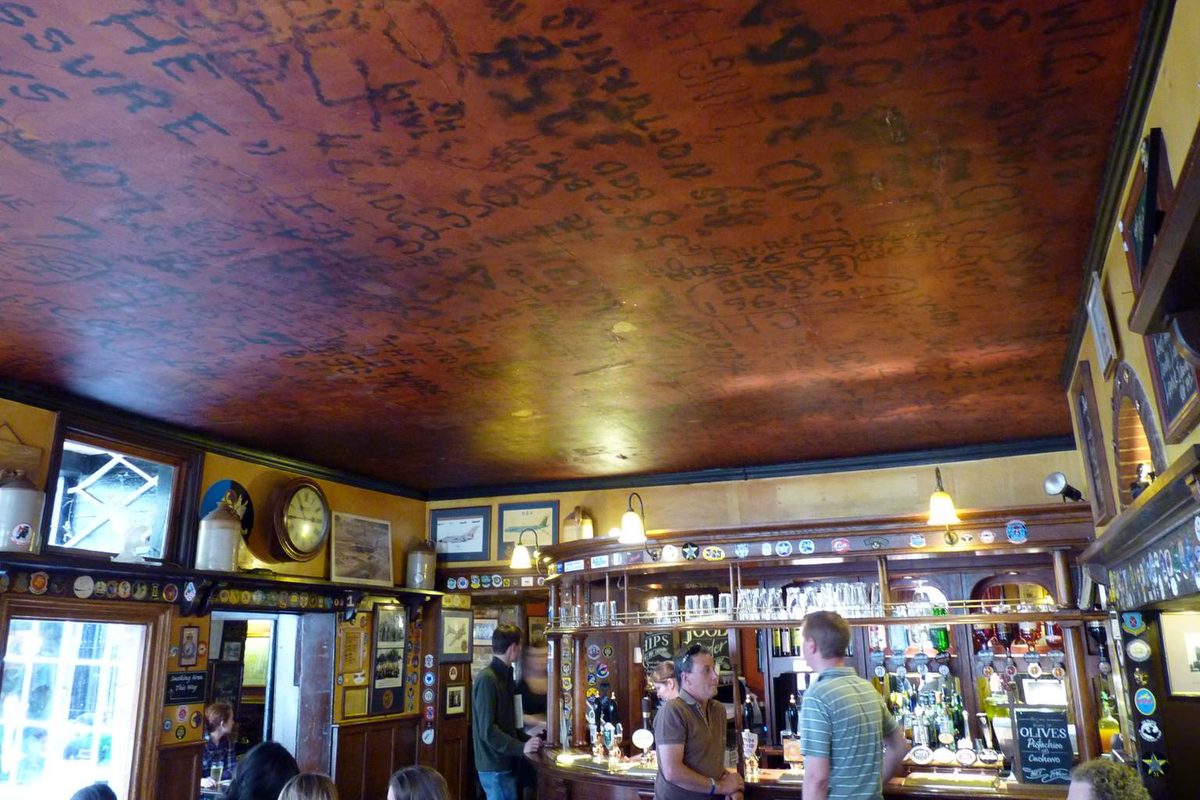
- The Eagle in Cambridge, a historic English pub where you tip at the bar by buying staff a drink, not adding a gratuity — Photo: Cmglee / CC BY-SA 3.0 via Wikimedia Commons. Source
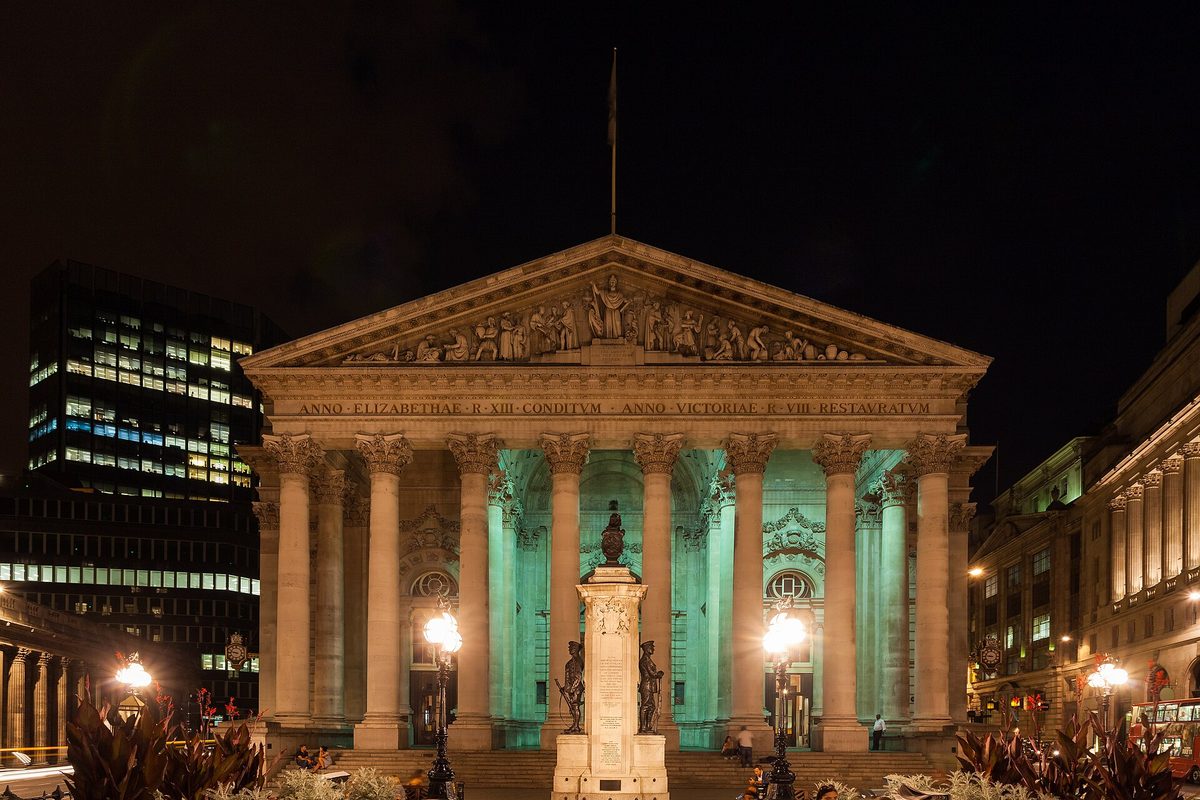
- The Royal Exchange in the City of London, near the heart of England’s financial district — Photo: Diego Delso / CC BY-SA 4.0 via Wikimedia Commons. Source
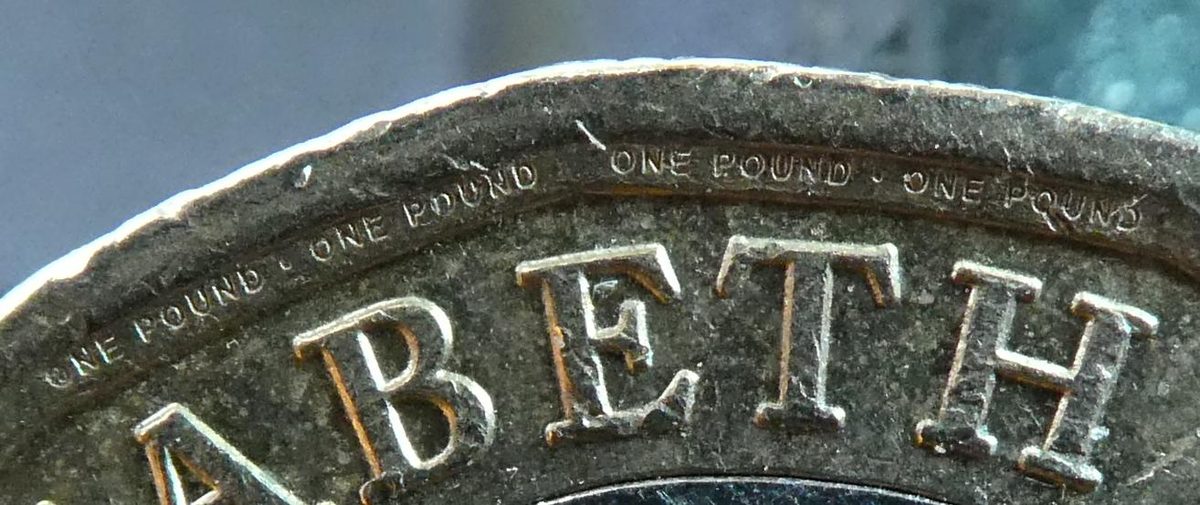
- British pound coins and sterling banknotes, the everyday currency for handling money and tipping in England — Photo: Tkbwikmed (CC0) via Wikimedia Commons. Source
Frequently asked questions
Do you have to tip in England?
No, you don't have to. Tipping in England is optional and modest. In a sit-down restaurant a tip of around 10 to 12.5 percent is appreciated for good service, but pubs, cafes and counter-service spots carry no expectation at all. Staff are paid at least the minimum wage, so a tip is a thank-you, not a necessity.
Is the service charge on my bill the same as a tip?
Yes, effectively. A "discretionary service charge" (usually around 12.5 percent) added to a restaurant bill is the tip, so you don't add more on top. Since October 2024, the law requires 100 percent of it to go to staff. Because it's discretionary, you can politely ask to have it removed if service was genuinely poor.
Should I pay in pounds or my own currency on a card machine?
Always choose pounds (GBP). If a terminal or ATM offers to charge you in your home currency, that's Dynamic Currency Conversion, and the merchant sets a poor exchange rate with a hidden markup. Paying in pounds lets your own bank or card network convert at a much better rate, saving you money on every transaction.
How much cash should I bring to England?
Surprisingly little. Contactless cards and phones are accepted almost everywhere, so many visitors barely use cash. Carry around £20 to £40 in small notes and coins as backup for buskers, market stalls, the odd cash-only pub, and tipping people directly. Withdraw more from a bank ATM as needed rather than carrying a large amount.
Do you tip taxi drivers in England?
It's optional and small. The usual move is to round the fare up to the nearest pound, or add about 10 percent on a longer trip or for help with bags. London black cabs all take cards and contactless, but rounding up by card can be fiddly, so handing the driver a coin or note for the tip is often easier and welcomed.
Is tax added to the price at the till in England?
No. Displayed prices already include VAT (currently 20 percent on most items), so the price on the menu or shelf is exactly what you pay; no extra tax is added at checkout. Note that Great Britain no longer offers tourist VAT refunds on goods you take home, a scheme that ended in 2021.