Sheet 38 · Where to Stay in England · 17 min read
London vs Outside London: Where to Base Your England Trip
Deciding where to stay in London or outside London shapes your whole England trip. Compare costs, commute times, and strategies to find the perfect base.
 Sheet 38
Contents 10 sections
Every England trip starts with the same argument, usually while staring at a spreadsheet of hotel prices at midnight. Whether you should stay in London or outside London isn’t a trivial question — it’s the structural decision that shapes everything else: how much unpacking you do, how early you need to set an alarm, how much money drains away on trains versus rooms, and whether you come home feeling like you saw England or just commuted through it.
Here’s my honest answer after doing this trip both ways more than once: there is no universally correct answer, but there is usually a right answer for you — and this guide will help you find it.
Quick Answer: Should You Stay in London or Outside London?
The decision to stay in London or outside London mostly comes down to three things: how long you’re travelling, how many different regions you want to cover, and whether the words “change at Reading” make you feel excited or exhausted.
If you have fewer than 7 nights: stay in London, full stop. A London base lets you absorb one of the world’s great cities properly and still take two or three day trips. Spreading a short trip across multiple bases means you spend a disproportionate amount of time moving and a disproportionate amount of money on advance train bookings.
If you have 7–14 nights: the hybrid approach is usually the sweet spot. Start with three or four nights in London, then shift to one or two regional bases. You get London without the guilt of ignoring the rest of the country.
If you have 14+ nights (or you’ve already done London): seriously consider skipping a London base entirely, or limiting it to a single transit night. England outside London — the Cotswolds, the Lake District, the North York Moors, the Jurassic Coast — is extraordinary, and it rewards slow travel at a much more manageable cost.
At a Glance: Comparing Your Base Options
| Approach | Best For | Rough Nightly Cost (as of 2026) | Day-Trip / Commute Ease | Ideal Trip Length |
|---|---|---|---|---|
| London-only base | First-timers, short trips, those who want to do London justice | £120–£220 (mid-range) | Excellent — St Pancras and Paddington are your launchpads | 4–7 nights |
| London + one regional base | Most travellers on a first or second England trip | £120–£220 London / £80–£140 regional | Very good — two unpacks, two rail hubs | 8–14 nights |
| Regional base(s) only | Return visitors, walkers, slow-travel fans | £70–£140 | Depends on location; rural areas need planning | 7+ nights |
| London + multiple regional bases | Long trips, itinerary lovers | Mixed | Complex — requires advance booking discipline | 14+ nights |
These cost ranges reflect mid-range hotels and B&Bs. Budget chains (Premier Inn, Travelodge) bring the floor down substantially, and they exist in both London and the regions. See England trip costs and budget breakdown for a fuller financial picture.
The Case for a London Base
London as Your Operational Hub
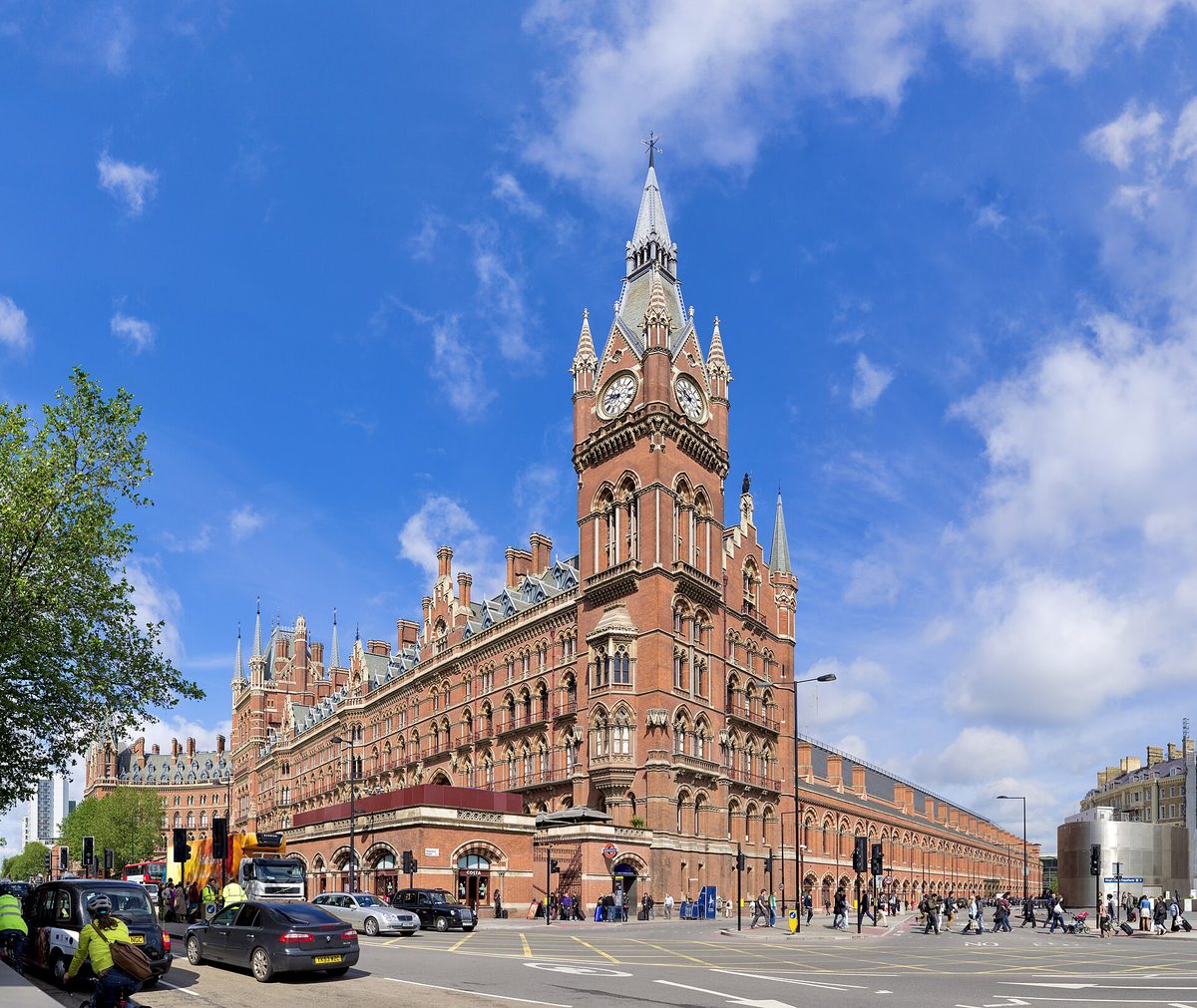
There is a reason most England itineraries default to London: it works. St Pancras International and London Paddington between them reach most of England at speed. King’s Cross sends you north to York in just under two hours and Edinburgh in four and a half. Paddington puts you in Bath in around an hour and a quarter and Oxford in about an hour. London Waterloo handles the south and south-west. Liverpool Street reaches Cambridge in under an hour.
When you’re staying in central London — Zones 1 or 2, ideally within a short walk of one of these termini — the whole country is loosely reachable as a day trip. You don’t have to plan much beyond buying an advance ticket. You come back to the same room, the same familiar neighbourhood, the same restaurant you bookmarked on night one.
That operational simplicity has a real psychological value that travel blogs don’t always account for. When you’re tired after a long day in Bath, knowing that a direct train from Bath Spa to Paddington drops you back at your hotel in 90 minutes is enormously reassuring. Compare that to knowing you need to find the bus to a village rental in the Cotswolds after dark.
London Is Not a Consolation Prize
A lot of first-time visitors feel vaguely guilty about spending “too much time in London” when England is sitting there. I’d push back on this. London is inexhaustible. The British Museum alone warrants two visits. The South Bank from Tate Modern to Borough Market to Bermondsey is a full day. Shoreditch and Dalston have a dining and music scene that genuinely rivals anywhere in Europe.
If you’re a first-timer, spending four or five full days in London without apologising for it is not a waste — it’s the trip. You can bolt on Windsor Castle (around 35 minutes from Paddington to Windsor & Eton Central via Slough), or Brighton (around 55 minutes from Victoria), or Cambridge (under an hour from King’s Cross). You’ve covered a lot of England without repositioning once.
Where to stay in London for tourists covers which neighbourhood suits your priorities — but for base logistics, anything within Zone 1–2 near a major terminus is the move.
The Neighbourhood-as-Base Logic
For London neighbourhoods for tourists, think about which terminus you’ll use most. Planning heavy Cotswolds and Bath action? Stay near Paddington — Bayswater or Notting Hill are both pleasant and walkable. Heading north to York and the Lake District? King’s Cross puts Islington and Bloomsbury in play. Doing day trips to Canterbury or the Kent coast? Victoria or London Bridge Zones 1–2 make more sense.
This isn’t overcomplicated — it just saves you crossing London with bags on busy mornings.
The Case for Basing Outside London
When London Becomes the Problem
Here’s something travel guides are shy about: London accommodation is expensive, and the zones matter enormously. A “cheap London hotel” that’s actually in Zone 4 or Zone 5 is not a bargain — you’ve just traded room cost for a 45-minute Tube ride each way, a daily travel card that costs upwards of £15, and an hour of your day that you’re spending underground rather than sightseeing.
If the only rooms in your budget put you in outer zones, or if you’re a group and need two rooms, the economics of a regional base become compelling fast. A mid-range double in Manchester or York runs around £90–£130 as of 2026, compared to £150–£220 for something equivalent in central London. Over seven nights, that gap funds another couple of nights away.
The Regional Experience Is the Trip
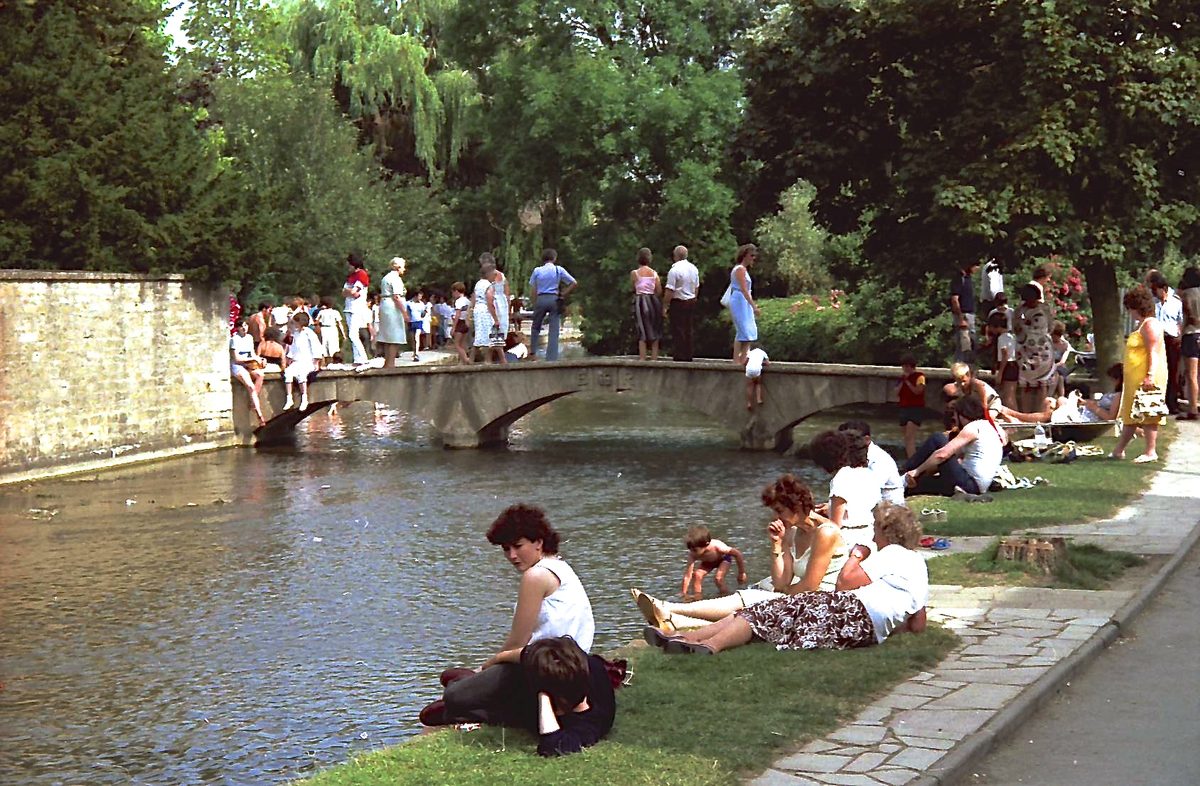
England outside London is genuinely different — not in a consolation-prize way, but in a “this is what I came for” way for many travellers. Walking the best places to stay in the Lake District — Windermere, Ambleside, Keswick — requires an overnight stay; you cannot do the Langdale Pikes justice as a day trip from London. The same is true of the best towns to stay in the Cotswolds, where the magic is in the early morning before the tour coaches arrive, which you’ll miss if you’re on the 8:15 from Paddington.
Basing in a regional city also unlocks a different kind of exploration. A base in York lets you day-trip to the North York Moors, the Yorkshire Dales, Whitby, Harrogate, and Beverley. A base in Exeter opens up Dartmoor, the Jurassic Coast, and Exmoor. None of those combinations work from London in a day.
Commuter Towns as a Middle Path
There’s a third option that experienced travellers sometimes land on: basing in a commuter town that’s close enough to London to use it freely but far enough to cost significantly less.
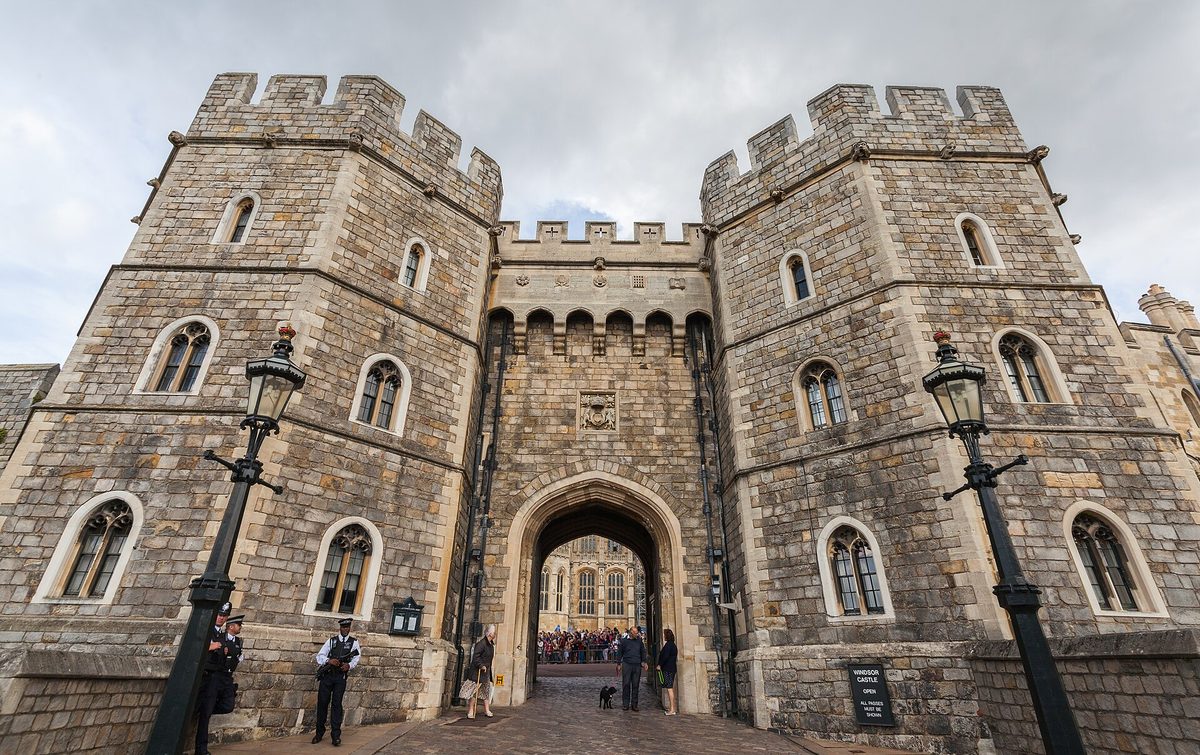
Windsor, St Albans, Guildford, and Richmond-upon-Thames are the classic examples. Windsor sits about 35 minutes from Paddington by train, changing at Slough, with hotels running around £100–£150 for a mid-range room as of 2026. You get the castle on your doorstep, you can day-trip into London easily, and you’re within reach of both Bath (via Reading) and the Cotswolds. It’s not for everyone — you’re commuting rather than staying put — but if central London hotel costs are the sticking point, this is worth considering.
The Hybrid Approach: London Nights Plus a Regional Base
This is the structure I’d recommend to most people asking “should I stay in London or outside” for a first or second England trip of 10–14 nights.
What Hybrid Looks Like in Practice
A workable hybrid might be:
- Nights 1–4: London — arrive, recover from jet lag if applicable, do London properly. Visit at least one or two major sights each day, do Borough Market, take a river bus, see a show.
- Night 5 (travel day): Train north or west — use a London terminus to reach your next base by mid-afternoon. You can sightsee en route if the station allows it (Bath Spa, for instance, is worth a wander even if you’re not overnighting).
- Nights 5–10: Regional base — Cotswolds, York, the Lakes, Bath, the south coast. One base, multiple day excursions from it.
- Night 10 or 11 (optional London return): Some itineraries bring you back to London for a final night before flying; this works well if your departure airport is Heathrow or Gatwick.
The key is one move, not three. Every time you repack your bags and relearn a new city’s transport system, you burn half a day. Two bases — London and one regional hub — is almost always more efficient than three or four.
Where to Go After London
That depends heavily on what draws you. The guide to best areas to stay in England covers the regional options in depth — this guide’s job is the structural decision, not the geography. But briefly:
- Bath/Bristol for architecture, food, and a gentle Cotswolds extension
- York for history and easy access to northern England
- Manchester or Leeds if you want a city break paired with Peak District or Yorkshire Dales walking
- The Lake District if walking is the whole point
- Exeter or Bournemouth if the coast is the priority
For the first time England itinerary question, London plus Bath or York covers most visitors’ wish lists without being punishing logistically.
Day-Trip Hub Logic: Getting the Most From a London Base
If you’re going London-only and using it as a day-trip hub, it helps to understand how the rail system radiates from the capital. Each terminus handles a different wedge of the country:
| London Terminus | Key Day-Trip Destinations | Typical Journey Time |
|---|---|---|
| Paddington | Windsor, Oxford, Bath, Bristol, Cotswolds (Moreton-in-Marsh) | 35 min / 55 min / 1h 20m / 1h 45m / 1h 30m |
| King’s Cross | Cambridge, Peterborough, York, Edinburgh | 48 min / 50 min / 2h / 4h 30m |
| Victoria / Waterloo | Brighton, Canterbury, Salisbury, Winchester | 55 min / 1h 30m / 1h 30m / 1h |
| Euston | Birmingham, Chester, Manchester, Liverpool | 1h 20m / 2h / 2h / 2h 15m |
| Liverpool Street | Cambridge (alt), Norwich, Colchester | 1h / 2h / 55 min |
The practical implication: don’t choose a London hotel without checking which terminus serves your planned day trips, then make sure you’re not more than a 20-minute Tube ride from it. A hotel in Southwark works brilliantly for Victoria or Waterloo trips; it’s annoying for King’s Cross.
For more on the rail system, the England train travel guide covers booking strategy, advance fares, and how to avoid paying full walk-up prices. The best day trips from London by train guide covers specific destinations.
And if you’re worried about getting around without a hire car, travel around England without a car is worth reading before you commit to any base strategy — England’s train network is genuinely good, but rural areas have real gaps.
Costs Compared: London Base vs Regional Base
Let me run rough numbers on a 10-night trip, two adults, mid-range accommodation, as of 2026. These are estimates with real-world hedging — your mileage will vary based on timing and how early you book.
London-Only Base (10 nights)
- Accommodation: ~£160/night × 10 = £1,600
- Daily travel cards (Zones 1–3) or Oyster top-ups: ~£12/day × 10 = £120
- Day trips (3 trips, average advance rail tickets): ~£30/person return × 3 × 2 = £180
- Subtotal accommodation + transport: around £1,900
Hybrid (4 nights London + 6 nights regional)
- London accommodation: ~£160/night × 4 = £640
- Regional accommodation (York/Bath): ~£110/night × 6 = £660
- London daily Oyster: ~£12 × 4 = £48
- London–York/Bath/Cotswolds rail (advance): ~£80 return for two
- Regional day trips (local trains, cheaper): ~£25/person return × 3 × 2 = £150
- Subtotal: around £1,578
Regional-Only (10 nights, e.g. York + Lakes)
- York accommodation: ~£100/night × 5 = £500
- Lake District accommodation: ~£110/night × 5 = £550
- Transfer train (York to Windermere via Oxenholme): ~£50 for two advance
- Local buses and trains in the Lakes: ~£60
- London transit (if using London airport): ~£60 return for two
- Subtotal: around £1,220
The regional-only trip saves money but requires either skipping London or treating it as a transit point. For most first-time visitors, that’s a hard sell — and the hybrid gets you within a few hundred pounds of the regional trip while keeping London in the picture.
See England budget costs for a more comprehensive breakdown across accommodation tiers.
Decision by Trip Length and Traveller Type
Short Trips (4–6 nights): Stay in London
No question. London alone can fill a week if you slow down. Trying to add a regional base on a trip this short means you spend two of your nights in transit, mentally at least. Do London well, do one or two day trips, come home satisfied.
For how many days in England planning, six nights is genuinely the minimum before a regional extension makes sense.
First-Timers (7–10 nights): London + One Regional Stop
The classic first time England itinerary structure. London first — always London first, because it gives context for everything else — then one regional move. Bath if you want Romans and Georgian architecture and easy Cotswolds access. York if you want Viking history and a more characterful small city. The Cotswolds if you want the postcard England of honeyed stone and duck ponds.
Don’t try to do all three on a first trip. You’ll be exhausted and you’ll have seen all of them badly.
Return Visitors (any length): Consider Skipping London
If you’ve already done the Tower of London, the British Museum, the National Gallery, Covent Garden, and Borough Market — you don’t need to do them again on a schedule. This is when a regional-first approach works brilliantly. A trip built around the best seaside towns to stay in England or a deep Lake District walking week is a fundamentally different holiday, and it’s the one I reach for now.
Families: London + One Regional Base, Longer Stays
Families tend to do better with fewer moves. Kids (and parents) benefit from staying put. I’d suggest four to five nights in London — there’s enough for children, and the parks and museums are genuinely excellent — then shift to one regional base for the remaining nights. Family-friendly hotels in England covers options at both ends of the journey.
Budget Travellers: Regional-First, London Short
If cost is the primary driver, spend as few nights in London as possible. One or two London nights around arrival and departure, then base yourself regionally. You’ll save meaningfully on accommodation. England vacation rentals often offer better value than hotels once you’re outside London, particularly for groups.
Pub and Village Enthusiasts: Go Regional
If pub inns in England are on your radar — and they should be — these are almost always regional experiences. A genuine country pub with rooms, real ales on handpump, and a pie on the menu at 7pm: this exists in the Cotswolds, the Yorkshire Dales, the New Forest, and the Shropshire Hills. It does not exist in Central London. Base yourself in the regions and the pub experience opens up.
A Note on Packing and the Unpacking Tax
Here’s something that travel itinerary guides rarely say plainly: unpacking is emotionally expensive. Every time you repack a bag, drag it to a taxi, navigate a new station, find a new hotel, and relearn a new local transport system, you pay an invisible cost in energy and trip enjoyment. Three moves in 10 nights might look fine on paper. In practice it’s exhausting.
For most people, I’d cap moves at two (e.g. London, then one regional hub) on trips under 12 nights. Three moves (London, Bath, York, for instance) require 14+ nights to not feel rushed. If you want the England itinerary to breathe, fewer bases almost always wins.

Final Thoughts
I’ve done the London-only trip. I’ve done the overambitious four-base sprint that ended with me eating a sandwich on a platform at Carlisle, exhausted and mildly resentful of my own itinerary. And I’ve done the slow regional trip — five nights in a Cotswolds inn, five nights in a York guesthouse, London only for the flight home — and it was the best England trip I’ve taken.
The London-only approach isn’t wrong. London is one of the most rewarding cities on earth and it deserves unhurried time. But if you’re on trip number two or three, or if you’re travelling for long enough that a regional move won’t consume your whole schedule, get out. England outside the M25 is quieter, cheaper, more genuinely hospitable, and often more beautiful. The food in a Derbyshire gastropub can be extraordinary. A walk in the Lake District on a clear morning will ruin you for lesser holidays.
The where to stay in England guide covers the full landscape of accommodation options across the country. The London travel guide gives you everything you need if you’re spending serious time in the capital. Start with the structural question — one base or two, London first or London only — and the rest of the planning falls into place far more easily.
Whatever you choose: book the trains early. England’s rail system rewards advance purchase aggressively, and doing this trip on walk-up fares is a genuinely expensive way to learn that lesson.
Research and Source Notes
Prices and travel times in this article are hedged estimates based on research conducted in June 2026. They should be used as planning guides, not guarantees.
Sources consulted:
- National Rail / The Trainline — journey times between London termini and regional destinations; advance versus walk-up fare comparisons
- TfL (Transport for London) — Zone 1–5 Travelcard daily prices; Oyster and contactless fare information
- VisitBritain / Visit London — regional tourism data and accommodation category breakdowns
- HotelsHotSpot.co.uk — UK regional hotel price averages by star rating, 2026 data
- Fodor’s Travel community forums — qualitative traveller perspectives on London-base vs regional-base decisions
- London My Mind and Never Ending Footsteps — 2026 London budget breakdowns and cost-of-travel data
All accommodation price ranges reflect mid-range (three-star equivalent) hotels unless stated. Budget chains (Premier Inn, Travelodge, ibis) can reduce the floor substantially in both London and the regions. Always check current prices directly with accommodation providers and rail operators before booking, as fares and rates fluctuate significantly by season, day of week, and booking lead time.
Photo Credits
- The Thames and Tower Bridge at golden hour — stay in London or outside London depends on how much of this iconic skyline you want at your doorstep — Photo: Aleem Yousaf / CC BY-SA 2.0 via Wikimedia Commons. Source
- The magnificent St Pancras International — when London is your base, its great rail termini make England feel surprisingly compact — Photo: Colin / CC BY-SA 3.0 via Wikimedia Commons. Source
- Windsor Castle is reachable in around 35 minutes from London Paddington via Slough — a commuter town like Windsor can work as a cheaper alternative base — Photo: Diego Delso / CC BY-SA 4.0 via Wikimedia Commons. Source
- Bourton-on-the-Water in the Cotswolds — this kind of village magic is almost impossible to experience properly as a day trip; an overnight base changes everything — Photo: Anthony O’Neil / CC BY-SA 2.0 via Wikimedia Commons. Source
- York Minster dominates the city skyline — York makes a superb regional base, giving easy access to the Yorkshire Dales, North York Moors, and Whitby — Photo: Michael D Beckwith (CC0) via Wikimedia Commons. Source
Frequently asked questions
Is it cheaper to stay outside London and commute in?
Sometimes, but the maths is often closer than you'd expect. Zone 4–5 hotels can cost £80–£110/night, but a daily Zones 1–5 Travelcard runs around £20 as of 2026. Add that to seven nights and you've spent an extra £140 on transport, mostly recouped by a savings of maybe £30–£40/night on the room. True commuter-town savings kick in at around 30–40 minutes outside London, where you're genuinely on a separate rail line — places like Windsor, St Albans, or Guildford — rather than just on an outer Tube zone.
How many nights in London is enough before exploring the rest of England?
For most first-timers, three to four full days (four to five nights) in London is the sweet spot. That's enough for the major sights, a neighbourhood wander or two, and a day trip, without sacrificing the rest of the country. Return visitors who've already covered London's highlights can comfortably reduce to one or two nights — basically arrival/departure buffer — and spend the bulk of the trip regionally.
Can I do a week in England without basing in London at all?
Absolutely, and it's often a richer trip if you've already visited London once. A week based in York or Bath, using rail and local transport for daily exploration, is a genuinely excellent England holiday that never touches the capital. The caveats: you may fly in and out of a London airport, adding two half-days of travel each end. Flying Heathrow–York is impractical by transit; expect around 2.5 hours by train from King's Cross. It's doable and worth it.
What's the best regional base for day trips after London?
Bath is the most accessible for variety: you can day-trip to the Cotswolds, Bristol, Wells, Glastonbury, and Stonehenge all within reach by bus or train. York rivals it for the north: the Moors, the Dales, Whitby, Harrogate, and Durham are all within an hour. If you're using the day trips from London logic but applying it regionally, Bath or York are your best hubs.
Is it worth using London as a base for the whole trip?
Yes, if your trip is under a week, if it's your first visit to England, or if you're not a planner and you prefer the flexibility of deciding day trips spontaneously. The whole of southern England is within two hours of London by train. Where the London-only strategy struggles is on trips of 10+ nights, where accommodation costs accumulate painfully and the regions start to feel unreachable. At that length, at least one regional night is usually worth the effort.
Should I book London hotels for first and last nights even if based elsewhere?
Not necessarily — it depends on your arrival and departure airports. If you're flying Heathrow or Gatwick, yes, a London arrival night makes sense; the airport-to-city transit alone can take an hour, and adding a two-hour regional train after a long flight is brutal. If you're flying Manchester, Bristol, or Edinburgh — all increasingly common transatlantic options — you can base regionally from the moment you land and skip London entirely on the way in.