Sheet 65 · Best Time to Visit England · 17 min read
England in Winter
Planning England in winter? Real talk on weather, short days, off-season value, cosy pubs, and what's open Dec–Feb. The honest seasonal guide for trip
 Sheet 65
Contents 10 sections
The first time I committed to a proper January trip across England, a friend looked at me like I’d booked a holiday on the moon. “It’ll be grey,” she said. “It’ll be dark by teatime.” Both true. What she didn’t mention was the empty cathedral nave I had almost to myself, the pub fire I sat beside for two hours nursing a single pint, or the half-price room with a view I’d never have touched in July.
So let me say it plainly. England in winter — roughly December through February — is cold, damp, and dark early, but it is also the cheapest, calmest, most atmospheric version of the country you’ll find all year, as long as you build the right kind of trip. Plan indoors-out, chase the fires, and let the short days shape your hours rather than fight them.
This is a planning guide, not a love letter (though it’s a bit of both). I’ll tell you what the weather actually does, how to handle the absurdly early sunsets, where the value hides, which places sing in the cold, and what quietly shuts down until spring. I’m leaving the Christmas-market-and-fairy-lights stuff to its own piece — see Christmas in England for that — because winter is far longer and stranger than the festive fortnight, and most of it is gloriously un-Christmassy.
Quick Answer: Is Winter a Good Time to Visit England?
Yes — England in winter is a genuinely good time to visit if you want low prices, thin crowds, and a cosy, indoor-leaning trip. Expect cold (around 5–8°C / 41–46°F in the south, colder up north), damp weather, occasional snow, and very short days with darkness by about 4pm. Cities, museums, pubs, and castles shine; some rural and coastal spots close.
If that sounds like your kind of thing — slow mornings, long lunches, galleries and great houses, a pub with a fire at the end of the day — then winter rewards you handsomely. If you’re picturing long countryside rambles in golden light, you’ll be happier in another season; have a look at the best time to visit England before you lock in dates, and England in autumn if you want shoulder-season colour without the deep-winter dark.
England in Winter at a Glance: December, January, February
I find a quick month-by-month read helps people decide where to aim. Treat the numbers as typical rather than guaranteed — English winters wobble year to year, and “as of 2026” the pattern below holds, but a mild December or a snowy snap can rearrange things overnight.
| Month | Weather (typical) | Daylight | Crowds & price | Especially good for |
|---|---|---|---|---|
| December | Cold, damp, ~5–8°C south; frost & some snow north/uplands | Shortest of the year; dark ~4pm, ~8h around the 21st | Quiet early, then a sharp Christmas/New Year price spike | Festive cities, atmosphere, early-month bargains |
| January | Coldest, greyest month; raw winds, snow more likely north | Lengthening slowly; still dark by ~4:30pm | The cheapest, emptiest stretch of the whole year | Maximum value, museums, January sales, peace |
| February | Still cold but brightening; crisp clear spells; late snow possible | Noticeably longer; light past ~5pm by month’s end | Cheap and calm, with a small half-term bump mid-month | Crisp blue-sky days, snowdrops, beating the crowds |
The headline most people miss: the value isn’t evenly spread. Early December and almost all of January and February are bargain territory. The roughly two-week Christmas-to-New-Year window is the one expensive island in the cheap season — more on that further down.
Winter Weather & What to Pack (the Short Version)
Here’s the thing nobody warns you enough about: English winter cold isn’t dramatic, it’s insidious. It rarely plunges to the bitter sub-zero figures of, say, the American Midwest or central Europe. Daytime highs sit around 5–8°C (41–46°F) in the south and a few degrees lower as you head north. What gets you is the damp. A wet 4°C with a wind off the North Sea feels colder than a dry minus-five elsewhere, and it works its way into your bones over a day of walking.
So the packing rule is layers and waterproofing, not arctic survival gear. A genuinely warm waterproof coat, a hat that covers your ears, gloves, and shoes that won’t soak through within an hour are worth more than any thick single jumper. Umbrellas are useful in cities but useless in the wind — a hood beats a brolly on a blustery day in the Peak District.
I won’t drown you in temperature charts here; if you want the granular climate numbers, the England weather by month breakdown has them, and the full kit list lives in the England packing list. For winter specifically, just remember: warm, dry feet and a real coat solve about 80% of your problems.
Short Days & How to Plan Around Them
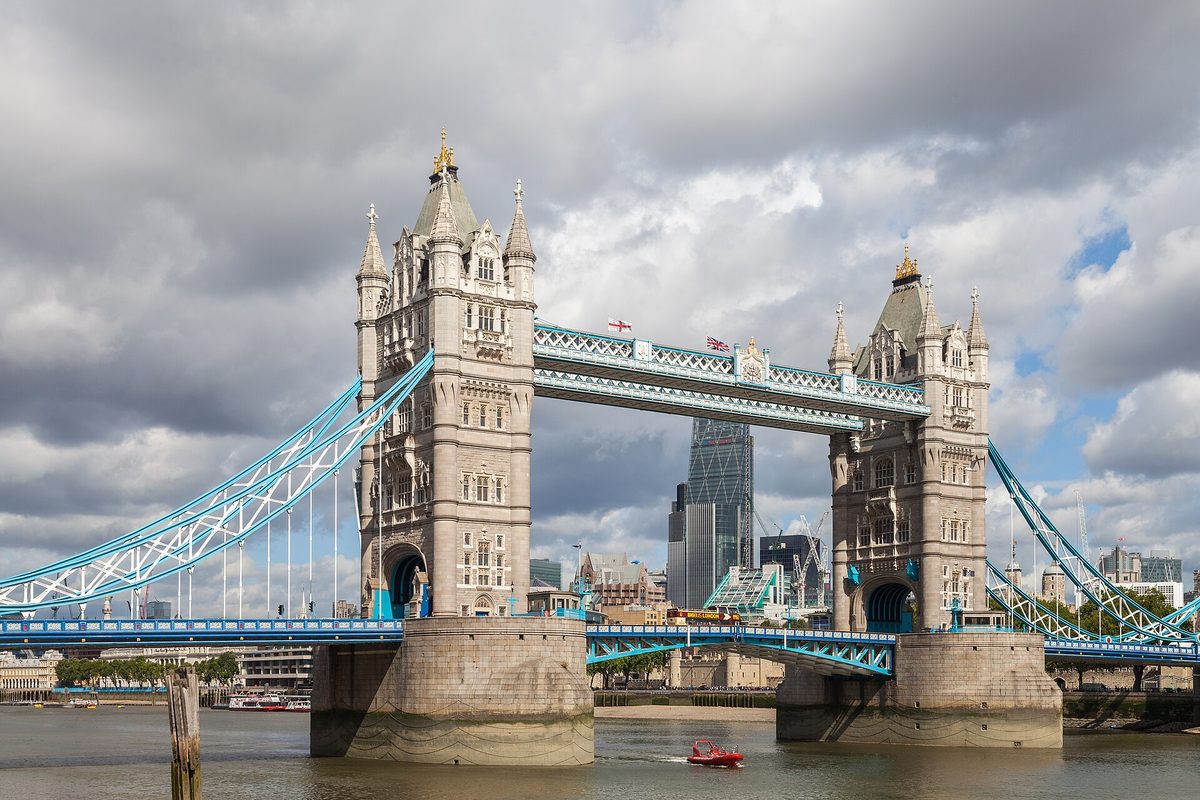
This is the single biggest thing to get your head around, and it surprises almost everyone on their first winter visit. Around the winter solstice — about December 21 — England gets only roughly eight hours of daylight, and it’s properly dark by about 4pm. In late December the sun doesn’t clamber far up the sky even at noon; everything has that low, slanted, golden-hour quality all day, which is beautiful for photos and brutal for cramming in sightseeing.
Fighting it is a losing battle, so I plan with the dark instead. A few habits that have served me well:
Front-load the outdoor stuff. Whatever needs daylight — a castle’s grounds, a walk along the city walls in York, a wander through a frosty park — I do it in the morning and early afternoon. By 3:30pm the light is going, so that’s when I pivot indoors.
Make 4pm the cosy hour. Once it’s dark, I want to be somewhere warm and lit: a museum that’s open late, a steamy tearoom, a candlelit evensong, or a pub. Treating sunset as a cue to switch modes rather than a disappointment changes the whole rhythm of the day.
Check closing times obsessively. This is the trap. Loads of attractions close at 4pm or even 3:30pm in deep winter, sometimes earlier than the website’s “summer” hours suggest. I’ve turned up to a great house at 3:45 only to be politely turned away. Always confirm winter hours the day before.
Build a tight, walkable base. Winter is not the season for ambitious cross-country day trips that start at dawn. I pick a city, stay central, and keep the day’s plan within a short radius so I’m never stranded far from shelter when the light and the temperature drop together. The England itinerary ideas are worth filtering through this lens — a route that’s lovely in June can feel rushed and gloomy if you try to keep its pace in January.
The upside of all this? Dark, cold evenings are made for the indoor pleasures England does so well. You stop feeling guilty about spending three hours in a museum or lingering over dinner, because there’s genuinely nowhere brighter to be.
Off-Season Value: Why Winter Is the Cheapest Time to Visit England
If you’re travelling on a budget, this is the headline that should make you book. Outside the Christmas and New Year spike, winter is comfortably the cheapest season to visit England — the lowest prices and the thinnest crowds of the entire year.
The rough shape of the savings, as of 2026 and based on the booking patterns I keep seeing:
- Flights to the UK can run something like 30–50% cheaper in January and February than at the summer peak.
- Hotels routinely drop their rates, with discounts that can reach 30–50% in some places — especially rural inns and country hotels that are quiet midweek.
- Attractions are simply emptier, so you skip the queues, walk straight in, and actually get space to look at things.
I genuinely treasure this. Standing in a near-deserted gallery on a wet Tuesday in January, with a room full of paintings basically to yourself, is a luxury that money can’t buy in August. The same goes for the great cathedrals — see the best cathedrals in England — which feel cavernous and quietly awesome when there are a dozen people inside instead of a thousand.
A couple of honest caveats. First, the Christmas-to-New-Year window (roughly December 20 to January 2) bucks the trend entirely: prices spike, popular spots get busy, and New Year’s Eve in particular is premium-priced. Plan around it if value is your priority. Second, “cheap” doesn’t mean everything’s available — winter discounting often comes precisely because some seasonal businesses have shut for the season (more on that below).
If squeezing the most from a tight budget is your aim, the England on a budget guide pairs well with a winter trip, because the season is already doing half the work for you. And in London specifically, the cold months are prime time for the city’s enormous stock of free attractions — the free things to do in London list is basically a winter survival kit.

Best Winter Destinations: Cities, Cosy Towns, and Snowy Uplands
Not everywhere is equal in winter. Some places lose their best feature (coastal resorts, gardens, anything that depends on long light and warmth), while others arguably improve. Here’s how I’d carve up the choices.
Cities for winter weekends
Cities are the obvious winter winners because so much of what you do in them is indoors anyway, and they keep their late-opening museums, theatres, restaurants, and pubs running all season.
London is the safest, richest winter bet — endless world-class museums (most of the big ones free; see the best museums in London), theatre, food, and a transport network that doesn’t care about the weather. The full London travel guide covers the basics, and crucially, almost everything you’d want to do there works in the rain and dark.
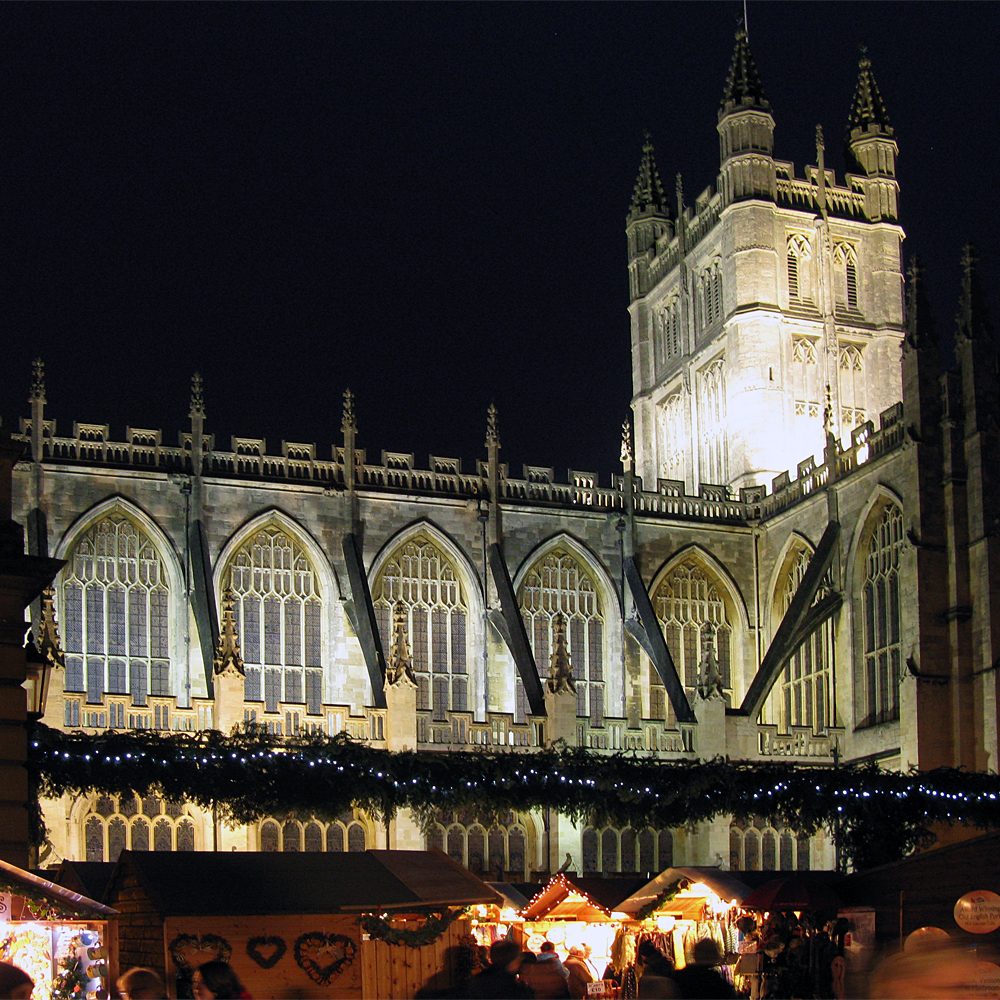
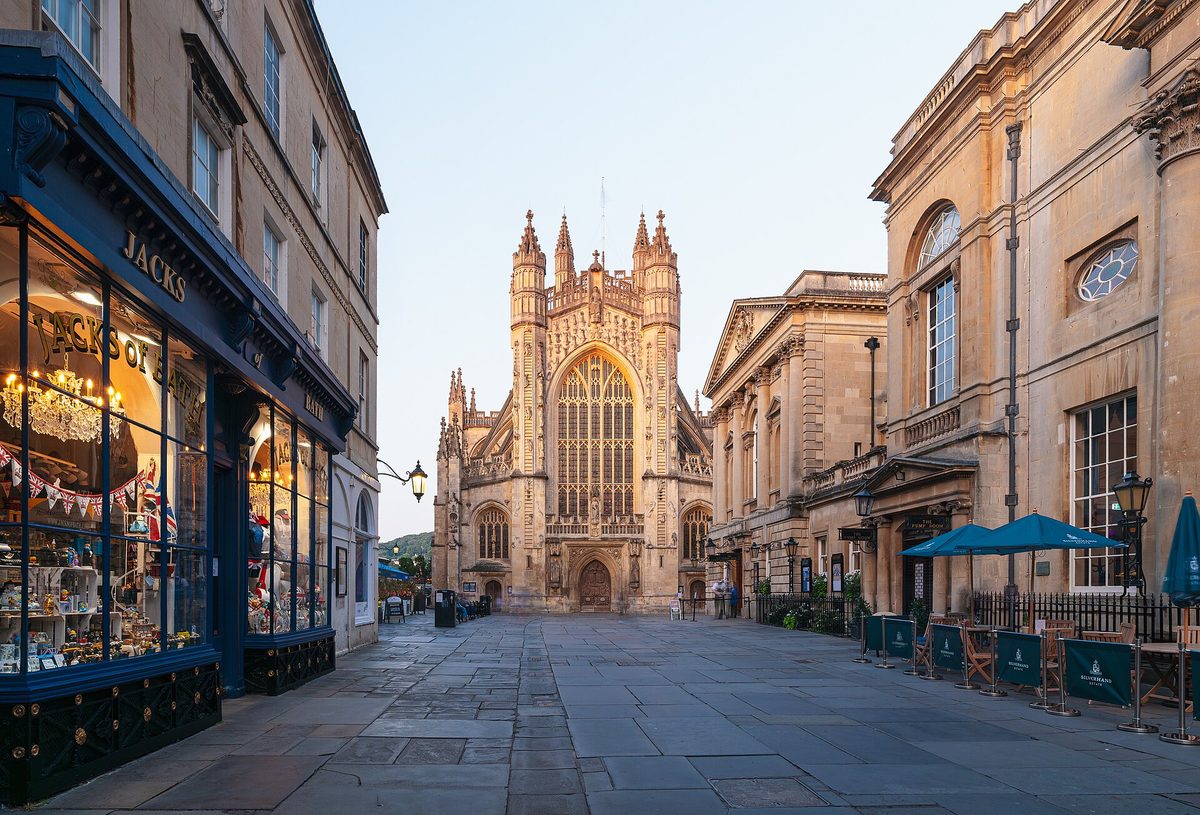
York is my personal favourite for a winter city break — compact, walkable, dense with history, and atmospheric when frost settles on the medieval streets. Bath is similarly made for cold weather: you can literally bathe in steaming thermal water while it’s near-freezing outside, which is one of the great winter experiences in the country. The Bath travel guide goes deeper.
Whichever city you choose, a central base matters more in winter than any other season — see where to stay in England — because you want to be able to nip back to warmth between activities.
Cosy towns and the chocolate-box countryside
If you want the frosty-village fantasy, the Cotswolds deliver honey-stone hamlets, historic inns, and lanes that look impossibly pretty under a hard morning frost. The catch: rural means short bus links, early-closing pubs, and some attractions shut for the season, so you’ll want a car and a flexible plan. The reward is a slower, fire-lit kind of trip — exactly the sort of place where the pub inns in England tradition comes into its own, with a room upstairs and a hearth downstairs.
Snowy and frosty uplands
Snow in England is real but uneven. Cities are rarely heavily snowed-in, and when they do get a dusting it usually melts within a day or two. The reliable white stuff is in the north and the higher ground: the Lake District, the Peak District, the Yorkshire Dales, and the Pennines. A clear, frosty day in the Lakes with snow on the fell tops is genuinely spectacular — but it demands proper gear, an eye on the forecast, short safe walks rather than ambitious summits, and an acceptance that mountain roads can close. This is for confident, prepared travellers, not a casual day out.
Indoor & Cosy Things to Do in Winter
This is where England quietly excels, and it’s the backbone of any good winter itinerary. The trick is to stack your days with warm, lit, characterful indoor experiences so the weather becomes background noise.
A few of my reliable winter staples:
Castles and great houses (the indoor parts). Many of England’s best castles and stately homes keep at least some rooms open in winter, and a stone interior with a roaring fire, mulled something, and barely another visitor is winter sightseeing at its best. Always check winter hours first, as grounds and outbuildings often close even when the main house doesn’t.
Cathedrals and evensong. Cold weather suits the great cathedrals perfectly. Step out of a grey afternoon into the candlelit hush of choral evensong — free to attend at most of them — and you’ve had one of the most moving and quintessentially English experiences going.
Pubs with real fires. I will plan an entire afternoon around a good fire. The British pub in winter — low ceilings, a log fire crackling, a pint, a long lunch — is, to me, the soul of the season. Country inns are best for this; ask locally which ones light the fire.
Museums, galleries, and tearooms. Obvious, but unbeatable when it’s dark by four. Pair a big museum in the afternoon with a proper cream tea or a steamy café and you’ve filled the dark hours beautifully.
Thermal and spa experiences. Bath’s warm waters are the headline, but spa hotels and pools across the country make a luxurious antidote to the chill.
I’m deliberately keeping this list short and cosy-focused rather than exhaustive. If you want a deeper bench of wet-and-cold options — the comprehensive rundown of what to do when the weather turns — the rainy-day activities in England guide is the companion piece to this one, and it’s where I’d send you for the full indoor playbook. And for picking which marquee sights to prioritise across a trip, the best places to visit in England holds up year-round.
What’s Open vs Closed in Winter
Here’s the reality check that saves trips: England runs on two unofficial calendars, and a chunk of the tourist economy simply hibernates from roughly November to March. Knowing what’s likely shut keeps you from building a day around a locked gate.
Generally open all winter:
- Cities and everything in them — museums, galleries, theatres, restaurants, shops
- Major national museums and most big-city attractions (often free in London)
- Cathedrals and many churches
- Pubs, hotels, and most indoor paid attractions
- The big-name castles and houses (though usually on reduced winter hours)
Often closed or seriously reduced in winter:
- Gardens — many famous gardens close or run skeleton hours, since there’s little to see and the ground is dormant
- Rural and smaller attractions — village museums, small heritage sites, and outdoor activity centres frequently shut for the season
- Coastal and seaside spots — resort towns go quiet, and a lot of cafés, attractions, and accommodation close until Easter
- Some National Trust and English Heritage properties — a meaningful number run winter-only weekends, shortened hours, or close entirely; always check the specific property
- Outdoor tours and boat trips — many seasonal operators pause until spring
The single best habit: check the winter opening hours of every specific place the day before you go, on its own official website. Generic “open daily” listings are often summer hours. I’ve learned this the slightly cold, slightly grumpy way, standing outside a shuttered garden gate.
If you’re travelling with children, this open/closed split matters even more — soft-play, science museums, and indoor attractions become your best friends. The England with kids guide is worth a look if that’s you, since the dark-by-four problem is twice as acute with small people in tow.
New Year & the January Sales
A couple of distinct winter moments deserve their own mention, because they buck the quiet off-season mood.
New Year. The turn of the year is the one genuinely busy, premium-priced pocket of deep winter. London’s fireworks, big-city celebrations, and a general surge of festive travel push prices up and crowds in for roughly the last week of December and the first day or two of January. It can be brilliant — there’s real energy to a New Year’s Eve in a major English city — but go in knowing it’s the expensive exception, not the cheap rule. Book early if you want to be there, and avoid the window entirely if value is your priority.
The January sales. If you like shopping, the post-Christmas sales are a real draw. Discounting kicks off around Boxing Day (December 26) and runs through January, with substantial reductions across the high streets and big department stores. Pair a sales-shopping morning with a museum afternoon and you’ve got a perfect cold-weather city day. London is the obvious hub, but every big city joins in.
The quiet heart of January. Once the New Year crowds clear, roughly the second week of January through February is the calmest, cheapest, most peaceful stretch of the entire English year. This is when I most love being here: low prices, near-empty attractions, crisp bright days between the grey ones, and the first snowdrops appearing by late February as a small promise that spring is coming. If you want the country at its quietest and best value, this is the window — and the England travel tips guide has the practical odds and ends to make a low-season trip run smoothly.
Final Thoughts
I’ll be honest: winter isn’t the season I’d send a first-time visitor chasing postcard-perfect England in golden light. For that, look at spring or autumn — England in spring and England in summer make the case for the brighter months, and the best month to visit England lays out the trade-offs cleanly.
But winter has a hold on me that the busy months don’t. It’s the season of the empty cathedral and the half-price room, the pub fire and the frosted morning, the museum you can actually breathe in. You give up daylight and you give up the gardens and the coast, but you get the country at its quietest, most affordable, and — when a low winter sun catches a frosty street or a snowy fell — its most quietly beautiful. Pack a real coat, plan around the dark, chase the fires, and England in winter will surprise you in all the right ways.
For broader trip-planning beyond the season itself, the England travel guide is the place to start, and the day trips from London ideas adapt well to winter if you keep them short and city-anchored.
Research and Source Notes
This guide combines my own off-season trips with a review of current travel resources to sense-check seasonal facts. For this piece I looked at page-one results and People-Also-Ask questions for “England in winter,” “visiting England in winter,” and “is winter a good time to visit England,” cross-referencing weather, daylight, snow likelihood, opening hours, and pricing patterns.
Key anchors, hedged as typical rather than guaranteed and accurate to the best of my knowledge as of 2026:
- Winter span: roughly December to February (meteorological winter Dec 1–Feb 28/29).
- Temperatures: daytime highs around 5–8°C (41–46°F) in the south, colder in the north.
- Daylight: about eight hours around the December 21 solstice, with darkness by roughly 4pm in midwinter.
- Snow: possible but uneven — cities rarely heavily snowed-in; more reliable in the north and uplands, with December and January the likeliest months.
- Value: the cheapest season overall, with flights and hotels markedly down, except for the Christmas/New Year spike.
- Open vs closed: cities and major museums stay open; many gardens, coastal spots, and rural/seasonal attractions close or reduce hours, and some National Trust and English Heritage sites run winter-only schedules.
Sources consulted include VisitBritain, UK Travel Planning, Bookmundi, Boundless Roads, Wilderness Travel, Audley Travel, Anglotopia, and Klook. Always confirm specific opening hours and prices directly with each attraction before you travel, as winter schedules change year to year.
Photo Credits
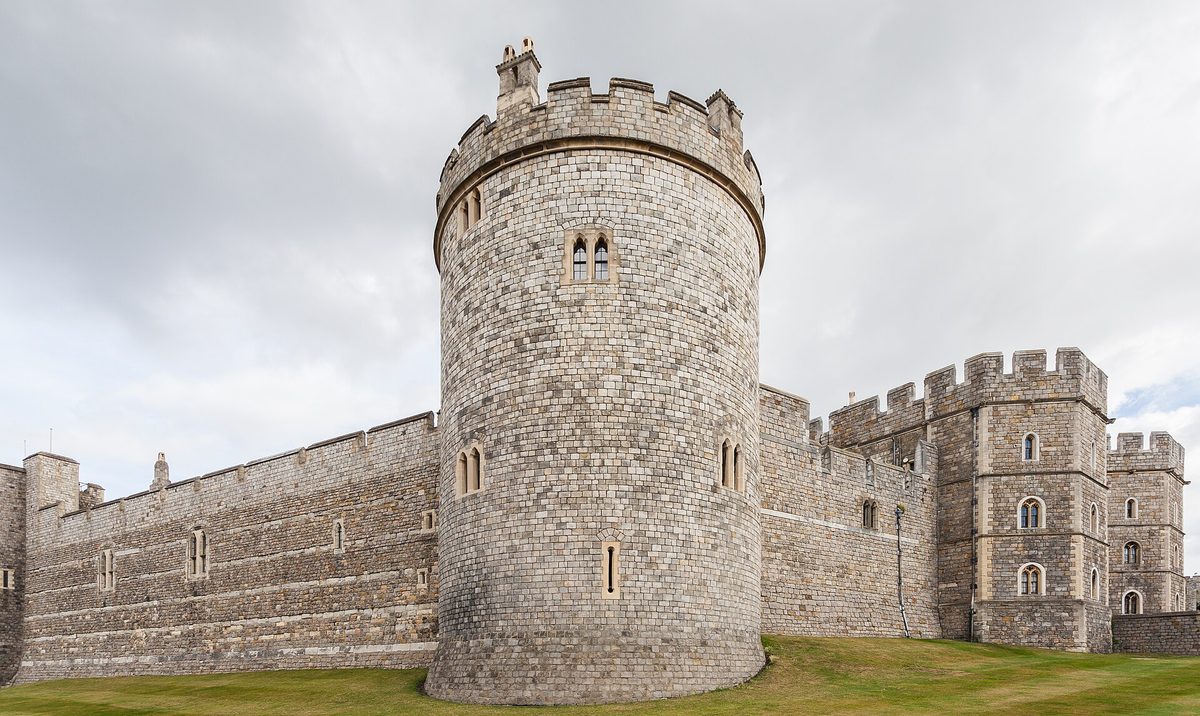
- Windsor Castle on a frosty winter morning, a classic England in winter scene — Photo: Diego Delso / CC BY-SA 4.0 via Wikimedia Commons. Source
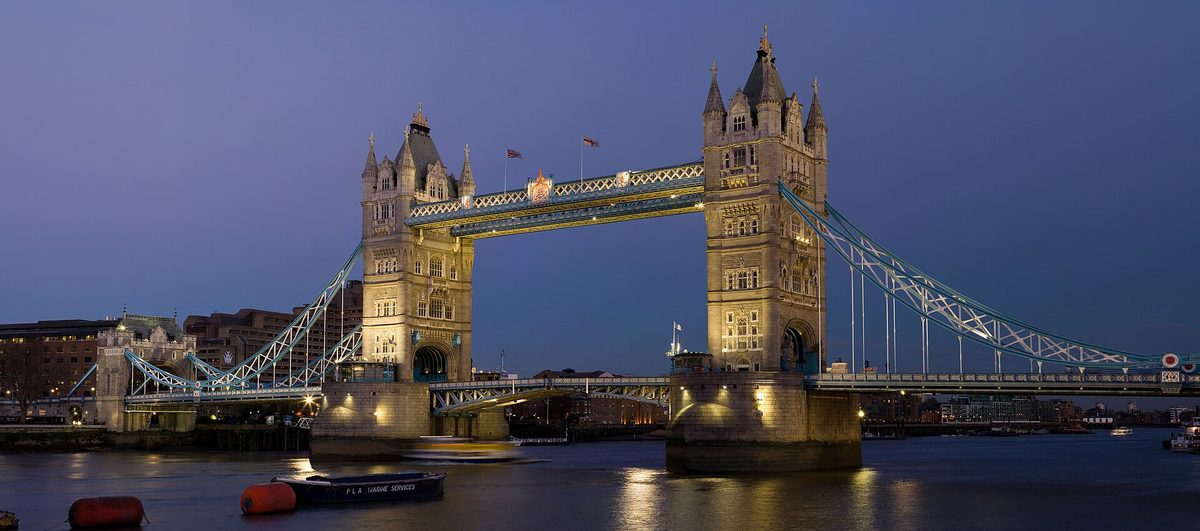
- Tower Bridge in London lit against a dark winter evening sky — Photo: Diego Delso / CC BY-SA 4.0 via Wikimedia Commons. Source
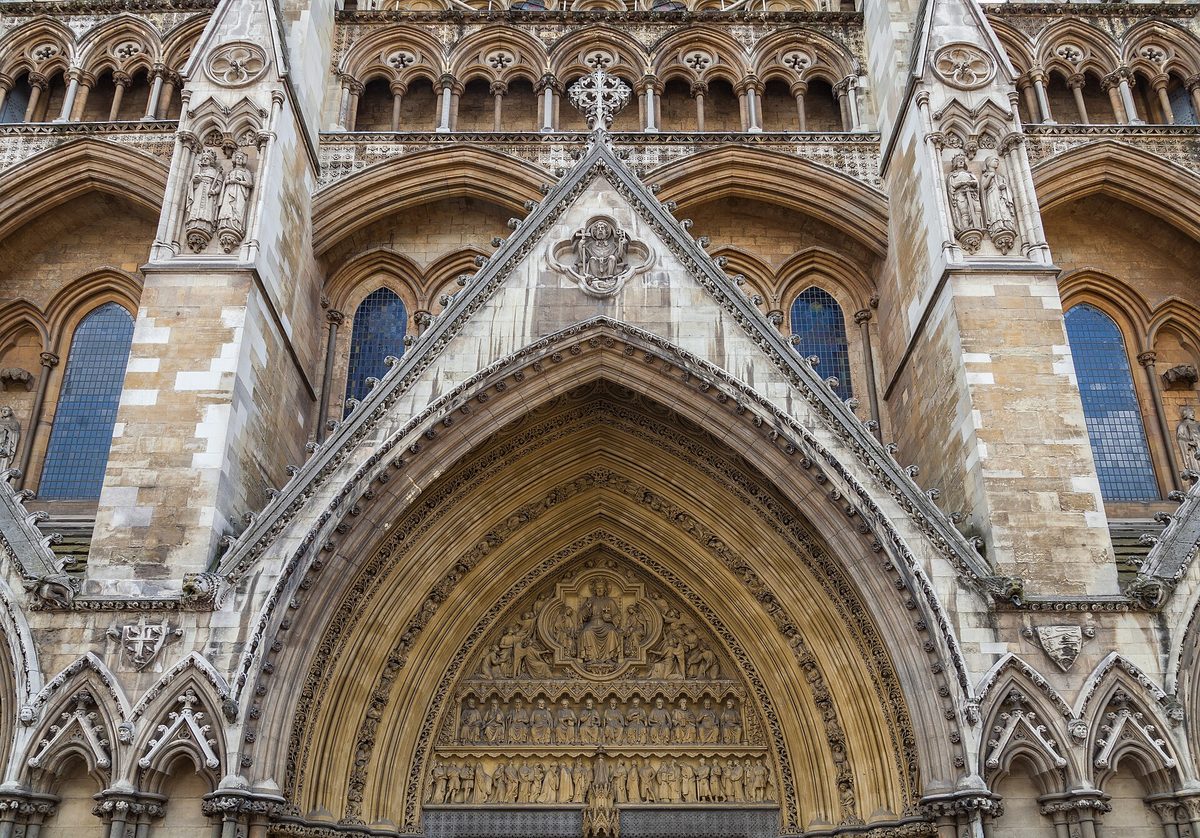
- Durham Cathedral rising above a frosty winter cityscape in northern England — Photo: Tilman2007 / CC BY-SA 4.0 via Wikimedia Commons. Source
- Bath Abbey glowing on a cold, clear winter day in Somerset — Photo: Julian Herzog (Website) / CC BY 4.0 via Wikimedia Commons. Source
- Snow-dusted fells reflected in a still lake in the Lake District — Photo: Ingo Mehling / CC BY-SA 4.0 via Wikimedia Commons. Source
Frequently asked questions
Is winter a good time to visit England?
Yes, if you want low prices, small crowds, and a cosy, indoor-leaning trip. Winter England is cold, damp, and dark early, but cities, museums, castles, cathedrals, and pubs are at their atmospheric best. It's less ideal for long countryside walks or coastal trips. For a season-by-season comparison, see the best time to visit England.
How cold does England get in winter?
It's cold but rarely severe. Daytime highs typically sit around 5–8°C (41–46°F) in the south and a few degrees lower in the north, with frost on clear nights. The damp and wind make it feel colder than the numbers suggest, so warm, waterproof layers matter more than heavy-duty arctic gear in most of the country.
Does it snow in England in winter?
Sometimes, but unevenly. Cities are rarely heavily snowed-in, and any dusting usually melts within a day or two. Snow is far more reliable in the north and on higher ground — the Lake District, Peak District, Pennines, and Yorkshire Dales — where December and January bring the best chance of proper snow-covered landscapes.
What is there to do in England in winter?
Plenty, mostly indoors. World-class museums and galleries, historic castles and great houses, cathedrals and choral evensong, thermal baths in Bath, theatre, the January sales, and long lunches by a pub fire. Build your itinerary around warm, lit, indoor experiences and let the short days set the pace. The rainy-day activities guide has the full indoor playbook.
Is England cheaper in winter?
Generally yes — winter is the cheapest season to visit, with the lowest flight and hotel prices and thinnest crowds of the year. The big exception is the Christmas-to-New-Year window (around December 20 to January 2), which spikes in price. The best value sits in early December and across January and February.
How short are the days in England in winter?
Very short around midwinter. Near the December 21 solstice, England gets only about eight hours of daylight and is dark by roughly 4pm. Days lengthen noticeably through February. Plan outdoor sightseeing for the morning and early afternoon, and switch to indoor, cosy plans once the light goes.