Sheet 41 · Best Time to Visit England · 20 min read
England Weather by Month
England weather by month made simple: average highs, lows, rainfall, daylight and sea temperatures for all 12 months, so you can pack and plan right.
 Sheet 41
Contents 10 sections
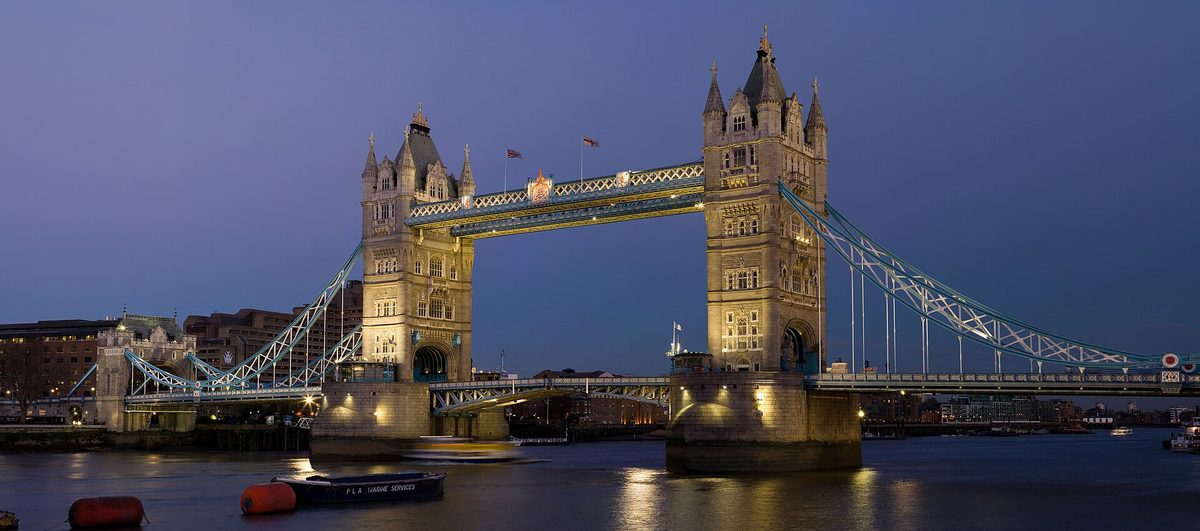
The single most useful thing I ever learned about England is that the weather is not bad, it is just busy. It does a lot of things in one afternoon. I have stood on Westminster Bridge in May under a sky that went from soft blue to grey to a five-minute shower and back to blue before I finished a coffee. Once you stop expecting a forecast to behave and start reading the patterns by month, the whole country gets easier to plan.
This guide to England weather by month walks through all twelve months with average high and low temperatures in both Celsius and Fahrenheit, typical rainfall and how many wet days to expect, daylight hours, and sea temperatures, plus a quick “what to pack” line for each. The short version: England is mild and changeable, summers are warm rather than hot, and rain is more of a background drizzle than a downpour.
I am going to keep this focused on the numbers and the practical packing. For the bigger “what should I actually do in each season” questions, like which gardens are blooming, when the autumn foliage peaks, and which festivals land where, I will point you to the dedicated season guides. And if your real question is “just tell me the one best month,” I have a separate piece for that too. This page is your climate reference, the thing you bookmark and check while you are staring at a calendar.
Quick Answer: England Weather by Month at a Glance
Here is the England weather by month snapshot. England’s warmest months are July and August, with average daytime highs around 22 to 23°C (72 to 73°F) in London and the South on a good day, and roughly the high teens further north. The coldest months are January and February, with daytime highs near 7 to 8°C (45 to 46°F). The wettest stretch is autumn into winter, October through January; the driest months tend to be April through June. Daylight swings hugely, from about 8 hours in late December to over 16.5 hours around the June solstice.
A few rules of thumb I would tattoo on a traveler’s wrist if I could:
- “Warm” in England means low 20s°C, not the 30s. Pack layers, not just shorts.
- It rains often but lightly. You will get drizzle, not monsoons, most days.
- The South and the London area are the warmest and driest. The Lake District and the Scottish border are cooler and much wetter.
- Bring a packable waterproof jacket in every single month. I am not joking. Even August.
For the bigger decision of when to come overall, see my full guide to the best time to visit England, which weighs weather against crowds, prices, and daylight.
England Weather by Month: The Comparison Table
These are rough averages for the London and southern England area, which is what most first-time visitors experience. Northern England and the uplands run a few degrees cooler and considerably wetter (more on regional differences below). All figures are approximate long-term averages as of 2026; any single year can surprise you.
| Month | Avg High °C / °F | Avg Low °C / °F | Rain feel (rainy days) | Daylight | Vibe & what to pack |
|---|---|---|---|---|---|
| January | 8°C / 46°F | 2°C / 36°F | Wet, grey (~13 days) | ~8 hrs | Cold, damp; warm coat, hat, gloves |
| February | 8°C / 46°F | 2°C / 36°F | Wet, can be icy (~11 days) | ~9.5 hrs | Crisp; insulated coat, waterproof boots |
| March | 11°C / 52°F | 4°C / 39°F | Showery, drying out (~11 days) | ~12 hrs | Transitional; layers + light waterproof |
| April | 13°C / 55°F | 5°C / 41°F | Showery but brighter (~11 days) | ~13.5 hrs | Spring; layers, umbrella, comfy walking shoes |
| May | 17°C / 63°F | 8°C / 46°F | Drier, fresher (~10 days) | ~15 hrs | Lovely; light layers, sunglasses, jacket |
| June | 20°C / 68°F | 11°C / 52°F | Drier, long days (~10 days) | ~16.5 hrs | Warm, bright; t-shirts + a sweater for evenings |
| July | 23°C / 73°F | 13°C / 55°F | Warm, occasional storm (~9 days) | ~16 hrs | Peak summer; shorts, sun cream, light rain jacket |
| August | 22°C / 72°F | 13°C / 55°F | Warm, can be muggy (~9 days) | ~14.5 hrs | Peak summer; same as July, pack for showers |
| September | 19°C / 66°F | 11°C / 52°F | Mild, can turn wet (~10 days) | ~12.5 hrs | Mellow; layers, light jacket, walking shoes |
| October | 15°C / 59°F | 8°C / 46°F | Wetter, windy (~12 days) | ~10.5 hrs | Crisp, golden; warm jacket, scarf, waterproof |
| November | 11°C / 52°F | 5°C / 41°F | Wet, grey (~13 days) | ~9 hrs | Damp, dim; warm coat, umbrella, boots |
| December | 8°C / 46°F | 3°C / 37°F | Wet, short days (~13 days) | ~8 hrs | Festive, dark; warm coat, layers, waterproof |
Now let me walk through it season by season, because that is how the weather actually feels on the ground.
Winter in England: December, January, February
Winter is the part of the year most American visitors misjudge in both directions. It is not as cold as a Boston or Chicago winter, and it almost never delivers the postcard snow. But it is darker and damper than people expect, and that grey can wear on you if you are not ready for it.
December
Average daytime highs hover around 8°C (46°F), with overnight lows near 3°C (37°F). It is one of the wetter months, with roughly 13 rainy days, and the rain is usually that fine, persistent drizzle rather than a storm. The big shock for first-timers is the dark. Around the December solstice, London gets only about 8 hours of daylight, with the sun up around 8am and setting close to 4pm. Up in the Lake District and the far north it is even shorter.
The flip side is that December is genuinely atmospheric, all lit-up streets and steamed-up pub windows. What to pack: a proper warm waterproof coat, a hat and gloves, and shoes you do not mind getting wet. For the festive side of the season, from markets to lights, see my Christmas in England guide.
January
January is the coldest month on average, tied closely with February. Daytime highs sit around 7 to 8°C (45 to 46°F) and nights drop to about 2°C (36°F), occasionally below freezing, especially inland and overnight. Frost on the grass in the morning is common; deep snow in the lowlands is not. It is wet and grey, with around 13 rainy days, and daylight is still short at roughly 8 hours early in the month, slowly stretching out.
I actually like England in January for its quietness. Attractions are uncrowded and hotels are cheaper. What to pack: insulated, waterproof outer layers, thermal base layers if you feel the cold, and a willingness to duck into a tea room when the drizzle sets in.
February
February reads a lot like January, with highs near 8°C (46°F) and lows around 2°C (36°F). It can be the snowiest and iciest month in practice, particularly in the north and on higher ground, though in London a “snow day” usually means a brief slushy dusting that melts by lunch. Rain comes on around 11 days. Daylight is noticeably improving by month’s end, climbing past 10 hours.
What to pack: the same winter kit as January, plus waterproof boots with decent grip if you plan to be out in the hills. For the wider winter picture, including what is actually open and worth doing in the cold, see my full guide to England in winter.
Spring in England: March, April, May
Spring is, in my honest opinion, when England starts showing off. The light comes back, the gardens explode, and the temperatures climb out of the damp. It is also the trickiest season to pack for, because a single day can swing from frost to t-shirt warmth.
March
March is the transition month. Daytime highs rise to around 11°C (52°F), with nights near 4°C (39°F). It is showery rather than soaked, with about 11 rainy days, and it is drying out compared to winter. The headline news in March is the daylight, which crosses roughly 12 hours around the spring equinox; the clocks also spring forward in late March, suddenly handing you bright evenings. Daffodils start carpeting parks and verges.
What to pack: real layers. A t-shirt, a sweater, and a light waterproof on top, so you can add and shed through the day. A foldaway umbrella is smart.
April
April brings highs around 13°C (55°F) and lows near 5°C (41°F). The old saying about April showers is earned, you get bright spells punctuated by quick downpours, on something like 11 days of the month, but it is one of the drier, fresher months overall. Daylight is generous now at about 13.5 hours. Blossom is everywhere and the countryside turns vivid green fast.
What to pack: light layers, an umbrella you can stuff in a bag, and comfortable walking shoes that can handle a wet pavement. What to expect: genuinely changeable days, often four “seasons” before dinner.
May
May is one of my favorite months in all of England. Highs climb to around 17°C (63°F), occasionally higher on a warm spell, with lows near 8°C (46°F). It is statistically one of the drier months, with maybe 10 rainy days, and it often feels fresh and clear. Daylight stretches to roughly 15 hours, so evenings stay light past 8pm. Gardens, bluebell woods, and hedgerows are at their best.
What to pack: light layers, sunglasses, and a packable jacket for the odd shower or a cool evening. For everything blooming and the full spring experience, dig into my England in spring guide.
Summer in England: June, July, August
Summer is the warmest and busiest season, but I want to set expectations clearly, because the word “summer” does a lot of heavy lifting here. English summer is warm and pleasant, not hot and dry. You will want a sweater for evenings and a rain jacket in your bag even in a heatwave.
June
June brings highs around 20°C (68°F) and lows near 11°C (52°F). It is one of the drier months and one of the most reliably pleasant, with roughly 10 rainy days but plenty of bright spells in between. The standout feature is the daylight: around the June solstice, London enjoys over 16.5 hours of light, with the sun up before 5am and not setting until after 9pm. In the far north it barely gets fully dark. Long evenings are the great gift of an English June.
What to pack: t-shirts and lighter clothes, plus a sweater for cool evenings and a light rain jacket just in case.
July
July is the warmest month on average, with highs around 22 to 23°C (72 to 73°F) in London and the South, occasionally pushing higher during a heatwave. Lows sit near 13°C (55°F). It is relatively dry day to day, around 9 rainy days, though summer warmth can trigger the odd dramatic thunderstorm. Daylight is still long at roughly 16 hours. This is peak tourist season, so book ahead.
A note on heat: England’s homes, trains, and older buildings are mostly not air-conditioned, so a 30°C day, which does happen, feels hotter indoors than the number suggests. What to pack: shorts and summer clothes, sun cream, a refillable water bottle, and a light rain jacket.
August
August closely mirrors July, with highs around 22°C (72°F) and lows near 13°C (55°F). It can feel a touch more humid and is prone to showery spells, on roughly 9 days, sometimes muggy before a storm clears the air. Daylight is starting to pull back to about 14.5 hours, still lovely and long. It is the other peak month, busy with families and school holidays.
What to pack: the same as July, but I would lean a little harder on the waterproof, because August showers can be sudden. For the full summer rundown, including beaches and long-day itineraries, see England in summer.
Autumn in England: September, October, November
Autumn is underrated and, for my money, one of the best-value windows to visit. Early autumn can feel like a gentler extension of summer; by late autumn you are firmly back into coats and short days. The colors, the light, and the thinner crowds make it special.
September
September is mild and often lovely, with highs around 19°C (66°F) and lows near 11°C (52°F). Warm summer weather frequently lingers into the first half of the month before things cool. It sees roughly 10 rainy days and can swing between golden, settled spells and wetter, windier ones. Daylight is back down to about 12.5 hours and dropping quickly as the month goes on.
What to pack: layers, a light jacket, and comfortable walking shoes. What to expect: big day-to-day variation, so check the forecast each morning rather than trusting the week.
October
October is the classic crisp-and-golden month, with highs around 15°C (59°F) and lows near 8°C (46°F). It is also where the wet season really kicks in, with about 12 rainy days and increasingly blustery weather; autumn is London’s rainiest stretch. The clocks fall back in late October, which shortens the evenings abruptly to around 10.5 hours of daylight by month’s end. The autumn foliage in places like the Lake District and the Cotswolds can be glorious.
What to pack: a warm waterproof jacket, a scarf, and proper shoes for wet leaves and puddles. For the full seasonal experience, foliage spots and harvest events, see England in autumn.
November
November is damp, dim, and the quiet run-up to winter. Highs sit around 11°C (52°F) with lows near 5°C (41°F). It is one of the wetter, greyer months, with roughly 13 rainy days, and daylight shrinks to about 9 hours. Fog and early dusk are common. It is not a postcard month, but it is cheap, uncrowded, and cozy in the right pub.
What to pack: a warm coat, an umbrella, waterproof boots, and a good book for the dark afternoons. This is prime rainy day activities in England territory, museums, galleries, tea rooms, and historic houses you can enjoy indoors.
Regional Variation: It Is Not One Weather
Here is the thing that trips people up. “England weather” is not a single number. The country is small but the differences across it are real, driven by latitude, altitude, and which coast you are near. The numbers above are tuned to the London and southern England area; here is how the rest of the country shifts.
London and the South East are the warmest and driest part of England. London averages roughly 690mm of rain a year, less than Rome, Paris, or New York. Summers here deliver the warmest highs in the country, occasionally into the high 20s°C or above during a heatwave. If a forecast quotes a “national” temperature, the South usually beats it.
The South West, Cornwall and Devon, has the mildest winters in England thanks to the Atlantic and the Gulf Stream. Frost and snow are rare on the coast, and the growing season is long, which is why you see palm trees in Cornish gardens. The trade-off is more wind and more rain off the ocean; coastal Cornwall can see well over 1,000mm a year in places. Summers are pleasant but a touch cooler and breezier than London. Dig into the detail in my Cornwall and Devon travel guide.
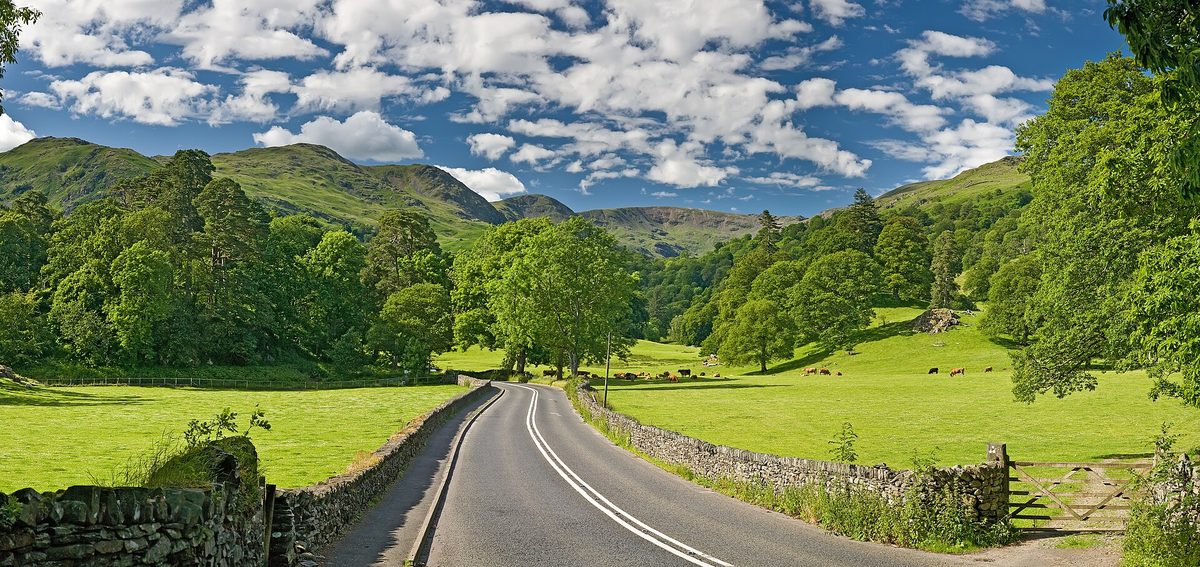
Northern England and the Lake District run noticeably cooler and much wetter. The Lake District is one of the rainiest places in the country, averaging around 1,400mm a year in the valleys and far more on the high fells, with daytime temperatures often a few degrees below the South. It is also where you are most likely to meet snow in winter. Pack for it accordingly, and read my Lake District travel guide before a trip up there.
Toward the Scottish border and the northern uplands, expect the coolest summers, the most rain and wind, and the highest chance of winter snow and ice. Even in July, parts of the far north can sit around 15 to 17°C (59 to 63°F) on a day when London is basking in the low 20s.
The practical takeaway: if your trip is heavy on the South and London, lean to the warmer end of my tables. If you are headed for the Lakes, the Pennines, or the border country, subtract a few degrees, add rain, and bring better waterproofs. The England national parks and hiking guide goes deeper on mountain weather and safety.
Sea Temperatures and Swimming in England
If you are dreaming of a swim, manage your expectations and pack a wetsuit if you feel the cold. The sea around England is bracing year-round, and even at its warmest it never gets to bathwater.
The water is coldest in late winter and early spring. Around February and March, sea temperatures dip to roughly 6 to 9°C (43 to 48°F) on most coasts, which is genuinely cold-water-shock territory. The sea is slow to warm, so even in May and early June it often sits below 12°C (54°F), colder than the air.
The warmest sea is from late summer into early autumn, because the ocean lags behind the air. August and September are your best swimming months. On the South West coast, Cornwall and Devon, sea temperatures peak around 15 to 18°C (59 to 64°F). The shallower South East, around Brighton and the Kent coast, can nudge slightly warmer on a hot spell, sometimes touching 17 to 19°C (63 to 66°F). The North Sea coast, places like Yorkshire and Northumberland, stays cooler, typically 13 to 16°C (55 to 61°F) in summer.
My honest take: plenty of Brits swim happily through the summer, and a quick dip off a Cornish beach in August is invigorating and lovely. But it is “refreshing,” not warm, and the rest of the year it is firmly for wetsuit-wearers and the hardy. For where to go, see my England coast and beaches guide.
Daylight Hours Through the Year
Daylight matters more than tourists expect, because it shapes how much you can actually do. England sits at a northern latitude, so the swing between summer and winter is dramatic, far more pronounced than in, say, Florida or southern California.
At the June solstice, London gets over 16.5 hours of daylight. The sun is up before 5am and lingers past 9pm, and twilight stretches even longer. It is fantastic for cramming in sightseeing and for long, light dinners outdoors. The far north of England gets even more.
At the December solstice, that collapses to roughly 8 hours. The sun rises around 8am and sets around 4pm, so you are planning your day around an early dusk. Museums, pubs, theatres, and cozy indoor attractions become the heart of a winter trip.
The shoulder seasons sit in between, with the equinoxes around late March and late September giving you a balanced 12 hours. Remember the clock changes: the UK springs forward in late March and falls back in late October, which shifts your evening light noticeably overnight. If you are an early riser or you fade after dark, factor this into which month you choose; I weigh it up in the best month to visit England piece.
How to Read an English Forecast (and How to Layer)
After many trips, here is the practical wisdom I wish someone had handed me on day one.
Trust the layers, not the headline number. A forecast of “16°C and sunny” can feel warm in direct sun and chilly in the shade or wind ten minutes later. The English answer to this is layering: a base layer, a sweater or fleece, and a packable waterproof shell. You add and remove through the day. This single habit solves most weather complaints.
Always carry a waterproof, every month. A light, packable rain jacket lives in my day bag from January to December. An umbrella is fine in town but useless in wind, which is common on the coast and the hills, so a hood beats a brolly when it is blustery.
“Showers” is not “rain.” A British forecast distinguishes between steady “rain” and intermittent “showers,” the latter meaning bright spells with passing bursts. Showers rarely ruin a day; you duck into a cafe, wait ten minutes, and carry on. Do not let the word scare you off plans.
Check the morning, not the week. England’s weather is changeable enough that five-day forecasts are rough guides at best. I check the Met Office app each morning and plan that day around it, keeping a flexible indoor option in my back pocket.
Footwear is half the battle. Waterproof or quick-drying shoes with grip will save your trip more than any jacket. Wet pavements, muddy footpaths, and the odd puddle are part of the deal. My full England packing list breaks down exactly what to bring season by season, and there are more on-the-ground pointers in my England travel tips.
Final Thoughts
If I could leave you with one idea about England’s weather, it is this: do not try to beat it, plan around it. The country is mild, green, and changeable precisely because of all that moisture and Atlantic air, and the same weather that hands you a sudden shower also gives you the soft light, the rolling green hills, and those impossibly long June evenings.
Come in any month and you can have a wonderful trip, as long as you pack layers, keep a waterproof to hand, and stay flexible enough to swap a rained-off walk for a museum or a long lunch in a warm pub. I have had glorious blue-sky days in January and grey drizzle in July, and both trips were brilliant, because I came prepared and kept my plans loose.
Use this page as your climate reference whenever you are choosing dates. Then let the season guides, spring, summer, autumn, and winter, and the broader England travel guide fill in what to actually do once you are there. Pack smart, expect a little drizzle, and England will reward you.
Research and Source Notes
The climate averages in this guide are based on long-term data from the UK’s Met Office (metoffice.gov.uk), the national meteorological authority, whose location-specific 30-year averages and monthly climate summaries are the standard reference for UK temperature, rainfall, sunshine, and seasonal trends. I have rounded and simplified figures for readability and weighted them toward the London and southern England area that most first-time visitors experience, noting regional differences separately.
Temperature, rainfall, and rainy-day figures are approximate long-term averages, hedged deliberately, because any individual year varies; recent years, including a record-warm UK summer in 2025, show how much a single season can deviate from the norm. Daylight and sunrise/sunset figures reflect London’s latitude around the solstices and equinoxes. Sea temperatures are drawn from coastal monitoring averages and likewise vary by year and exact location. All figures are current as of 2026 and intended as planning guidance rather than a forecast; always check the Met Office app for the days of your actual trip.
Photo Credits
- Tower Bridge in London under a changeable sky, a classic illustration of England weather by month for travelers — Photo: Aleem Yousaf / CC BY-SA 2.0 via Wikimedia Commons. Source
- A frosty winter morning over a lake in the Lake District, where England weather by month runs cooler and wetter than the South — Photo: Diliff / CC BY-SA 3.0 via Wikimedia Commons. Source
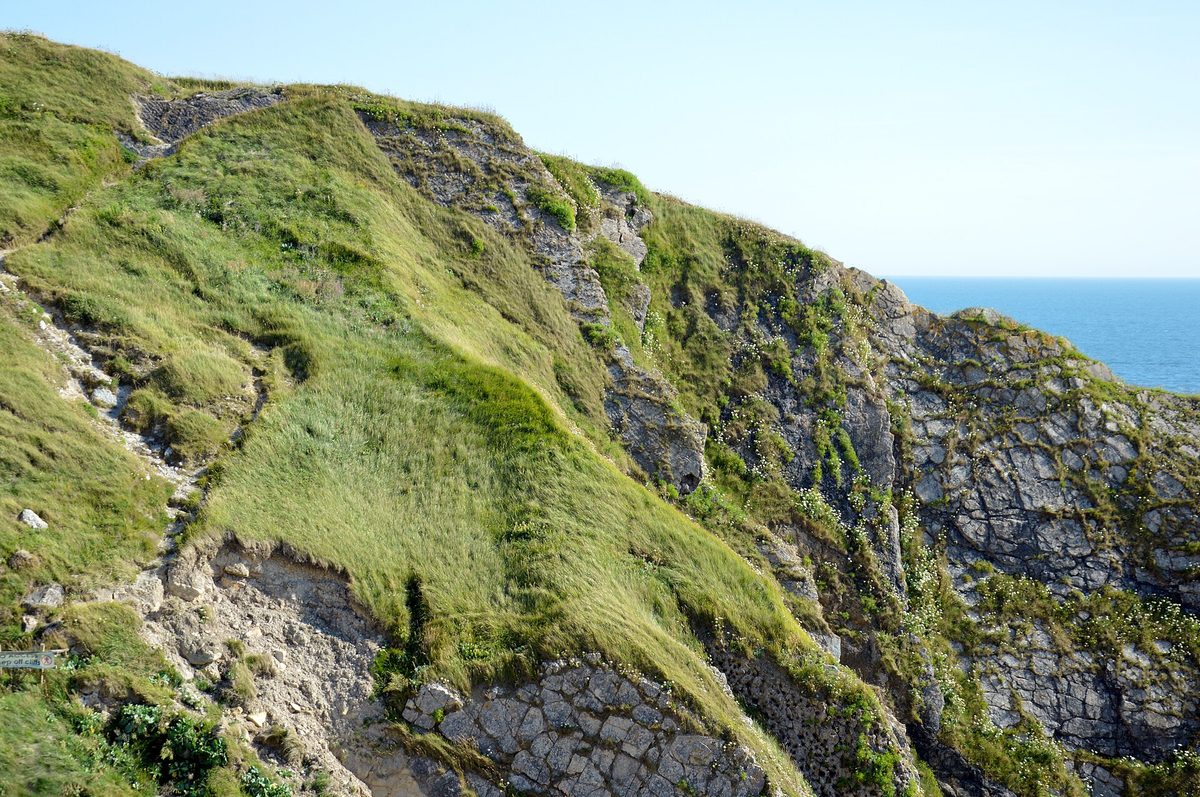
- Durdle Door on the Dorset coast on a bright summer day, when England weather by month is at its warmest and driest — Photo: DimiTalen (CC0) via Wikimedia Commons. Source
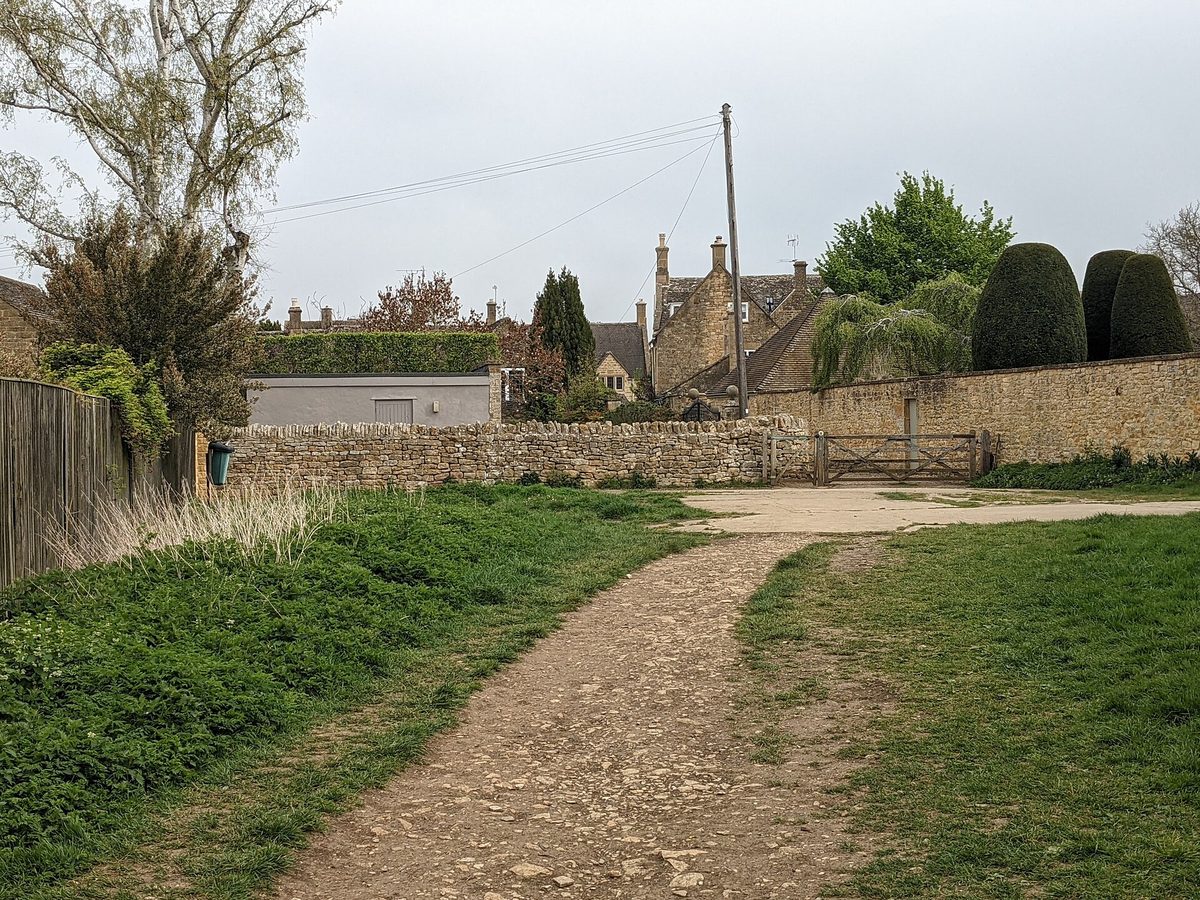
- A honey-stone Cotswolds village in soft light, showing how England weather by month shapes the countryside through the seasons — Photo: Fabian Musto / CC BY-SA 2.0 via Wikimedia Commons. Source
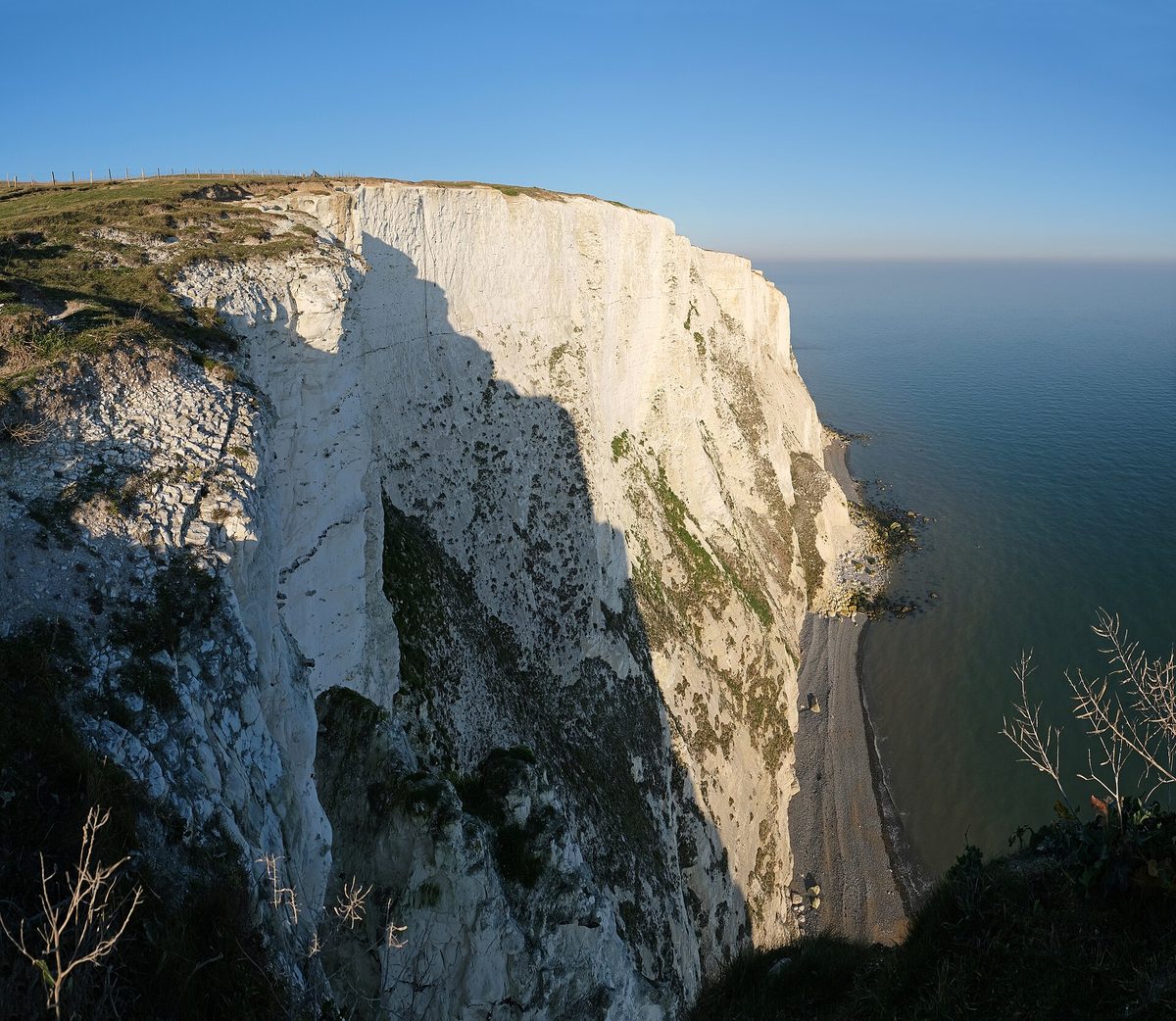
- The White Cliffs of Dover under a bright, breezy sky, a reminder that England weather by month is mild, changeable, and rewarding — Photo: kallerna / CC BY-SA 4.0 via Wikimedia Commons. Source
Frequently asked questions
What is the rainiest month in England?
Autumn and early winter are the wettest, with October through January typically the soggiest stretch. In London, October is often the single rainiest month, averaging around 70mm of rain. Across the wider UK, December frequently tops the charts. Either way, expect roughly 12 to 14 rainy days a month through late autumn and winter, mostly light, persistent rain rather than heavy storms.
Does it really rain every day in England?
No, that is a myth. London actually gets less annual rainfall than Rome, New York, or Sydney, with rain on roughly one day in three across the year. England's reputation comes from the type of rain, frequent, fine drizzle and quick showers, plus a lot of grey cloud, rather than the total amount. You will get wet sometimes, but it rarely pours all day or ruins your plans entirely.
What month has the best weather in England?
For the best balance of warmth, dryness, and long daylight, I would point to May, June, and September. May and June are statistically among the driest months with mild temperatures and stretching evenings; September often holds onto summer warmth with thinner crowds. July and August are warmest but busiest. For a full comparison weighing weather against crowds and cost, see my best time to visit England guide.
How cold does England get in winter?
Milder than most North American visitors expect. January and February are coldest, with average daytime highs around 7 to 8°C (45 to 46°F) and overnight lows near 2°C (36°F), occasionally dipping below freezing inland. Lowland snow is infrequent and usually short-lived, though the north and the hills see more. The bigger challenge is the damp grey and the short 8-hour days, not extreme cold.
Is England hot in summer?
Warm rather than hot is the honest answer. July and August average highs around 22 to 23°C (72 to 73°F) in the South, pleasant for sightseeing. Heatwaves do happen and can push temperatures into the 30s°C, and because most buildings and trains lack air conditioning, those days feel hotter indoors. But genuine, sustained heat is the exception, not the rule. Pack layers and a rain jacket even in summer.
Does it snow in England?
Sometimes, but less than its winters suggest. Snow is most likely from December to March, and far more common and lasting in the north, the Pennines, and the Lake District than in the milder South West or London, where it often melts within a day. Frost is much more common than snow across lowland England. If you want a reliable white winter scene, head to higher ground in the north.