Sheet 28 · England Budget and Costs · 16 min read
London Pass and Attraction Passes
Is the London Pass worth it in 2026? I run the real break-even math on every big attraction, plus heritage memberships, so you can decide fast.
 Sheet 28
Contents 11 sections
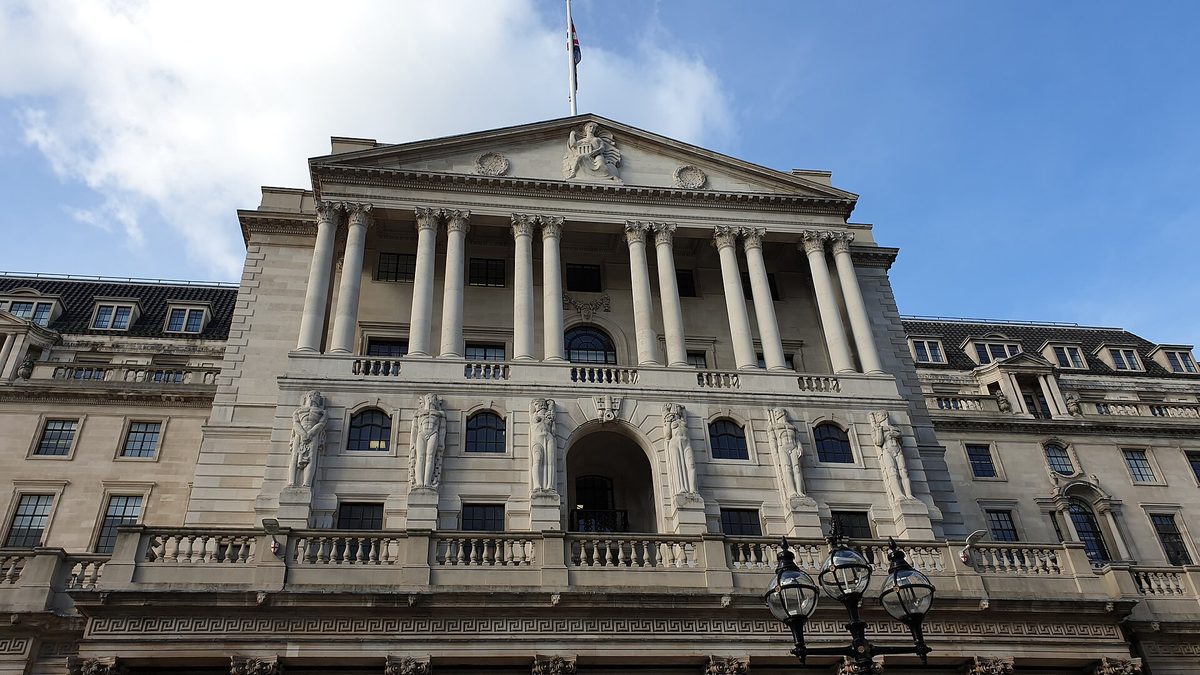
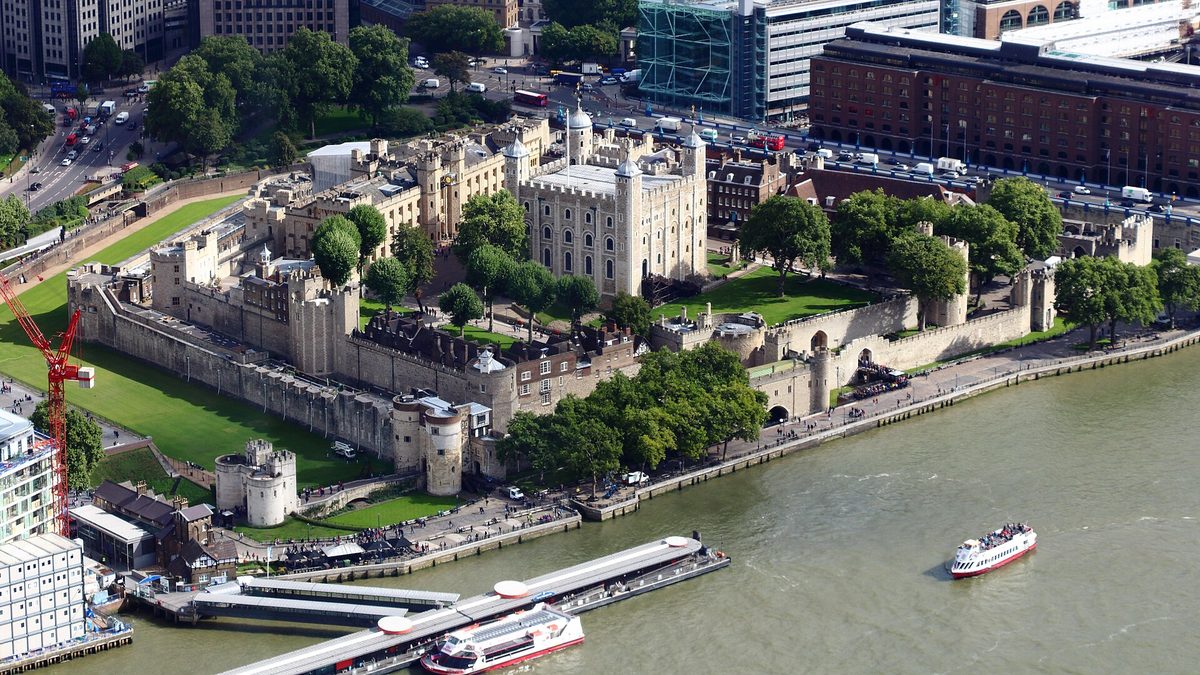
I bought a London Pass on my second trip to the city, spent two days power-walking from the Tower to the Abbey to the top of a tall glass building, and came home convinced of one thing: a sightseeing pass is a tool, not a treat. Whether the London Pass worth it verdict lands as a yes or a no depends entirely on what you actually plan to do once you’re there. If you’re cramming paid landmarks, it can save you real money. If you’re a museum-and-park person, it can quietly cost you more than the tickets would have.
So this isn’t a hype piece. It’s the break-even math, laid out attraction by attraction, with rough 2026 prices, so you can do the sum for your own trip in about five minutes. I’ll tell you exactly who should buy a pass, who should skip it, and why London’s enormous stack of free museums is the single biggest thing that tips the decision.
Quick Answer: Is the London Pass Worth It?
Here’s the 40-second version. The London Pass (now sold as the London Pass by Go City) is worth it if you’re a first-timer who wants to blitz several paid attractions per day, because two or three big-ticket sights daily will usually beat individual prices and you’ll skip some queues. It is not worth it if your itinerary leans on London’s free museums and parks, where a sightseeing pass simply has nothing to pay for. Do the per-day math first.
That’s the whole secret. The pass doesn’t save you money automatically; you have to earn the value by actually visiting enough paid places. Most people who feel burned by a pass bought one and then spent a leisurely day in the (free) British Museum.
For the bigger picture on what a full visit runs you, see how much does a trip to England cost, and if you’re broadly cost-conscious, England on a budget is the place to start. This article stays in one lane: are the attraction passes and heritage memberships worth the money?
At a Glance: Big London Attractions and Rough Prices
Before any pass math makes sense, you need the individual ticket prices. These are the headline paid attractions most first-timers want, with rough adult walk-up/online prices as of 2026 (all hedged — book direct to confirm). The right-hand column shows whether the All-Inclusive London Pass typically covers it.
| Attraction | Rough individual price (2026) | Covered by London Pass? |
|---|---|---|
| Tower of London | ~£35 (~$44) | Yes |
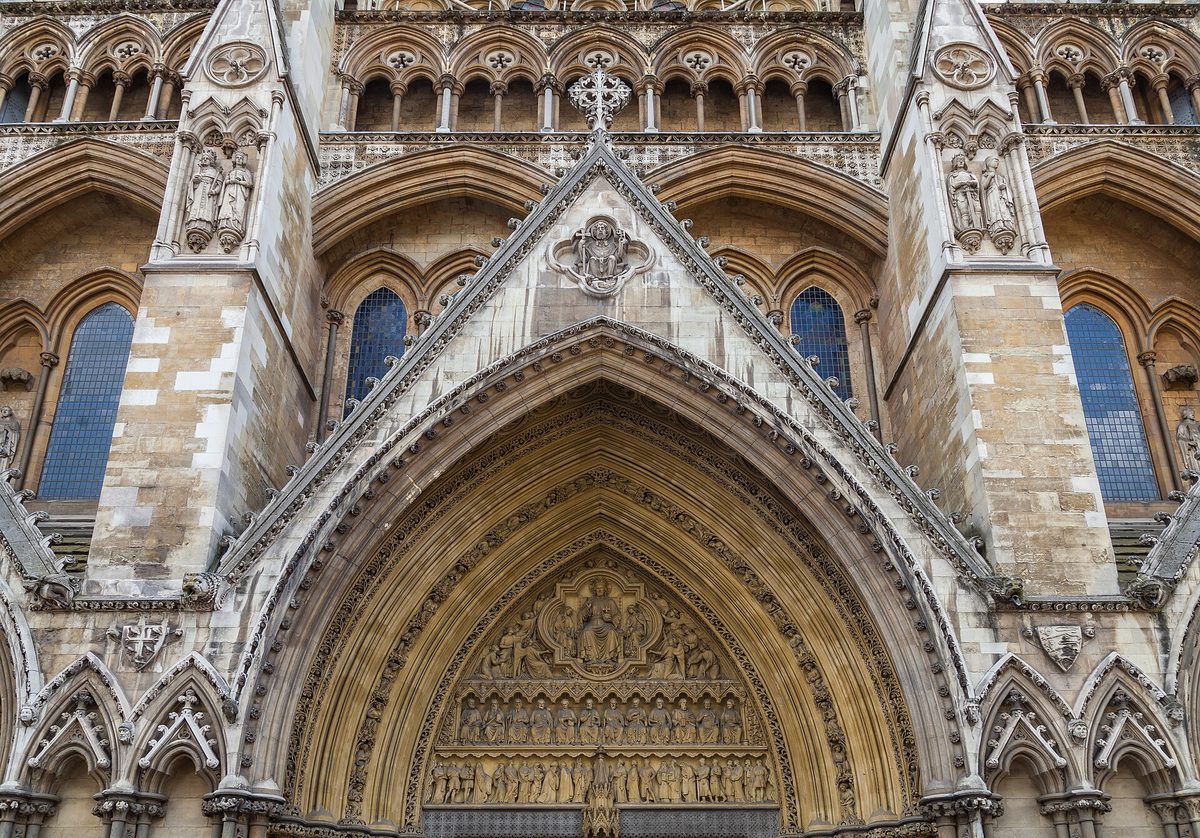
| Westminster Abbey | ~£30 (~$38) | Yes |
| St Paul’s Cathedral | ~£26 (~$33) | Yes |
| The View from The Shard | ~£32 (~$41) | Yes |
| Kew Gardens | ~£25 (~$32) | Yes |
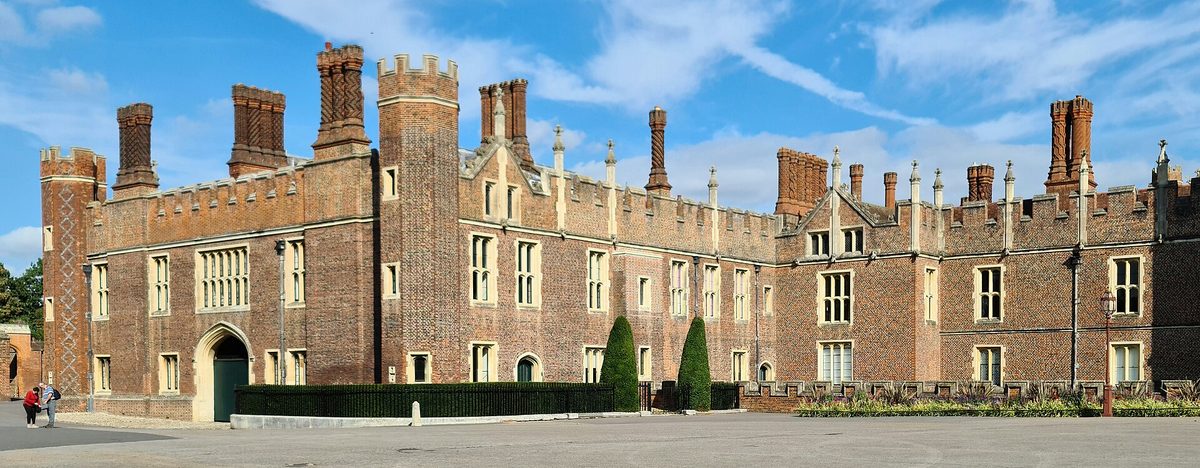
| Hampton Court Palace | ~£30 (~$38) | Yes |
| Windsor Castle | ~£32 (~$41) | Yes (All-Inclusive only) |
| Stonehenge | ~£26 (~$33) | Usually not (English Heritage) |
| London Eye | ~£32 (~$41) | Yes |
| Tower Bridge Exhibition | ~£13 (~$17) | Yes |
| Kensington Palace | ~£26 (~$33) | Yes |
| Churchill War Rooms | ~£32 (~$41) | Sometimes |
Currency conversions throughout use a rough ~£1 = ~$1.27 (as of 2026), which floats — treat the dollar figures as ballpark, not gospel.
Notice what’s not on a list of paid attractions: the British Museum, the National Gallery, the Tate Modern, the V&A, the Natural History Museum and the Science Museum. Those are all free. Hold that thought, because it’s the crux of the whole decision and I’ll come back to it.
What the London Pass Is, and What It Costs
The London Pass — officially the London Pass by Go City — is an “all-inclusive” sightseeing pass. You buy a number of consecutive days (1, 2, 3, 4, 5, 6, 7 or 10), and during that window you get included entry to a long list of attractions, somewhere around 90 to 100+ depending on the season. Think Tower of London, Westminster Abbey, St Paul’s, The Shard, Windsor Castle, Hampton Court, Kew, Kensington Palace, plus a hop-on-hop-off bus tour and a Thames river cruise thrown in.
Rough 2026 adult prices, all hedged and worth checking on the day because Go City runs frequent promo codes:
- 1-day pass: around £99 (~$126)
- 2-day pass: around £129 (~$164)
- 3-day pass: around £169–£179 (~$215–$227)
- 6-day pass: around £219 (~$278)
- 10-day pass: around £259 (~$329)
(Children aged roughly 5–15 are cheaper across the board, often £20–£60 less per pass.)
The key mental model: it’s a day-based pass, so the clock is ticking. A 3-day pass that sits unused on day two is just wasted money. That’s different from Go City’s other product, the Explorer Pass, which is attraction-based and far more forgiving — more on that below.
The Break-Even Math (Worked Examples for 1, 2 and 3 Days)
This is the part the glossy reviews skate over. Let’s actually do the arithmetic. I’ll use the rough 2026 prices above and the rough pass prices, and I’ll be conservative — using lower-end ticket prices where there’s a range.
One-day pass (~£99 / ~$126)
To break even on a 1-day pass you need to rack up roughly £99 of included tickets in a single day. Realistically that’s three paid attractions, because the big ones cluster around £26–£35. For example:
- Tower of London (~£35) + Westminster Abbey (~£30) + St Paul’s (~£26) = ~£91. Close, but you’re still slightly under the pass price.
- Add a fourth, say Tower Bridge (~£13), and you hit ~£104 — now you’re ahead by a few pounds and you got the bus and boat for free.
So a 1-day pass really wants three big sights plus a small one, or four sights total, to clearly win. Can you physically do that? Yes, but it’s a forced march, and several of these sites genuinely deserve two-plus hours each. The Tower alone can eat half a day. Be honest about your pace.
Two-day pass (~£129 / ~$164)
This is the sweet spot for a lot of first-timers, and the math is the friendliest. You need ~£129 of tickets across two days — call it two paid attractions per day, four total:
- Day 1: Tower of London (~£35) + The Shard (~£32) = ~£67
- Day 2: Westminster Abbey (~£30) + Churchill War Rooms or Kensington Palace (~£26–£32) = ~£56–£62
That’s ~£123–£129 of value against a ~£129 pass — roughly even on tickets alone, and then the included hop-on-hop-off bus (a standalone ~£35+ on its own) and river cruise push you comfortably into the black. A relaxed-but-purposeful pair of days clears the bar.
Three-day pass (~£169–£179 / ~$215–$227)
Here you need ~£170+ of tickets across three days, which works out to roughly £57–£60 per day — about two major paid sights every single day, for three days running. Example:
- Day 1: Tower of London (~£35) + Tower Bridge (~£13) = ~£48
- Day 2: Westminster Abbey (~£30) + Churchill War Rooms (~£32) = ~£62
- Day 3: Hampton Court (~£30) + Kew Gardens (~£25) = ~£55
Total: ~£165 of tickets, plus the bus and boat. You’re roughly at break-even on tickets and ahead once the extras count. But notice this is a demanding three days — six paid attractions, some of them on London’s outskirts (Hampton Court and Kew are both a trek). If even one day slips into a free-museum afternoon or a long lunch, the 3-day pass starts to lose.
The pattern is unmistakable: a pass pays off at roughly two-plus paid attractions per day, every day it’s valid. Drop below that and you’re better off buying singles.
Who the London Pass Is Worth It For (and Who Should Skip)
After running those numbers on my own trips and friends’, here’s my honest sorting hat.
Buy it if you’re:
- A first-timer doing the greatest-hits circuit. Tower, Abbey, St Paul’s, a tall-building view, maybe Windsor or Hampton Court. This is exactly what the pass is built for.
- Travelling at a brisk pace and happy with a packed schedule. If “see as much as possible” is your trip motto, the pass rewards you.
- A family hitting paid attractions back-to-back. Children’s passes are cheaper, and family ticket prices at the big sites add up fast, so a pass can spare you a small fortune.
- Someone who values the fast-track/queue-skip perks at busy sites as much as the money saved.
Skip it if you’re:
- A museum-and-gallery traveller. This is the big one. If your dream London day is the British Museum, then the National Gallery, then a wander, a sightseeing pass has almost nothing to charge you for — those are free. See free things to do in London and best museums in London to see just how much you can do for £0.
- A slow traveller. One paid attraction a day plus parks, markets and pubs? Buy singles. You’ll never hit break-even.
- On a tight budget who’d rather lean on free stuff. The whole free-attraction strategy is covered in free things to do in England, and it’s a legitimate way to “do” London for very little.
- A repeat visitor cherry-picking one or two sights. You already know what you want; just book those.

Go City Explorer vs the London Pass vs Single Tickets
Go City actually sells two different London products, and confusing them is the most common rookie mistake.
The London Pass (All-Inclusive): day-based, as described. Best when you’ll cram lots of sights into a few intense days.
The London Explorer Pass: attraction-based. You pick a set number of attractions — typically anywhere from 2 up to 7 — from a list of 100+, and you have around 60 days to use them. No daily clock. This is the gentler option, and honestly the one I’d point most relaxed travellers toward. If you want to see, say, the Tower, the Shard and Hampton Court spread leisurely across a week, the Explorer Pass fits far better than a day-based pass that pressures you to sprint.
The attraction lists differ slightly. Some attractions sit only on the Explorer Pass (LEGOLAND Windsor, SEA LIFE, the London Dungeon, City Cruises) while others, notably Windsor Castle, currently appear only on the All-Inclusive London Pass. The Explorer also recently absorbed several Merlin attractions like the London Eye and the Dungeon. Always check the current included list against your shortlist before buying — lineups shift.
And single tickets? Never dismiss them. If you only genuinely want two attractions, buying them direct (often with a small online-advance discount) usually beats any pass. Booking direct also means you’re paying the venue, not a reseller markup. Passes win on volume, not on any single ticket.
A quick word on transport, since people ask: the London Pass bundles a hop-on-hop-off tourist bus, but that is not the same as the Tube/bus network you’ll use to get around. For everyday getting-about you want a contactless card or Oyster — I cover that in London public transport for tourists, and the wider question of England travel passes and cheap train tickets England lives in those guides. Don’t buy a sightseeing pass expecting it to cover your commute.
English Heritage and National Trust Memberships (the Outside-London Heroes)
Here’s where the conversation gets more interesting if your trip stretches beyond the capital or runs longer than a few days. The London Pass is a short, city tool. English Heritage and National Trust memberships are long, countrywide tools — and for the right traveller they’re the best value in British sightseeing, full stop.
English Heritage (annual adult membership around £82 / ~$104 as of 2026, with prices having risen a touch in spring 2026) gets you into 400+ historic sites across England — castles, abbeys, Roman remains, prehistoric monuments. Crucially, Stonehenge is English Heritage, so if Stonehenge (~£26 on its own) plus a few castles are on your list, the membership math gets compelling quickly. Three or four EH sites on a road trip and you’re already ahead.
National Trust (rough 2026 prices: individual around £120 / ~$152, joint around £168 for two adults, family around £176.40) is the broader of the two — grand country houses, gardens, coastline and countryside across England, Wales and Northern Ireland. It’s less about ticking off famous monuments and more about gardens, stately homes and walks. Parking at many NT sites is members-only-free too, which quietly adds up.
So which? If you’re castle- and ruin-focused, EH usually wins on price and lineup. If you love gardens and country houses, NT. Many keen visitors who stay a fortnight buy both. I’ve broken down the head-to-head in English Heritage vs National Trust, and if castles are your thing specifically, best castles in England flags which ones each membership covers.
The honest caveat for a London-only trip: most of the marquee London attractions (Tower, Hampton Court, Kensington) are run by Historic Royal Palaces, not EH or NT, so neither membership helps much inside the M25. These memberships shine the moment you leave the city.
Merlin, Historic Royal Palaces and Other Passes Worth Knowing
A few more passes round out the picture.
Historic Royal Palaces membership (from around £65/year / ~$83 as of 2026) is the dark-horse pick for many first-timers and it’s the one I’d flag hardest. It gives unlimited entry to the Tower of London, Hampton Court Palace, Kensington Palace and Hillsborough Castle, plus a Kew discount. Run the numbers: the Tower (~£35) plus Hampton Court (~£30) plus Kensington (~£26) already total ~£91 — more than the ~£65 membership. If those three palaces are firmly on your list, HRP membership can beat both single tickets and a sightseeing pass for that subset, and it lasts a year (handy if you’ll be back, or you’re a couple/family stacking entries). The trade-off: it only covers those specific palaces, not the Shard, the Eye or Windsor.
Merlin attractions — the London Eye, Madame Tussauds, SEA LIFE London, the London Dungeon and Shrek’s Adventure — sit under the Merlin group. Merlin sells combo tickets and its own multi-attraction passes. If your party is mainly after these family/entertainment attractions rather than historic landmarks, a Merlin combo or the Go City Explorer (which now includes several Merlin sites) may beat the historic-leaning London Pass. Match the pass to the kind of attractions you actually want.
Royal Collection / Windsor: Windsor Castle is its own ticket (~£32). It appears on the All-Inclusive London Pass but not the Explorer, and it’s not EH or NT. If Windsor is a must-do, factor that into which pass you choose.
Combining a Pass With London’s Free Attractions
This is the strategy that gets you the best of both worlds, and it’s how I’d plan a trip now.
London’s free museums are genuinely world-class — the British Museum, National Gallery, Tate Modern, V&A, Natural History Museum, Science Museum, the Wallace Collection, and more. None of them want your money at the door. That’s a colossal amount of high-quality sightseeing at zero cost, and it’s the whole reason a sightseeing pass can backfire.
So the smart move isn’t “pass or no pass.” It’s: concentrate your paid attractions into one or two intense pass-days, and fill your other days with free stuff. Buy a 1- or 2-day pass, hammer the Tower, the Abbey, a view and a palace in that window, then spend the rest of your trip in free museums, royal parks, markets and along the river — all of which cost nothing. That way the pass is working hard exactly when it can, and you’re not paying for days when you’d mostly be looking at free things anyway.
For the full free playbook, free things to do in London and free things to do in England are your friends, and if you’re sketching a first-timer itinerary, best things to do in London for first time helps you slot the paid and free days together. The broad London travel guide ties it all up.
How to Decide: A Quick Checklist
Run through these and you’ll have your answer:
- List every paid attraction you genuinely want. Be ruthless — only the ones you’ll actually visit. Cross off anything that’s free (most museums and galleries).
- Add up their individual 2026 prices using the table above as a rough guide.
- Count how many fall on each day of your trip. Are you really doing two-plus paid sights a day?
- Compare three totals: (a) sum of single tickets, (b) the matching London Pass price, (c) the matching Explorer Pass or membership price.
- Match the pass type to your pace. Sprinting a few days → All-Inclusive London Pass. Spreading sights over a week → Explorer Pass.
- Going beyond London or staying 10+ days? Price an English Heritage or National Trust membership — and check whether Historic Royal Palaces membership beats everything for the Tower/Hampton Court/Kensington trio.
- Free-museum heavy trip? Buy nothing, or at most a short 1-day pass for one big sightseeing push.
If the cheapest column in step 4 is “single tickets,” skip the pass with a clear conscience. If a pass or membership wins by a meaningful margin and matches your pace, buy it.
Final Thoughts
My verdict after buying one myself: the London Pass is a genuinely good deal for a specific person — the first-timer racing through paid landmarks at two-plus per day — and a quiet money-loser for everyone else, mostly because London hands out so much world-class culture for free. The math isn’t hard; it just requires you to be honest about your own pace and your real shortlist.
Do the five-minute sum. List your paid attractions, add up the singles, compare against the matching pass, and pick the cheaper one that fits how you actually like to travel. If you’re heading beyond the capital, give English Heritage, National Trust and Historic Royal Palaces memberships a serious look — they’re the unsung value champions of British sightseeing.
And whatever you decide on passes, lean on the free stuff to stretch your money: see free things to do in England, keep the England on a budget and England food costs guides handy, sort your trains via cheap train tickets England, and for everything else costs-related, the England budget and costs guide pulls the whole picture together.
Research and Source Notes
- Pass prices and inclusions verified against Go City / The London Pass official materials (gocity.com, londonpass.com) and 2026 reviews: 1-day around £99, 2-day around £129, 3-day around £169–£179, up to around £259 for 10 days (all hedged, as of 2026; Go City runs frequent promo codes, so live prices vary).
- London Pass vs Explorer Pass distinctions (day-based vs attraction-based, ~60-day Explorer window, differing attraction lists including Windsor on All-Inclusive only and several Merlin sites on Explorer) drawn from Go City’s own comparison pages and Visit London’s sightseeing-pass comparison.
- Individual attraction prices (rough, 2026): Tower of London ~£35 and Hampton Court Palace ~£30 per Historic Royal Palaces (hrp.org.uk); Westminster Abbey ~£27–£30; St Paul’s Cathedral ~£26; The View from The Shard ~£32 (note: temporarily reduced during early-2026 improvement works); Kew Gardens ~£25; Windsor Castle ~£32; Stonehenge ~£26 via English Heritage. Always confirm at the venue’s official site, as prices and online-advance discounts change.
- English Heritage membership ~£82/year adult (as of 2026, following a spring 2026 rise), covering 400+ sites including Stonehenge — per English Heritage.
- National Trust membership ~£120 individual, ~£168 joint, ~£176.40 family (as of 2026) — per the National Trust.
- Historic Royal Palaces membership from ~£65/year, covering the Tower of London, Hampton Court, Kensington Palace and Hillsborough Castle plus a Kew discount — per Historic Royal Palaces (hrp.org.uk).
- Free-museum point (British Museum, National Gallery, Tate Modern, V&A, Natural History, Science Museum all free) reflects long-standing UK national-museum policy and is the key reason a sightseeing pass only pays off on paid attractions.
- Currency conversions use a rough ~£1 = ~$1.27 (as of 2026) and should be treated as approximate; exchange rates float daily.
- Break-even figures are illustrative worked examples using the rough prices above; your own total depends on your exact shortlist and pace. Verify all prices directly before purchasing any pass or membership.
Photo Credits
- Is the London Pass worth it for visiting the Tower of London and other paid attractions — Photo: Rafa Esteve / CC BY-SA 3.0 via Wikimedia Commons. Source
- Westminster Abbey is one of the priciest paid attractions covered by the London Pass — Photo: Diego Delso / CC BY-SA 4.0 via Wikimedia Commons. Source
- St Paul’s Cathedral is a paid landmark, unlike many of London’s free museums — Photo: This photo was taken by Anton Zelenov.
Please credit this with : Photo : Anton Z / CC BY-SA 4.0 via Wikimedia Commons. Source - Hampton Court Palace is covered by Historic Royal Palaces membership, not the London Pass — Photo: Ricardalovesmonuments / CC BY-SA 4.0 via Wikimedia Commons. Source
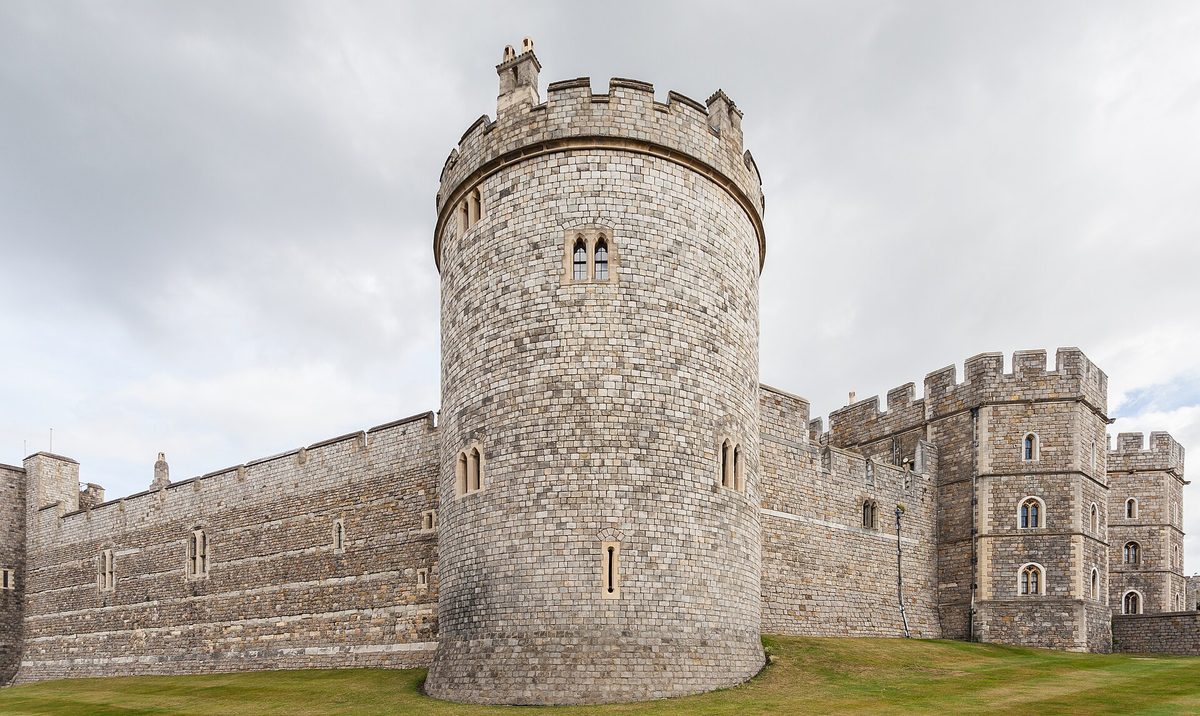
- Windsor Castle is included on the All-Inclusive London Pass but not the Explorer Pass — Photo: Diego Delso / CC BY-SA 4.0 via Wikimedia Commons. Source
Frequently asked questions
How many attractions do you need for the London Pass to be worth it?
Roughly two to three of the big-ticket paid attractions per day, every day the pass is valid. For a 1-day pass that's about three major sights (Tower, Abbey, a view) plus maybe a small one to clearly clear the ~£99 price. Fewer than that and single tickets win. The bundled bus and river cruise help nudge you over the line.
Is the London Pass worth it if I mostly want museums?
Usually no. London's best museums — the British Museum, National Gallery, Tate Modern, V&A, Natural History and Science Museums — are all free to enter. A sightseeing pass only pays off against paid attractions, so a museum-and-gallery trip gives it almost nothing to cover. You'd come out ahead skipping the pass entirely.
Does the London Pass include transport like the Tube?
No, not the everyday Tube and bus network. The London Pass includes a hop-on-hop-off tourist bus and a Thames river cruise, but for getting around the city you'll still want a contactless card or Oyster. Treat your sightseeing pass and your transport budget as two separate things when you plan.
Is English Heritage or National Trust membership better value?
It depends on what you love. English Heritage (around £82/year as of 2026) is cheaper and focuses on castles, abbeys and monuments — and it covers Stonehenge. National Trust (around £100+) is pricier but covers gardens, country houses and coastline across England, Wales and Northern Ireland. Castle-hunters lean EH; garden-and-house lovers lean NT.
Is the London Pass or the Explorer Pass better?
The All-Inclusive London Pass is day-based and best for a fast, packed few days. The Explorer Pass is attraction-based (pick a set number, use within ~60 days) and far better for a relaxed pace spread over a week. If you hate being rushed, the Explorer Pass almost always suits you better, even if the headline saving looks smaller.
Should I buy single tickets instead of a pass?
If you only want one or two attractions, yes — buy them direct, often with a small online-advance discount, and you'll beat any pass. Passes win on volume, not on individual tickets. Always compare your shortlist's single-ticket total against the pass price before committing.