Sheet 11 · Cornwall and Devon Travel Guide · 20 min read
5 Day Cornwall Itinerary
A day-by-day Cornwall itinerary for 5 days: north coast to west, real driving times, two smart bases and where to sleep each night. Plan your first trip
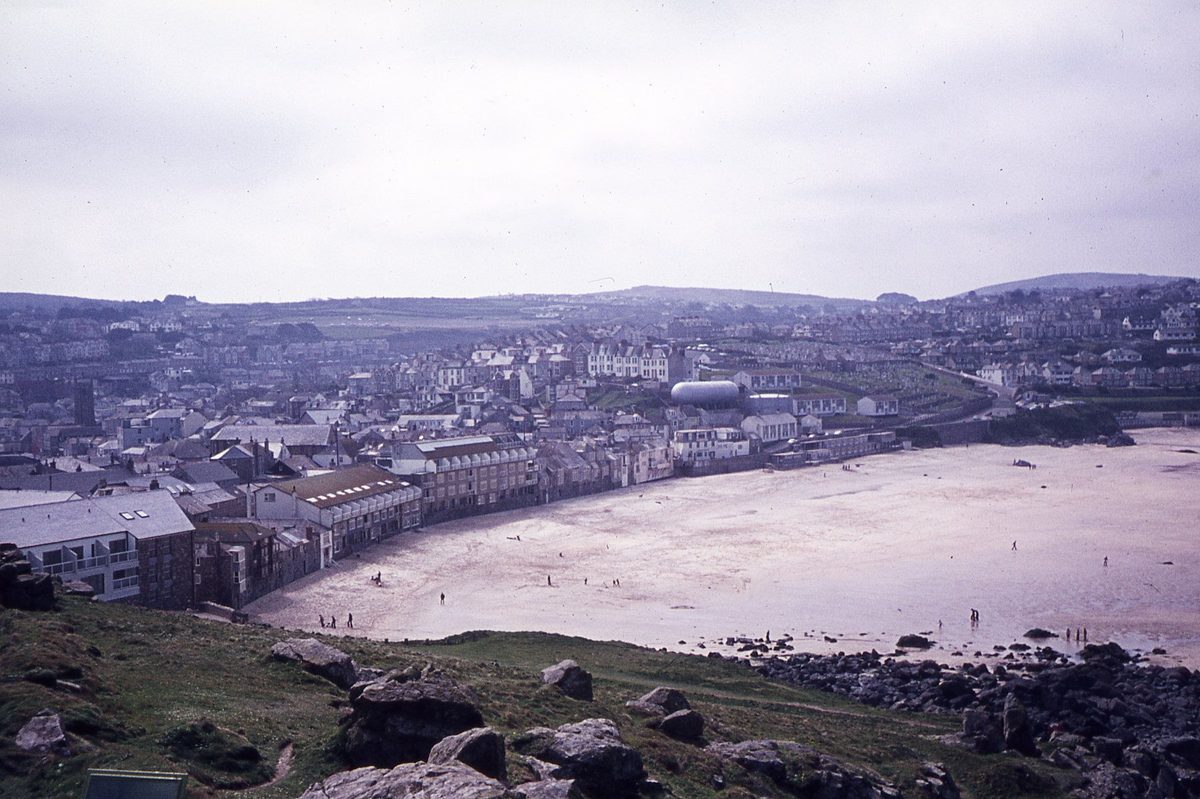 Sheet 11
Contents 9 sections
The first time I drove into Cornwall, I made the classic mistake: I tried to see everything. I crossed the Tamar at lunchtime, looked at my over-stuffed plan, and realised by day two that I’d booked four hours of driving into a day that had a sunset swim pencilled in at the end. Cornwall punishes greed. It rewards the people who pick a couple of bases, drive less, and linger longer.
So this is the Cornwall itinerary 5 days plan I wish someone had handed me. It’s built for a first visit, when you want the famous things — St Ives, the Eden Project, Land’s End, a proper Cornish pasty eaten on a harbour wall — without spending the whole week looking at the back of a tractor on a single-track lane.
Here’s the short version. A great Cornwall itinerary 5 days in length splits the county into two halves: two nights on the north coast around Padstow or Newquay, then three nights in the far west near Penzance or St Ives. You loop anticlockwise, knock out the busy Padstow–Newquay stretch early, and save the wild west — Minack, Land’s End, the Lizard — for the back half when you’ve found your rhythm.
Quick Answer: How to Plan a Cornwall Itinerary 5 Days Long
For a relaxed, first-time Cornwall itinerary 5 days in length, base yourself on the north coast (Padstow/Newquay) for nights one and two, then move west to Penzance or St Ives for nights three to five. Spend day one on Tintagel and the north-coast fishing villages, day two on the Eden Project and a slow Padstow afternoon, then dedicate days three to five to St Michael’s Mount, the Minack and Porthcurno, Land’s End, the Lizard, and St Ives. Two bases, short drives, and time to actually swim.
This article is the day-by-day blueprint. It owns the sequencing — what to do each morning, afternoon and evening, roughly how long to give each stop, and how the two bases knit together. For the deeper supporting detail, I’ll point you sideways as we go: the Cornwall road trip itinerary handles route mechanics and parking, where to stay in Cornwall gets into which town suits you, best beaches in Cornwall covers the sand in detail, and best places to visit in Cornwall goes deep on the individual attractions. This sits inside our broader Cornwall and Devon travel guide, which is the place to start if you’re still deciding on the whole region.
The 5 Days at a Glance
Before we get into the hour-by-hour, here’s the whole trip on one screen. Driving times are rough and assume summer traffic on Cornish lanes, which are slower than the satnav thinks.
| Day | Base for the night | Highlights | Driving (approx.) |
|---|---|---|---|
| Day 1 | Padstow / Newquay area | Tintagel Castle, Boscastle, Port Isaac | 1.5–2 hrs total, in short hops |
| Day 2 | Padstow / Newquay area | Eden Project, Bedruthan Steps, Padstow harbour evening | 1.5 hrs total |
| Day 3 | Penzance / St Ives area | Drive west, St Michael’s Mount, Penzance, Mousehole | 1.5–2 hrs (mostly the transfer) |
| Day 4 | Penzance / St Ives area | Minack Theatre, Porthcurno, Land’s End, Sennen | 1.5 hrs total, short hops |
| Day 5 | Penzance / St Ives area | The Lizard, Kynance Cove, then St Ives | 2–2.5 hrs total |
A few things to notice. The drives are never long — the biggest single leg is the day-three transfer west, and even that’s well under two hours. The mileage in Cornwall is small; it’s the lanes that eat your time. I’ll keep flagging that, because it’s the single thing that wrecks first-timers’ plans.
If you’d rather do this whole loop properly as a touring route with every stop and lay-by mapped, the dedicated 5 day Cornwall road trip guide is your friend. This version keeps the focus on the days themselves.
Day 1: King Arthur Country and the North-Coast Fishing Villages
You’ll most likely arrive into Cornwall from the east, over the Tamar Bridge or via the A30 across Bodmin Moor. Rather than barrel straight to your base, I like to make day one about the dramatic north coast — castles, cliffs, and the kind of tiny harbours that look like film sets. Several of them genuinely are.
Morning: Tintagel Castle
Start at Tintagel. It’s the legend-soaked clifftop ruin tied to King Arthur — Geoffrey of Monmouth claimed Arthur was conceived here back in the 12th century, and English Heritage have leaned into the romance ever since. The footbridge across the chasm to the island is the showstopper; the views back along the coast are absurd on a clear day.
Give it a good two hours. Adult entry is around £16–18 (as of 2026), and English Heritage members go free. Book online in advance and you’ll save roughly 15% — worth doing in summer, when the timed-entry slots sell out. Wear proper shoes; there are a lot of steps, and the wind off the Atlantic does not care about your hairstyle.
If the legend stuff isn’t your thing, you can walk the coast path around the headland for free and admire the castle from the outside — the best places to visit in Cornwall guide gets into whether the ticket is worth it for you.
Afternoon: Boscastle and Port Isaac
From Tintagel, two gorgeous villages sit a short drive away, and I’d do both if the day’s running smoothly.
Boscastle is ten minutes or so up the coast — a tiny natural harbour squeezed into a steep ravine, with whitewashed cottages and the famously odd Museum of Witchcraft and Magic if you fancy something offbeat. It’s a 45-minute pootle and a cream tea, not a half-day.
Then double back south to Port Isaac (about 25–30 minutes). If “Doc Martin” or the Fisherman’s Friends singers ring a bell, this is the place — clusters of cottages stacked above a working harbour, with lanes so narrow you genuinely cannot drive a normal car down some of them. Park at the top (there’s a big car park above the village) and walk down. Don’t try to take the car in. People do, and they regret it.
Evening: settle into your north-coast base
Drift the last 20–30 minutes to your base around Padstow or Newquay. Tonight is about a pub dinner and an early-ish night after the drive down.
Where to sleep tonight: Pick a base near Padstow or Newquay for nights one and two — central for the north coast and a short hop from tomorrow’s Eden Project run. Padstow is foodie and pretty but pricey; Newquay is bigger, more family-friendly and better value, with the beaches on its doorstep. For the proper which-town-suits-you breakdown, see where to stay in Cornwall.
Rain swap: If day one is a washout, skip the exposed clifftop at Tintagel and make it a Boscastle museum + Port Isaac lunch + early check-in day, saving the castle for any spare half-day later.
Family swap: Young kids will get more out of the National Lobster Hatchery in Padstow or a sandy session at Polzeath than a windy castle scramble — easy to slot in here.
Day 2: The Eden Project and a Slow Padstow Afternoon
Day two pairs Cornwall’s single biggest attraction with one of its most charming towns. It’s a satisfying contrast — futuristic biomes in the morning, harbour ice cream in the afternoon.
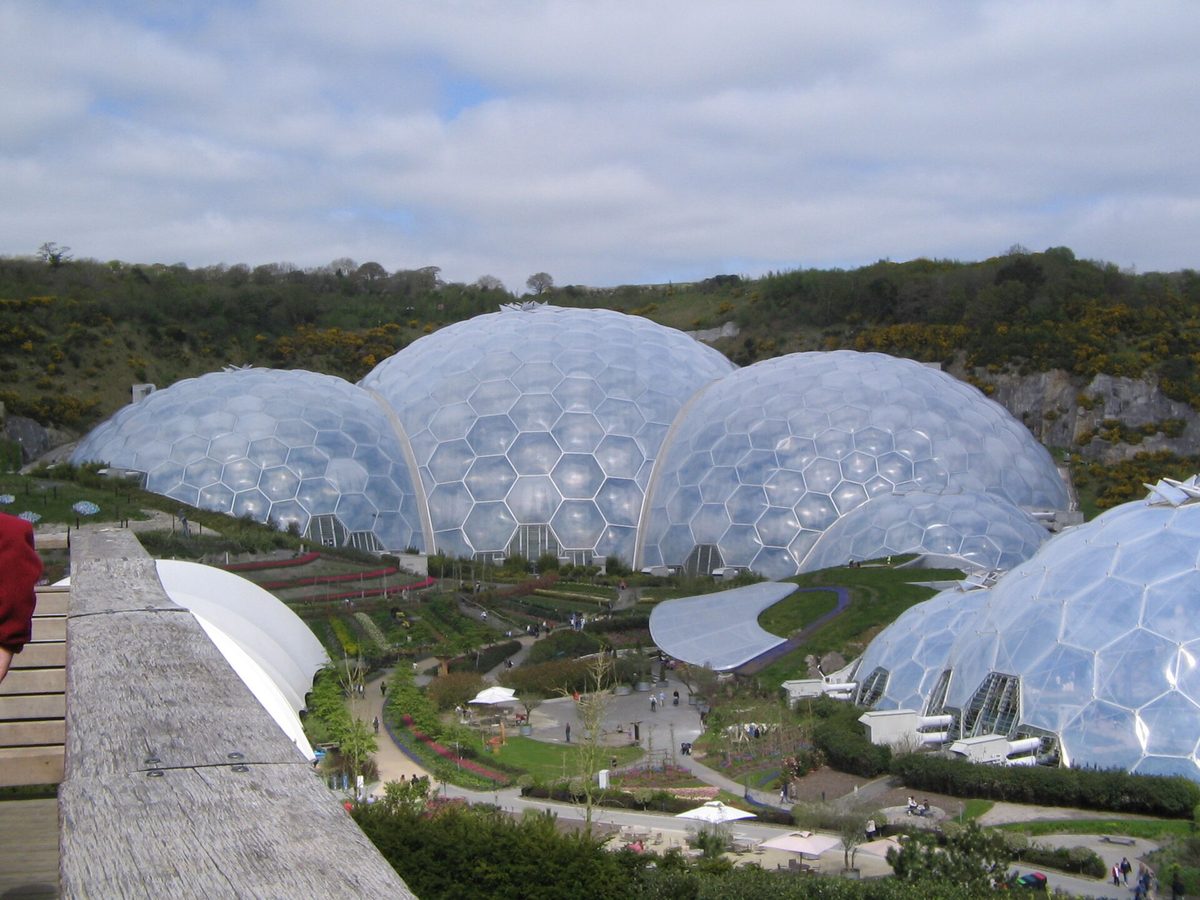
Morning: the Eden Project
Get to the Eden Project for opening. It’s an old china-clay pit transformed into a vast garden, with two giant biomes — a steamy rainforest dome and a Mediterranean one — plus outdoor gardens spilling down the crater. It’s about a 35–45 minute drive south from the Padstow/Newquay area.
Tickets run around £38–48 for an adult on the day (as of 2026), and they’re cheaper booked online in advance. Keep your ticket — at the time of writing it converts to a free annual pass if you register, which is a nice touch. Give it at least half a day; the rainforest biome alone, with its treetop walkway, swallows an hour. Go early, because the car park and the rainforest dome both get sweaty and busy by midday.
A heads-up worth checking: in summer 2026 the Eden Project is part of the Government’s Great British Summer Savings scheme for a window roughly late June to early September, which can mean discounted entry. Check the official site before you book — I’ll list it at the end.
Afternoon: Padstow harbour and the Camel Estuary
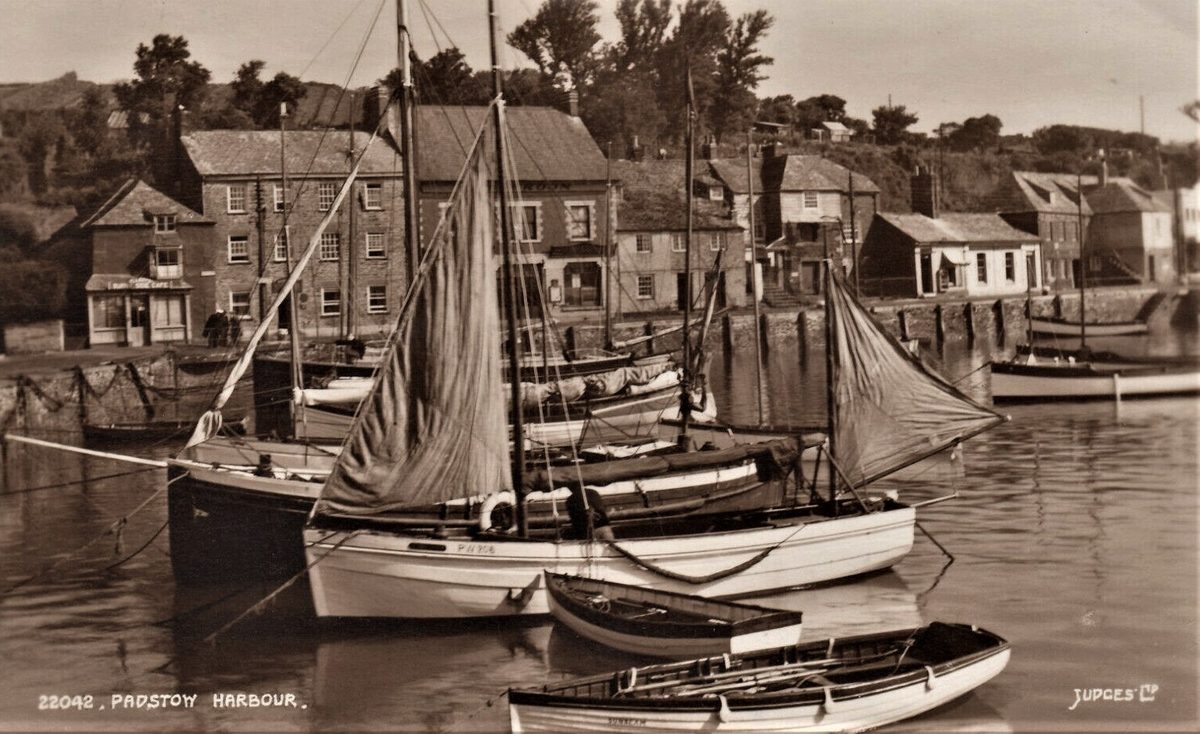
Head back north to Padstow (around 45 minutes). This is Rick Stein’s town — his restaurants, fish-and-chip shop and deli are all here, and the whole place rode his fame into becoming one of Cornwall’s foodie capitals. The harbour is the heart of it: grab fish and chips or a crab sandwich, eat it on the wall, and accept that a seagull may make an attempt on your lunch.
If you’ve energy left, the Camel Trail starts here — a flat, traffic-free former railway line that runs along the estuary toward Wadebridge and Bodmin. You can hire bikes in town and do an easy out-and-back; even an hour gets you lovely water views. It’s one of the few genuinely buggy- and kid-friendly “walks” in Cornwall.
Evening: sunset over the estuary
Stay around Padstow for dinner, or if you fancy a beach sunset, the drive west to a north-coast beach like Constantine or Harlyn takes 10–15 minutes. The Camel Estuary glows at golden hour.
Where to sleep tonight: Same base as last night — you’ve not moved, which is the whole point of a two-base plan. No packing, no checkout faff.
Rain swap: Eden is mostly indoors, so it’s the perfect rainy-day anchor. If it’s truly foul, stretch your Eden visit, add the nearby Lost Gardens of Heligan (more outdoors, admittedly) only if it clears, and do Padstow’s covered spots — galleries, the Stein deli, a long lunch.
Family swap: Eden has a huge play area and the longest zip wire in England next door (separate operator, seasonal). Factor that in and you might not make it to Padstow until late.
Day 3: Heading West to St Michael’s Mount and Penzance
Today you migrate. This is the one proper “transfer” day, moving from the north coast down to your western base. The drive itself is the longest of the trip but still comfortably under two hours, and you’ll break it up with the best castle-on-an-island in Britain.
Morning: the drive and a stop or two
Pack up and point the car southwest. It’s roughly 1.5 hours from the Padstow/Newquay area down to the Penzance side, but resist the urge to just blast down the A30. If you’ve time, the surf beach at Perranporth or the dramatic cliffs at St Agnes Head make a good leg-stretch on the way. Keep it brief — you want energy for the afternoon.
For the nuts and bolts of how to drive Cornwall — passing places, parking apps, fuel stops — lean on the Cornwall road trip itinerary. If you’re flying in and picking up a hire car, our guides to renting a car in England and driving in England for Americans cover the practical stuff like manual gearboxes and which side of these terrifyingly narrow lanes you’re meant to be on.
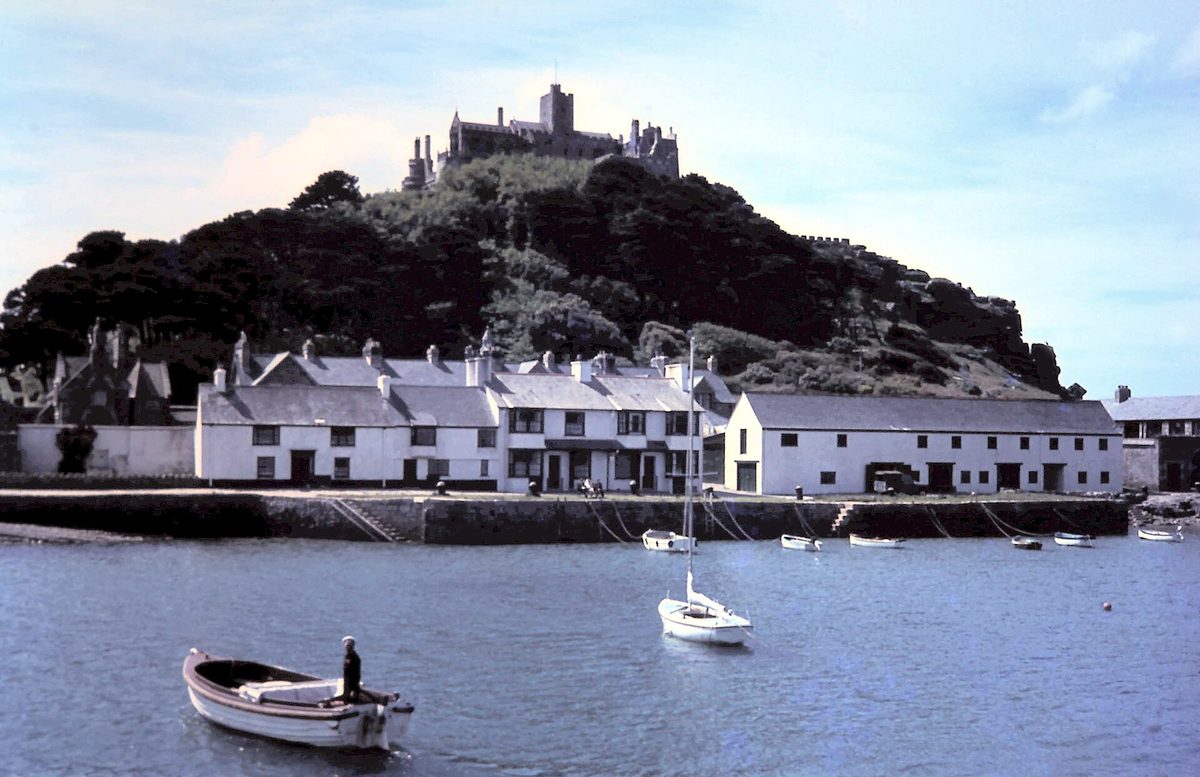
Afternoon: St Michael’s Mount
Arrive at Marazion for St Michael’s Mount — Cornwall’s answer to Mont Saint-Michel, a tidal island crowned by a medieval castle and garden. The magic is the causeway: at low tide you walk across the cobbled path; at high tide you take a small boat. Check the tide times before you go, because they dictate everything about your visit.
The castle and garden have restricted opening — broadly Monday to Friday, late morning into mid-afternoon in the main season (as of 2026), and it’s a National Trust place, so members get reduced or free elements. Garden tickets are around £14–16 for an adult (cheaper with the advance booking rate). Give it two to three hours including the crossing and the climb up to the castle. Even if the castle’s shut on your day, walking the causeway and circling the harbour at the base is worth the stop on its own.
Evening: Penzance and Mousehole
Settle into your western base and explore Penzance — a handsome, slightly bohemian harbour town that genuinely feels like the edge of the country. Walk the seafront to the art-deco Jubilee Pool (a saltwater lido, seasonal), then have dinner in town.
If you’ve still got daylight, the village of Mousehole (say it “Mowzel”) is 10 minutes down the coast — a postcard-perfect huddle of cottages around a tiny harbour, and one of the loveliest spots in the far west for an evening wander. It’s on every list of the most beautiful villages in England for good reason.
Where to sleep tonight: Switch to your western base — Penzance or St Ives — for the final three nights. Penzance is central for the far-west days, well connected by train, and generally better value; St Ives is prettier and beachier but busier and dearer in summer. Both work for this plan. The where to stay in Cornwall guide weighs them up properly.
Rain swap: If the tide and weather conspire against the Mount, Penzance has the Penlee House gallery and a clutch of good indoor lunches; do the Mount on day five instead by swapping the afternoons around.
Family swap: Marazion beach beside the Mount is shallow and sandy — perfect for a paddle while one adult does the castle climb.
Day 4: Land’s End, the Minack and the Far West
This is the day people picture when they think of Cornwall — the very end of England, an open-air theatre carved into a cliff, and a turquoise cove that doesn’t look real. Everything today is within a short drive of everything else, so it’s all short hops and lots of stopping.
Morning: Porthcurno and the Minack Theatre
Start at the Minack Theatre, the open-air amphitheatre cut into the granite cliffs above Porthcurno, with the Atlantic as its backdrop. It was built largely by hand by one extraordinary woman, Rowena Cade, from the 1930s onward, and it’s one of the most jaw-dropping performance spaces anywhere.
You can visit the theatre and gardens during the day — daytime visit tickets are around £10–12 for an adult (as of 2026), with under-16s about half price, and it opens from 10am. Check the schedule, though: on matinee days the daytime visit hours change, and from November to February it’s closed Mondays and Tuesdays. If you can get tickets to an actual evening performance — Shakespeare, a musical, anything — do it. Watching a play here as the sun sets into the sea is a genuine bucket-list evening. Book early; the 2026 season tickets go fast.
Right below sits Porthcurno beach, a wedge of pale sand and clear water that ranks among the best beaches in Cornwall. If the tide’s kind, factor in a swim.
Afternoon: Land’s End, Sennen and St Just
Drive the short hop to Land’s End — yes, it’s the most westerly point of mainland England, and yes, the site itself is a slightly tacky little theme-park complex. The trick is to ignore the gift shops, walk past them to the actual headland, and take the cliff path. The coastline here is magnificent and entirely free; the famous signpost is the only bit that costs (you pay a photographer). Give it an hour.
Far better, in my opinion, is nearby Sennen Cove — a wide, golden surf beach with a friendly pub, five minutes from Land’s End. This is where I’d actually spend the afternoon.
If you loop back via the B3306 toward St Just, you’ll pass the old tin-mining coast — the dramatic clifftop engine houses at Botallack that “Poldark” made famous. It’s raw, windswept and unforgettable, and it costs nothing.
Evening: back to base
Return to Penzance/St Ives for dinner (20–30 minutes). If you didn’t manage a Minack performance, tonight’s the night to try.
Where to sleep tonight: Same western base. Three nights in one spot means you can leave your stuff out and genuinely relax.
Rain swap: The far west is exposed and grim in driving rain. Swap in the underground Telegraph Museum at Porthcurno (surprisingly good, and indoors) and the Geevor Tin Mine near St Just for a proper rainy-day double.
Family swap: Sennen has lifeguards in season and gentle surf for first lessons; Land’s End’s theme-park bits (the “attractions”) actually land well with younger kids if you’re willing to pay.
Day 5: The Lizard, Kynance Cove and a St Ives Finale
For your last day, I like to bookend the trip with two of Cornwall’s greatest hits — the Lizard peninsula in the morning, then St Ives to round things off. It’s a slightly bigger driving day, but the payoff is enormous.
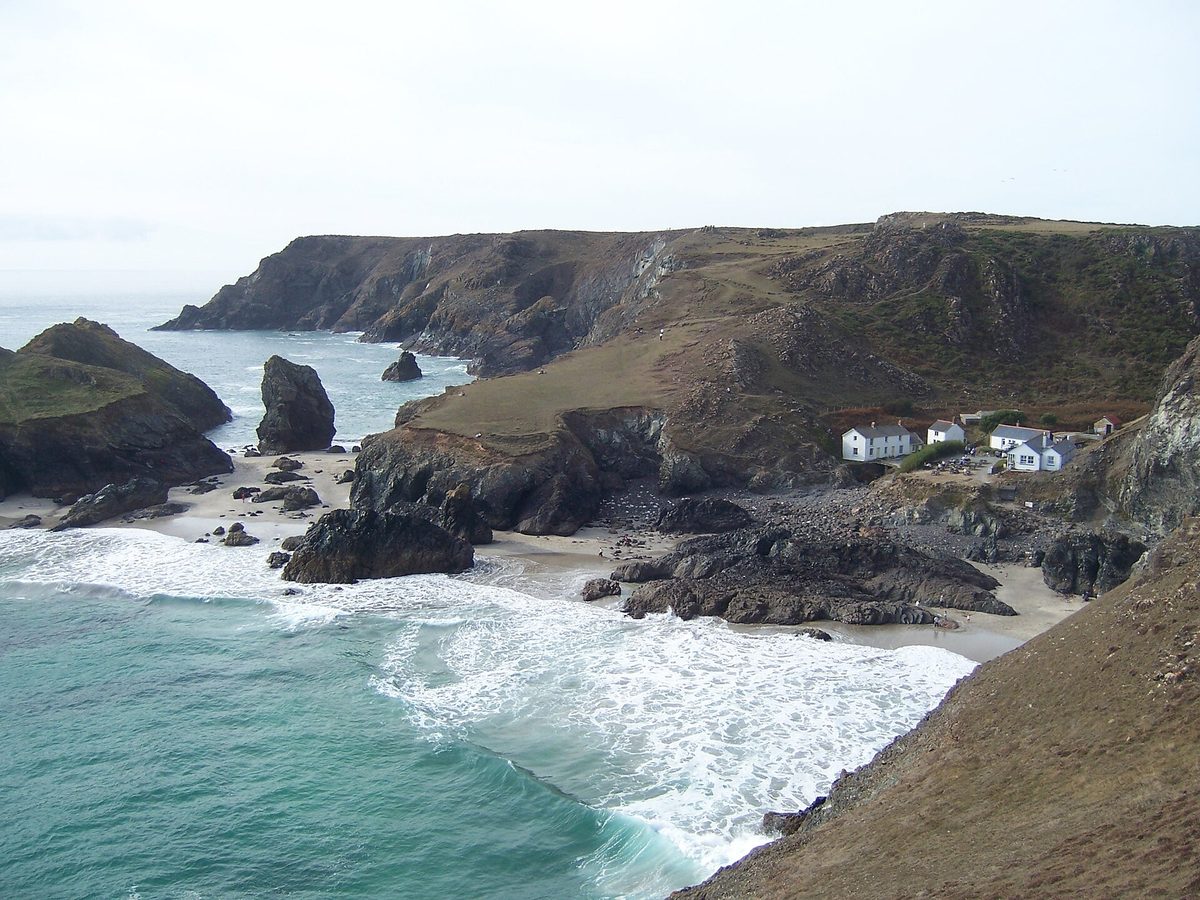
Morning: the Lizard and Kynance Cove
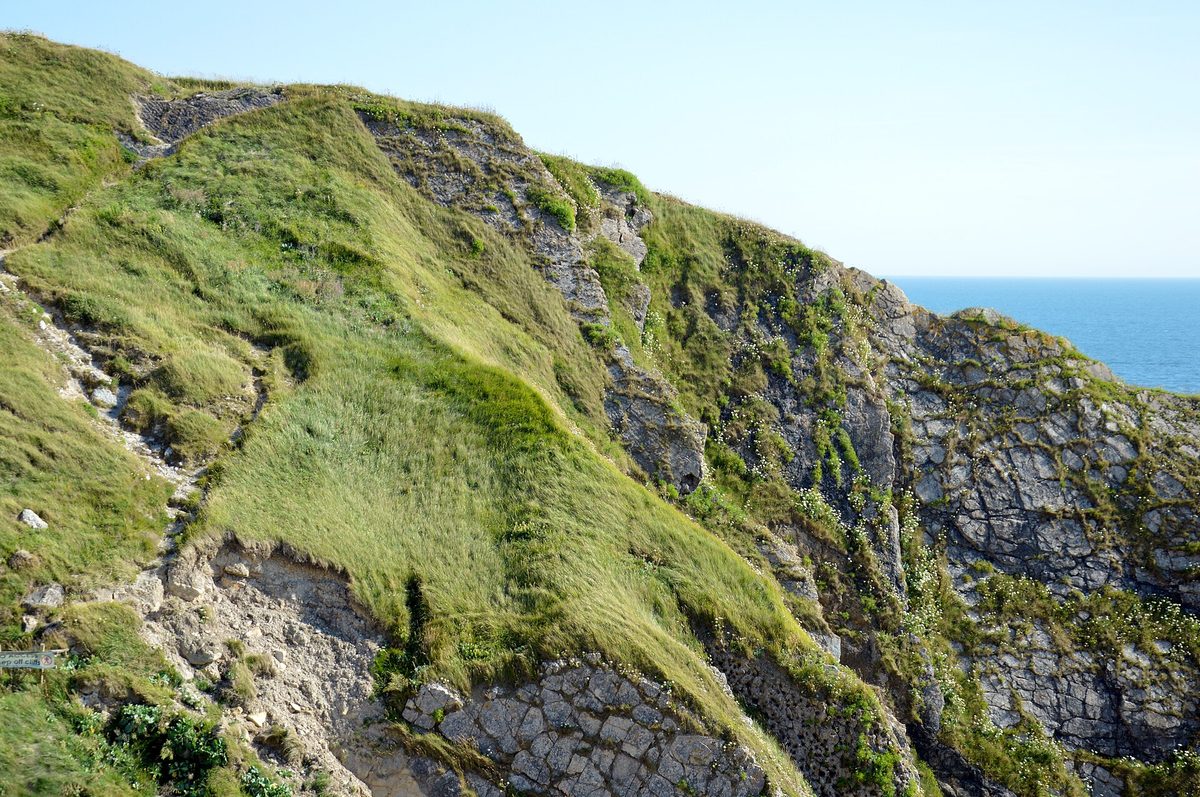
Drive out to the Lizard peninsula (around 45 minutes to an hour from Penzance). Make for Kynance Cove first — a National Trust beach of serpentine rock stacks, white sand and impossibly turquoise water that genuinely looks Caribbean on a sunny day. It’s tidal, so the beach you see depends entirely on the tide; check times or you’ll arrive to a thin sliver of sand. Park in the NT car park up top and walk down the steepish path; the café on the cliff does a good post-walk coffee. Allow two hours minimum.
A few minutes on is Lizard Point — the southernmost tip of mainland Britain, with a lighthouse, choughs wheeling on the cliffs, and a couple of cafés serving crab sandwiches with a view to the horizon. It’s a satisfying “we made it to the bottom of the country” moment.
Afternoon: drive to St Ives
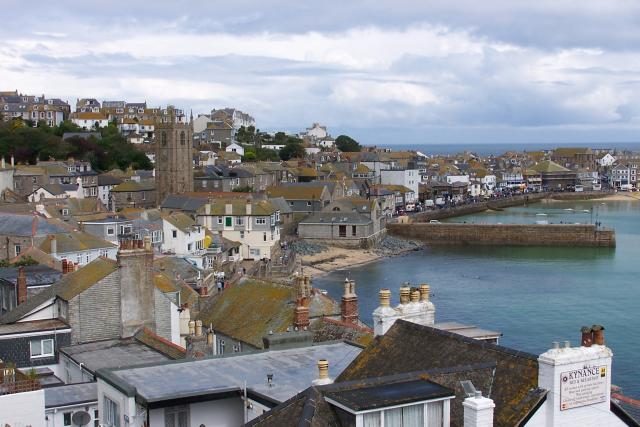
Now point the car north to St Ives. It’s the longest single leg of the day — budget around an hour and a quarter to an hour and a half depending on traffic, because the lanes off the Lizard are slow. St Ives is Cornwall’s prettiest seaside town and its artistic heart: cobbled lanes, a working harbour, Tate St Ives perched above Porthmeor Beach, and some of the best light in Britain (it’s why the painters came).
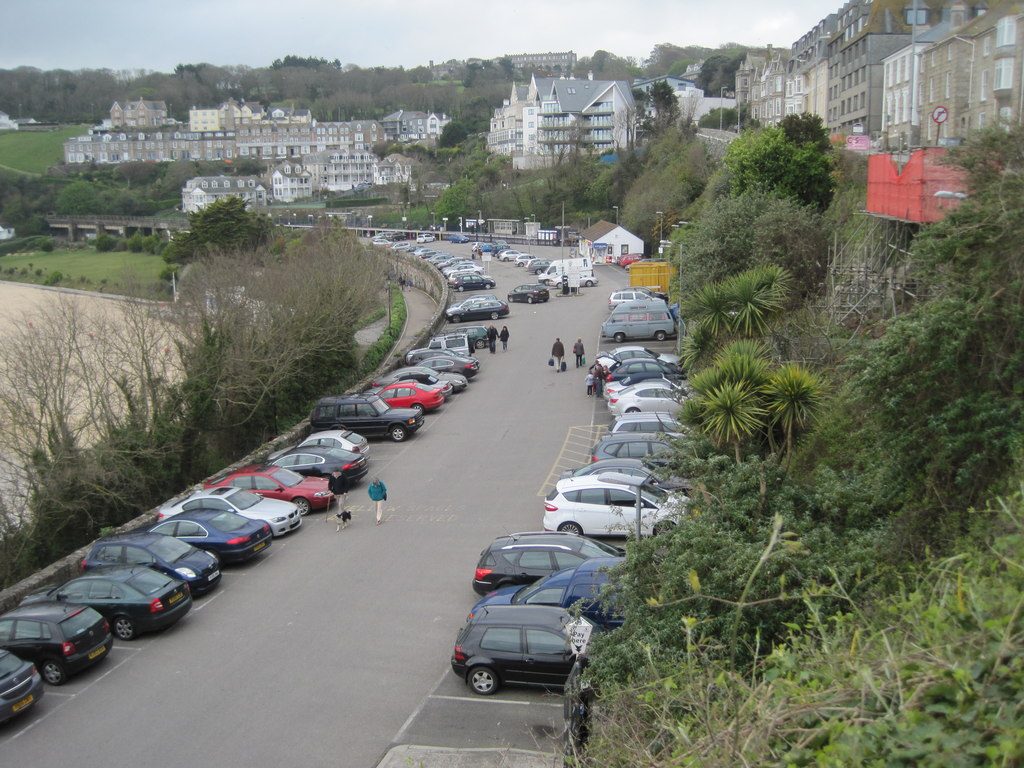
Park on the edge — the car parks fill fast and the centre is a nightmare to drive — and walk in. Wander the harbour, browse the galleries, get an ice cream, and if the surf’s up, watch the bodyboarders at Porthmeor. Tate St Ives and the Barbara Hepworth Museum are both excellent if the weather turns. For a deeper sense of what makes St Ives special, our best places to visit in Cornwall round-up gives it the space it deserves.
Evening: one last Cornish dinner
End the trip with dinner in St Ives, watching the boats. If you’re driving onward tomorrow, you’re well placed; St Ives connects back to the A30 in about 20 minutes. A pint, a plate of local fish, and the satisfying ache of a week well spent.
Where to sleep tonight: Your final night is wherever your western base is. If you happened to base in St Ives itself, today’s drive becomes a triumphant homecoming rather than a transfer — a small argument in St Ives’s favour for this plan.
Rain swap: St Ives is the best wet-weather town in the west thanks to the Tate, the Hepworth garden (partly covered), and dozens of galleries and cafés. The Lizard, by contrast, is miserable in rain — if it’s pouring, cut Kynance and spend the whole day in St Ives.
Family swap: Porthminster and Porthmeor in St Ives are both family-friendly with sand and lifeguards; the seal-spotting boat trips from the harbour are a hit with kids of all ages.
How to Adapt This Plan
A few honest tweaks, depending on who you are.
Reverse it if you’re coming from the far west or flying into Newquay. The loop works clockwise just as well; you’d simply do the west first and the north coast last.
Going slower with kids or older travellers? Cut day one’s village-hopping to just Tintagel or Port Isaac, and build in proper beach-and-ice-cream downtime. Cornwall with little ones is far more enjoyable at half the pace — our England with kids guide has more on this.
No car? It’s harder but not impossible. The train runs to Penzance and St Ives, and you can reach the headline towns by rail and bus, but the coves and clifftops are tough without wheels. We’ve got a dedicated Cornwall without a car guide for exactly this, plus a broader look at how to travel around England without a car and the England train travel guide for the rail mechanics.
Want to add Devon? Five days is plenty for Cornwall alone, but if you’ve longer, our Devon vs Cornwall comparison and the Jurassic Coast travel guide help you decide whether to bolt on a few days east.
And if Cornwall is one chapter of a bigger English adventure, slot it into the wider England travel guide and our pick of the best places to visit in England — the West Country pairs beautifully with a few days elsewhere.
Final Thoughts
If I could tattoo one piece of advice onto every first-time Cornwall visitor’s planning notebook, it’d be this: drive less than you think you should. The county looks small on a map and feels enormous on the ground, because the lanes are slow, the views demand stops, and the best moments are the unplanned ones — the cove you weren’t aiming for, the pasty eaten on a wall, the tide coming in over the causeway while you dither happily over whether to wait for the boat.
This plan gives you the greatest hits — Tintagel, Eden, the Mount, the Minack, Land’s End, the Lizard, St Ives — strung together so you’re never stuck in the car all day. But the version of it that you’ll remember is the one where you ignored the schedule for an afternoon because the weather was perfect and the sea was right there.
Five days won’t be enough. I mean that as the highest compliment. Cornwall has a way of sending you home already half-planning the return trip — a longer one next time, maybe with the south coast added, maybe in June when the lanes are quieter and the light goes on forever. Go, drive gently, swim when you can, and let the place set the pace.
Research and Source Notes
This itinerary draws on my own driving of the route plus current information checked against official and authoritative sources as of June 2026. For attraction hours, ticket prices and seasonal opening, always confirm directly before you travel — Cornwall’s opening times shift with the seasons, and tide-dependent sites like St Michael’s Mount and Kynance Cove change daily.
Sources consulted include Visit Cornwall (visitcornwall.com) for destination overviews and town guides; the Eden Project (edenproject.com) for admission prices, opening hours and the 2026 summer savings scheme; the National Trust (nationaltrust.org.uk) and the St Michael’s Mount official site (stmichaelsmount.co.uk) for castle and garden tickets, opening days and tide-crossing information; English Heritage (english-heritage.org.uk) for Tintagel Castle prices and advance-booking discounts; the Minack Theatre (minack.com) for daytime visit prices, opening times and the 2026 performance season; and Great Western Railway (GWR) (gwr.com) for rail connections to Penzance, St Ives and Newquay. Driving times are approximate and based on typical summer conditions on Cornish roads, which run slower than mapping apps predict.
Photo Credits
- Harbour and beach at St Ives on a 5 day Cornwall itinerary — Photo: Colin Park / CC BY-SA 2.0 via Wikimedia Commons. Source
- Eden Project biomes on a 5 day Cornwall road trip — Photo: A1personage at en.wikipedia (CC0) via Wikimedia Commons. Source
- St Michael’s Mount island and causeway, things to do in Cornwall in 5 days — Photo: Gordon Spicer / CC BY-SA 2.0 via Wikimedia Commons. Source
- Turquoise water at Kynance Cove on a first time Cornwall itinerary — Photo: Tommytrouble at English Wikipedia (CC0) via Wikimedia Commons. Source
- Boats in Padstow harbour at the start of a Cornwall trip plan — Photo: Mark Crombie (CC0) via Wikimedia Commons. Source
Frequently asked questions
Is 5 days enough for Cornwall?
Five days is a sweet spot for a first visit. A weekend leaves you rushing; a week lets you breathe, but five days is enough to cover the headline north coast and the wild far west without feeling cheated — provided you stick to two bases and keep drives short. You won't see everything. Nobody does. You'll see the best of it and want to come back.
Do you need a car for Cornwall?
For this itinerary, yes — a car transforms what's possible. Trains reach Penzance, St Ives and Newquay, and buses link the bigger towns, but most of Cornwall's coves, headlands and villages sit well off the rail network. You can do a car-free trip focused on a couple of towns; see our Cornwall without a car guide. To follow this plan properly, though, you'll want to drive.
What is the best month to visit Cornwall?
May, June and September are the sweet spot. The weather's warm enough for beaches and the coast path, the sea has had time to warm a touch, prices sit below peak, parking is findable, and the lanes aren't gridlocked. July and August are gorgeous but crowded and expensive. Our best time to visit England guide goes deeper on the seasons.
How many days do you need to see Cornwall properly?
To "see Cornwall properly" you'd want seven to ten days, splitting into three bases and adding the south coast (Fowey, the Roseland) and Bodmin Moor. But five days, done with two bases as laid out here, covers the icons and gives a genuine feel for the place. Most first-timers leave already planning their second trip.
How much should I budget for 5 days in Cornwall?
It varies wildly by season and style, but as a rough guide (as of 2026): mid-range accommodation runs from around £100–180 a night in summer, attractions like Eden, Tintagel and the Mount are £15–48 each, and you'll spend on fuel, parking (carry coins and a parking app) and eating out. Travelling in June or September shaves a lot off. See our England budget and costs guide to plan figures.
Should I base in one place or move around in Cornwall?
For five days, two bases is the ideal balance. One base means long daily drives to reach the far ends; more than two means you spend the trip packing and unpacking. North coast for two nights, far west for three, as in this plan, keeps every drive short and gives you two distinct slices of Cornwall to call home.
3 notes
Notes are closed on this sheet.