Sheet 86 · Lake District Travel Guide · 16 min read
Keswick Travel Guide
A first-hand Keswick travel guide: Derwentwater, Catbells, Castlerigg, the launch, Borrowdale and how to get there with no train station. Plan your trip.
 Sheet 86
Contents 11 sections
The first time I walked out of the Moot Hall and saw Skiddaw filling the end of the street, I understood why people keep coming back to Keswick instead of the busier southern lakes. This is a working market town with fells on every side, a quiet lake five minutes from the high street, and a pub-and-cafe scene built around people who have been out walking all day. It is the kind of place you arrive at for two nights and immediately wish you had booked five.
This Keswick travel guide is for anyone basing themselves in the northern Lake District: I cover Derwentwater and the Keswick Launch, the walks and fells, Castlerigg Stone Circle, the wilder Borrowdale valley beyond, and the slightly awkward business of getting here when the town has no railway station. I write as someone who treats Keswick as a base, not a day trip.
Quick Answer: Is the Keswick Travel Guide Worth Following for a Northern Lakes Trip?
Yes, if you want fells over crowds. Keswick is the northern Lake District’s best walking base: a compact market town on Derwentwater, ringed by Skiddaw, Catbells and Blencathra, with the launch, Castlerigg and Borrowdale on the doorstep. There is no train station, so arrive by the X4/X5 bus from Penrith or the 555 from Windermere. Give it three nights minimum.
Keswick at a Glance
Here is how I’d rank the essentials if you only have a couple of days. Prices are rough and “as of 2026” — always check the operator before you go.
| What | Time needed | Rough cost (2026) | Best for |
|---|---|---|---|
| Derwentwater on the Keswick Launch | Half day, hop-on/off | Around £16 round-the-lake adult | Lake views without a long drive |
| Catbells fell walk | 2.5-3.5 hrs | Free | First proper summit; huge views |
| Castlerigg Stone Circle | 1.5-2 hrs from town | Free | Prehistory in a fell amphitheatre |
| Friar’s Crag stroll | 30-40 mins | Free | The classic Derwentwater view |
| Honister Slate Mine / Via Ferrata | Half day | Around £40-45 per person | Adventure, history, the high pass |
| Whinlatter Forest | Half to full day | Free entry; activities extra | Rainy days, families, biking |
| Keswick Museum & the market | 1-2 hrs | Around £6 museum; market free | Wet mornings, local colour |
If you want the wider regional picture before you commit, my Lake District travel guide sets out how the north and south of the park differ and which base suits which trip.
The Town: Keswick Itself
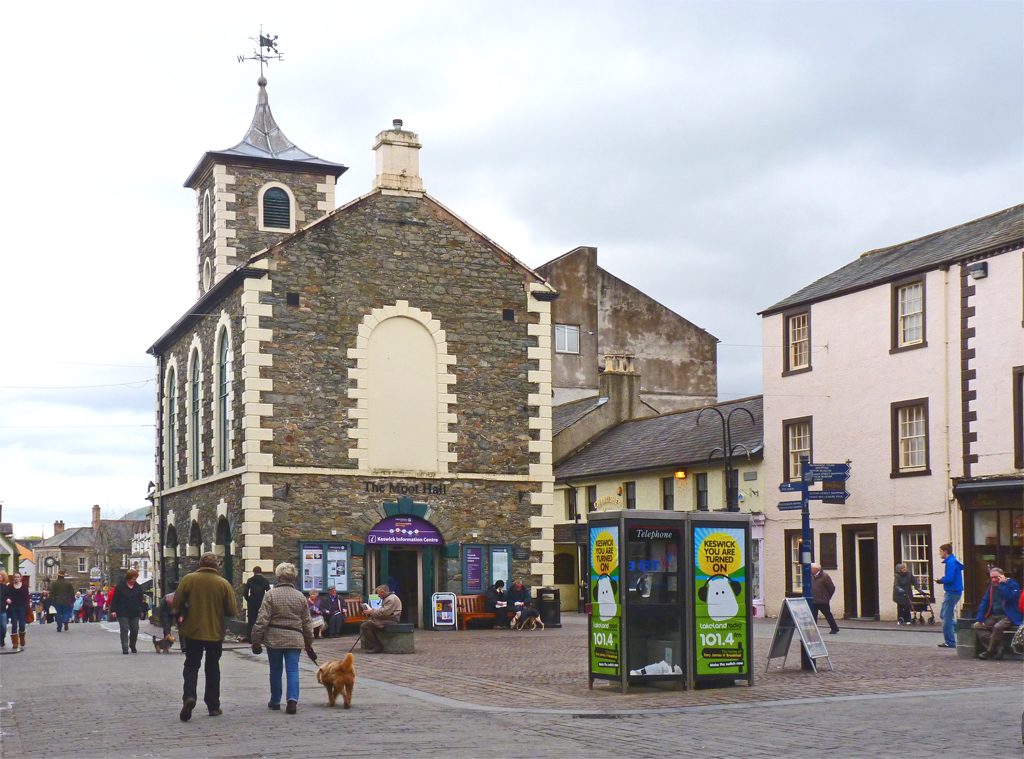
Keswick is small — you can cross it in ten minutes — but it punches well above its size, and that is half the appeal. The hub is the Moot Hall, the squat white building with the one-handed clock that sits marooned in the middle of the market square. It now houses the information centre, and it is the natural meeting point: “see you at the Moot Hall” is the local equivalent of “see you by the fountain.”
The market runs on Thursdays and Saturdays, filling the square around the Moot Hall with stalls — cheese, fudge, hot food, walking socks, the occasional second-hand book. It is genuinely useful, not a tourist set-piece, and it has been happening here under a market charter for centuries. If you are self-catering, Saturday morning is the time to stock up.
What strikes most first-time visitors is the sheer density of outdoor-gear shops. Within two minutes of the square you’ll pass George Fisher (a Keswick institution, with a famous boot-fitting department and a cafe up top), Cotswold, Mountain Warehouse, and a clutch of independents. If you’ve forgotten waterproofs or your boots have finally given up, this is the best high street in England to fix it. I’ve bought emergency socks here more than once.
For culture, the standout is Theatre by the Lake, on the lakeshore by the main car park. It opened in 1999, has a 400-seat main house and a smaller studio, and runs a proper year-round programme — it’s one of the few rural theatres in the country producing its own seasons. Catching an evening show after a day on the fells, with the lake darkening outside, is one of my favourite Keswick rituals.
The town’s two museums are both quirky in the best way. Keswick Museum & Art Gallery in Fitz Park covers local geology, mountaineering history and assorted Victorian curiosities (there’s a set of musical stones you can actually play), open daily roughly 10am to 4pm with admission around £6 as of 2026. And the Derwent Pencil Museum tells the story of how Keswick became the birthplace of the pencil — graphite was mined in nearby Borrowdale from the 1500s. You enter through a replica mine and there’s the world’s longest coloured pencil. It sounds slight; it’s oddly charming, and a perfect wet-afternoon hour. For more wet-weather options across the region, see my round-up of Lake District rainy-day activities.
Derwentwater and the Keswick Launch
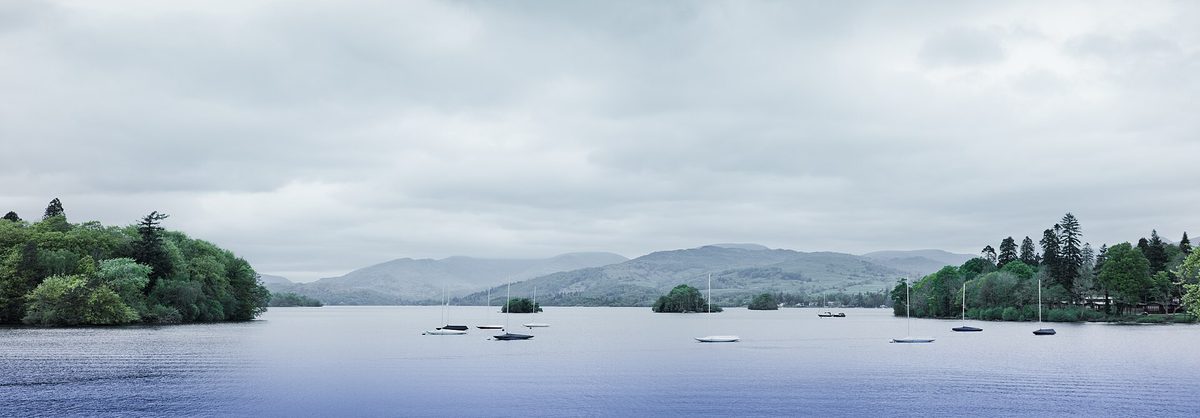
Derwentwater is, to my eye, the most beautiful of the larger lakes — broad, island-dotted, and hemmed by fells in every direction rather than the gentler wooded shores you get further south. Keswick and Derwentwater are inseparable: the lake is a ten-minute walk from the square, and you can be on the water without ever touching a car.
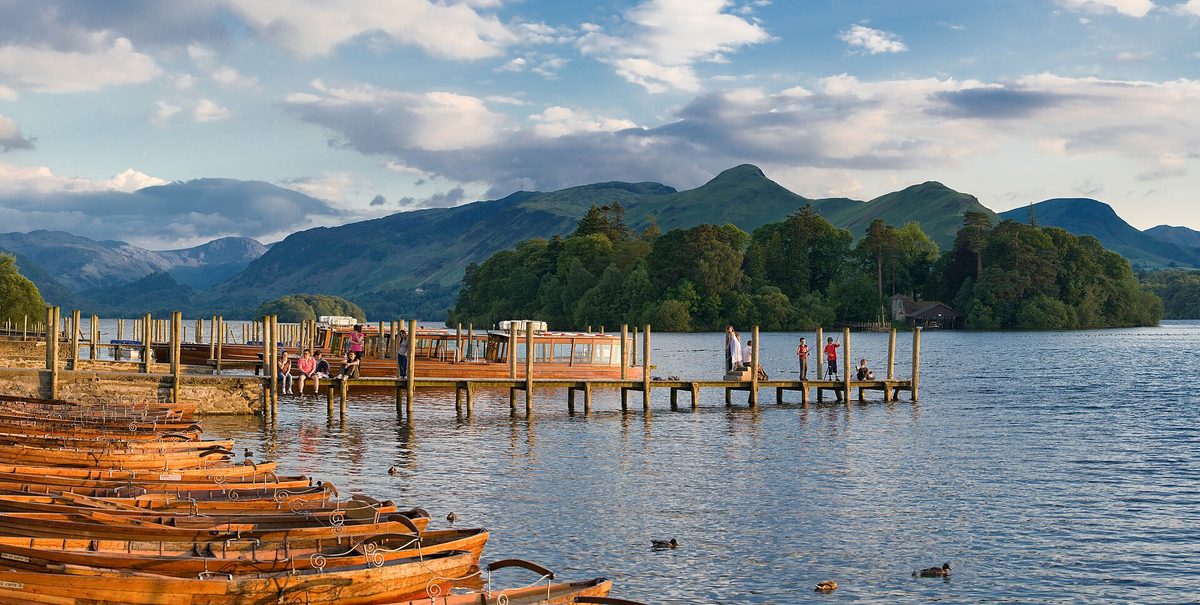
The easiest way to enjoy it is the Keswick Launch, the little fleet of wooden boats that circles the lake with seven landing stages. A round-the-lake trip costs around £16 for an adult as of 2026, and — crucially — a day ticket lets you hop on and off as much as you like. That last point is what makes the launch so much more than a sightseeing cruise: it doubles as walkers’ transport.
Here’s the move I recommend to everyone. Take the launch to Hawse End on the western shore, walk up Catbells (more on that below), drop down to the lakeshore at the far end, and catch a later boat back to Keswick. You get a proper fell with no out-and-back, no parking, and a boat ride to bookend each side. Boats run roughly anti-clockwise and clockwise on alternating departures, so check the timetable board at the landings — the direction matters for connecting walks.
You can also hire your own rowing boat or self-drive motorboat at the Keswick Boat Landings if you’d rather potter about under your own steam. On a still summer evening, with the light going golden behind Catbells, that’s hard to beat.
The lake’s most famous viewpoint is Friar’s Crag, a tree-topped promontory about ten minutes’ flat walk from the landings. John Ruskin called the view from here one of the finest in Europe, and from the bench at the end you get the whole length of the lake framed by Walla Crag, Maiden Moor and Castle Crag. It’s pushchair- and wheelchair-friendly, free, and the single best low-effort view in the area. Go at sunrise if you can — you’ll often have it to yourself.
Walks and Fells from Keswick
This is the real reason walkers prefer Keswick. You can finish breakfast and be climbing within the hour, and the choice ranges from gentle to genuinely demanding.
Catbells
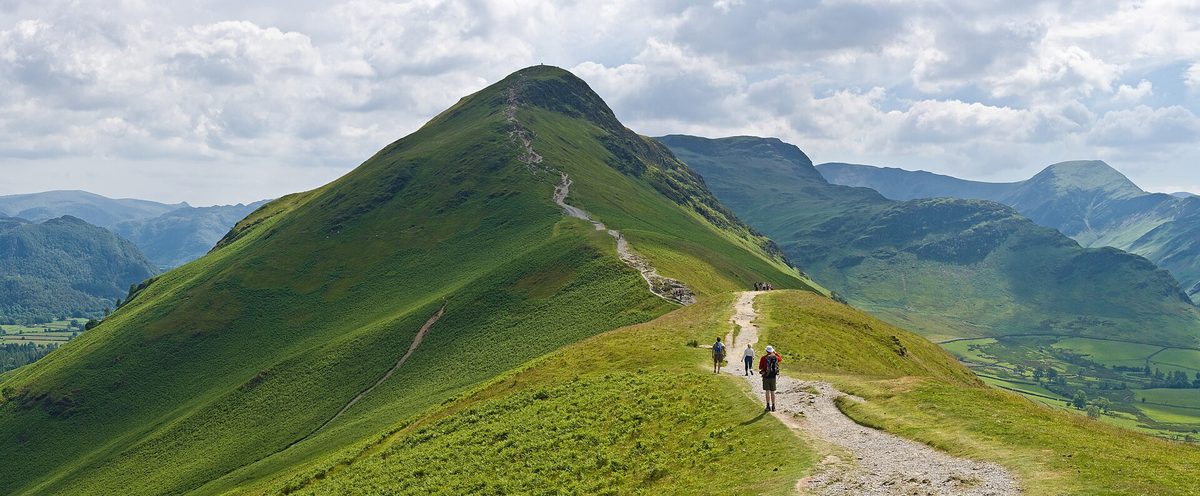
Catbells is the one everyone does, and rightly so. It’s a 3-3.5 mile round trip from Hawse End, takes most people 2.5-3.5 hours, and serves up a view utterly out of proportion to the effort: Derwentwater below, Skiddaw and Blencathra to the north, the Newlands Valley to the west. It is moderate, not flat — there’s a steep zigzag up Skelgill Bank and a couple of short rocky steps near the top where you’ll use your hands — so wear proper footwear and don’t underestimate it in wind or rain. The name may come from “Cat Bields,” shelter of the wildcat. It’s busy, but for good reason. For its full write-up alongside other gentler options, see my easy Lake District walks.
Latrigg
If Catbells feels like too much, Latrigg is the soft option with an outsized payoff. It’s the low green hill directly behind the town, and from the top you look straight down onto Keswick, the lake and the whole valley. You can walk up from town or drive to the high car park off the Skiddaw road and stroll up in 20 minutes. It’s where I send anyone who wants the postcard view without the climb.
Skiddaw and Blencathra
For experienced hill walkers, Skiddaw (931m) rises directly behind the town — one of England’s highest peaks, a long but non-technical slog up a worn path, usually a 5-6 hour day from the Latrigg car park. Blencathra, to the northeast, is the more characterful mountain: Sharp Edge is a genuine grade-1 scramble and not to be taken lightly, while the easier flanks give a superb day for confident walkers. Neither is a beginner outing. Check the mountain forecast, take a map, and turn back if the cloud comes down — the summit plateaus are featureless in mist.
For the broader catalogue of walks and attractions across the park, my guide to the best things to do in the Lake District covers the lot, and England’s national parks hiking sets the Lakes in context with the rest of the country.
Castlerigg and a Bit of History
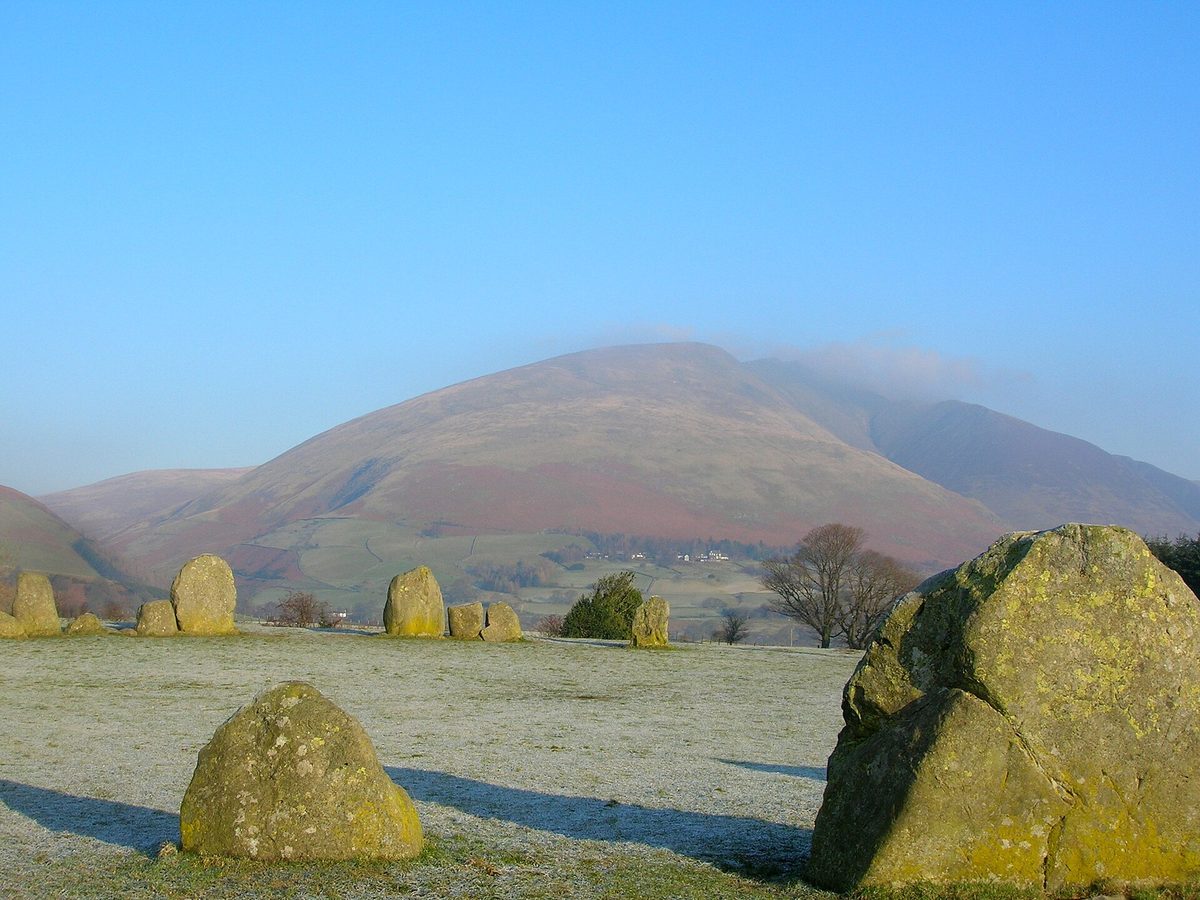
About a mile and a half east of town, on a low plateau ringed by fells, sits Castlerigg Stone Circle — and it is, for my money, one of the most atmospheric places in England. The circle is roughly 5,000 years old, predating Stonehenge, and what sets it apart is the setting: a near-perfect amphitheatre of mountains, with Blencathra, Skiddaw, Helvellyn and Catbells all visible from among the stones.
It’s free, managed by the National Trust and English Heritage, and open at any reasonable time. You can drive (there’s a small layby — it fills fast) or, much better, walk from Keswick: about 30-45 minutes uphill out of town. Doing it on foot, arriving over the rise to find the stones laid out against the fells, is far more affecting than parking beside them. Go early or near dusk; midday coach stops can crowd it.
Keswick’s history runs deeper than tourism. It grew as a mining town — copper from the Newlands Valley, graphite from Borrowdale (hence the pencils), slate from Honister — and the Victorians turned it into a resort once the railway arrived in 1865. That railway is gone now, which brings us to the one genuine practical wrinkle of visiting, covered below.
Borrowdale and Honister Pass Beyond
If you only stay in Keswick and never drive south down the lake, you’ll miss the most dramatic landscape in the area. The Borrowdale valley runs from the foot of Derwentwater into a tightening gorge of crag, oak woodland and tumbling river — many regulars (me included) think it’s the loveliest valley in the Lakes. The hamlets of Grange, Rosthwaite and Stonethwaite are tiny and walkable, and the 78 bus from Keswick threads the whole valley, so you don’t need a car.
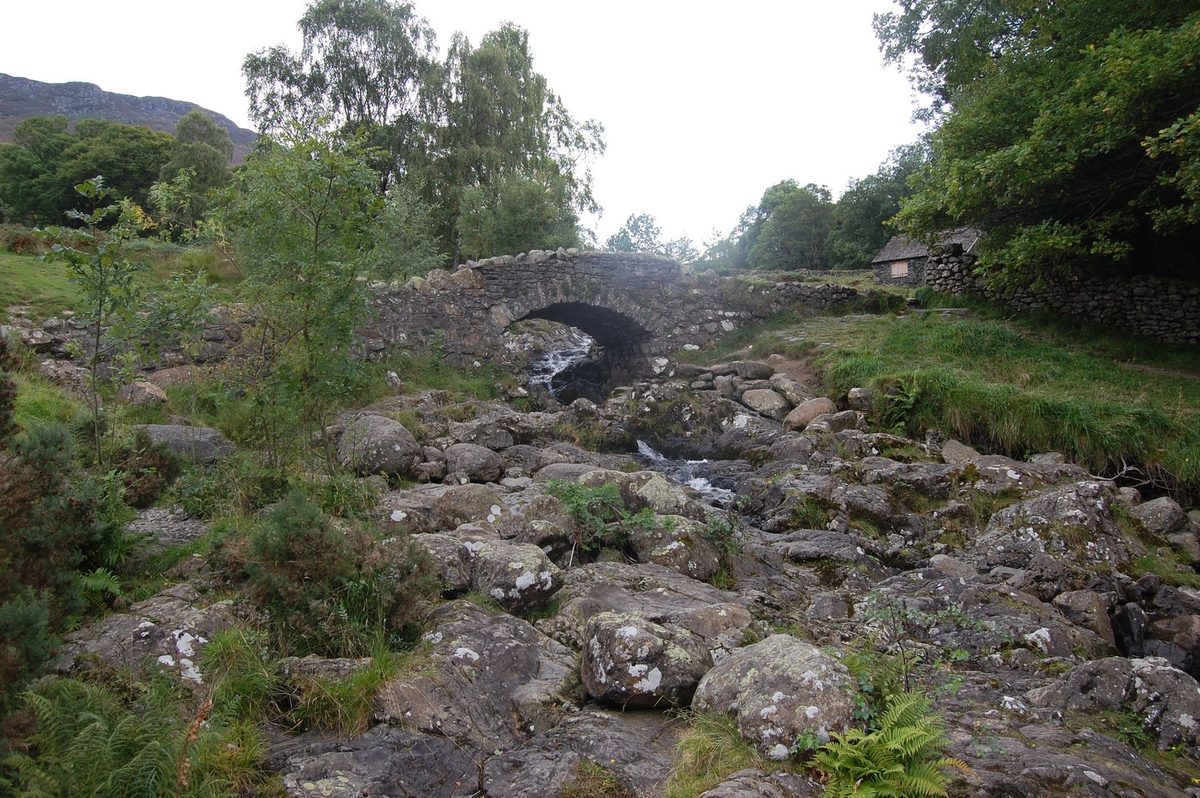
A few miles in, the road climbs to Ashness Bridge, a tiny humpback packhorse bridge that has launched a million photographs — Skiddaw rising behind it across the lake. Just above is the Surprise View, a sudden drop-away over the whole of Derwentwater. Both are right by the 78 bus route and a short walk from the road.
At the head of the valley the road hauls itself over Honister Pass, one of the steepest and most spectacular passes in England, to reach Honister Slate Mine — still a working slate mine, and home to England’s via ferrata. You can take an underground mine tour into the heart of the mountain (around £20 as of 2026) or, if you’ve a head for heights, clip onto the Via Ferrata Classic or Xtreme routes up the crag face, roughly £40-45 per person. They take around three hours and must be pre-booked. The Xtreme route includes a cargo net and a Burma bridge across a drop; the Classic is plenty exciting for most. I’ve done the Classic and still think about it.
This is country I’d happily spend a whole day on. If you’re building a longer trip, my 3-day Lake District itinerary shows how to fit Borrowdale and the fells around a Keswick base without rushing.
Getting to Keswick: There’s No Train Station
Let’s clear up the question that trips up nearly every first-timer. Keswick has no railway station. It once did — the branch line from Penrith ran here from 1865 — but it closed on 6 March 1972, a casualty of the Beeching cuts, and never reopened. The old trackbed is now a lovely walking and cycling path (the Keswick Railway Footpath) towards Threlkeld, which is some consolation.
So how do you arrive without a car?
- From the south (most rail visitors): take the train to Penrith (on the West Coast Main Line, direct from London Euston, Manchester, Glasgow and Carlisle), then the Stagecoach X4 or X5 bus from right outside the station to Keswick. It runs roughly hourly, takes about 40-45 minutes, and the fare is only a few pounds. The buses are timed to meet trains, which makes it about as painless as a connection gets.
- From within the Lake District: the brilliant Stagecoach 555 links Keswick with Grasmere, Ambleside, Windermere, Kendal and Lancaster, running every 30-60 minutes through some of the finest scenery in the park. If you’re coming up from the southern lakes, this is your route — and it passes Castlerigg and Thirlmere on the way in.
Once you’re here, you barely need a car: the launch, the X4/X5, the 555 and the 78 (Borrowdale) cover almost everything in this guide. For a fuller breakdown of car-free logistics across the region — bus passes, timetables, which walks connect to which routes — see exploring the Lake District without a car.
If you are driving, be warned that Keswick’s car parks fill by mid-morning in summer and on bank holidays, and the central streets are tight. Park once and use the buses.
Where to Eat and Drink
Keswick eats like a town full of hungry walkers, which is to say generously and without much fuss. Around the market square and Lake Road you’ll find proper hill-walking pubs — the kind with boot racks, real ale and big plates. The Dog and Gun is the classic, famous locally for its goulash, and it’s where I head on a cold evening; expect to queue and to share a table.
For coffee and cake — non-negotiable after a fell — there are good independent cafes scattered through the centre, and the cafe on the top floor of George Fisher has a fine view to go with the flapjack. Bryson’s is the long-standing bakery and tearoom for a sit-down spread and a bag of Borrowdale Tea Bread to take home.
The town also has a strong line in takeaways and a couple of well-regarded bistros for an evening meal, but Keswick’s real strength is the unpretentious end: hearty, fairly priced, and aimed at people who’ve earned it. I wouldn’t come here for fine dining; I’d come for a good pie and a pint by the fire.
Keswick vs Windermere: Why Walkers Choose the North
This is the comparison I’m asked about most, so let me be straight about it. Windermere is the bigger, more polished, more easily reached gateway — it has a train station, more hotels, lake cruises with a steamer feel, and it suits first-timers and car-free comfort beautifully. If that’s your priority, my Windermere travel guide is the place to start.
But Keswick is where walkers base themselves, and here’s why. The fells are closer and more dramatic — Skiddaw, Blencathra and Catbells are right on the town, not a drive away. The scenery is harder-edged and more mountainous; the northern Lakes feel wilder. The town reads as a real market town first and a resort second, with that dense cluster of gear shops and a genuine working market. And Derwentwater, ringed by crag, is to my eye more beautiful than Windermere’s gentler, more developed shore.
The trade-off is access: no train, so you’ll change at Penrith or take the 555. For a one-off trip with kids and no car, Windermere may win on convenience. For a walking holiday — somewhere to come back to year after year with the boots already by the door — it’s Keswick every time. Honestly, plenty of people do both: Windermere for the soft arrival, Keswick for the heart of it.
If you’re still weighing up bases for the whole region, my guide to where to stay in the Lake District compares the main towns and villages and explains who each one suits.
Final Thoughts
I keep coming back to Keswick because it gets the balance right: a proper little town with everything you need, wrapped in landscape that genuinely lifts you. You can have a hard day on Blencathra and a soft one drifting round Derwentwater on the launch; you can stand among 5,000-year-old stones in the morning and be eating goulash by a fire that night. It asks a little more of you than the southern lakes — you’ll likely change buses at Penrith — but that small friction is exactly what keeps it quieter and more walker-shaped.
Pack waterproofs, book a couple of nights more than you think you need, and treat the high street gear shops as part of the fun. If this is your first proper trip to the area, slot Keswick into the wider picture with my Lake District travel guide, and for the rest of the country, my round-ups of the most beautiful villages in England, the best places to visit in England and the overarching England travel guide will help you build the trip around it. For when to come, the best time to visit England covers the seasons, and where to stay in England helps with the rest of your route.
Research and Source Notes
- Transport and the no-station fact confirmed via Wikipedia’s Keswick railway station entry (closed 6 March 1972) and Stagecoach / Visit Lake District route pages for the X4/X5 (Penrith) and the 555 (Windermere–Kendal–Lancaster).
- Keswick Launch fares and landings (around £16 round-the-lake adult, hop-on/off day tickets, Hawse End connection for Catbells) drawn from the Keswick Launch Co. fares pages, accurate as of 2026; always confirm before travel.
- Honister Slate Mine mine-tour and Via Ferrata Classic/Xtreme pricing (around £40-45 per person, roughly three hours, pre-booking required) from honister.com and Visit Lake District; the Honister Slate Mine is the source named in this guide.
- Castlerigg Stone Circle details (roughly 5,000 years old, National Trust / English Heritage care, free access, 30-45 minute walk from town) from National Trust and Castlerigg / Visit Lake District sources.
- Museums and theatre — Keswick Museum opening hours (daily approx. 10am-4pm) and the Derwent Pencil Museum and Theatre by the Lake details verified via keswickmuseum.org.uk, the Derwent Pencil Museum and the Theatre by the Lake W
Photo Credits
- Derwentwater at dawn from Friar’s Crag, the opening image of this Keswick travel guide to the northern Lake District — Photo: User:Diliff / CC BY-SA 3.0 via Wikimedia Commons. Source
- The historic Moot Hall in Keswick’s market square with its one-handed clock and outdoor shops behind — Photo: Mike Smith / CC BY-SA 2.0 via Wikimedia Commons. Source
- A walker on the rocky summit ridge of Catbells above Derwentwater near Keswick, fells stretching to the horizon — Photo: Diliff / CC BY-SA 3.0 via Wikimedia Commons. Source
- The ancient Castlerigg Stone Circle near Keswick ringed by the northern Lake District fells at golden hour — Photo: John H Darch / CC BY-SA 2.0 via Wikimedia Commons. Source
- The famous Ashness Bridge above Derwentwater near Keswick, with Skiddaw rising behind in soft morning light — Photo: Stephen Darlington / CC BY-SA 2.0 via Wikimedia Commons. Source
Frequently asked questions
Does Keswick have a train station?
No. Keswick's railway station closed in March 1972 and never reopened. The nearest station is Penrith, about 17 miles away on the West Coast Main Line, from where the Stagecoach X4/X5 bus runs to Keswick roughly hourly in about 40-45 minutes. From the southern Lakes, the 555 bus connects Windermere and Kendal to Keswick.
How many days do you need in Keswick?
I'd suggest three nights as a minimum and ideally four or five. Two days lets you do Derwentwater and one fell; three adds Castlerigg, Borrowdale and the Honister Pass; with four or five you can tackle Skiddaw or Blencathra, explore Whinlatter Forest, and still have a slow morning at the market. Keswick rewards a base, not a flying visit.
Is Keswick or Windermere better?
It depends on your trip. Windermere is easier to reach (it has a train station), more polished, and great for first-timers and car-free families. Keswick is quieter, more of a working market town, and puts dramatic fells and Derwentwater right on the doorstep — which is why walkers prefer it. For serious hiking and northern scenery, choose Keswick; for easy access and gentler shores, Windermere.
What is there to do in Keswick when it rains?
Plenty. The Keswick Museum, the Derwent Pencil Museum and a show at Theatre by the Lake all work indoors. Whinlatter Forest has covered cafes and a visitor centre, the gear shops are an event in themselves, and a Borrowdale bus ride is gorgeous even in drizzle. Honister's underground mine tour is, by definition, dry. Lake-District weather rarely cancels a Keswick day.
How do you get around Keswick without a car?
Easily. The Keswick Launch circles Derwentwater with hop-on/off landings (handy for Catbells), the X4/X5 runs to Penrith, the 555 heads south to Windermere and Kendal, and the 78 covers the Borrowdale valley to Honister. The town itself is walkable end to end in ten minutes. A Stagecoach Dayrider or Megarider ticket is good value if you're using buses repeatedly.
Is Castlerigg Stone Circle worth visiting?
Absolutely — it's one of the most atmospheric ancient sites in England. The roughly 5,000-year-old circle sits in a natural amphitheatre of fells including Skiddaw and Blencathra, it's free, and it's open at any reasonable hour. Walk the 30-45 minutes up from Keswick rather than driving if you can, and aim for early morning or dusk to avoid the midday crowds.