Sheet 24 · Cotswolds Travel Guide · 15 min read
Cotswolds by Public Transport
How to do the Cotswolds without a car: the rail gateways, the Pulhams 801 and 855 buses, reachable villages, a car-free plan and honest limits.
 Sheet 24
Contents 8 sections
I want to be straight with you before you read another word: the Cotswolds were not designed for people without cars. They were designed for sheep, then for the wool merchants who got rich off them, and then — much later — for visitors who arrive in hire cars and glide between honey-coloured villages on their own schedule. So when people ask me whether you can really do the Cotswolds without a car, my honest answer is: yes, absolutely, but you’ll trade spontaneity for timetables. Plan around the bus, not the other way round, and the whole region opens up.
Quick Answer: Can You Do the Cotswolds Without a Car?
Yes — you can do the Cotswolds without a car by basing yourself at a village with a train station (Moreton-in-Marsh is the standout) and using the Pulhams 801 and 855 buses plus your own two feet. You’ll reach the famous villages, but you’ll work around limited timetables, especially on Sundays.
That’s the headline. The detail is where car-free Cotswolds trips either sing or fall apart, so let me walk you through exactly how the trains and buses fit together, which villages you can realistically reach, and where you’ll need a backup plan. If you only want the very top of the funnel — should you even visit, what’s the region like — start with my broader Cotswolds travel guide and come back here for the logistics.
At a Glance: Which Cotswold Villages You Can Reach Car-Free
Here’s the table I wish someone had handed me on my first car-free trip. “Effort” is my honest read of how much faff is involved once you’re based in the right place — not a measure of how pretty the village is.
| Village / Town | Reachable by | From which station / bus | Effort (car-free) |
|---|---|---|---|
| Moreton-in-Marsh | Train | Cotswold Line (direct) | Easy — it is a station |
| Stow-on-the-Wold | Bus | Pulhams 801 from Moreton | Easy |
| Bourton-on-the-Water | Bus | Pulhams 801 from Moreton/Cheltenham | Easy |
| Lower & Upper Slaughter | Bus + walk | 801 to Slaughter Pike, ~10 min walk | Easy–moderate |
| Northleach | Bus | Pulhams 855 from Bourton | Moderate |
| Bibury | Bus + change | 801 to Bourton, then 855 | Moderate–hard |
| Cirencester | Train or bus | Kemble station (+taxi/bus) or 855 | Moderate |
| Charlbury | Train | Cotswold Line (direct) | Easy |
| Kingham | Train | Cotswold Line (direct) | Easy (bike hire nearby) |
| Chipping Norton | Bus | Pulhams 801 from Moreton | Moderate |
| Painswick / Nailsworth | Bus | from Stroud station | Moderate |
| Winchcombe | Bus | from Cheltenham Spa | Moderate |
| Castle Combe | Train + bus (separate line) | Chippenham, not the Cotswold Line | Hard — different corner |
| Upper Cotswold hamlets | Walk / taxi only | — | Hard |
If you remember only one thing from this table, make it this: the trains get you into the Cotswolds, but the Pulhams 801 bus is what stitches the central villages together. Everything else hangs off those two threads.
The Rail Gateways: How You Actually Get Into the Cotswolds
Here’s the thing that surprises people. The Cotswolds cover a huge chunk of countryside across Gloucestershire, Oxfordshire, Worcestershire and Wiltshire, but only a handful of villages have their own railway station. Most of the postcard places — Bibury, the Slaughters, Castle Combe — have no station at all. So your whole car-free strategy starts with picking the right gateway. For the wider mechanics of UK rail, my full rail guide goes deep; below is just what matters for the Cotswolds.
Moreton-in-Marsh — the one that changes everything
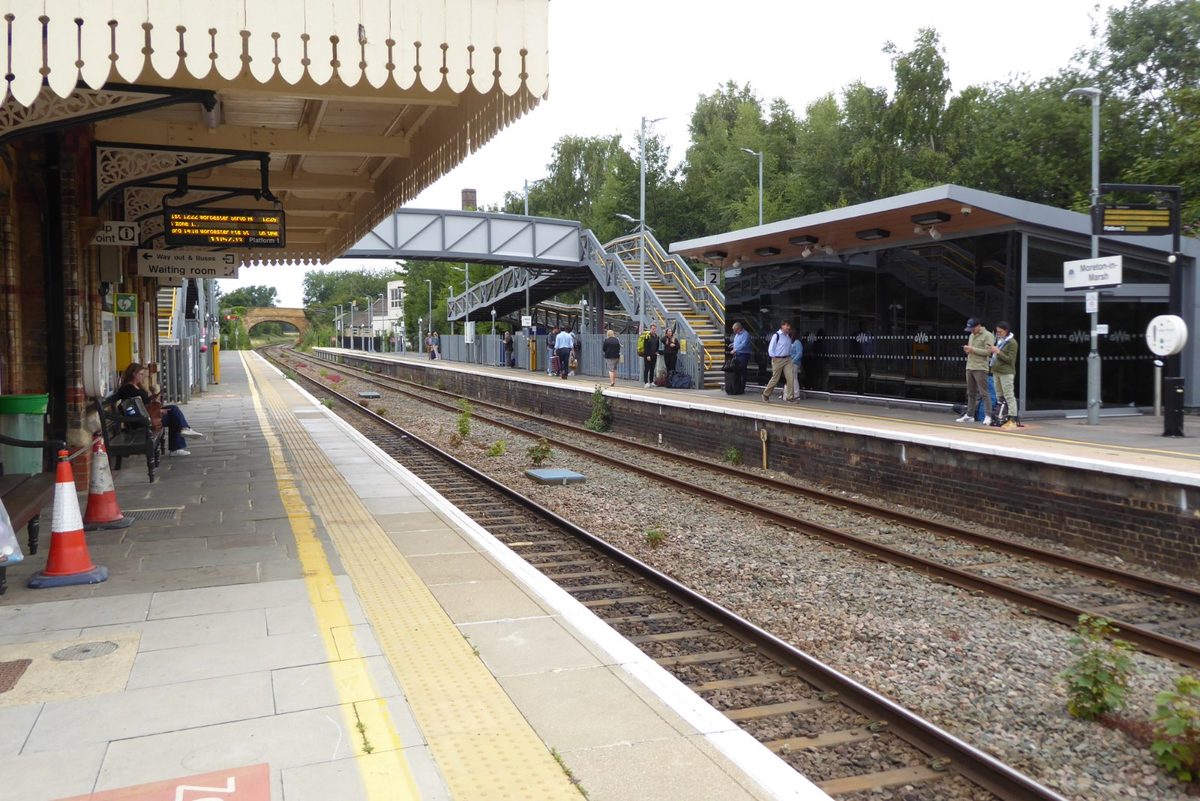
I’ll say it plainly: Moreton-in-Marsh is the single most useful place in the Cotswolds for anyone without a car, and it’s the answer to about 80% of the “how do I do this” emails I get. It’s a proper, handsome Cotswold market town with a wide High Street, a Tuesday market that’s been running for centuries — and a mainline station right in the middle of it. That combination is almost unique here.
The station sits on the Cotswold Line, run by Great Western Railway, with direct trains to and from London Paddington. As of 2026 the fastest services do it in around 1 hour 27 minutes and the typical journey is roughly 1 hour 40, with something like 30-odd trains a day each way. You can also reach it directly from Oxford (around 35 minutes), Worcester, and — with a change — Reading. (Always check live times on National Rail before you travel; the figures here are ballpark, as of 2026.)
Why does this matter so much? Because the Pulhams 801 bus to Stow, Bourton and Cheltenham picks up from right outside the station. You step off the train, walk a few metres, and you’re on the bus to the famous villages. No taxi, no transfer, no car. That’s the dream, and Moreton delivers it. For where to actually sleep, I send people to my where to stay in the Cotswolds guide — but if you’re car-free, weigh Moreton heavily.
Charlbury and Kingham — pretty, quiet, and on the line
Also on the Cotswold Line are Charlbury and Kingham, plus the little request-style stops at Shipton and Ascott-under-Wychwood. Charlbury is a lovely, low-key village in its own right and an easy car-free base if you want somewhere quieter than Moreton. Kingham station sits a little outside Kingham village but is well set up for cyclists — bike hire is available nearby, which turns the surrounding lanes into a genuinely viable car-free option. Neither has the bus connectivity of Moreton, though, so you’ll lean more on walking and cycling.
Kemble — your way into Cirencester and the south Cotswolds
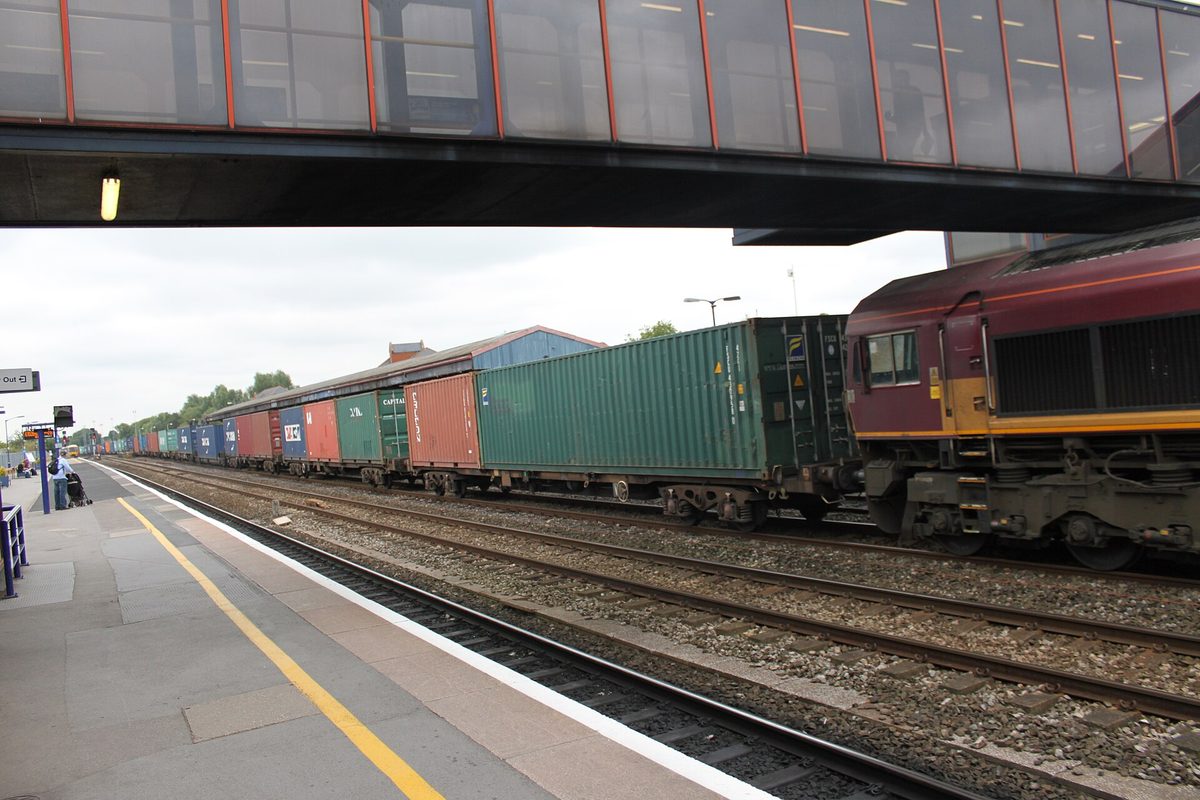
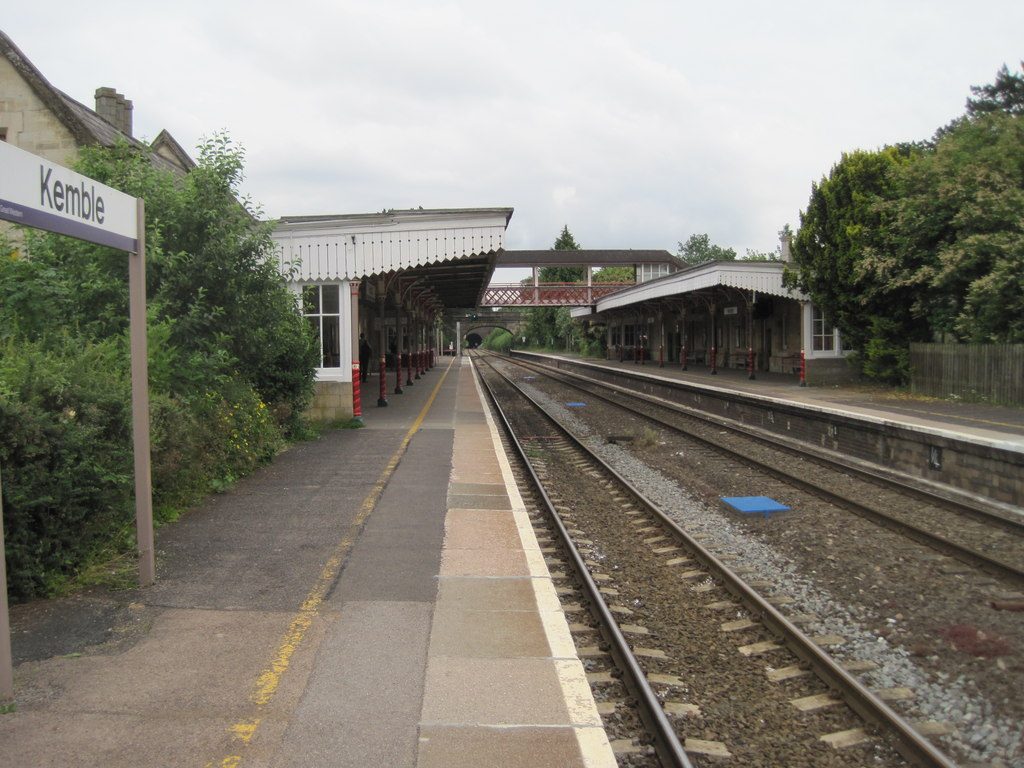
Over on the other railway (the line between Swindon and Gloucester/Cheltenham), Kemble is the station for Cirencester, the “capital of the Cotswolds.” There’s no station in Cirencester itself, so you’ll arrive at Kemble and take a short bus or taxi onward. From Kemble and Cirencester you’re in reach of the southern villages and the Pulhams 855 bus network.
Stroud and Cheltenham Spa — the western edge
Stroud is a working Cotswold town with a mainline station, and it’s your gateway to the western valleys — Painswick, Nailsworth and Minchinhampton are all reachable from here by local bus. Cheltenham Spa, a Regency town just off the escarpment, is the western anchor of the Pulhams 801 and the launch point for buses to Winchcombe and the Cotswold Way. Neither is the postcard Cotswolds itself, but both are genuinely useful hinges for a car-free trip — and Cheltenham has a good range of places to stay.
A quick note on coaches: if you’re coming from further afield and watching the budget, National Express and Megabus serve Cheltenham and other regional hubs. I cover the trade-offs in my England coach travel guide — but for getting between Cotswold villages, the local buses below are what you need.
The Bus Routes That Make Car-Free Cotswolds Work
This is the heart of it. Trains get you to the edge; buses get you to the villages. And in the central Cotswolds, two Pulhams Coaches routes do most of the heavy lifting. Pulhams has been running buses around here since 1934, so this is not some fragile pilot service — it’s the backbone.
Pulhams 801 — the spine of the central Cotswolds
If there is one bus number to memorise, it’s the 801. It runs between Cheltenham and Chipping Norton, threading through Moreton-in-Marsh, Stow-on-the-Wold and Bourton-on-the-Water along the way. This single route connects the three places most people picture when they think “Cotswolds.”
Rough journey times from Moreton-in-Marsh, as of 2026:
- Stow-on-the-Wold: around 20 minutes
- Slaughter Pike (about a 10-minute walk down to Lower Slaughter): a little beyond Stow
- Bourton-on-the-Water: around 30 minutes
- Chipping Norton: around 20 minutes in the other direction
From the Cheltenham end, the bus reaches Bourton in roughly 45 minutes. Frequency is the good news: it runs roughly hourly through the day, with extra peak buses around Cheltenham, and — crucially for weekend visitors — there’s an all-year-round Sunday and bank holiday service running roughly every two hours between Moreton and Cheltenham. That Sunday service is rarer than you’d think in rural England, and it’s a big reason I keep steering car-free travellers to this corridor. Verify the current timetable directly with Pulhams Coaches and cross-check on Traveline before you build a day around it.
Pulhams 855 — reaching Bibury and Cirencester
The 855 is the other route worth knowing. It links Bourton-on-the-Water with Northleach, Bibury and Cirencester. From Bourton, expect roughly 15 minutes to Northleach, around 35 minutes to Bibury and around 55 minutes to Cirencester (all approximate, as of 2026). This is how you reach Bibury — that impossibly photographed row of weavers’ cottages — without a car: take the 801 to Bourton, then change onto the 855. It works, but it’s a two-bus journey with a connection, so check both timetables line up, and don’t leave Bibury so late that you miss the last bus back.
The honest bit about Cotswold buses
Now the limits, because pretending they don’t exist is how people get stranded. The 801 and 855 are the good news. Beyond them, many smaller Cotswold villages have only two to four buses a day, and a fair number have a near-zero service on Sundays and bank holidays. Some routes are “demand-responsive” community minibuses or run only on certain weekdays. So the rule of thumb is simple: build your trip around the 801 corridor (Moreton–Stow–Bourton–Cheltenham) and treat anything off it as a bonus that requires its own timetable check. The fares are reasonable, helped by the national £3 single-fare cap that, as of 2026, is in place into 2027 — but it’s frequency, not price, that constrains you here.
For the bigger picture of doing England this way — passes, planning apps, the national fare cap, the general mindset — I lean on two companions: my travel around England without a car overview and the England transport hub. The Cotswolds are one of the harder regions to do car-free, so the general strategy there is well worth a read before you commit.
A Realistic Car-Free Cotswolds Plan (1–2 Days)
Let me turn all of that into an actual itinerary you could follow. This assumes you base in Moreton-in-Marsh, which I’d recommend for a first car-free trip. If you want a fuller, more flexible two-day route — including the car version — see my dedicated 2-day Cotswolds itinerary; what follows is the car-free-specific version.
Day one: arrive, settle, and do Stow
Take a morning train to Moreton-in-Marsh — from London Paddington it’s around 1 hour 40. Drop your bags, walk the wide High Street, grab lunch, and get your bearings (and a paper bus timetable if the information point has one; I always do, as a backup to my phone).
In the afternoon, catch the 801 to Stow-on-the-Wold — about 20 minutes. Stow is small, walkable and gorgeous: a big market square, antique shops, and that famous yew-flanked north door of St Edward’s Church. Have an early dinner here or head back to Moreton on the 801. Because the 801 is roughly hourly, you’ve got real freedom on day one — this is the easy part of car-free Cotswolds.
Day two: Bourton, the Slaughters, and a walk
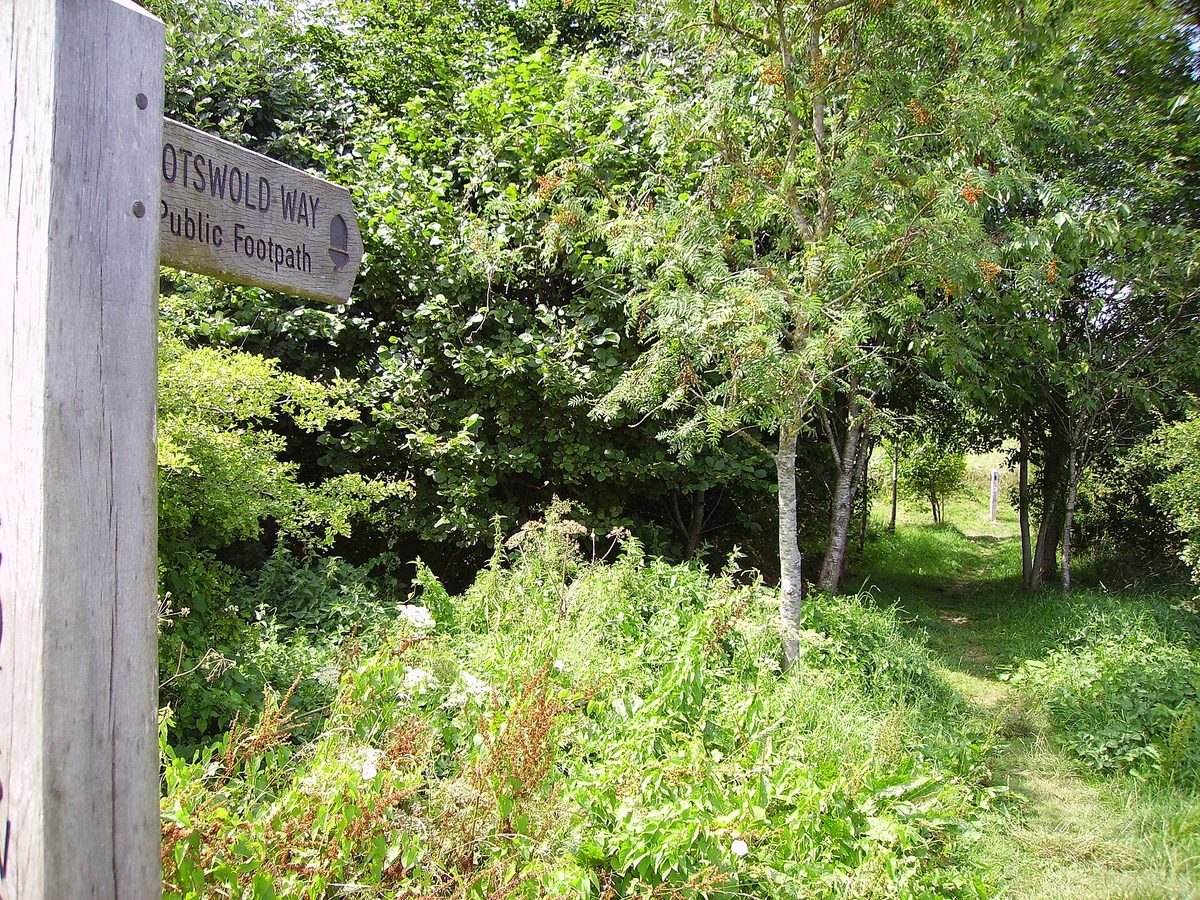
This is where I’d build in a walk, because walking is the secret weapon of car-free Cotswold travel — it frees you from waiting for the next bus. Take the 801 toward Bourton-on-the-Water, but consider getting off at Slaughter Pike and walking the 10 minutes or so down into Lower Slaughter, then on to Upper Slaughter. These two hamlets have essentially no bus service of their own, so walking in is genuinely the best way to see them car-free.
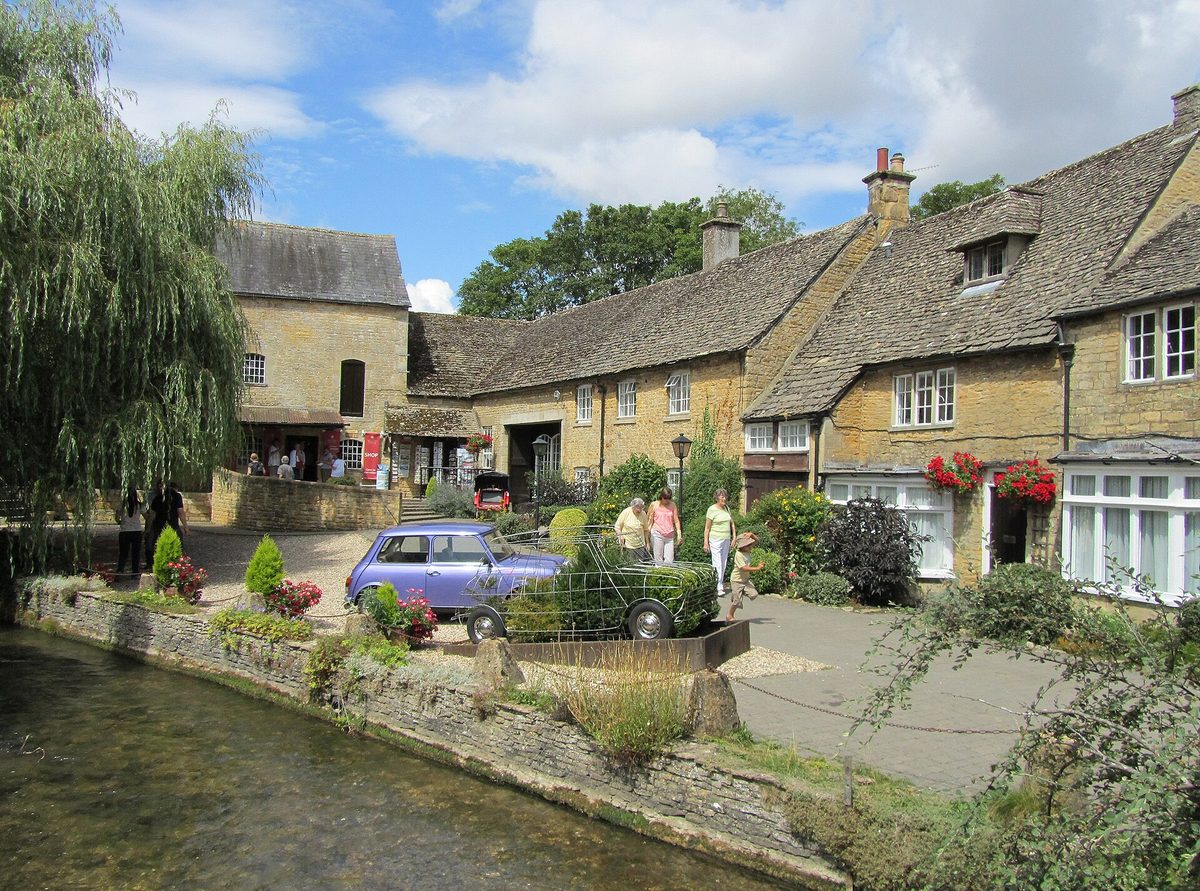
From the Slaughters, walk on into Bourton-on-the-Water — the “Venice of the Cotswolds,” with its low bridges over the River Windrush. It’s the most touristy of the bunch, but the river through the green is lovely, and there’s plenty to eat. When you’re done, the 801 takes you straight back to Moreton (around 30 minutes), or onward to Cheltenham if you’re leaving from there.
If you have an appetite for more walking — and the Cotswolds reward it enormously — the Stow-to-Bourton path (around 4 miles one way) is a classic, and my Cotswolds walks guide has more routes that connect villages on foot so you’re not hostage to the timetable.
Stretching it: adding Bibury or Cirencester
With a third day, or by sacrificing the walk, you can add Bibury via the 801-then-855 combination through Bourton, or head to Cirencester (855 from Bourton, or train to Kemble and a short hop in). Just respect the connection times and the last buses back. For the question of which villages are most worth your limited car-free time, my Cotswolds village guide ranks them honestly.
Backup Plans: Taxis, Tours, and Bikes
Even with a perfect plan, car-free Cotswolds travel benefits from a Plan B. Here are the three I actually use.
Local taxis for the last mile
For the villages with no useful bus — or for the awkward gap between a station and your accommodation — a pre-booked local taxi is your friend. Kemble-to-Bibury is the classic example: many people train to Kemble and taxi the rest. Save a couple of local taxi numbers before you arrive, because you won’t always get a signal to summon one on the spot, and rural firms can be fully booked at weekends. Budget for it; it’s the price of reaching the places buses don’t.
Guided tours from the stations
If the timetable juggling sounds exhausting, hand the problem to someone else for a day. Several small-group tour operators meet you at the train station — Moreton-in-Marsh and Kingham are common pick-up points — and drive you between villages the buses can’t easily link, including Bibury and the Slaughters. It’s the most efficient way to see a lot of “no-bus” villages in one car-free day. I’d use a tour as a strategic supplement to a train-and-bus trip, not as the whole holiday — but for cramming in the hard-to-reach gems, it’s hard to beat.
Cycling the lanes
Finally, bikes. The Cotswolds are hilly, so I won’t pretend it’s all freewheeling, but e-bike hire has changed the game, and several towns (Kingham is well set up for this) offer hire or delivery. On a bike you can reach the Slaughters, quiet hamlets and field paths entirely under your own steam — no timetable at all. If you’re confident on rural roads, a day on an e-bike is one of the most liberating ways to do the car-free Cotswolds.
A note on the obvious alternative: yes, you could just hire a car for one day of your trip to mop up the hard-to-reach villages. If you go that route, my car hire guide covers the practicalities. But this article is about doing it without — and you genuinely can.
How the Cotswolds Fit Into a Bigger Car-Free England Trip
Most people don’t visit the Cotswolds in isolation. The good news is that the Cotswold Line connects neatly to Oxford and onward to London, so the region slots cleanly into a wider rail-based route. If you’re staying in the capital and only have a day, I’d honestly point you to my Cotswolds day trip from London guide rather than trying to base here for a single day — a guided day trip often makes more sense than a frantic train-and-bus dash.
For longer trips, think about timing and rail passes. Spring and early autumn give you the best balance of open services and decent weather (my best time to visit England guide breaks down the seasons), and if you’re doing a lot of train travel, it’s worth checking whether a rail pass pays off — see England rail passes. To see where the Cotswolds sit among the country’s other highlights, my best places to visit in England and the master England planning guide put it all in context, and the England itinerary ideas show how to string regions together by rail.
Final Thoughts
The Cotswolds will never be the easiest place in England to explore without a car — the geography and the sparse rural timetables see to that. But “not the easiest” is a long way from “not worth it.” Base yourself in Moreton-in-Marsh, learn the Pulhams 801 like it’s your local Tube line, lace up your walking boots for the Slaughters, and keep a taxi number and maybe one guided-tour day in your back pocket. Do that, and you’ll wander honey-stone villages, ride a country bus past dry-stone walls, and never once hunt for a parking space.
If you remember only one thing, make it this: in the Cotswolds, the timetable is your itinerary. Plan around the bus, not the other way round, and the car-free version of this region is not a compromise — it’s a slower, greener, frankly lovelier way to see it. For everything beyond getting around, my Cotswolds travel guide ties the whole region together.
Research and Source Notes
Routes, journey times and frequencies in this article were drawn from operator and official sources and should be treated as approximate “around / as of 2026” figures — always verify live before travelling.
- Train times and stations: National Rail and Great Western Railway timetables for the Cotswold Line (Moreton-in-Marsh, Charlbury, Kingham, Shipton, Ascott-under-Wychwood) and the Kemble/Stroud/Cheltenham Spa line.
- Bus routes and frequencies: Pulhams Coaches service 801 (Cheltenham–Moreton–Stow–Bourton–Chipping Norton) and 855 (Bourton–Northleach–Bibury–Cirencester), cross-checked against Traveline and bustimes.org.
- Car-free planning and discounts: the official Cotswolds.com car-free travel pages and the Cotswold Line Promotion Group.
- Fares: the national £3 single-fare bus cap in England, in place into 2027 as of 2026.
Timetables change, services get cut and added, and Sunday provision is especially volatile in rural Gloucestershire and Oxfordshire — so use this as a planning framework, not a guarantee, and confirm each leg before you set out.
Photo Credits
- A Great Western Railway train at Moreton-in-Marsh station, the best base for the Cotswolds without a car — Photo: Philip Halling / CC BY-SA 2.0 via Wikimedia Commons. Source
- A Cotswold Line train running through green Cotswold countryside between Oxford and Worcester — Photo: Tejvan Pettinger / CC BY 2.0 via Wikimedia Commons. Source
- The willow-lined River Windrush running through the centre of Bourton-on-the-Water — Photo: Bin im Garten / CC BY-SA 3.0 via Wikimedia Commons. Source
- The historic market square of Stow-on-the-Wold ringed by honey-coloured Cotswold stone buildings — Photo: Kevin Hale / CC BY-SA 2.0 via Wikimedia Commons. Source
- Kemble railway station platform, the rail gateway for Cirencester and the southern Cotswolds — Photo: Nigel Thompson / CC BY-SA 2.0 via Wikimedia Commons. Source
Frequently asked questions
Can you really visit the Cotswolds without a car?
Yes. Base yourself somewhere with a train station — Moreton-in-Marsh is ideal — and use the Pulhams 801 and 855 buses plus walking. You’ll reach Stow, Bourton, the Slaughters, Northleach and Bibury car-free. The catch is frequency, not possibility: plan around the timetable, especially on Sundays, and the Cotswolds are entirely doable without driving.
What’s the best base for a car-free Cotswolds trip?
Moreton-in-Marsh, without much competition. It’s the rare Cotswold market town with a mainline station in the centre, direct trains to London and Oxford, and the Pulhams 801 bus leaving from right outside. Charlbury and Kingham are quieter alternatives on the same line, and Cheltenham Spa works as a western base with good onward buses.
How do you get from Moreton-in-Marsh to Bourton-on-the-Water without a car?
Take the Pulhams 801 bus, which picks up just outside Moreton-in-Marsh station. It reaches Bourton-on-the-Water in around 30 minutes (as of 2026), stopping at Stow-on-the-Wold and near the Slaughters on the way. The 801 runs roughly hourly, including a reduced Sunday and bank holiday service — always confirm current times with Pulhams or Traveline.
Can you get to Bibury without a car?
Yes, but it takes two buses. From the central Cotswolds, ride the Pulhams 801 to Bourton-on-the-Water, then change to the 855, which passes through Bibury on its way to Cirencester (around 35 minutes from Bourton). Alternatively, train to Kemble and take a taxi. Check the connection times carefully and note the last buses back.
Do Cotswold buses run on Sundays?
Some do, many don’t. The standout is the Pulhams 801 (Moreton–Stow–Bourton–Cheltenham), which has an all-year-round Sunday and bank holiday service roughly every two hours. Most smaller village routes have little or no Sunday service. If your trip includes a Sunday, build it around the 801 corridor and verify every other route in advance.
Is it cheaper to do the Cotswolds without a car?
Often, yes — you skip car hire, fuel and parking. As of 2026, a national £3 single-fare bus cap (in place into 2027) keeps individual bus journeys cheap, and advance train tickets can be very reasonable. Your real cost is time and the occasional taxi for no-bus villages, not money. Compare against hire-car costs in my renting-a-car guide.