Sheet 96 · Cotswolds Travel Guide · 14 min read
2 Day Cotswolds Itinerary
A realistic Cotswolds itinerary 2 days plan: which villages, in what order, how long at each, where to overnight, plus 1-day and 3-day variants.
 Sheet 96
Contents 9 sections
I’ve driven these lanes more times than I can count, and the single biggest mistake I see people make is trying to cram ten villages into a weekend. They end up with a phone full of photos and no actual memory of anywhere. So let me save you that fate.
This Cotswolds itinerary 2 days plan is built around one idea: do three or four villages properly, sleep once in the middle, and drive a tight loop so you’re never doubling back. Base yourself in the north — around Stow-on-the-Wold, Bourton-on-the-Water, or Moreton-in-Marsh — and the whole thing falls into place. Below is the day-by-day route, honest timings, plus shorter and longer variants.
Quick Answer: The Best Cotswolds Itinerary 2 Days Route
The best Cotswolds itinerary 2 days route loops the north: Day 1 covers Stow-on-the-Wold, the Slaughters, and Bourton-on-the-Water; Day 2 takes in Broadway and Chipping Campden, with Bibury optional. Sleep one night near Stow or Bourton. Drive times stay under 30 minutes between stops.
That’s the version I’d hand a friend. Now here’s the longer version, with the reasoning, the timing, and the bits the other guides skip.
If you remember only one thing, make it this: two days means three or four villages done well, not ten in a blur. The Cotswolds reward slowness. A village you actually walked through, sat down in, and had a coffee in will stay with you. A village you photographed from the car park will not.
For the wider picture — best time of year, getting here from London, the full lay of the land — start with the Cotswolds travel guide. This article is purely about the route.
At a Glance: Your 2-Day Cotswolds Loop
Here’s the whole weekend on one screen. Drive times below are honest door-to-door figures (as of 2026) on the narrow B-roads — not the optimistic ones a sat-nav flashes before it meets a tractor.
| Day | Villages, in order | Drive between stops | Highlight |
|---|---|---|---|
| Day 1 (morning) | Stow-on-the-Wold | — (start here) | Market square and antique shops before the crowds |
| Day 1 (midday) | Lower & Upper Slaughter | ~8 min from Stow | Riverside walk, the prettiest quiet corner |
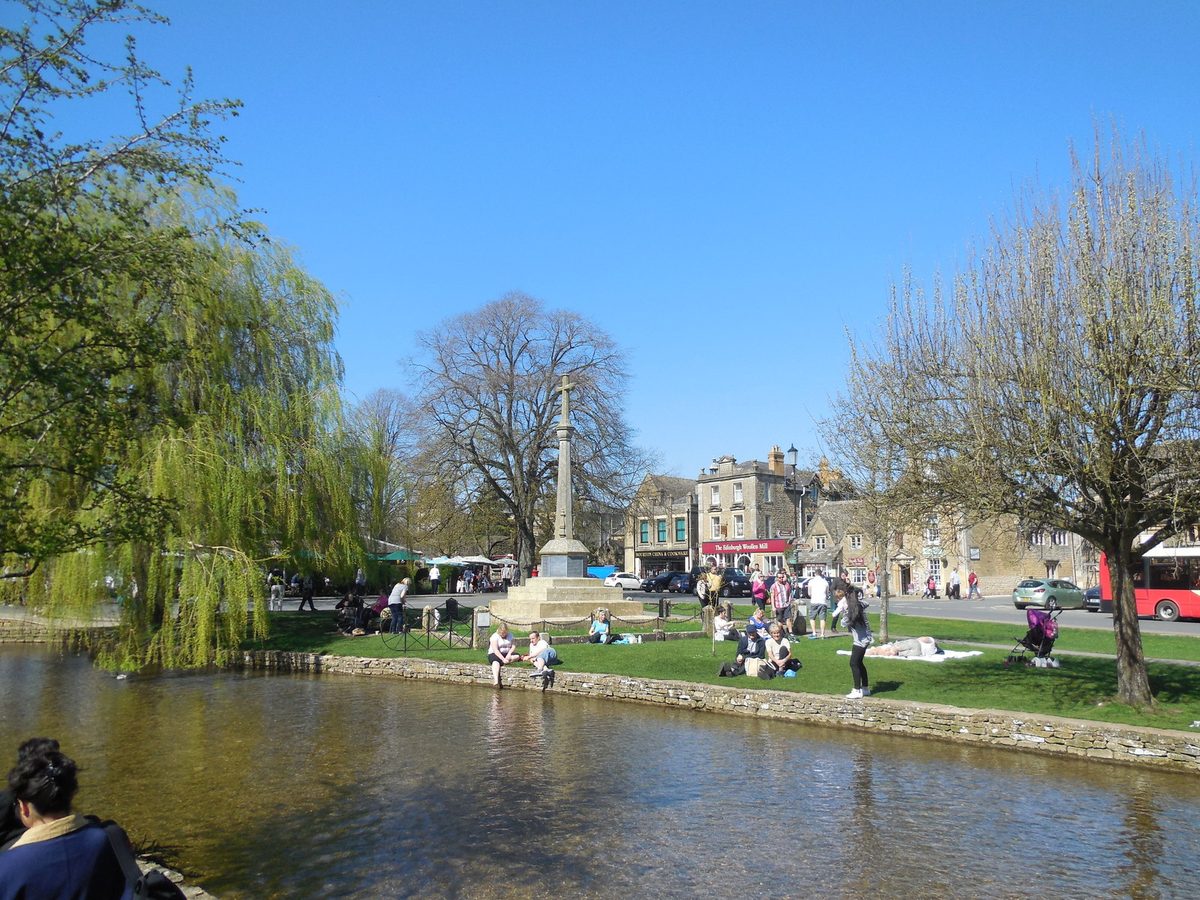
| Day 1 (afternoon) | Bourton-on-the-Water | ~6 min from the Slaughters | Footbridges over the Windrush, late-afternoon calm |
| Day 1 (evening) | Back to base (Stow/Bourton) | ~5–10 min | Pub dinner, early night |
| Day 2 (early) | Broadway | ~20 min from Stow | Broad high street, optional Broadway Tower |
| Day 2 (late morning) | Chipping Campden | ~10 min from Broadway | The finest market hall in the Cotswolds |
| Day 2 (afternoon) | Bibury (optional) | ~35–40 min south | Arlington Row — only if you fancy the detour |
The map logic is simple. Day 1 stays within a tight 10-minute triangle (Stow, the Slaughters, Bourton). Day 2 swings northwest to the Broadway/Campden pair, which sit close together. Bibury is the one outlier — it’s genuinely lovely, but it’s a 35-to-40-minute drive south, so I’ve marked it optional. More on that call below.
For deeper portraits of each village — which ones are worth your time and why — see my guide to the village-by-village rundown. I’ll keep the descriptions here brief so we can focus on timing and the route.
Where to Base Yourself (Pick One, Sleep Once)
You only sleep once on a two-day trip, so the choice of base matters more than people think. Get it right and both days flow outward from a single point. Get it wrong and you’ll waste an hour each morning just getting to the good bit.
Three towns work as your anchor:
- Stow-on-the-Wold — my default pick. It’s central, has the widest choice of pubs and B&Bs, and sits within a 10-minute drive of nearly everything on Day 1. It’s also less frantic than Bourton in the evenings.
- Bourton-on-the-Water — beautiful, but it empties of day-trippers by around 5pm and you get it almost to yourself. The catch: limited accommodation that books out fast. Lovely if you can get a room.
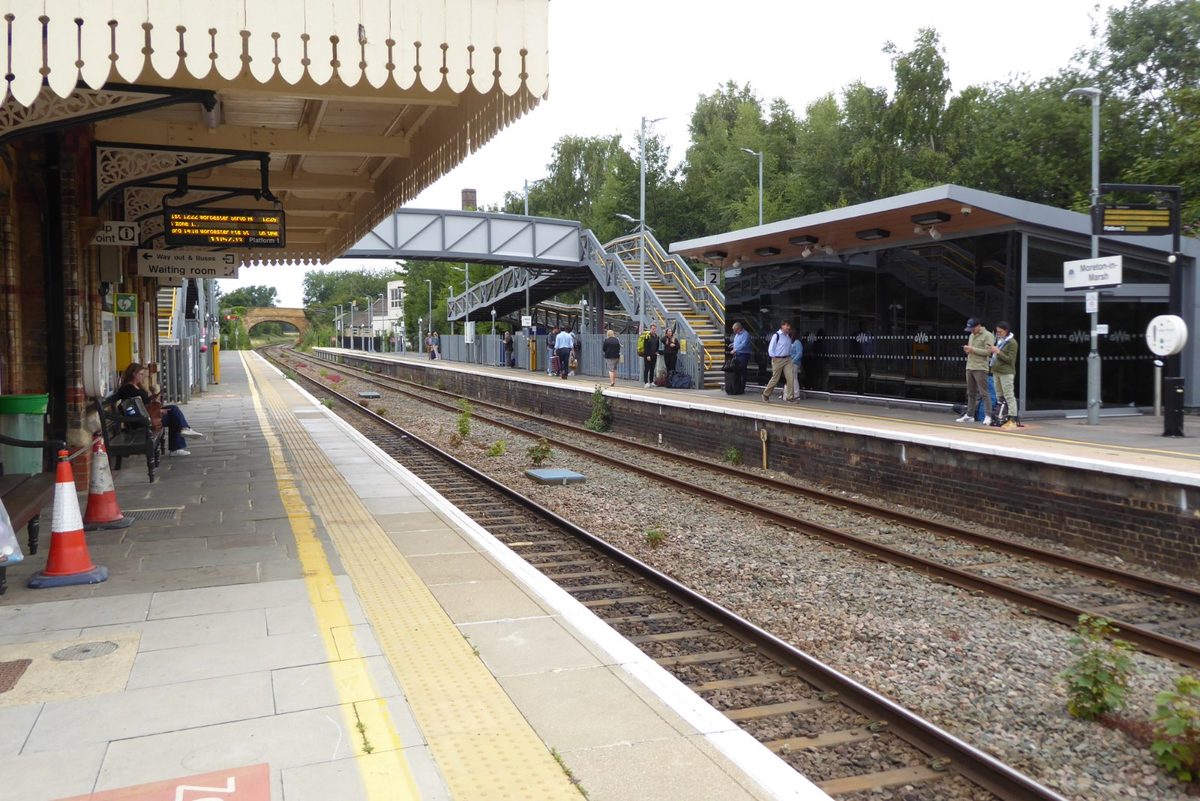
- Moreton-in-Marsh — the practical choice if you’re arriving by train, because it has the only mainline station in the heart of the north Cotswolds. A touch less chocolate-box, but well placed and easy.
Whichever you choose, book early — north Cotswolds rooms get snapped up months ahead in summer and on weekends. For the full rundown of areas, hotels, and B&Bs, I’ve put everything in Cotswolds accommodation. I won’t repeat the specifics here.
Day 1: The Stow–Slaughters–Bourton Triangle
This is the gentlest, prettiest, most compact day in the whole region, and that’s exactly why it goes first. Everything sits inside a small triangle, the driving is minimal, and you can build in a proper walk without ever feeling rushed.
Morning — Stow-on-the-Wold (around 1.5–2 hours)
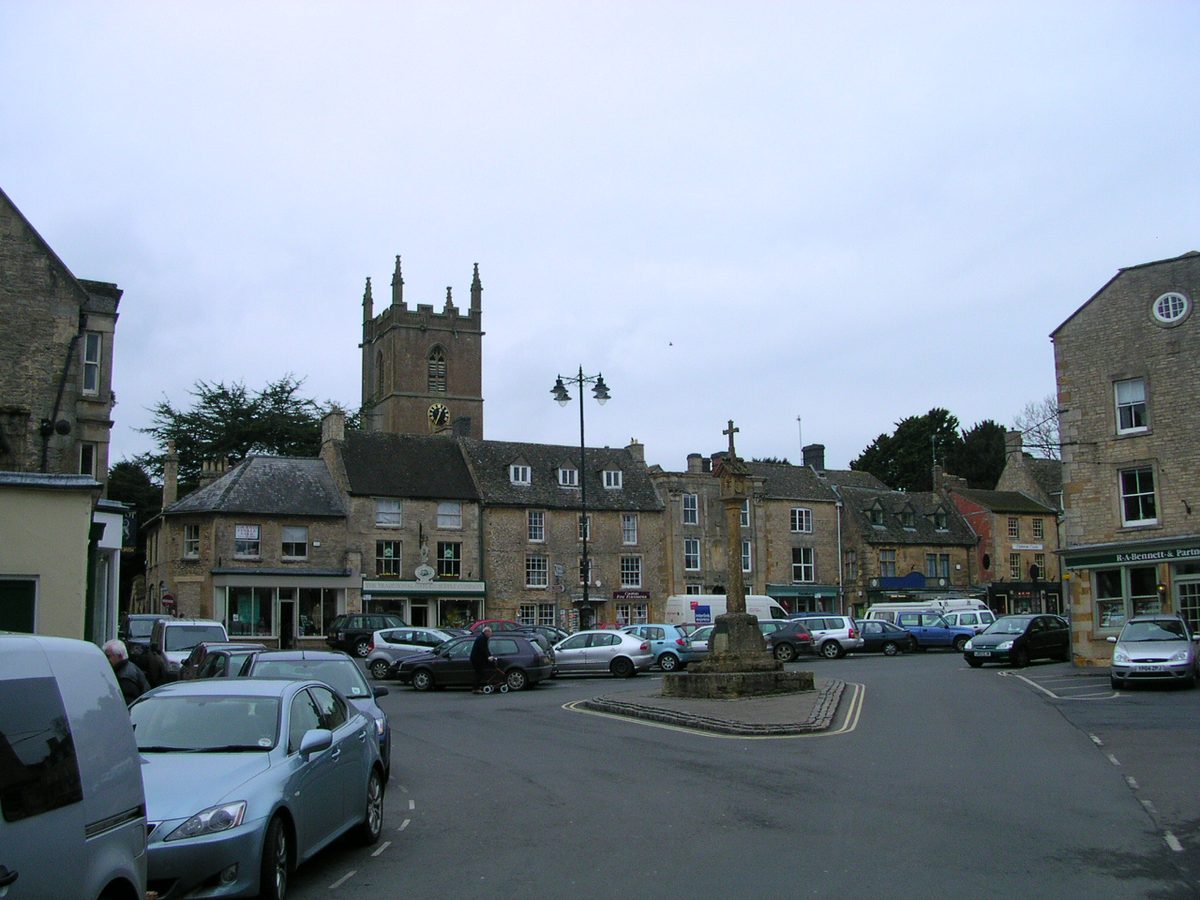
Start in Stow, ideally with the car parked and a coffee in hand by 9am. The market square is at its best early, before the coach groups arrive — antique shops, that famous yew-tree-flanked church door, and a slow browse with room to breathe.
Don’t over-plan it. Stow is a “wander and potter” town, not a tick-list one. Give it ninety minutes to two hours, grab a pastry, and move on while you’re still enjoying it. If you’re a keen walker, you can actually walk from Stow down to Bourton (about 4 miles one way) — but on a two-day trip I’d keep the car and save your legs for the Slaughters.
Midday — Lower and Upper Slaughter (around 1.5 hours, including the walk)
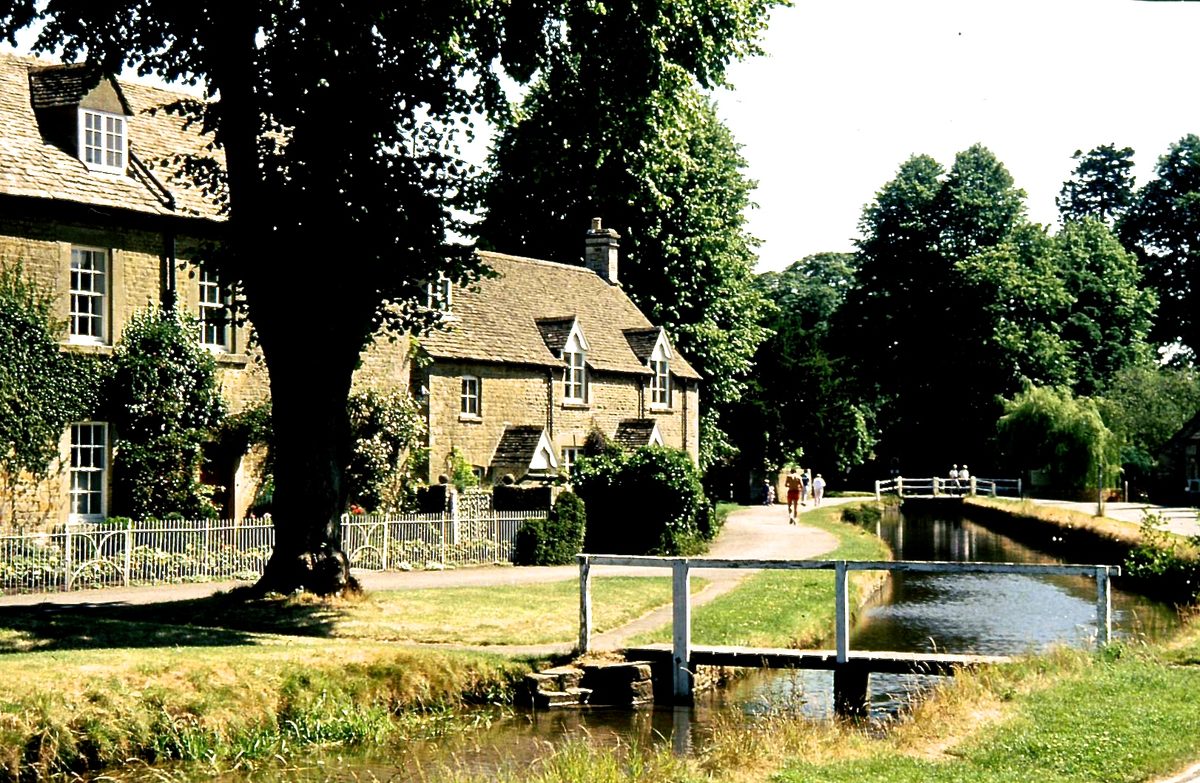
A short hop — under ten minutes — brings you to the Slaughters, and this is the quiet heart of the whole weekend. Park in Lower Slaughter (the name comes from an old word for a muddy place, nothing grislier) and walk the gentle riverside path up to Upper Slaughter and back. It’s roughly a mile each way, flat, and genuinely one of the loveliest short walks in England.
This is where the two-days-done-well philosophy pays off. The Slaughters have no shops, no crowds, no attractions to queue for — just a stream, a few footbridges, and honey-coloured cottages. Most rushed itineraries skip them entirely. Don’t. This hour will be the one you remember.
If you’d rather do the longer circular that links Bourton, Lower Slaughter, and Upper Slaughter on foot (around 5 to 6 miles, roughly 2.5 to 3 hours), that’s a brilliant option too — see my Cotswolds walking guide for the route. On a tight schedule, though, the short there-and-back is plenty.
Afternoon — Bourton-on-the-Water (around 2 hours)
Now the timing trick. Bourton-on-the-Water — the so-called “Venice of the Cotswolds,” with its low stone bridges over the shallow Windrush — is the most popular village in the region, and at midday in summer it can feel like a theme park. So you visit it last, in the late afternoon, as the day-trippers thin out.
Park at one of the larger car parks (Rissington Road on the south side is a good bet when the central ones fill). Walk the riverside green, let the kids paddle if you’ve brought them, and find a tea room or a bench. By around 4 or 5pm the village exhales, and you get to see why everyone wanted to come in the first place.
Travelling with little ones? Bourton has the Model Village, a motoring museum, and a small bird park, all walkable — I’ve gathered the family-friendly stops in Cotswolds with kids.
Evening — back to base
Drive the few minutes back to Stow or Bourton, clean up, and find a pub. A long, slow dinner in a low-beamed Cotswold pub is the correct end to Day 1 — I’ve rounded up my favourites in Cotswolds pubs and tea rooms. Book a table on a weekend; the good ones fill.
Day 2: Broadway and Chipping Campden
Day 2 swings to the northwest corner, to a pair of villages that sit close together and have a slightly different character — grander, with more of a history-and-views feel than Day 1’s stream-and-cottage charm.
Early — Broadway (around 1.5–2 hours)
Aim to be in Broadway by around 9:30am. It’s about a twenty-minute drive from Stow, and the early start matters here too — Broadway’s wide, elegant high street (the “broad way” of the name) is a pleasure to stroll before the crowds, lined with galleries, smart shops, and tea rooms.
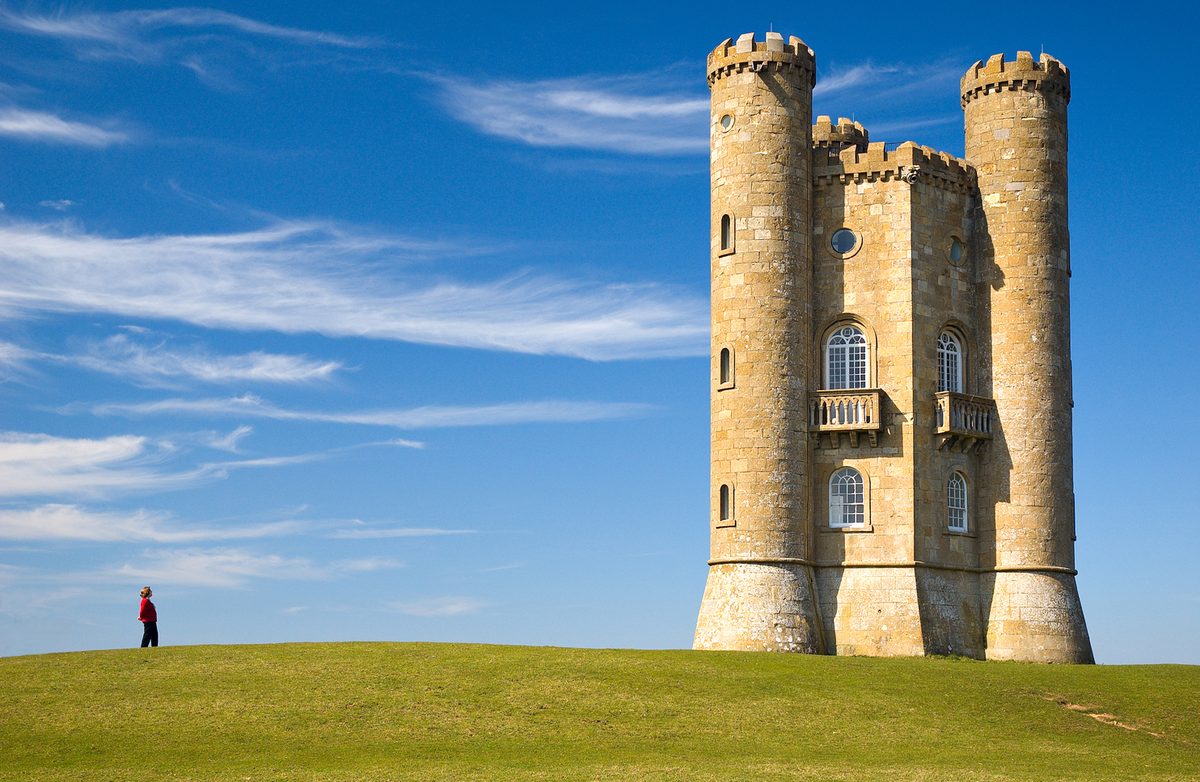
If the weather’s clear and you fancy a view, Broadway Tower sits on the hill just above the village — a folly with one of the best panoramas in the Cotswolds, said to see across more than a dozen counties on a good day. It’s a short drive up or a stiff-ish walk; budget an extra hour if you go. On a tight two-day plan it’s a nice-to-have, not a must.
Late morning — Chipping Campden (around 1.5–2 hours)
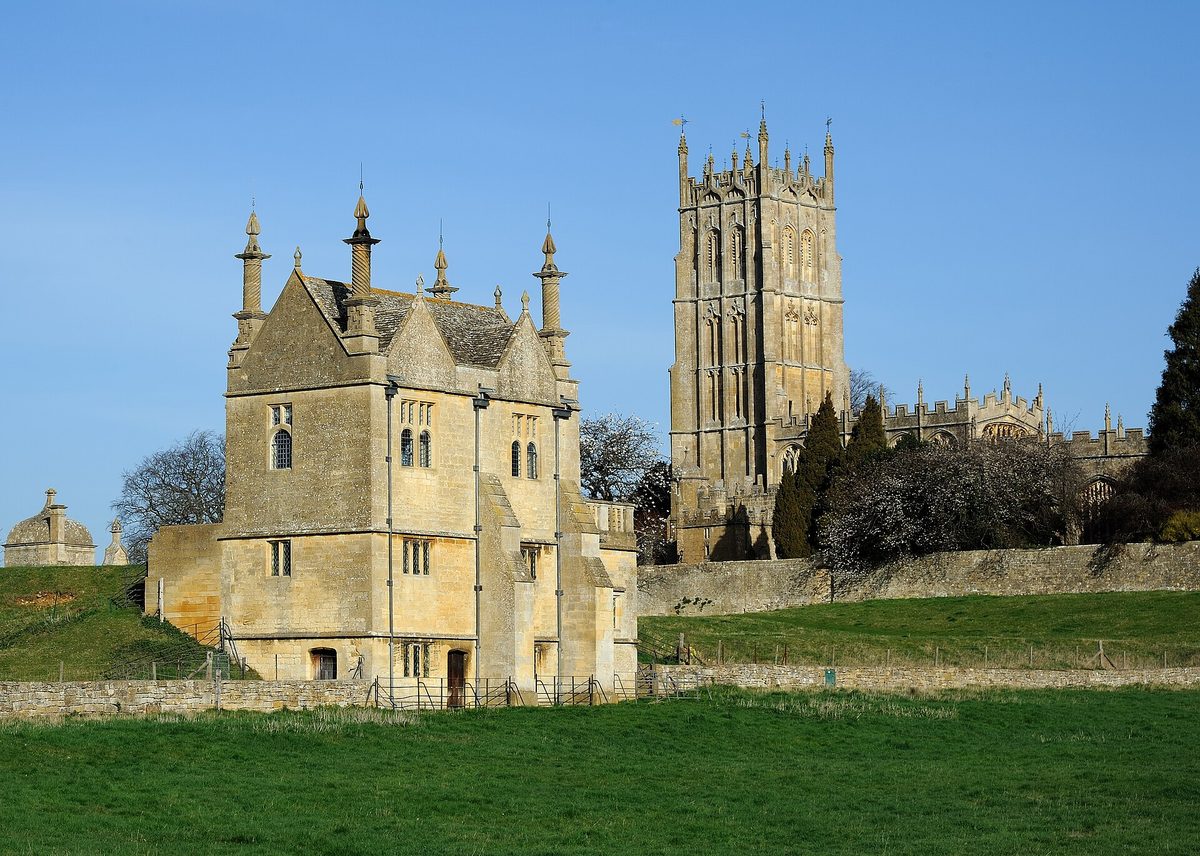
A ten-minute drive northeast brings you to Chipping Campden, and it’s my personal favourite of the market towns. The curving high street is honey-gold and almost entirely unspoiled, anchored by the 17th-century Market Hall — the finest in the region, and free to wander through.
This is another potter-and-browse town: independent shops, the old wool-trade architecture, a fine church at the top end. Have lunch here. Give it the same ninety minutes to two hours you’d give Stow, and resist the urge to rush off to “one more village.”
Afternoon — Bibury, or call it a day
Here’s the honest fork in the road. Bibury, with its much-photographed Arlington Row of weavers’ cottages, is genuinely beautiful — but it’s a 35-to-40-minute drive south of Campden, in a slightly different part of the Cotswolds. On a two-day loop, that detour costs you the better part of an afternoon there and back.
My honest advice: if you started early, moved efficiently, and you’re not flying out that evening, Bibury makes a lovely final flourish — arrive late afternoon and you’ll dodge the worst of the crowds and tour buses that swamp it midday. But if you’re tiring, or you’ve got a long drive home, skip it without guilt. You’ll have seen four lovely places properly. That beats five seen in a hurry every time.
Whatever you decide, don’t try to add Burford, Bibury, and Cirencester onto this day. That’s the trap. Pick at most one southern village or save the south for a future trip.
If You Only Have 1 Day in the Cotswolds
Sometimes two days isn’t on the cards — you’re doing the region as a long day from a base elsewhere, or you’ve only got 24 hours. It’s tight, but very doable if you’re disciplined.
Stick to the Day 1 triangle and nothing more: Stow-on-the-Wold mid-morning, the Slaughters around midday with the short riverside walk, and Bourton-on-the-Water in the afternoon. Three stops, almost no driving, and you’ll have genuinely tasted the Cotswolds rather than skimmed them. Add Lower Slaughter’s walk and you’ve got the best of the area in a single, unhurried day.
If your single day is starting from the capital, the logistics are different — pickup points, tour options, and timings all change. I’ve covered that scenario in detail in the Cotswolds day trip from London guide; don’t try to map this driving itinerary onto a train-and-bus day from town.
Stretch It to 3 Days
Got a third day? Brilliant — this is where the Cotswolds really open up, and the difference between two and three days is bigger than it sounds. Three days lets you slow down and reach further, without the breathless feeling.
Keep Days 1 and 2 exactly as above, then on Day 3 head south to the part of the region the weekend loop has to skip:
- Bibury for Arlington Row (now you’ve got time for it properly)
- Burford — a gorgeous, steeply sloping high street down to the River Windrush, often called the gateway to the Cotswolds
- Bourton-area gardens or a castle — Sudeley Castle near Winchcombe, or one of the great gardens, makes a good anchor for the day
Alternatively, use Day 3 to swap “more villages” for “more depth”: a longer walk between villages, a leisurely afternoon tea, a single garden visited slowly. With three days you can afford to do less, better — which is the whole Cotswolds ethos anyway.
If you’re folding the Cotswolds into a bigger trip, it slots neatly into a wider loop of the country — see the 7-day England itinerary or, for a gentler pace, the gentler England route.
A Few Practical Notes on the Route
You’ll want a car. This loop is built for driving, and honestly the Cotswolds are awkward without one — buses exist but they’re slow and infrequent between villages. If you’re picking up a hire car, car hire in England covers the basics, and England road trips has the wider context. If you’d rather not drive, the route changes completely; see the Cotswolds by bus and train for a train-and-bus version of the weekend.
The roads are narrow and slow. Single-track lanes, blind bends, the odd tractor or horse. Drive times look short on a map but add a buffer — and don’t plan to “just pop” to a fifth village. There’s no popping in the Cotswolds.
Mornings and late afternoons are gold. The honeypot villages — Bourton, Bibury, Broadway — fill with day-trippers and coaches roughly between 10am and 4pm. Front-load your visits or back-load them. This single habit transforms the trip.
Weekends are busiest. A “Cotswolds weekend itinerary” is lovely but you’ll share it with everyone else who had the same idea. Midweek is noticeably calmer if you can swing it. For when to come across the year, best time to visit England has the seasonal detail.
Final Thoughts
A weekend in the Cotswolds is one of the loveliest short breaks in England, and the secret to enjoying it is restraint. The villages aren’t a checklist to be conquered; they’re places to slow down in. Park the car, walk a riverside path, sit in a pub, watch the light go gold on the stone. Do that across three or four villages and you’ll come home properly rested rather than frazzled.
So pick your base, take the north Cotswolds loop above, front-load the busy spots into the quiet hours, and leave Bibury for a future trip if the clock’s against you. Two days, done well, is genuinely enough to fall for this corner of England.
For everything beyond the route — the villages in detail, where to sleep, the best walks, doing it without a car — start from the Cotswolds travel guide and branch out. And if this is one stop on a bigger journey, the best places to visit in England will help you build the rest.
Research and Source Notes
This itinerary is shaped by my own repeated trips through the north Cotswolds, cross-checked against current travel guidance and forum discussion (as of 2026). Drive times are honest door-to-door estimates on the region’s narrow B-roads rather than optimistic sat-nav figures, and crowd-timing advice reflects the widely reported pattern of day-trippers and coach groups filling honeypot villages roughly between 10am and 4pm.
Key points were verified against several sources, including itinerary and base-town guidance from On the Luce (ontheluce.com), Explore the Cotswolds (explorethecotswolds.com), and Loving the Cotswolds (lovingthecotswolds.com); the Stow-versus-Bourton base comparison and parking notes from the Rick Steves travel forum (community.ricksteves.com) and Bon Traveler (bontraveler.com); and the Slaughters walk details from AllTrails (alltrails.com) and Explore the Cotswolds (explorethecotswolds.com). Prices and opening details change — always confirm directly before you travel.
Photo Credits
- Honey-stone cottages and footbridges over the River Windrush, the heart of a Cotswolds itinerary 2 days route — Photo: Paul Gillett / CC BY-SA 2.0 via Wikimedia Commons. Source
- The market square at Stow-on-the-Wold, an ideal base for a Cotswolds weekend itinerary — Photo: Charlesdrakew (CC0) via Wikimedia Commons. Source
- The quiet stream and stone footbridges of Lower Slaughter, the calm heart of day one — Photo: Anthony O’Neil / CC BY-SA 2.0 via Wikimedia Commons. Source
- The 17th-century stone Market Hall on the high street of Chipping Campden — Photo: Saffron Blaze / CC BY-SA 3.0 via Wikimedia Commons. Source
- Broadway Tower on its hilltop above the village, a panoramic stop on day two — Photo: Newton2 Edit by: Arad / CC BY 2.5 via Wikimedia Commons. Source
Frequently asked questions
Is 2 days enough for the Cotswolds?
Yes, comfortably — for a first taste. Two days lets you see three or four villages properly with one overnight, which is far more satisfying than racing through eight. You won’t see everything (no one does in a weekend), but you’ll get a real feel for the north Cotswolds. For more depth and the southern villages, stretch to three days.
How many Cotswolds villages can you see in 2 days?
Realistically, four to six if you’re efficient and have a car — but I’d aim for four done well rather than six rushed. My route covers Stow, the Slaughters, and Bourton on Day 1, then Broadway and Chipping Campden on Day 2, with Bibury as an optional fifth. Quality of time beats quantity of stops here.
Where should I stay for a 2-day Cotswolds trip?
Base yourself in the north: Stow-on-the-Wold is the most central and best-equipped, Bourton-on-the-Water is gorgeous but limited on rooms, and Moreton-in-Marsh is ideal if you’re arriving by train. Sleep just one night, since both days loop out from the same point. See choosing a Cotswolds base for specifics.
What’s the best order to visit the villages?
Visit the busiest, most popular villages — Bourton, Broadway, Bibury — either early morning or late afternoon, and tuck the quieter ones (the Slaughters, Stow) into the middle of the day. My route puts Bourton last on Day 1 deliberately, so you catch it after the day-trippers have left and it’s calm again.
Do I need a car for a 2-day Cotswolds itinerary?
For this particular loop, yes — it’s designed around short drives between villages, and public transport between them is slow and patchy. You can do a Cotswolds weekend car-free, but the route and pace are quite different. Cotswolds without a car lays out a train-and-bus version using Moreton-in-Marsh as a hub.
Should I add Bibury to a 2-day trip?
Only if time allows. Bibury is beautiful but sits a 35-to-40-minute drive south of the north Cotswolds loop, so it eats into your second afternoon. If you’ve moved efficiently and aren’t rushing for a flight or a long drive home, add it late in the day. Otherwise, save it for a three-day trip — it pairs naturally with Burford.