Sheet 71 · Best Time to Visit England · 17 min read
Christmas in England
Planning Christmas in England? A first-hand guide to Christmas markets, lights, panto and the Christmas Day shutdown most visitors get wrong — plan it
 Sheet 71
Contents 10 sections
The first time I spent Christmas in England, I did almost everything right — booked the festive afternoon tea, queued for mulled wine at Bath, skated under the lights — and then walked out of my hotel on Christmas morning to catch a train that did not, and was never going to, exist. The station was shuttered. The street was silent. A single fox trotted across Oxford Street like it owned the place. Nobody had warned me, so let me be the one who warns you.
Christmas in England is genuinely magical — markets in cobbled cathedral cities, lights blazing down Regent Street, pantomimes full of glorious nonsense — but it comes with one hard rule first-timers keep tripping over: the country essentially closes on December 25th, trains and all. Get that right, and the rest is a joy.
Quick Answer: What Is Christmas in England Like?
Christmas in England runs from late November to early January and is one of the most atmospheric times to visit: Christmas markets in cities like Bath, Manchester, Birmingham, York and Lincoln, dazzling city-centre lights, ice rinks, pantomimes and carol services. The crucial catch — almost everything shuts on Christmas Day, including nearly all trains, Tubes and buses, so plan that day in advance.
That is the headline. The detail — which markets are worth the trip, what “panto” even is, how to survive the December 25th shutdown, and where to actually spend the day — is what the rest of this guide covers. I have done this across London, Bath, York and a couple of quieter cathedral cities now, and I have firm opinions about all of it. For where Christmas sits against the rest of the calendar, I lean on the best time to visit England overview; this piece is purely the festive season.
Key Festive Dates: November to January at a Glance
England’s Christmas season has a rhythm, and knowing it stops you booking a market trip for a week when the stalls have already been packed away. Here is roughly how the calendar falls — treat exact dates as “check before you book,” because they shift slightly each year.
| Period | What’s happening | Notes for visitors |
|---|---|---|
| Mid–late November | Lights switch-ons (Regent/Oxford Street, Covent Garden); markets open; Winter Wonderland opens (~Nov 14) | The season properly “switches on” now — earliest and least crowded |
| Late Nov – ~24 Dec | Christmas markets in full swing; carol services; festive afternoon teas | Most city markets close on or by Dec 24 — do not arrive Dec 27 expecting them |
| Dec 24 (Christmas Eve) | Last markets; transport runs reduced, finishing early | Shops shut early; plan to be where you’re sleeping by evening |
| Dec 25 (Christmas Day) | National shutdown. No National Rail trains, almost no Tube/buses; most shops, restaurants and attractions closed | The day visitors get wrong — see the shutdown section below |
| Dec 26 (Boxing Day) | Sales begin; very limited trains; some attractions reopen | Reduced, patchy transport — check every journey |
| Dec 27 – 31 | Reduced-but-improving service; pantomimes; Winter Wonderland still on (to ~Jan 1) | A good window once markets close |
| Dec 31 (NYE) | London fireworks (ticketed); parties; reduced then night transport | Fireworks need tickets bought weeks ahead — see NYE section |
| Jan 1 (New Year’s Day) | London New Year’s Day Parade; reduced service; sales continue | Another public holiday — patchy openings |
Keep that shape in your head and the whole trip gets easier. The single most useful takeaway: the markets and the shutdown do not overlap kindly. If markets are your priority, come before the 24th.
Christmas Markets in England: Where to Go
This is the part I get evangelical about. England’s Christmas markets are not quite the centuries-old Germanic affairs you’ll find in Nuremberg or Vienna, but the best of them — set against floodlit cathedrals and Georgian crescents — are every bit as lovely, and the mulled wine goes down just as well in the cold.
A few ground rules first. Most markets open from mid-to-late November and wrap up on or around December 24th — some a few days earlier. They are busiest after dark and at weekends, when the lights do their best work but the crowds are thickest. And they are largely about atmosphere, hot food and craft gifts rather than bargains, so go for the experience, not the shopping.
Here are the ones I’d build a trip around, with rough timings as of 2026 (always confirm on the official site before you travel).
Bath
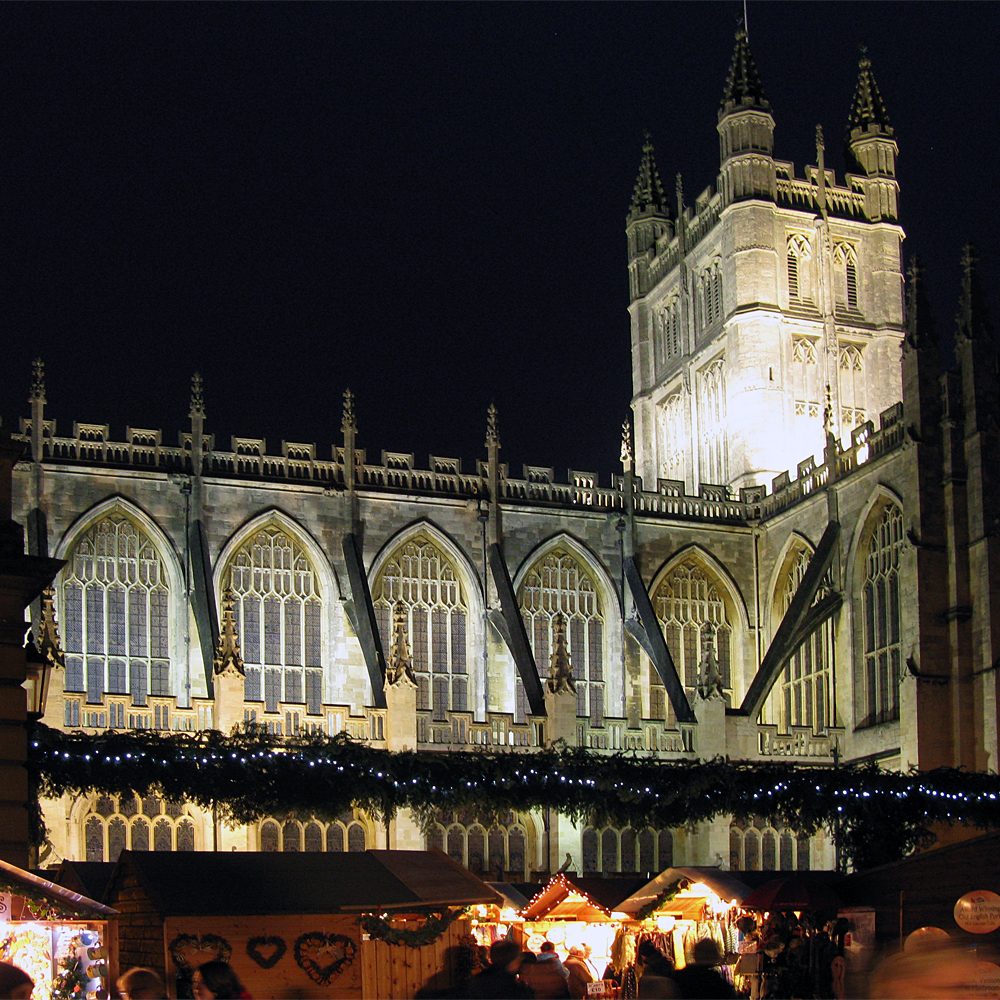
My sentimental favourite. The Bath Christmas Market threads wooden chalets through the honey-coloured streets around Bath Abbey, and the setting is hard to beat — Georgian architecture, the Abbey lit up, independent makers rather than tat. It typically runs from late November to mid-December (often closing around the 14th–15th, earlier than most), so it’s one to catch early in the season. Pair it with the city itself using my Bath travel guide; it’s an easy festive day from the capital, and the day trips from London guide has the logistics.
Manchester
Manchester’s markets are, by several recent rankings, among the best in the country — sprawling across the city centre with hundreds of alpine huts, the big “A Taste of Christmas” hub on Albert Square, and a genuinely buzzy, northern, unpretentious energy. They tend to run from early-to-mid November until around December 22. If you want scale and atmosphere over cathedral-postcard prettiness, this is your market.
Birmingham (Frankfurt Christmas Market)
The Birmingham Frankfurt Christmas Market bills itself as the largest authentic German market outside Germany and Austria, and it feels it — bratwurst, glühwein, schnitzel, stollen and a wall of wooden stalls running right through the city centre, usually from early November to December 24. It’s loud, it’s busy, it smells incredible, and it’s very easy to reach by train.
York
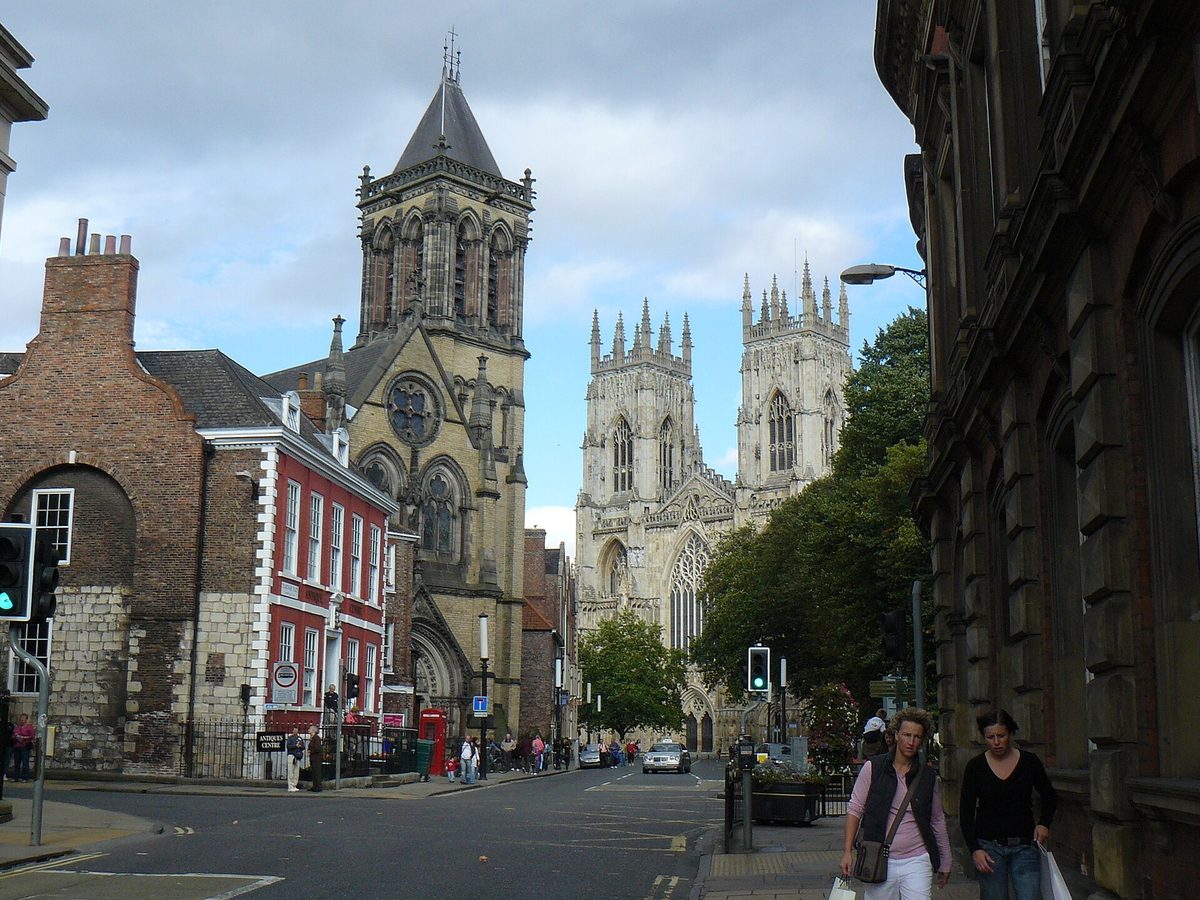
York in December is almost unfairly atmospheric: medieval streets, the Shambles, and St Nicholas Fair scattered through the centre with York Minster looming over it all. It typically runs from mid-November to just before Christmas. York is also the anchor of a brilliant northern market loop — you can string it together with Manchester and Lincoln on the rails.
Lincoln and Winchester
Two smaller cathedral-city markets I’m fond of. Lincoln runs a celebrated market on the steep, cobbled hill below its cathedral and castle — historically one of the country’s oldest, though its format has changed in recent years, so check what’s on. Winchester wraps its market around the cathedral close, with an outdoor ice rink, and it’s a lovely, lower-key southern alternative to the big-city crush; it usually runs from mid-November to around December 22. Both are easier on the nerves than London or Birmingham at peak.
Hyde Park Winter Wonderland
Not a traditional market so much as a sprawling festive theme park, Winter Wonderland in Hyde Park is London’s biggest seasonal event — market stalls, fairground rides, bars, ice skating, a circus, the lot. It runs from mid-November to around January 1, which makes it one of the few major festive attractions still going after Christmas. Entry is free in off-peak slots (you still book a timed ticket) and £5–£7.50 at busier times as of 2026; individual rides and attractions cost extra, and it adds up fast. Great fun, but go in with a budget — my England on a budget guide has thoughts on keeping festive London affordable.
City Lights, Ice Rinks and Festive Things to Do
Beyond the markets, England’s cities pull out all the stops, and a lot of the best stuff is free to look at.
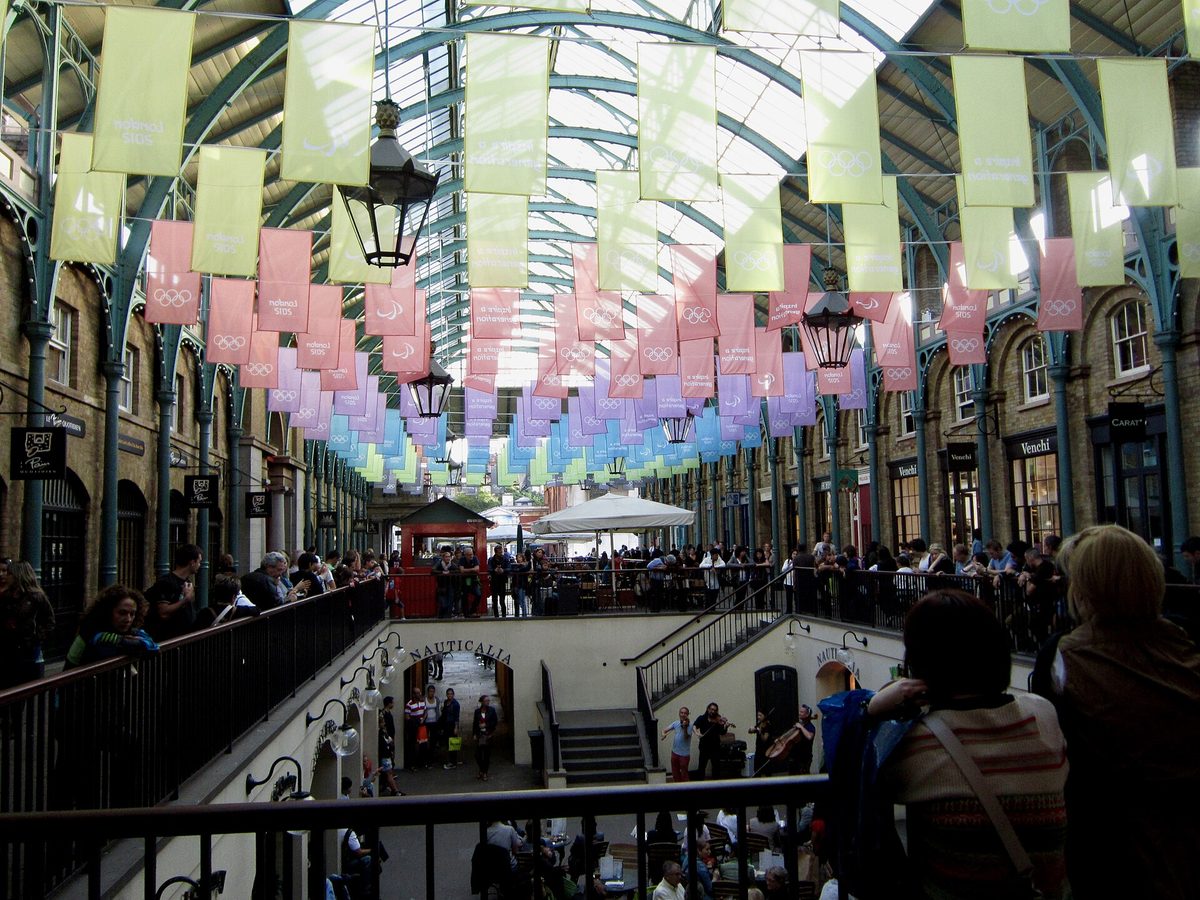
The lights switch-ons kick off the season in November — Regent Street and Oxford Street do the grand London displays, while Covent Garden is my pick for sheer prettiness, with its enormous tree, mistletoe chandeliers and the covered piazza glowing. Carnaby Street usually does something cheekier and more inventive. You don’t need a ticket; you just walk and gawp, ideally with something hot in your hands.
Ice rinks pop up at gorgeous venues across the country from mid-November: the courtyard at Somerset House in London is the iconic one, with rinks also at the Natural History Museum, Hampton Court, the Tower of London and Winchester Cathedral, among many others. They’re ticketed and book up, so reserve a slot rather than turning up hopeful.
For indoor festive options when the inevitable rain arrives, London’s free national museums are a gift — see the best museums in London — and my free things to do in London guide is full of no-cost festive wandering. For broader wet-weather plans across the country, rainy day activities in England has you covered, because December will, at some point, rain on you.
Christmas Traditions in England, Explained for Visitors
Some English Christmas customs baffle first-time visitors, so here’s a quick decoder for the ones you’ll actually bump into.
Crackers. At Christmas dinner (and at many festive meals from late November), you’ll be handed a “cracker” — a cardboard tube wrapped like a giant sweet. You cross arms, each person pulls one end with a neighbour, and it splits with a small bang, spilling out a paper crown (which you are socially obligated to wear), a terrible joke, and a tiny plastic trinket. It is gloriously silly and non-negotiable.
Pantomime (“panto”). This one genuinely confuses outsiders. A pantomime is a riotous, family-friendly comic stage show staged around Christmas, loosely based on a fairy tale — Cinderella, Aladdin, Jack and the Beanstalk. Expect cross-dressing “dames,” a leading boy played by a woman, deliberately groan-worthy jokes, and constant audience participation (“He’s behind you!” — and yes, you shout back). It is high camp, very British, and a brilliant night out, especially with kids; my England with kids guide leans on it.
Mince pies. Small sweet pastries filled with “mincemeat” — which, confusingly, contains no meat at all, just spiced dried fruit. You’ll be offered them everywhere from December. They’re far better warm.
Boxing Day. December 26th is a public holiday in its own right (more on its name in the FAQ). Traditionally a day of leftovers, sport, walks and — increasingly — shopping, as the big sales begin.
Carols and the Christmas dinner. Carol singing, midnight church services and the big roast — turkey, roast potatoes, Yorkshire puddings, “pigs in blankets,” Brussels sprouts and Christmas pudding — anchor the day itself. And at 3pm on Christmas Day, much of the country pauses for the broadcast royal Christmas message, a tradition since 1932.
The Christmas Day Shutdown and Transport: What’s Closed
Here is the section that matters most, and the one most guides bury. On Christmas Day, December 25th, England essentially closes. I cannot stress this enough to anyone arriving from a country where the shops simply trade through.
Transport. This is the big one. There are no National Rail trains anywhere in the country on December 25th — none. In London, there is no Tube, no Overground, no Elizabeth line, no trams, and almost no buses. Most other cities are the same. If you need to move on Christmas Day, your realistic options are: walk, a pre-booked taxi or minicab (book days ahead — they vanish), a ride-hail app (surge-priced and scarce), a hire car, or one of the limited long-distance coach services some operators run, largely between central London and the airports. Plan as though public transport does not exist, because for you it won’t. Always check the latest with National Rail and Transport for London before you travel — service patterns change year to year.
Boxing Day (Dec 26) is better but still badly reduced: a small number of train operators run limited services, many lines and stations stay shut, and bus and Tube service is patchy. Treat every Boxing Day journey as something to verify in advance, not assume. Service gradually improves from December 27th onward but stays lighter than normal — with the occasional engineering closure — right through to early January.
Shops and restaurants. Almost all shops close on December 25th — the big stores on Oxford Street are legally required to. Most restaurants are closed too; the ones that open are typically hotel restaurants and a handful of venues doing a (pricey, pre-booked) Christmas lunch. Pubs are hit-and-miss: some open for a few hours around midday, many don’t. The practical move is to book a Christmas Day meal — almost always at your hotel — weeks in advance, and stock a few snacks. Tourist attractions are overwhelmingly closed on the 25th, with a thin scattering of festive walking tours and a few sights open over the wider period.
The simplest survival rule: wherever you want to be on Christmas Day, get yourself there by Christmas Eve. Don’t schedule a city-to-city move, an arrival, or a departure on the 25th. For how England’s transport works the rest of the year, my England transport guide is the place to start, and budget rail tips live in cheap train tickets England.
Where to Spend Christmas: London vs Cosy Historic Cities
So where should you actually base yourself? I’ve done both, and it comes down to what you want from the day itself.
London is the obvious choice and a strong one: the lights are spectacular, Winter Wonderland runs right through, the parks are beautiful on a frosty walk, and there’s just more — including, crucially, more hotels doing Christmas Day meals and a critical mass of things open over the wider holiday. The downsides are cost and the eeriness of a near-deserted city on the 25th, which some find magical and others find flat. My London travel guide and where to stay in London for tourists will help you base yourself well; central, walkable neighbourhoods pay off enormously when transport stops.
Cosy historic cities — Bath, York, Winchester, Lincoln — are my softer-hearted recommendation. They deliver the postcard Christmas: cobbles, candlelit cathedral carol services, a market on your doorstep, a snug pub with a fire. They’re more compact (so the Christmas Day no-transport problem is smaller — you can walk everywhere), and they feel like the England of the imagination. The trade-off is fewer Christmas Day dining options, so book accommodation that does a festive meal. For ideas beyond the capital, see where to stay in England and the wider best places to visit England roundup.
My honest steer: for a first festive trip with a few days to spare, base in London for the spectacle but build in a market day-trip to Bath or a night in York. If you want pure cosiness, skip London and pick one historic city to settle into. And if you’re tempted to chase snow and dramatic scenery rather than Christmas specifically, that’s really a winter question — my England in winter guide covers the broader season (short days, frosty fells, what’s open in January), while the cold, hard temperature-and-rainfall numbers belong in England weather by month.
New Year’s Eve in England
New Year’s Eve is the season’s other big set piece, and London’s is the one everyone pictures: fireworks over the Thames, launched from around the London Eye, with Big Ben chiming midnight. The critical thing visitors miss — the main riverside viewing areas are ticketed. You cannot simply wander down to the embankment on the night and expect in; tickets are sold in advance (officially via Ticketmaster as of recent years), typically going on sale in the autumn, capped at a handful per person and priced around £20–£55 plus a booking fee. They sell out, and only official tickets are honoured, so buy early and never from a tout.
No ticket? You still have options. Plenty of bars, restaurants and rooftops run (pricey) NYE events; some elevated spots around the city catch a glimpse of the display; and many people simply watch the fireworks live on TV with a drink, which is more civilised than it sounds. Outside London, cities run their own celebrations, and a quiet pub in a market town can be a lovely, low-key way to see the year out.
Transport on NYE is its own thing: reduced daytime service, then free or extended night travel on much of London’s network in the small hours to get revellers home — but it’s heaving, so have a plan. And remember January 1st is itself a public holiday (with London’s grand New Year’s Day Parade), so expect another quieter, patchier day before the country fully reopens. Build a realistic budget for all of it with how much does a trip to England cost.
Festive Food and Afternoon Tea
You will eat well, and you should lean into it. Beyond the Christmas dinner itself, the season’s signature treat is the festive afternoon tea — finger sandwiches, scones with clotted cream, and a tier of Christmas-spiced cakes and pastries, often with mulled wine or a glass of fizz, served in grand hotels and tearooms from late November. The famous London hotels do lavish (and very bookable) versions; smaller tearooms in Bath, York and the like do lovely ones for a fraction of the price. Reserve ahead — the good ones fill weeks in advance.
Elsewhere, graze your way through the markets: mulled wine, hot cider, bratwurst, roasted chestnuts, churros, loaded Yorkshire-pudding wraps and mince pies are the festive street-food canon. And do find a proper pub on a cold evening — a fire, a pint, maybe a carol or two drifting in. For getting the most from a tight budget across all of it, England on a budget and the general England travel tips are worth a read before you go.
Final Thoughts
Christmas in England got under my skin the year I stopped fighting the weather and the closures and just leaned in: a candlelit carol service in a cathedral that had stood for eight hundred years, mulled wine on a freezing market night with my gloves smelling of cinnamon, a pantomime where I shouted “He’s behind you!” with a room full of strangers and meant it. It’s not a sun-lounger holiday. It’s something better — atmospheric, traditional, a little bit silly, and deeply warm despite the cold.
Just respect the one rule. Know that the country goes quiet and still on December 25th, get yourself where you want to be by Christmas Eve, book your festive meal early, and treat the trains as if they don’t exist on the day itself — because they don’t. Do that, and everything else is gravy (and there will, I promise, be a lot of gravy). If you’re still weighing when to come, the best time to visit England guide puts the festive season in context, and the England in winter piece picks up the wider cold-season story once the decorations come down.
Research and Source Notes
This guide draws on my own repeated festive trips around England plus a review of current public information, cross-checked against authoritative UK sources. For transport closures over the Christmas and New Year period I relied on guidance from National Rail and Transport for London, alongside VisitLondon’s seasonal transport advice. Market dates, ranges and rankings were sketched from official market organisers, VisitBritain/VisitEngland festive coverage and recent UK press roundups (including Time Out’s market and Winter Wonderland reporting). New Year’s Eve fireworks ticketing details reflect the official VisitLondon and Ticketmaster guidance from recent seasons.
All dates, prices and service patterns are noted as “around” or “as of 2026” deliberately: they shift every year, sometimes significantly. Before you book or travel, confirm specifics — especially Christmas Day and Boxing Day transport, and individual market opening dates — directly with the official source for the year of your trip. Prices are indicative and intended only to set expectations, not to quote.
Photo Credits
- Festive stalls and lights at the Bath Christmas Market, a highlight of spending Christmas in England — Photo: M Etherington / CC BY-SA 2.0 via Wikimedia Commons. Source
- York Minster towering over the festive medieval streets of York at Christmas — Photo: Can Pac Swire / CC BY-SA 2.0 via Wikimedia Commons. Source
- The Covent Garden piazza decked out in lights and an enormous Christmas tree in London — Photo: Ank Kumar / CC BY-SA 4.0 via Wikimedia Commons. Source
- Hyde Park in London, home to the Winter Wonderland festive funfair each December — Photo: Dietmar Rabich / CC BY-SA 4.0 via Wikimedia Commons. Source
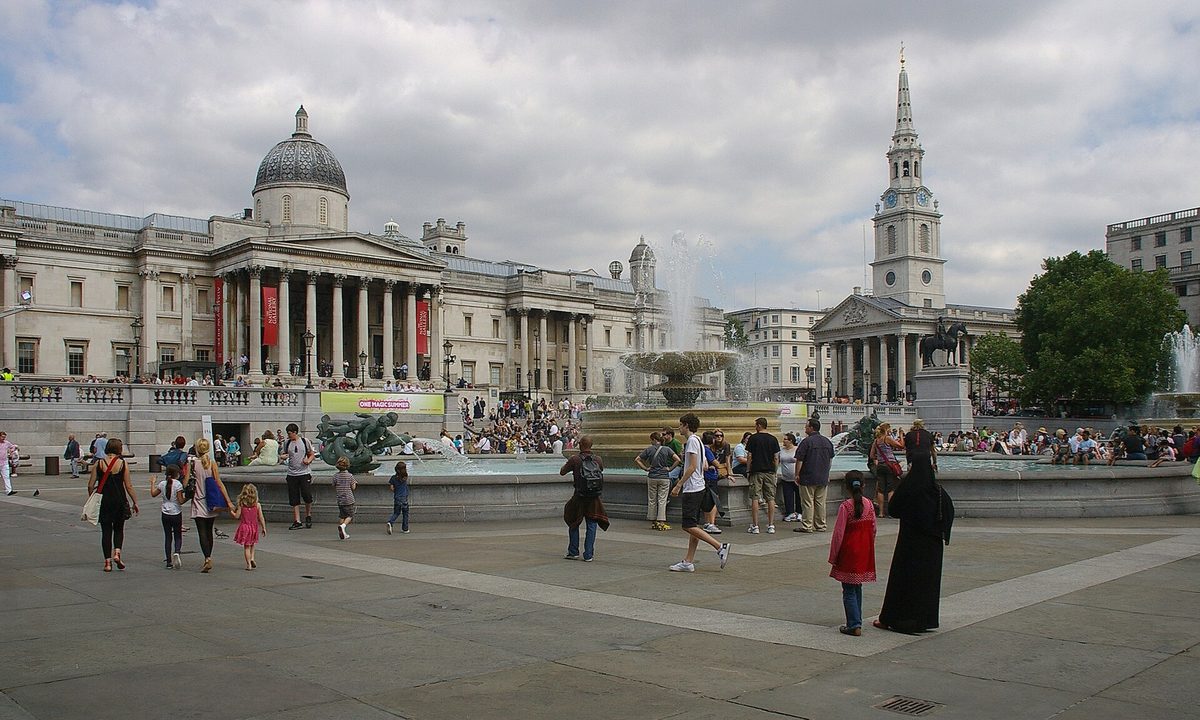
- Trafalgar Square in London with its towering Norwegian Christmas tree, an annual festive tradition — Photo: mattbuck (category) / CC BY-SA 3.0 via Wikimedia Commons. Source
Frequently asked questions
Is everything closed on Christmas Day in England?
Very nearly. On December 25th almost all shops, most restaurants and the vast majority of tourist attractions close, and there's essentially no public transport. It's a genuine national shutdown, not a quiet-Sunday situation. Plan to be settled where you're staying, book any Christmas Day meal (usually at your hotel) well ahead, and don't rely on popping out for supplies.
Do trains run on Christmas Day in England?
No. There are no National Rail trains anywhere in the country on December 25th, and in London there's no Tube, Overground, Elizabeth line or trams, plus almost no buses. Boxing Day (Dec 26) has a very limited service from a few operators, with many lines closed. Always check National Rail and Transport for London before travelling, and never schedule a journey for Christmas Day itself.
Where are the best Christmas markets in England?
My favourites are Bath (Georgian streets and the floodlit Abbey), Manchester (huge and buzzing, recently rated among the UK's best), Birmingham's Frankfurt Market (the big authentic German one), and the cathedral-city markets of York, Lincoln and Winchester. Most run from mid-to-late November and close on or around December 24th, so come before Christmas, not after.
Is England a good place to spend Christmas?
If you want atmosphere over guaranteed sunshine, absolutely. The markets, lights, carol services in ancient cathedrals, pantomimes and cosy pubs are genuinely special, and the historic cities look like a Christmas card. The catch is the December 25th shutdown and the cold, dark, often wet weather — plan around both and it's a wonderful festive break.
What is Boxing Day?
Boxing Day is December 26th, a public holiday across England. The name likely comes from old traditions of giving "Christmas boxes" — gifts or money — to servants and tradespeople the day after Christmas. Today it means leftovers, family time, football and long walks, and increasingly the start of the big retail sales. Transport runs, but on a heavily reduced timetable.
When do Christmas markets open and close in England?
Broadly, most open from mid-to-late November — a few of the biggest, like Birmingham, open as early as the start of November. The large majority then close on or around December 24th, with some (such as Bath) finishing a week or more earlier. The main exception is Hyde Park's Winter Wonderland, which runs into early January. Always confirm exact dates on the official site for the year you're visiting.