Sheet 47 · Cornwall and Devon Travel Guide · 19 min read
Where to Stay in Cornwall
Where to stay in Cornwall, decoded by traveler type, vibe and budget. Honest picks for first-timers, families, foodies and car-free trips, with 2026 price
 Sheet 47
Contents 13 sections
I have lost count of how many times I have pulled into a Cornish town at dusk, salt on the windscreen, and thought: I should have booked somewhere else. Cornwall is long, skinny and slower to drive than the map suggests, so the single biggest decision you make is not which beach to see. It is where you sleep.
Get the base right and the whole trip relaxes. Get it wrong and you spend your holiday in the car, watching surf forecasts roll by the window.
Deciding where to stay in Cornwall comes down to matching a town to the kind of trip you want. St Ives suits first-timers who want beaches, art and no need to drive. Newquay is for surf and families. Padstow and Rock are for food and sailing. Falmouth, Penzance, Fowey, Bude and Truro each own a different slot. This guide maps each base to who it actually suits, with honest 2026 price bands.
This sits inside our wider Cornwall and Devon travel guide, so if you are still weighing the two counties, start there. If you have already chosen Cornwall, read on.
Quick Answer: Where to Stay in Cornwall
For most people, the best answer to where to stay in Cornwall is St Ives if it is your first visit (beaches, galleries, walkable, train-served), Newquay for surfing and family holiday parks, Padstow or Rock for foodies, and Falmouth or Penzance for a south-coast base you can reach and use without a car. Pick one base for a short trip; split into two (one north or west, one south) for a week.
If you remember nothing else: do not try to cover all of Cornwall from a single cottage. The county is roughly 75 miles end to end on slow, hedge-lined roads, and the drive from, say, Bude to Land’s End can eat half a day each way in August.
At a Glance: Cornwall’s Best Bases Compared
Here is the whole decision on one screen. Prices are rough mid-range doubles or a typical night’s lodging, hedged as of 2026, and they climb hard in July and August.
| Area / Town | Best for | Vibe | Rough price band (2026) | Good without a car? |
|---|---|---|---|---|
| St Ives | First-timers, beaches, art lovers | Pretty, busy, arty | Around £130-£220/night | Yes – branch line, walkable |
| Newquay | Surfers, families, nightlife | Lively, beachy, mixed | Around £100-£190/night | Partly – train + buses |
| Padstow / Rock | Foodies, sailing, couples | Smart, harbourside, pricey | Around £150-£260/night | No – very limited |
| Falmouth | All-rounders, students, ferries | Buzzy, southern, friendly | Around £110-£190/night | Yes – one of the best |
| Penzance / Marazion | Far west, rail hub, St Michael’s Mount | Working town, big views | Around £90-£170/night | Yes – end of the main line |
| Fowey | South-coast prettiness, couples | Genteel, hilly, charming | Around £130-£230/night | Partly – bus + ferry, no station |
| Bude | North-coast families, surf | Relaxed, sandy, laid-back | Around £100-£180/night | No – bus-only, remote |
| Truro | Transport hub, city base, value | Practical, cathedral city | Around £90-£160/night | Yes – the rail crossroads |
Use the table to shortlist, then read the sections below for the why.
St Ives: The Easy First-Timer Choice
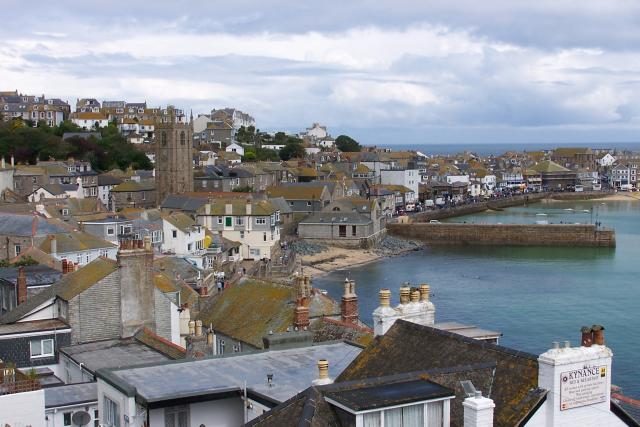
If you have never been to Cornwall and you want to feel like you nailed it, stay in St Ives. I send first-timers here more than anywhere else, and the search results agree: across the major guides, St Ives is the most-recommended base for a first visit.
Why St Ives works
You get four sandy beaches within walking distance of the centre. Porthmeor faces the surf and the Tate; Porthminster is the calm, turquoise crescent with the famous beach cafe; Porthgwidden is the little sheltered suntrap; and the Harbour beach is the postcard. You can spend three days here without moving the car, which after a long drive down is a genuine relief.
It is also the art capital of the county. The Tate St Ives and the Barbara Hepworth Museum and Sculpture Garden are both in town, and the lanes are stuffed with galleries and studios. Add seal-spotting boat trips and the coast path walk to Zennor, and you have a base that earns its keep.
The honest catch
St Ives gets rammed in summer, and parking is a known headache – the big car parks sit up the hill and fill early. Prices follow demand: expect around £130-£220/night for a decent mid-range double as of 2026, and the prettiest harbour cottages go well beyond that and book out months ahead for August.
The saving grace is the train. The St Ives Bay branch line from St Erth is one of the loveliest short rides in Britain and drops you in the centre, which makes St Ives a strong car-free base. Park-and-ride from Lelant Saltings or St Erth in peak season is the locals’ trick.
Stay in St Ives if: it is your first Cornwall trip, you want beaches and galleries on foot, and you are happy to pay a premium.
Newquay: Surf, Families and a Bit of Everything
Newquay is the workhorse of Cornish holidays, and it splits opinion. It has the best concentration of surf beaches in the county – Fistral for the proper waves, Watergate Bay stretching for miles, Crantock for a mellower paddle – plus the biggest cluster of family holiday parks anywhere in Cornwall.
Who Newquay suits
Families, first of all. The holiday parks just outside town (Hendra, Monkey Tree, Newquay Holiday Park and others) come with indoor pools, entertainment and self-catering lodges or pitches, and they are built for kids who need somewhere to burn energy when the weather turns. If you are travelling with children, our England with kids guide pairs well with a Newquay base.
Surfers and learners are the other natural fit. The town is wall-to-wall surf schools, and you can roll out of bed onto Fistral. For the full beach rundown, see our best beaches in Cornwall.
The trade-off
Newquay has a reputation as a stag-and-hen town, and parts of it lean that way at weekends in season. It is less uniformly pretty than St Ives or Fowey – more of a sprawling resort than a chocolate-box village. If you want quiet and charm, look elsewhere; if you want action, beaches and value, it delivers.
Prices run around £100-£190/night for mid-range as of 2026, often cheaper than St Ives, and the holiday parks can work out very economical per head for a family. Newquay has its own train station (a branch off the main line at Par) and reasonable buses, so it is partly doable without a car, though you will feel the lack of one more than in Falmouth.
Stay in Newquay if: you surf, you have kids, or you want a lively, affordable beach base and do not mind the resort feel.
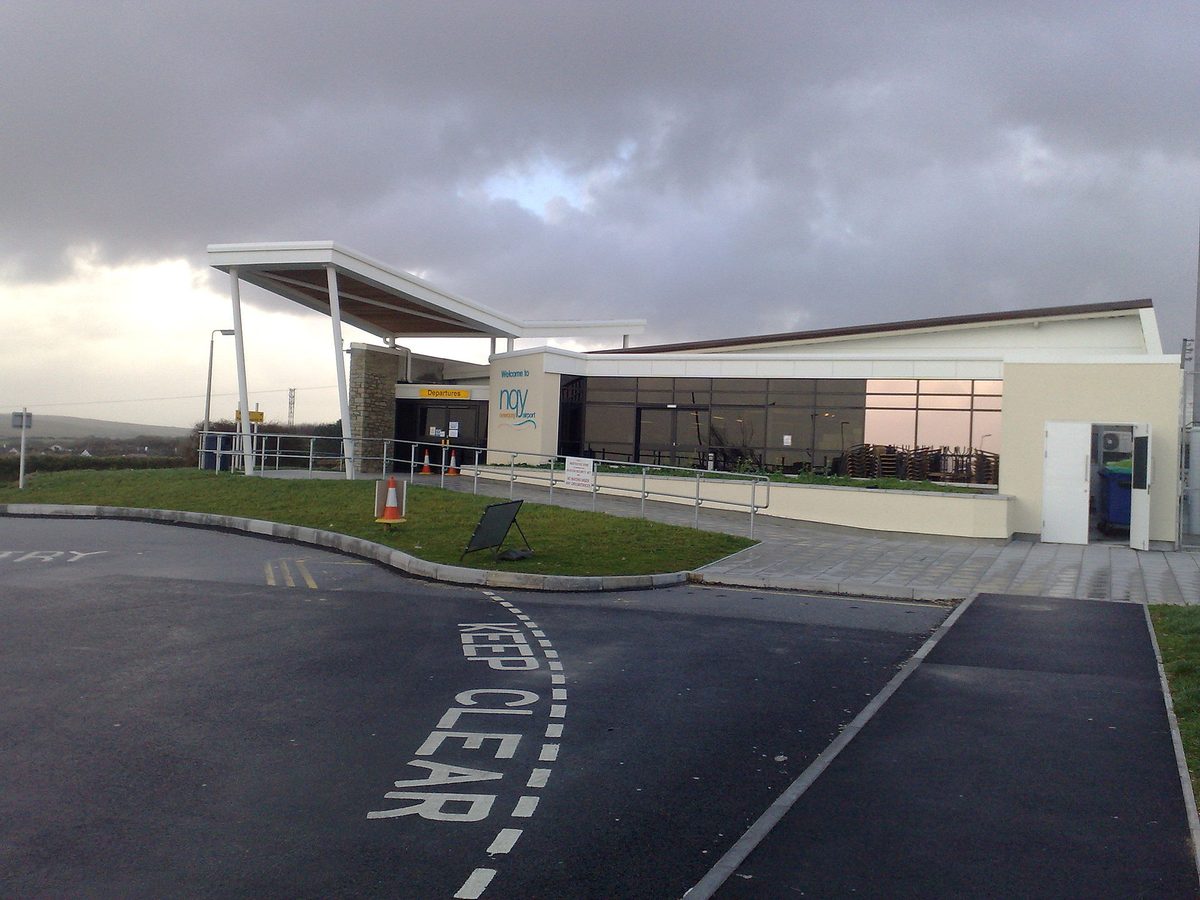
Padstow and Rock: The Foodie Coast
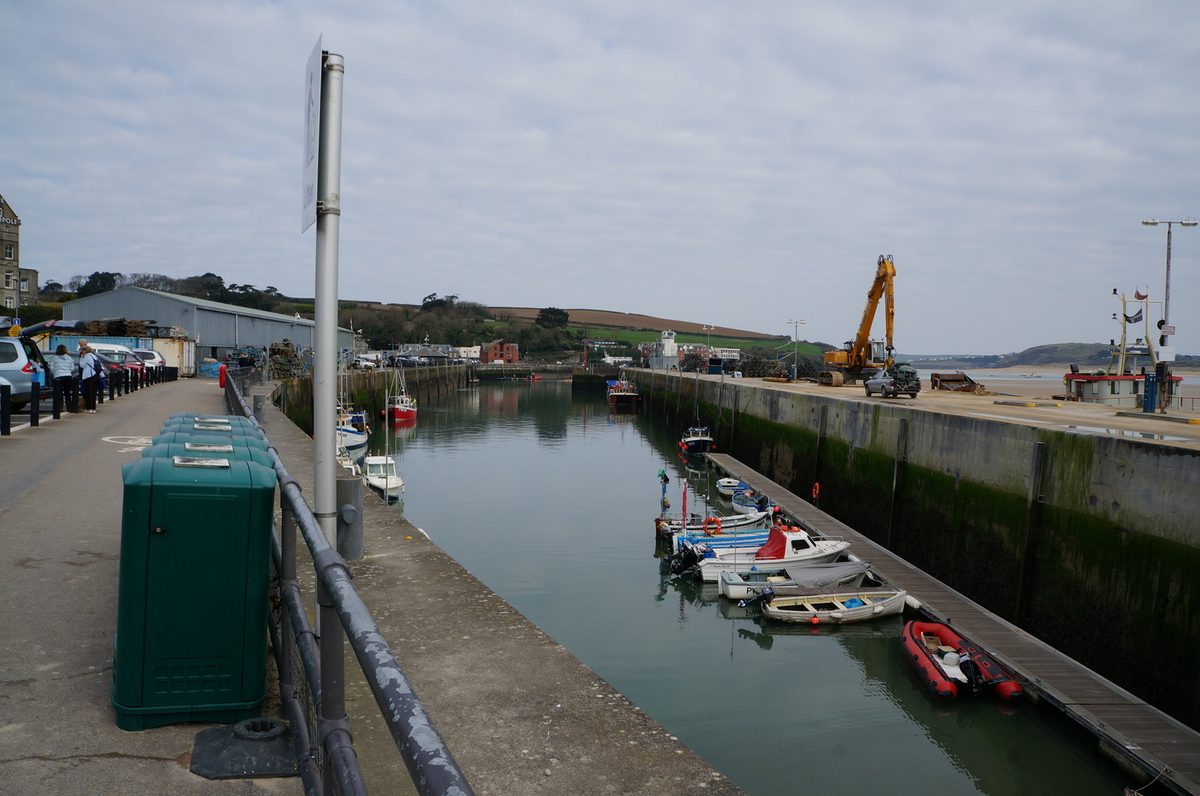
If your idea of a holiday involves more dinner reservations than surf sessions, point yourself at the Camel Estuary. Padstow is Cornwall’s culinary capital, built on Rick Stein’s seafood empire and Paul Ainsworth’s Michelin-starred cooking, with a tight, pretty working harbour at its heart.
Padstow versus Rock
Padstow is the busier, more famous side – restaurants, delis, the Camel Trail cycle path that runs to Wadebridge, and harbour bustle. It is lovely, and it is mobbed in summer.
Rock sits across the water and trades on a different image: sailing, golf, second homes and a slightly Sloaney summer scene that has earned it nicknames I will not repeat here. The clever move many regulars make is to sleep in Rock (or nearby) and take the little Black Tor ferry across to Padstow for dinner, getting the food without the full Padstow crush.
What it costs and the car question
This is one of the pricier corners of Cornwall. Mid-range doubles run around £150-£260/night as of 2026, and the boutique foodie rooms and estuary cottages climb steeply from there, with peak weeks booked far ahead. Self-catering cottages around here frequently insist on a full Saturday-to-Saturday week in July and August.
Be honest with yourself about transport: Padstow and Rock are poorly served by public transport and effectively need a car. This is not the base for a car-free trip. For where the food fits into a wider trip, our England food, pubs and afternoon tea guide is a good companion.
Stay in Padstow or Rock if: you are here to eat and sail, you have a car, and the budget can stretch.
Falmouth: The Underrated All-Rounder
Falmouth is the base I most often recommend to people who want one town that does a bit of everything without the St Ives price tag or the Newquay crowds. It is a proper, lived-in harbour town on the warmer south coast, with a university that keeps it buzzing year-round – so the restaurants, bars and coffee scene stay good even off-season.
Why I keep coming back
You get sandy town beaches (Gyllyngvase, or “Gylly”, is a short walk from the centre), the National Maritime Museum, Pendennis Castle on the headland, and – the real ace – a web of ferries. From Falmouth you can hop by boat to St Mawes, up the Fal to Truro, or across to Flushing, which turns getting around into part of the holiday.
That ferry network, plus a central train station, makes Falmouth one of the very best car-free bases in Cornwall. The branch line from Truro runs right into town, and from Truro the main line connects everywhere.
Price and crowd reality
Falmouth is relatively kind on the wallet for somewhere this good – around £110-£190/night mid-range as of 2026, with genuine options at most budgets, which is more than you can say for Padstow or peak St Ives. It gets busy in summer but rarely feels overwhelmed the way the honeypot villages do.
Stay in Falmouth if: you want one versatile south-coast base, good food, ferries to play with, and an easy car-free option.
Penzance and Marazion: The Far West and the Rail Hub
Penzance is where the railway stops. It is the end of the Great Western main line, which makes it the natural landing pad for anyone coming down from London or beyond without a car – and the launch point for the Isles of Scilly.
What Penzance and Marazion offer
Penzance itself is a working town rather than a chocolate-box village, with one of the mildest climates in Britain (palm trees and all), a handsome promenade, the art-deco Jubilee open-air sea pool, and easy reach of the wild far west: Mousehole, Lamorna, Land’s End and the Minack Theatre.
A couple of miles round the bay, Marazion is the gateway to St Michael’s Mount – that fairytale island castle you can walk to across the causeway at low tide and reach by boat at high tide. Waking up to that view is one of Cornwall’s great pleasures, and Marazion makes a lovely, slightly quieter alternative to Penzance proper.
Cost and connections
This is one of the better-value corners of the county: around £90-£170/night mid-range as of 2026, with plenty at the lower end. Penzance is an excellent car-free base thanks to the main-line station and bus connections (including the scenic open-top route towards Land’s End in season). For the wider far-west sights, our best places to visit in Cornwall covers what to do once you are settled.
Stay in Penzance or Marazion if: you are arriving by train, you want the wild far west and St Michael’s Mount, or you want value with big views.
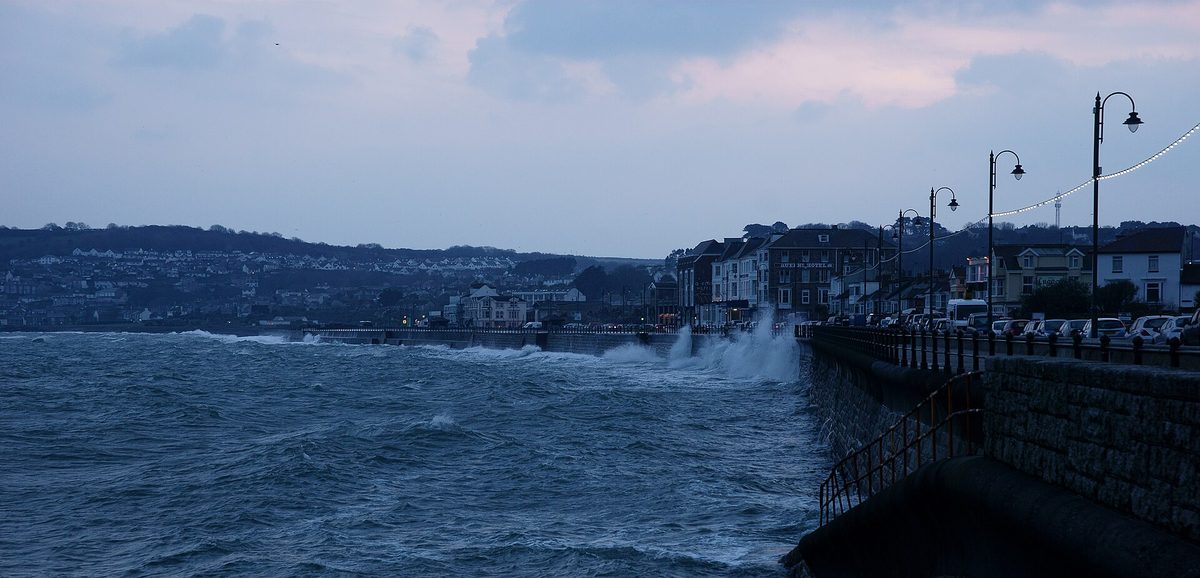
Fowey: South-Coast Prettiness
Fowey (say “Foy”) is the south coast’s quiet stunner – a steep, genteel little town tumbling down to a deep harbour on the Fowey estuary, all sailing boats and pastel houses. It is the gentler, prettier answer to Padstow, with good food, fewer crowds and a literary pedigree (Daphne du Maurier country).
The Fowey appeal
It is romantic and walkable in the centre, with the Hall Walk and ferry over to Polruan, and the family-friendly sands of Readymoney Cove and nearby Polkerris within easy reach. The food is excellent without quite Padstow’s frenzy. For couples and slow-travellers, this is a dream base.
The practical notes
Fowey has no railway station and the lanes in are narrow and steep, with limited and pricey parking – the kind of place where you park up high and walk down. It is reachable by bus and the local ferries get you across the water, so it is partly car-free-friendly, but most visitors arrive by car and then leave it parked.
Prices sit around £130-£230/night mid-range as of 2026; the prettiest harbour-view rooms and cottages run higher and book early. Fowey earns a place in our most beautiful villages in England roundup for good reason.
Stay in Fowey if: you want south-coast charm, good food and a romantic, slower pace, and you have a car (or are happy to go mostly on foot once there).
Bude: North Cornwall for Families
Bude sits right up at the top of the county, almost on the Devon border, and it has a wonderfully laid-back, all-about-the-beach feel. Its golden sands, the sea pool carved into the rocks, and the surf make it a firm family favourite, and it is noticeably less polished and less expensive than the south-coast honeypots.
Why Bude
There is plenty for kids on the beaches, good surf for learners, and excellent coastal walking and cycling nearby. It is also handy if you are combining Cornwall with north Devon, since it is so close to the border – useful context if you are still reading our Devon vs Cornwall comparison.
The catch with Bude
Location is the trade-off. Bude is remote from the rest of Cornwall – it is a long way to St Ives or Land’s End – and it has no railway station, so you genuinely need a car here, and you will not want to be day-tripping to the far west from this base.
Prices are reasonable, around £100-£180/night mid-range as of 2026, with lots of self-catering and campsites. Treat Bude as a north-coast or short-break base rather than a launchpad for the whole county.
Stay in Bude if: you want a relaxed family beach holiday in north Cornwall (or are pairing with north Devon) and you have a car.
Truro: The Practical Transport Base
Truro is Cornwall’s only city and its rail crossroads – the point where the branch lines to Falmouth, St Ives (via St Erth), Newquay (via Par) and Penzance all hang off the main line. That makes it the single best hub for a car-free trip that bounces around different towns by train.
Truro’s strengths
You get a handsome cathedral, the Royal Cornwall Museum, the best shopping and a wide choice of restaurants, plus quick rail and bus hops out to the coast – roughly half an hour to Falmouth or St Agnes, around an hour to St Ives. It is central, it is practical, and it tends to be better value than the seaside towns.
Be realistic
Truro is inland, so there is no beach on the doorstep and less holiday atmosphere than a harbour town – it is a working city. One quirk worth flagging: because it is smaller, budget accommodation can actually be thinner on the ground here than in Falmouth or Penzance, which both have lots at every price point. Expect around £90-£160/night mid-range as of 2026.
Stay in Truro if: you are doing Cornwall by train and want a central hub, value and amenities over beach-on-the-doorstep charm.
Lodging Types: Which One Fits Your Trip?
Choosing the town is half the job. The other half is the kind of roof over your head, and Cornwall does all of them well. Here is how I think about each, with rough 2026 bands.
Hotels and boutique stays
Cornwall’s hotels range from grand cliff-top institutions to sharp little boutique rooms above restaurants. Expect around £130-£280+/night for mid-range to upper-end as of 2026, and the headline coastal hotels at Watergate Bay, Carbis Bay, St Ives and Rock command serious money in summer. Best for couples, short breaks and anyone who wants breakfast sorted and no chores.
B&Bs and guesthouses
The classic Cornish stay – often a Victorian townhouse a few streets back from the front, run by people who know the area. Reckon on around £90-£160/night as of 2026, breakfast usually included. Falmouth, Penzance and St Ives are full of them. Best for first-timers and anyone who wants local knowledge and value.
Self-catering cottages
For families and groups, a cottage is usually the smart move – more space, a kitchen, and a better per-head cost. The big watch-out: in July and August most cottages run fixed Saturday-to-Saturday weeks, so you cannot easily book three nights, and the good ones go months ahead. Operators like Classic Cottages, Cornish Cottage Holidays and the National Trust’s holiday properties are the established names. Budget anywhere from around £700 for a modest week off-peak to £1,500-£2,500+ for a smart cottage in peak season (2026).
Campsites, glamping and holiday parks
Cornwall is camping country. Traditional campsites are the cheapest way to stay near the coast; glamping (safari tents, pods, shepherd’s huts) gives you canvas with a comfy bed; and the big holiday parks around Newquay and the north coast bundle pools, entertainment and lodges for families. Pitches can be very cheap; glamping and park lodges range widely, often around £80-£200+/night in season (2026). Best for families, surfers and budget-minded trips. Our England budget and costs guide goes deeper on keeping a Cornwall trip affordable.
One Base or Two? The Strategy That Saves Your Holiday
This is the question I get asked most, and the answer depends entirely on how long you have.
Short trips: one base
For three or four nights, stay put. One base means you only unpack once, and the joy of a short Cornwall break is settling into a town rather than ricocheting around it. Pick a versatile base – Falmouth or St Ives – and accept that you will not see everything. You can always come back; everyone does.
A week: two bases, one transfer
For five to seven nights, the move I swear by is two bases with a single mid-week transfer day – one in the north or west, one on the south coast. Something like St Ives or Newquay for the first half, then Falmouth, Fowey or Penzance for the second. You cover both coasts, you halve your daily driving, and you only pack twice. This is the goldilocks setup, and it maps neatly onto our 5-day Cornwall itinerary.
Longer or road-tripping: two or three bases
With ten days-plus, or if you are deliberately doing a road trip, three bases of three to four nights each lets you work along the county – say Bude, then Padstow or St Ives, then Penzance or Falmouth. Just resist the urge to move every night; a base needs at least two nights to be worth the unpacking. Our Cornwall road trip itinerary lays out a sensible loop.
One rule for all of the above: do not pick a base that is an hour-plus from everything you came to see. Bude is gorgeous but it is not a base for Land’s End. Match the base to your shortlist of must-sees, not to the prettiest photo.
Final Thoughts
If you forced me to pick one base for someone who had never been, I would still say St Ives – it is the most complete first impression Cornwall gives, and you can do it without a car. But if you asked which town I would happily stay in again and again, it is Falmouth: warmer, friendlier, better value, ferries to mess about on, and good food in February as well as August.
The mistake I see most is people booking the prettiest cottage they can find without checking how far it is from everything they want to do, then spending the week behind a tractor on a single-track lane. Cornwall rewards the opposite instinct. Shortlist your must-sees first, then choose the base – or the two bases – that put you closest to them.
Book early for summer, lean on May, June and September if you can, and do not be a hero with the driving. Get the base right and Cornwall is one of the most rewarding corners of England to travel – all coves, coast path and cream teas, with the car left happily parked. For more on choosing a base across the country, see our guide to where to stay in England.
Research and Source Notes
This guide draws on current visitor information and accommodation listings, cross-checked against first-hand experience of these towns. For planning your own trip, the most reliable official and operator sources are:
- Visit Cornwall – the county’s official tourism body, with accommodation listings by area (including holiday parks, camping and town-by-town stays) and seasonal guidance.
- Town tourism pages such as Visit Newquay and the local destination sites for St Ives, Falmouth, Padstow and Penzance, for up-to-date listings and events.
- Great Western Railway (GWR) – for confirming rail-served bases (Penzance, St Ives via St Erth, Falmouth and Newquay via their branch lines, with Truro as the hub) when planning a car-free trip.
- The National Trust – for St Michael’s Mount, coastal car parks and its own holiday cottages.
- Established self-catering operators – including Classic Cottages, Cornish Cottage Holidays and similar, for realistic cottage pricing and the peak-season Saturday-to-Saturday minimum-stay rules.
Prices are quoted as rough mid-range bands and hedged “as of 2026”; they rise sharply in July and August and ease in the shoulder months, so always confirm live rates and minimum stays directly with the property or operator before booking.
Photo Credits
- Harbour and beach view of St Ives, a top pick for where to stay in Cornwall — Photo: Nigel Thompson / CC BY-SA 2.0 via Wikimedia Commons. Source
- Fistral Beach surf at Newquay, a family and surfing base in Cornwall — Photo: Christian Lee (CC0) via Wikimedia Commons. Source
- St Michael’s Mount near Marazion and Penzance, a rail-served base in Cornwall — Photo: Peter Trimming / CC BY-SA 2.0 via Wikimedia Commons. Source
- Falmouth harbour and waterfront, a versatile all-rounder base in Cornwall — Photo: Christine Matthews / CC BY-SA 2.0 via Wikimedia Commons. Source
- Padstow harbour at high tide, a top foodie base for where to stay in Cornwall — Photo: Ian S / CC BY-SA 2.0 via Wikimedia Commons. Source
Frequently asked questions
Where is the best place to stay in Cornwall for first-timers?
For a first visit, St Ives is the standout. It packs four walkable beaches, the Tate and the Hepworth gallery, harbour charm and a scenic branch-line train into one base, so you get a strong taste of Cornwall without driving daily. Falmouth and Penzance are excellent runners-up if you want better value or an easier car-free trip.
What is the best area to stay in Cornwall without a car?
Falmouth and Penzance are the two best car-free bases. Falmouth has a central station plus a network of ferries to St Mawes, Truro and Flushing; Penzance is the end of the main line and a hub for the far west. St Ives (lovely branch line) and Truro (the rail crossroads) are also strong. Avoid Padstow, Rock, Fowey and Bude without a car.
Is St Ives or Newquay better for a holiday?
It depends on your trip. Choose St Ives for beaches, art, harbour prettiness, a calmer scene and an easy car-free stay - it is the better first-timer pick. Choose Newquay for serious surf, family holiday parks, lively nightlife and lower prices. St Ives is prettier and pricier; Newquay is sportier, cheaper and more of a resort.
How many nights do you need in Cornwall?
For a satisfying first trip, aim for at least four or five nights; a week is ideal. Three nights works for one focused base but leaves you rushing. With a week you can run the two-base strategy - one stay on the north or west coast, one on the south - and see both sides of Cornwall without spending the holiday driving.
Where should foodies stay in Cornwall?
Padstow is the food capital, home to Rick Stein and Paul Ainsworth, with a tight harbour full of restaurants and delis. Stay in Padstow itself for the buzz, or across the water in Rock and ferry over for dinner to dodge the crush. Fowey on the south coast is the quieter, prettier foodie alternative. All three really want you to have a car.
When does Cornwall accommodation get booked out and pricey?
July and August are the crunch - prices peak, the honeypot towns (St Ives, Padstow, Fowey) fill up, and many cottages insist on full Saturday-to-Saturday weeks booked months ahead. May, June and September are the sweet spot: warm-ish, much quieter, better value, and shorter minimum stays. See our best time to visit England guide for the wider seasonal picture.