Sheet 56 · Lake District Travel Guide · 15 min read
3 Day Lake District Itinerary
A first-timer's Lake District itinerary for 3 days: a clear south-to-north route, drive times, the best base, and rain plans. Plan a perfect long weekend.
 Sheet 56
Contents 8 sections
The first time I drove into the Lake District, I made the classic mistake: I tried to see everything and ended up seeing the inside of my car. The second time, I slowed down, drew a line on the map from south to north, and let the days do the work. That route is what I’m giving you here.
This Lake District itinerary: 3 days, runs Windermere and Bowness on day one, the Wordsworth heart of the park around Grasmere and Coniston on day two, and the wilder north around Keswick and Borrowdale on day three. You drive a loose line up the A591, the highlights stack up logically, and nobody spends two hours backtracking. Three full days is genuinely enough for a first visit if you don’t fight the geography.
Quick Answer: the Lake District itinerary — 3 days, summarised
Spend day one in the south (Windermere, Bowness, a lake cruise to Ambleside, sunset on Orrest Head). Spend day two in the centre (Grasmere, Rydal Water, Dove Cottage, a gentle fell or Coniston, and Tarn Hows). Spend day three in the north (Keswick, the Derwentwater launch and Catbells, Borrowdale and Honister Pass, Castlerigg Stone Circle at dusk). Base yourself in Ambleside or Windermere for nights one and two, and either stay put or shift to Keswick for night three. A car makes this easy; the Stagecoach 555 bus follows the same spine if you’d rather not drive.
For the wider picture of the region, its towns, seasons, and what each valley is known for, start with my Lake District travel guide and treat this page as the day-by-day plan that sits underneath it.
At a glance: your 3 days
| Day | Base / area | Main stops | Rough driving | Highlight |
|---|---|---|---|---|
| 1 – South | Windermere / Bowness | Bowness, lake cruise to Ambleside, Ambleside, Orrest Head | Very little; mostly on foot or by boat | Sunset from Orrest Head |
| 2 – Centre | Grasmere & Coniston | Grasmere, Rydal Water, Dove Cottage, Coniston or a gentle fell, Tarn Hows | 60–75 min total across the day | Tarn Hows in late light |
| 3 – North | Keswick & Borrowdale | Keswick, Derwentwater launch + Catbells, Borrowdale, Honister, Castlerigg | 75–90 min total, more if you loop | Catbells ridge and Castlerigg |
The whole trip is built around the A591, which is the road that links Windermere, Ambleside, Grasmere, and Keswick like beads on a string. Once you understand that spine, the rest of the plan reads itself. Distances here are short on the map and slow on the ground: roads are narrow, twisty, and full of stone walls, so I always pad my drive-time estimates. A “20-minute” hop can become 35 behind a caravan on a wet morning.
Day 1 (South): Windermere, Bowness, and the lake
Morning: settle in and walk down to the water
Day one is the gentlest, on purpose. If you’ve driven up from the south, you’ll likely arrive via Windermere town, which sits up the hill, while the actual lakeshore action is down at Bowness-on-Windermere about a mile below. Park up, leave the car for the day if you can, and let your legs unkink.
Bowness is busy and unashamedly touristy, and I’ve made peace with that. It’s the front door to the park: ice-cream queues, a swan or two, boat hire, and the steamer pier. Grab a coffee, wander the little lanes back from the front, and resist the urge to “do” anything strenuous. You’ve got two more days for that.
If you want the full menu of what’s bookable around here, from the World of Beatrix Potter to lake activities, I’ve catalogued it in my round-up of the best of the Lake District so I won’t repeat it all on this page.
Afternoon: cruise to Ambleside and back
Here’s the move that makes day one sing: take a cruise up the lake. Windermere Lake Cruises (the official operator, windermere-lakecruises.co.uk) runs the Red Cruise between Bowness and Ambleside, a roughly 70-minute round trip past wooded islands and lakeside mansions. A return ticket is around £17.50 for adults (as of 2026), and if you think you’ll hop on and off, the Freedom of the Lake ticket can work out better value. Prices and timetables shift, so check the operator’s site before you go.
I always sit up top, weather allowing. You see the fells open out ahead, and you arrive at Ambleside by water, which beats arriving by car park. Ambleside itself is a proper little town, walkable in an hour, with good outdoor shops, the much-photographed Bridge House over the beck, and more cafes than you can sensibly visit. Have a late lunch or an early pint here, then cruise back to Bowness, or if you left the car in Ambleside, do this in reverse.
For where to lay your head and why each town suits a different kind of traveller, I’ve broken it down separately in my guide to Lake District accommodation. For a first trip I’d point most people at Ambleside or Windermere for the central position.
Evening: sunset from Orrest Head
If the sky is doing anything at all, finish the day on Orrest Head. This is the little hill just above Windermere station where a young Alfred Wainwright took in his first Lakeland view and, by his own account, fell in love on the spot. The walk up is short, well-signed, and gentle by Lake District standards, maybe 20 to 30 minutes of easy climbing, and the reward is the whole lake laid out below you with the high fells stacked behind.
It’s the perfect low-effort, high-payoff way to end a travel day. Bring a jacket; even warm evenings turn breezy up there.
If your legs are tired or it’s pouring: skip Orrest Head and head straight back to Bowness for dinner. The view will keep.
Day 2 (Centre): Grasmere, Wordsworth country, and Tarn Hows

Morning: Rydal Water and Grasmere
Day two is the romantic, literary heart of the trip, and it’s only a short drive north up the A591. Aim to leave your base reasonably early; Grasmere fills up by late morning.
I like to stop first at Rydal Water, one of the smaller, prettier lakes, sitting between Ambleside and Grasmere. There’s a lovely, mostly flat loop walk here that takes in Rydal Cave, an old quarry cavern you can walk into, and gives you views over the water without committing to a fell. It’s the kind of “stretch your legs without a map” walk that fits a packed day.
Then push on to Grasmere village itself. This is postcard country: a cluster of grey-stone buildings, a churchyard where Wordsworth is buried, and the famous Grasmere Gingerbread shop in the old schoolhouse, where the smell alone is worth the detour. Buy more than you think you need.
Late morning: Dove Cottage
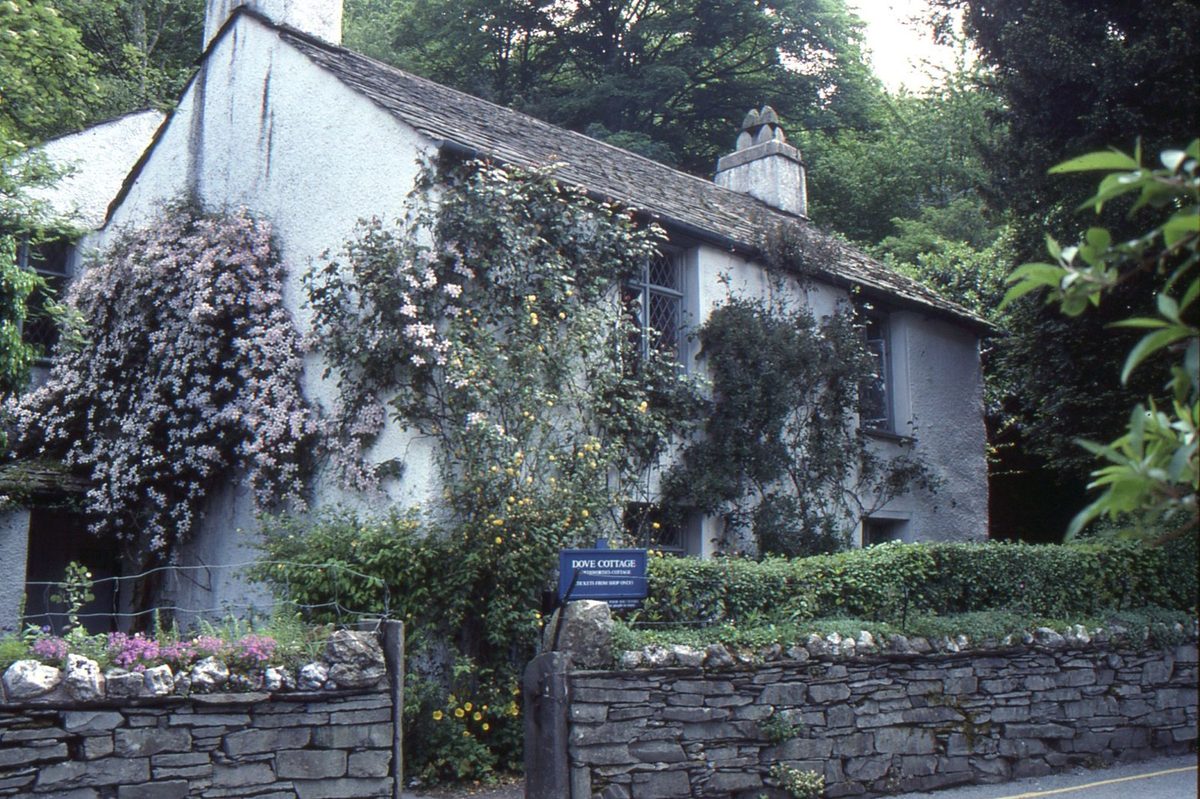
A two-minute drive (or a 15-minute walk) from the village centre is Dove Cottage, Wordsworth’s home from 1799 to 1808 and the place where he wrote much of his best-known work. It’s run by the Wordsworth Trust (wordsworth.org.uk), not the National Trust, so a separate ticket applies. Opening is broadly daily, roughly 9:30am to 5:30pm March to October and shorter hours in winter (as of 2026), but always confirm on their site as days can vary.
Even if poetry isn’t your thing, it’s a genuinely atmospheric little house with a wild hillside garden, and the guides bring it to life. Budget 60 to 90 minutes including the museum next door.
Afternoon: Coniston or a gentle fell
Now you have a choice, and it depends on your energy and the weather.
Option A (a proper view): Drive over to Coniston (around 25 to 30 minutes from Grasmere via the A593) for the lake associated with Donald Campbell’s speed records and Arthur Ransome’s Swallows and Amazons. You can take the historic Steam Yacht Gondola or the Coniston Launch out on the water, or simply have a lakeside lunch.
Option B (a leg-stretch with reward): Stay closer and do a short, manageable fell. I don’t go into route detail here because I’ve written it up properly, but for which climbs actually suit a relaxed schedule, see my guide to gentle Lake District walks and pick one that matches your group.
Late afternoon: Tarn Hows

Whichever afternoon option you take, try to end the day at Tarn Hows. This is a small, almost impossibly pretty tarn ringed by conifers and fells, looked after by the National Trust (parking charges apply, free for members). A gentle, mostly accessible path loops the water in under an hour, and in late-afternoon light, especially in autumn, it’s one of the most photogenic spots in the whole park.
It sits between Coniston and Hawkshead, so it slots in naturally on the way back toward Ambleside.
If it rains: swap Tarn Hows for Hawkshead, a car-free village with the Beatrix Potter Gallery and cosy tearooms, or duck into Ambleside’s shops and cinema. For more wet-weather backups, I keep a running list in my piece on Lake District rainy day activities.
Evening
Head back to your base for dinner. If you’re moving to Keswick for night three, this is a sensible evening to make the 35-minute drive north up the A591, arriving in time for a relaxed meal so day three starts fresh in the north.
Day 3 (North): Keswick, Derwentwater, and Borrowdale
Day three is my favourite, and it’s the day that feels most like the wild Lake District of the imagination. The north has a bigger, rougher character than the polished south, and Keswick makes the perfect launchpad.
Morning: Keswick and the launch to Catbells
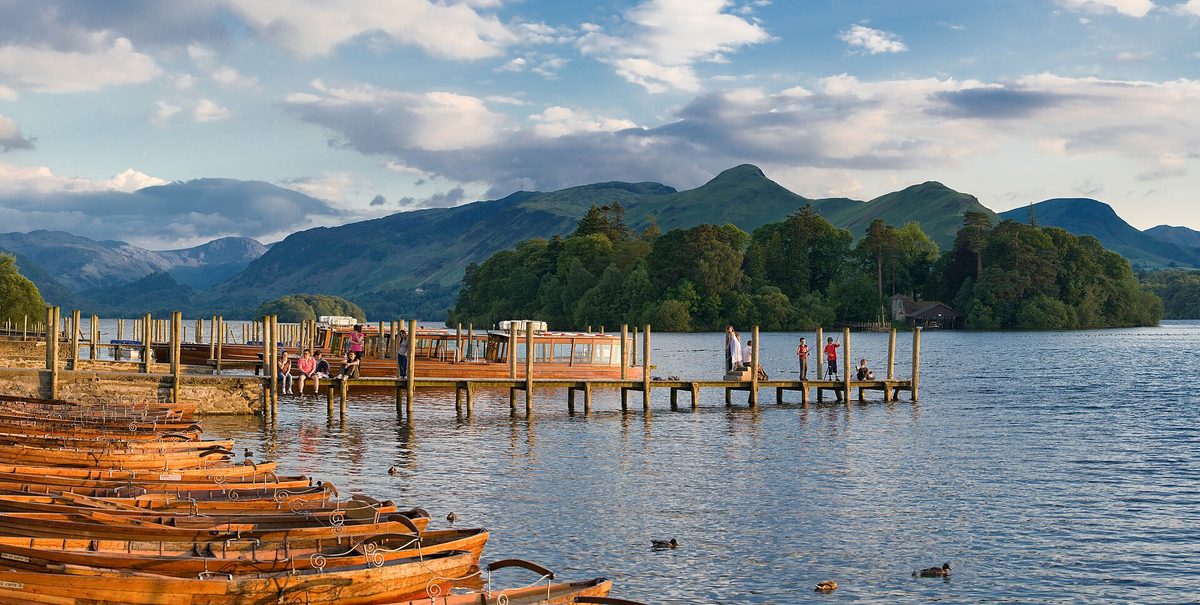
Keswick is a working market town wrapped around a pencil museum, a theatre by the lake, and a square that hosts markets on Thursdays and Saturdays. From the centre it’s a 10-minute walk down to Derwentwater, which to my eye is the most beautiful lake in the park, the one with the wooded islands and the mountains crowding right down to the shore.
The classic morning here is to take the Keswick Launch (keswick-launch.co.uk) across the lake. Buy a hop-on, hop-off walker’s ticket, ride to Hawes End (about a 10-minute crossing), and walk up Catbells, the friendly little ridge that gives you one of the best views-per-effort ratios in England. It’s a steep, hands-on-rock scramble in places but short, and on a clear day the panorama over Derwentwater and Borrowdale is unforgettable.
I’m deliberately not giving step-by-step route notes here; for the full walk description and safety points, lean on a dedicated walking resource and my easy Lake District walks page. If Catbells looks too much, stay on the launch and do the gentle lakeshore section instead, hopping off at a landing stage and strolling back.
For everything Keswick offers beyond the lake, the breweries, the Castlerigg connection, the bus links, my Keswick travel guide goes deeper than I can here.
Afternoon: Borrowdale and Honister Pass

From Keswick, drive south into Borrowdale, which many regulars (myself included) rate as the most beautiful valley in the Lakes. The road hugs the river past oak woods and stone hamlets, and it’s slow going in the best way; allow 20 to 30 minutes to reach the valley head even though it’s not far.
Climb out of the valley over Honister Pass, a genuinely dramatic mountain road, to the Honister Slate Mine (honister.com). It’s England’s last working slate mine, and you can take an underground Mine Tour (around £20 for adults as of 2026) or, if you’ve a head for heights, the Via Ferrata routes that follow the old miners’ path up the crag (around £40, more for the extreme version). Booking ahead is wise in summer, and prices change, so check the site.
From Honister you can loop down to Buttermere and back to Keswick via Whinlatter for a fuller scenic circuit, but be honest about your daylight and energy. On a short trip I’d often turn around at Honister and keep the day relaxed.
Evening: Castlerigg Stone Circle
End the trip the way I always do: at Castlerigg Stone Circle, just east of Keswick. This Neolithic ring of stones sits in a natural amphitheatre of fells, free to visit and managed by the National Trust and English Heritage. At sunset, with the light raking across the valley and the crowds thinned out, it’s quietly extraordinary, the kind of place that makes three days feel like enough and not enough at the same time.
If it rains or you’re shattered: Castlerigg still works under moody skies (arguably better), but if you’d rather be indoors, Keswick’s pubs, the Theatre by the Lake, and the museums make an easy, dry finale.
The no-car variant
You can do a version of this 3 days in the Lake District without driving, and it’s more doable than people think. The Stagecoach 555 bus runs the A591 spine, linking Windermere, Ambleside, Grasmere, and Keswick all day, and a day or multi-day ticket gives unlimited travel. Trains reach Windermere station directly, so you can arrive car-free.
The trade-off is that you’ll lean on bus timetables and stay closer to the main villages: Borrowdale and Honister become a seasonal-bus or guided-tour affair rather than a casual drive, and Tarn Hows takes more planning. Build your days around fewer, deeper stops, the launch boats on Windermere and Derwentwater do a lot of the heavy lifting.
I’ve written the bus routes, ticket types, and realistic timings up in full in my guide to the Lake District without a car, so plan the logistics there. For the Windermere end specifically, my Windermere travel guide covers arrivals and what’s walkable from the station.

Adjusting the plan for weather and energy
A short Lake District trip lives and dies by how flexibly you treat it. A few principles I stick to:
- Front-load the fells on the clear day. If day two looks bright and day three looks wet, do Catbells on day two and the indoor-friendly stops on day three. The plan is a sequence, not a contract.
- Always have a tearoom plan B. Every village here has somewhere warm and dry. A sudden downpour is an excuse for a scone, not a ruined day.
- Don’t overdrive. The biggest mistake first-timers make (the one I made) is treating short map distances as quick. Pick fewer stops and linger.
If you’re slotting these three days into a bigger UK trip, this region pairs beautifully with the rest of the north. See my England itinerary for how to thread it together, and my guide to England road trips if the Lakes are one leg of a longer drive.
Final Thoughts
The Lake District rewards restraint. The temptation on a first visit is to chase a checklist, but the trips I remember are the ones where I sat on a steamer deck doing nothing, or watched the light change over Castlerigg with a flask of tea. This three-day route gives you the headline lakes and fells without the frantic backtracking, and it leaves you wanting to come back, which, honestly, is the whole point.
Treat the days as a flexible sequence, follow the weather rather than your printout, and let the A591 do the navigating. If you want to keep building your wider trip, my overviews of the best places to visit in England, the wider England travel guide, and England’s national parks and hiking will help you decide where to go next.
Research and Source Notes
- Windermere Lake Cruises (windermere-lakecruises.co.uk) for Red Cruise routing, the roughly 70-minute Bowness–Ambleside round trip, and indicative fares (around £17.50 adult return, plus the Freedom of the Lake ticket), verified June 2026.
- Keswick Launch Co. (keswick-launch.co.uk) for the hop-on, hop-off walker’s ticket and the Hawes End crossing used to reach the foot of Catbells.
- Honister Slate Mine (honister.com) for Mine Tour and Via Ferrata details and indicative pricing (mine tour around £20, Via Ferrata Classic around £40), confirmed as of 2026.
- Wordsworth Trust (wordsworth.org.uk) for Dove Cottage opening seasons and the note that it is run by the Wordsworth Trust rather than the National Trust.
- Stagecoach 555 timetable and the National Trust (Tarn Hows, Castlerigg) plus ViaMichelin/Rome2rio driving estimates (Windermere–Keswick ~35 min; Grasmere–Keswick ~18 min) for route timings, cross-checked June 2026.
Photo Credits
- A first-timer’s Lake District itinerary for 3 days begins with the boats and bustle of Bowness-on-Windermere — Photo: mattbuck (category) / CC BY-SA 3.0 via Wikimedia Commons. Source
- Day two centres on Grasmere village, the heart of Wordsworth’s Lake District — Photo: Mark Crombie (CC0) via Wikimedia Commons. Source
- Tarn Hows, a National Trust tarn between Coniston and Hawkshead, glows in late-afternoon light — Photo: Anthony Foster / CC BY-SA 2.0 via Wikimedia Commons. Source
- Honister Pass, the dramatic mountain road and slate mine at the head of Borrowdale — Photo: Brian Clift / CC BY-SA 2.0 via Wikimedia Commons. Source
- Derwentwater near Keswick, the wooded northern lake that anchors day three — Photo: Diliff / CC BY-SA 3.0 via Wikimedia Commons. Source
Frequently asked questions
Is 3 days enough for the Lake District?
Yes, three days is enough for a satisfying first visit, as long as you focus rather than rush. You won’t see every valley, but the south-centre-north route in this plan covers the iconic lakes, villages, a fell or two, and a stone circle. If you want a slower pace or more hiking, four or five days gives breathing room.
Do I need a car for a 3-day Lake District trip?
A car makes this itinerary easiest and unlocks Borrowdale, Honister, and Tarn Hows without timetable stress. But you can absolutely do a car-free version using the Stagecoach 555 bus along the A591 plus the lake launches. Expect to stay closer to the main villages and plan around bus times; see my dedicated car-free guide for the details.
What’s the best base for a Lake District weekend?
For a first trip I recommend Ambleside or Windermere for nights one and two, since they sit centrally on the A591 with the most cafes, shops, and boat links. For night three, either stay put or shift north to Keswick to be on the doorstep of Derwentwater and Borrowdale. My where-to-stay guide compares each town in detail.
What is the best time of year to visit the Lake District?
Late spring to early autumn (roughly May to September) gives the mildest, driest weather and long daylight, though July and August are busiest. Mid-October brings glorious autumn colour and quieter trails, my personal favourite. Whenever you go, pack for rain; the Lakes are green for a reason. See my England seasons guide for month-by-month detail.
Can I see Windermere and Keswick in the same trip?
Yes, and this itinerary is built to. They sit at opposite ends of the A591, about a 35-minute drive apart (longer in traffic). The route flows south to north over three days, so you experience Windermere’s gentle, polished side early and Keswick’s wilder northern character at the finish without ever doubling back.
How much driving is involved in this Lake District road trip?
Surprisingly little. Day one is mostly on foot and by boat. Day two totals roughly an hour to 75 minutes spread across short hops. Day three is about 75 to 90 minutes, more if you loop via Buttermere. The roads are narrow and slow, so always allow extra time over what a map suggests.
1 note
Notes are closed on this sheet.