Sheet 22 · England Castles and Historic Sites · 16 min read
Best Castles in England
An honest guide to the best castles in England — royal seats, mighty ruins and coastal fortresses, with rough 2026 prices, timings and which to skip.
 Sheet 22
Contents 11 sections
I have lost count of how many English castles I have walked into, but I never lose the feeling. You climb a spiral stair worn smooth by eight hundred years of boots, and something in your chest does a small flip.
So here is the short version. The best castles in England fall into four honest groups: living royal seats like Windsor and Warwick; mighty ruins like Kenilworth and Corfe; coastal fortresses like Bamburgh, Dover and Tintagel; and fairy-tale favourites like Alnwick, Bodiam and Leeds. Pick by region and mood.
England has well over a thousand castle sites, from grass-covered mottes to fully furnished royal homes. You cannot see them all, and you shouldn’t try. What follows is my opinionated map of which to prioritise, organised by region and type, with rough prices and timings hedged because they shift every season — plus, honestly, which ones to skip if your days are short.
Quick Answer: The Best Castles in England, by Type
If you only have time to skim, the best castles in England break down like this. For a living royal castle, go to Windsor (near London) or the Tower of London itself. For a grand day out with the family, Warwick in the Midlands. For ruins that stop you mid-sentence, Kenilworth, Corfe and Dunstanburgh. For coastal drama, Bamburgh and Dover, with wild little Tintagel in Cornwall for the legend. And for the postcard moat, Bodiam and Leeds in Kent. Pick by region and mood, not by a single ranking.
A castle, properly speaking, is a fortified home. That is the line I draw in this guide. I will point you toward the cathedrals, the grand unfortified houses and the Tudor palaces where they belong, but the stars here are the ones built to keep people out.
At a Glance: The Best Castles in England, Compared
The phrase “the best castles in England” gets thrown around a lot, so here is the practical version — a side-by-side look at the ones I rate, with rough costs and what each does best.
Prices below are rough adult on-the-day figures as of 2026 and almost always cheaper booked online in advance. Always check the official site before you go.
| Castle | Region | Best for | Rough adult ticket (2026) |
|---|---|---|---|
| Windsor Castle | Near London (Berkshire) | A working royal palace | Around £30–£36 |
| Tower of London | Central London | Crown Jewels & 1,000 years | Around £35–£40 |
| Warwick Castle | Midlands (Warwickshire) | Families, full day out | Around £26–£29 |
| Leeds Castle | Kent (near London) | Moat & parkland, all-year pass | Around £30 (12-month pass) |
| Dover Castle | Kent coast | Wartime tunnels & layers of history | Around £24–£26 |
| Bodiam Castle | East Sussex | The perfect moated ruin | Around £13–£14 |
| Bamburgh Castle | Northumberland coast | Sheer dramatic position | Around £17 |
| Alnwick Castle | Northumberland | Harry Potter & lavish interiors | Around £22–£24 |
| Kenilworth Castle | Midlands (Warwickshire) | Romantic red sandstone ruin | Around £14–£15 |
| Corfe Castle | Dorset | Ruined skyline above a village | Around £12–£14 |
| Tintagel Castle | Cornwall coast | Arthurian legend & cliffs | Around £16–£18 |
| Dunstanburgh Castle | Northumberland coast | A wild ruin you walk to | Around £8–£10 |
Castles Near London: The Easy Wins
If your base is the capital and your time is tight, the good news is that two of the most famous English castles are either inside London or 40 minutes from it.
The Tower of London
I will say something faintly heretical: the Tower of London is the most important castle in England, and also the one most people get slightly wrong. They come for the Crown Jewels, queue, shuffle past on the travelator, and leave. Do that, by all means — the jewels genuinely are worth seeing. But the Tower is a real Norman castle, begun by William the Conqueror in the 1070s, and the White Tower at its heart is the single best Norman keep in the country. Climb it. Walk the wall. Listen to a Yeoman Warder tell the grisly stuff with a straight face.
It is the most visited castle and heritage site in England, run by Historic Royal Palaces. Expect to pay around £35–£40 on the gate as of 2026 (less online), and give it a solid three to four hours. Go at opening or late in the day; the middle is a crush.
Windsor Castle
Windsor is the oldest and largest occupied castle in the world, and you feel the “occupied” part — this is a working royal residence, so closures happen at short notice when it is in use. When the State Apartments are open, they are sumptuous, and St George’s Chapel inside the walls is one of the loveliest spaces in England.
It is a genuinely easy half-day from the capital; I have laid out the logistics in my London to Windsor day trip guide. Tickets run around £32–£36 on the day in 2026 through the Royal Collection Trust. Budget two to three hours, more if the Changing of the Guard is on. One tip: check whether the State Apartments are open the day you plan to go, or you may pay full whack for the grounds and chapel alone.
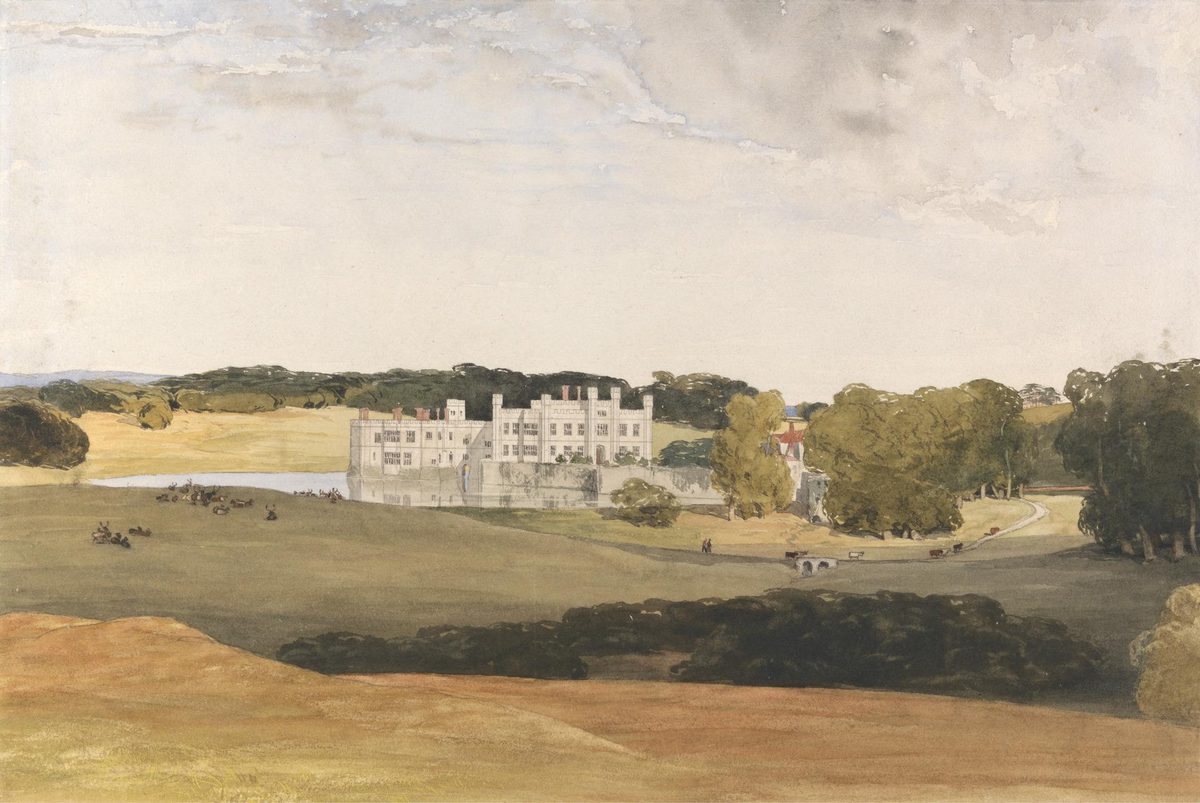
Leeds Castle, Kent
Leeds Castle sits on two islands in a lake and is, frankly, gorgeous — the kind of view that looks staged. Inside it is more comfortable country house than fortress, but the setting carries it. A ticket here, around £30 in 2026, usually converts to a 12-month pass, which tells you the model: this is a full-day attraction with a maze, gardens, falconry and a little ferry, very much aimed at families.
It is about an hour from London and pairs naturally with other Kent stops. I would not make a special pilgrimage from the north for it, but as a day trip from London it is hard to fault.
Royal and Working Castles: Where the Rooms Are Still Dressed
Some castles never became ruins because people simply kept living in them. These are the ones with furniture, tapestries, fires laid in the grate — and usually a higher ticket price to match.
Warwick Castle
Warwick is the one I send families to without hesitation. It is owned by Merlin Entertainments, the people behind the theme parks, so yes, there are jousting shows, a dungeon experience, birds of prey and a trebuchet they fire over the river. Purists grumble. I think it is brilliant for what it is: a genuinely mighty medieval castle, with real ramparts and towers to climb, wrapped in a day out that keeps children happy from ten until five.
Tickets are around £26–£29 in 2026, and pricing drops noticeably if you book online ahead. Give it a full day to get your money’s worth — the grounds run to 64 acres. If you are travelling with little ones, it earns its place in my England with kids round-up.
Alnwick Castle
Alnwick, up in Northumberland, is the second-largest inhabited castle in England and still home to the Percy family. You may know it without realising — it was Hogwarts in the first two Harry Potter films, and Brancaster in Downton Abbey. The State Rooms are seriously opulent, all Italianate splendour, and the grounds connect to the separate (and superb) Alnwick Garden next door.
Reckon on around £22–£24 in 2026 for the castle, and note it closes over winter, reopening in spring. Tickets bought through the official site typically become annual passes. It is a long way north, but if you are exploring Northumberland anyway, it is a highlight, and it slots neatly into a wider England bucket list.
Coastal Fortresses: Castles That Use the Sea
This, for me, is where England’s castles get truly cinematic. Put stone walls on a clifftop or a rock surrounded by surf and the drama writes itself.
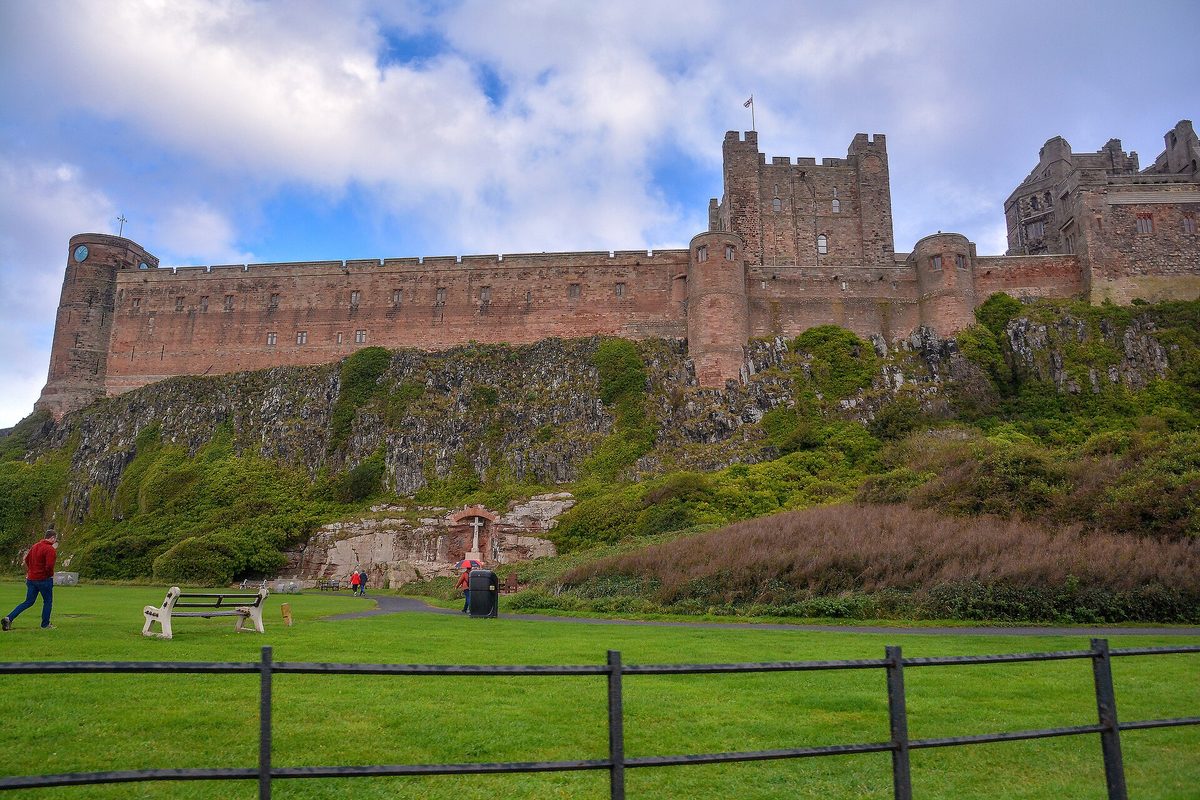
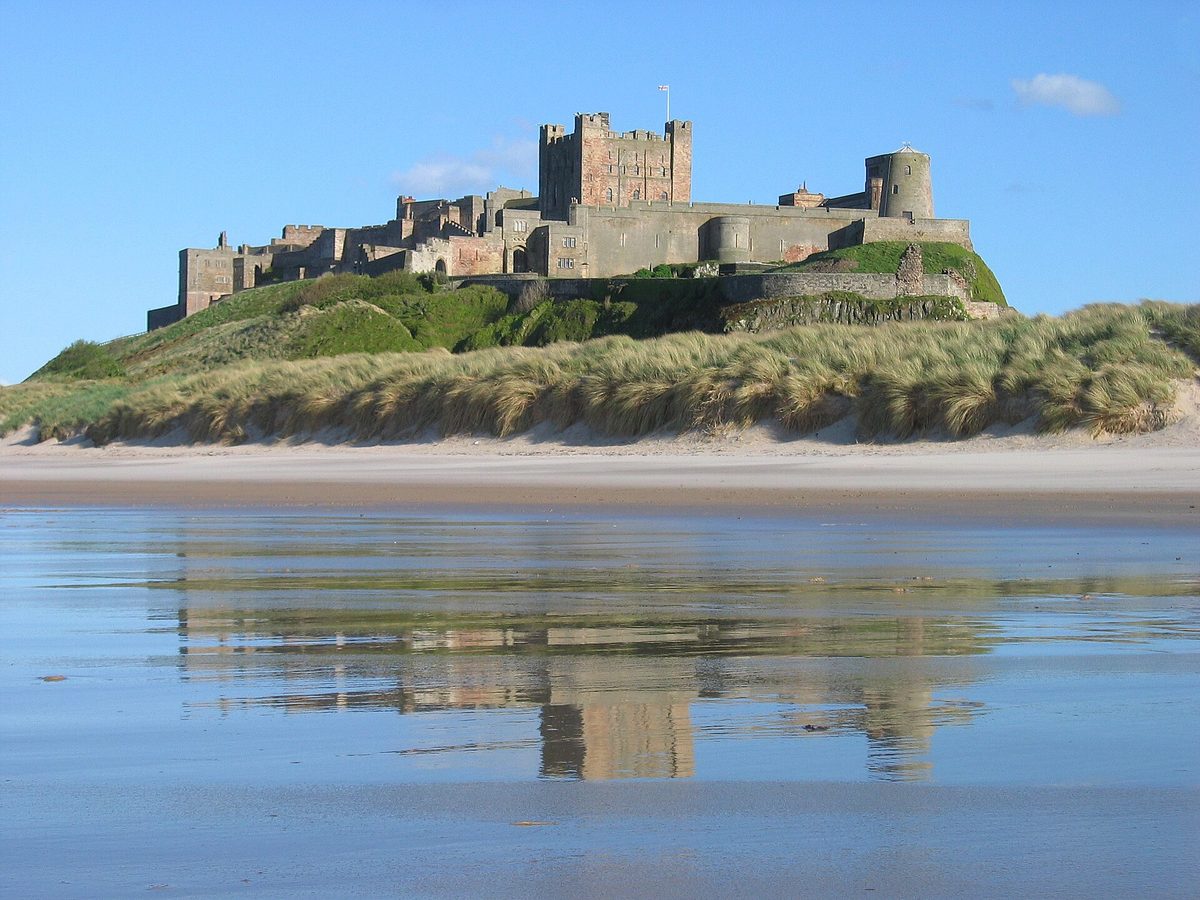
Bamburgh Castle, Northumberland
If you make me choose one coastal castle, it is Bamburgh. It stands on a great basalt crag right above a sweep of pale sand, visible for miles, and it has been a stronghold since Anglo-Saxon times. There is a working castle to tour inside, but honestly the approach is the thing — walk up the beach toward it at low tide and tell me your pulse doesn’t quicken.
Tickets are around £17 in 2026, with parking on top. Two to three hours covers the castle, but give yourself the beach too. It pairs beautifully with the Farne Islands and Holy Island nearby.
Dover Castle, Kent
Dover is the one I call the most complete castle experience in England. It has a Roman lighthouse, a Norman great tower (richly re-presented as Henry II’s palace), medieval walls, and — the killer detail — secret wartime tunnels dug into the white cliffs from which the Dunkirk evacuation was directed. You can do a thousand years in one afternoon.
Run by English Heritage, it costs around £24–£26 on the day in 2026, free for members. Give it most of a day; the tunnel tours alone eat an hour and queue in summer. It is an easy pairing with Canterbury, which I cover in my Canterbury and Dover day trip from London guide.
Tintagel Castle, Cornwall
Tintagel is more legend than building. Perched on a wild headland on Cornwall’s north coast, it is the supposed birthplace of King Arthur, and while the standing ruins are modest, the setting is extraordinary — black cliffs, crashing Atlantic, and since 2019 a slender footbridge that reconnects the mainland to the island for the first time in centuries.
English Heritage runs it; entry is around £16–£18 in 2026 with timed bridge slots in peak season, so book ahead. There is steep walking and a lot of steps, and the lower coastal exit is a stiff climb back up. Worth every gasp. Go for the atmosphere, not the architecture.
Mighty Ruins: The Broken Ones That Hit Hardest
There is a particular magic to a roofless castle — the sky where a great hall used to be, jackdaws in the towers. These are my sentimental favourites.
Kenilworth Castle, Warwickshire
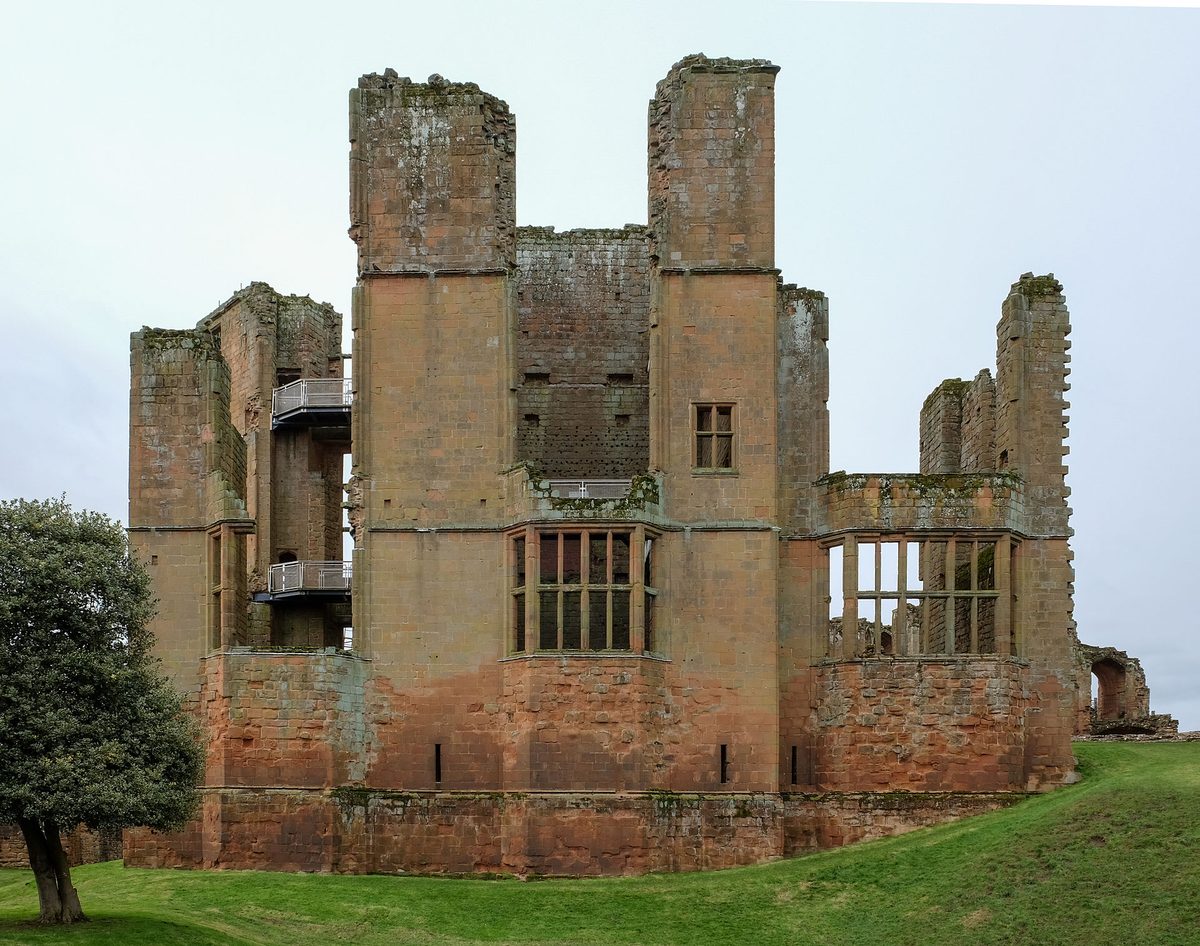
Kenilworth is the most romantic ruin in England and I will fight about it. Vast red sandstone walls glow at the end of the day; this was where the Earl of Leicester staged nineteen days of revels to woo Elizabeth I in 1575, and English Heritage has recreated the Elizabethan garden he built to impress her. You can climb up into Leicester’s tower for the view across the whole sprawling site.
Around £14–£15 in 2026, free for members, and a comfortable two hours. It sits close enough to Warwick that the energetic could do both in a day — a pairing I tuck into my medieval England itinerary.
Corfe Castle, Dorset
Corfe is a ruin with a backstory you can see: it was slighted — deliberately blown up — by Parliament after the Civil War, and the towers now lean at drunken angles, frozen mid-collapse. It crowns a hill above an impossibly pretty stone village, and the whole tableau is one of the great views of southern England.
National Trust run it; entry is around £12–£14 in 2026, free for members, and an hour or so does it. The little steam railway through the village is a lovely add-on. Corfe slots naturally into a Dorset and Jurassic Coast trip.
Dunstanburgh Castle, Northumberland
Dunstanburgh is the connoisseur’s ruin. You cannot drive to it — you walk about a mile and a half along the coast from Craster, past the harbour, and the gaunt fourteenth-century gatehouse rises slowly out of the headland ahead of you. There is almost nothing inside. That is the point. It is just you, the ruin, the sea and the wind.
Jointly cared for by English Heritage and the National Trust, it is a modest entry of around £8–£10 in 2026. The walk is half the experience, so wear proper shoes and don’t rush it.
Fairy-Tale Favourites: The Postcard Castles
Some castles simply look the part — moats, drawbridges, round towers reflected in still water. They are not always the most historically heavyweight, but they deliver the image in your head.
Bodiam Castle, East Sussex
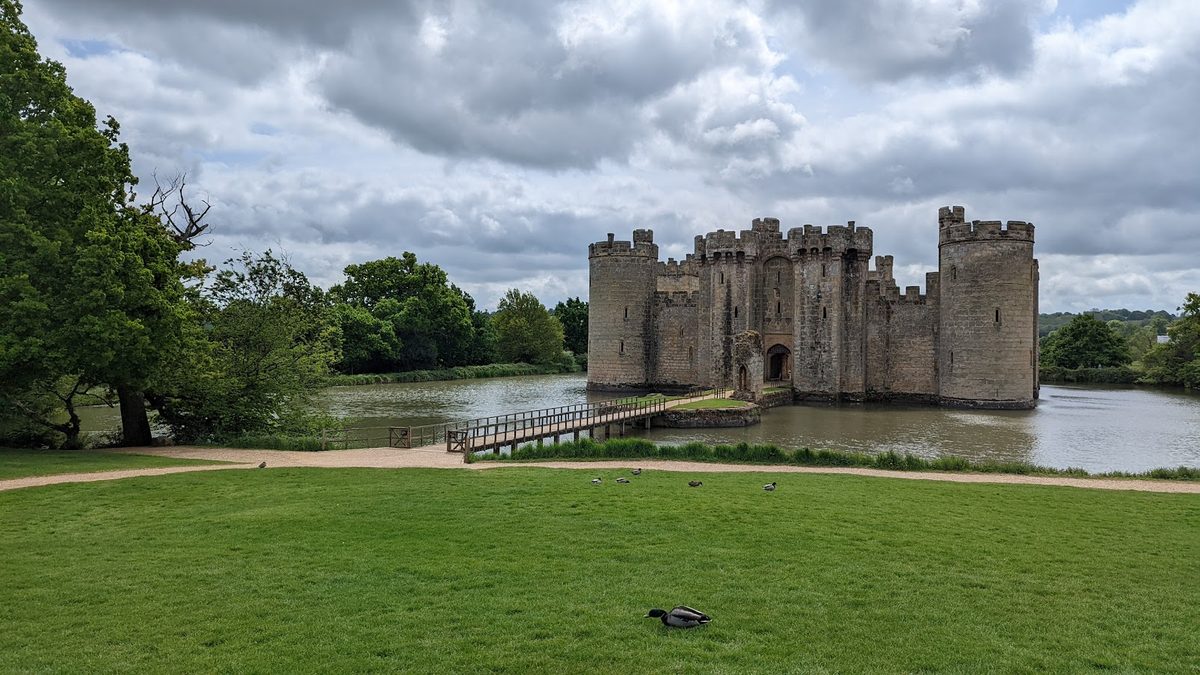
Bodiam is the platonic ideal of a castle. Built in the 1380s, it is a near-perfect square ringed by a wide moat, with round corner towers and a gatehouse complete with portcullis. From the outside it looks utterly intact; step in and you find it is a beautiful shell, roofless, with spiral stairs you can climb for views back over the water.
National Trust, around £13–£14 in 2026, free for members, and an hour is plenty. It is one of the most photogenic spots in the south and brilliant with children, who can scramble the battlements. Don’t expect grand interiors — come for the silhouette.
Arundel and Bodiam’s Sussex Neighbours
While you are in Sussex, Arundel Castle is worth knowing about — a vast, restored, still-inhabited castle of the Dukes of Norfolk, with magnificent gardens, though its interiors are more grand-house than medieval. Pricing sits in the low-to-mid £20s in 2026 and it opens seasonally. I rate it for the gardens above all.
How to Choose the best castles in England by Region
To make this usable rather than overwhelming, here is how I would plan by where you actually are:
- Based in London? Tower of London first, then Windsor, then a Kent day for Leeds, Dover or Bodiam.
- In the Midlands? Warwick and Kenilworth, easily paired, are the heart of castle country.
- Heading to the South West? Corfe in Dorset and Tintagel in Cornwall, with the coast as a bonus.
- Going north to Northumberland? This is the richest castle coast in England — Bamburgh, Alnwick, Dunstanburgh and more within an hour of each other.
If you want to weave several into a single trip rather than treat them as one-offs, my medieval England itinerary does exactly that, and the broader England travel guide helps with the bones of the trip.
Which Castles to Skip if You’re Short on Time
I would gently steer first-timers away from the many earthwork-only sites — grassy mounds where a castle once stood — unless you are a specialist; they reward knowledge more than a casual visit. I would also not cross the country for Leeds Castle or Arundel alone, lovely as they are, when a closer option exists. And if you have already done Windsor’s royal staterooms, you can comfortably skip Alnwick’s interiors and just enjoy its grounds. Prioritise the ones whose drama is in the stones and the setting — those never disappoint.
What I’d Do With Limited Days
One day, London-based: the Tower in the morning, nothing else castle-related — let it breathe.
Two or three days: add Windsor and a Kent run to Dover and Bodiam.
A week, going further: pick a region and go deep. Northumberland for the coastal cluster, or the Midlands for Warwick-plus-Kenilworth, beats scattering yourself thin across the whole country. Castles reward depth, not box-ticking. If passes and memberships might save you money across several English Heritage or National Trust sites, weigh that up in my English Heritage vs National Trust comparison before you buy a single ticket.
Practical Tips I Wish Someone Had Told Me
A few hard-won notes that will make any castle day go smoother.
Mind the seasons. Many castles, especially the privately run ones like Alnwick and Arundel, close over winter and reopen around late March. Ruins under English Heritage often stay open year-round but on shorter winter hours, sometimes weekends only. A castle that is “open daily 10–5” in July may be “Wednesday to Sunday 10–4” in February, so always check the official page for the actual week you are travelling rather than trusting a generic listing.
Book online, arrive early. For the big-ticket sites — Windsor, the Tower, Warwick, Tintagel’s timed bridge — booking ahead usually saves around 10–15% and guarantees entry on busy days. Mornings are calmer everywhere, and the soft early light is far kinder to photographs than the flat glare of midday. If you can only visit a coastal castle once, aim for the golden hour either end of the day; Bamburgh and Corfe in particular are transformed by it.
Dress for ruins, not lobbies. Spiral stairs are uneven, battlements are exposed, and clifftop sites like Tintagel and Dunstanburgh involve real climbing and sea wind. Sturdy shoes and a layer you can pull on matter more than you would think. Cobbles and worn stone get slick in the rain, which in England is never a remote possibility.
Check access honestly. Medieval castles and step-free do not naturally go together. Many keeps have no lift and dozens of stairs, and some sites — Tintagel above all — involve a steep haul back up. If anyone in your group has limited mobility, look at the access information before booking; the better sites publish it clearly, and ground-floor highlights are often still rewarding.
Factor in the extras. Parking is frequently a separate charge of a few pounds even when entry is included, and the headline ticket rarely covers a guidebook or special exhibition. None of it is expensive, but it adds up across a week, which is exactly when a membership starts to make sense.
Final Thoughts
If I had to press one piece of advice into your hand, it would be this: do not treat castles as a checklist. The temptation, with so many world-class options, is to sprint between them and tick boxes. Resist it. A single slow afternoon at Bamburgh, climbing the dunes with the wind in your teeth, or an hour alone in Kenilworth’s glowing ruins as the light goes amber, will stay with you longer than five rushed stops.
My own hierarchy, if you forced it: Dover for completeness, Bamburgh for drama, Kenilworth for romance, the Tower for sheer historical weight, and Bodiam when you simply want the picture-book castle. Build your trip around one region, go deep, and let yourself stand still on a wall for a while. These places were made to be felt, not just photographed.
For the bigger picture — how castles sit alongside England’s cathedrals, Roman remains and Tudor stories — start with my pillar on castles in England and historic sites, which ties the whole heritage trail together. From there, the best cathedrals in England make a natural companion, and if you are still shaping the wider trip, the best places to visit in England and where to stay in England guides fill the gaps between the battlements.
Research and Source Notes
I verified opening details and rough 2026 pricing against official sources and treated every figure as approximate, since prices and timings shift each season — always confirm on the day before you travel. Sources I checked included the Royal Collection Trust (rct.uk) for Windsor Castle; Historic Royal Palaces (hrp.org.uk) for the Tower of London; English Heritage (english-heritage.org.uk) for Dover, Kenilworth, Tintagel and Dunstanburgh; the National Trust (nationaltrust.org.uk) for Corfe and Bodiam; and the official Warwick Castle, Leeds Castle, Bamburgh Castle and Alnwick Castle websites for their own admission and seasonal details. For background on England’s oldest castles I drew on Visit Northumberland and Historic England / Heritage Calling. Every price quoted is a rough adult on-the-day rate as of 2026 and is typically lower when booked online in advance.
Photo Credits
- Windsor Castle and its round tower seen across the Berkshire skyline, one of the best castles in England to visit — Photo: Diego Delso / CC BY-SA 4.0 via Wikimedia Commons. Source
- Leeds Castle reflected in its lake on a still morning in Kent — Photo: Thomas Collier (CC0) via Wikimedia Commons. Source
- Bamburgh Castle on its basalt crag above the Northumberland coast at golden hour — Photo: Michael Hanselmann – Quaoar10 / CC BY-SA 3.0 via Wikimedia Commons. Source
- Bodiam Castle mirrored perfectly in its square moat in East Sussex — Photo: Rlumstead / CC BY-SA 4.0 via Wikimedia Commons. Source
- The red sandstone ruins of Kenilworth Castle glowing in late afternoon light in Warwickshire — Photo: DeFacto / CC BY-SA 4.0 via Wikimedia Commons. Source
Frequently asked questions
What is the best castle in England to visit?
It depends on what you want. For a complete experience under one roof, Dover Castle — Roman to wartime in an afternoon — is hard to beat. For a working royal palace, Windsor. For families, Warwick. For sheer drama, Bamburgh. There is no single winner, which is rather the point of England having so many.
Which is the oldest castle in England?
The honest answer is "it's contested." Several Norman castles date from immediately after 1066, including the Tower of London and Windsor (both around 1070), while sites like Warwick and Clifford's Tower in York reuse even older earthworks. Richmond Castle in Yorkshire (around 1071) is among the best-preserved early Norman survivals you can actually walk through.
What are the best castles near London for a day trip?
Windsor is the easiest at roughly 40 minutes out, and a working royal residence. In Kent, Leeds Castle, Dover Castle and Bodiam all make comfortable days, and Hever and Arundel are within reach too. The Tower of London counts as well — it is simply inside the city. My day trips from London guide covers the logistics.
How much does it cost to visit a castle in England?
It varies hugely. Ruins and smaller sites run roughly £8–£18 as of 2026; major working castles like Windsor, Warwick and the Tower sit around £26–£40. Booking online in advance usually saves money, and an English Heritage or National Trust membership can pay for itself fast if you are visiting several — see the free historic sites in England guide too.
Are England's castles worth visiting with children?
Very much so. Warwick is built around family entertainment, Leeds has mazes and a ferry, and ruins like Bodiam, Corfe and Dunstanburgh let kids climb, run and play knights without much fuss. Battlements and spiral stairs do most of the work. My England with kids guide has more on keeping younger visitors happy.
What's the difference between a castle and a stately home?
A castle was built to be defended — walls, moats, arrow loops, the lot. A stately home is a grand unfortified residence built for comfort and show, often in peacetime. Some sites blur the line (Windsor, Alnwick and Arundel are fortified homes still lived in), but for grand houses proper, see my stately homes in England guide instead.