Sheet 61 · Bath, Stonehenge, Oxford and Cambridge · 16 min read
Bath Travel Guide
A first-hand Bath travel guide: Roman Baths tickets, Bath Abbey, Royal Crescent, afternoon tea, getting around, and how to plan a perfect 1-2 day visit.
 Sheet 61
Contents 10 sections
The first time I walked out of Bath Spa station and rounded the corner toward the Abbey, I stopped on the pavement like a tourist who’d forgotten how to walk. It’s the stone. The whole city is built from the same warm, honey-coloured Bath stone, and on a good afternoon the light makes it glow. I’ve been back four times since, and it still gets me.
This Bath travel guide is the in-city walkthrough I wish I’d had on that first trip: the Roman Baths and Bath Abbey, the Royal Crescent and The Circus, where to take afternoon tea, how to get there from London, and how to fit it all into one or two days without sprinting. I’ll give you rough prices and times, all hedged and current as of 2026, and I’ll tell you where I’d actually spend my money.
Quick Answer: What This Bath Travel Guide Covers
This Bath travel guide is everything you need inside the city itself. Bath is a compact, walkable UNESCO World Heritage city in Somerset, about 90 minutes by train from London. Spend your time on the Roman Baths, Bath Abbey, the Royal Crescent and The Circus, Pulteney Bridge, and a soak at Thermae Bath Spa. One full day covers the headlines; two days lets you breathe.
If you’re planning a wider trip, I’ve split the detail across a few articles. This one owns Bath itself. For the combined Bath-and-Stonehenge run, see the Bath and Stonehenge itinerary. For the stone circle’s own ticketing and timing, see the Stonehenge visitor guide. And the whole region sits under the Bath, Stonehenge, Oxford and Cambridge guide if you’re piecing together a longer southern England loop.
At a Glance: Bath’s Top Sights
Here’s how I’d rank the headline attractions, with rough costs and how long to budget. Prices are indicative and as of 2026 — always check the official site before you book.
| Sight | Rough price (adult) | Time to budget | Why go |
|---|---|---|---|
| Roman Baths | Around £22-28 | 1.5-2 hours | The best-preserved Roman bathing complex in Northern Europe |
| Bath Abbey | Free entry (donation); Tower Tour around £18 | 30-45 min; tour 1 hr | Soaring fan-vaulted ceiling; climb the tower for rooftop views |
| Thermae Bath Spa | Around £44-49 (2-hr session) | 2-3 hours | Actually bathe in the thermal water, rooftop pool over the skyline |
| Royal Crescent & The Circus | Free to walk; No.1 museum around £15 | 1 hour | Bath’s most famous Georgian architecture |
| Pulteney Bridge | Free | 20-30 min | One of the few bridges in the world lined with shops |
| Jane Austen Centre | Around £15-16 | 1 hour | Regency context and costumed guides |
You can do the free things in a single morning. The three I’d always pay for, if I had to choose, are the Roman Baths, the Abbey Tower Tour, and a Thermae session — in that order.
Roman & Georgian Bath: The Unmissable Core
Bath has two great eras stacked on top of each other, and that’s the whole appeal. The Romans came for the hot spring around 70 AD and built a temple-and-bathing complex they called Aquae Sulis. Then, in the 1700s, Georgian Bath rebuilt itself as a spa resort for the fashionable, and gave the world some of the finest set-piece architecture in Britain. You’re walking through both at once.
The Roman Baths
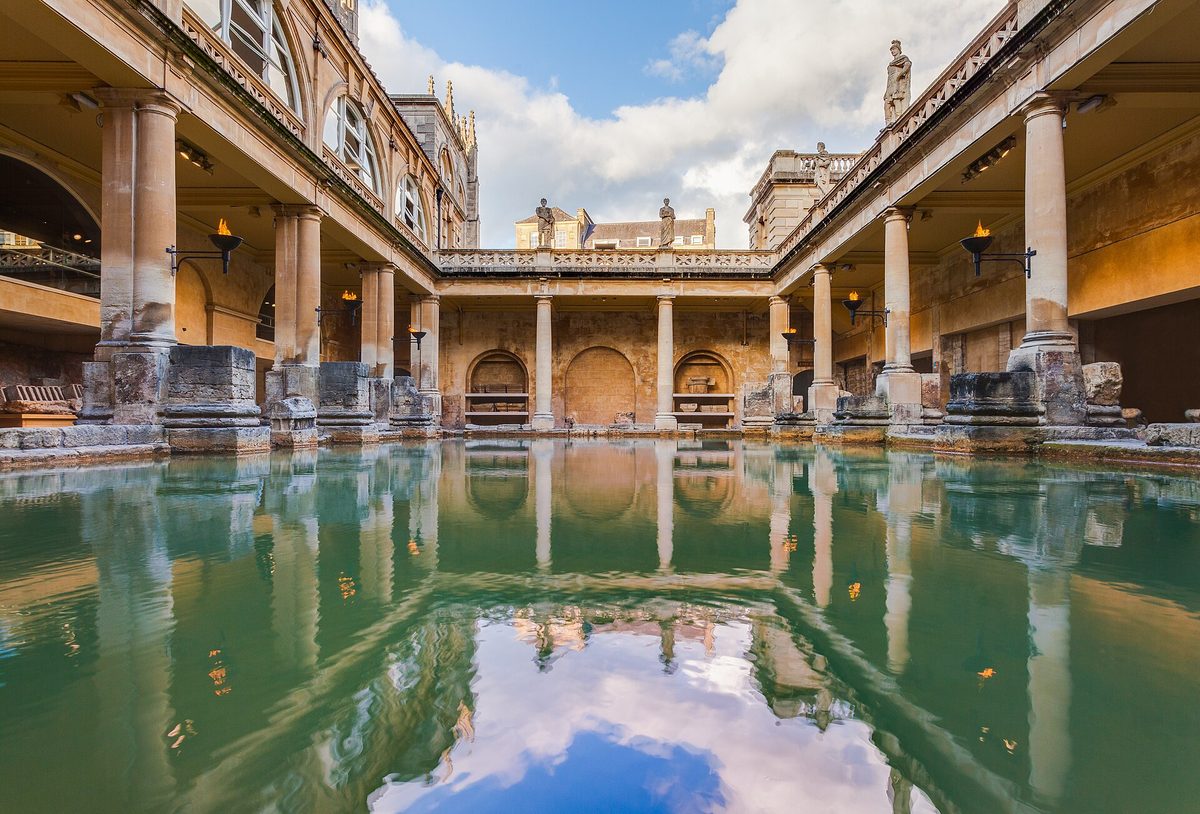
Start here. The Roman Baths are built around the country’s only naturally hot spring, where mineral water still bubbles up at around 46°C, the same as it did two thousand years ago. The centrepiece is the Great Bath, an open-air pool ringed by Victorian-era statues and terraces, with the Abbey looming behind it. It photographs better than almost anywhere in England.
A few things I learned the practical way. You cannot swim in the Roman Baths — the water is untreated and isn’t safe to bathe in, which surprises a lot of first-timers. For an actual soak you want Thermae Bath Spa down the road. Inside, you get a free audioguide in a dozen-plus languages (there’s a version narrated by Bill Bryson, which is worth choosing), and you can taste the famously mineral-heavy spa water at the end. It tastes, in my honest opinion, like warm pennies. Try it anyway.
On Roman Baths tickets: adult admission runs around £22-28 as of 2026, and per the official site (romanbaths.co.uk) advance online tickets are about £2 cheaper than buying on the day. There’s also a £1 ticket scheme for UK visitors on certain benefits like Universal Credit or Pension Credit — bring proof. Allow 90 minutes to two hours. It gets genuinely packed midday in summer, so I’d book the first slot of the morning or go late. In high summer (roughly 20 July to 31 August) the site opens into the evening with the Great Bath lit by torchlight, which is the single best way to see it — fewer crowds, dramatic light.
If you want more context, guided tours of the Great Bath run several times a day for a small extra fee, and they’re a good way to anchor what you’re looking at.
Bath Abbey
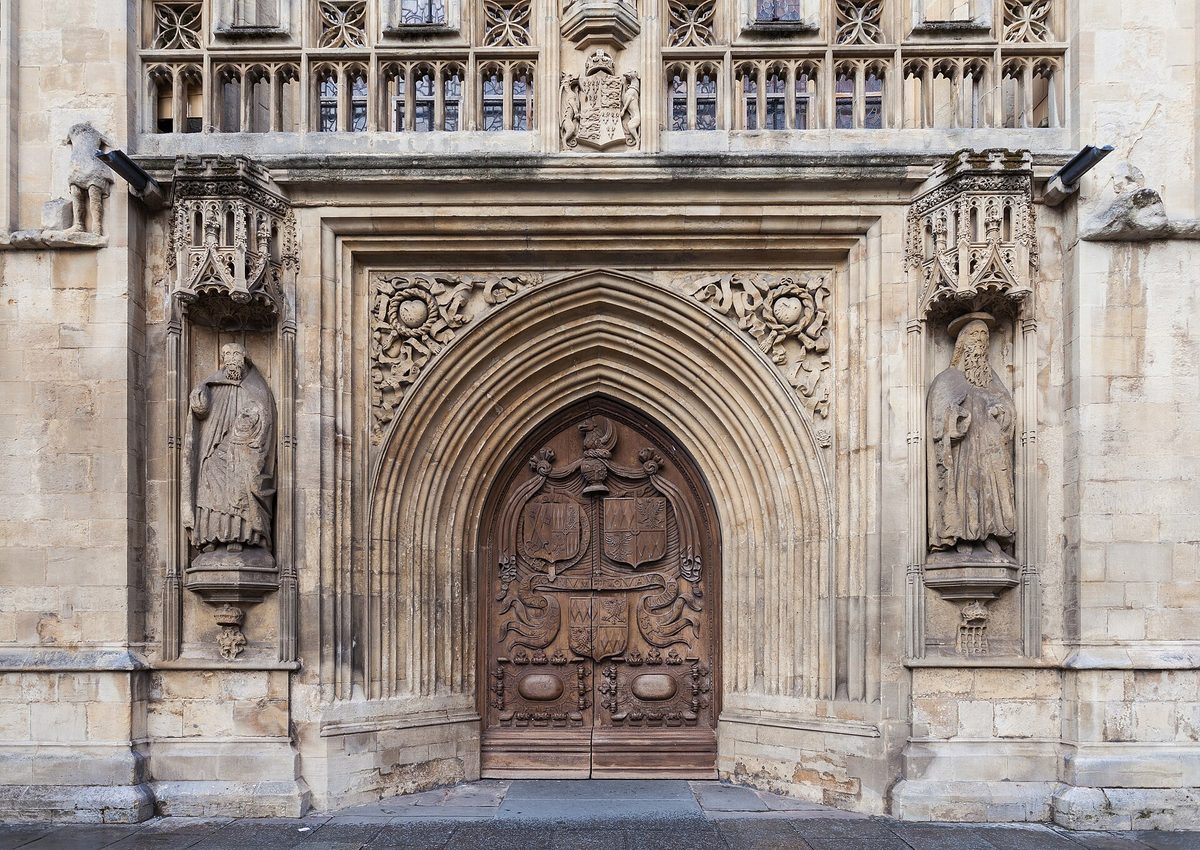
Right next door, Bath Abbey is free to enter, though there’s a suggested donation of a few pounds and it’s well worth giving. Step inside and look up: the fan-vaulted ceiling over the nave is the showstopper, and on a sunny day the huge windows throw colour across the whole floor. The west front, carved with angels climbing ladders to heaven, is one of those details you’ll miss if you don’t look up before going in.
The thing I’d actually pay for here is the Tower Tour. It’s around £18 for adults as of 2026 (students and children less), per bathabbey.org, and it’s a guided climb of 212 steps that takes you behind the clock face, into the bell chamber, and out onto the roof for a 360-degree view over the rooftops, the Abbey churchyard, and the green hills beyond. One honest 2026 note: the tower was under essential maintenance into late June 2026, with the roof temporarily off-limits and tickets sold at a reduced price, so check the current status before you bank on the full rooftop experience. Tours run Monday to Saturday and aren’t suitable if you have serious mobility issues, vertigo, or claustrophobia — it’s a tight spiral stair.
The Royal Crescent & The Circus
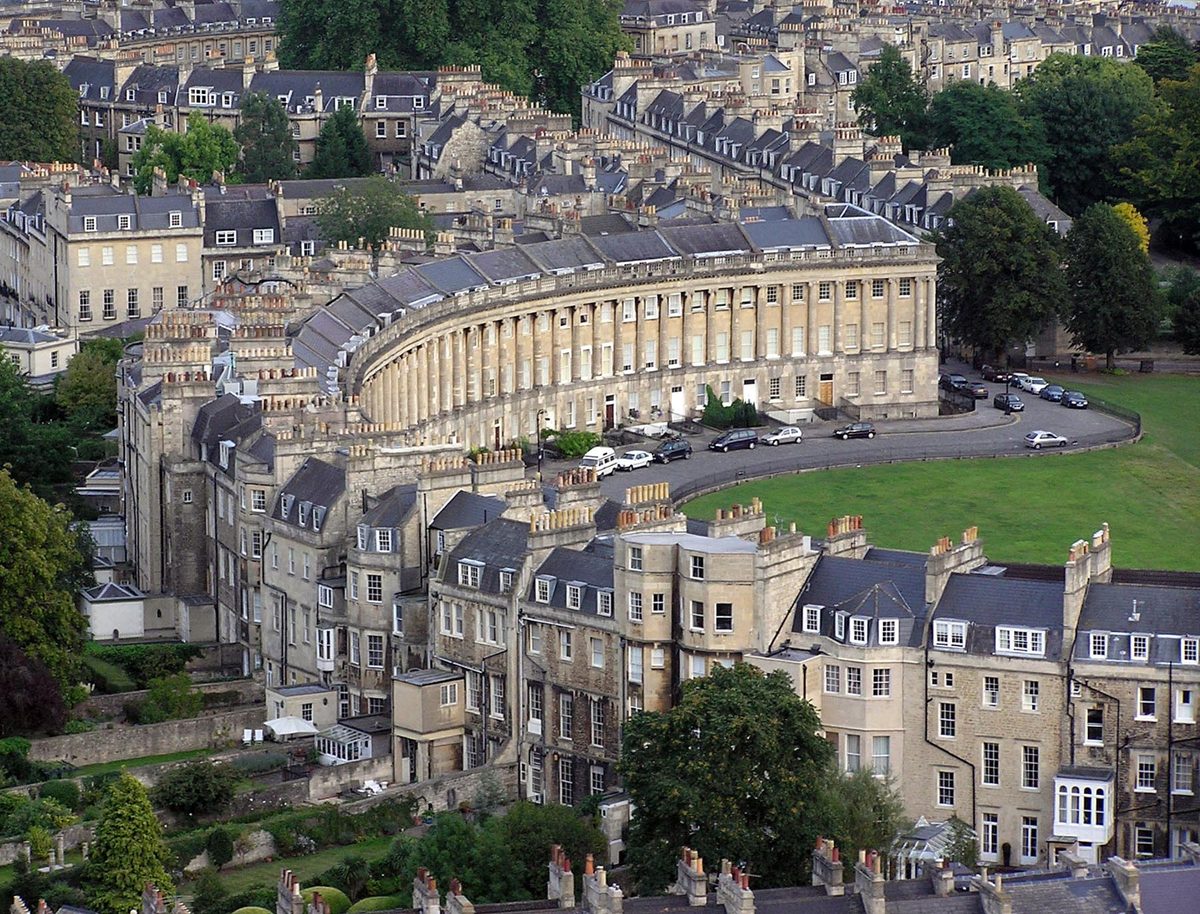
This is the Georgian half of Bath, and it’s free to simply walk and gawp at — which is mostly what you’ll do. The Royal Crescent is a sweeping arc of thirty terraced houses, built 1767-1774 to a design by John Wood the Younger, facing a great lawn that drops away toward the city. It is, genuinely, one of the most impressive single streets in Europe. Stand at the centre, look along the curve, and you’ll understand why it’s on every postcard.
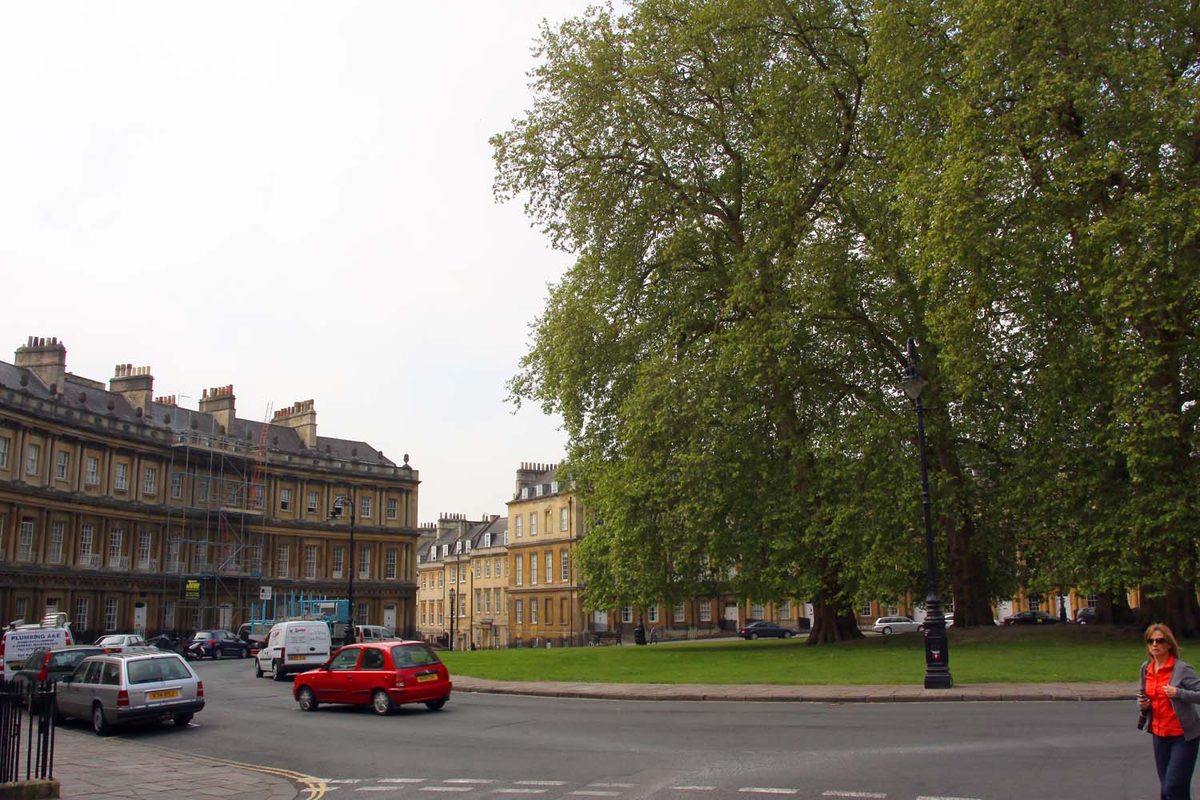
A short walk up Brock Street brings you to The Circus, John Wood the Elder’s circular ring of townhouses built 1754-1769, with three tiers of columns — Doric, Ionic, then Corinthian — stacked one above the other in deliberate echo of the Colosseum. There are huge plane trees in the middle now. Stand in the centre of the road (carefully) and the buildings wrap right around you.
If you want to step inside Georgian life, No.1 Royal Crescent is a restored townhouse museum at the end of the crescent, furnished as it would have been around 1800, for roughly £15. It’s a good, compact museum and a nice contrast to the bath ruins. The Royal Crescent and The Circus together take about an hour to stroll, more if you stop for photos, which you will.
Pulteney Bridge & the Weir
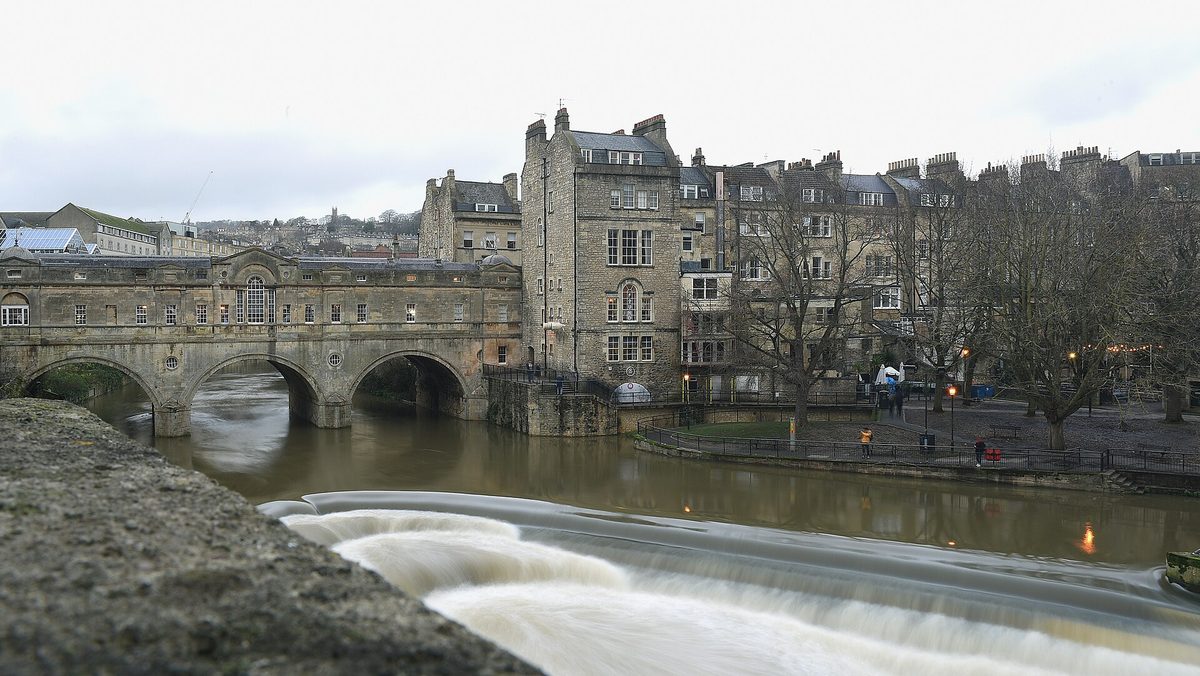
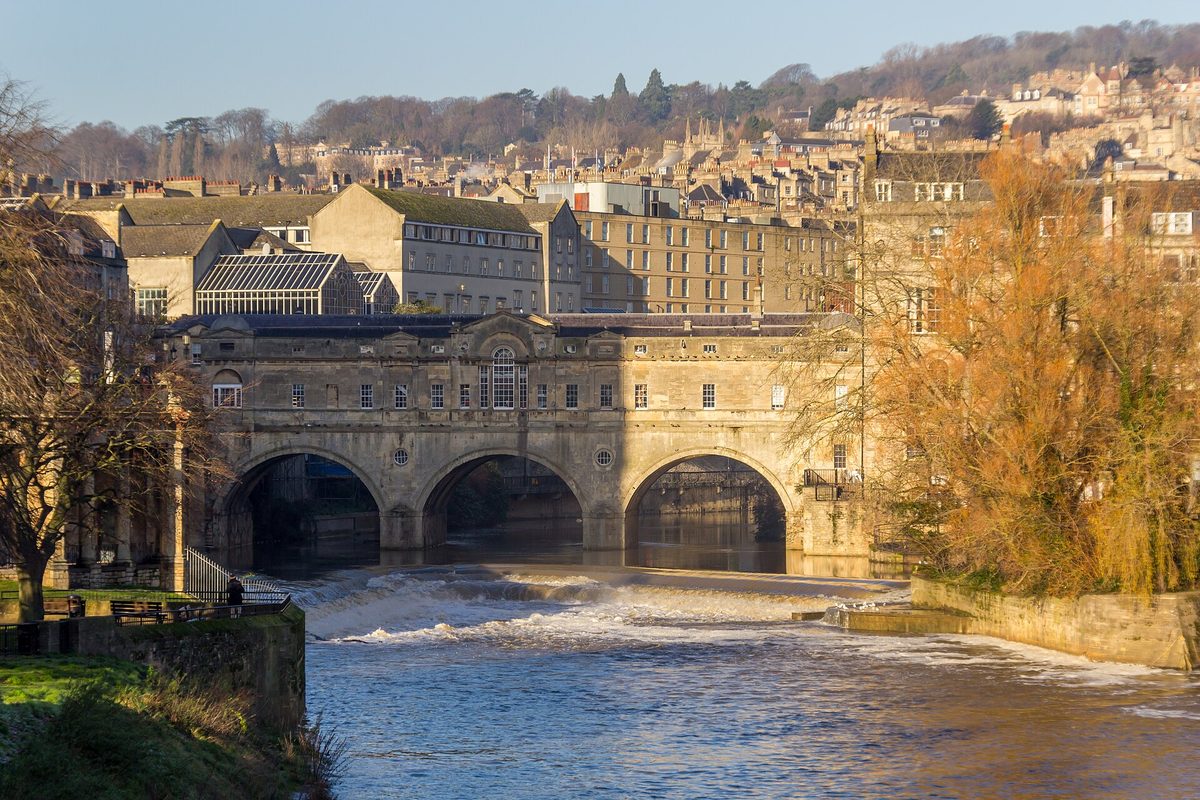
Walk down toward the river and you’ll hit Pulteney Bridge, completed in 1773 to a Robert Adam design, and one of only a handful of bridges in the world with shops built along both sides — so much so that from on the bridge you’d never know you were crossing water. The classic photo is taken from the south bank or Parade Gardens, looking back at the bridge above the curved, three-stepped Pulteney Weir. Come at golden hour. It’s the most photographed spot in the city for a reason, and it’s completely free.
Thermae Bath Spa: Actually Bathing in the Water
If the Roman Baths leave you wanting to get in the water, this is where you do it. Thermae Bath Spa (thermaebathspa.com) draws on the same natural thermal springs but treats the water so it’s safe to bathe in. The headline is the open-air rooftop pool: you float in warm mineral water with steam rising around you and the whole honey-stone skyline and the Abbey laid out in front. At dusk it’s magic. There’s also the larger indoor Minerva Bath, a multi-room Wellness Suite with steam rooms and an ice chamber, and a café.
As of 2026, a two-hour “Thermae Welcome” session is around £44 on weekdays and £49 at weekends, with towel and robe included. It’s adults only — minimum age 16. A big practical tip: there are limited pre-bookable slots, and the rest are walk-in only on a virtual queue, so weekends fill fast. I’d pre-book if you can, and go for a late-afternoon or twilight session so the rooftop pool gives you that lit-up-city view. Bring flip-flops if you don’t want to walk the wet floors barefoot, and don’t plan anything energetic afterward — you’ll be pleasantly useless for an hour.
Neighbourhoods & Walking the City
Here’s the best thing about Bath: it’s tiny. The whole historic core is genuinely walkable, and you can get from the train station to the Royal Crescent in about 15-20 minutes on foot. You almost never need transport inside the city. Wear comfortable shoes — the streets are stone, often cobbled, and there are gentle hills as you climb toward the Crescent.
A walking shape that works: start at the Abbey and Roman Baths, cut through the colonnaded shopping streets to Pulteney Bridge, then loop up Milsom Street (the main shopping run) toward The Circus and the Royal Crescent, and come back down through the Georgian streets. That’s the spine of the city and it’s an easy half-day at a stroll.
A few corners I’d nudge you toward:
- Bath Street and the colonnades near the baths — beautiful covered walkways, mostly overlooked.
- The Royal Victoria Park and Botanical Gardens, just below the Royal Crescent — a proper green lung for a sit-down, and the lawn in front of the Crescent is a fine picnic spot.
- Alexandra Park, a short uphill walk south of the centre, for the single best panoramic view of the whole city and the Abbey. Sunset up there is worth the climb.
- Walcot Street, sometimes called Bath’s “artisan quarter” — independent shops, a more bohemian feel, and a good antidote to the polished centre.
Markets & Shopping
For browsing, Bath Christmas Market (late November into mid-December) is one of the best in the country, with wooden chalets threading the streets around the Abbey — but it’s mobbed, so go early or midweek. Year-round, the small Bath Guildhall Market off the High Street is a charming, slightly old-fashioned covered market with a famous deli stall and a “nail” — the old pillar where merchants once settled debts (hence “paying on the nail”). Milsom Street and the modern SouthGate centre cover the high-street shopping if you need it.
Food & Afternoon Tea in Bath
Bath does afternoon tea extremely well, which makes sense for a city that practically invented the leisured afternoon. The most atmospheric option is the Pump Room beside the Roman Baths — a grand Georgian salon with chandeliers, a fountain of spa water you can drink, and often a live pianist or string trio. Searcys runs the catering, and a full afternoon tea here lands somewhere around £40-50 a head as of 2026, with a Jane Austen-themed version. It’s a splurge, but it’s the splurge in Bath, and the room alone is worth it.
For something more famous-than-fancy, the original Sally Lunn’s claims to be in one of the oldest houses in Bath and serves the “Sally Lunn bun,” a large, light, brioche-ish bun you can have sweet or savoury. It’s touristy and there’s often a queue, but it’s a genuine slice of Bath history and not expensive.
Beyond tea: Bath has a strong independent food scene. I’ve eaten well at places around Kingsmead Square and the Walcot Street end of town, and the city is dense with good pubs serving proper West Country ales — the kind of low-ceilinged, stone-walled pub England does best. For the wider picture of pub culture and the afternoon-tea ritual across the country, see my England food, pubs and afternoon tea guide.
Practicalities: Getting There & Getting Around
Getting to Bath
By train, Bath is easy. Direct GWR services from London Paddington to Bath Spa take roughly 1 hour 15 minutes to 1 hour 30 minutes, running very frequently through the day. Walk-up fares can be steep, but advance tickets booked early can drop to around £13-30 each way as of 2026. Book ahead and travel off-peak to save real money. For the full picture on rail passes, splitting tickets and off-peak timing, see my England train travel guide.
From the southwest, Bristol Temple Meads is only about 15 minutes away by train, which makes Bristol Airport the handiest airport for Bath (then a bus or train transfer). If you’re coming straight from London for the day, I’ve written a dedicated London to Bath day trip guide with timings and what’s realistically doable in a single day.
Driving in is possible but I genuinely wouldn’t. Bath’s centre has a Clean Air Zone, parking is limited and pricey, and the streets are tight and one-way. If you must drive, use one of the Park & Ride sites on the edge of the city and bus in — it’s far less stressful.
Getting Around Bath
Walk. Truly — almost everything in this guide is within a 20-minute walk of everything else. There are local buses if your hotel is up a hill or you’re heading out to Park & Ride, but inside the historic core you won’t need them. An open-top hop-on-hop-off bus tour exists and is a decent orientation on your first morning if the weather’s good, especially the “Skyline” route up to the hills.
Where to Stay
Bath has everything from grand Georgian hotels right on the Royal Crescent to small B&Bs in the surrounding streets. Staying central means you can walk out for an evening stroll when the day-trippers have gone and the stone goes gold — which is, honestly, the best time to be in Bath. For options across the country and how to choose a base, see where to stay in England.
Planning Your Visit: One Day vs Two Days
If you have one day
Do the Roman Baths first thing (book the opening slot), then Bath Abbey and, if it’s running, the Tower Tour. Walk to Pulteney Bridge, loop up to The Circus and the Royal Crescent, and finish with afternoon tea or a drink. That’s a full, satisfying day, and it’s exactly what most people do on a day trip from London. You’ll see the headline city.
If you have two days
This is the sweet spot, and what I’d recommend. Use day one for the Roman-and-Georgian core above. On day two, slow down: take a Thermae Bath Spa session, wander Walcot Street and the markets, visit a museum or two (the Jane Austen Centre, the Holburne, the Fashion Museum context), climb to Alexandra Park for the view, and leave time to just sit in Parade Gardens. Bath rewards being unhurried.
Bath as a base
Bath is also a brilliant launchpad. Stonehenge is an easy half-day combined trip — see the Bath and Stonehenge itinerary for how to run the two together, and the Stonehenge visitor guide for the stone circle’s own tickets and timed entry (I’m deliberately not duplicating that here). The honey-stone villages of the Cotswolds travel guide are right next door to the north. And if you’re choosing between English cities for a trip, Bath earns its place near the top of my best cities to visit in England.
When to Visit
Spring and early autumn are my favourite windows — mild weather, long enough daylight, and noticeably fewer crowds than peak summer. Summer is busy and warm but the evening openings at the Roman Baths are a real draw. December turns the city into one of the country’s best Christmas-market destinations, though you’ll share it with a lot of people. Midweek always beats weekends. Whenever you come, the city’s compactness means a little rain doesn’t ruin much — museums, the Abbey, the baths and the spa are all indoor-friendly.
Final Thoughts
Bath is the rare English city that lives up to its postcards. I’ve walked it in summer crowds and in cold, empty February drizzle, and the thing that keeps pulling me back isn’t any single sight — it’s the way the whole city is made of the same warm stone, so that wandering from the Abbey to the Crescent feels like moving through one continuous, two-thousand-year-old idea of how a city should look.
If you do one thing, make it the Roman Baths, ideally lit up on a summer evening. If you do two, add the rooftop pool at Thermae as the sun goes down. And whatever your plan, leave an hour you haven’t scheduled — to climb to Alexandra Park, or sit in Parade Gardens, or just watch the light come off the stone. That’s when Bath is at its best, and it’s free.
For where Bath fits in a bigger trip, jump up to the Bath, Stonehenge, Oxford and Cambridge guide, and if your interests run to history more broadly, Bath sits comfortably alongside England’s castles and historic sites and its other UNESCO World Heritage Sites. For how it stacks up against rival university cities, there’s also Oxford vs Cambridge, and if you’re weighing prehistoric sites, Avebury vs Stonehenge.
Research and Source Notes
Facts, prices and opening details in this guide were checked against official and authoritative sources in 2026 and are given as indicative — confirm directly before booking:
- Roman Baths — tickets, opening hours, evening openings and visitor info: romanbaths.co.uk
- Bath Abbey — entry, Tower Tour pricing, steps and 2026 maintenance notice: bathabbey.org
- Thermae Bath Spa — session prices, rooftop pool, age policy: thermaebathspa.com
- Visit Bath — official destination information on attractions and what’s on: visitbath.co.uk
- Train times and fares — London Paddington to Bath Spa via GWR (gwr.com) and National Rail.
All prices are approximate and current as of 2026; thermal-water temperatures and architectural dates are drawn from the official site information above.
Photo Credits
- The Great Bath at the Roman Baths, the centrepiece of any Bath travel guide, with Bath Abbey rising behind — Photo: Diego Delso / CC BY-SA 4.0 via Wikimedia Commons. Source
- The carved west front and tower of Bath Abbey, a centrepiece of any visit to Bath, England — Photo: Diego Delso / CC BY-SA 4.0 via Wikimedia Commons. Source
- Pulteney Bridge and the curved weir on the River Avon, one of Bath’s most photographed views — Photo: Mike Peel / CC BY-SA 4.0 via Wikimedia Commons. Source
- The sweeping Georgian arc of the Royal Crescent, the most famous street in Bath, England — Photo: Unknown (CC0) via Wikimedia Commons. Source
- The Circus in Bath, John Wood the Elder’s circular ring of Georgian townhouses — Photo: Steve Daniels / CC BY-SA 2.0 via Wikimedia Commons. Source
Frequently asked questions
Is Bath worth visiting?
Yes — emphatically. Bath packs a world-class Roman site, England's finest set-piece Georgian architecture, a soaring abbey, and a working thermal spa into a small, walkable, beautiful city. It's one of only a few places in England where the whole townscape is a UNESCO World Heritage Site. Even on a day trip it delivers, and two days lets you enjoy it properly.
How many days do you need in Bath?
One full day covers the headlines: the Roman Baths, Bath Abbey, the Royal Crescent and The Circus, and Pulteney Bridge. But two days is the sweet spot — it adds a Thermae Bath Spa session, the markets and quieter neighbourhoods, a museum or two, and the time to simply wander. If you're using Bath as a base for Stonehenge or the Cotswolds, allow three.
Can you swim in the Roman Baths?
No. The historic Roman Baths are a museum, and the water is untreated and not safe to bathe in, so swimming there isn't allowed. To actually soak in Bath's thermal water, head to Thermae Bath Spa nearby, which draws on the same springs but treats the water — including its famous open-air rooftop pool overlooking the city.
How much are Roman Baths tickets?
As of 2026, adult Roman Baths tickets run roughly £22-28, with advance online tickets about £2 cheaper than buying on the day, per romanbaths.co.uk. There's also a £1 ticket scheme for eligible UK benefits recipients with proof. Concession and family rates apply. Book the first slot of the day in summer — it gets very busy by late morning.
Do you need to book Bath attractions in advance?
For the Roman Baths and Thermae Bath Spa, yes — book ahead, especially in summer and at weekends, when both sell out of prime slots. Bath Abbey's main floor is free with a suggested donation and rarely needs booking, but the Tower Tour has limited places and is best pre-booked. Most museums you can simply walk into.
What is the best time of year to visit Bath?
Spring (April-May) and early autumn (September-October) are ideal: mild, walkable, and quieter than peak summer. July and August are busiest but bring evening openings at the Roman Baths. December is wonderful for the Christmas market but crowded. Midweek is always calmer than weekends, whenever you go.