Sheet 29 · Cornwall and Devon Travel Guide · 17 min read
Devon vs Cornwall for Tourists
Devon vs Cornwall, settled honestly: beaches, moors, food, cost and drive times compared, plus the best pick for families, couples and first-timers.
 Sheet 29
Contents 12 sections
I have spent more weeks than I can count in England’s far southwest, and the question I get asked most by friends planning their first trip is always the same: “So… Devon or Cornwall?” They want a real answer, not a shrug. So here is mine.
Devon vs Cornwall comes down to one honest trade-off: Cornwall has the more spectacular beaches and that end-of-the-world drama, while Devon gives you two coastlines, two national parks, lower prices and a shorter drive. If you want the most beautiful beach photo, lean Cornwall. If you want variety, value and an easier trip, lean Devon.
That is the short version, and for a lot of people it really is that simple. But the longer you look, the more the picture splits by what kind of traveller you are. A surfer chasing Atlantic swell wants something different from a couple after a quiet estuary pub, and a family with a three-year-old has different priorities again.
So I have written this as a proper head-to-head decision guide. Stick with me and by the end you will know which county to book. For the bigger picture across both counties, my Cornwall and Devon travel guide is the parent to this whole comparison, and it is worth a look once you have picked your side.
Quick Answer: Devon vs Cornwall in One Paragraph
If you make me choose for the average first-timer, the Devon vs Cornwall verdict tips slightly to Cornwall for sheer wow factor: the beaches at places like Kynance Cove and Porthcurno genuinely look tropical, and that “I can’t believe this is England” feeling is the thing people remember. But I would steer plenty of travellers to Devon instead, especially families, anyone on a budget, and people who hate long drives. Devon is closer to London and the Midlands, noticeably cheaper, less mobbed in August, and it hands you mountains and coast in one trip. Neither is a wrong answer. They are different flavours of the same wonderful corner of England.
Devon vs Cornwall: The At-a-Glance Head-to-Head
Here is the whole argument on one screen. I will defend every line of this further down.
| Category | Devon | Cornwall | Edge |
|---|---|---|---|
| Beaches (sheer wow) | Beautiful, ~120, two coasts | Iconic, 300-400+, never far from sea | Cornwall |
| Beaches (family-friendly) | Wide, sandy, sheltered south coast | Stunning but often a scramble to reach | Devon |
| Scenery & variety | Two coasts + two national parks | Dramatic coast, smaller uplands | Devon |
| Coast-path drama | Excellent, especially the South Hams | World-class, end-of-England feel | Cornwall (just) |
| Surfing | Croyde, Saunton, Woolacombe | Fistral, Watergate Bay, Polzeath | Tie |
| The moors | Dartmoor (National Park, ~160 tors) | Bodmin Moor (AONB / National Landscape) | Devon |
| Crowds & “feel” | Busy but breathable | Hotspots can be overwhelmed | Devon |
| Cost | Cheaper across the board | Premium of roughly 20-30% | Devon |
| Drive / rail from London | ~3.5-4 hrs; train ~2 hrs to Exeter | ~4.5-5 hrs; train ~5.5 hrs to Penzance | Devon |
| Cities & culture | Exeter + Plymouth | Truro (smaller), arty St Ives | Devon |
| Cream tea | Cream first, then jam | Jam first, then cream | Tie (pick a side) |
| First-timer wow | Lovely | Unforgettable | Cornwall |
Now let me actually argue it.
Beaches: Cornwall Wins the Photo, Devon Wins the Day Out
This is where most people start, so let me be blunt. For pure jaw-drop, Cornwall takes it. The county has somewhere north of 300 beaches (Visit Cornwall talks in the high hundreds depending on how you count coves), and in Cornwall you are never more than about 16 miles from the sea. The headliners are genuinely world-class: Kynance Cove with its serpentine stacks, Porthcurno’s white sand under the Minack Theatre, the turquoise water at Pedn Vounder when the tide is right. On a sunny day these look like the Caribbean, and I am not exaggerating to sell you a holiday.
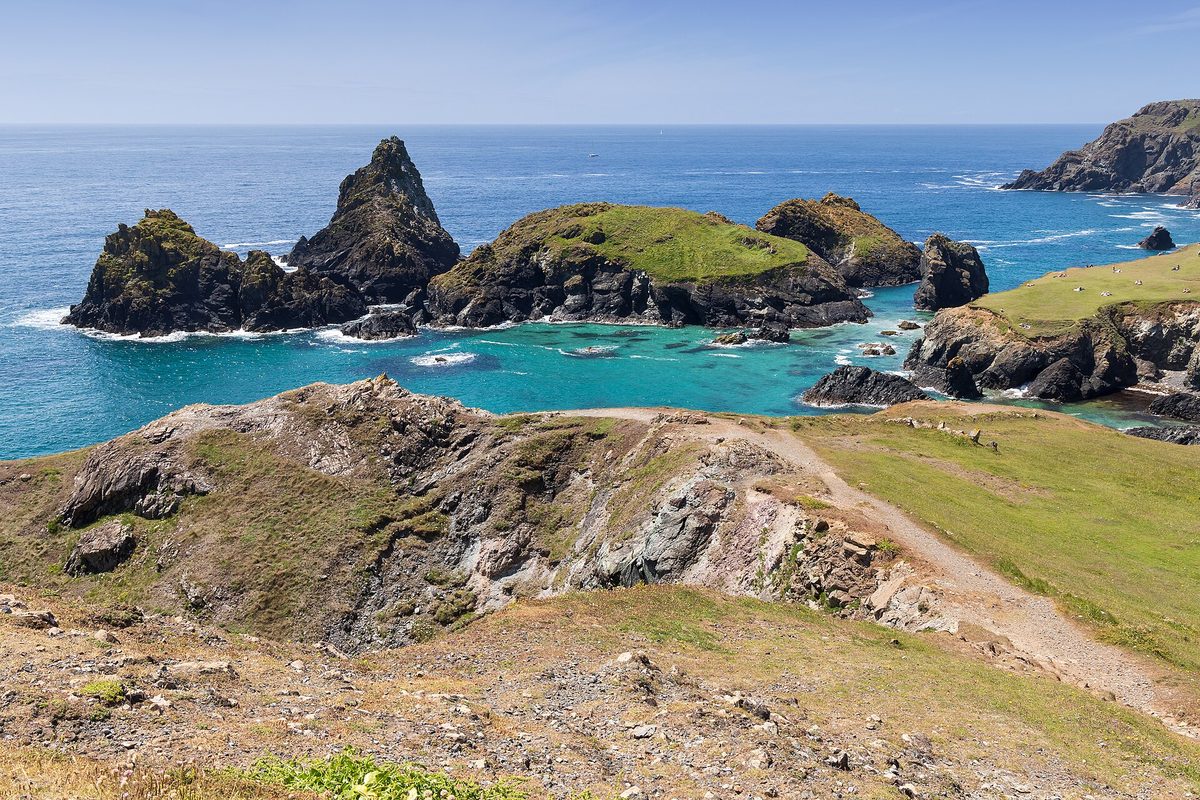
But here is the catch nobody tells you. A lot of Cornwall’s best beaches are a scramble — steep cliff paths, long staircases, tides that cut you off, and car parks that fill by 9am in August. They are spectacular and they are work.
Devon plays a different game. It has fewer beaches, around 120, but it is the only English county with two separate coastlines, and that is a bigger deal than it sounds. The north Devon coast is wild, Atlantic and surf-battered: Woolacombe is a three-mile sweep of golden sand that wins UK beach awards year after year, and Croyde and Saunton sit right beside it. The south Devon coast is the gentler twin — sheltered estuaries, calmer water, red cliffs, easy access. Bantham, Blackpool Sands and the beaches around Salcombe are the kind of place you can park near, walk a child onto, and not panic about the tide.
So if you are photographing your trip, Cornwall. If you are living your beach day — buggy, picnic, paddleboard, a toddler who needs the loo — Devon’s wide, accessible south-coast sands are easier and far less stressful. For the full Cornish roll-call, my guide to the best beaches in Cornwall covers the lot, and the broader England coast and beaches piece zooms out to the whole country.
Verdict: Cornwall for the wow shot and sheer numbers; Devon for the relaxed, accessible family beach day. Edge to Cornwall on beauty, Devon on practicality.
Scenery, Coast Paths and the Two Moors: Devon’s Secret Weapon
People come for beaches and stay for the scenery, and this is where Devon quietly pulls ahead.
Both counties share the South West Coast Path, England’s longest national trail, and both stretches are superb. Cornwall’s is arguably the more dramatic — the Lizard, Land’s End, the tin-mine cliffs around St Agnes have a raw, end-of-the-world feel that is hard to beat. If your idea of heaven is a clifftop walk where the next stop is America, Cornwall edges it.
But Devon answers with something Cornwall simply does not have: two national parks. Dartmoor and Exmoor both sit largely or partly in Devon, and they change the whole character of a trip. You can surf in the morning and be among wild ponies and granite tors by mid-afternoon.
Let me settle the moors head-to-head, because this trips people up. Dartmoor is a National Park — a big, properly wild upland with around 160 granite tors to “bag,” England’s most generous open-access and wild-camping rights, and a genuine sense of remoteness. Bodmin Moor in Cornwall is not a National Park. It is an Area of Outstanding Natural Beauty (now branded a National Landscape), and while it is lovely and atmospheric, it is smaller, more fenced, and trickier for access rights — you need to stick to public rights of way, permissive paths or open-access land. Bodmin has real charm (Brown Willy, Rough Tor, the Jamaica Inn moodiness) and you can feel gloriously alone there, but as a hiking destination Dartmoor is in a different weight class.
That two-coast, two-moor variety is Devon’s trump card. In one week you can do wild Atlantic surf, a sheltered estuary, a granite moor and a wooded river valley without a long drive between them. For walkers, my England national parks and hiking guide goes deeper on Dartmoor and the rest.
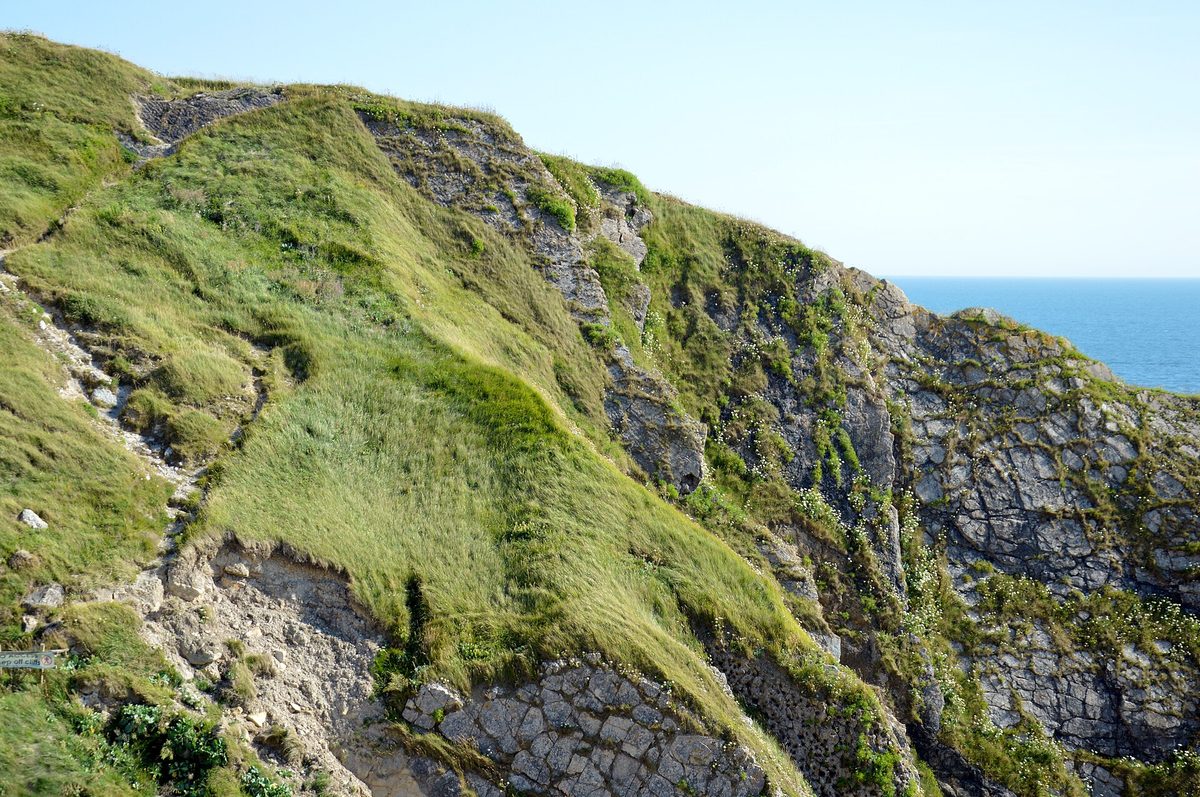
A quick boundary note: the famous fossil cliffs of the Jurassic Coast start in east Devon and run into Dorset. They are spectacular but I am leaving the detail to the dedicated Jurassic Coast travel guide, so I do not double up here.
Verdict: Cornwall for the single most dramatic clifftop, but Devon wins scenery overall on variety — two coasts plus the only true National Park moor in the southwest.
Food and the Great Cream Tea War
You cannot write Devon vs Cornwall without refereeing the cream tea. This is the regional rivalry, and both sides take it semi-seriously.
The difference is simple and the locals will die on this hill: in Devon, you spread the clotted cream first (like butter) and spoon jam on top. In Cornwall, it is jam first, then a dollop of cream crowning it. That’s the whole war. The Cornish method (jam first) is the one that has been adopted by a lot of posh London afternoon-tea rooms, and the late Queen was reportedly a jam-first person — so make of that what you will. Honestly, both taste identical once they hit your mouth; the fun is in declaring an allegiance. Try one of each and pick a side. You can read more about the ritual in my England food, pubs and afternoon tea guide.
Beyond scones, both counties eat very well. Cornwall has the louder food scene — the Padstow pasty-and-Rick-Stein circuit, a wave of acclaimed seafood restaurants, and the pasty itself is a Cornish-protected icon (a proper Cornish pasty has a crimp on the side, not the top). Devon counters with superb produce, the south-coast crab and the dairy that makes the cream so good in the first place, plus a quietly excellent pub scene in the South Hams.
Verdict: A genuine tie. Cornwall has the bigger-name food destinations; Devon eats just as well with less fuss. The cream tea? Order it both ways and stop the war yourself.
Crowds and “Feel”: Why Devon Breathes Easier
Here is a category that matters more than people expect, and it is one of my strongest reasons to send certain travellers to Devon.
Cornwall has become a victim of its own Instagram fame. In peak summer the honeypots — Padstow, St Ives, parts of the north coast — can feel overwhelmed: queues for the famous chip shop, full car parks by mid-morning, traffic on the single road in and out, and a slightly frayed mood between visitors and locals who feel swamped. Cornwall has the highest concentration of holiday homes in England and Wales, and in August you feel it.
Devon is busy too — let me not pretend otherwise — but it is bigger, has more roads, and the crowds spread out across two coasts plus the moors. There is more room to breathe. The old advice that the southwest gets calmer “east of the Tamar” (the river border, with Devon on the east side) holds up. You can still find a near-empty beach in Devon in July if you are willing to walk ten minutes; in Cornwall’s hotspots that is harder.
The flip side: Cornwall’s vibe is more distinct. It has its own flag, its own Celtic identity, its own language revival, and a fierce sense of being not-quite-England. That otherness is part of the appeal, and Devon, for all its loveliness, feels more conventionally English.
Verdict: Devon for elbow room and an easier-paced trip; Cornwall for a stronger, more distinctive sense of place. If August crowds stress you, go Devon.
Cost: Devon Is the Clear Value Pick
Let me put real (hedged) numbers on this, because it is decisive for a lot of people.
As of 2026, Cornwall carries a premium of roughly 20-30% over Devon for equivalent holidays. A three-bedroom self-catering cottage in a Cornish hotspot like St Ives or Padstow during the August school holidays can easily run around £1,200-1,500 a week. A comparable cottage in a desirable Devon spot — Croyde, Salcombe, Dartmouth — tends to land closer to around £700-1,000. That is a meaningful gap before you have bought a single pasty.
And it is not just beds. Restaurant bills, car-park charges, the cost of the “famous” places — Cornwall’s tourist-economy prices are simply higher. Devon stays cheaper across the board.
For couples after self-catering with character, my notes on where to stay in Cornwall are useful even as a price benchmark, and the wider England budget and costs guide helps you sanity-check a whole-trip budget.
Verdict: Devon, comfortably. If budget is anywhere near the top of your list, this category alone may decide it.
Getting There: Drive Time and Rail from London and the Midlands
Distance is the unglamorous category that quietly ruins or saves a trip, especially with kids in the back.
By car, as of 2026 and without traffic, Devon is roughly 3.5-4 hours from London and Cornwall is 4.5-5 hours-plus depending on how far southwest you push. That last stretch into Cornwall — single carriageway, summer caravans, the long haul past Bodmin to the far west — is where the time really stacks up. From the Midlands the gap is similar: Devon shaves an hour or more off a Cornwall run, and far-west Cornwall (Penzance, Land’s End) from somewhere like Birmingham is a serious, full-day drive.
By train, the contrast is even sharper. London Paddington to Exeter on GWR is around 2 hours at its fastest — genuinely doable for a weekend. London Paddington to Penzance on the Cornish Riviera Express is around 5.5 hours, and the sleeper service (the Night Riviera) takes overnight. Cornwall is reachable by rail, but it is a commitment.
This is also where Cornwall has a known weak spot: it is hard to get around without a car once you arrive. If you are car-free, read my Cornwall without a car guide before you book, because public transport to the remote coves is patchy. Devon, with Exeter as a proper rail hub, is a little kinder to the carless.
Verdict: Devon, clearly — closer by road and dramatically closer by train. For a short break especially, Devon’s accessibility is a big tick.
Cities, Towns and a Rainy Day
Sun is not guaranteed in England (understatement of the year), so what you do when it pours matters.
Devon wins on cities. Exeter is a genuinely good small city — a stunning Gothic cathedral, medieval underground passages, a quayside, proper shops and restaurants. Plymouth adds maritime history, the Hoe, the Barbican and the National Marine Aquarium. Between them you have real wet-weather options.
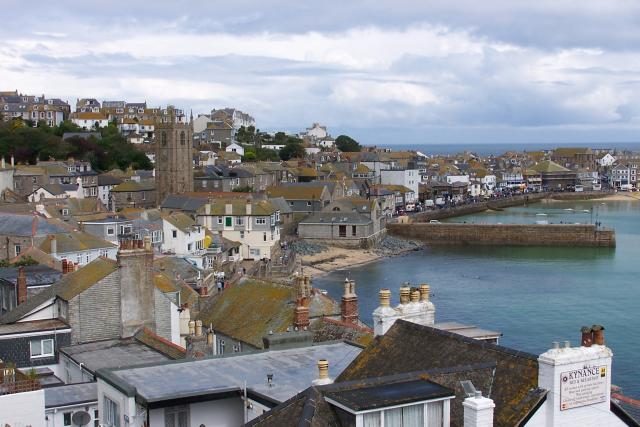
Cornwall has no city to match Exeter. Truro is pleasant and has its own cathedral, but it is modest. Where Cornwall shines instead is distinctive towns: arty, light-filled St Ives (the Tate, the galleries, the harbour), foodie Padstow, the harbour theatre at Fowey, and clifftop set-pieces like the open-air Minack Theatre and the Eden Project biomes — which are, frankly, world-class rainy-day insurance.
Devon has charmers of its own: car-free Clovelly tumbling down its cobbled cliff, yachty Dartmouth on the Dart estuary, the English Riviera around Torquay and Paignton where palm trees and a freak microclimate do their best French-Riviera impression, and the South Hams generally, which might be my favourite quiet corner of either county.
Verdict: Devon for cities and rainy-day breadth (Exeter, Plymouth); Cornwall for unique set-piece attractions (Eden Project, Minack, St Ives). Slight edge Devon for a wet-weather week, Cornwall for bucket-list landmarks.
Surfing: A Genuine Dead Heat
If you surf, you may have been told Cornwall is the place. It is brilliant — but so is north Devon, and I will not let Devon be overlooked here.
Cornwall’s north coast is the bigger surf scene: Fistral in Newquay is the country’s most famous beach break, Watergate Bay and Polzeath are superb, and the whole Newquay machine is built around boards, schools and après-surf. For consistency and choice, Cornwall has the numbers.
But north Devon is world-class and far less hyped. Croyde is a punchy, beloved beach break, Saunton Sands is widely rated one of the best beginner waves in England (long, forgiving, mellow at all tides), and Woolacombe gives you space so you are not dodging the pros. In 2023 north Devon was even designated a World Surfing Reserve — that is not nothing.
For learning, both are excellent. I would send a total beginner to Saunton in Devon or Towan/Fistral in Cornwall and be confident either way.
Verdict: A true tie. Cornwall for the scale and the scene; north Devon for quality waves with fewer crowds and arguably the best beginner beach in the country.
Which Should You Choose? My Picks by Traveller
Categories are nice, but you are one specific person with one specific trip. So here are my straight recommendations.
Families with young kids: pick Devon. I’d choose Devon for under-8s almost every time, because the drive is shorter (a huge deal with a car-seat meltdown brewing), the south-coast beaches are sheltered and easy to reach, the cottages are cheaper, Dartmoor gives you free wide-open space to run wild, and Exeter/Plymouth cover the rainy days. Cornwall’s beaches are prettier, but “prettier” loses to “easier” when you are travelling with a three-year-old. For more, see England with kids.
Couples after romance: a close call, leaning Cornwall. For a couple, Cornwall’s drama is hard to beat — sunset at the Minack, a remote cove to yourselves, a seafood dinner in Padstow or Fowey. But if you want quiet and good value over fame, Devon’s South Hams (Salcombe, Dartmouth, a creekside pub) is wonderfully romantic and far less crowded. Want spectacle, go Cornwall; want intimacy and lower prices, go Devon.
Surfers: either, but north Devon if you want to dodge the crowds. Cornwall has the scene; Devon has the quality with more breathing room. Genuinely your call.
First-timers to the southwest: pick Cornwall (just). First impressions stick, and Cornwall’s beaches and end-of-England feeling deliver the strongest “wow.” Do Cornwall first, then make Devon your smarter, cheaper repeat trip. A 5-day Cornwall itinerary is a great way to frame a first visit, and the best places to visit in Cornwall sets your shortlist.
Walkers and nature lovers: pick Devon. Two coasts, two national parks, Dartmoor’s tors and the variety to fill a week without driving far. Devon wins this one clearly.
Budget travellers: pick Devon. See the cost section. It is the value champion.
Road-trippers: do both. Honestly, the dream trip is one long loop. Drive down through Devon, cross the Tamar, and string the Cornish coast together — my Cornwall road trip itinerary and the broader England road trips guide will help you build it. You do not always have to choose.
Final Thoughts
After all the categories, here is where I land. If you twisted my arm for a single answer, I would say go to Cornwall once for the spectacle — see Kynance Cove, watch a show at the Minack, feel the land run out at Land’s End — and then make Devon your reliable, better-value return trip, the one you do again and again because it is closer, calmer, cheaper and quietly has more variety. For families, walkers and anyone watching the budget, I would skip straight to Devon and not feel I’d missed out.
The genuinely good news is that there are no wrong answers here. These two counties sit side by side at the toe of England, and both are among the most beautiful places in the country — you can see where they fit on the wider map in my best places to visit in England and England travel guide. Pick the one that matches your trip, go in late spring or September if you can (see best time to visit England), and you will come home happy. Then book the other one for next year.
Research and Source Notes
This comparison draws on my own repeat visits to both counties plus current official and authoritative sources, cross-checked for 2026. For destinations, attractions and beaches I leaned on Visit Devon and Visit Cornwall, the official tourism bodies for each county, alongside the English Riviera UNESCO Global Geopark site for the Torbay area. For the uplands I used Dartmoor National Park Authority (note: Dartmoor is a National Park; Cornwall’s Bodmin Moor is an Area of Outstanding Natural Beauty / National Landscape, not a national park) and National Trust information for coastal sites and properties across both counties. Travel times and rail details were checked against Great Western Railway (GWR), which runs the main London-to-southwest services including the Cornish Riviera Express and the Night Riviera sleeper. Accommodation price ranges are indicative 2026 peak-season figures drawn from major UK holiday-cottage operators and should be treated as “around” rather than exact. Prices, journey times and opening details change, so confirm with the relevant official source before you book.
Photo Credits
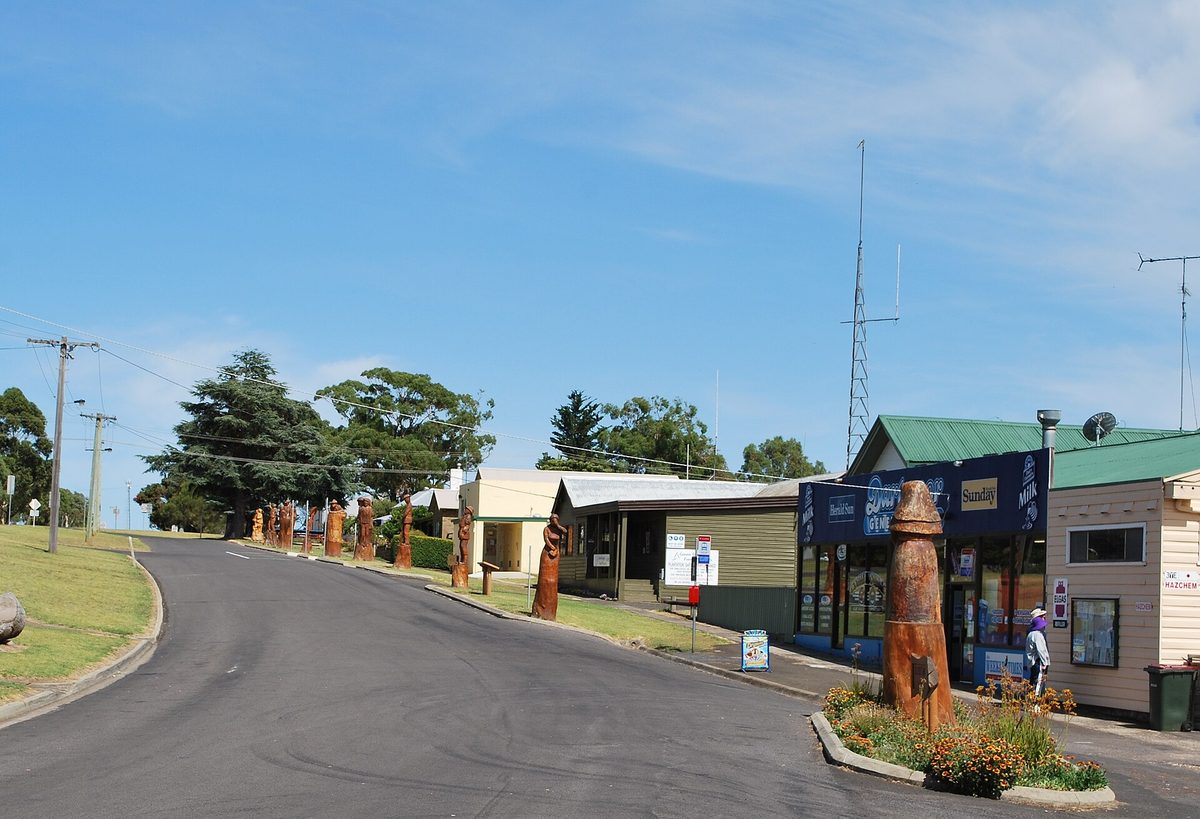
- Devon vs Cornwall comparison: the cobbled car-free fishing village of Clovelly, Devon — Photo: Dietmar Rabich / CC BY-SA 4.0 via Wikimedia Commons. Source
- Kynance Cove in Cornwall, one of the most photographed beaches in England — Photo: Unukorno / CC BY 4.0 via Wikimedia Commons. Source
- Granite tors and open moorland on Dartmoor, a Devon National Park — Photo: Mattinbgn / CC BY-SA 3.0 via Wikimedia Commons. Source
- The harbour town of St Ives in Cornwall, beautiful but very busy in summer — Photo: Stephen Mills / CC BY-SA 2.0 via Wikimedia Commons. Source
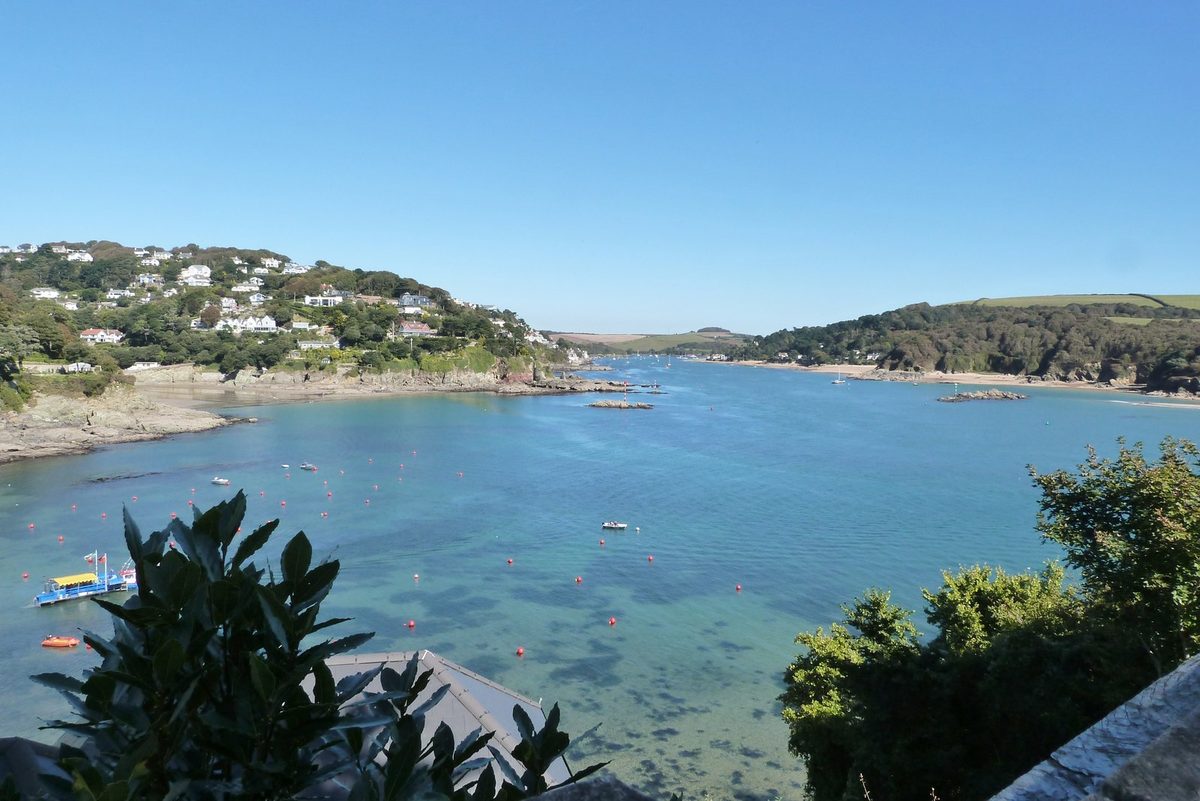
- Salcombe and the Kingsbridge Estuary in the South Hams, South Devon — Photo: Derek Voller / CC BY-SA 2.0 via Wikimedia Commons. Source
Frequently asked questions
Is Devon or Cornwall better for a holiday?
Neither is objectively "better" — it depends on you. Cornwall wins on beach drama and bucket-list scenery, which makes it the stronger first-timer and couples' pick. Devon wins on value, variety, accessibility and crowds, which makes it the smarter choice for families, walkers and budget travellers. For most people, Cornwall is the wow trip and Devon is the easy, repeatable one.
Is Cornwall more expensive than Devon?
Yes. As of 2026, Cornwall typically costs around 20-30% more than Devon for equivalent holidays. A comparable three-bedroom cottage in an August hotspot might be around £1,200-1,500 a week in Cornwall versus around £700-1,000 in Devon, and Cornwall's restaurants and car parks run pricier too. If budget matters, Devon is the clear value pick.
Which has better beaches, Devon or Cornwall?
Cornwall has more beaches (well over 300 versus around 120 in Devon) and the most spectacular individual coves, like Kynance Cove and Porthcurno. But Devon's are often easier to reach and gentler, with wide sheltered sands on the south coast that suit families. Cornwall wins on sheer beauty and number; Devon wins on accessibility and family practicality.
Is Dartmoor or Bodmin Moor better for hiking?
Dartmoor, fairly clearly. Dartmoor is a National Park with around 160 granite tors, England's most generous open-access and wild-camping rights, and a real sense of wilderness. Bodmin Moor in Cornwall is an Area of Outstanding Natural Beauty (a National Landscape), not a National Park — it is lovely and atmospheric but smaller, more fenced and trickier for access. Serious walkers should head to Dartmoor.
How far is Devon and Cornwall from London?
By car as of 2026, Devon is roughly 3.5-4 hours from London and Cornwall is around 4.5-5 hours or more, with the far west longer still. By train, GWR runs London Paddington to Exeter in about 2 hours, but London to Penzance takes around 5.5 hours. Devon is significantly closer and easier to reach, especially by rail and for short breaks.
Where's the best place for a cream tea, Devon or Cornwall?
Both — they just serve it differently. In Devon you spread clotted cream first, then jam; in Cornwall it is jam first, then cream on top. The taste is identical, so it is purely a matter of local pride. My advice is to try one of each, declare an allegiance, and enjoy the friendly argument that follows.
1 note
Notes are closed on this sheet.