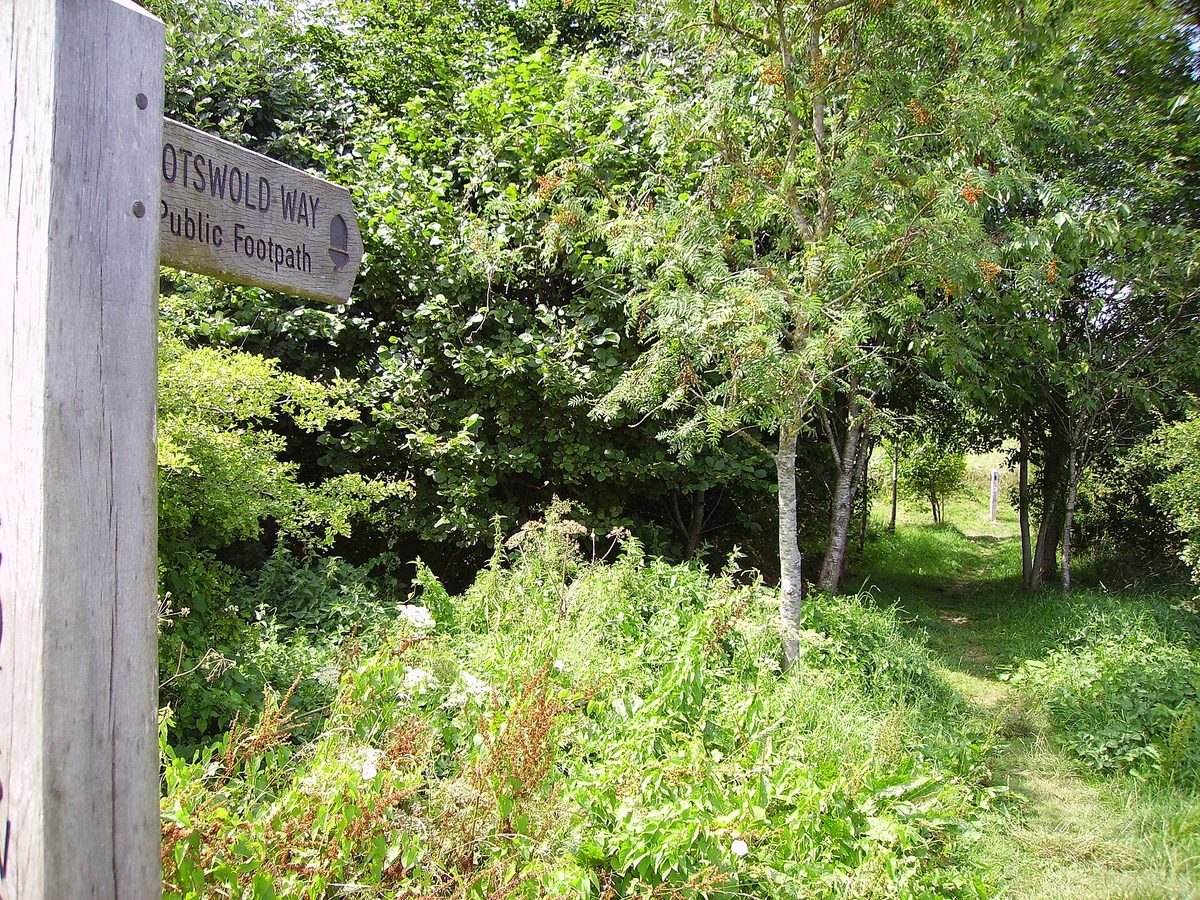
Sheet 90 · Cotswolds Travel Guide · 17 min read
Best Cotswolds Villages
An honest guide to the best Cotswolds villages, sorted by character and crowds, with which to skip, when to go, and how long to spend at each.
 Sheet 90
Contents 8 sections
The best Cotswolds villages, in my opinion, are Bibury, Bourton-on-the-Water, Stow-on-the-Wold, Castle Combe, Broadway, the two Slaughters and Chipping Campden for the classics, with Snowshill, Stanton, Naunton and Northleach for anyone who wants the same honey-stone beauty without the coach parties.
That is the short version. The longer version is what this guide is for, because “best” depends entirely on what you want from a village, when you turn up, and how many other people are standing in the same lane with a phone in the air.
I have driven these roads in fog, in August gridlock and on a frostbitten February morning when I had Arlington Row entirely to myself. The villages do not change. The experience changes enormously depending on timing. So I am going to be honest with you about which places are worth it, which are overrun and when, and which ones quietly deliver the storybook Cotswolds without the queue for a parking space.
If you want the bigger picture first — region, transport, when to come — start with my complete Cotswolds travel guide and come back here to pick your villages.
Quick Answer: The Best Cotswolds Villages at a Glance
The best Cotswolds villages fall into three honest groups. The honeypots (Bibury, Bourton-on-the-Water, Castle Combe, Broadway, Chipping Campden, Stow-on-the-Wold, Lower and Upper Slaughter) are genuinely gorgeous and genuinely busy — go early or off-season. The quieter alternatives (Snowshill, Stanton, Naunton, Northleach, Winchcombe, Burford) give you the same look with a fraction of the crowds. And then there are villages chosen by need — prettiest, least touristy, best for a first visit, best quick stop, best base.
Here is the whole thing in one table so you can scan and plan.
| Village | Vibe | Best for | How long | Crowds |
|---|---|---|---|---|
| Bibury | Postcard-perfect, tiny | Prettiest single view | 45–60 min | Very high by 11am |
| Bourton-on-the-Water | “Venice of the Cotswolds”, busy, family | First visit, kids | 1.5–2 hrs | Very high, summer |
| Castle Combe | Film-set medieval | Prettiest whole village | 45–90 min | High midday |
| Broadway | Elegant, broad high street | Shopping, browsing, base | 2–3 hrs | Moderate–high |
| Chipping Campden | Handsome market town | Best all-rounder, base | 2–3 hrs | Moderate |
| Stow-on-the-Wold | Antiques, pubs, hub | Base, getting around | 1.5–2 hrs | Moderate |
| Lower Slaughter | Quiet, riverside, refined | Prettiest stroll | 45 min | Moderate |
| Upper Slaughter | Sleepy, almost no tourism | Genuine peace | 30 min | Low |
| Snowshill | Lavender, hilltop hush | Least touristy beauty | 45–90 min | Low |
| Stanton | Unspoiled, one pub | Pure quiet | 30–45 min | Low |
| Naunton | Working valley village | Off-grid feel | 20–30 min | Very low |
| Northleach | Real town, great church | Authentic, no crowds | 1 hr | Low |
| Winchcombe | Walkers’ town, castle nearby | Walking base | 2 hrs | Low–moderate |
| Burford | “Gateway”, sloping high street | Western base, shopping | 1.5–2 hrs | Moderate–high |
Treat the times as a minimum stroll, not a maximum. If a village charms you, stay longer — that is the whole point of the Cotswolds. For how to thread these together into a route, I send you to my 2-day Cotswolds itinerary rather than trying to map a drive here.
How the Cotswolds Villages Cluster Geographically
If you remember only one thing about Cotswolds geography, make it this: the villages cluster into a northern group and a southern, Bath-facing group, and trying to do both in one short trip means you spend the day in the car instead of in the villages.
The north Cotswolds is where most of the famous names sit close together: Broadway, Chipping Campden, Stanton, Snowshill, Stow-on-the-Wold, Bourton-on-the-Water and the Slaughters are all within a roughly twenty-minute radius of each other. This is the densest, most rewarding cluster, and it is where I send first-timers. Base yourself around Stow, Broadway or Chipping Campden and you can hop between five villages in a day without it feeling rushed.
Bibury and Northleach sit a little south of that, in the central belt near Cirencester, easy to fold into the northern loop.
The southern Cotswolds, down towards Bath, is a different trip. Castle Combe, Lacock (technically Wiltshire but Cotswolds in spirit), Tetbury and Malmesbury live here. Castle Combe in particular is far enough south that pairing it with Bourton in one day is a real slog. If Castle Combe is on your list — and it should be — treat it as part of a Bath-side day, not a north Cotswolds day.
This north/south split matters more than any single village recommendation. Pick a cluster, base inside it, and you will see more and drive less. Where to actually sleep is its own decision — I cover the trade-offs between each base in my guide to choosing a Cotswolds base.
The Classic Honeypots: Beautiful, and You Should Know When to Go
These are the villages on every list, including the ones above. They are famous because they are stunning. They are also, in high season, absolutely heaving. My job here is not to tell you to avoid them — it is to tell you exactly when they tip from magical to miserable, so you can land on the right side of that line.
Bibury — the prettiest single view in England, and mobbed by 11am
Bibury was named the most beautiful village in the world by Forbes for 2025, and honestly, on the right morning, I do not argue. Arlington Row — a line of 17th-century weavers’ cottages in toffee-coloured stone, with the Coln gliding past a water meadow — is the most photographed street in the Cotswolds for good reason.
Here is the honest take: Bibury is beautiful and mobbed by 11am — go at 8 or skip it. It is a tiny village with a single famous row and a road running right through it, which means a hundred visitors feel like a thousand. At 8am in any season you can have Arlington Row to yourself, soft light included. By late morning in summer the coaches arrive and you are jostling for the photo everyone else wants.
How long: 45 to 60 minutes is plenty. See Arlington Row, walk along the Coln, look at the trout farm if you like, and move on before the crowds do.
Bourton-on-the-Water — “Venice of the Cotswolds”, and the busiest of them all
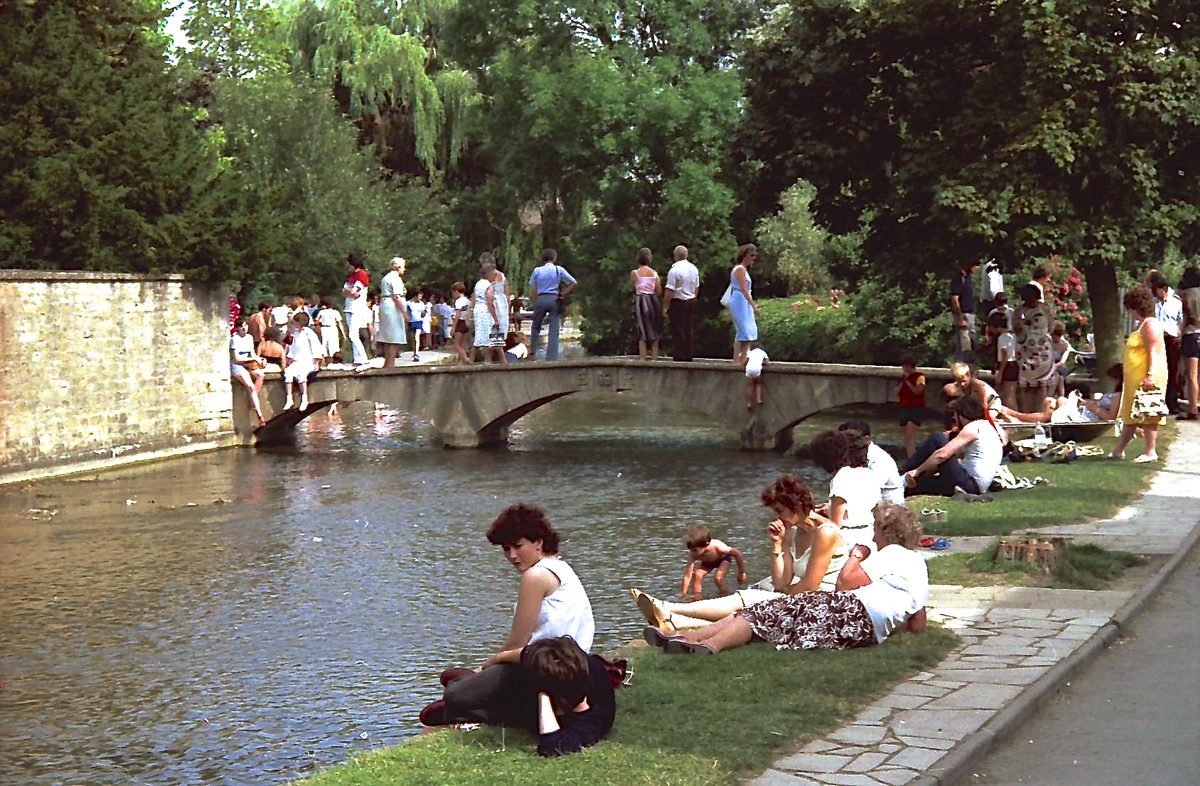
Bourton-on-the-Water is the one everyone has heard of: the River Windrush runs straight through the green, crossed by a series of low stone footbridges, lined with shops and tea rooms. It is genuinely lovely and it is genuinely the most crowded village in the Cotswolds, especially on a warm summer weekend when the riverbanks fill with families and the place can pull in thousands.
I rate it highly for a first visit and for anyone travelling with kids — there is a model village, a motoring museum, ducks, ice cream, room to spread out. But go on a weekday, or arrive before 10am, or come in shoulder season. On an August Saturday afternoon it is a victim of its own charm.
How long: 1.5 to 2 hours, longer with children.
Castle Combe — the prettiest whole village, often called the prettiest in England
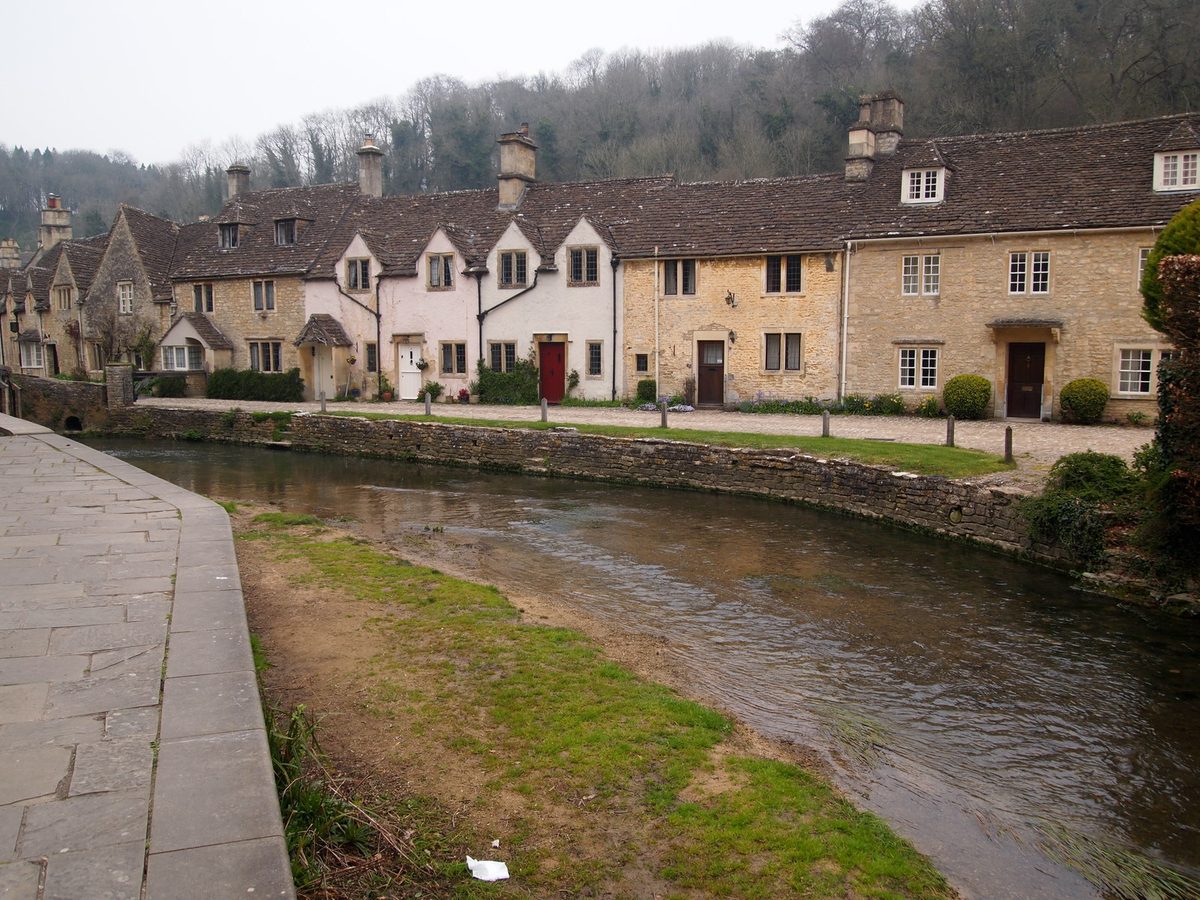
If Bibury wins on a single view, Castle Combe wins on the whole package. There are no telegraph poles, no obvious modern intrusions, just a tumble of steep-gabled stone cottages running down to a market cross and a little bridge over the Bybrook. It has played the role of a perfect English village in more than one film, and it looks exactly as you imagine.
Two honest caveats. First, it is in the southern Cotswolds, near Bath, so plan it as a Bath-side outing rather than squeezing it into a northern day. Second, parking is limited and at the top of the hill, so the village empties out the further you walk down — late afternoon, after the day-trippers leave, is glorious.
How long: 45 to 90 minutes. There is not a lot to do; the point is to wander and gawp.
Broadway — broad, elegant, and a brilliant base
Broadway is more town than village, with a wide, gracious high street of antique shops, galleries, delis and tea rooms, all in the same warm stone. It has a different energy from the tiny picture-postcard places — less about one perfect view, more about strolling, browsing and lingering. Broadway Tower, a folly on the hill above with huge views and a café, is a lovely add-on.
I think Broadway is one of the best bases in the north Cotswolds and an easy place to spend half a day. It gets busy but it is large enough to absorb the crowds.
How long: 2 to 3 hours, easily a half-day with the Tower.
Chipping Campden — the best all-rounder
If a friend gave me one village to send a first-timer, it might be Chipping Campden. The high street is a long, gently curving sweep of golden buildings that the historian G.M. Trevelyan called the most beautiful village street left in England, anchored by a 17th-century covered Market Hall. It is handsome rather than twee, it has proper shops and pubs, it is the start of the Cotswold Way, and it never feels as overrun as Bibury or Bourton.
How long: 2 to 3 hours. A wonderful base and an even better wander.
Stow-on-the-Wold — the practical hub
Stow sits high on the wolds (hence the wind everyone complains about) around a large market square ringed with antiques shops, pubs and cafés. It is less a postcard and more a working, lived-in town — which is exactly why it makes such a good base and hub for exploring the northern cluster. The famous “door between two yew trees” at St Edward’s Church draws a crowd, but the village as a whole stays comfortable.
How long: 1.5 to 2 hours to potter; longer if you are antique-hunting.
Lower and Upper Slaughter — quietly the loveliest stroll
Do not let the name put you off; it comes from an old word for a muddy place, not anything grim. The two Slaughters sit either end of a short, flat walk along the little River Eye, and they are among the most genuinely peaceful of the famous villages.
Lower Slaughter is the prettier of the pair — a tidy lane of cottages, a footbridge, an old mill with a wheel. Upper Slaughter is smaller, sleepier and almost untouched by tourism; one of those “Thankful Villages” that lost no men in the First World War. Walking between the two is one of the nicest gentle strolls in the Cotswolds, and I cover that route and others in my guide to the best Cotswolds walks.
How long: 45 minutes in Lower, half an hour in Upper, plus the stroll between.
The Least Touristy Cotswolds Villages: Same Beauty, Fewer People
Now for the part most lists skip. If you have seen one too many reels of Bibury at peak crowd and want the honey-stone fantasy without the scrum, these are the least touristy Cotswolds villages I send people to. They are not secrets exactly, but they are quiet, and several are every bit as pretty as the honeypots.
Snowshill — hilltop hush and lavender
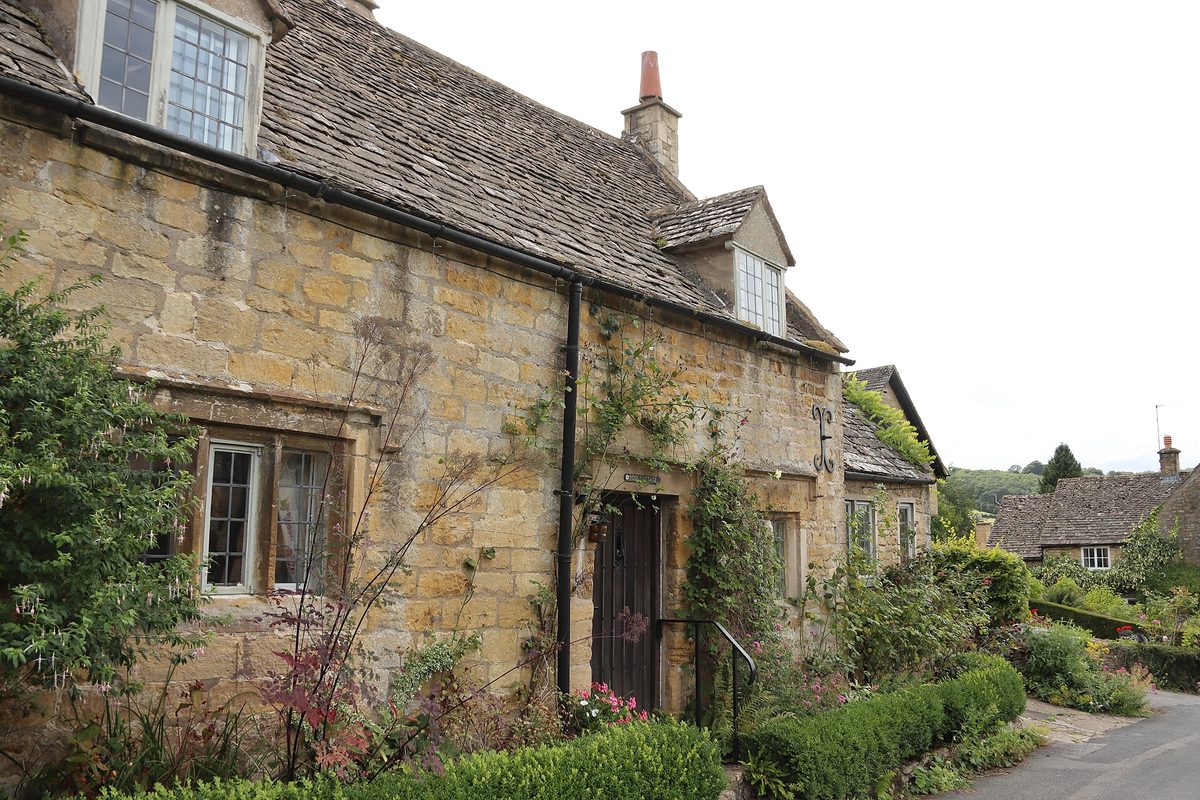
Snowshill is my favourite of the quiet ones. It sits up a single-track lane high above Broadway, a small huddle of golden cottages around a church and a green, with long views and a real sense of stillness. In summer the nearby lavender fields turn purple, which is reason enough to come. The National Trust’s Snowshill Manor, a wonderfully eccentric house stuffed with one man’s lifetime of collecting, is the main “attraction” — but the village itself is the draw.
How long: 45 to 90 minutes, more with the Manor. Pair it with Broadway, ten minutes downhill.
Stanton — unspoiled, almost nothing to do, and that is the point
Stanton is the most perfectly preserved village I know in the northern Cotswolds: a single street of seventeenth-century cottages, no shops to speak of, one good pub (the Mount Inn, with a view), and very little traffic. There is almost nothing to do here, which is exactly why it feels like a discovery. If your idea of a great village stop is to walk slowly down a beautiful empty lane, Stanton is it.
How long: 30 to 45 minutes. A pint at the Mount Inn and a wander.
Naunton and the Windrush valley hamlets
Naunton is a long, low working village strung along the Windrush, with a fine old church and a dovecote, and very few visitors — it is wonderfully off-grid in feel. The broader Windrush valley hides a string of tiny hamlets (the Barringtons, Windrush, Sherborne, Farmington) that are little more than a church, a pub and a handful of houses. None will fill an afternoon, but driving or cycling through them is the most authentic slice of the Cotswolds I can point you to.
How long: 20 to 30 minutes each; better as a string than a single stop.
Northleach — a proper little town with no crowds
Northleach was, mercifully, bypassed by the main road decades ago, which left it almost invisible to mass tourism. What remains is a genuine market town with a glorious “wool church” — one of the grandest medieval churches in the region, built on the wealth of the Cotswold wool trade — a handsome square and a complete lack of tour buses. If you want history and atmosphere without the photo-queue, come here.
How long: about an hour, more if the church grabs you.
Winchcombe and Burford — quieter towns that make great bases
Two larger options for people who want somewhere to sleep as well as stroll. Winchcombe has narrow streets, independent galleries and Sudeley Castle on its doorstep, and it sits on long-distance walking routes, making it a brilliant base for walkers. Burford — “the gateway to the Cotswolds” — has a dramatic high street that tips down the hill to a bridge over the Windrush; it gets busier than Winchcombe but anchors the western Cotswolds nicely.
How long: 2 hours each to explore; both work as bases.
The Best Cotswolds Villages, Chosen by Need
Lists are easy. Matching a village to your trip is the useful bit. Here is how I would steer you depending on what you actually want.
Prettiest Cotswolds villages
For the single most photogenic view, it is Bibury (Arlington Row) at dawn. For the prettiest whole village you can wander end to end, it is Castle Combe. For the prettiest gentle stroll, the walk between Lower and Upper Slaughter along the Eye. If you only photograph one thing, make it Arlington Row before 8.30am — but Castle Combe is the one that will live in your memory as a complete place.
Best for a first visit
Chipping Campden or Bourton-on-the-Water. Campden gives you the handsome, all-rounder version of the Cotswolds with good food and a great street; Bourton gives you the iconic riverside scene and is easiest with kids. Either makes a perfect introduction. From a first visit, many people graduate to the quieter villages on a return trip.
Best quick stop
If you have twenty minutes between other places: Snowshill (drive up, gasp, walk the lane) or Lower Slaughter (park, cross the bridge, photograph the mill). Both deliver maximum Cotswolds-per-minute. Upper Slaughter is the quickest of all — half an hour and you have seen it.
Best base feel
For getting around the northern cluster, Stow-on-the-Wold is the most practical hub, Broadway the most elegant, and Chipping Campden my personal favourite for the balance of charm and convenience. Down south, Burford anchors the western side. I weigh these against each other properly in where to base yourself in the Cotswolds.
Least touristy
Top of the list: Stanton, Snowshill, Naunton, Upper Slaughter and Northleach. All five are quiet, all five are genuinely lovely, and none will have a coach park. If the crowds are your dealbreaker, build your day around these and treat the honeypots as a sunrise add-on.
When to Go: The Single Biggest Factor in Your Day
I will say this plainly because it matters more than which village you pick: timing decides everything. The same lane that feels like a private film set at 8am feels like a festival queue at 1pm in August.
A few rules I live by in the Cotswolds:
- Mornings beat afternoons. Coach tours and most day-trippers arrive around 10.30am and thin out by mid-to-late afternoon. The first two hours after sunrise are the quietest and the prettiest, full stop.
- Weekdays beat weekends. Tuesday to Thursday are noticeably calmer than Saturday and Sunday, year-round.
- Shoulder seasons beat summer. April–May and September–October give you good light, fewer people and open pubs. July and August are the peak; the honeypots can feel overwhelmed.
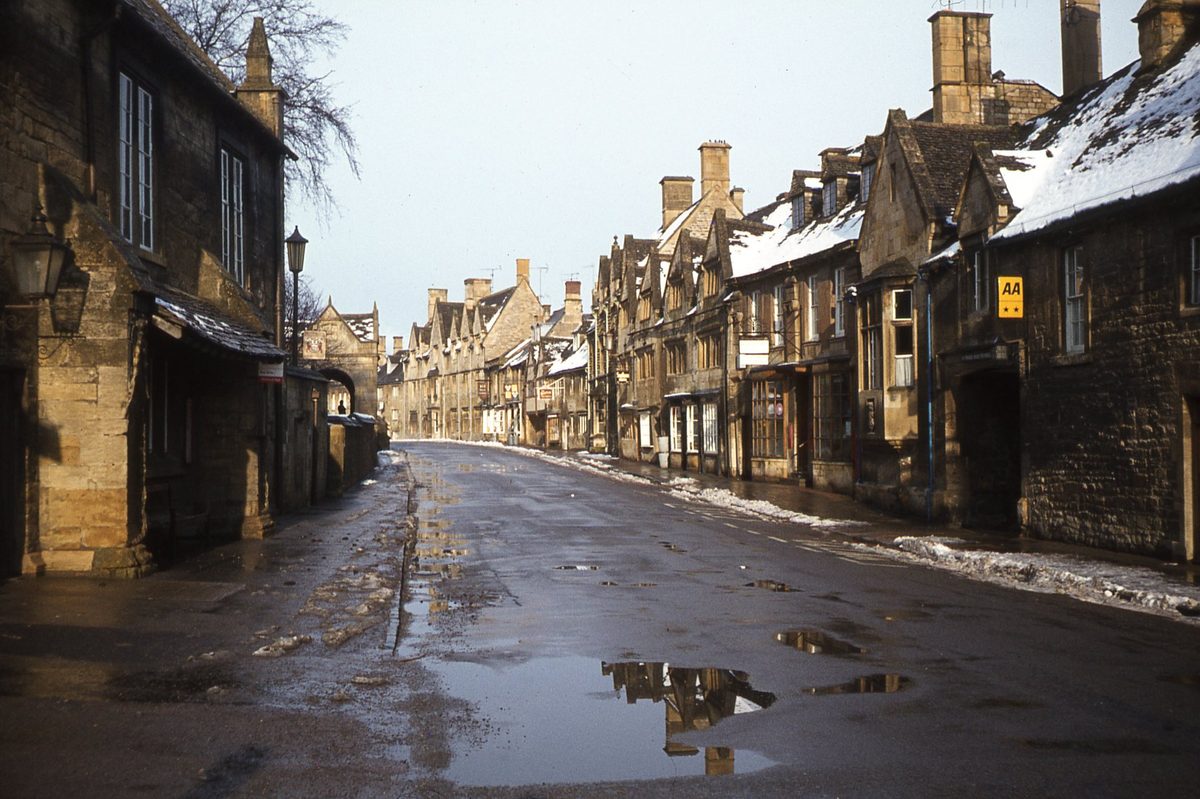
- Winter can be magic. November to March means short days and some closures, but on a crisp morning you may have Bibury or Castle Combe almost to yourself.
If you are coming up for the day, time your honeypots for early and save the quiet villages for the busier middle of the day. For the mechanics of a day trip from the capital — trains, tours, timings — see my guides to the Cotswolds day trip from London and the practicalities of a London to Cotswolds day trip.
Getting Between the Villages
Most of these villages are linked by narrow lanes and are far easier with a car — the freedom to arrive at Bibury at 8am or to slip down to Snowshill on a whim is exactly what makes a Cotswolds trip sing. If you are driving, my notes on hiring a car in England will save you a few headaches with insurance and lane-width nerves.
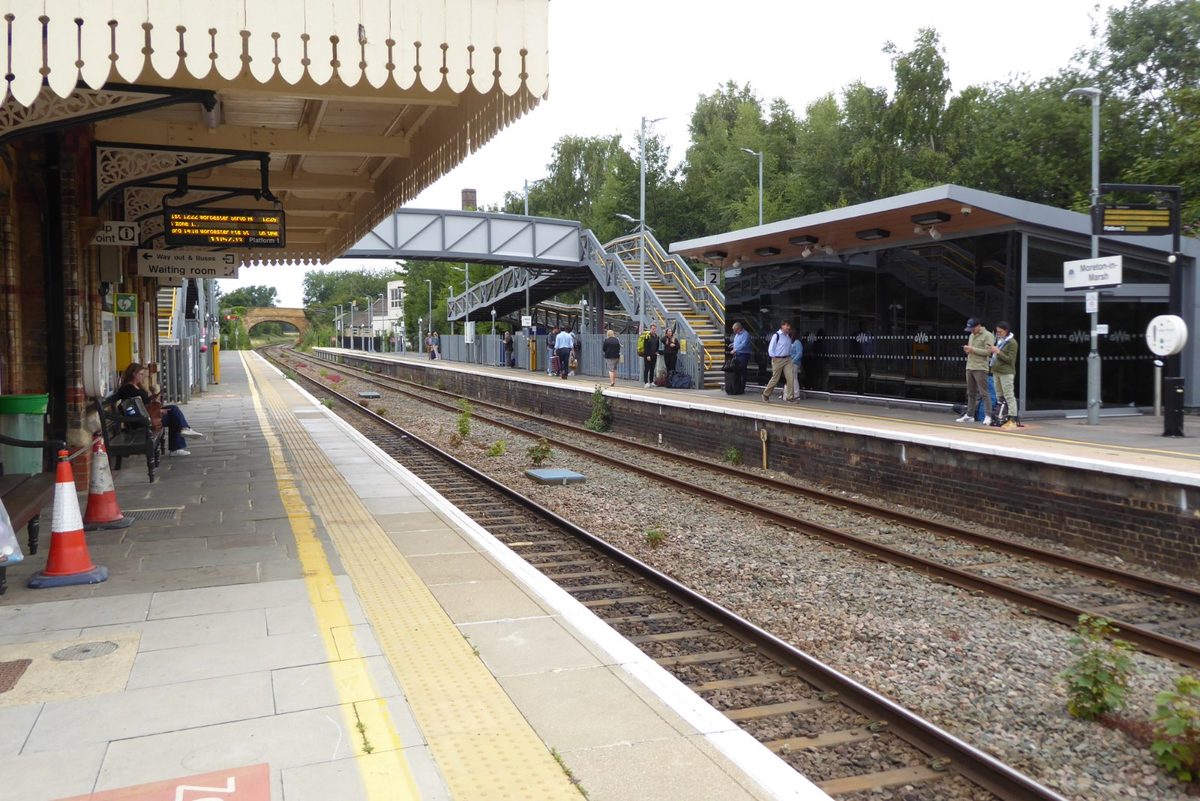
That said, you absolutely can do this without driving. Stow, Moreton-in-Marsh (on the rail line), Bourton, Broadway, Chipping Campden and Winchcombe are reachable by train-plus-bus and on foot, and I have mapped out exactly how in my guide to the car-free Cotswolds plan. For the wider regional picture of buses and trains, see travelling around England without a car.
Wherever you base yourself, do not try to “do” all fourteen villages in this guide in two days. Pick five or six in one cluster, leave time to sit by a river or in a pub, and you will have a far better trip than someone racing between car parks. When you fancy a proper sit-down, my round-up of where to eat in the Cotswolds tells you which ones are worth the stop.
Final Thoughts
The “best Cotswolds villages” are not really a ranking — they are a set of choices about what you want and when you are willing to show up. If you want the iconic shot, Bibury at dawn. If you want a complete, perfect village, Castle Combe in the late afternoon. If you want peace, Stanton or Snowshill almost any time. And if it is your first trip, base in Chipping Campden or Stow, see five villages in one northern loop, and leave the rest for next time.
If you remember only one thing from this whole guide, make it this: go early, pick one cluster, and don’t rush. Do that and even the famous villages reward you. Ignore it and you will spend a beautiful day looking at the back of someone else’s selfie stick.
When you are ready to widen the trip, the Cotswolds slots neatly into a bigger English journey — see how it fits into a longer England itinerary and where it ranks among the most beautiful villages in England. For more of this kind of quiet-corner advice, my round-ups of hidden gems in England and the places-to-visit roundup carry on the theme.
Research and Source Notes
This guide draws on my own repeat visits to the Cotswolds across different seasons, cross-checked against current travel coverage as of 2026. Crowd patterns, timings and the Forbes “world’s prettiest village” designation for Bibury were verified against village guides and visitor resources including Cotswolds Tourism, Cotswolds.com, the Cotswolds FAQ on visiting Bourton-on-the-Water, Time Out and Rick Steves’ notes on the quieter Cotswolds. Prices, opening details and crowd levels change — treat all timings here as a guide (around / as of 2026) and check ahead before you travel. For the full regional overview, transport and seasonal advice, see the Cotswolds region guide, the full England guide and my notes on the England seasons rundown.
Photo Credits
- Honey-stone weavers cottages at Arlington Row, one of the best Cotswolds villages to photograph early in the morning — Photo: Colin Park / CC BY-SA 2.0 via Wikimedia Commons. Source
- Low stone footbridges over the River Windrush at Bourton-on-the-Water on a quiet morning — Photo: Anthony O’Neil / CC BY-SA 2.0 via Wikimedia Commons. Source
- Lavender fields and honey-stone cottages at hilltop Snowshill, one of the least touristy Cotswolds villages — Photo: FrDr / CC BY-SA 4.0 via Wikimedia Commons. Source
- The curving golden high street and Market Hall of Chipping Campden, a great all-round Cotswolds village — Photo: Colin Park / CC BY-SA 2.0 via Wikimedia Commons. Source
- The stone cottages and market cross of Castle Combe, often called the prettiest village in England — Photo: Chris Andrews / CC BY-SA 2.0 via Wikimedia Commons. Source
Frequently asked questions
What is the prettiest village in the Cotswolds?
Bibury wins for a single view — Arlington Row was named the world’s prettiest village by Forbes for 2025 — but Castle Combe is the prettiest whole village, with no modern intrusions at all. My honest answer: Bibury for the photo, Castle Combe for the place. Visit either early to enjoy it without crowds.
Which Cotswolds village is least touristy?
Stanton, Snowshill, Naunton, Upper Slaughter and Northleach are the quietest of the genuinely pretty villages. Northleach was bypassed by the main road, leaving it almost untouched by mass tourism, while Stanton has just one pub and no shops to speak of. All five give you the honey-stone Cotswolds without the coach parties.
How many Cotswolds villages can you see in a day?
Comfortably four to six if you stay within one cluster. The northern villages — Broadway, Snowshill, Stanton, Stow, Bourton and the Slaughters — sit within about twenty minutes of each other, so a relaxed day is realistic. Trying to add southern villages like Castle Combe in the same day means too much driving and not enough strolling.
Which is the best Cotswolds village for a first visit?
Chipping Campden or Bourton-on-the-Water. Chipping Campden gives you a handsome, lived-in high street with great food and easy walks; Bourton gives you the iconic riverside scene and works well with children. Both are easy to reach and make a perfect introduction before you branch out to quieter villages on a return trip.
Is Bibury worth visiting given the crowds?
Yes — if you time it right. Bibury is genuinely one of the most beautiful villages anywhere, but it is tiny and can be mobbed by late morning in summer. Arrive by 8am, or visit in shoulder season or winter, and you may have Arlington Row almost to yourself. Turn up at midday in August and you will be queuing for the photo.
What is the best Cotswolds village to use as a base?
For the northern cluster, Stow-on-the-Wold is the most practical hub, Broadway the most elegant, and Chipping Campden my personal favourite for balancing charm and convenience. Burford anchors the western side, and Winchcombe suits walkers. Moreton-in-Marsh is the best base if you are relying on the train rather than a car.