Sheet 42 · Cotswolds Travel Guide · 15 min read
Cotswolds Pubs and Tea Rooms
A local's guide to the best Cotswolds pubs tea rooms, by village: log-fire country inns, Sunday roasts, afternoon tea spots, booking tips and rough 2026
 Sheet 42
Contents 8 sections
I have eaten a lot of pies in the Cotswolds. I have also, in the name of thorough research, sat through more pots of tea and tiers of finger sandwiches than is strictly dignified for one person. Here is what all of it taught me: the Cotswolds do two things better than almost anywhere in England, and they are the pub and the tea room. This guide to Cotswolds pubs tea rooms is the food-led version I wish someone had handed me years ago — proper country inns with log fires and cask ale, and the best spots for afternoon tea, sorted by village so you can actually plan a day around them.
If you remember only one thing, make it this: a proper Cotswold pub means a low beamed ceiling, a fire, a pie, and a pint of something local — and the best ones fill up by Friday lunchtime, so book.
Quick Answer: The Best Cotswolds Pubs and Tea Rooms
For the best Cotswolds pubs tea rooms in one trip: eat at country inns like The Wild Rabbit (Kingham), The Lamb Inn (Burford) and The Bull (Fairford-edge), and take afternoon tea at Huffkins (Burford), Tisanes (Broadway) or The Lygon Arms (Broadway). Book pubs for Sunday lunch and weekend evenings well ahead. Expect roughly £16–£28 for a main and £25–£55 for afternoon tea, as of 2026.
At a Glance: Pubs and Tea Rooms by Village
| Place | Village / area | Known for | Rough cost (2026) |
|---|---|---|---|
| The Lamb Inn | Burford | 15th-century coaching inn, fires, garden | Mains ~£18–£28 |
| Huffkins Tea Room | Burford | 1890s institution, cakes, classic afternoon tea | Tea ~£25–£32 pp |
| The Porch House | Stow-on-the-Wold | “Oldest inn in England”, flagstones, ales | Mains ~£17–£26 |
| The Wild Rabbit | Kingham | Daylesford-sourced gastropub, open fires | Mains ~£20–£34 |
| The Kingham Plough | Kingham | Award-winning dining pub, seasonal menu | Mains ~£20–£30 |
| The Swan | Bibury | Riverside inn, smart bar, rooms | Mains ~£18–£28 |
| Tisanes Tea Rooms | Broadway | 17th-century stone, traditional afternoon tea | Tea ~£25–£35 pp |
| The Lygon Arms | Broadway | Historic hotel, elegant afternoon tea | Tea ~£39–£56 pp |
| The Castle Inn | Castle Combe | 12th-century interior, rosette menu | Mains ~£18–£30 |
| The Old Manse / Old New Inn | Bourton-on-the-Water | Riverside, family-friendly, roasts | Mains ~£15–£24 |
| The Wheatsheaf Inn | Northleach | Cask ale, dog-friendly, central base | Mains ~£18–£28 |
| The Bell at Stow | Stow-on-the-Wold | Classic pub, modern food, dog-friendly | Mains ~£16–£26 |
Prices are a rough guide as of 2026 and move around with seasons and set menus — treat them as “around,” not gospel.
What Makes a Great Cotswold Pub
Before the named list, a quick word on what we are actually looking for, because not every honey-stone building with a Greene King sign is the real thing.
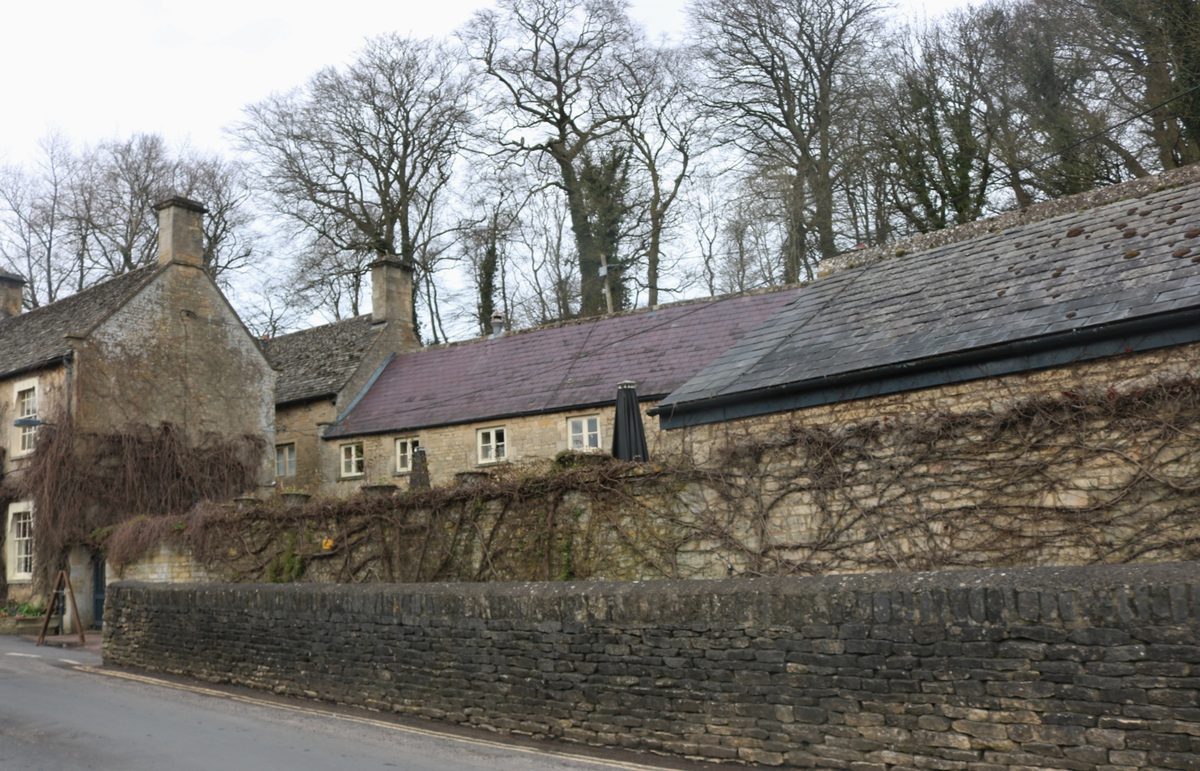
A great Cotswold pub gets four things right. First, the room itself: low beams, flagstone or worn-board floors, a proper open fire or wood burner that someone has actually lit, and enough nooks that you can find a quiet corner or a sociable one depending on your mood. Second, cask ale — a well-kept hand-pulled pint from a local brewery (Hook Norton, Donnington, Stroud, Wye Valley and Butcombe turn up constantly) is the single best test of a pub that cares. Third, food worth driving for: a Sunday roast with proper Yorkshires and roast potatoes that crunch, a pie under good pastry, and a menu that leans on local produce rather than the freezer. Fourth, a garden — half the joy of a Cotswold summer is a pint at a wooden table with fields rolling off behind you.
If you want the wider story of why English pubs and afternoon tea are the way they are — the history, the etiquette, the regional quirks — that lives in our England food, pubs and afternoon tea guide. Here I am staying parochial and practical: the Cotswolds, by village.
The Best Cotswold Pubs by Area
I have grouped these by the village or town you would base around, so you can match pubs to wherever you are sleeping or whichever villages you are looping on a day out. For the villages themselves, our best Cotswolds villages guide does the scenery; this does the dinner.
Burford and the Windrush Valley
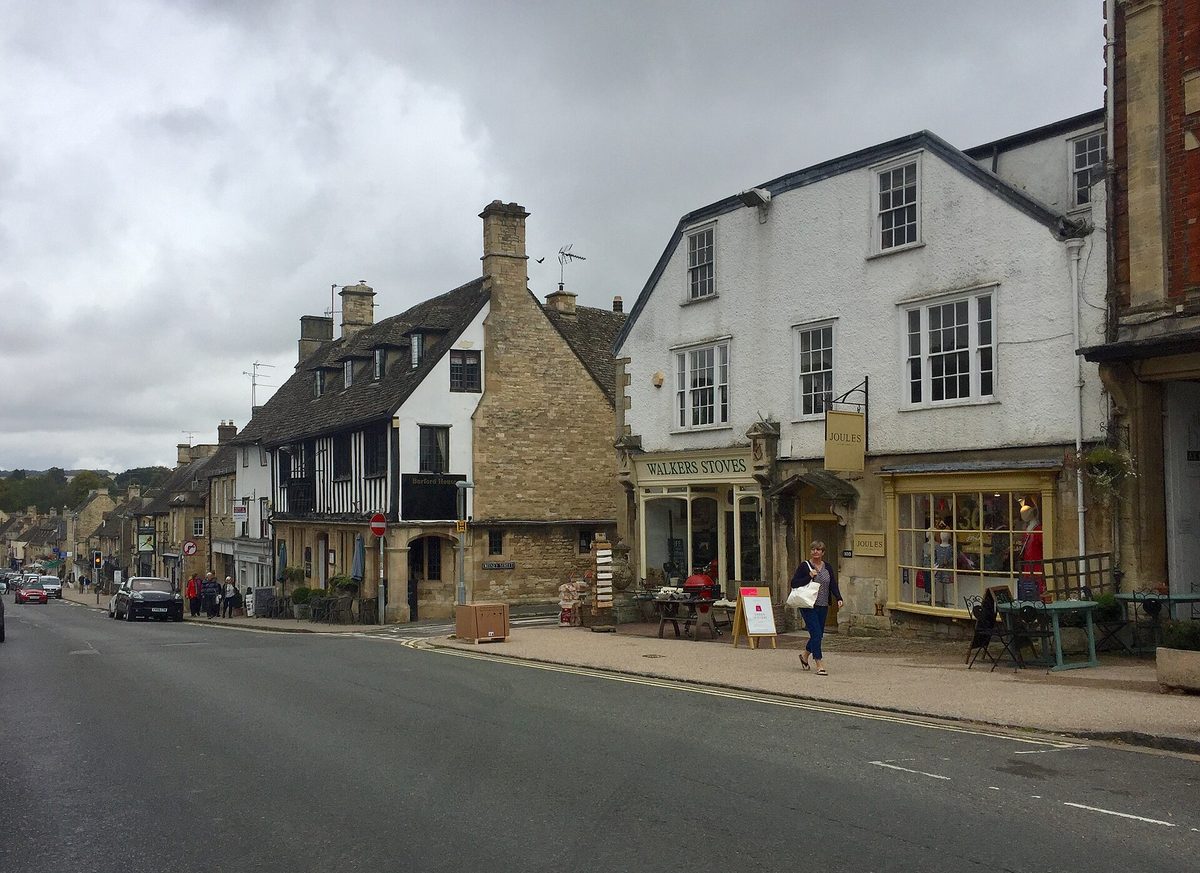
Burford is the obvious western gateway — that long, sloping high street of golden shopfronts — and The Lamb Inn is its heart. It is a 15th-century coaching inn with everything you came for: flagstones, fireplaces, a snug bar, a walled garden for summer, and a kitchen that takes its food seriously without going stiff about it. Book for Sunday lunch in particular; it is one of the most popular roasts for miles. It also has rooms, but I will let the where to stay in the Cotswolds guide handle the bedrooms.
A short hop away, The Swan at Swinbrook sits right by the River Windrush with a garden made for a slow lunch, and The Maytime Inn at nearby Asthall is a reliable, family-friendly stop with good ales. If you are walking the Windrush, these are your natural mid-route rewards — pair them with our Cotswolds walks guide.
Stow-on-the-Wold
Stow punches well above its size for pubs, partly because it has been watering travellers for over a thousand years. The Porch House claims to be the oldest inn in England, with timbers carbon-dated to the 10th century — built, the story goes, around 947 AD as a hospice for pilgrims. Whether or not it is the absolute oldest, it is a wonderful place to drink: flagstone floors, ancient beams, big fires, and a snug that feels properly historic. Food is modern-British and dependable.
On the market square, The King’s Arms is a 500-year-old stone coaching inn where King Charles I reputedly stayed in 1645 on his way to Naseby — handsome, characterful, good for a long lunch. The Bell at Stow is the more design-led, dog-friendly option just off the square, with a smart, modern menu and a buzzy bar; it photographs beautifully and the food backs it up. And The Queen’s Head on the square is the unreconstructed local — old-world charm, honest pub grub, a pint of Donnington (brewed just up the road) — when you want a pub rather than a restaurant pretending to be one. For where Stow fits in a short trip, see our two-day Cotswolds itinerary.
Kingham and the dining-pub belt
If you care about food above all, point yourself at Kingham. The Wild Rabbit is, as one writer put it, “pure Cotswold gold” — an 18th-century building done up with roaring open fires, stone walls and comfy armchairs, and a kitchen that pulls a lot of its produce from the Daylesford farm next door. It is a serious gastropub with prices to match, but the bar is welcoming and you can absolutely just have a pint and a plate. Round the corner, The Kingham Plough has a wall of awards — including national dining-pub honours — for a constantly changing, seasonal, locally sourced menu. Both take booking very seriously; do not roll up on a Saturday night and hope.
This corner of the Cotswolds, around Kingham, Daylesford and the Oddingtons, is where the food scene is at its most ambitious. The Fox at Oddington belongs here too: crackling winter fires, a bar strong on local beers, and food a notch above standard pub fare.
Bibury, Northleach and the central villages
Bibury gets all the postcards (that row of weavers’ cottages at Arlington Row), and The Swan is its anchor — a riverside inn with a smart, modern bar, a good menu and rooms upstairs. It is genuinely lovely, though the village heaves with visitors midday, so aim for an early or late table.
For a base that puts you within striking distance of Bibury, Bourton and Cirencester, The Wheatsheaf Inn at Northleach is hard to beat: a historic inn with a hand-picked range of cask ales, a relaxed dining room, and a properly dog-friendly, family-friendly attitude. Northleach itself is one of the under-visited gems, so the Wheatsheaf rarely feels overrun the way the headline villages do.
Bourton-on-the-Water and the Slaughters
Bourton — “the Venice of the Cotswolds,” with its low bridges over the Windrush — is busy and family-heavy, and the pubs reflect that. The Old New Inn and the riverside spots are geared to crowds and children; expect solid, crowd-pleasing roasts rather than fireworks. The Old Manse, overlooking the river, does roaring fires, hearty seasonal dishes and real ale, and welcomes dogs. If you are travelling with little ones, our Cotswolds with kids guide has more on which spots cope cheerfully with high chairs and small attention spans.
Just up the lanes, the Slaughters (Upper and Lower) are almost absurdly pretty and almost entirely residential — the place to walk between, then drink back in Bourton or Stow.
Castle Combe, Tetbury and the southern Cotswolds
Down in the south, The Castle Inn stands in the old market square at the heart of Castle Combe — frequently called the prettiest village in England — with a rustic 12th-century interior and a rosette-winning, local-and-seasonal menu. Castle Combe is tiny and gets very busy, so a booked table here doubles as a guaranteed seat in the most photographed village in the country.
In Tetbury, The Priory Inn is the easygoing local favourite, with a popular restaurant and a wood-fired oven turning out home-baked specialities and gourmet pizzas — a good shout when the table includes someone who does not want a roast. And around Painswick and the Stroud valleys you will find lovely fireside locals like The Black Horse at Cranham, a 17th-century pub opposite the common that is the platonic ideal of “pint of real ale by the fire.”
Tea Rooms and Afternoon Tea in the Cotswolds
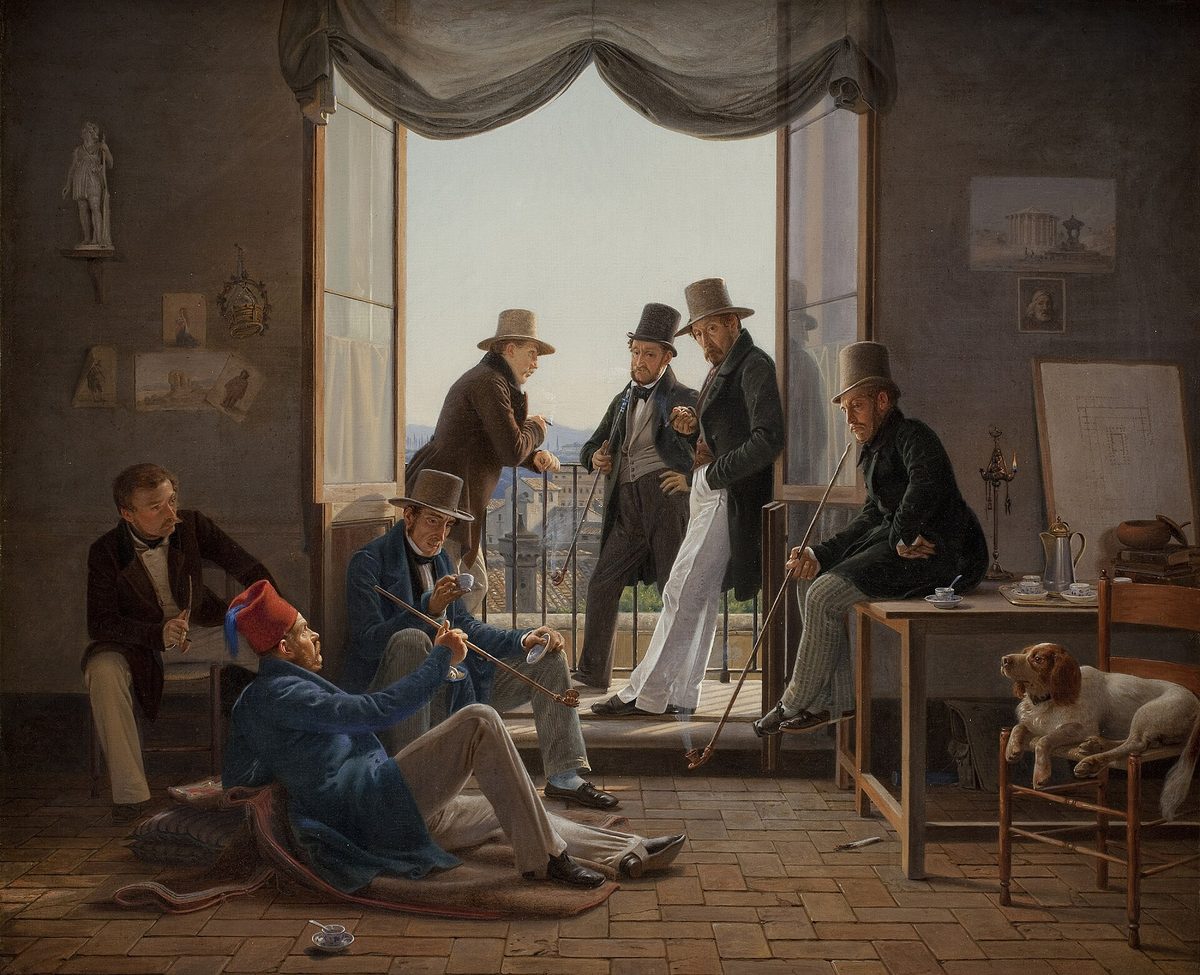
Now the other half of the day. Cotswolds afternoon tea comes in two flavours, and it helps to know which you want before you book. There is the grand hotel version — tiered stands, Champagne, white tablecloths, a pianist somewhere — and there is the village tea room version — homemade Victoria sponge, a fat pot of tea, a low-ceilinged room that has been doing this for a century. Both are wonderful. They cost very different amounts.
Classic village tea rooms
Huffkins in Burford is the institution — established in 1890, all heritage and good baking, with a tearoom that does a proper, unpretentious afternoon tea alongside cakes you will think about later. It is my default recommendation if you want the real old-Cotswold tea-room experience rather than a hotel set-piece. Expect to pay somewhere around £25–£32 per person for the full afternoon tea as of 2026, and rather less if you just want a scone and a pot.
In Broadway — that wide, elegant green high street — Tisanes Tea Rooms occupies a classic 17th-century stone building and does a lovely traditional afternoon tea in the prettiest of settings. Broadway is the spiritual home of the Cotswold tea room, and a stroll-and-tea afternoon here is one of the most pleasant ways to spend a day in the whole region.
Elsewhere, look for The Kitchen in Minchinhampton for a cosy, homely vibe and homemade treats with local ingredients, and the quirkier, vintage-stuffed tea rooms in Cheltenham (such as Well Walk Tea Rooms) if you find yourself in the Regency town.
Grand-hotel afternoon tea
If you want the full white-tablecloth occasion, The Lygon Arms in Broadway is the classic — one of the country’s most historic hotels, having hosted everyone from Oliver Cromwell to Prince Philip, with afternoon tea served inside its 16th-century walls. As of 2026 expect roughly £39–£40 per person for the classic tea and around £55 with Champagne.
Other smart options: Dormy House near Broadway (around £45 per person, often weekend-only), Lords of the Manor at Upper Slaughter for genuine luxury, Cotswold House in Chipping Campden (served daily, roughly midday to 4pm), and Stratton House Hotel in Cirencester for a more affordable hotel tea at around £25. And for something different, Three Choirs Vineyard near Newent bundles afternoon tea with a vineyard tour and tasting.
A practical note on timing: most afternoon teas are served between about 12pm and 5–6pm, with a typical window of 2–4pm, and the good ones want booking — especially Friday to Sunday. Walking up and hoping rarely works at the smart hotels.
Pubs with Rooms: Sleeping Above the Bar
One of the great Cotswold pleasures is eating, drinking and then simply walking upstairs to bed. Many of the pubs above — The Lamb at Burford, The Porch House and Bell at Stow, The Swan at Bibury, The Wild Rabbit and Kingham Plough, The Wheatsheaf at Northleach, The Old Manse at Bourton — have well-kept rooms, and quite a few are dog-friendly to boot.
I am deliberately not going to rank the bedrooms here, because that is its own decision with its own trade-offs. For which pubs-with-rooms are actually worth booking, where to splurge versus save, and how they compare to cottages and hotels, head to our dedicated where to stay in the Cotswolds guide. For the wider national picture, see where to stay in England.
Practicalities: Booking, Costs, Dietary and Family Notes
Booking. This is the one I cannot stress enough. The headline pubs — anything in this guide with awards or a famous chef attached — fill weekends and Sunday lunchtimes days, sometimes weeks, in advance. If your trip hinges on a Sunday roast at The Lamb or dinner at The Wild Rabbit, book the moment you have dates. Midweek and shoulder-season (see our best time to visit England guide) you have far more freedom to wander in.
Rough costs (as of 2026). A pub main typically runs around £16–£28, with the serious gastropubs reaching into the low-to-mid £30s for signature dishes; a Sunday roast is usually around £18–£24. A pint of cask ale is roughly £5–£6.50. Village-tea-room afternoon tea sits around £25–£35 per person; grand-hotel afternoon tea around £39–£56, with Champagne at the top end. For how this fits a wider trip budget, see our England budget and costs guide.
Dietary needs. The better Cotswold kitchens are good about this — vegetarian options are standard, and most will do a vegan roast or gluten-free arrangements if you flag it when booking. The smaller, older village pubs and tea rooms can be more limited and more old-fashioned, so a quick phone call ahead saves disappointment.
Family and dogs. Cotswold pubs are, on the whole, brilliantly child- and dog-friendly — many keep water bowls and dog biscuits behind the bar, and welcome families until early evening. The exceptions tend to be the most ambitious dining rooms in the evening. Bourton’s riverside pubs are the easiest with young children; for a full family itinerary see Cotswolds with kids.
Getting around. The honest truth is that the best pubs are scattered down country lanes, and one of you will need to drive (or you commit to one walkable village and stay put). Plan loops, not sprints, and build them around a long lunch. Our Cotswolds travel guide covers transport, and our broader England tips cover driving on the left and parking.
Final Thoughts
The Cotswolds reward people who plan their days around meals. A morning village walk, a long pub lunch by a fire, an afternoon mooch, then tea and cake before you drive home in the gold light — that is the whole region working as intended. Pick a couple of named pubs and one good tea room, book them, and let everything else be a happy wander in between. For the full regional overview, start with our Cotswolds travel guide; to see where the Cotswolds fits in a bigger trip, our England itinerary and best places to visit in England will set you up. And the country-wide England planning guide ties it all together.
Research and Source Notes
Recommendations here draw on a SERP review (June 2026) of leading Cotswolds food and travel pages, cross-referenced against named pubs and tea rooms that appear consistently across multiple independent guides. Sources consulted include Cotswolds.com, Country & Town House, Great British Life, Pocket Wanderings, Explore the Cotswolds, the Top 50 Gastropubs listing, Bolthole Retreats, Manor Cottages and individual venue sites (The Wild Rabbit, The Wheatsheaf, The Lygon Arms, Dormy House, Cotswold House, Stratton House Hotel). Specific picks were chosen for character, consistent acclaim, and a genuine food-and-fire focus rather than ranked by any single source. All prices are approximate and described as “around / as of 2026”; menus, opening hours and ownership change, so confirm directly with each venue and book ahead for weekends and Sunday lunch. People-Also-Ask style questions were used to shape the FAQ. This is an editorial guide, not a sponsored listing.
Photo Credits
- A honey-stone Cotswolds country pub with hanging flower baskets, the kind of place this Cotswolds pubs tea rooms guide is built around — Photo: Tony Hisgett from Birmingham, UK / CC BY 2.0 via Wikimedia Commons. Source
- A low-beamed pub interior with a roaring log fire and worn flagstone floor, the classic Cotswold country pub — Photo: David Howard / CC BY-SA 2.0 via Wikimedia Commons. Source
- A traditional Sunday roast with crisp potatoes and a tall Yorkshire pudding on a wooden pub table — Photo: Richard Law / CC BY-SA 2.0 via Wikimedia Commons. Source
- A three-tier stand of finger sandwiches, scones with clotted cream and cakes set for a Cotswolds afternoon tea — Photo: Constantin Hansen (CC0) via Wikimedia Commons. Source
- A sunny Cotswold pub garden with wooden tables and rolling green countryside behind — Photo: Alan Hughes / CC BY-SA 2.0 via Wikimedia Commons. Source
Frequently asked questions
What is the best pub in the Cotswolds?
There is no single answer, but for food the consensus favourites are The Wild Rabbit and The Kingham Plough near Kingham, both award-laden gastropubs. For character and history, The Porch House in Stow-on-the-Wold and The Lamb Inn in Burford are hard to beat. Choose food-led or atmosphere-led depending on the occasion, and book either way.
Where is the best afternoon tea in the Cotswolds?
For a classic village tea room, Huffkins in Burford (open since 1890) and Tisanes in Broadway are the standouts. For a grand hotel occasion, The Lygon Arms in Broadway and Dormy House near Broadway lead the field, with Lords of the Manor for full luxury. Book Friday to Sunday especially, as the best spots sell out.
How much does afternoon tea cost in the Cotswolds?
As of 2026, a village tea room charges roughly £25–£35 per person for a full afternoon tea, while grand hotels run around £39–£56, rising with Champagne. Stratton House Hotel in Cirencester is a good value option at about £25. A simple scone and pot of tea costs far less, often under £10.
Do you need to book Cotswold pubs in advance?
For Sunday lunch and weekend evenings at any popular or award-winning pub, yes, absolutely — these fill days or weeks ahead, particularly in summer and over holidays. Midweek and out of season you can usually walk in. When a specific pub is the point of your day, book your table as soon as you have firm dates.
Are Cotswold pubs dog-friendly and family-friendly?
Most are, and generously so. Plenty of Cotswold pubs keep dog bowls and biscuits behind the bar and welcome well-behaved dogs in the bar and garden, and children are usually welcome until early evening. The main exceptions are some upscale dining rooms after dark; if in doubt, a quick call ahead confirms it.
What food should I order in a Cotswold pub?
Order the Sunday roast if it is Sunday — it is the regional showpiece. Otherwise look for a proper pie, seasonal game in autumn and winter, and anything made with local produce or from a nearby farm. Pair it with a hand-pulled pint of a local cask ale such as Hook Norton or Donnington for the full effect.